Tag: design

  • Octaevo

    Octaevo

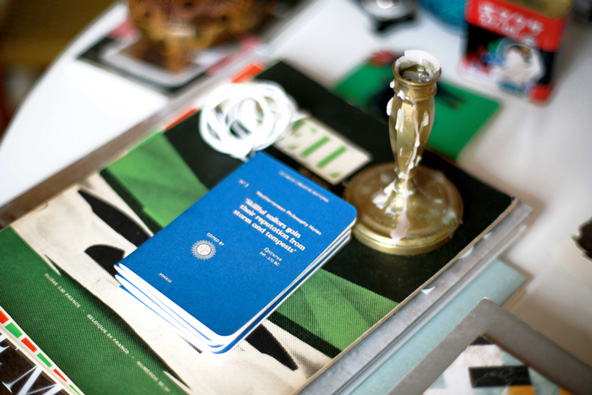
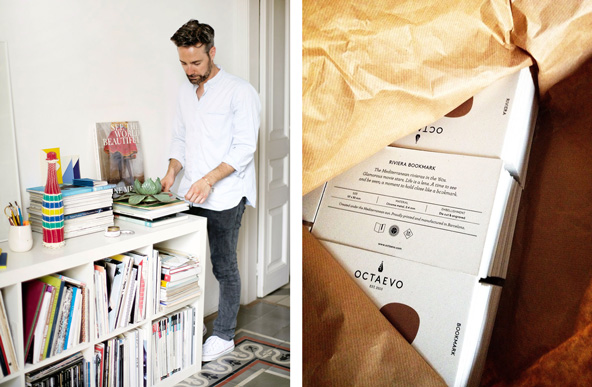
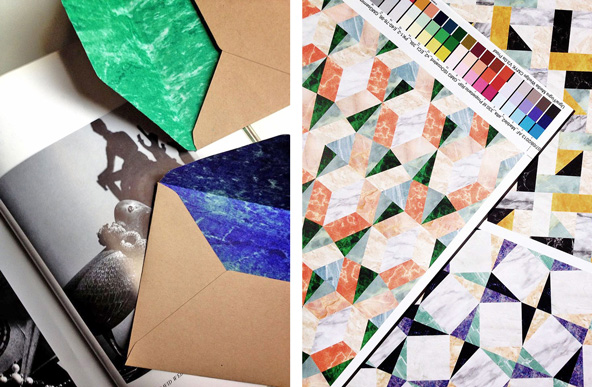
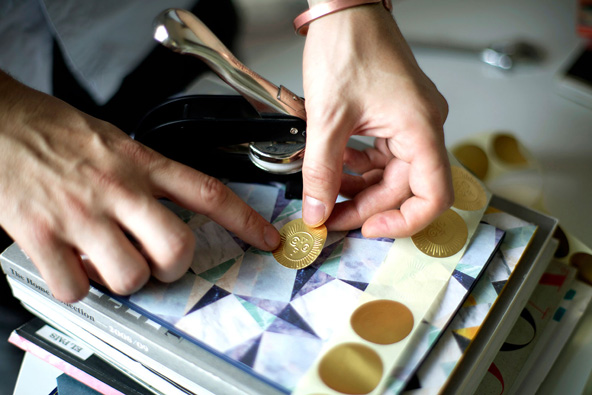
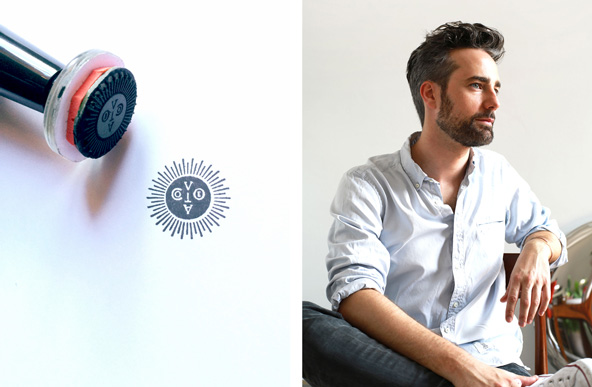
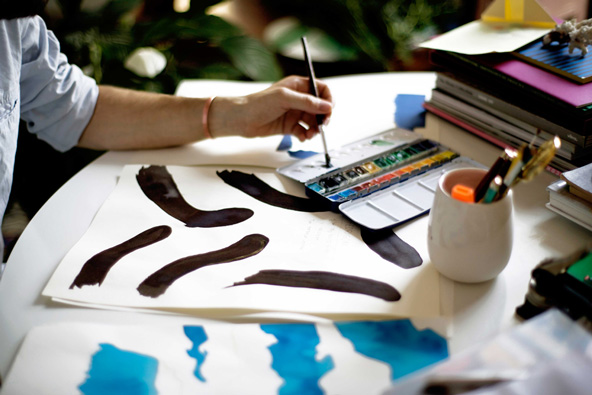
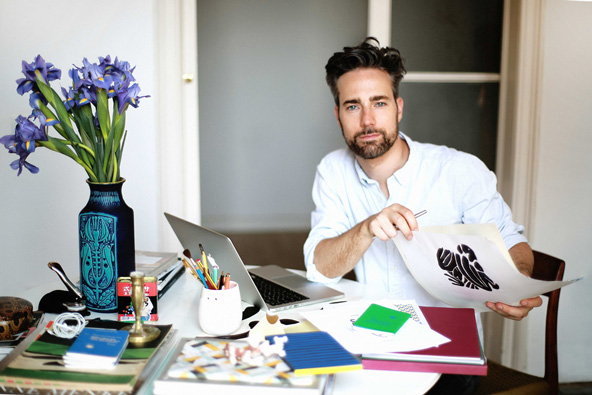
    Octaevo is a stationery brand from Barcelona founded by graphic designer and art director Marcel Baer. Octaevo’s products are inspired by the Mediterranean and produced in partnership with artisan workshops using the highest quality materials.

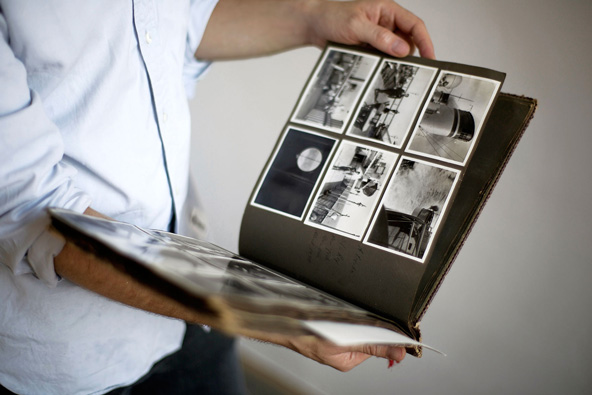
    Born in Zurich, Marcel found inspiration to start Octaevo from a a family photo album containing images of his father, Kurt, deep sea diving and Super 8 footage from his Spanish grandmother, Marieta, documenting her trips across the Mediterranean in the early 60’s. This family passion for the sea and, in particular, for the Mediterranean is translated into Octaevo’s pieces, made to be held close and built to last.

    We chatted to Marcel about his interest in stationery, design process and favourite places in Barcelona. Read the interview after the images.

    www.octaevo.com

    Photos by Olga de la Iglesia

    Future-Positive-Octaevo-6 Future-Positive-Octaevo-2 Future-Positive-Octaevo-4 Future-Positive-Octaevo-8 Future-Positive-Octaevo-1 Future-Positive-Octaevo-5 Future-Positive-Octaevo-3 Future-Positive-Octaevo-7

    You are an art director and graphic designer at Studio Marcel Baer – how did you get interested in stationery and what inspired you to create Octaevo?

    I have always been fascinated with printed products and craftsmanship. One day I realized I had amassed a huge archive of stationery I wasn’t even aware of. My passion must have started when I was about 6 years old. My grandfather would take me often to the local stationery shop, where I loved looking at the things on sale. It’s one of my fondest childhood memories. As a designer in Barcelona I am used to working with brands and start-ups. The idea grew to create a project that unites my passion for travelling the Mediterranean and enchanting stories – transforming them into beautifully crafted goods. We now sell in about 20 countries and will present 45 new products this September at Maison&Objet in Paris and then at DesignJunction in London.

    We’re very interested in the process of making your products. Where do you source the materials and manufacture the products? Where do you find inspiration for your collections?

    From the beginning I have had the mandate to support local producers as much as possible. As a Mediterranean brand we want our products to feel warm. Sourcing the right materials and combining them is a big part of the process. We invest a lot of time finding the right providers and getting to know them. Spending time at printers and workshops is one of the most rewarding aspects of production. A close relationship shows in the results.

    Travelling the Mediterranean offers a lot of inspiration as it’s such a dynamic area on the world map! It’s a small sea, but the greatness of its history makes it seem larger than it actually is. Just think of the blue of the sea, the Greek philosophers, the bazaars in Morocco, Fellini, the French Riviera… it’s infinite.

    Please tell us a little bit about Barcelona. Do you consider it a creative city? What are your favourite spots in the city? 

    Barcelona has changed quite a lot over the last few years. The creative scene is definitely reinventing itself and re-emerging. A lot of new restaurants and cafés have opened and as I love food, I am very happy about that. OMA Bistro is currently my favourite. I like the outdoors and gardens, therefore my preferred spots in Barcelona are the Teatre Grec on Montjuic, the Hivernacle garden centre and the terrace of the Hotel Alma.

    Who are your favourite local designers and makers we should know about?

    I like design that is relevant, mature, contemporary and timeless… There are quite a lot of local designers whose work I admire and I am happy to know some of them personally. Teresa Estapé is a local artist and jeweller that creates beautiful one-off pieces. Woody Allen is one of her clients. Lucia Vergara from Après Ski creates minimal jewellery made of geometric shapes and amazing colours. Ceramic artist Olga Tomas has her studio ¨Atuell¨ in the center of Gracia and also offers workshops besides her own creations . Andrew Trotter and Mari Luz Vidal are the directors of Openhouse Magazine, a publication about people who open their spaces to the public and the life they share -it’s great. When it comes to flowers, Manuela Sosa from Gang and the Wool and Estudio Sauvage make the most beautiful creations in Barcelona. Regarding furniture design, I am a fan of Lobster’s Day by Albert Garcia and the marble design objects by Aparentment… to name just a few.
  • Helsinki instants

    Helsinki instants

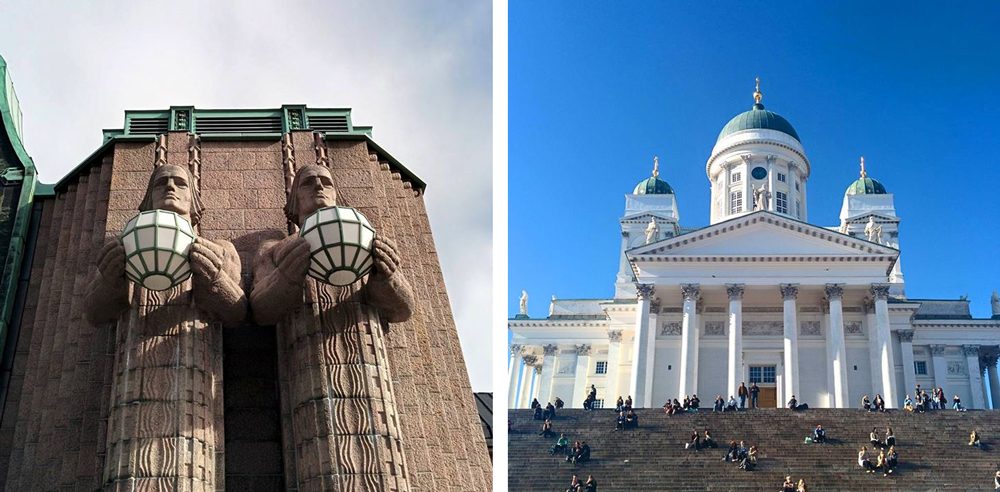
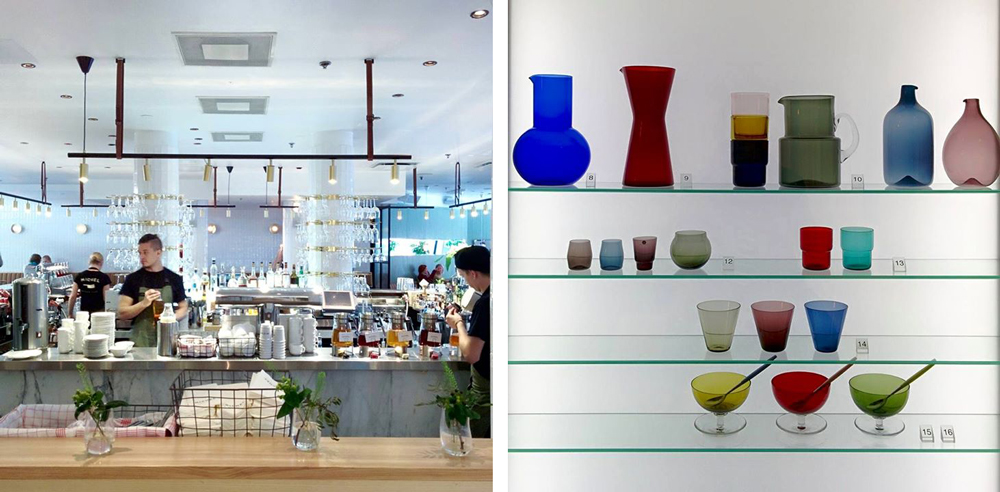
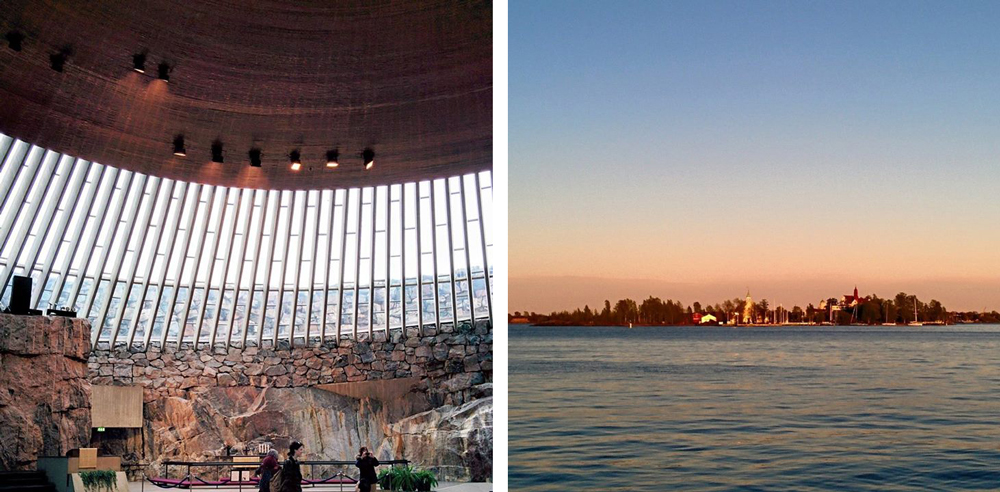
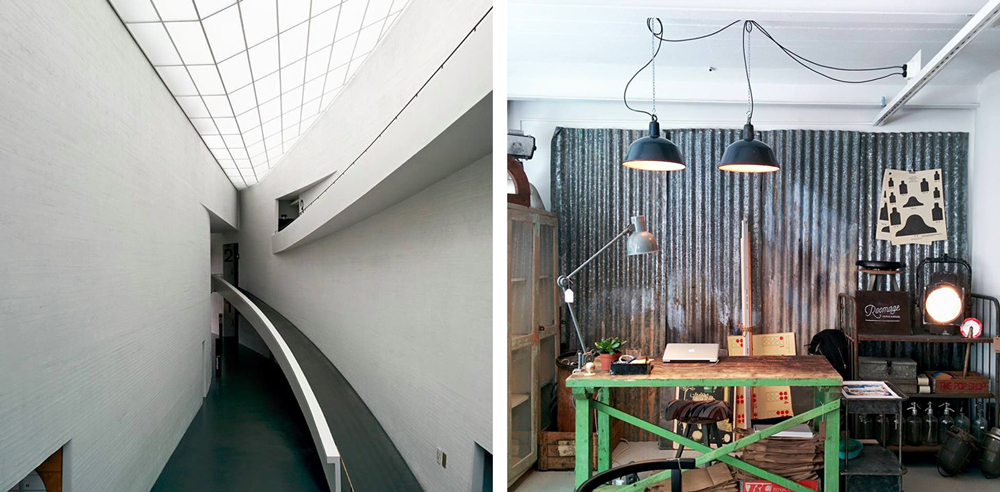
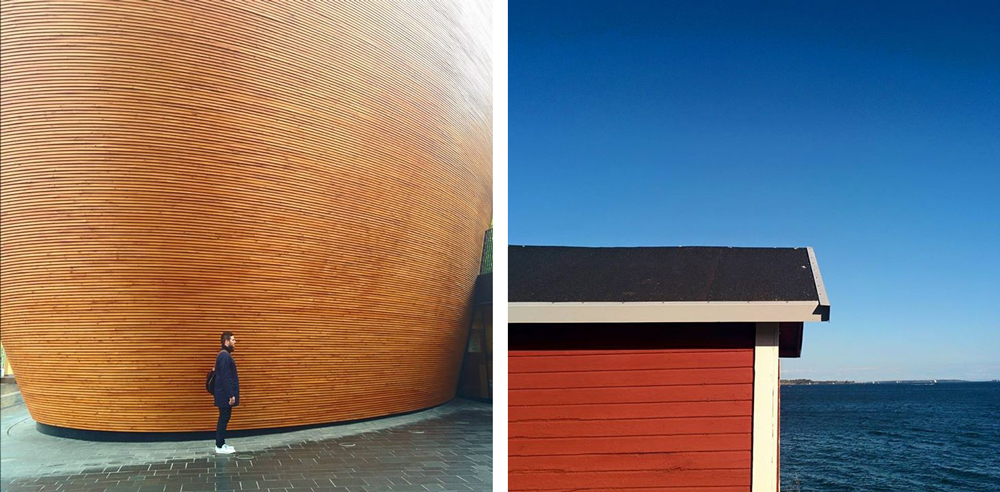
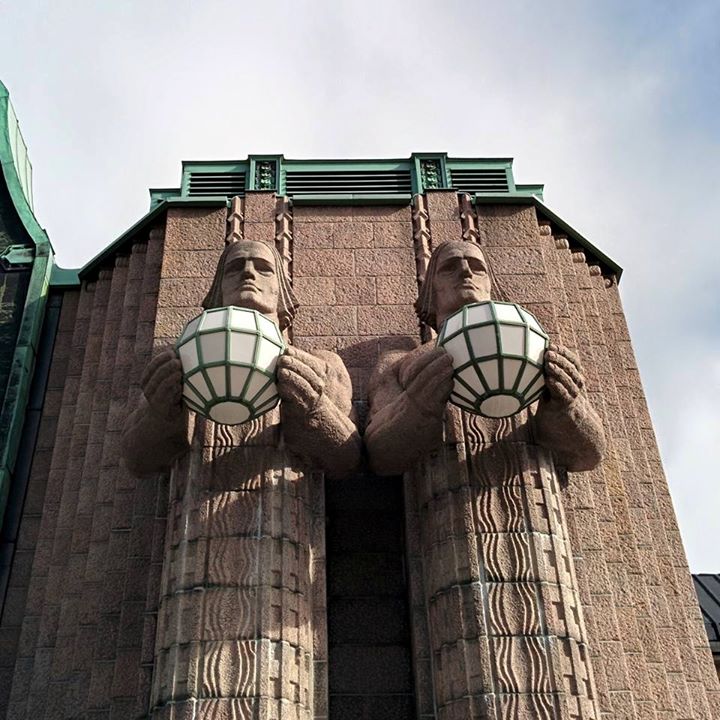
    We’re back from having an amazing time in Helsinki! Thanks so much Visit Helsinki and Visit Finland for such a great trip. We’ve loved the city and its people and can’t wait to share all the places we visited on a new City Guide. In the meantime, here are some snaps from our time there. You can see many more on our Instagram profile:

    www.instagram.com/futurepositive_

    Future-Positive-Helsinki-1 Future-Positive-Helsinki-3 Future-Positive-Helsinki-5 Future-Positive-Helsinki-4 Future-Positive-Helsinki-2

  • Getting ready for Helsinki

    Getting ready for Helsinki

    We’re really excited to announce that in just a couple of weeks we will be travelling to Helsinki to produce a new City Guide in partnership with Visit Helsinki. It will be our first time in Finland and we can’t wait to see what its capital has to offer.

    In anticipation to our trip, we have prepared a list of things we are excited about and look forward to experiencing when we arrive to Helsinki.

    Food

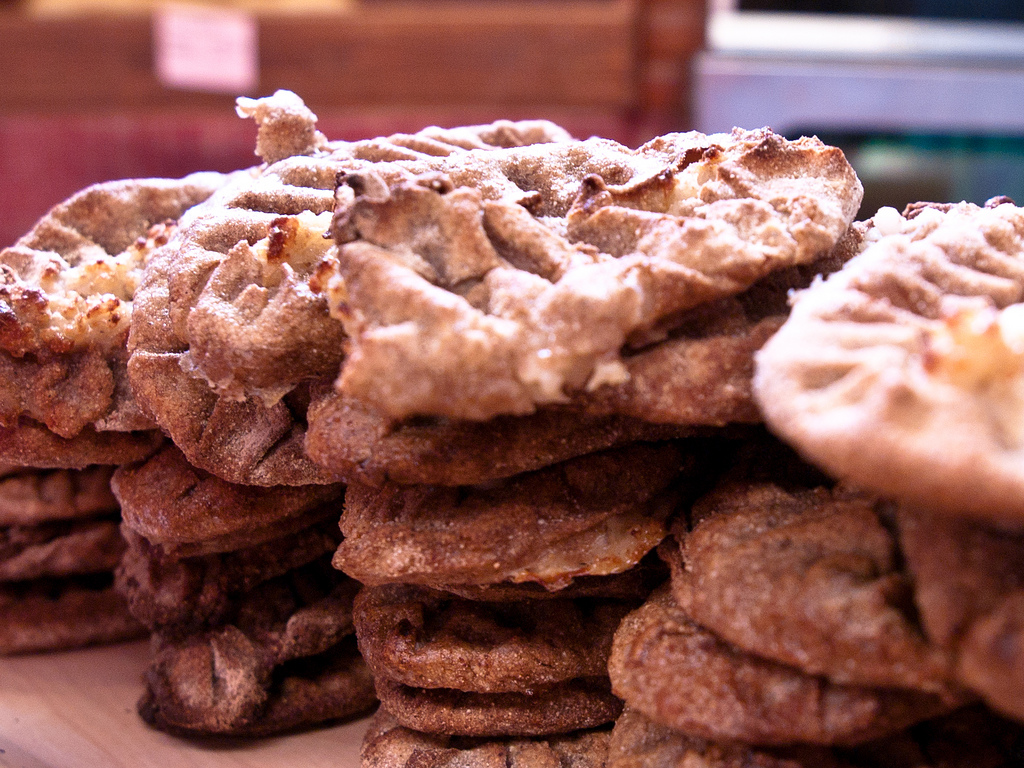
    Food is an essential part of our guides and we can’t wait to try some of Finland’s delicacies. There are so many dishes we want to taste that we’re not sure where to start, but we want to make sure we don’t leave the country without trying Karelian Pies (a traditional pastry made of rye flour and rice), Grillimakkara (sausages made for grilling and served with mustard), Korvapuusti (Cinammon buns) and Leipäjuusto (known in English as Finnish squeaky cheese).

    OLYMPUS DIGITAL CAMERA
    Photo by Dan Zelazo via Flickr Creative Commons

    Alvar Aalto’s Architecture

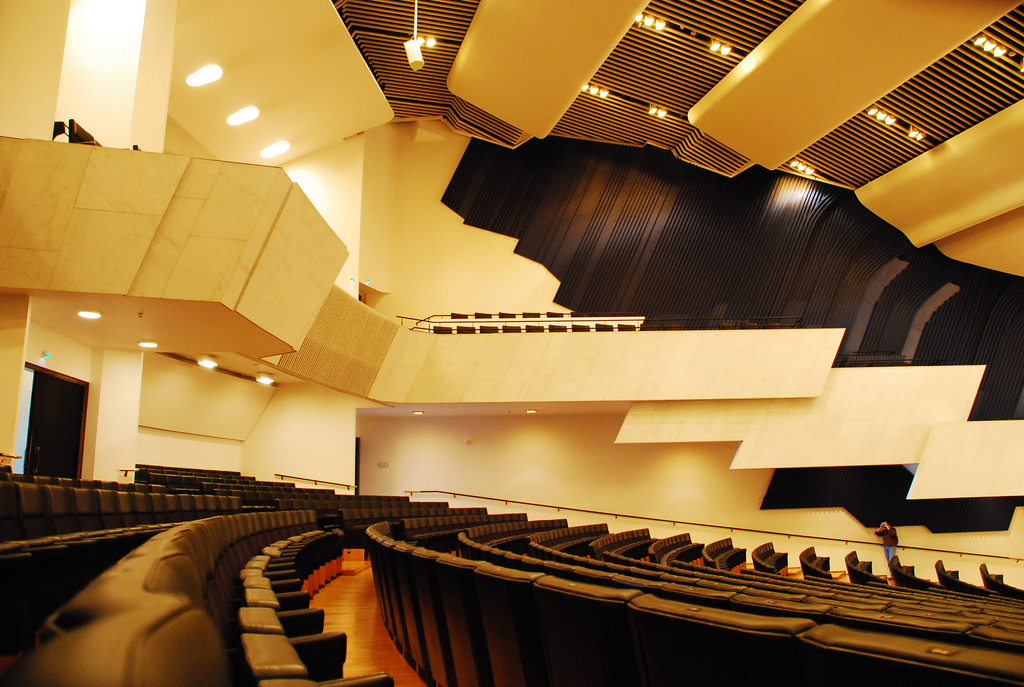
    One of the things we’re most excited about is being able to see the work of Finnish designer and architect Alvar Aalto in person. Aalto’s buildings are spread across the city, including his own house and studio, and we’re looking forward to seeing some of his creations such as the Finlandia Hall, the Academic Bookshop and the Kulttuuritalo.

    2790397556_f39de834f7_b
    Photo by Ro Rro via Flickr Creative Commons

    The Design District

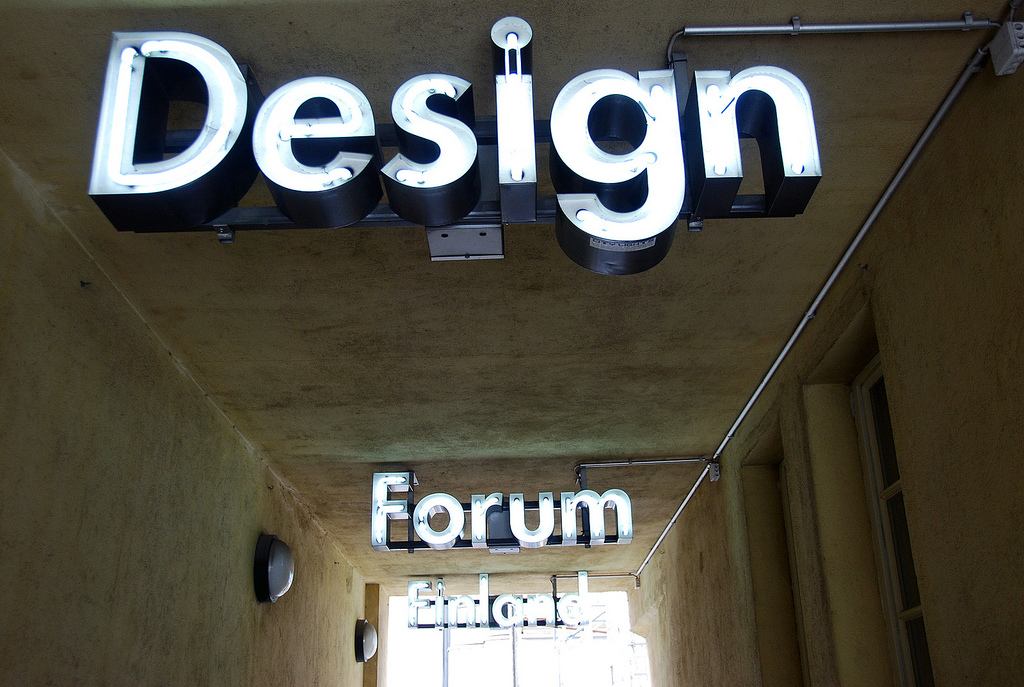
    Covering 4 different neighbourhoods in the heart of Helsinki, The Design District will definitely be our destination during most of our trip. With a list of almost 200 different shops, galleries and businesses, it will be difficult to see all of them but we’ve already started making our selection of independent designers and cafés to include in our guide!

    2742284732_431563fd02_b
    Photo by IK’s World Trip via Flickr Creative Commons

    Kallio

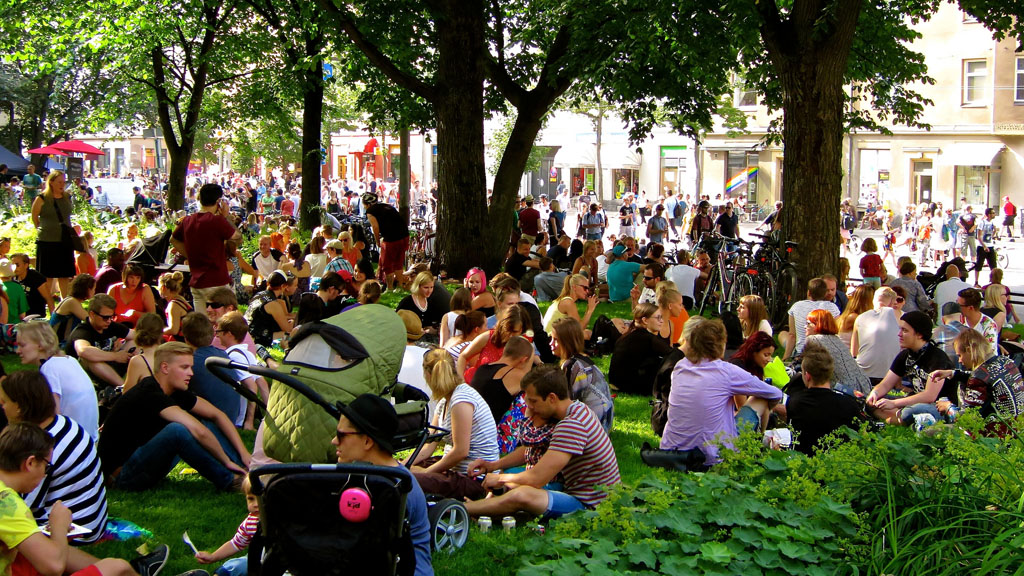
    Kallio is known as Helsinki’s hipster and up-and-coming district. From what we’ve read, this lively area is bursting with designers opening their own stores, artisan cafés (we’re especially interested in Good Life Coffee) and bars where you can enjoy cheaper drinks compared to the rest of the city – sounds like a good plan!

    14808662754_8aaa6abe73_k
    Photo by /Kallu via Flickr Creative Commons

    Make sure to check our Instagram profile to follow our trip live in just a couple of weeks!

  • Cover & Couch

    Cover & Couch

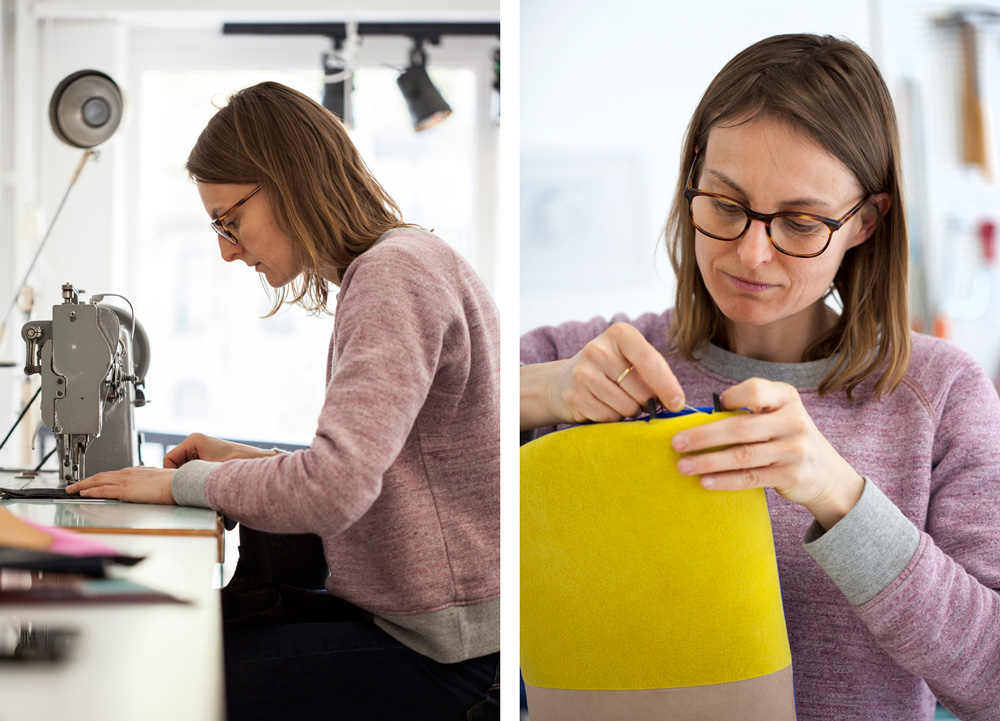
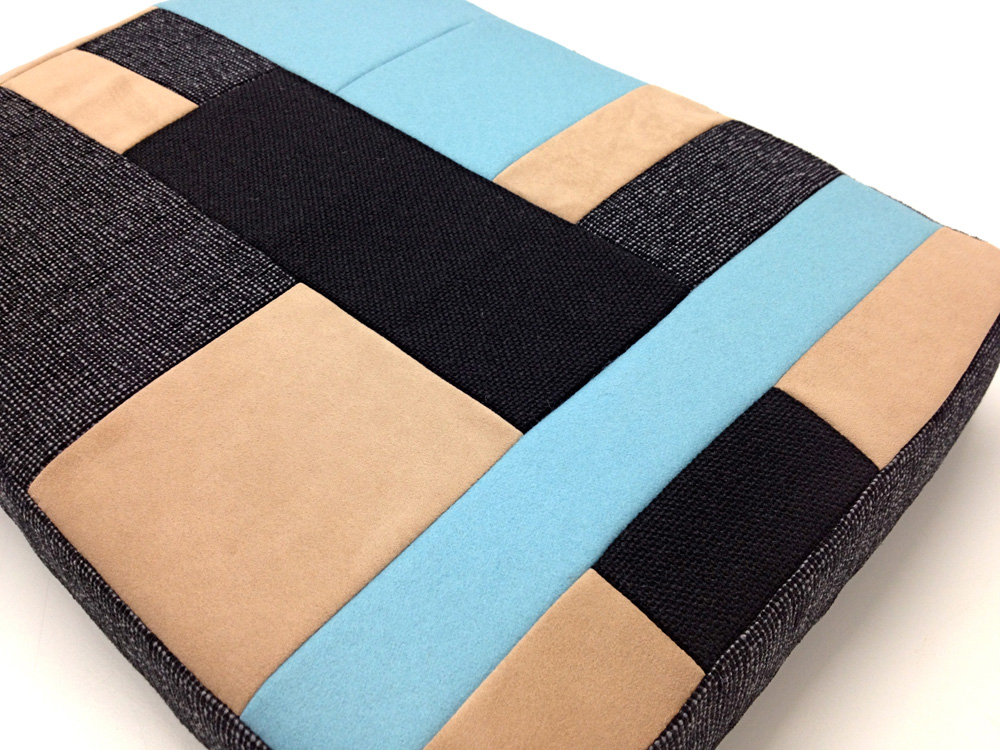
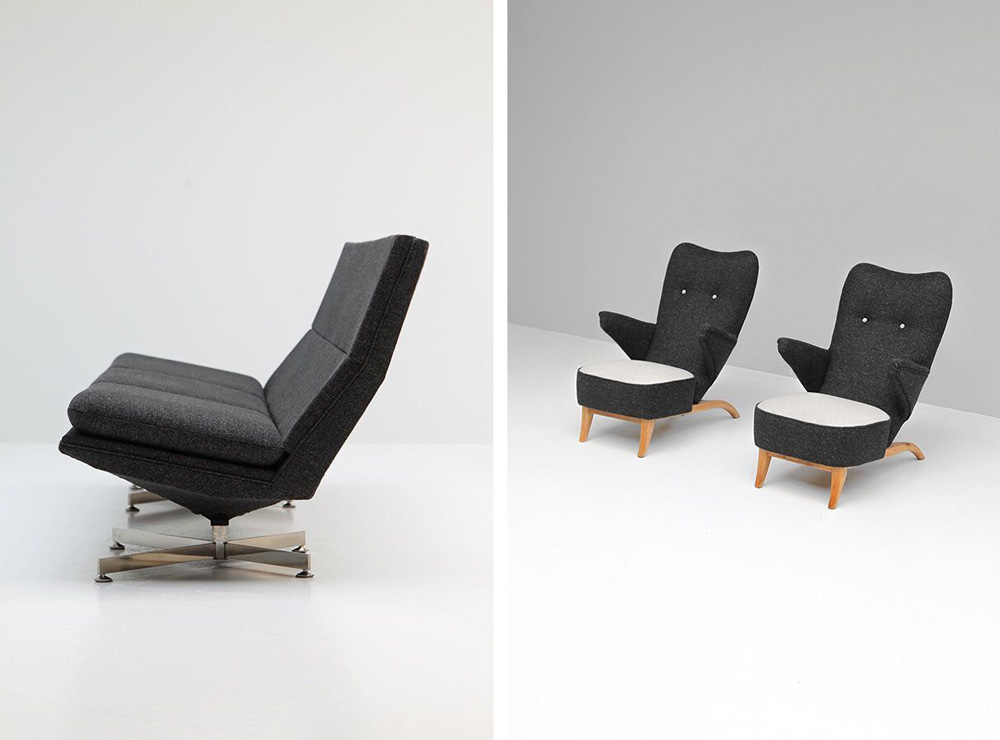
    Cover & Couch is an Antwerp-based upholstery studio founded by Sophie Doore 5 years ago, working with vintage dealers, interior architects and private clients. Sophie also designs her own line of cushions focusing on geometrical patterns, inspired by the rich and bold colours of the high quality fabrics she uses.

    In September last year, Sophie relocated her studio to the top floor of design store City Furniture in  an upcoming neighbourhood for vintage design in Antwerp’s city centre. We caught up with Sophie to find out how her love for upholstery started, her favourite projects and future plans.

    www.covercouch.tumblr.com

    Find out more about Antwerp in our Antwerp City Guide.

    Future-Positive-Cover-Couch-1 Future-Positive-Cover-Couch-3

    How did you become interested in upholstery?

    Feeling the need to work with my hands, I always wanted to do something connected to restoration. While working in an Art bookshop, design books also captured my attention. Thanks to my job in a small weaving house, I began to appreciate the beauty of fabrics. Enrolling in an upholstery course was an impulsive decision. It was worth a try, not really knowing where it would lead me, but it was much better than what I expected.

    How did Cover & Couch start?

    During my studies I was already getting some orders. Upholstery is often associated with an old fashioned or a dusty workspace and I wanted to get rid of that image. I’ve been slowly building up my business for almost 6 years – mostly through word of mouth. Since September last year I’ve been working in a bigger studio in the centre of Antwerp, collaborating with a vintage dealer. My studio is above the shop. I work for private clients, vintage dealers, interior architects, designers, etc. I like working alone, interspersed with visits by clients.

    Future-Positive-Cover-Couch-2

    Tell us about your process. How do you choose your fabrics, come up with a design, etc.?

    It’s a new challenge each time. That’s what makes it so interesting.

    First, I discuss the project with the client. Considering their preferences, their interior, their budget, etc. I have a wide range of high quality fabric samples. I try to advise as best as possible and I take a lot of detailed photos of the old upholstery before taking it off. I also like to do the necessary research if the old upholstery is no longer available.

    Then, with respect for the original design, the reconstruction commences. I can apply classic methods where natural fibres are shaped by hand stitching. Other (modern) designs need to be redone with foam possessing the correct density for shape and comfort. During this process it’s very important that I respect the proportions and keep a meticulous eye on details. Every action influences the final result and I get really inspired when I see a piece growing closer to what I have in mind, custom made.

    The fabrics themselves can also be my inspiration. I combine colours and textures into geometrical patterns. This resulted in a collection of cushions and I named them after people who inspire me: (Gio) Ponti, Gunta (Stölzl), Tapio (Wirkkala).

    Future-Positive-Cover-Couch-4

    Is there any particular type of furniture or furniture from a specific time period that inspires you the most?

    I would say mid-century. I must admit that I have a chair obsession – even an abandoned broken chair can catch my attention. I recently found a Pierre Paulin Oyster chair in the street!

    What are your favourite projects you’ve worked on?

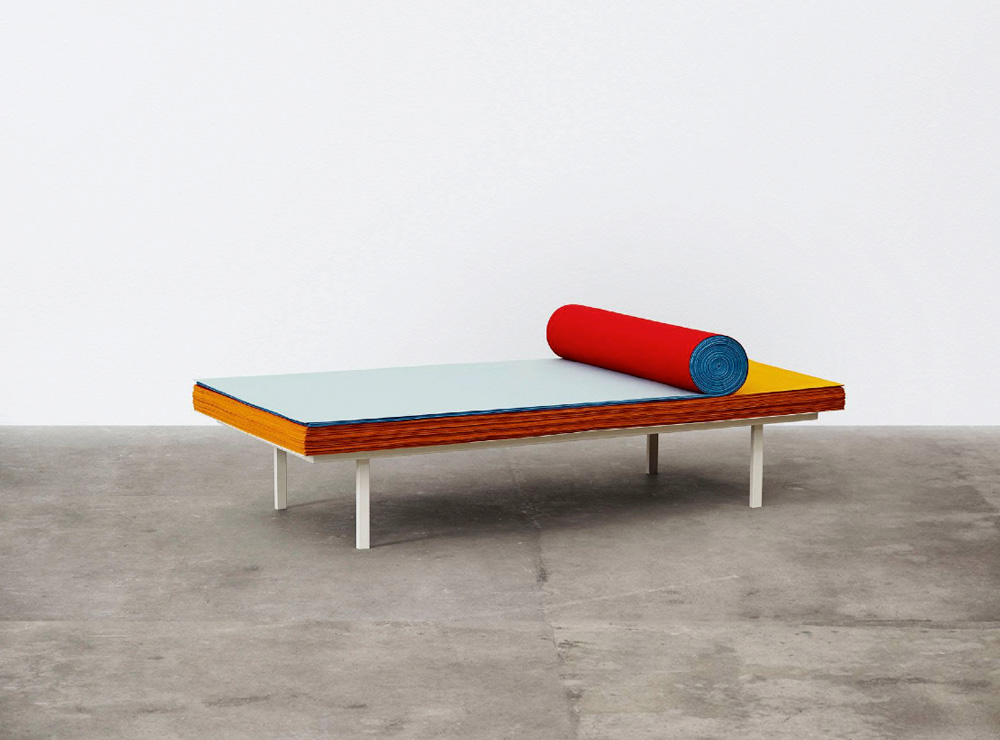
    The Penguin chairs for City Furniture and the Daybed for Muller van Severen/Kvadrat (both pictured below). I was involved from the inception of the project. It’s a very clear design although the 60 pieces Divina fabric were cut and placed/rolled by hand.

    What are Cover & Couch’s future plans?

    Improving my business and setting up an e-commerce platform for my cushions – a new collection is coming up soon. I’m experimenting with silkscreens on fabric and leather and more prototyping would be great.

    Future-Positive-Cover-Couch-6 Future-Positive-Cover-Couch-5
    Studio images and portraits of Sophie by Ilse Liekens
    Chair images by City Furniture

  • Bleu de Chauffe x Calepino

    Bleu de Chauffe x Calepino

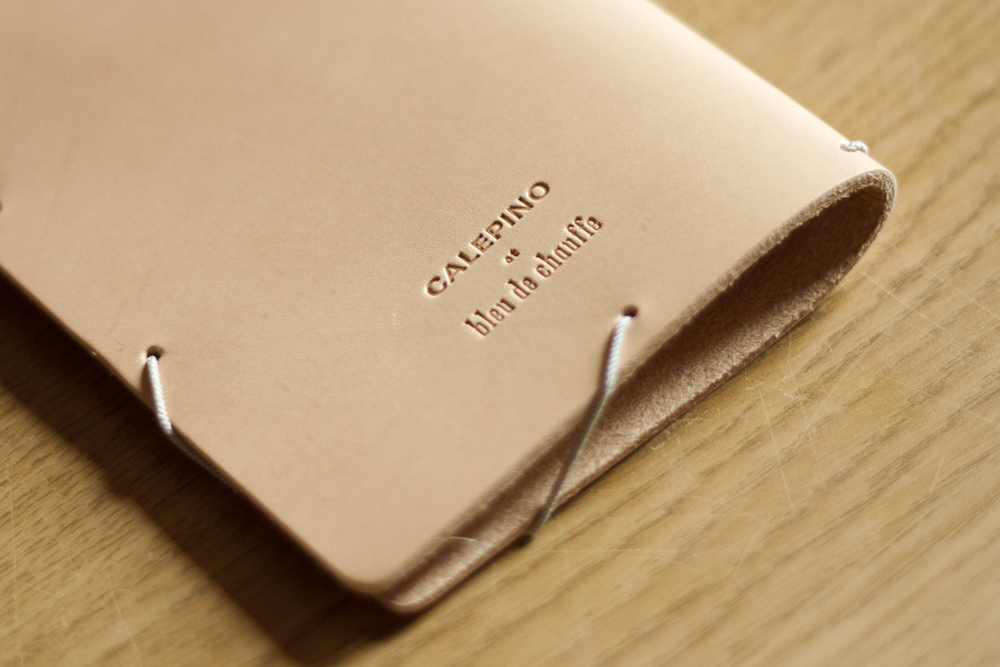
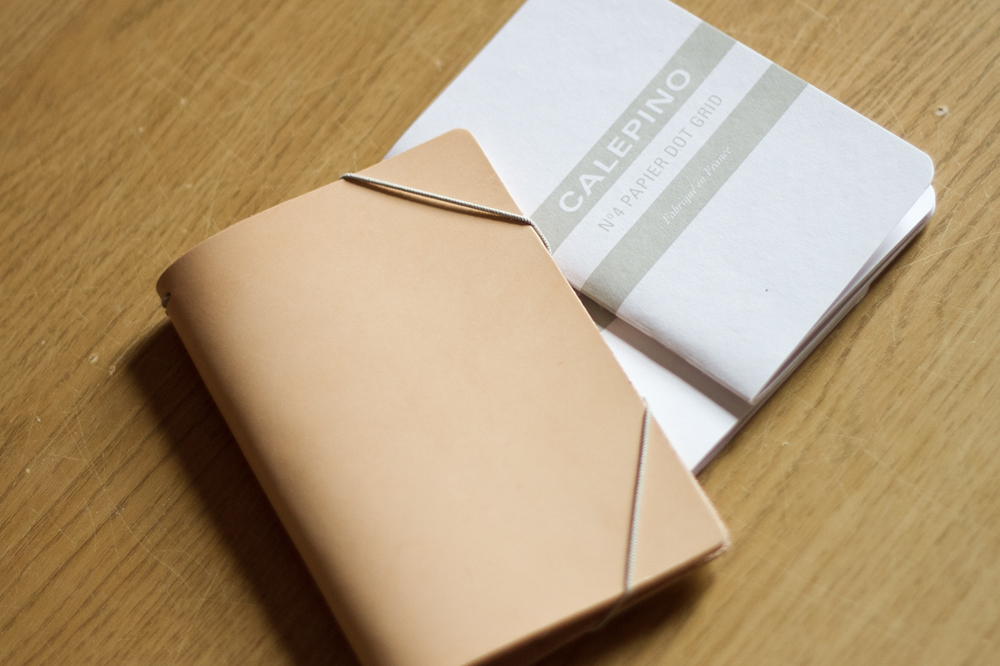
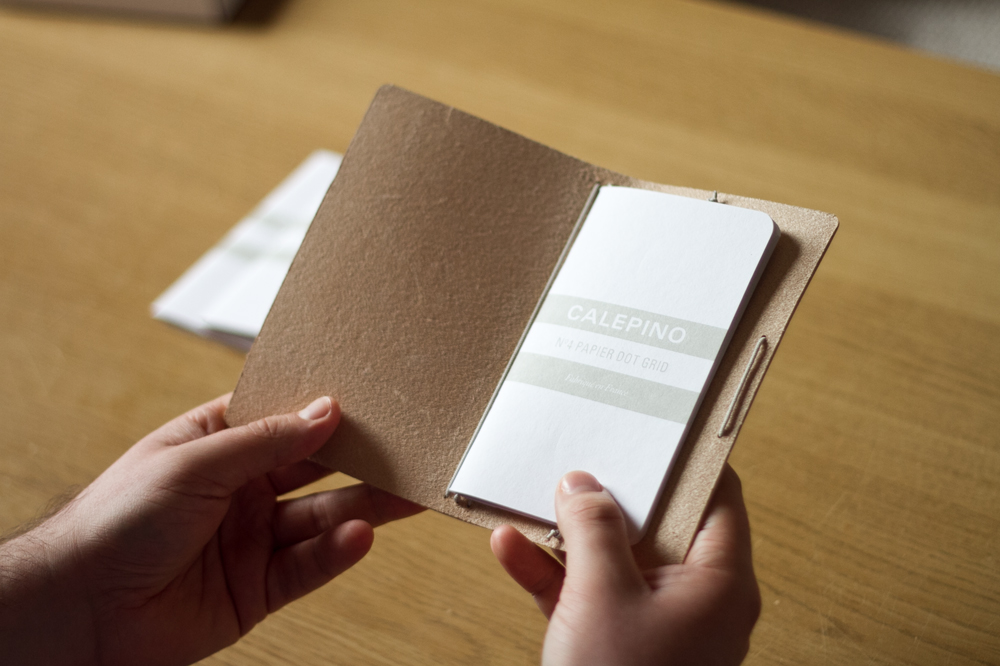
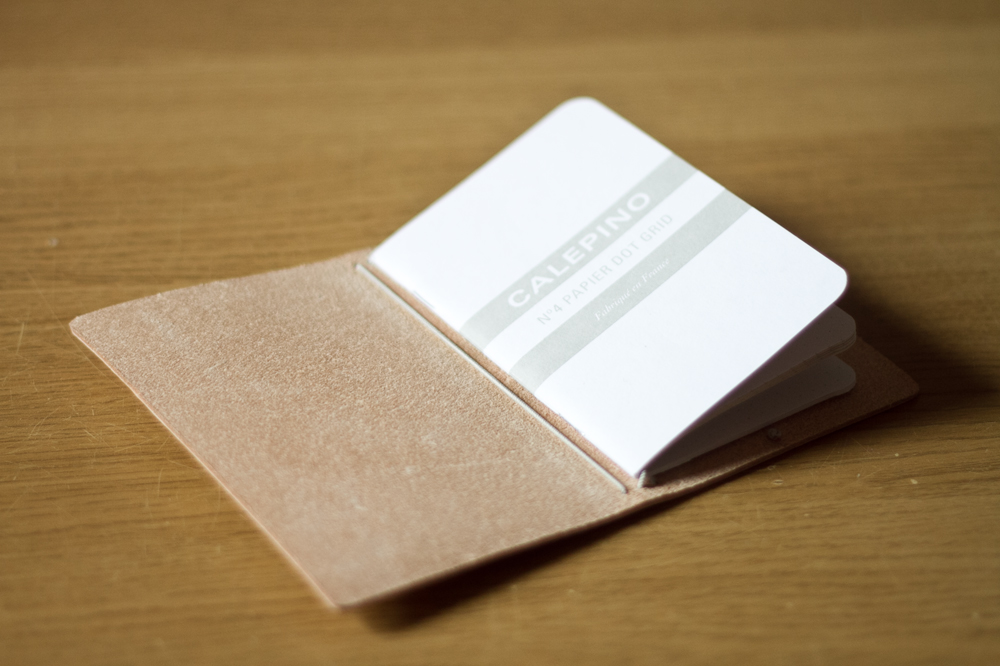
    We recently talked talked about leather accessories label Bleu de Chauffe and their collaboration with brush manufacturer Andrée Jardin. The French brand has now teamed up with one of our favourite notebook manufacturers, Calepino, to create Portfolio, a set of 3 memo notebooks protected by a tanned vegetable leather cover.

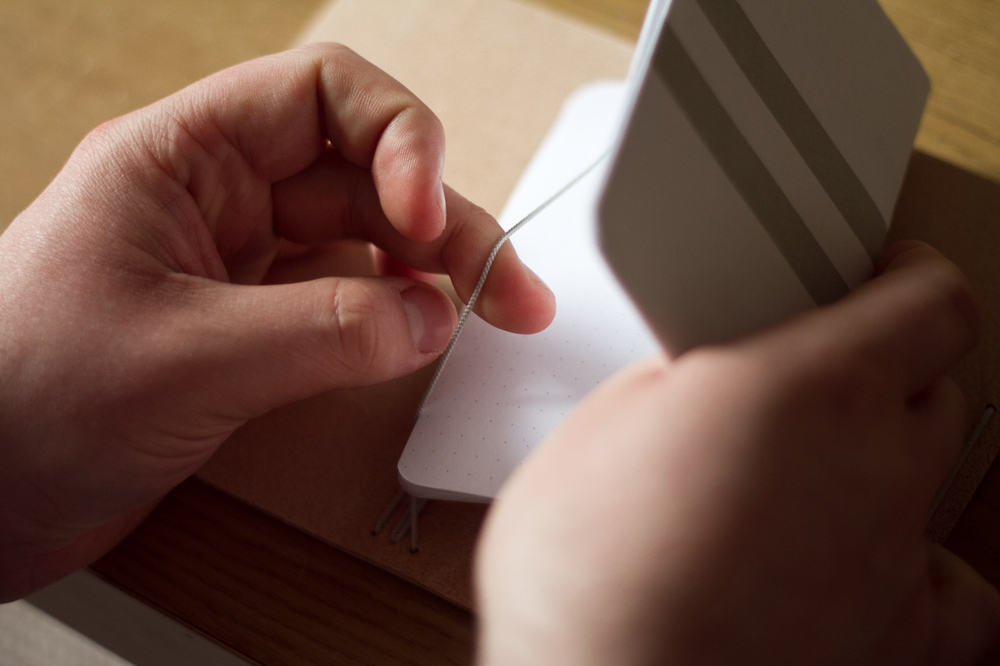
    Both companies are passionate about good design and craftsmanship, so it isn’t a surprise that the final result is a beautiful, classic product made by artisans in the brands’ workshops. The Portfolio soft cover is a reinterpretation of the cardboard elasticated flap folders, and the colour of the different elastic bands refers to the colour code of the Calepino notebooks: red for ruled paper, green for graph paper, blue for plain paper and grey for dot grip paper. We received our own Portfolio just a few days ago and it has become the best companion to take notes about inspiration and future features on our website.

    The collaboration between Bleu de Chauffe and Calepino is now available online on:

    www.bleu-de-chauffe.com

    www.calepino.fr


    Future-Positive-Calepino-6
    Future-Positive-Calepino-4
    Future-Positive-Calepino-5
    Future-Positive-Calepino-7
    Future-Positive-Calepino-8