Tag: design

  • Typodarium Calendar 2016

    Typodarium Calendar 2016

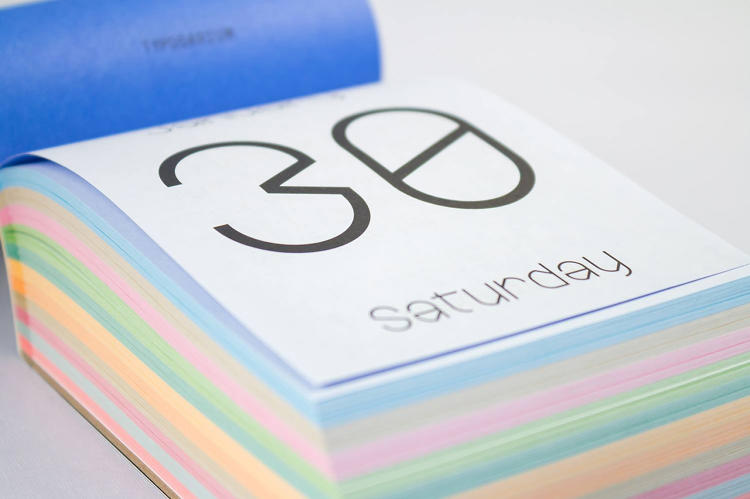
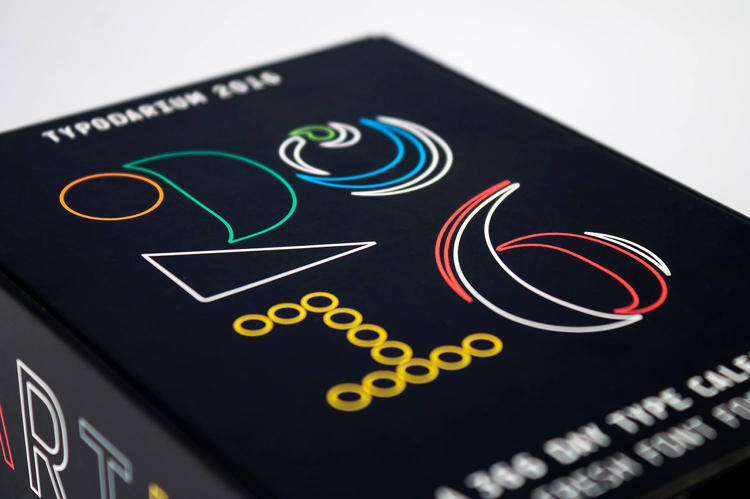
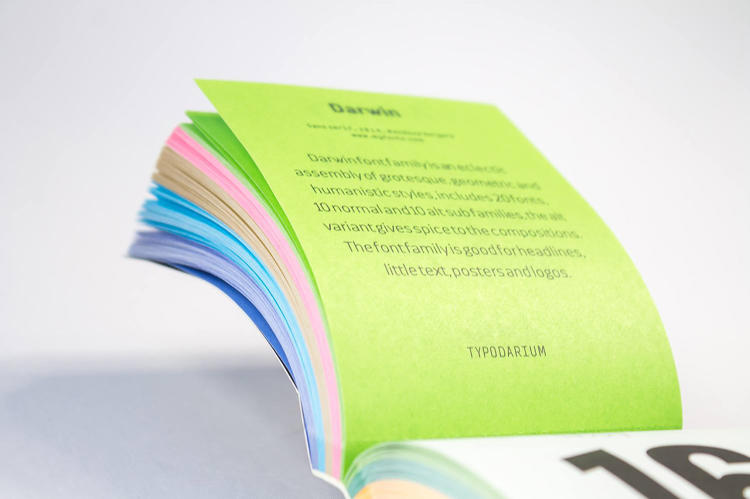
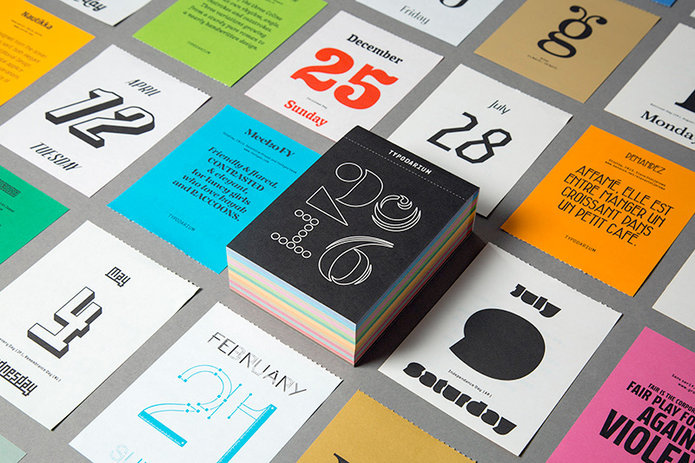
    Typodarium 2016 is a tear-off calendar, just like the one our grandmas used to hang in the kitchen, but this calendar unveils a new font everyday. On the front, the font is prominently displayed, and on the back it’s described in more detail – how it originated, from what or who came the inspiration and where we can obtain the font. Typodarium 2016 is published by Verlag Hermann Schmidt Mainz.

    www.2016.typodarium.de

    typodarium2016_01_ 3051416-slide-s-3-366-days-of-typography-the-calendar 3051416-slide-s-4-366-days-of-typography-the-calendar 3051416-slide-s-2-366-days-of-typography-the-calendar

    Images courtesy of Typodarium

  • La Charrette by Antonin+Margaux

    La Charrette by Antonin+Margaux

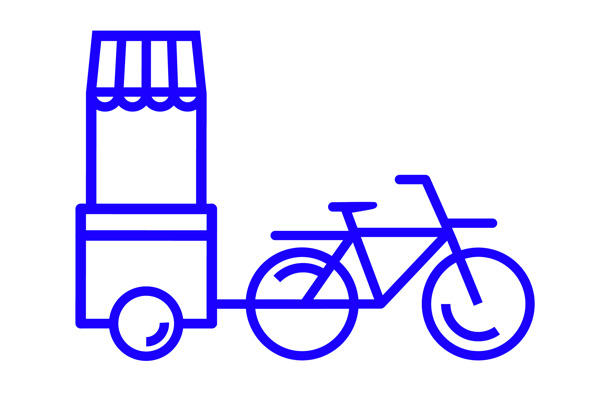
    Antonin+Margaux is a Nantes-based graphic design and screen printing studio. Founded in 2011, Antonin+Margaux do client work, have an online shop where they sell their own screen printed products and also run numerous workshops. Their love for screen printing has turned into La Charrette, a project in which they’re planning to transform a bike into a screen printing trailer and travel across France and even Europe. We invite you to find out more about this innovative idea on the video below and to contribute to Antonin+Margaux’s crowdfunding campaign.

    www.kisskissbankbank.com/la-charrette-print-ride

    Future-Positive-La-Charrette-1

    Future-Positive-La-Charrette-2

    Future-Positive-La-Charrette-4

  • Stephanie Specht

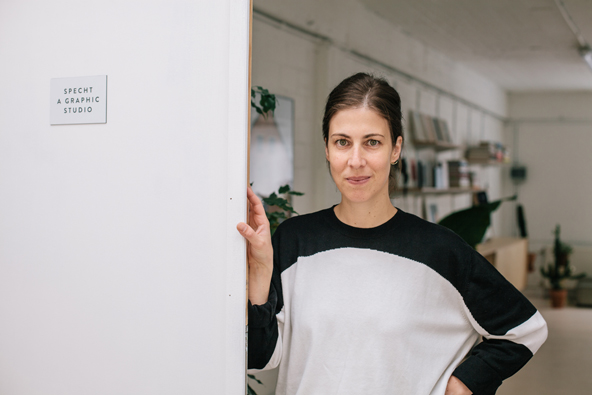
    Stephanie Specht

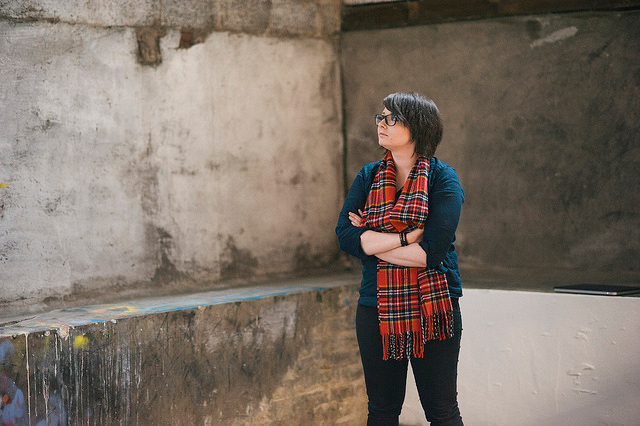
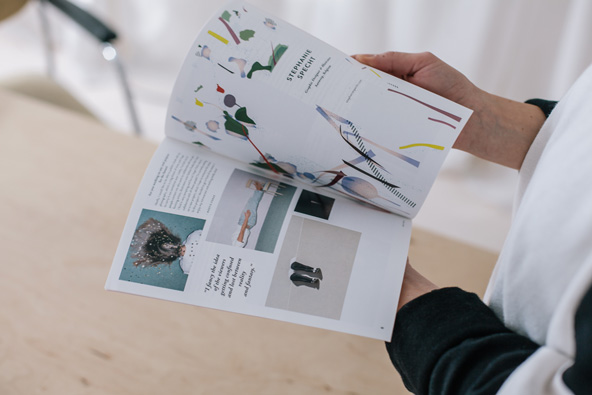
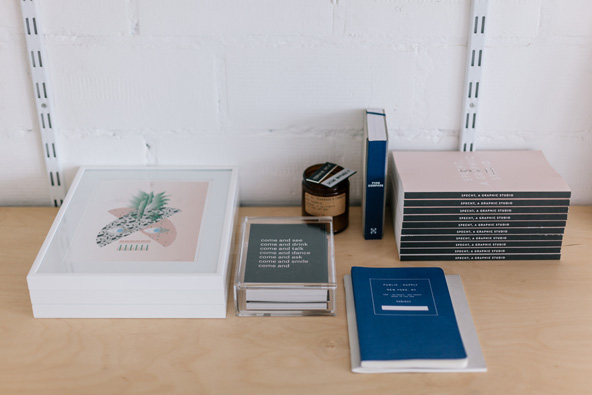
    Stephanie Specht is a freelance graphic designer based in Antwerp, Belgium. Inspired by music, art and fashion, Stephanie describes her work as intuitive, abstract, typographic and minimalistic.

    We chat with Stephanie to find out more about what made her become a graphic designer, her workspace and plans for the upcoming months.

    www.stephaniespecht.com

    Studio photographs by Christophe Derivière.
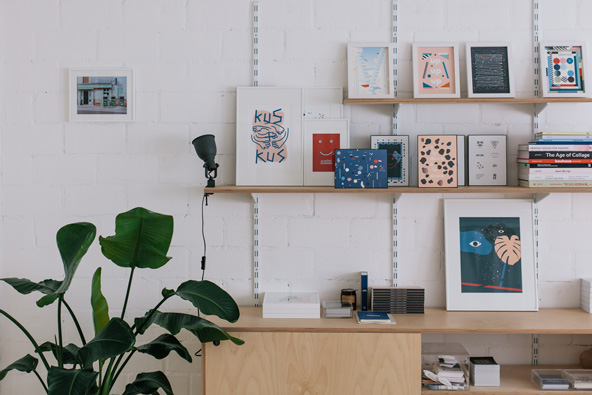
    Future-Positive-Stephanie-Specht-2

    Please tell us a little about your background and education. The bio on your website mentions that you lived and worked in so many places before going back to Antwerp!

    I was born in Antwerp and I studied Graphic Design at the Royal Academy for Fine Arts. I worked at a company for a year and quickly realized I didn’t belong in a structure like that. Also, the routine was killing my creativity. I wanted to do my own thing.

    I became self-employed in 2007. Initially, my plan was to stay in Antwerp but, due to a past relationship, I moved to all those different places: Cape Town, Brussels, Princeton and New York. I was living a modern nomadic life which was really inspiring but at the same time exhausting. After a while I really felt I wanted to settle down somewhere. Suddenly I wanted the opposite lifestyle than the one I was living. I was used to working from ‘home’, wherever ‘home’ would be but, if I look back at those couple of years, I think I wasn’t really 100% focused on my work. There was too much distraction.

    It’s only been since 2014 that things really started changing for me. I decided I would stay in Antwerp for a longer time. I did not plan on moving anywhere soon again. I became more focused on my work and somehow attracted more interesting clients.
    Future-Positive-Stephanie-Specht-8
    Future-Positive-Stephanie-Specht-3

    What made you interested in graphic design in the first place?

    Initially, I wanted to become an architect. In Antwerp, where I grew up, I started an architectural design course when I was 16. I didn’t know what graphic design was, but I’d always loved to draw. At one point, one of my teachers advised me to change direction since my maths weren’t good enough. So I started a more general art course, and instead of focusing on buildings, I began looking at the style of architectural movements (Bauhaus, Brutalism, De Stijl, Modernism). I became fascinated by the lettering on buildings. Only by looking at these typefaces, you could tell the years in which these buildings were built. During my last year in high school, a typography teacher introduced me to graphic design.
    Future-Positive-Stephanie-Specht-5
    Future-Positive-Stephanie-Specht-6

    Tell us about your workspace, Studio Specht, and its uses.

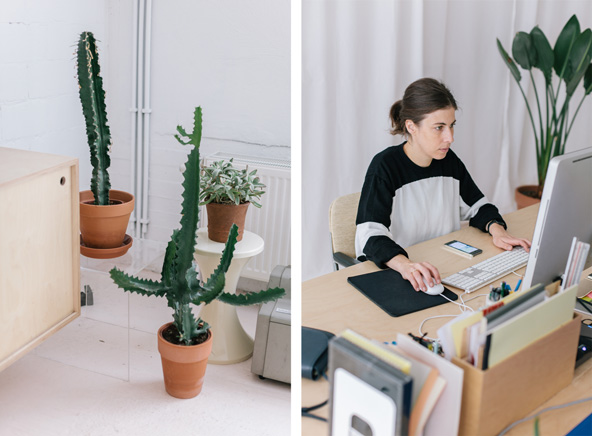
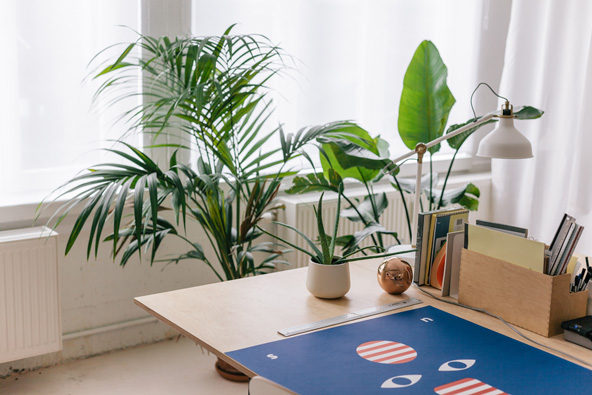
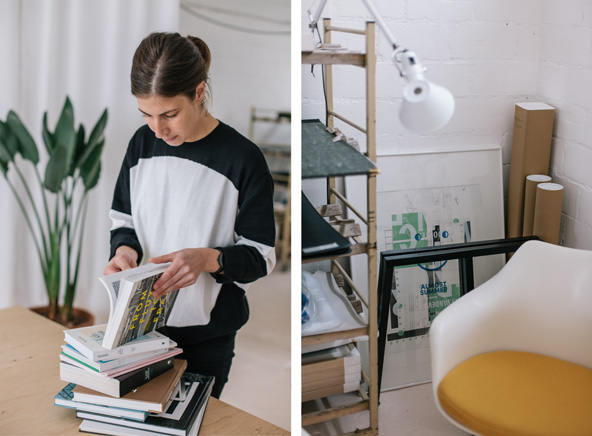
    I moved into my first real ‘office’ at the beginning of this year. I really dislike the word office – it’s more like a creation room, a work space, a studio! My studio is in an old building materials warehouse. There are 12 studios in total, all occupied by creatives. The interior was designed by Nicolas Petillon. The space is really rectangular and when he suggested to use a ceiling-high curtain line in the form of a wave through the space, my first reaction was ‘why break this space!?’ But he was right. The curtain gives the space even more ‘space.’ I can open the curtain wherever I want and change the whole room.

    I also have a marble Knoll table in my meeting room. It belonged to my grandmother who passed away a few weeks before I opened up the studio and I inherited it. The curtain follows the shape of the table and this space now almost feels like a sanctuary. It’s beautiful. I decided to paint my floor apricot white which adds a certain warmth and feminine touch to the all concrete white space. I also have a lot of plants. It feels like a soft jungle. Every time I walk into the studio I feel inspired and happy. Nicolas did a great job, really.

    The first couple of months I organized a few Open Days where people could just come, walk in and look at new works I produced. I have done some collaborations that I’m really happy with and those works are also on view here. From time to time, I get emails from people who want to make an appointment to come and have a look at my studio. Sometimes they are just curious to see where I work, sometimes they want to buy an illustration. It’s nice to meet people this way, because they are different to my clients.
    Future-Positive-Stephanie-Specht-4
    Future-Positive-Stephanie-Specht-10

    How would you describe your work? Where do you draw inspiration from?

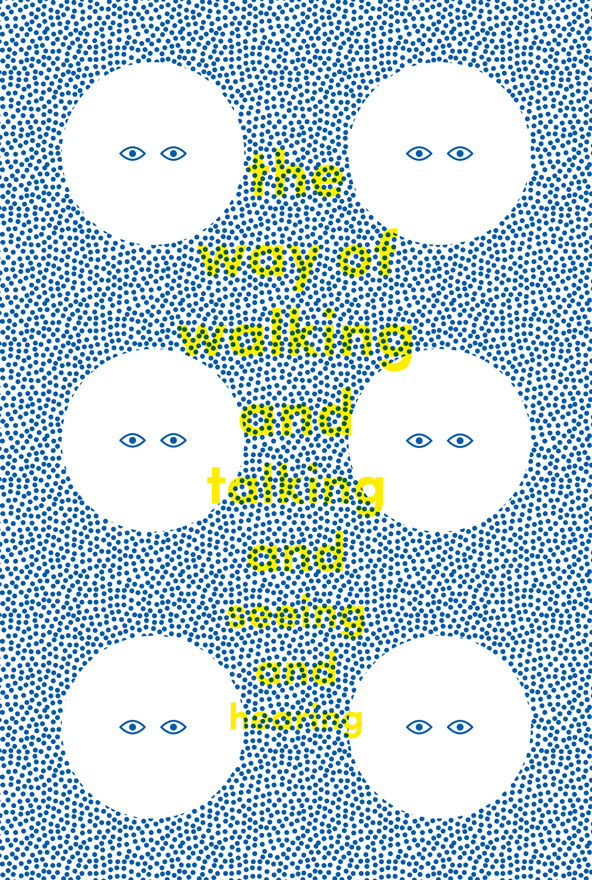
    My work is intuitive, abstract, typographic and minimalistic. I love to find purity in lines and forms.

    Music, art and fashion are a big source of inspiration for me – but it can be anything really; a conversation, a photograph…
    Future-Positive-Stephanie-Specht-11 Future-Positive-Stephanie-Specht-7

    Do you have a particular favourite piece of work or something you feel especially proud of?

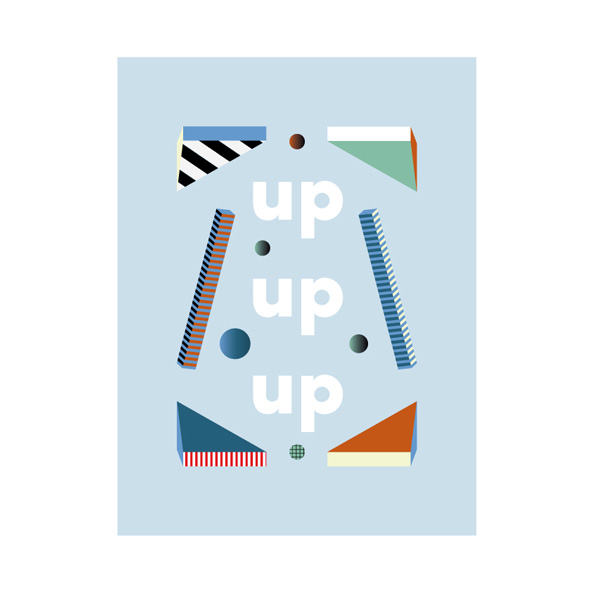
    I think the Up Up Up illustration is one of my favorite personal works now. I recently created the identity for this new music documentary television show called Off the Record. It was the first time I designed something for TV. I am very happy with the result. It’s great to see my designs moving on screen!
    Future-Positive-Stephanie-Specht-1

    What are your plans for the upcoming months?

    I just finished a really intense book project in New York. I was there for two months. I am really tired so I am working on just a few jobs – I need to relax a little. Right now I am working on a redesign for S Magazine. S is a deluxe art and fashion biannual committed to gorgeous fashion photography, intelligent long-form articles, and experimental visual art. The magazine often changes style (designer). They have an identity but they like to play around with different typography and layout within the magazine itself.

    I’m also busy updating Belgian artist Leon Vranken’s website. His work is amazing – I love working with his beautiful images. I also might design some new book covers for Das Mag, a new young Amsterdam based publisher.



  • The Poundshop

    The Poundshop

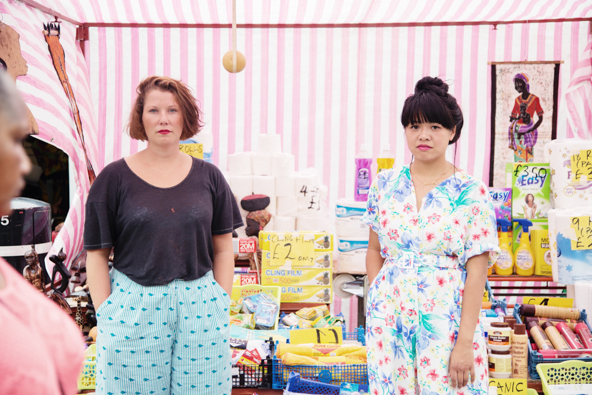
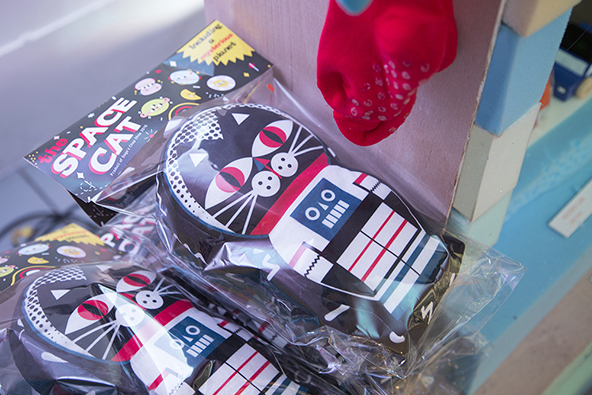
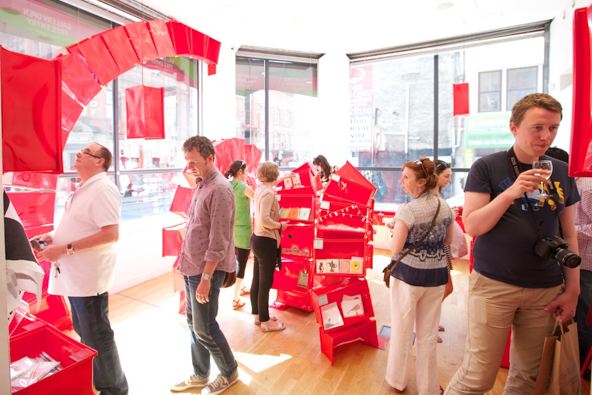
    Founded in 2010 and currently run by George Wu and Sara Melin, The Poundshop is a pop up shopping project based on the idea of selling quality designer products at affordable prices.

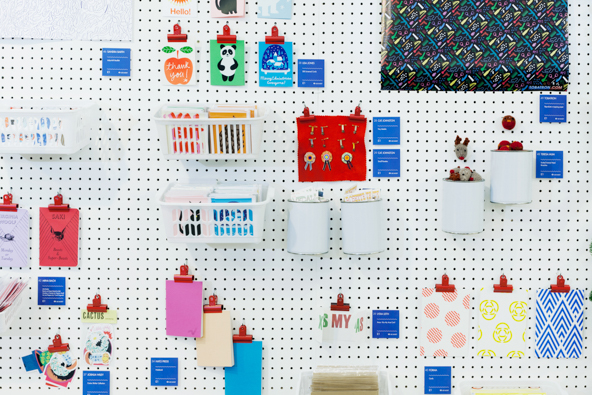
    The Poundshop’s mission is to make design accessible to a wider audience and all products are sold within the £1, £5 and £10 price bands. Working with a wide range of designers, most of whom are new to making products, The Poundshop is the perfect testing ground for them to experiment with new and interesting products. Over the years, The Poundshop have organised pop us shops at numerous spaces across the world, including Selfridges, Somerset House, Loft Tokyo and Science Museum in London.

    We talked with its founders to find out more about the project and what makes a perfect submission to the Poundshop.

    www.thepoundshop.org

    Poundshop-5

    Could you tell us a little bit about your background and what you do apart from running The Poundshop?

    Sara: I am from Sweden originally , but have now been here for 14 years! Studied at St Martins and then RCA in London, where I met George and Sarah. We pretty much set up The Poundshop shortly after leaving RCA .

    I do a lot of different things but most of it runs backs to The Poundshop. At the moment I am working as a consultant for a charity putting together a new product range for their online shop and also designing a pop up shop for them. I am also planning two workshop that will be take place in Brazil in October.

    George: I am originally from Manchester and studied graphic design in Bath before moving to London for work. A few years later I took part in the BB New Music Shorts and decided to switch to film so went to the RCA where we met. Now besides creating Poundshops, I am a director at Nexus Productions creating videos and installations. Currently I’m working on a new short film in collaboration with photographer John Short which should be coming out at the end of September.

    Poundshop

    What inspired you to open The Poundshop?

    Sara: The credit crunch I think and wanting to do something together.

    George: I always had the dream of having my own shop one day. Pretending to be shop keeper and stocking shelves! I think it’s because my family has always run businesses, it must be in me!

    Poudshop at Weiden + Kennedy

    What makes a perfect submission?

    Sara: Cleaver solutions to a small problem, beautifully designed with the minimal usage of materials to keep costs down.

    George: Something that you would definitely use yourself that’s has a real purpose which is a challenge at such a low price point.

    Poundshop-8

    How do you approach the interior design and visual merchandising of each of the spaces you use for The Poundshop?

    Sara: Generally I collect lots of images of things that I like the look of as a start. Shop interiors, patterns, colours etc. George is definetely the better one at coming up with ideas and she has a more graphic design / installation background than me, so she tends to take the lead on the design and then we discuss it.

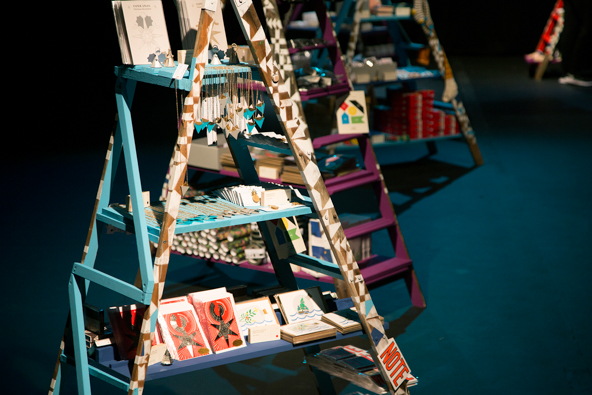
    George: Yeah I think usually we have a big brainstorm. Because we don’t work together all the time it’s good to get to know what the other is into at that moment. Then the starting point can either be the venue: The Science Poundshop was inspired by equipment transit cases. Or by the function of the shop: The ICA shop needed to be set up in a very short space of time so we created it out of repurposed ladders. The most important consideration is that the materials are all low cost to compliment the idea of low cost design shop.

    Poundshop-4 Poundshop-7

    What are your ambitions for The Poundshop? How do you see it developing in the future?

    Sara: At the moment we are discussing a few changes and new routes but we tend to not plan to far ahead… So we will just have to see where this year will take us!

    George: I think our next challenge and always the biggest is the Christmas Poundshop, but the most exciting (and intimidating) is our forth coming appearance on Poundshop Wars on BBC 1!


    All images, courtesy of The Poundshop 

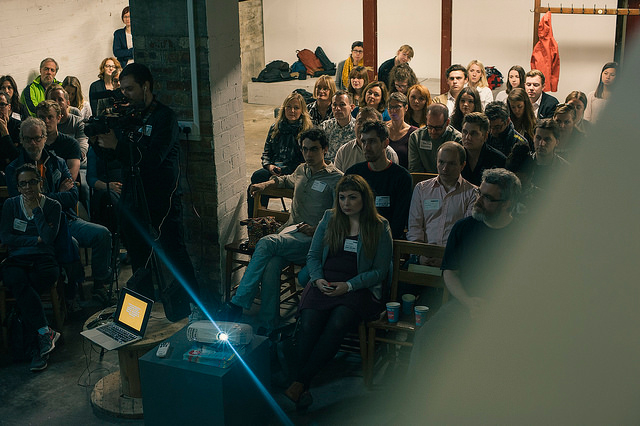
  • CreativeMornings/Edinburgh: Sarah Drummond

    CreativeMornings/Edinburgh: Sarah Drummond

    Sarah Drummond is a service designer, graduated from Glasgow School of Art. She runs Snook, an award winning service design agency based in Glasgow, specialising in creating exceptional customer experiences.

    Not intentionally, Sarah also became one of the co-founders of CycleHack, a global movement with a mission to tool up citizens to take a pro-active, DIY approach to make cycling easier, more accessible and fun. Hacks created in 25 participating cities can be searched in an open catalogue – some of our favourite design solutions include Penny in Yo Pants, allowing woman to cycle in skirts, and Stack Rack, a more efficient way of parking your bike on the street.

    Sarah was the last speaker at CreativeMornings/Edinburgh. In her brilliant talk, Sarah spoke about design as a non-violent way of creating a revolution. Whatever the challenge, she believes in the power of inspiring people with design tools to take change into their own hands and take on the world.

    As part of the CreativeMornings/Edinburgh team, we filmed Sarah’s talk. Get inspired watching her presentation below!

    Photos by John Duncan
    [x_video_embed no_container=”true”] [/x_video_embed]

    18737741724_b721c058aa_z 18737750794_11c9d3be41_z