Tag: design

  • ECA Degree Show 16

    ECA Degree Show 16

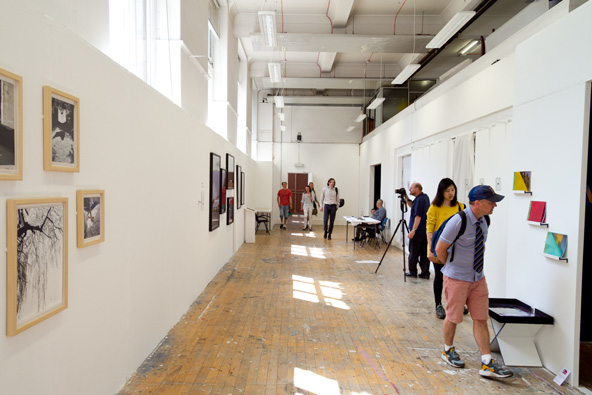
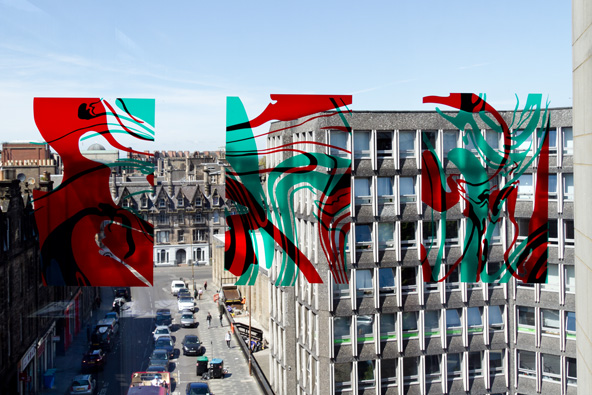
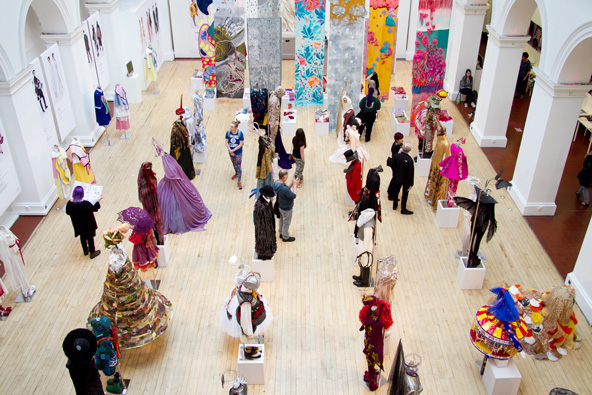
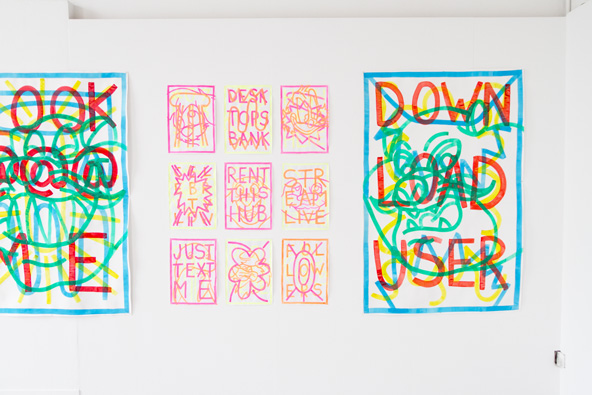
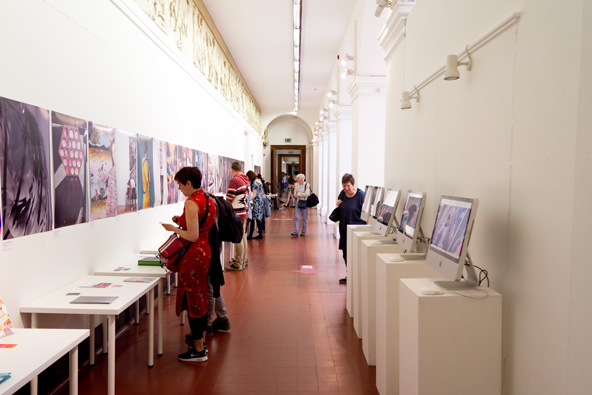
    Every year, the Degree Show at Edinburgh College of Art is a date not to miss in the arts calendar of the city. This year’s show just finished but we take a look at some of the student work that caught our eye.

    Future-Positive-ECA-2016-9-low
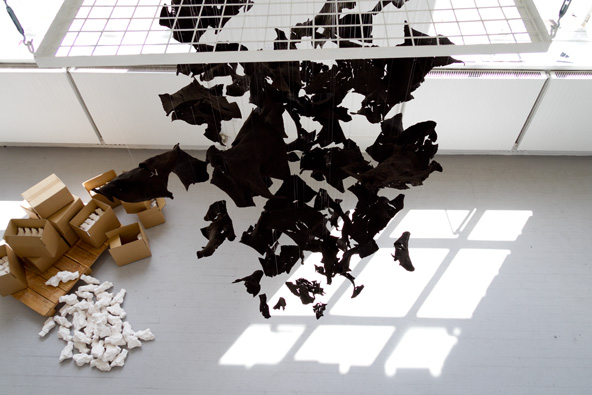
    Kate Livingstone – Masters of Fine Art MFA

    Future-Positive-ECA-2016-6-low
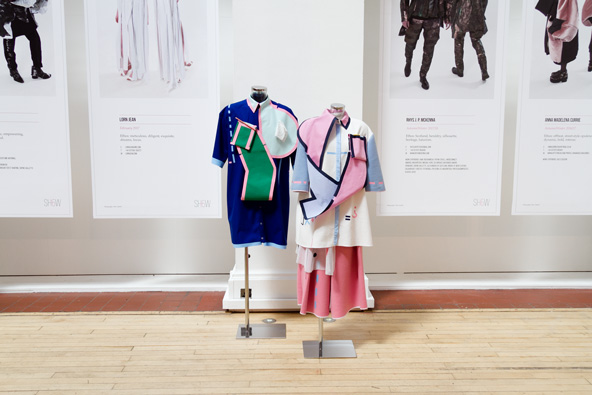
    Menzie Zhang – Fashion BA

    Future-Positive-ECA-2016-7-low

    Future-Positive-ECA-2016-1-low
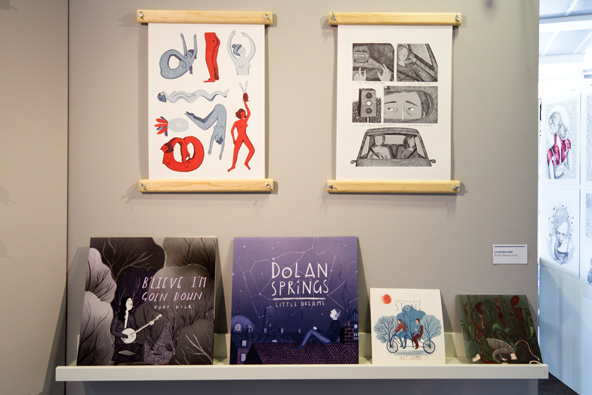
    Kirsti Beautyman – Illustration BA

    Future-Positive-ECA-2016-5-low
    Dorothy Jackson – Combined Studies BA

    Future-Positive-ECA-2016-3-low

    Future-Positive-ECA-2016-13-low
    Performance Costume BA

    Future-Positive-ECA-2016-12-low
    Hugo Maximillian Ross – MAFA

    Future-Positive-ECA-2016-11-low

    Future-Positive-ECA-2016-2-low
    Rachel Millar – Graphic Design BA

  • Jennifer Argo

    Jennifer Argo

    Jennifer Argo is a Glasgow-based artist, working across different fields and looking at complex adaptive systems in nature as inspiration for smart design, and as a metaphor for the way communities develop and grow. We interviewed Jennifer to discover more about her practice, her work designing sanctuaries and her plans for the next few months.

    www.jenniferargo.com
    Future-Positive-Jennifer-Argo-1-Low

    Could you please tell us about your education and background?

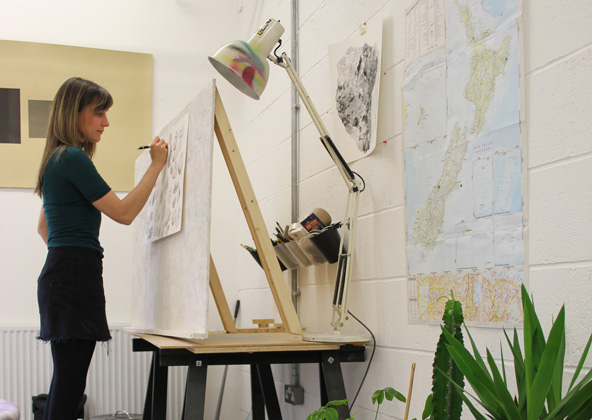
    I studied at Gray’s School of Art in Aberdeen, in the north-east of Scotland, specialising in Photographic Electronic Media, which was then combined with sculpture in the last year, which was great! I loved getting into the workshops and working with the technicians, doing more hands-on stuff. I developed a practice that utilised illustration, photography and sculpture, as separate mediums or combined to create installations.
    Future-Positive-Jennifer-Argo-2-Low

    You work across different fields, ranging from photography to installation. Could you tell us a little bit each of these and how they relate to each other?

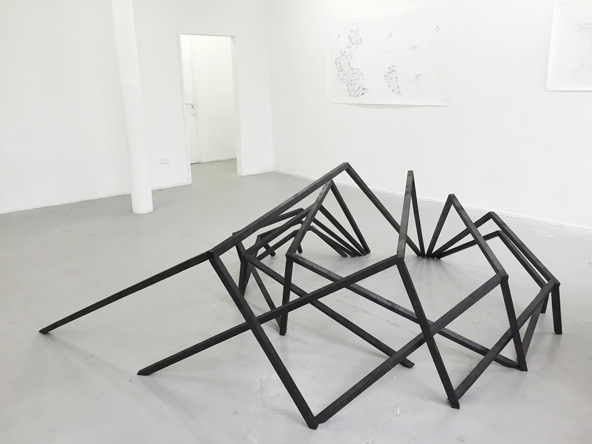
    I like working on different types of projects, it’s nice going from working on intricate drawing studies in the studio then getting outside and working on large-scale structures, or documenting sites to draw from.

    Both my illustrative and sculptural work looks at natural structures, as inspiration for sustainable design, and as a metaphor for communities, the way they develop and bridge, and as a reminder that we are part of a much broader environment and timescale. I try to do this through referencing timeless, ubiquitous structures.

    Photography feeds in to this too, in that I like to document interesting geological and botanical formations as a starting point for illustrative works and as stand-alone images. I spent time in Iceland a wee while ago looking at the complex, ever-changing formations of glaciers, basalt formations and the tectonic ridge for inspiration, and to highlight the breath-taking characteristics of sites that change and form over millions of years.

    Future-Positive-Jennifer-Argo-3-Low

    We’re interested in finding out more about your collaborative work designing sanctuaries. How did it start? Can you take us through the different projects you’ve worked on so far?

    I started working with an architect called Lee Ivett on a series of workshops at Glasgow Sculpture Studios with a group of teenagers from an arts charity called Depot Arts, designing an entrance structure for a local nature reserve. We had similar ideas about building relaxing environments in the city, spaces that provided a similar sense of peace that churches do, without any religious bias, where people could relax individually or collectively.

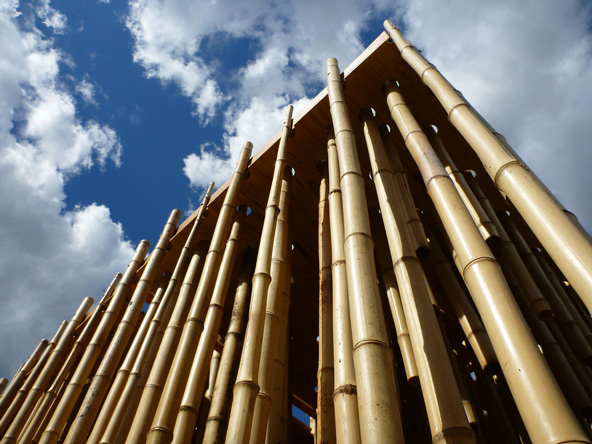
    We ended up designing and installing a bamboo sanctuary in Caledonia Road Church ruin, a beautiful site with lots of plant-life, which is run by arts organisation Wave Particle who had opened the site up to artists and students to test ideas. The space is one of a number of Stalled Spaces sites around Glasgow, provided by Glasgow City Council to regenerate spaces through creative activity and open them up to their local communities again through series’ of events and on-going projects.

    Lee and I created a second sanctuary space last year at Hello Wood: Project Village in Hungary, working with a group of 10 students, designers, artists, and creatives to develop and build a sanctuary over the space of 10 days. Project Village is a live-build blueprint for different types of sustainable community dynamics and communal spaces, including the festival itself and the way everyone works and lives together during it. Applications just opened for the next round of the 3-year project due to start in July, I recommend it to anyone interested to get involved!

    I’m working with a small team of architects, engineers, joiner/carpenters, musicians, designers and tacticians at the moment on a project for this year’s ArchiFringe festival in Scotland in July. We’re in the process of designing a sound installation and sanctuary space that we will be installing in a woodland area near Glasgow, working with the elements to create gentle music for inhabitants in the space.
    Future-Positive-Jennifer-Argo-4-Low

    You’ve recently won a travel award from J.D.Fergusson Arts Award Trust to travel to New Zealand. Could you tell us a little more about it and what will you be working on during the trip?

    I’ll be heading to New Zealand at the end of this year, to trek and travel across areas of the alpine ridge in the south and the sub-tropical regions in the north, to document rare geological and botanical structures. I’ll also be visiting the Longbush Eco Sanctuary and Welcome Centre near Grisbourne to meet with the anthropologists, ecologists and architect behind the Welcome Centre, to find out about the work they do there and to volunteer for a few days. I’ll be gathering lots of imagery to make new work and get some inspiration for new installations based on the natural structures I find. I’m interested in forms, and organisms that use closed-cycles of resource management, mutually-supportive ecological systems, or natural structures that are extremely strong and durable, while using as little material as possible, as inspiration for sustainable design and architecture.
    Future-Positive-Jennifer-Argo-5-LowWhat else will you be working on in the upcoming months?

    In the next few months I have a few small shows opening at ForFikaSake and Glad Café in Glasgow, as well as workshops and a pop-up shop at Fika  on 21st-22nd of May.

    I’ll be working with the team I’m taking part in ArchiFringe with (Shirley Hottier, Therry Lye, Grace Mark, Michael Bleach and Douglas MacGregor) on the sanctuary. We will be finalising the structural design and how we are going to install it across a stream, making our own recycled materials at the Sculpture Studios to clad the space, before installing it at the end of June.

    I’ll be hosting a public workshop at Glasgow Sculpture Studios in July, constructing temporary den spaces in the community garden. I’ll also be working on a few commissions; designing and making planters and light fixings for the interior of a house, furniture design for the garden of a public library, and a large-scale illustration for a shop front, then illustrations based on coffee-plant molecules for a coffee festival in Glasgow.

  • Salone del Mobile 2016

    Salone del Mobile 2016

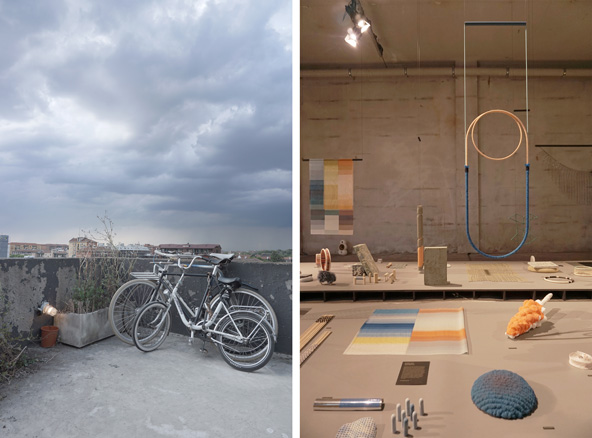
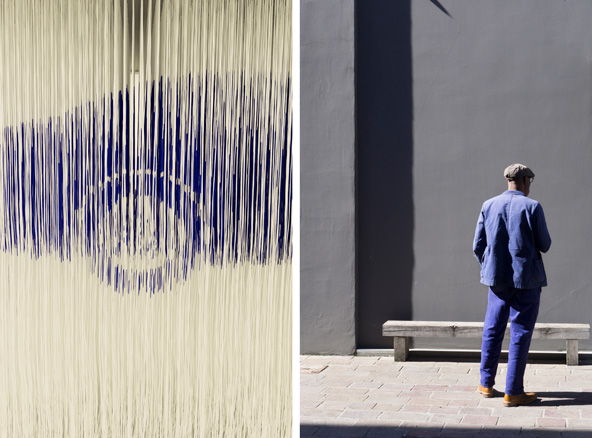
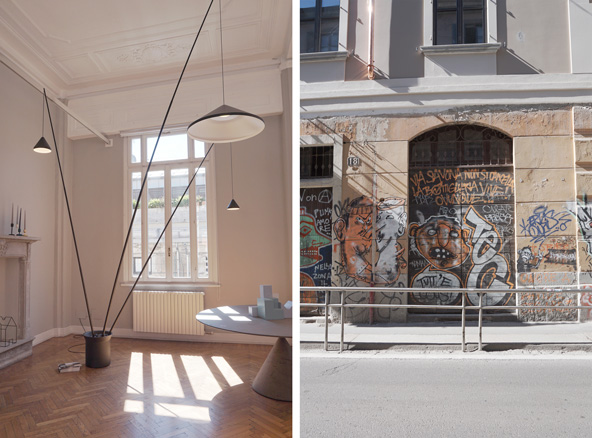
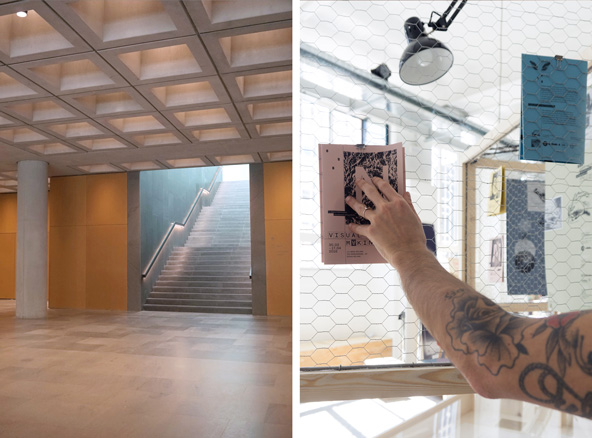
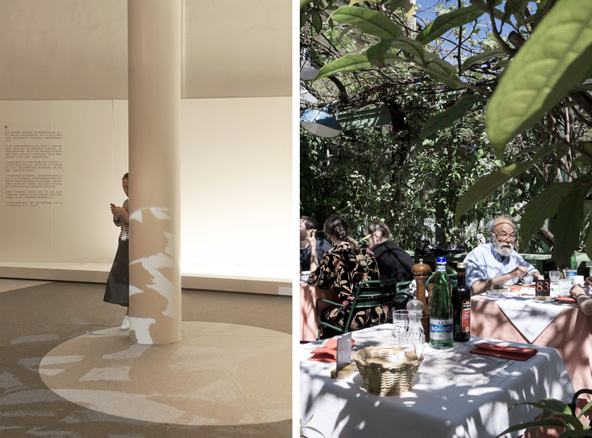
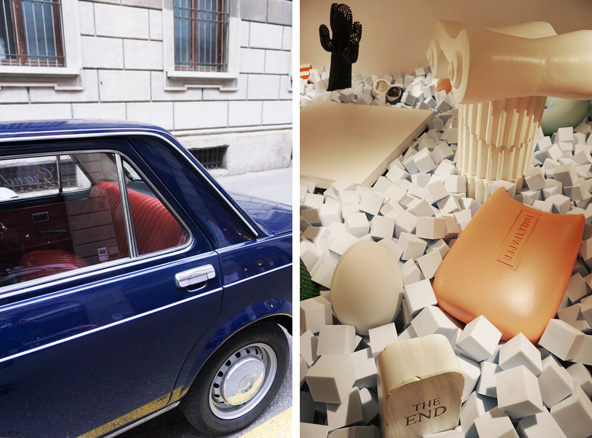
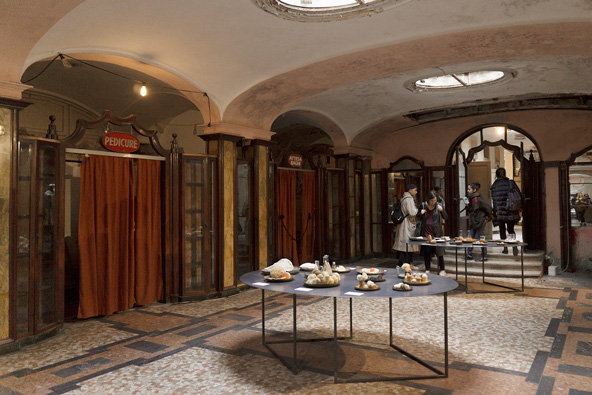
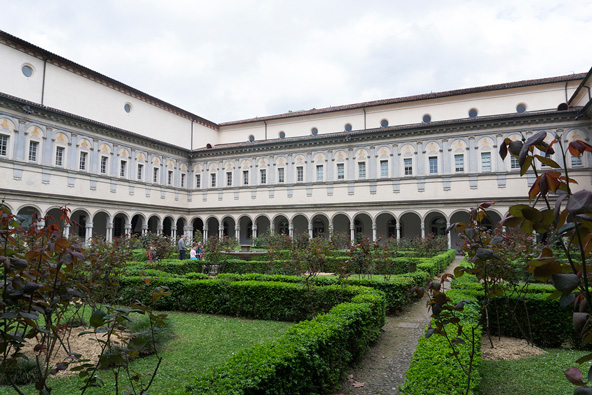
    Our contributing photographer Teresa Enhiak Nanni, who recently photographed Fridabike for our Stories, takes us around Milan during the last edition of Salone del Mobile, which took place last month. Teresa captured some of the exhibits and displays, as well as buildings that are rarely open to the public and everyday moments happening during this international design fair.

    www.cargocollective.com/teresaenhiaknanni

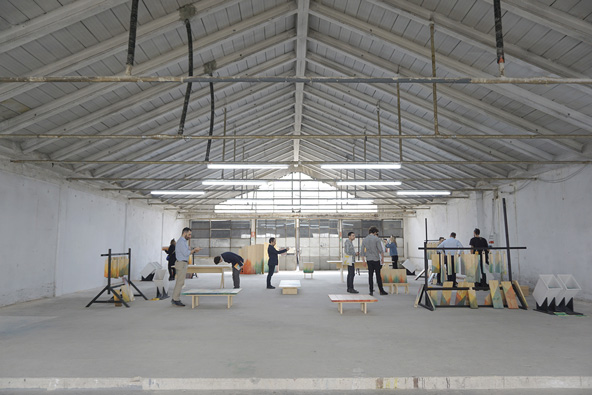
    Future-Positive-Fuori-Salone-1-Low Future-Positive-Fuori-Salone-2-Low“The photos above were taken in the area known as ‘5vie’ in the heart and historical centre of Milan. The project ‘5VIE Art + Design’ wants to develop history, culture and innovation in this area”.

    Future-Positive-Fuori-Salone-3-Low Future-Positive-Fuori-Salone-4-Low“Ventura is the name of a quiet street in the Lambrate district. It is a street lined with rusty garages, an old radio station, white-painted galleries and gigantic factory halls once used for building snowploughs. The area was a rough diamond, which hardly anyone would have noticed a few years ago.”

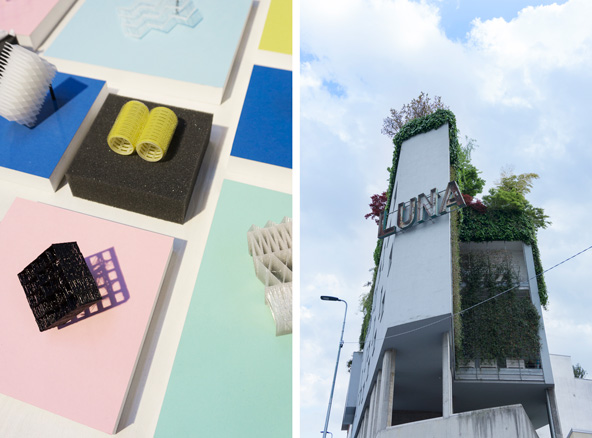
    Future-Positive-Fuori-Salone-5-LowFuture-Positive-Fuori-Salone-7-LowFuture-Positive-Fuori-Salone-6-LowFuture-Positive-Fuori-Salone-8-Low“The Porta Genova district is the most popular area during the Fuori Salone – a mix between historical buildings and modern art.”

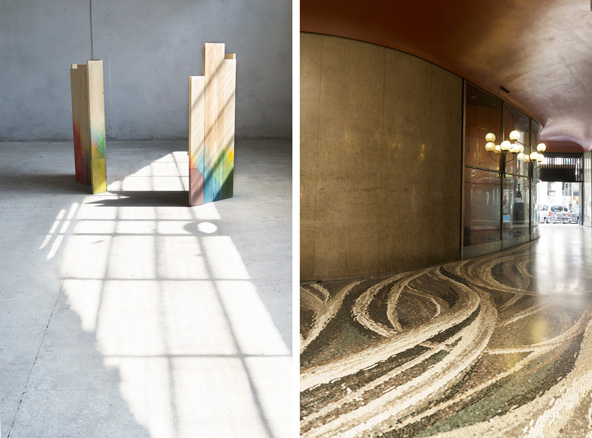
    Future-Positive-Fuori-Salone-9-LowFuture-Positive-Fuori-Salone-10-Low“The Albergo Diurno di Porta Venezia is an elegant and functional service centre for travellers built between 1923 and 1925, and designed by Piero Portaluppi. It was open during the week of Fuori Salone.”

    Future-Positive-Fuori-Salone-11-Low
    “The Chiostri di San Simpliciano is an oasis in the middle of the city, ideal for resting between walks around the fair.”

  • Small Bodies of the Solar System

    Small Bodies of the Solar System

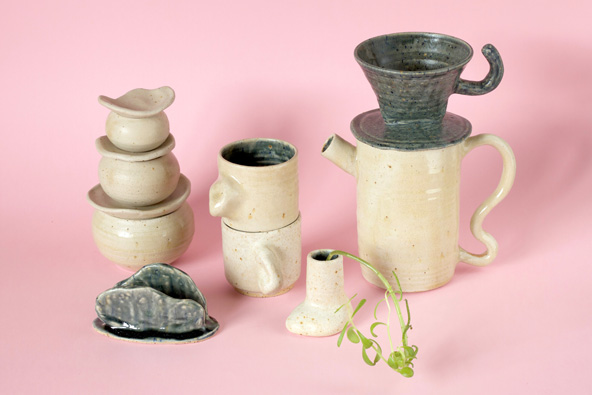
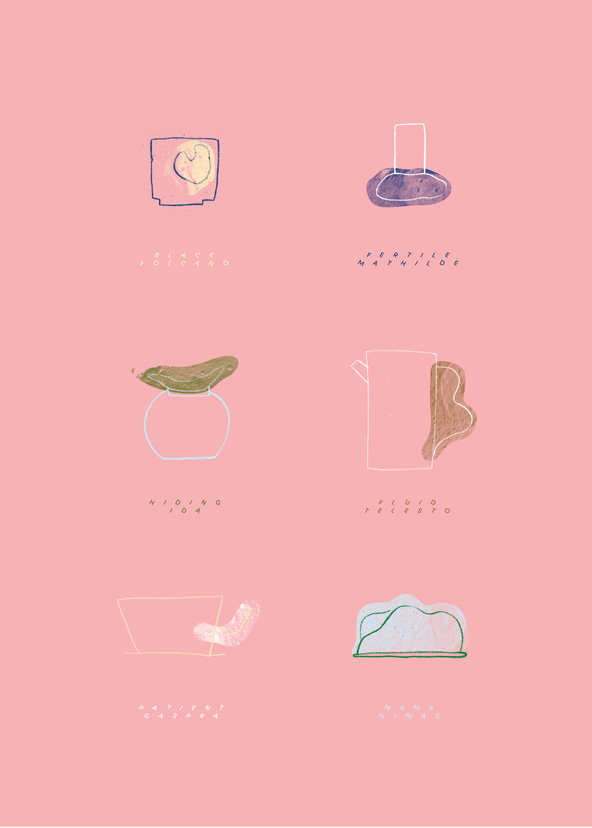
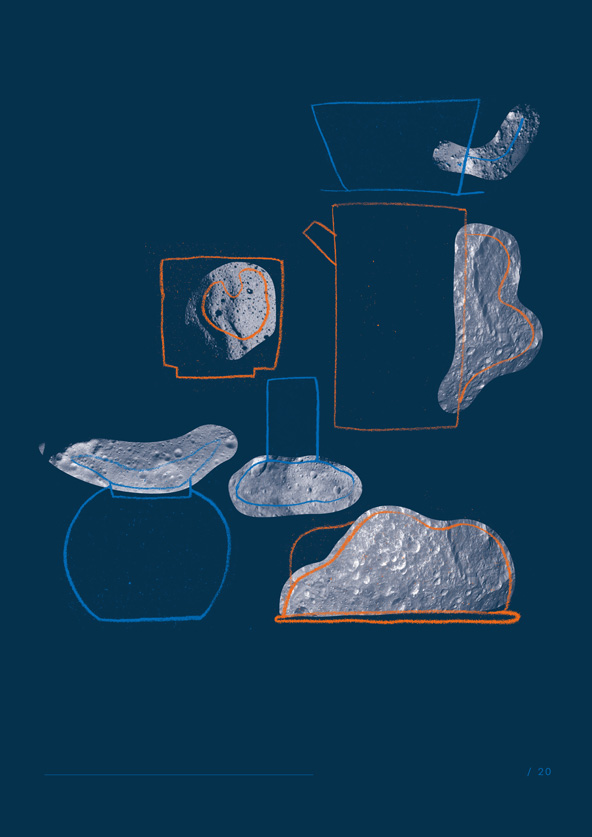
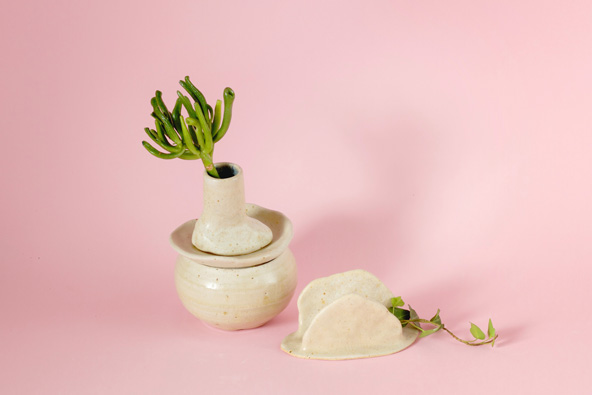
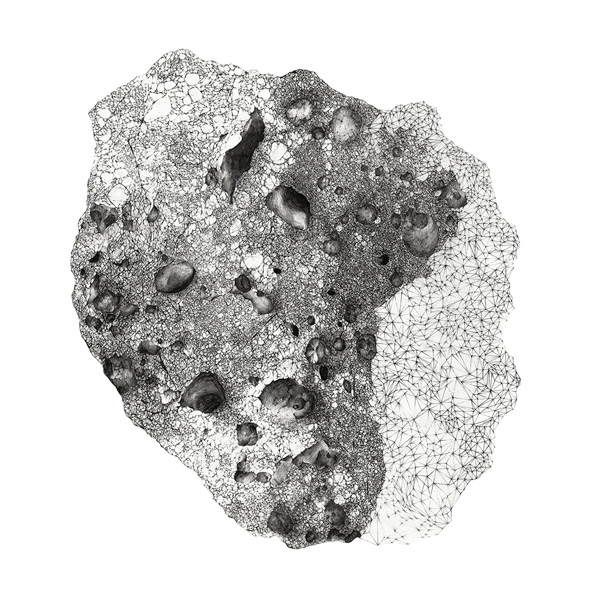
    We’ve talked about the work of Antwerp-based designer Stephanie Specht before here on our blog. She has now collaborated with artist and designer Lilit Asiryan and potter Thomas Salzer to create Small Bodies of the Solar System, a capsule collection of tableware and graphics inspired by fluid shapes and everyday functionality.

    The pieces reflect the creative clash of ideas between the three of them, mingling timeless craft with free artistry drawing inspiration from space and nature. All pieces are made using clay from Swedish soil, taking inspiration from the the shape of moons and asteroids present in the solar system.

    The mix of craft, art, graphics and illustration reflect the three artists’ creative heritage.  The collection includes jugs, cups, coffee pots, letter holders and posters, and every piece is one of a kind and produced in a very limited edition.

    Small Bodies of the Solar System will be presented at Studio Specht in Antwerp on June the 17th and the collection will be available to purchase on the website below.
    www.asiryan.com

    Future-Positive-Bodies-Solar-System-3-low Future-Positive-Bodies-Solar-System-4-low Future-Positive-Bodies-Solar-System-1-low Future-Positive-Bodies-Solar-System-5-low Future-Positive-Bodies-Solar-System-2-low

  • ATUEMARÜ

    ATUEMARÜ

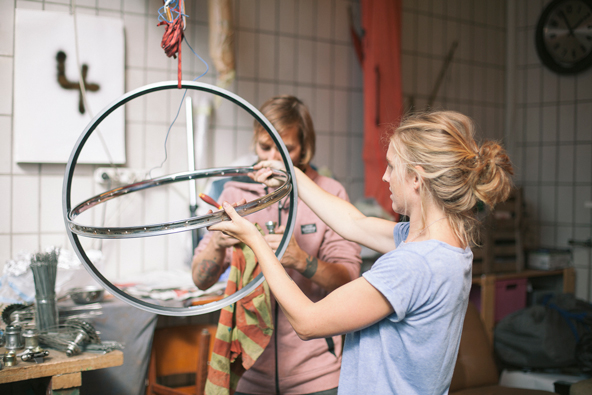
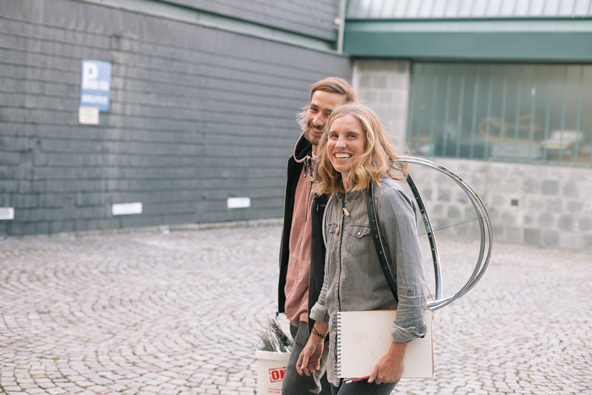
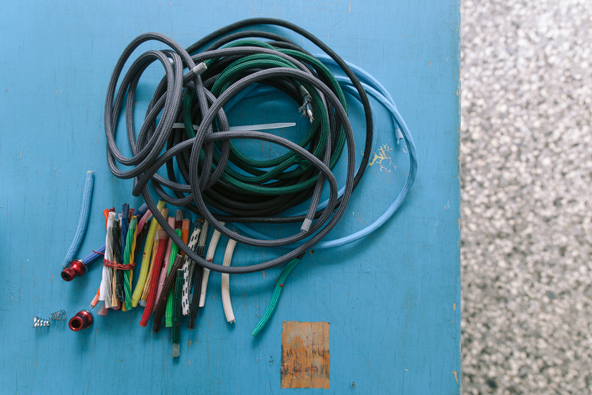
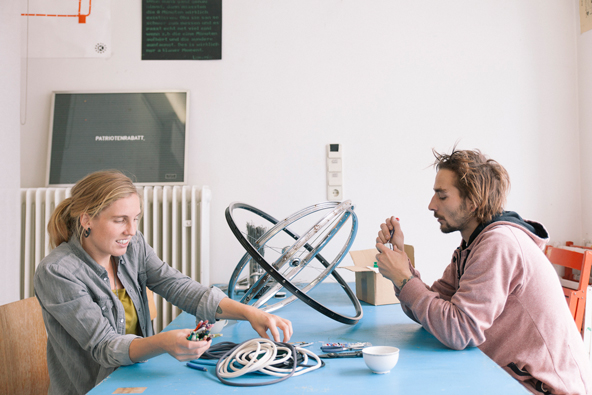
    Margit Steidl and Roland Dorn are the founders of Graz-based collective ATUEMARÜ. As a parallel project born from their love for bikes, Margit and Roland have started building lamps using rims from found bicycles, resulting in unique designs.
    Behance Portfolio

    Photos & Interview by Clara Wildberger

    Future-Positive-Atuemaru-1
    Please tell us about your passion for bikes. How did you come up with the idea of creating rim lamps?

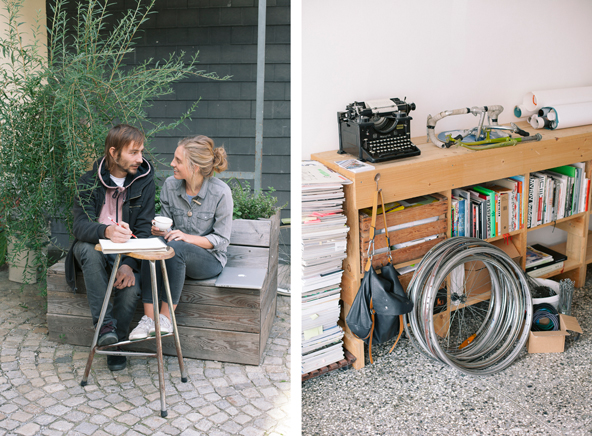
    Roland: A long time ago my mother bought me my first bike, but I enjoyed more riding my sister’s pink princess bike because it was faster. Years later, I started building and restoring my own single speed and fixed gear bikes. After a few bike projects, I ended up with quite a lot of leftover parts…

    Margit: …and you wanted to have a lamp in your room. You were sitting on the balcony, besides some of your bike stuff. So, why not doing a lamp out of the leftover bike parts? We mounted different rims and spokes and created the first rim lamp – we liked it and named it ‘The Earth’.

    Future-Positive-Atuemaru-3 Future-Positive-Atuemaru-4
    How do you distribute tasks?

    Roland: Margit is the best bike waste collector ever!

    Margit: Roli is the one who has the knowledge about electricity and such things. Basically we make any decisions and work on tasks together.

    Future-Positive-Atuemaru-2Future-Positive-Atuemaru-6
    Tell us about your design process? How many different models are you planning to create?

    Margit: There are many possible connections of rims and spokes left to create more different forms of lampshades. Therefore, I doubt on ever reaching a finite point. This is also one of the main motivations when creating these rim lamps.

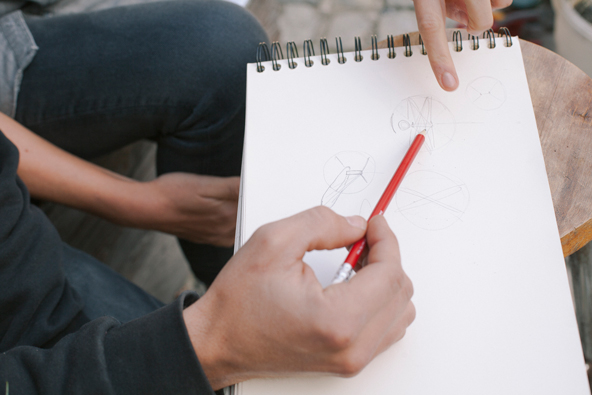
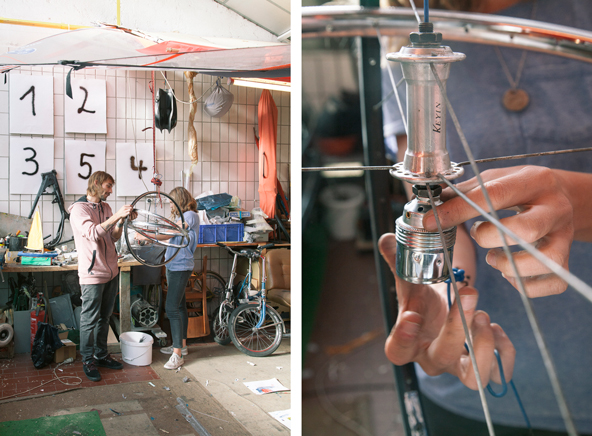
    Roland: Every lamp is and will be unique. First, we create a draft of a shape we imagine. We then start choosing parts we’d like to use and from that point we just work on the object. Sometimes we end up with a shape different from the original draft.

    Future-Positive-Atuemaru-5Future-Positive-Atuemaru-7
    How would you describe your lamps?

    Roland: An object with history, caused by the former life of the parts – kind of reincarnation of wheels. Dirty somehow, looking fragile, although they’re not at all.

    Margit: Playful somehow, lively, working with one of the most archaic shapes: the circle.

    Future-Positive-Atuemaru-8