Category: Photography

  • Lockdown Stories: Stephanie De Smet

    Lockdown Stories: Stephanie De Smet

    Lockdown Stories is a series of short interviews with creative entrepreneurs and businesses that have been affected by the COVID-19 crisis. Since its beginnings, the main goal of Future Positive has been to share inspiring projects happening all around the world and, during these strange and difficult times for independent businesses and creators, we want to continue providing support and visibility. If you’d like to be featured in this series, please get in touch at hello@thefuturepositive.com and tell us your story.

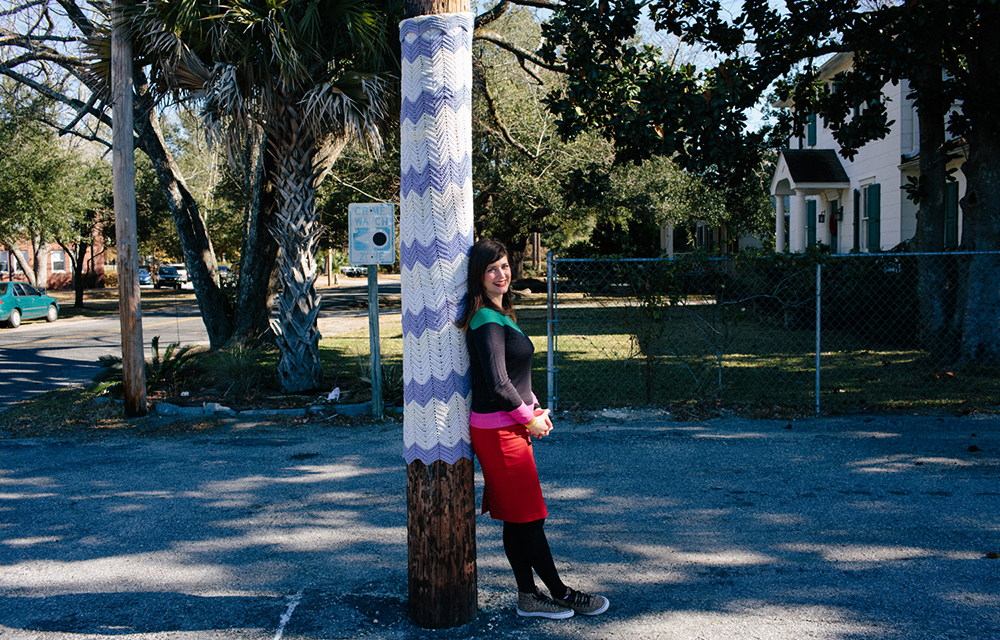
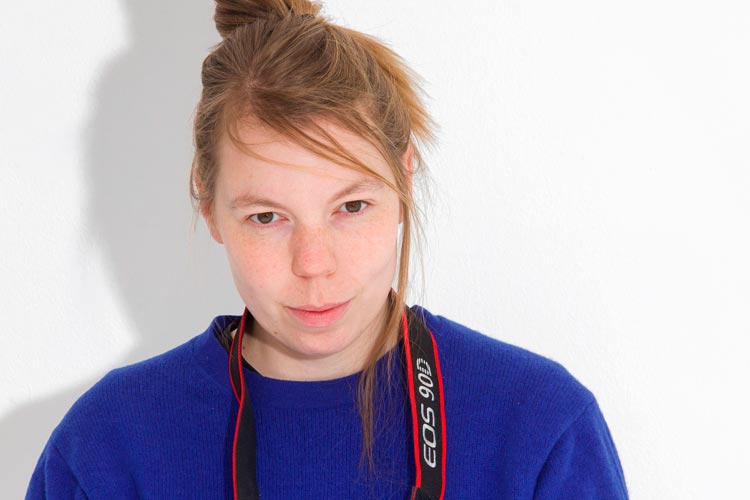
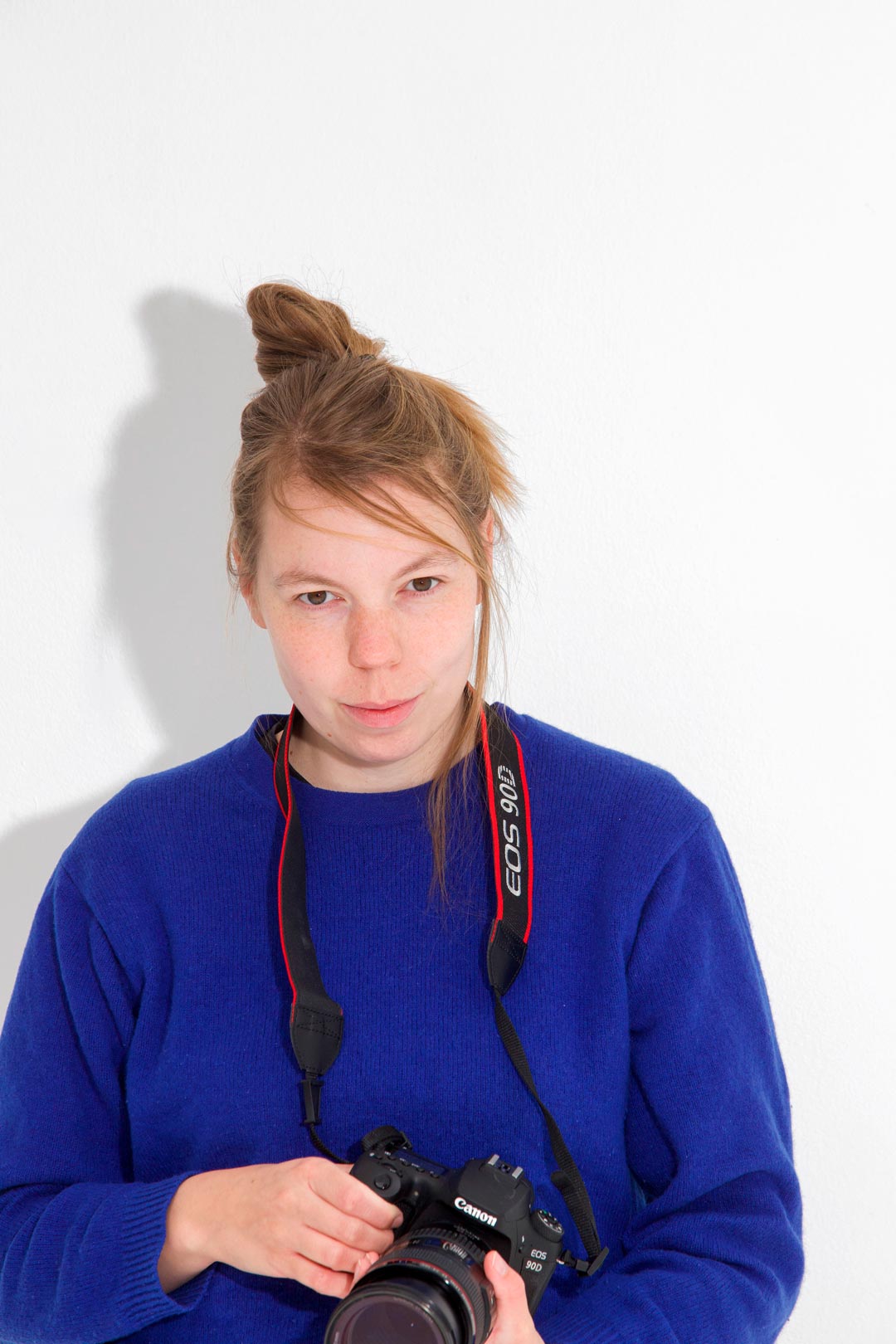
    Stephanie De Smet
    Photographer and founder of Collect, a creative platform that inspires, creates and collects makers and their interests.
    Location: Antwerp, Belgium
    www.stephaniedesmet.com
    When did the lockdown start for you and how has your business been affected?

    As a photographer, I did notice the lockdown quit early. By the end of February clients started to postpone the upcoming photoshoots. We all thought it would be over fast, as the Belgian government decided to keep on the the lockdown until the 6th of April. I guess there was a bit of unbelief, as things looked far away. After 2 weeks, we started to realize that it would take much longer, and so jobs got cancelled. There are no perspectives at the moment, which makes the future uncertain.
    Have you found any new ways of working or have come up with new product ideas during this time?

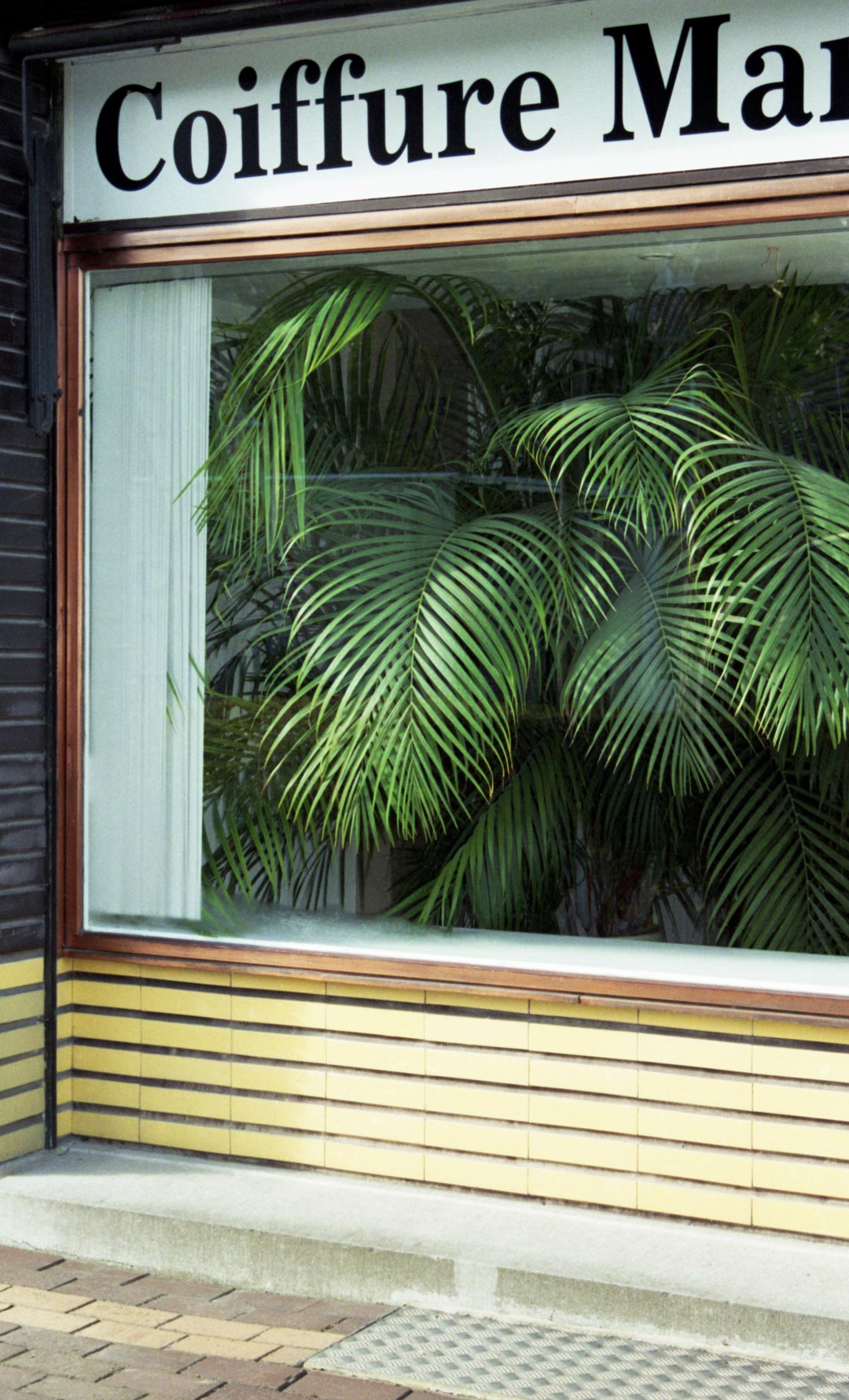
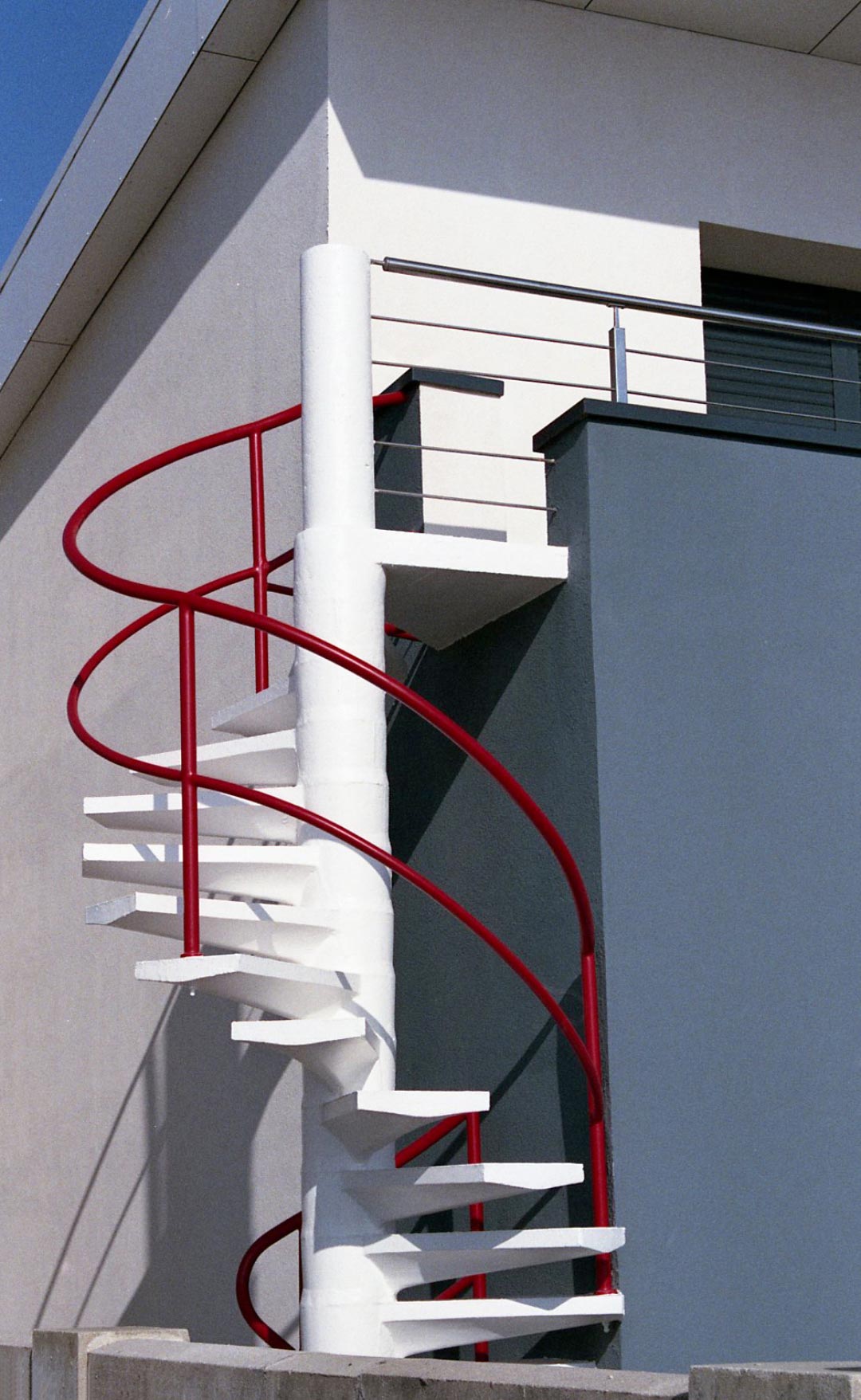
    In the beginning I started to scan old negatives, and had a blast bringing up those memories. I recently made a small shop on my website with prints and postcards. Something I wanted to do for a long time, so a good timing for that. I mostly work analog, but this process is not that convenient at the moment, as my development studio is closed.

    I’m making portraits right now, at peoples front doors. Something different then I’m used to but a nice experience.
    This way I meet a lot of other creative freelancers that are also in the same situation.
    What are some of the positive takeaways you have experienced during this time?

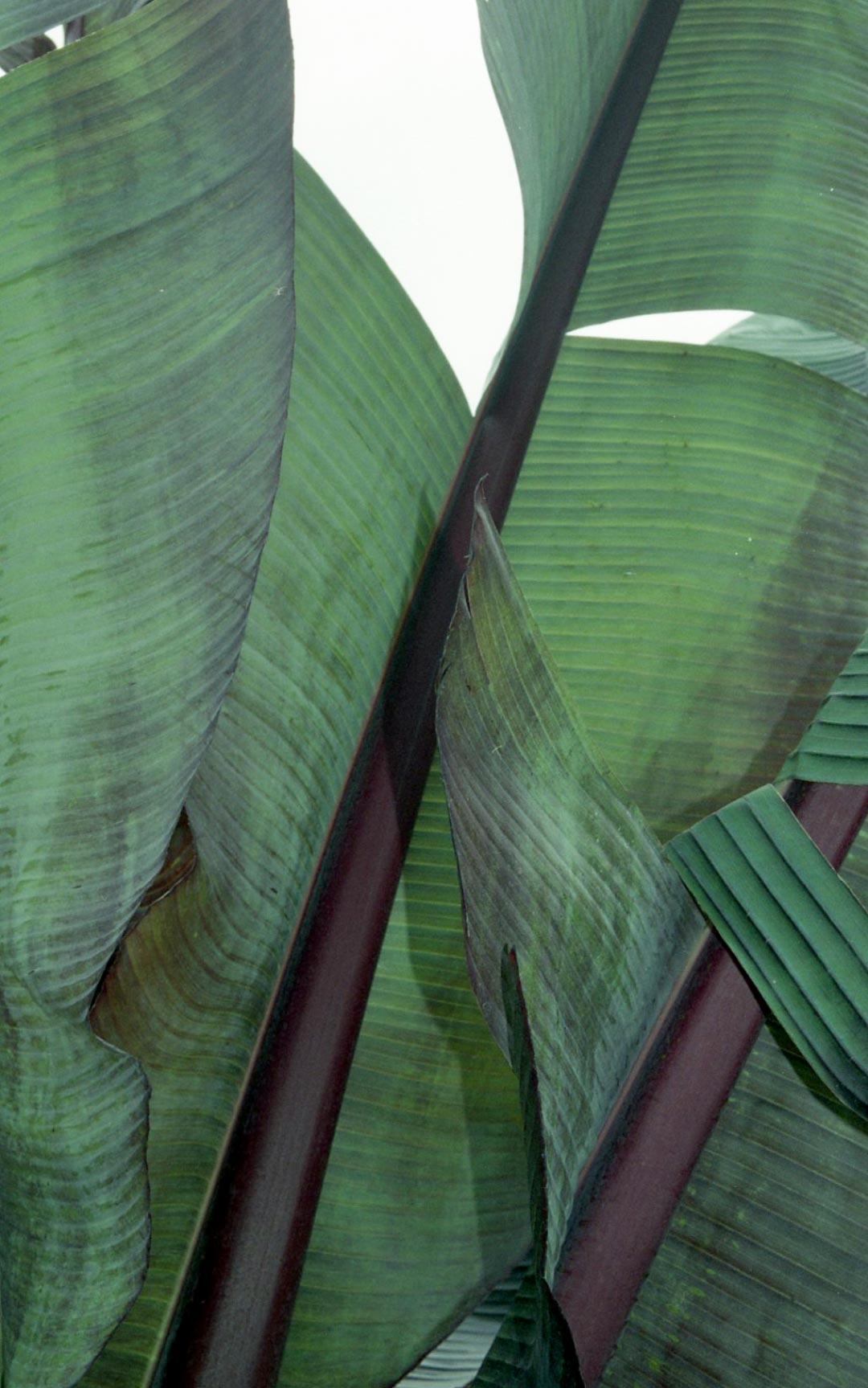
    Nature is blooming. I grew up at the countryside and live now near the city center of Antwerp. For the first time in 8 years, it’s silent on the street and can hear birds sing all day. I can stand still more easily by a beautiful shadow or a blossomed three. Empty streets and the silence may stay for me after the lockdown, but that won’t be an option I guess. I do hope the cultural sector will boost again, and that people will appreciate it even more.
    How do you see your business evolving over the next few months?

    I don’t have any idea when things will go back to normal. The future is uncertain, and I live day by day at the moment. The lockdown gives space and time to work on my own projects but the craving to commissioned shoots is coming closer. I expect that I will work again on a regular base after summer. Every year new exciting projects come up, so I hope 2020 will be even more creative!

  • Seven Corporate Photography Tips You Didn’t Know You Needed

    Photography is expressive, and whether you are trying to capture the essence of people or nature in your photos, you want to spark an interest in the person viewing your photographs. It’s an art, and getting it right depends greatly on what the subject of the photograph is doing. One of the many photography topics out there is corporate photography: photographing events for businesses as a way to propel them forward and engage new customers. The thing is, corporate photography isn’t as compelling as other topics, like travel photography or portraits. As the person holding the camera, it’s up to you to make sure that your photographs are interesting, eye-catching and compelling enough to bring in new customers.

    The good news is that this is entirely possible. Corporate photography may not be as exciting to be involved in as landscape photography, where you are snapping beauty and nature in its raw form, but you can still take beautiful shots that make a difference to the business that you are working with, as well as your portfolio. All you need are some great tips to avoid capturing a blend of suits. Let’s take a look!

    Image Source

    Creative Angles Are A Must

    There are only so many ways you can take corporate photographs at an event, but when you are charged with photographing a sit-down event, you need to get creative. If you allow yourself to move around, you can catch exciting angles and perspectives, so the shots are less uniform and more vibrant. The photos that you take aren’t just about the subjects; it’s the way that you capture those subjects. So, if there are large floral arrangements at the corporate event, shoot between them with the focus being on the guests but with the added drama of the flowers, too. The event you shoot has to be looked at as if you were the outsider, taking what you want to see and getting a rounded impression of the entire day.

    Have Fun

    “Corporate event” doesn’t invoke images of fun and frolics, but that doesn’t mean that you can’t have fun with the subjects of your photographs. That’s the exciting part about capturing people; landscapes can’t pose the way people can. You’ll get a lot of business owners asking you for “grip and grin” shots, were guests are holding their drinks and stopping for a smile, but that doesn’t mean you can’t take candids, as well. Taking those shots that are posed are great for the main article on a website, or with famous people associated with your business. However, if you’re at dinner, you want to be as creative as possible so that your photos will last. Take candids of staff laughing, smiling at each other in a relaxed and natural way.

    Watch Overhead Lighting

    Corporate dinners and larger events have the potential to take place in an environment that is filled with overhead fluorescent lighting. Conference halls and event meeting rooms are notorious as being places that are brightly lit. Balancing the colour settings on your camera is essential when you go into these places, and a white balance can even out the fluorescence. Bouncing light off the walls can help you to create a more natural colour feel in the photos.

    Image Source

    Map Your Shots

    When you are in a corporate event, you need to map the shots of the notable speakers early. No one wants to stand around and pose for shots, so you need to be quick and discreet about getting the “absolute must” subjects into the photos. Liaise with a business owner ahead of time, so that you have a list of the shots that are essential before the end of the event. Ask for help from others who can point out the right people to you so that you know you are getting the right shots of the right people before the more relaxed shots can begin.

    Use Natural Lighting

    Most corporate events take place in the evening, but when you are dealing with an event in the middle of the day, you should ensure to capture as much natural lighting as possible and avoid the flash of the camera. You want to produce as many images that look natural rather than it being a clear photograph. This is going to come with the right equipment, too. If there’s an evening event, and no natural lighting, consider the way that the event guests stand. Anyone standing facing the camera head-on will be hit with a red-eye in the photos, but ensuring your subjects are standing side-on slightly will reduce that and still look a little more natural.

    Know “Why”

    You’re taking photos at an event, and these photos are only going to tell the story that you want to convey if you know what the pictures are going to be used for. Are they going on social media? Are they making the body of the business website? There has to be clarity because, without it, you can’t take the best possible photographs. The way you shoot the photos will dictate whether they are suitable for things like Instagram squares or web banners on a corporate website. These things must be considered, as well as the background details – you don’t want to incorporate seasonal imagery into photos that are designed to last all year on a website.

    Faces Can Be Distracting

    Corporate photographs are mostly designed and planned to capture faces. These are faces of industry bigwigs or of people in the company itself, and while faces are essential in corporate photography, they can be distracting. As part of an event, you must catch the bigger picture in your image, and when you want to draw out the professional side of the event, allowing the subjects to blur in the photo can make all the difference.

    Corporate photography doesn’t have to be stuffy or boring; it can be as fun as you would like it to be. Take the time and capture the shots that will be the most compelling, and you can shoot an event successfully.

  • Top Tips For Those Looking To Expand Their Skillset In Photography

    We see hundreds of photos on the internet that have been filtered through instagram these days, and while they look good, did you know that they don’t look as good as a professionally taken picture? If you’re thinking about taking up photography as a hobby or as a career path, there are a few things you should know.

    Image via Unsplash

    What kind of camera?

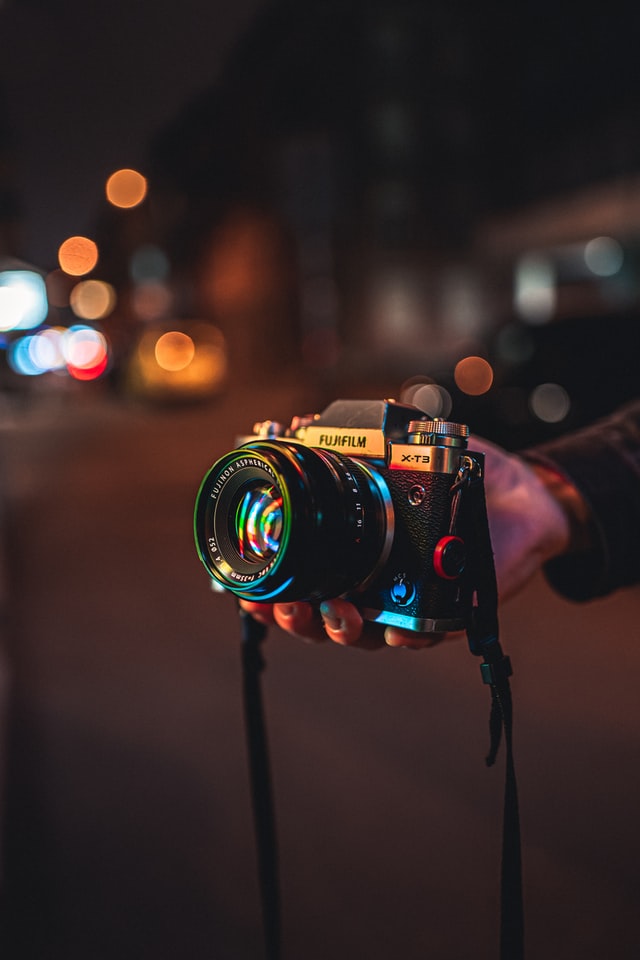
    The first thing you’ll need to consider is the type of camera you want to consider buying. Despite the fact that the cameras on our smartphones are getting better by the day, they are still no substitute for a professional camera. You’ll need to spend at least a couple of hundred dollars on a good camera that will last you a long time. The more money you put into your photos, the better the quality will be. Find a camera and camera straps that suit you by testing different camera styles, how comfortable the straps are, and whether you’d be better off with a novice camera to begin with.

    Learning to take photos

    The next step is to ensure that you know how to operate a camera properly. Even if you’re just interested in photography as a hobby, taking a photography course will vastly improve your final images. These courses will teach you everything you need to know about photography, from how to take the perfect shot to which accessories you’ll need to get the shot you want.

    Location, location, location

    You’ll need to consider different locations for your photography shoots once you’ve mastered how to use a camera and take the perfect shot. If you live in a scenic area, taking artistic photos of your surroundings could attract a lot of attention, and even if you’re just doing it for fun, you might be able to sell a few of your photos online or at local art shows. You could even just take photos of your garden to keep it simple. Plants and petals photographed up close are always a hit.

    Build your portfolio

    If you want to pursue photography as a career, make sure you create a portfolio that you can display on a business website for potential customers to see. It’s also important to create business cards that show people what kind of service you provide with your photography skills. You can have them displayed in stores around town to help you get your name out there. Another good idea for a new photographer is to offer your services at a low cost to a family member or friend, so that you can build your portfolio. If a friend is getting married, for example, offer to be their photographer so that they can save money and you can earn money by displaying their photos on your website.

    Creative Business Ideas

    Once you’ve expanded your skillset in photography, it’s time to start looking at how to make income with your new talent. And the world really is your oyster here, so get creative. Maybe you use your skills to sell feet pictures uk, become a wedding photographer, or create a photography art book based on an exciting subject. 

    Regardless of why you want to learn photography, it’s always a useful skill to have when you’re traveling or vacationing. It will allow you to take beautiful photos that you will cherish over time, and it may also allow you to create artwork that you can sell! Remember that photography is an artistic skill, so let your creative side shine and capture some breathtaking images to share with the world!

  • One of Many by Wesley Verhoeve

    One of Many by Wesley Verhoeve

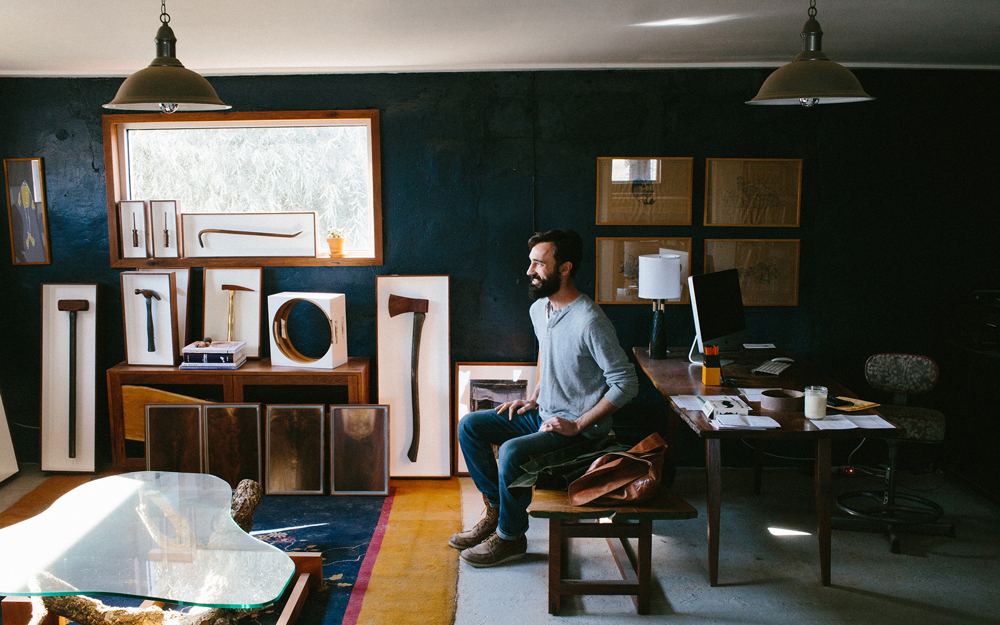
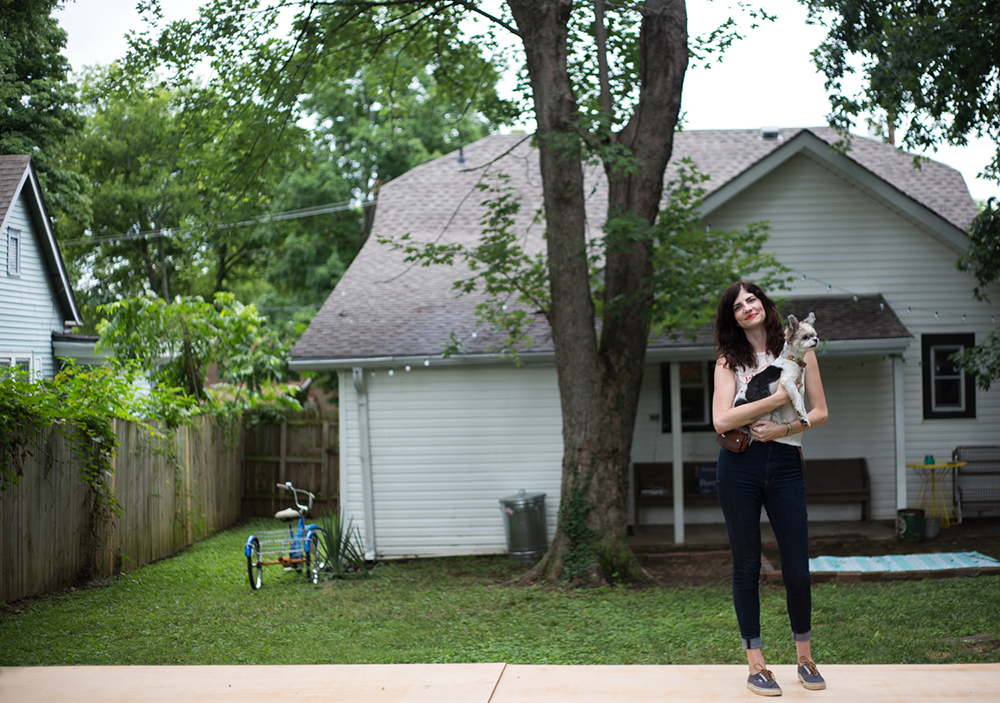
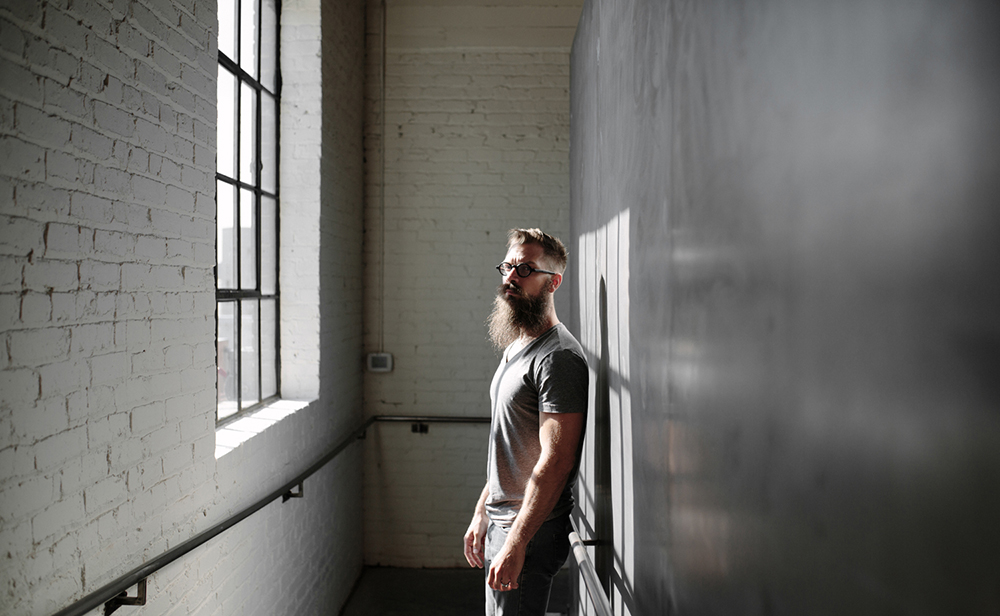
    Created by Wesley Verhoeve, One of Many is a monthly series of photo essays about twelve cities across the US and their creative communities. Wesley immerses himself in each local creative community and profiles some of the most interesting creatives of the area: artists, makers, chefs, writers, brewers, entrepreneurs and others.

    People around the globe choose to work for themselves, to freelance or work for small companies. This project captures this creative movement that is currently reshaping the global economy and culture, inspiring and encouraging others to make the leap and pursue their desired craft.

    Wesley, who is co-founder of handmade men’s accessories and home goods company GNTLMN and art curator at WeTransfer says: “Being a small business owner or a creative independent is exhilarating, but it can also be quite lonely and stressful. One of Many is a reminder that we are not alone. We are part of a growing movement. We are one of many.”

    www.oneofmany.co

    FP-Ruthie-for-web FP-Michael-Moran-for-web FP-Martha-Lou-for-web FP-Josh-Ulmer-for-web FP-Allison-Merrick-for-web
    All photos by Wesley Verhoeve

  • Why You Should Take Up Film Photography

    Can you believe that even five or six years ago, digital cameras were all the rage? Now we simply have our smartphones which do all the work for us – no need for anything else. Unless you are a professional photographer who needs hyper-focus lenses for work, in which case you may still have a digital SLR which you use often, the chances are you take most of your photographs on your phone. Companies like Samsung and Apple have gone to great lengths to make their smartphone cameras second to none, ensuring that the only camera you will need when you’re out and about is already in your pocket. 

    So what’s the deal with analog photography? You might remember, if you are old enough, that all cameras used to operate using film. Each film canister had a limited number of shots you could take, and after that would have to be dropped off at a developer to be exposed in the correct conditions. Then the photos would be returned to you in physical form. No? Nobody remembers this? It wasn’t that long ago, people! Anyway… Believe it or not, analog photography is still alive and well, despite the existence of much more efficient cameras nowadays. So why is film photography still so popular, despite its inefficiencies? In this blog, you’ll learn about why analog photography remains sacred, and why you should take it up as your next hobby.

    Image credit.

    Understanding Film Photography

    If you love taking photographs, you will love the beauty and elegance of film photography. This medium involves being mindful about the shots you take, because of course, each shot uses up film – even if you mess it up! This means paying more attention to the lighting, composition and colours in the picture, which will create beautiful shots you can treasure forever. 

    British film photographer George Muncey said in an interview, ‘I also am just a strong believer that photography exists best in print, whether it’s in a book or on a wall.’ This sums up the beauty of film photography in its greatest forms. Photographs used to solely exist in print; now they almost entirely exist digitally. Modern analog photography is bridging this gap, creating meaningful moments and experiences for photographers, while preserving the craft of film photography in the modern day. 

    Image credit.

    Why Try Film Photography?

    You might be thinking, ‘This sounds nice, but so what? I just take photographs to make memories.’ For most people this is true. Yet film photography in the modern day supports this – you don’t have to lug around huge, ancient cameras in order to have fun with film photography. Here’s a breakdown of why film photography is an awesome medium which can boost your creativity, even if you aren’t yet passionate about photography. 

    Image credit.


    • Experimenting With Light


    One thing that film photography heavily relies on is light. If there is too much light travelling through the lens when the photo is taken, the film will be over-exposed, meaning that the photo can appear bleached and without detail. If there is too little light, the photo will not be clear either. So when you get into the nitty gritty of film photography, you can experiment with the functions of the camera which help let in the right amount of light. Some film photography fanatics purposefully over or under-expose their photos to create cool effects, kind of like a natural Instagram filter!


    • Waiting For Results


    In the contemporary technological world, we seem to have lost the art of waiting to see how things turn out. With film photography, this discipline is returned. Instead of taking a photograph and immediately checking how we look in it, you are forced to wait until the whole roll of film is finished and developed to see the results. This brings the joy back into taking pictures of loved ones and landscapes – and even ourselves – because we aren’t just focused on seeing ourselves in the photo, but in the moment itself. 


    • Digital Availability


    Film photography in the 2010s has developed a long way since before the internet existed. Now, most reputable film developers will offer a scanning service, meaning you can access your film photographs digitally as well as physically. This means that you can still post your photographs to Instagram and send them to friends and family, even if they were taken on an analog device.

    This also means you can share your photos in all the innovative, fun ways you can share photos in the modern day. You can send your analog photographs to Pixa Prints and have them made into a fun mouse mat or phone case; or you can still post them to your grandmother in a sweet envelope. Whatever your style, you can do it with film photography. 

    Image credit.

    What Camera Should I Buy?

    There are two distinct types of 35mm film cameras: SLR and point-and-shoot. 

    1. An SLR is a completely analog camera which does not need batteries to function, although it will need them if you want to use the light meter. SLRs need to be manually focused and adjusted to suit the light conditions. This is a more technically specific camera which might involve more trial-and-error, but the chances are you will take more beautiful and high quality photographs with an SLR!
    2. A point-and-shoot is an updated version of an SLR. Battery powered with a built-in flash, you literally just point it at the object, and click. These are auto-focus, auto-lit and are smaller and more compact too. These are great for simple memory-making, not studied, carefully curated shots. 

    Final Thoughts

    If you want a new hobby that can enhance your passion for taking great pictures while testing your creativity, film photography is for you. Make sure to utilise all the available free resources online, such as YouTube tutorials and reviews, so you can be a self-taught film photographer in no time at all!