Category: Photography

  • How Paying For An Amazing Photographer Can Help You Sell Your Home For A Lot More

    How Paying For An Amazing Photographer Can Help You Sell Your Home For A Lot More

    First Impressions Are Everything

    Ever heard the phrase, “you never get a second chance to make a first impression”? Well, when it comes to selling your home, that’s gospel truth. And these days, that first impression usually happens online, long before a buyer ever walks through your door. Scrolling past cluttered, dark, or wonky photos is almost a reflex. But stop on a bright, inviting snapshot? Instantly, you’ve got someone’s attention. That’s the real magic of good real estate photography.
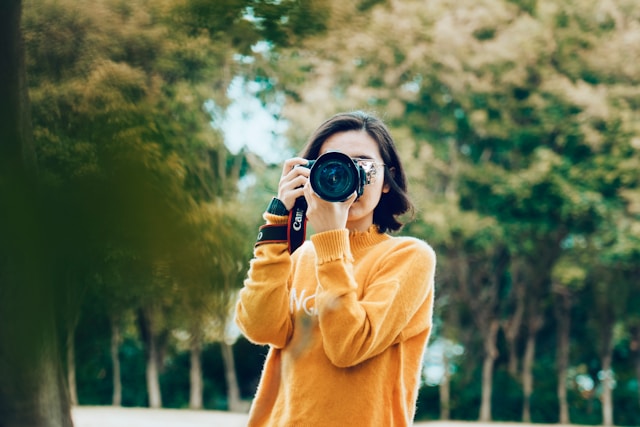
    Image via Unsplash

    It’s Not Just “Point and Click”

    Sure, we all have a phone camera on us, but there’s a world of difference between hastily snapped photos and ones shot with real know-how. A pro photographer sees angles and uses light in ways that make even ordinary spaces look extra special. They know you shouldn’t photograph your bathroom mirror (unless you’re into mysterious floating cameraman vibes), and they’ll never forget to open the curtains or tidy up those pesky shoes by the front door.

    Plus, professionals know how to make spaces look big and fresh. Ever notice how pictures from a real estate listing make even a tiny kitchen feel breezy? That’s not just luck. That’s skill (and sometimes, a very helpful wide-angle lens).

    Highlight the Good Stuff

    Maybe your home has a cozy breakfast nook where the morning sun hits just right, or a backyard that turns golden at sunset. Great photography puts these moments front and center. Instead of a dozen nearly identical pictures of empty walls, the right photos guide buyers through the property in a way that whispers, “You could live here. Just imagine it.”

    The thing is, everyone’s eye is drawn to color, light, and inviting set-ups. Toss a throw blanket and fresh flowers on a bed, straighten those couch pillows, and you’ve got a mood that feels more like a lifestyle than a house for sale.

    Faster Sales and Better Offers

    Most buyers don’t have time to tour dozens of places in person. They’re starting the search online, clicking through dozens of listings, making snap judgments with each swipe. The right photos can bump your place to the top of their “must-see” list before they even get past your porch. In fact, listings with professional real estate photography sell faster and often get higher offers.

    A Few Quick Tips—No Studio Needed

    Even if you’re not springing for a pro, there’s a lot you can do:

    • Clean and declutter—move anything distracting out of sight.
    • Shoot in natural daylight if possible (but not when the sun’s glaring through every window).
    • Take photos from chest height to avoid weird angles.
    • Don’t forget the outside—curb appeal matters.

    The Bottom Line

    In real estate, pictures really do speak louder than words. A few great shots can mean the difference between a slow trickle of interest and a stampede of potential buyers. So fluff those pillows, let the sunshine in, and get snapping—or, better yet, call in the pros and watch your “For Sale” sign disappear a whole lot faster.
  • Why Most Industrial Shoots Miss the Real Story?

    Industrial settings have specific difficulties in capturing their nature and maintaining it in its very own milieu. Photographers and videographers enter these environments hoping to capture what is being done, the equipment used, and the general setting. But, more often than not, the stories behind a story are left untold. In this post, we explore why many industrial shoots end up being superficial and how professional photographers can reveal the unseen layers of industry environments.

    Including Machinery Rather Than Humans

    Industrial photography emphasises machines rather than people. They also had the equipment, but stories of the lovely humans that operated it were diluted, and the equipment felt much more valuable. The workers’ experiences, skills, and dedication give visuals a deeper sense of importance. Focusing on people alongside technology complements the narrative and unveils the human drive behind the industrial success. Trust a competent industrial photographer in Sydney to make your industrial shoots come alive, combining the essence of storytelling and an engaging narrative.

    Ignoring Contextual Information

    Most professionals focus solely on the core topic and ignore the peripheral stuff. However, this adds meaning because context is a bigger part of a great story. The story is framed so that elements in the background, like some safety signs, tools, and organization in the workspace, are also part of it. These key points indicate an industrial site’s culture, values, and priorities. A standard picture becomes a story when it is accompanied by contextual information.

    Not Omitting Historical Significance

    Many industrial sites have deep histories. Not weaving the same aspect in historical context misses an opportunity to show how past accomplishments are tied to present efforts. Golden nuggets of history will uncover the changing face of technology, local practice, and community impact. Tracking this past invites a deepening of significance to shoots, connecting them across time.

    Ignoring Environmental Consequences

    Environmental factors (an extremely fundamental factor in any industrial terrain)—many shoots miss this and, therefore , do not take this opportunity to talk about sustainability progress or challenges. Mentioning efforts to reduce environmental footprints or demonstrate sustainable practices gives it a meaningful context. This emphasis not only educates but also motivates the viewer to either acknowledge or endorse sustainable practices.

    Overlooked Innovation

    While innovation is essential for industrial development, some arrows miss novel ideas or cutting-edge technology, which are sometimes not captured. Focusing on innovation takes the message of the industry being progressive. Spotlighting new developments, prototypes, or even creative solutions helps shine a light on the sector’s future. By recognizing innovation, we highlight that industrial environments are inherently dynamic and present listeners with tantalizing possibilities for growth and change.

    Missing Storytelling Principles

    Just shooting static scenes is not good storytelling! An experience that engages viewers with compelling narrative techniques is often missing from shoots. Things like sequences, perspectives, and emotional connections make the content engaging. You create a visual narrative, allowing your audience to connect with your story at different levels. It makes sure that the story connects on a different level.

    Innovations Leading to Loss of the Human Element

    The innovative parts are out there, but the human element of innovation is less visible. The stories of the people who design, test, and implement innovations are hard to come by. This viewpoint brings it to a more personal level, sharing all their ups and downs in detail. It recognizes the individuals behind advances and encourages audiences to identify and celebrate the human beings, not only human-made machines, that propel industry forward.

    Not Capturing Emotions

    Every environment is replete with emotions, and the world of industrial processes is no different. Shooters that zap emotion earn vetoed visuals that might be dead on arrival. Pride in the work, collaboration, and commitment add texture to a story. Emotional storytelling attracts eyes beyond just the narrative technicality into interesting stories.

    Conclusion

    Such industrial shoots are all about machines, processes, and technology, but do not go beyond the surface stories. Whether human elements, context, history, environmental moment, innovation, storytelling mechanics, or emotion, professional storytellers find the real story. Such factors provide an enriched symbolisation of visuals and give a wider yet more engaging illustration of the industrial spaces. This method keeps these industrial shoots relevant to those viewing it, holding the pulse of a living industrial location.

  • Top Tips for Taking Professional-Looking Flat Lay Photos

    The flat lay has become a popular choice for showcasing products, food, clothing, and art. This style of photography involves placing objects on a flat surface, arranging them in a visually appealing manner, and shooting directly above the setup. This technique allows photographers to highlight their main subject in an aesthetically pleasing way. Although this photo styling may look simple to execute, many things happen behind the scenes to ensure the perfect shot.

    Mastering flat lay is a great way to expand your photography skills. In this article, we’ll be delving into some tips for taking professional-looking flat lay photos.

    Choose a Theme

    Before you start arranging your flat lay, it’s essential to decide on a theme or concept. This will help you select appropriate props, backgrounds, and compositions that align with your vision. Consider the mood or message you want to convey, so that you can easily choose objects and colours that complement your theme. Whether you’re aiming for a rustic, minimalist, or vibrant look, your theme will guide the overall aesthetic of your flat lay. 

    Select the Right Props

    Props play a crucial role in flat lay photography. They add visual interest, context, and personality to your composition. When selecting props, consider how they contribute to your chosen theme and enhance the story you want to tell. For instance, if you want your composition to capture your interest in photography, use some of your own gear; if you want to add more items to your flat lay, a camera rental service will have a variety of photography gear like pocket cameras, lenses, and magic arms available. To add depth and dimension to your flat lay, consider incorporating items that vary in size, shape, texture, and colour. 

    Pick a Flat Lay-Friendly Background

    The background you choose can significantly impact the overall look and feel of your flat lay photo. It’s usually best to use a clean, flat surface that complements your theme and allows your subjects to stand out. Solid coloured backgrounds, textured paper, wooden boards, marble slabs, or fabric backdrops are popular choices for flat lay photography. Avoid backgrounds that are too busy or distracting, as they can take the focus away from the items in the flat lay. Don’t be afraid to experiment with different backgrounds, though, as it could help you find the one that best enhances your composition.

    Leave Some Space for Text and Graphics

    If you plan to add text or graphics to your flat lay photo during post-processing, be sure to leave ample space in your composition for these elements. Consider the placement of your subjects and leave blank areas where text or graphics can be overlaid without cluttering the scene. This space can also help create balance and visual flow in your flat lay. Keep in mind the aspect ratio of your final image, especially if you intend to share it on social media platforms or use it for promotional purposes. 

    Ensure Good Lighting

    Lighting is a crucial aspect of flat lay photography that can make or break your shot. Aim for soft, diffused lighting that illuminates your subjects evenly and minimises harsh shadows. Natural light is often preferred for flat lays, so position your setup near a window or shoot outdoors during the day for the best results. If you’re shooting indoors or in a studio rental, you can use diffusers or sheer curtains to soften harsh light. Furthermore, avoid using direct overhead lighting or extra-bright artificial lights, as they can create unflattering shadows and highlights.

    Find a Stable Surface to Shoot From and Take a Few Test Shots

    The overhead perspective is a defining characteristic of flat lay photography. Thus, if you want to get that perfect shot, use a stable surface or tripod so that you can position yourself directly above your setup and ensure a consistent angle. Then, before taking your final shot, take a few test shots to adjust the composition, framing, and lighting as needed. Pay attention to the placement of your subjects, the arrangement of props, and any distracting elements in the frame. Review your test shots on your camera’s display or computer monitor to make necessary adjustments before capturing the final image.

    Maximise Depth of Field

    Achieving a sufficient depth of field is crucial in flat lay photography to ensure that all elements in your composition remain in focus. Use a narrow aperture to increase the depth of field and maintain sharpness throughout the scene. Be mindful of potential trade-offs, however, such as longer exposure times or increased sensitivity to camera shake. Use a tripod to stabilise your camera and minimise blur. Additionally, you can employ focus stacking techniques to combine multiple images with different focus points for maximum sharpness from front to back.

    Use Photo Editing Software to Make Thoughtful Adjustments

    After capturing your flat lay photo, use photo editing software to refine and enhance the final image. Adjustments may include tweaking brightness, contrast, colours, and sharpness to achieve the desired look. Pay attention to details such as removing distractions, fine-tuning exposure, and correcting any imperfections. Do your best not to over-process the image, as your goal is to aim for a natural and balanced result.


    Mastering the art of flat lay photography requires careful attention to detail, creativity, and practice. However, once you’ve perfected it, you’ll be able to come up with visually appealing compositions that will add intrigue to your portfolio. Consider these tips when you’re trying out flat lay photography so that you can produce stunning flat lay images that tell compelling stories and captivate viewers.

  • The Art of Travel Photography: How to Take Great Photos in Any City

    Cities are filled with captivating energy, buildings, people, and stories. Trying to capture this spirit through photography is both exciting and fulfilling. How can you turn streets and tall buildings into fascinating pictures that truly reflect the character and atmosphere of a place? This guide is here to provide you with the skills and knowledge to capture city photos regardless of where your urban explorations lead you. 

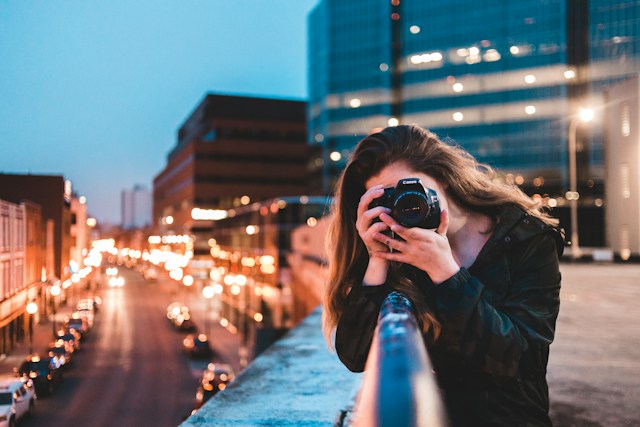
    Photo by Erik Mclean on Unsplash

    Back to Basics

    Before you head out, it’s important to review the principles of photography. Take the time to become familiar with your camera settings and learn how to adjust the aperture and shutter speed for control over lighting. Don’t forget to experiment with exposure compensation especially when capturing scenes with varying light conditions. 

    It’s also worth considering using a wide angle lens to capture cityscapes and a telephoto lens for zooming in, on details. Remember, being able to adapt to lighting situations is key. Embrace the glow of golden hour, use filters to handle harsh midday contrasts, and utilize artificial lighting when taking nighttime photos. These will be very useful for family photography, too! You don’t want anyone to be too blurry or dark.

    Planning Your City Adventure

    Preparation is key! Make sure to do your research on the place you’re going to visit. Explore landmarks, hidden alleys full of life and local markets brimming with character. Take advantage of resources like Google Street View to get a preview of photo opportunities and find unique vantage points. Plan your photography excursions during the blue hours when the lighting’s magical or embrace early mornings for serene streets and a more peaceful atmosphere. Remember to pack the essentials: camera bag, extra batteries, memory cards, filters and a tripod, for capturing shots in low light conditions.

    Composing Captivating Shots

    Cities will always have interesting stories to tell. Learn the skill of composing captivating tales about your city. A useful and beginner-friendly technique is the rule of thirds, which involves dividing your frame into nine sections and strategically positioning points of interest at the intersections or along the lines. This creates a balance between the elements of your photo and makes it more interesting. Use leading lines such as streets, bridges, or tram tracks to guide the viewer’s gaze into the scene. Be imaginative with framing your subjects – doorways, arches, and even foliage can add depth and character in every shot. Don’t hesitate to experiment with perspectives by getting low or aiming high for viewpoints! 

    Capturing the City’s Soul

    Explore beyond the known landmarks. Discover the heart and essence of the city. Embrace the moments that reveal its character. A child joyfully chasing pigeons, a couple enjoying coffee together under a cozy café awning or the steam gently rising from a street vendor’s cart. These snapshots encapsulate the narrative of a place. Don’t hesitate to engage in street photography as these candid instances often hold emotions. Mingle with your surroundings respectfully and capture the natural beauty of unscripted scenes.

    Overcoming Urban Challenges

    Crowds, unpredictable weather, and visual clutter are par for the course in urban environments. Use polarizing filters to reduce reflections and amp up colors in harsh sunlight. Embrace rain and fog for moody, atmospheric shots. Find elevated vantage points – rooftops, park benches, or even stairwells – to escape the throngs and capture broader perspectives. Don’t be afraid to move around and experiment with different angles.

    Post-Processing and Sharing Your Masterpieces

    Post processing is not really about transforming reality into a fantasy world but rather enhancing your perspective. Utilize tools such as adjusting brightness, contrast and color temperature to subtly bring out the qualities in your photographs. Aim for an appearance by avoiding saturation or heavy handed edits. Embrace the convenience of mobile editing apps for adjustments on the go while also considering the benefits of learning desktop software for advanced control.

    Why not share your adventures? Utilize social media platforms like Instagram and Facebook to connect with a global photography community. Showcase captivating galleries or share stories through photo sequences. Engage with photographers, seek feedback, and continuously develop your artistic vision.

    Keep in mind that travel photography is more, about the journey itself than reaching a destination. Embrace the process of learning unexpected detours and the changing cityscape. Be open to experimenting, bending the rules and importantly enjoying yourself! As you refine your skills and capture the essence of both distant cities, you will not only create an impressive portfolio but also make timeless memories of your adventures. So pack your camera, venture into the city streets, and begin narrating the story of each place through your lens.


  • Lockdown Stories: Stephanie De Smet

    Lockdown Stories: Stephanie De Smet

    Lockdown Stories is a series of short interviews with creative entrepreneurs and businesses that have been affected by the COVID-19 crisis. Since its beginnings, the main goal of Future Positive has been to share inspiring projects happening all around the world and, during these strange and difficult times for independent businesses and creators, we want to continue providing support and visibility. If you’d like to be featured in this series, please get in touch at hello@thefuturepositive.com and tell us your story.

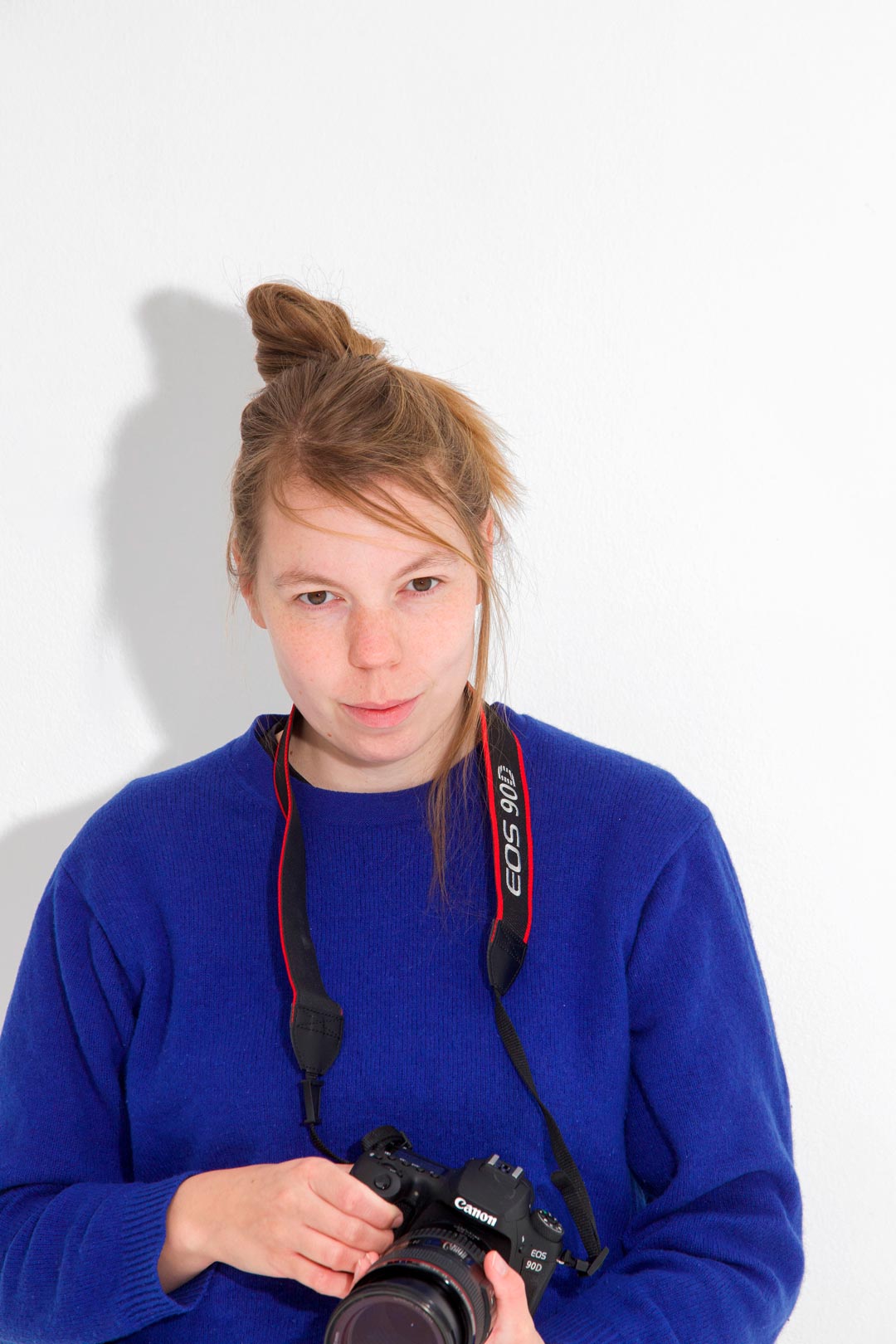
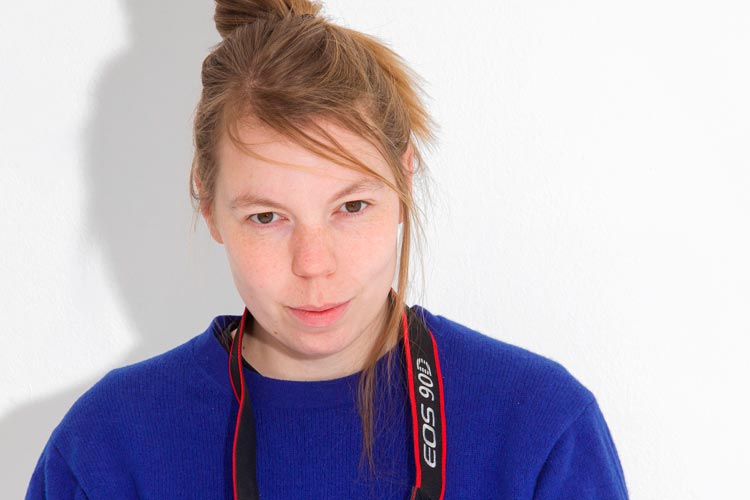
    Stephanie De Smet
    Photographer and founder of Collect, a creative platform that inspires, creates and collects makers and their interests.
    Location: Antwerp, Belgium
    www.stephaniedesmet.com

    When did the lockdown start for you and how has your business been affected?

    As a photographer, I did notice the lockdown quit early. By the end of February clients started to postpone the upcoming photoshoots. We all thought it would be over fast, as the Belgian government decided to keep on the the lockdown until the 6th of April. I guess there was a bit of unbelief, as things looked far away. After 2 weeks, we started to realize that it would take much longer, and so jobs got cancelled. There are no perspectives at the moment, which makes the future uncertain.

    Have you found any new ways of working or have come up with new product ideas during this time?

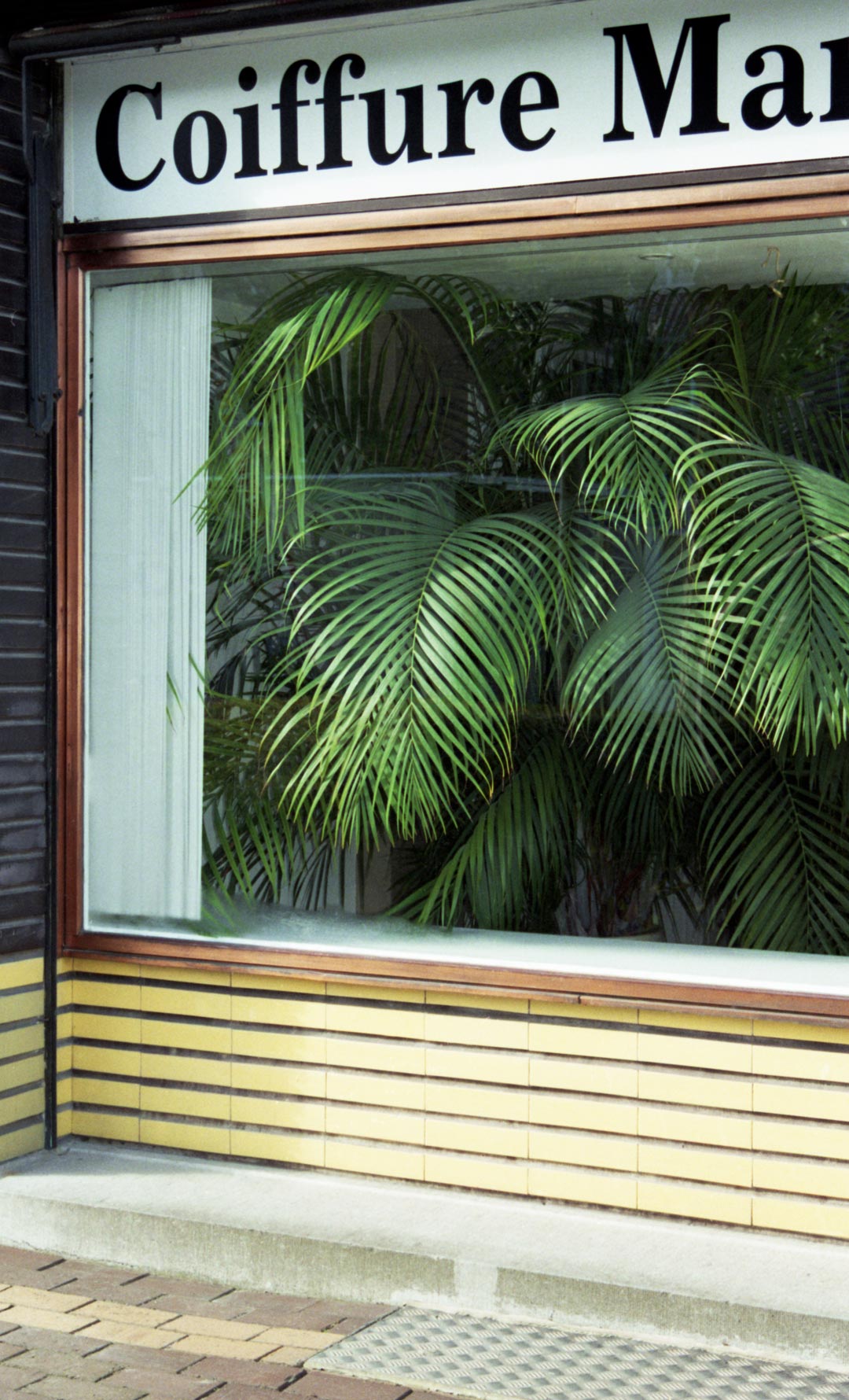
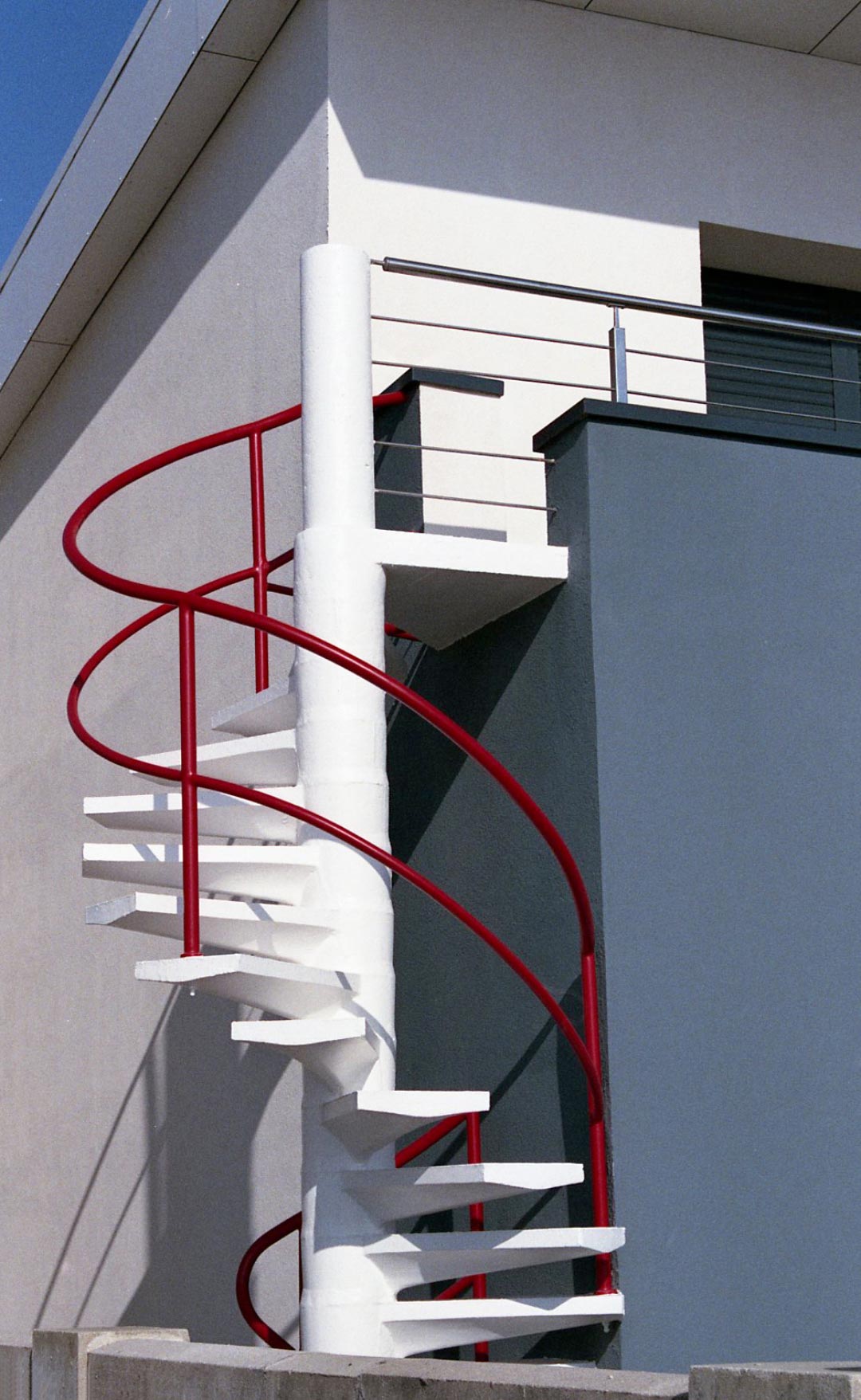
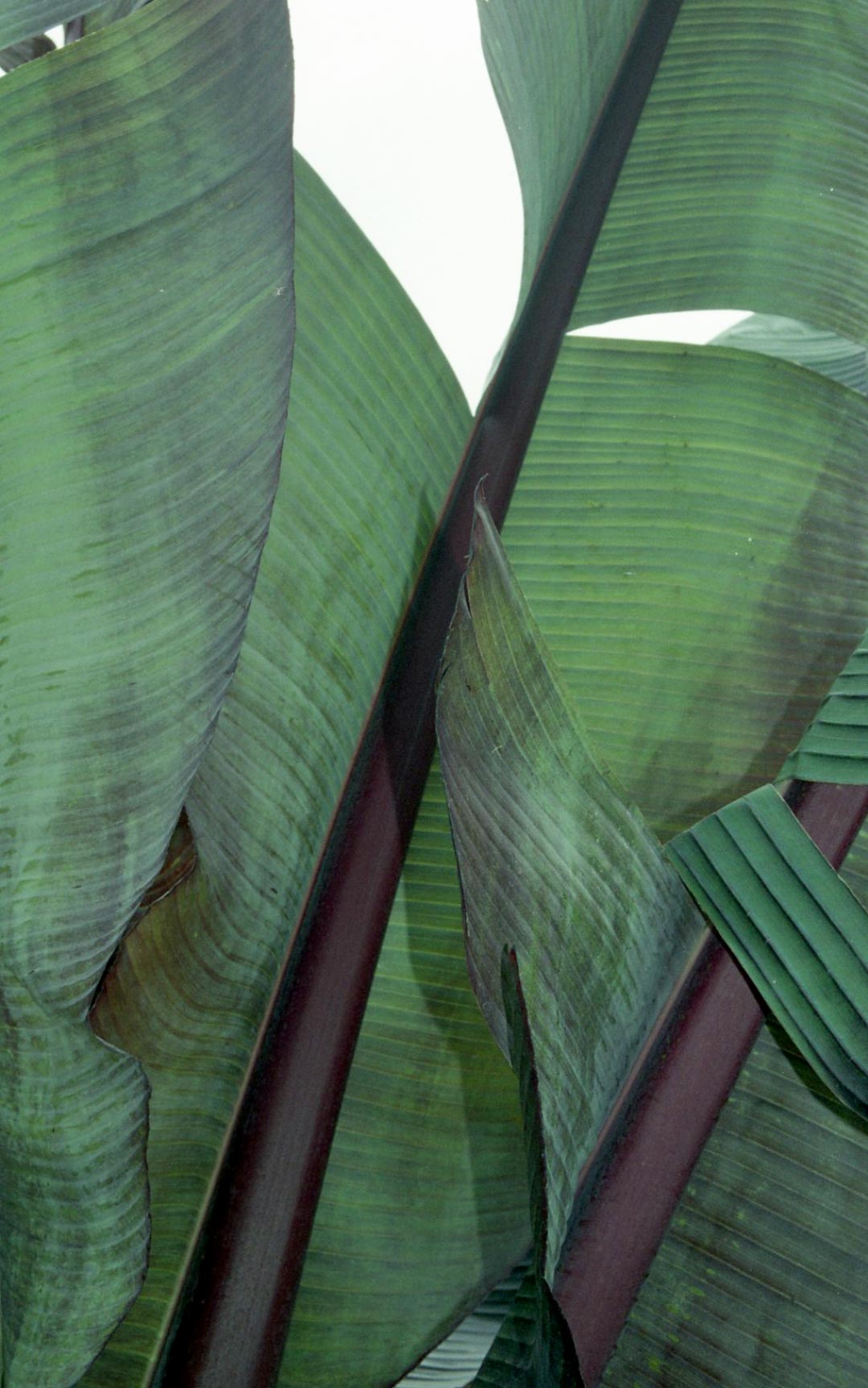
    In the beginning I started to scan old negatives, and had a blast bringing up those memories. I recently made a small shop on my website with prints and postcards. Something I wanted to do for a long time, so a good timing for that. I mostly work analog, but this process is not that convenient at the moment, as my development studio is closed.

    I’m making portraits right now, at peoples front doors. Something different then I’m used to but a nice experience.
    This way I meet a lot of other creative freelancers that are also in the same situation.

    What are some of the positive takeaways you have experienced during this time?

    Nature is blooming. I grew up at the countryside and live now near the city center of Antwerp. For the first time in 8 years, it’s silent on the street and can hear birds sing all day. I can stand still more easily by a beautiful shadow or a blossomed three. Empty streets and the silence may stay for me after the lockdown, but that won’t be an option I guess. I do hope the cultural sector will boost again, and that people will appreciate it even more.

    How do you see your business evolving over the next few months?

    I don’t have any idea when things will go back to normal. The future is uncertain, and I live day by day at the moment. The lockdown gives space and time to work on my own projects but the craving to commissioned shoots is coming closer. I expect that I will work again on a regular base after summer. Every year new exciting projects come up, so I hope 2020 will be even more creative!