Category: Photography

  • Bookshelf: Sunday Mornings at the River

    Bookshelf: Sunday Mornings at the River

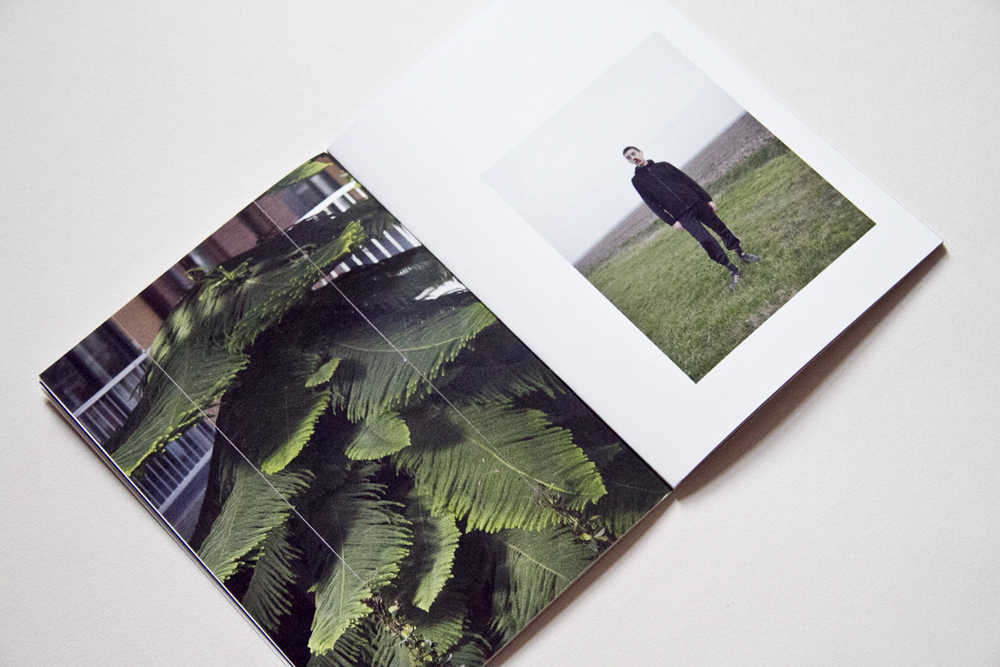
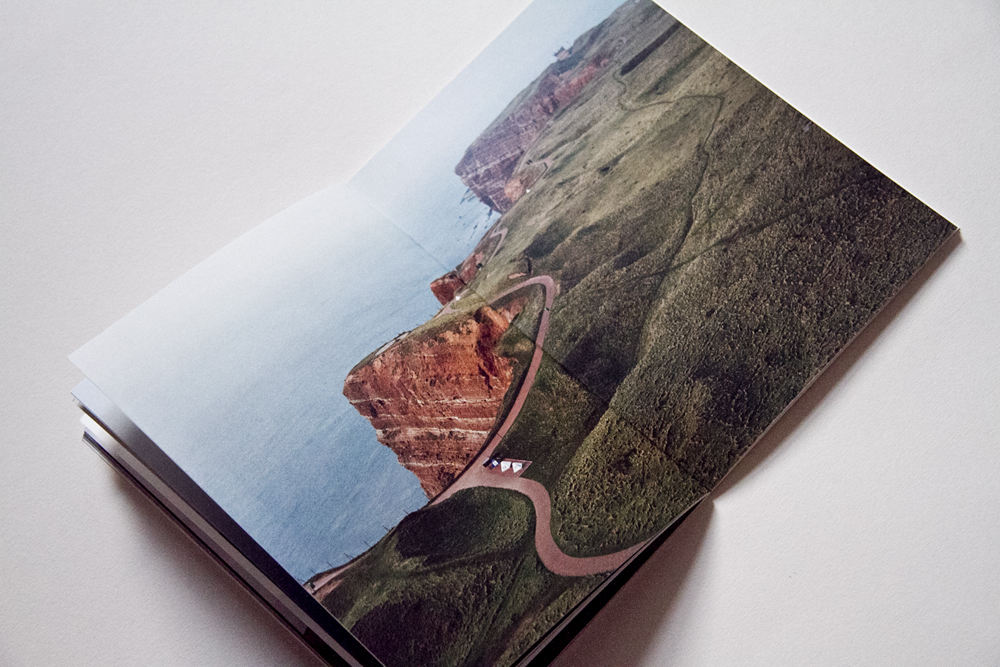
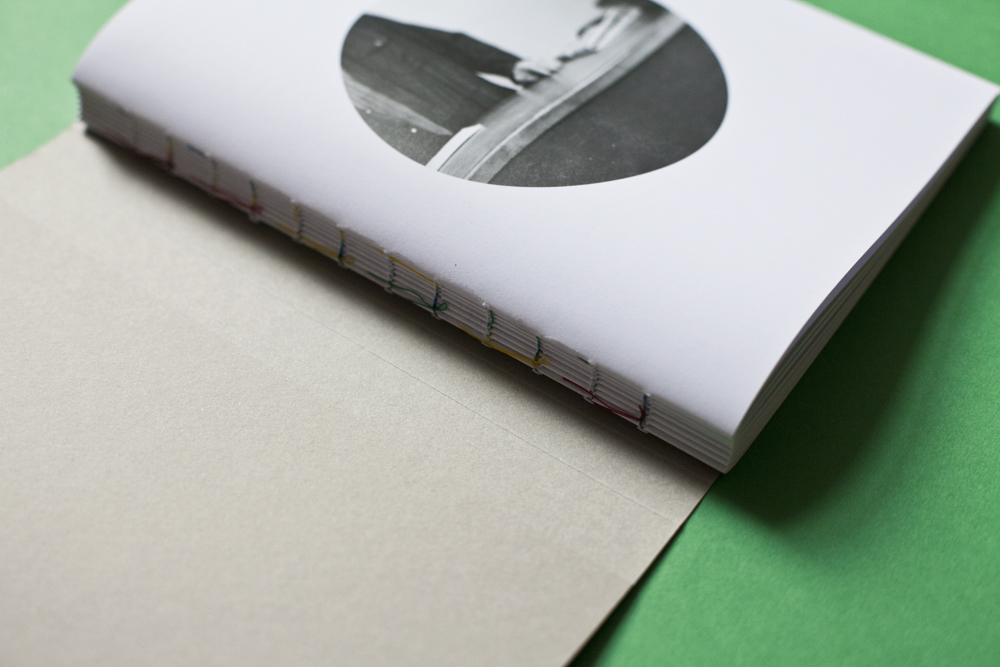
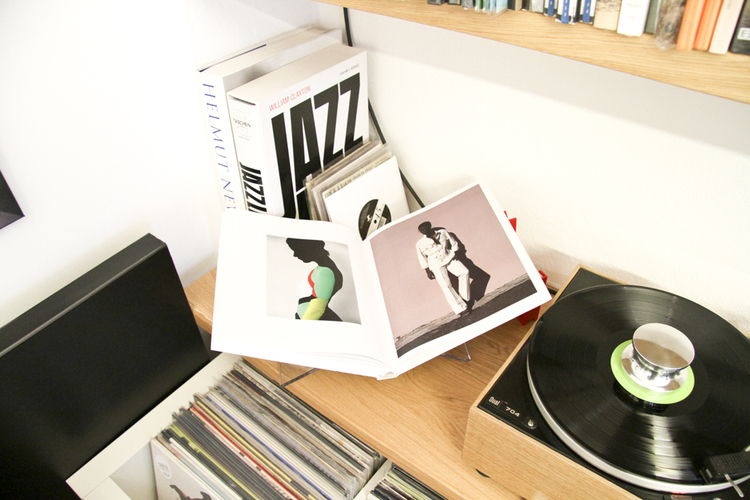
    A couple of weeks ago we received a copy of the second issue of Sunday Mornings at the River. This publication, curated and founded by Sanne Poppeliers and Rebecca Rijsdijk, is filled with the work of photographers ” who take their cameras with them on the road and into the mountains”.

    As inspiring as the first issue, the second installment of Sunday Mornings at the River features the work of emerging and established photographers such as Michael McCraw, Gerard Weitering, Alec Soth, Simon de la Court, Maarten Boswijk and Ariel Rosenbloom.

    A great publication to flick through every day of the week and not only on Sundays!

    www.sundaymorningsattheriver.com

  • Bookshelf: Métier, Small Businesses in London

    Bookshelf: Métier, Small Businesses in London

    Métier, Small Businesses in London, is a book by Laura Braun about small-scale independent and specialist businesses in the capital and the people who run them. In a time when the high streets of London are taking on a more and more corporate character, this book offers an unusual and interesting perspective on the city and an insight into the working lives of people who strongly identify with their occupation.

    The book was published by Paper Tigers Books – an independent publisher of limited edition artists’ books also founded by Laura in 2011.

    Read on for our short interview with Laura where she tell us about the process of creating Métier and what interested her in small businesses in the first place.

    The book was 6 years in the making – could you please tell us about the process of creating Métier? 

    LB: I started the project in 2007 really not thinking that I’d be working on it for 6 years. I wanted to add some more portraits to my portfolio and on the look-out for interesting sitters I stumbled upon this project about small businesses and the often very passionate and a little eccentric people who run them. Early on in the project The Photographers’ Gallery in London commissioned me to photograph a few businesses in Soho as part of their Soho projects when they were moving the gallery from Covent Garden to Soho. Those photographs became part of Métier as well and over the years I just kept adding to the project slowly whenever I came across another interesting business. I never set out to create any kind of index of London businesses. I found them all by chance, by walking around, through recommendations from friends and people who knew about my project and quite a few just because I needed their products or services. So the selection in the book is very personal. It’s to do with my interests and the parts of the city that I move around in my daily life.

    What interested you in independent businesses and their owners?

    LB: I spent a bit of time with each of the people in the book. I got to know them a little and heard how they ended up doing what they do. I don’t want to romanticise them. Their day to day lives are often difficult and of course also very mundane. Nonetheless for the most part they have a strong personal connection to the work they do. Their biographies are very closely intertwined with their profession or their business. The people are shaped by their work and the work and workplaces are shaped by the people in a way that is more and more the exception in our current corporate consumer landscape. The people running such small businesses have knowledge and often manual skills which you don’t find in employees of many large companies who are just much less personally invested in their work.

    Again, without disregarding the down sides of running a small business on one’s own, over all, how the people in this book engage with their work, seems to me in many ways preferable to the kind of career focus that is common in a more corporate environment.

    Also I think this small commerce, where a real exchange takes place, is really important for the life of this city, London, – and by extension any other place where people live. It’s what distinguishes one street from another, one area from another… I wanted to show and celebrate this.

    Métier – Small businesses in London is available directly from the publisher as a numbered edition of 500 for £18.

    www.papertigersbooks.com

  • Are Sigma Lenses Okay to Use Even Though They are Cheaper

    Sigma remains to be among the go-to third-party brands of photographers for lenses and camera accessories. Despite its demand and popularity, why are Sigma lenses cheaper, and will they withstand the various travel adventures you take them on? We’re going to look into factors why Sigma can produce quality lenses while being less expensive than its competitors.

    Why Are Sigma Lenses Cheaper?

    Sigma lenses are cheaper because they have fewer parts and simpler lens configuration. This results in efficient construction that minimizes manufacturing costs. Besides that, limited focal length ranges also avoid aspherical complexity to ensure lower prices yet quality optics.

    As Sigma continues to level the playing field by developing top-notch lenses of various focal ranges, let’s look at how the Japanese photography manufacturing company offers lenses that suit the budget of photographers.

    What Makes Sigma Lenses Cheaper

    Third-party lenses are optimized for a lower price because Sigma lenses have less complex mechanisms and simpler craftsmanship. Even though these third-party lenses can be used on Nikon and Canon camera bodies, some lens models also lack optional features that became the selling point for premium lenses. 

    From the photography industry’s first teleconverter lens in 1961 up to its premium compact prime line last year, Sigma continues to find cost-efficient ways to elevate its status as a front-runner in the lens manufacturing market.

    Manufacturing Process and Craftsmanship

    The market expects a global shipment of 250 million lens units by 2027 due to the increased demand for high-performance camera lenses. However, complexity is one of the things that directly affects manufacturing costs. This determines the sophistication of a product, including its production processes for the final output.

    With 6 decades of optical engineering experience, Sigma was able to develop a unique production system and manufacturing technology. Thanks to testing and quality control phases, Sigma keeps its lens designs simpler to reduce production expenses and make manufacturing faster.

    • 3D measurement: Sigma’s processing technology ensures absolute precision in molding parts, especially the lens cells. The fast process enables the company to save time in production, consequently preventing additional costs to consumers.
    • Thermally efficient plastic: Expensive lenses typically have metallic materials. In contrast, Sigma can create cheaper lenses using thermally stable composite plastic, which shares the similar thermal expansion of aluminum.
    • Raw material selection: Sigma incorporates trivalent chromium in its lens production. It enables the company to create plating films that are only 0.5 micrometers thick. Unlike other lenses that use highly toxic hexavalent chromium, trivalent chromium is an environmentally friendly alternative for preventing corrosion of the lens barrel.
    • Motor: Another major contributor to Sigma’s cheap lenses is its motor design. Its cheaper models don’t use Hyper Sonic Motor, which provides silent and highly responsive autofocus.
    • Ruggedness: While this also applies to other brands, Sigma can reduce lens prices by excluding weather sealing. This feature isn’t required for lenses, although this is beneficial to outdoor photographers who are usually exposed to environmental elements like water, dirt, and dust.

    Optics Production

    Sigma starts by refining raw glass into lens shapes. Due to automation, robotic molding finetunes the optical components. This product assembly reduces the number of elements in the lens, reducing production costs.

    While considered a generic third-party brand, not all Sigma lenses are compatible with the mounts of leading camera manufacturers, such as Canon, Nikon, Fuji, and Sony. These brands normally have property information about their camera mounts.

    Furthermore, Sigma lenses with rounded glasses at the front make them incompatible with screw-on filters. While the design eliminates vignetting, it also prevents lenses from having the fastest apertures possible.

    Lens Resolution and Magnification

    Sigma has a 1.4m minimum focusing distance, whereas its competitors tend to have 1.2m. In addition, Sigma lenses have a 0.13x maximum magnification rate, while lenses of other brands usually work 0.21x.

    However, that is not to say that Sigma lenses have poor lens resolution. It’s just that certain models aren’t on the same status as Zeiss or Leica lenses. This is the tradeoff for having compact and lightweight lenses that offer flexibility to photographers.

    Cheaper Sigma Lenses Cater to Beginner Photographers

    Sigma lenses are popular among photographers who use mirrorless cameras or are looking for a more budget friendly option for taking travel photos. For example, Sigma has a holy trinity of prime lenses: 16mm f/1.4, 30mm f/1.4, and 56mm f/1.4. All of these work on Sony APS-C E-mount cameras.

    It’s not that entry-level photographers don’t deserve high-end equipment. Keep in mind that while lenses can improve your photography, the output still significantly depends on your creativity and techniques.

    It would be easy to develop a shooting technique when you can practice on a cheap lens. In effect, it will also be easier for you to post-process images. On the other hand, even the most expensive and best-built lenses would produce blurry images if incorrectly used.

    Conclusion

    Despite its international reputation, Sigma offers cheaper lenses because of ergonomic construction processes, alternative materials, and simple lens configuration. However, make sure that you weigh in if the low price provides the focal length, features, and benefits necessary for your photography style.


  • Places: SHOPIQ

    Places: SHOPIQ

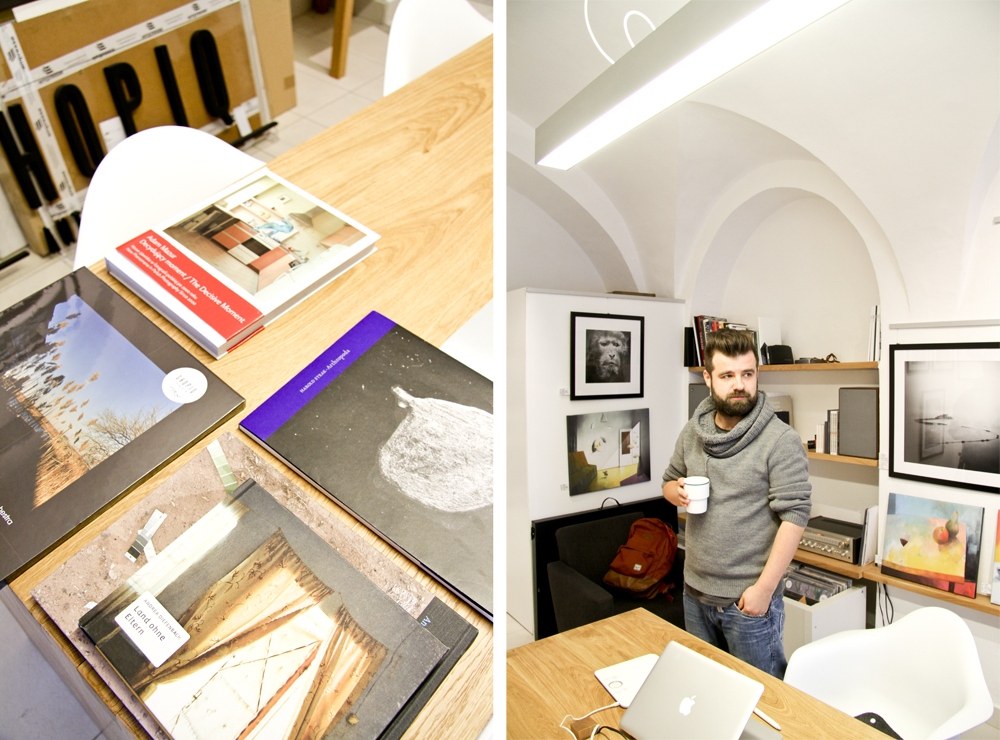
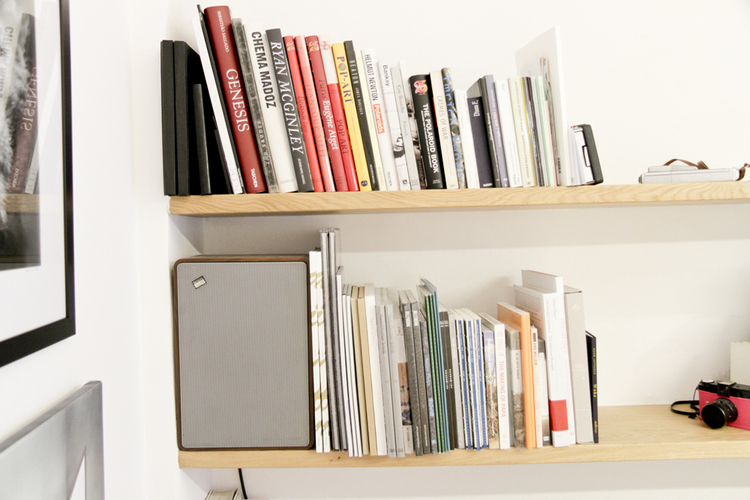
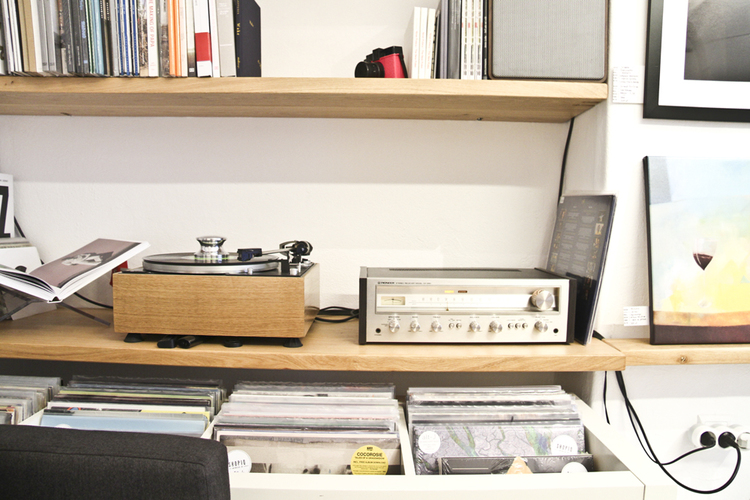
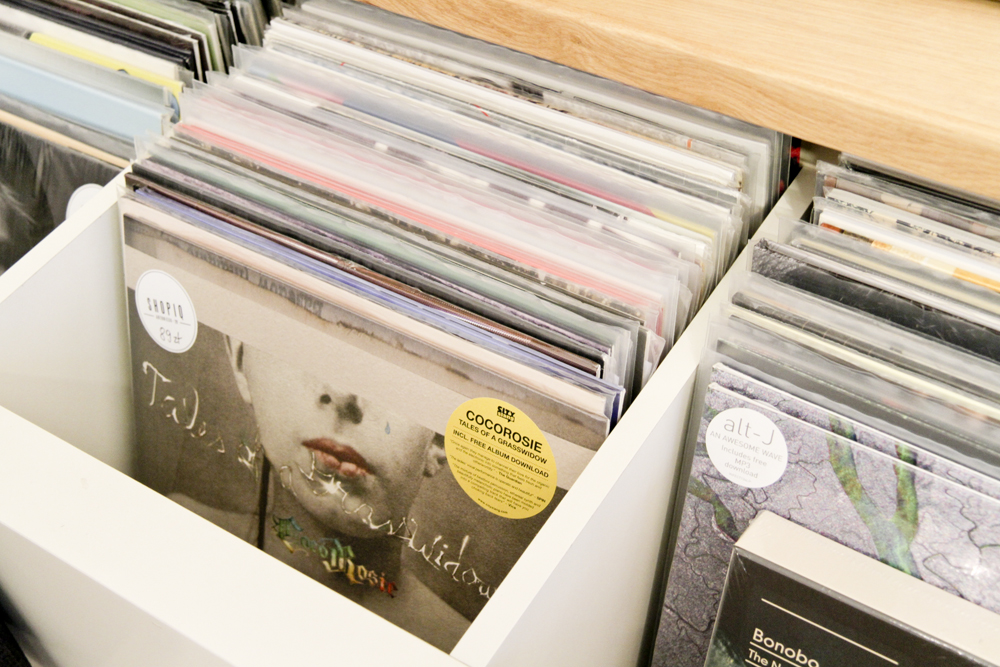
    On our last trip to Wroclaw we discovered SHOPIQ – a new addition to Wroclaw’s creative scene. The shop selling works of Polish photographers, books and vinyls is run by Natalia and Ernest Dec.

    They tell us a little bit more about the concept behind SHOPIQ, Wroclaw, and work of which Polish photographers they like and follow.

    Shopiq on Future Positive (2)

    Shopiq on Future Positive (1)

    Shopiq on Future Positive

    Tell us how the idea for SHOPIQ was born?

    Ernest: We’re both photographers and taking photos is what we do in life. Apart from photography we love travel, discovering new places, meeting new people and staying at home for a longer period of time just to slow down a little. We started to think about the concept of SHOPIQ many years ago.We dreamed about creating a place that we always look for when discovering new city space. Then, the name was created, which from its definition supposed to mean a place where works of art can be bought. Then, we found the space where we’re based; not too big and just perfect to start a new business. And that’s how SHOPIQ was born – a creative space which opens itself everyday to meet with photography, graphic design, painting and music.

    What do you like about Wroclaw? Is it a creative city?

    Ernest: Wroclaw is one of the most ‘westernised’ cities in Poland due to its location and influences.

    Everyday we meet open, friendly people who creatively approach their everyday life and business. It’s the people that create places, if they give away some positive energy, the city gives it back in return. Wroclaw is a very harmonious city when it comes to this and the city gives you the opportunity to spread your wings.

    Work of which Polish photographer do you follow and like?

    Ernest: We have quite a few interesting photographers here in Poland and you can now hear about Polish photography more often. Many interesting publications and create projects are developed. We always like the work of Sputnik Photos, Bartek Pogoda, Filip Ćwika and other artists featured at SHOPIQ.

    www.shopiq.com.pl

    Congratulations to Winston Struye for winning the Creative Portsmouth book giveaway! 

  • Lomography x Not Another Bill

    Lomography x Not Another Bill

    We’ve recently subscribed to Not Another Bill, a subscription service started by former M&C Saatchi art director Ned Corbett-Winder. For a fee, Not Another Bill will deliver a nicely packaged surprise to your doorstep each month.

    Ned started the project in 2011 with a simple mission that has remained unchanged until today: to surprise and delight whilst introducing great artists, designers and brands. Not Another Bill is all about curation, discovery and an appreciation of craft and design.

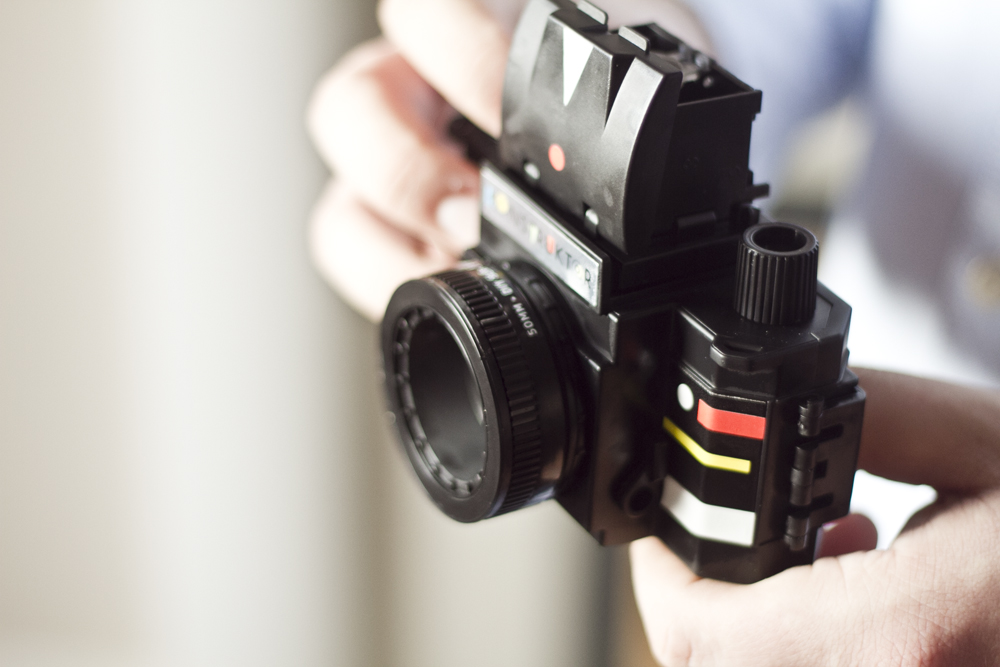
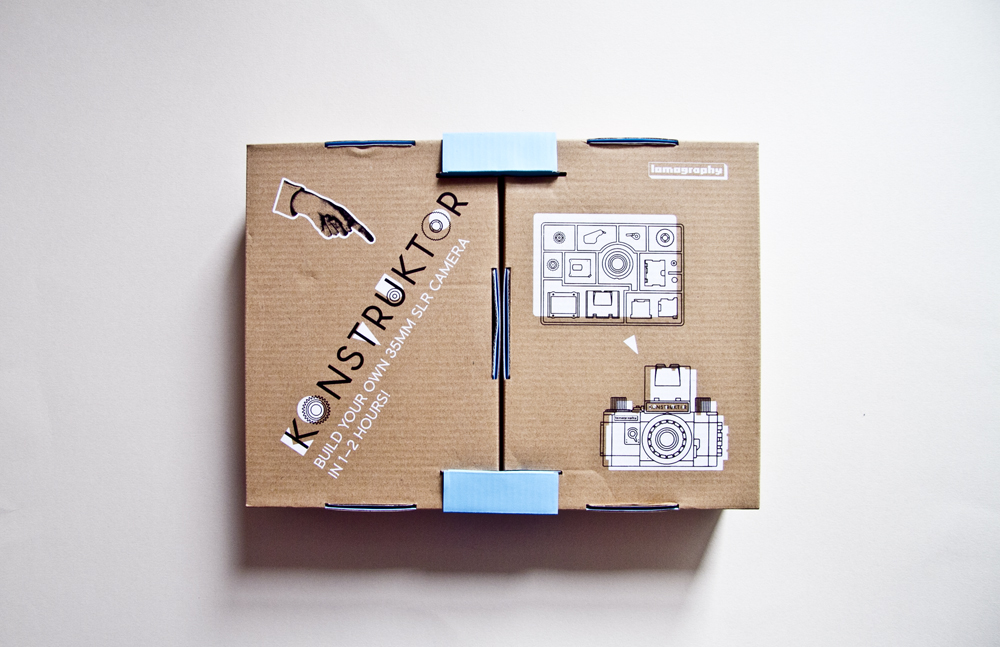
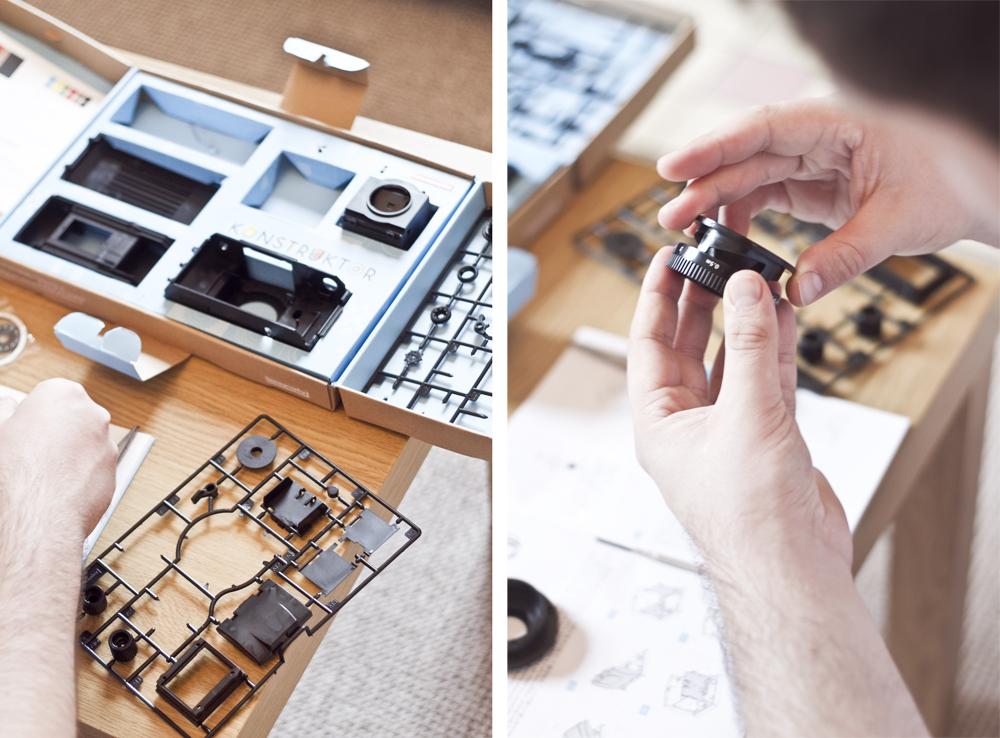
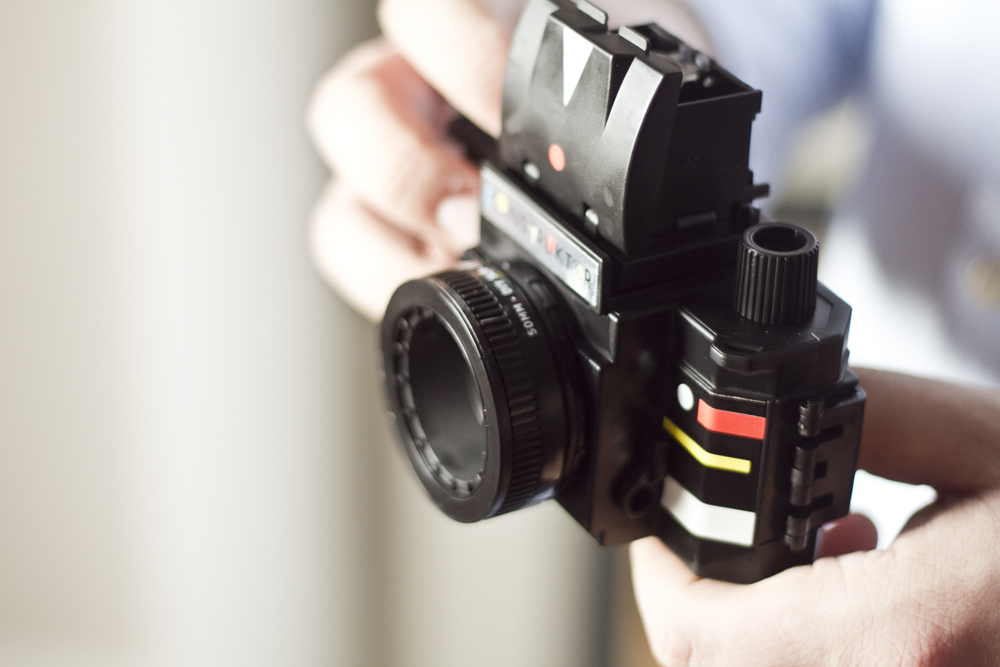
    Our first parcel arrived last week with a Konstruktor DIY Camera Set from Lomography, and we had a fun couple of hours putting all the parts together. We haven’t had a chance to test this 35 mm camera yet, but we’ll make sure to share the results with you soon.

    Past parcels from Not Another Bill have included stationary from Undercover UK, monochrome prints from One Must Dash and some leather goods from Hard Graft.

    www.notanotherbill.com