Category: Design

  • Graphic Design: Getting Started

    If you’ve always loved visual art, and you’re looking to start a career that will pay you to do something you love, then you may be attracted to the idea of being a graphic designer. If it’s simply not practical to go back into full-time education, you may be wondering if there’s any way you can get started in graphic design. Here’s some news for you – you don’t need to sit in a classroom for a second to become a competent graphic designer! The following is a list of some of the best advice anyone can give to an aspiring designer…

    Get your Creative Juices Flowing
    From Wikimedia

    If you’re dead set on pursuing graphic design, then the first thing you have to focus on is stimulating your creativity. Having some kind of background in art definitely helps, but it’s not essential. While you can do anything you set your mind to, true excellence in design certainly isn’t for everybody. You need to have at least a little creativity in your mindset, and a pretty extensive knowledge of art in general, the techniques that go into it, what works together and what doesn’t. If you’re just looking for a career path that will give you a decent paycheque, then graphic design probably isn’t the best thing to pursue.

    Get the Right Tools

    While there are ways to give yourself a decent foundation without spending a penny, if you’re serious about graphic design, you’ll eventually need to buy Photoshop. I’m not talking about the cheapskate alternatives like Elements here. I mean the real, fully-featured CS ones. If you’re still not quite sure whether or not graphic design is for you, then you may want to play around with more accessible magazine cover design or photo editing software. Ultimately, however, you’re going to need to get familiar with the standardized tools of the trade. The version you start with is largely up to you. Many designers will want to make sure they’re keeping up with the market, and will always buy the latest and greatest versions of software. However, more dated versions often contain all the tools and functions that you need to get a great start. Just make sure you do your research and weigh up the different features of the programs that are within your budget.

    Buy a Tablet

    Talk to most modern graphic designers, and they’ll tell you they can’t remember how they carried on before tablets came out. This young technology is the modern designer’s best friend, and you should have one to use when (not if) you need it. No matter how satisfied you are with using a computer now, there’s going to come a time where you’ll want a tablet, which will make things more free-flowing and flexible. There are a wide range of tablets out there designed specifically for graphic design. Just like the editing software you’ll use, you can generally get by fine with a mid-range model.

    Mac or PC?

    Of course, you’re also going to need a computer to start developing your graphic design skills. You probably have a computer already that does a fair job of accommodating all the functions you need. However, when you start to carve out a more definite career path, you’ll need to invest in a computer and monitor that’s better suited to graphic design. There’s nothing worse than a system that takes far too long to respond, and any designer will tell you that photoshop can really eat up your computer’s available space and resources. When it comes to the decision of getting a Mac or a PC, it’s really down to your personal preference. Macs seem to be more common in the graphic design field, but in terms of function, there’s very little measurable difference. Weigh up the differences in the interface, make sure you have enough RAM and processing power, and make your decision based on what feels right.

    Stockpile your Fonts
    From Flickr

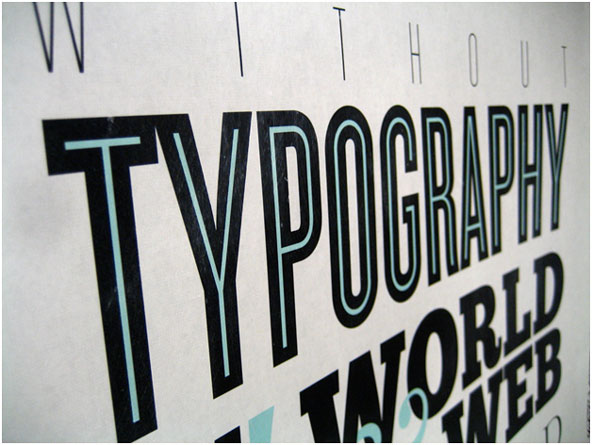
    When you’re ready to actually to sit down and start designing, you’re going to want to have a number of fonts to hand. Luckily, fonts are more accessible than they’ve ever been. There are many websites that will allow you to download a range of fonts for free or very little cost, and start using them instantly in Photoshop. As you start stocking up on fonts, just make sure that you’re sticking to the license terms, which will vary from font to font.

    Practice Makes Perfect!

    Just like pretty much anything, the best way to develop your skills with photoshop is to start using it. Open up a new document and test out all the tools you have with your version. Look up some YouTube tutorials, and follow them through. Import a photo of your friend and try to add a few funny effects to it. The main tip I can offer here is don’t be lazy! It takes hours upon hours of work to get comfortable enough with Photoshop to use all of its functions without needing to look up any information online. You’ll need a lot of patience and persistence to get to the point where you’re as competent as your average graphic designer.

    Find your Niche

    As you carry on using Photoshop and trying out different things, you’ll naturally begin to develop your own unique style. This is going to be a major selling point as you pursue a career in design. Right now, you may be struggling to even copy the things you’ve seen other graphic designers do. Just keep getting out of your comfort zone, trying new approaches to old problems, and honing your existing skills. Your own style will come naturally, but if you want to speed things up, try looking at the work of a few designers you admire, learning how to imitate their techniques, and finding a way to combine those different styles. Drawing on inspiration like this is a great way to figure out the little tweaks and quirks you can apply to your original work that will distinguish you from other designers.
     

    Save

  • A O Ü T

    A O Ü T

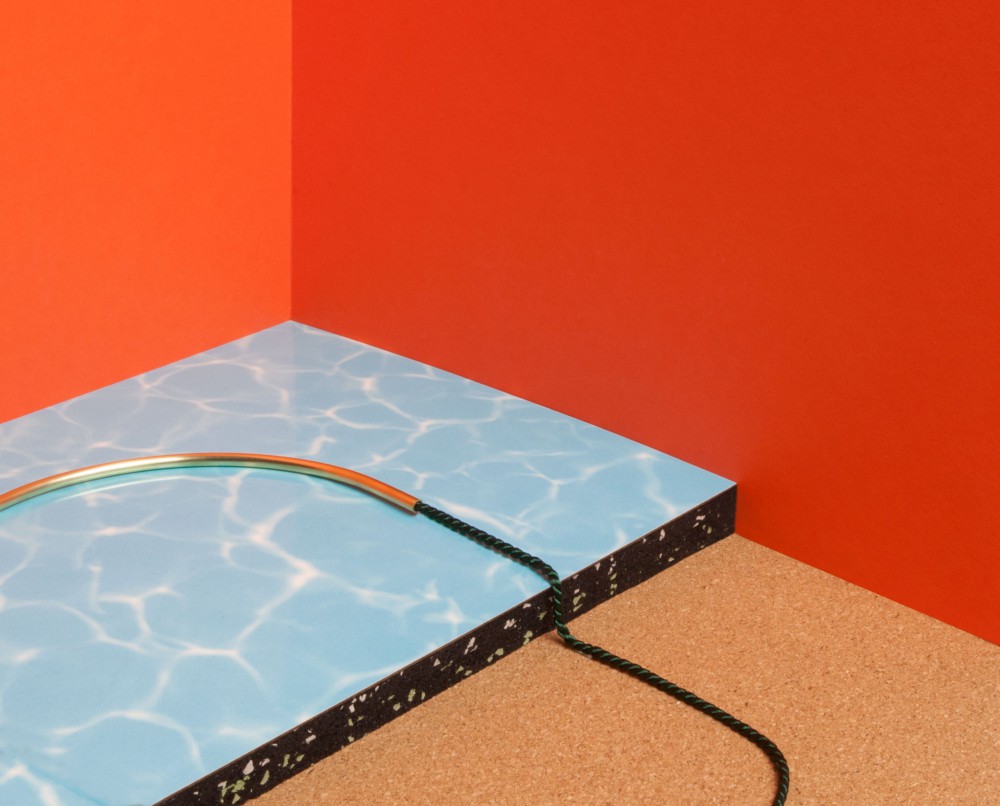
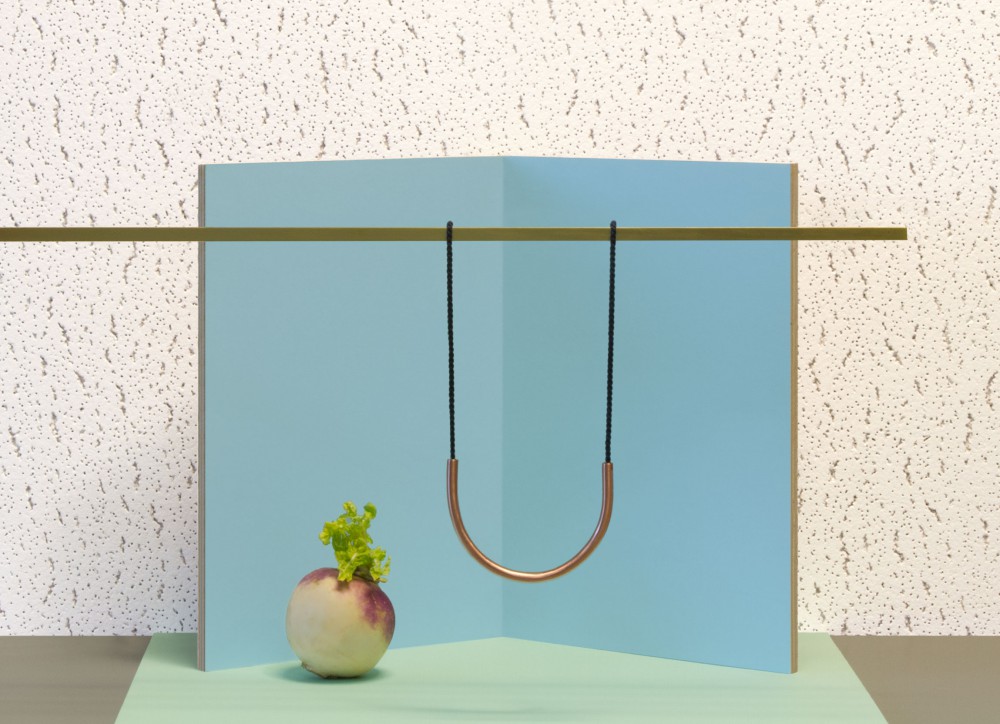
    AOÜT is a French creative studio founded by Alizée Demetz and Camille Tricoire. As a multidisciplinary studio, they work on projects ranging from artistic direction and graphic design to product design.

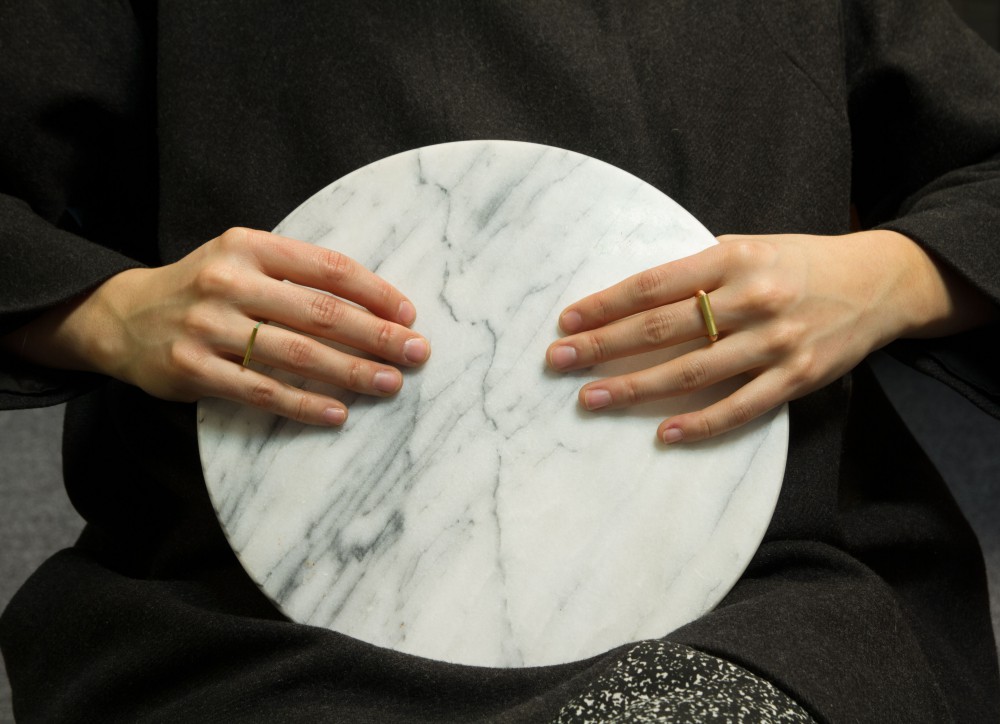
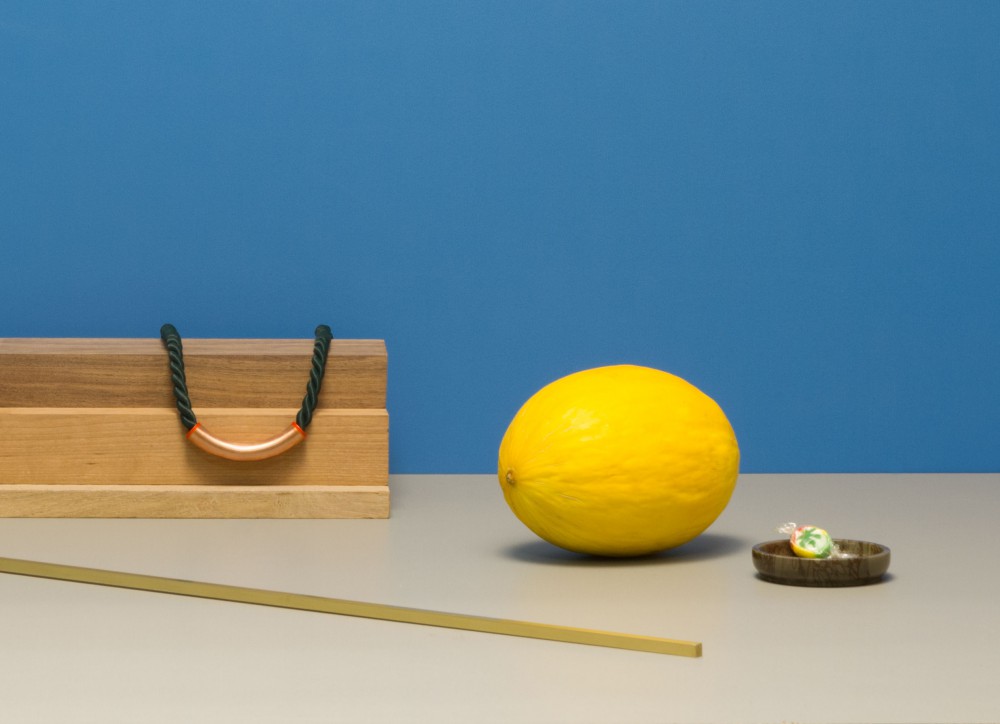
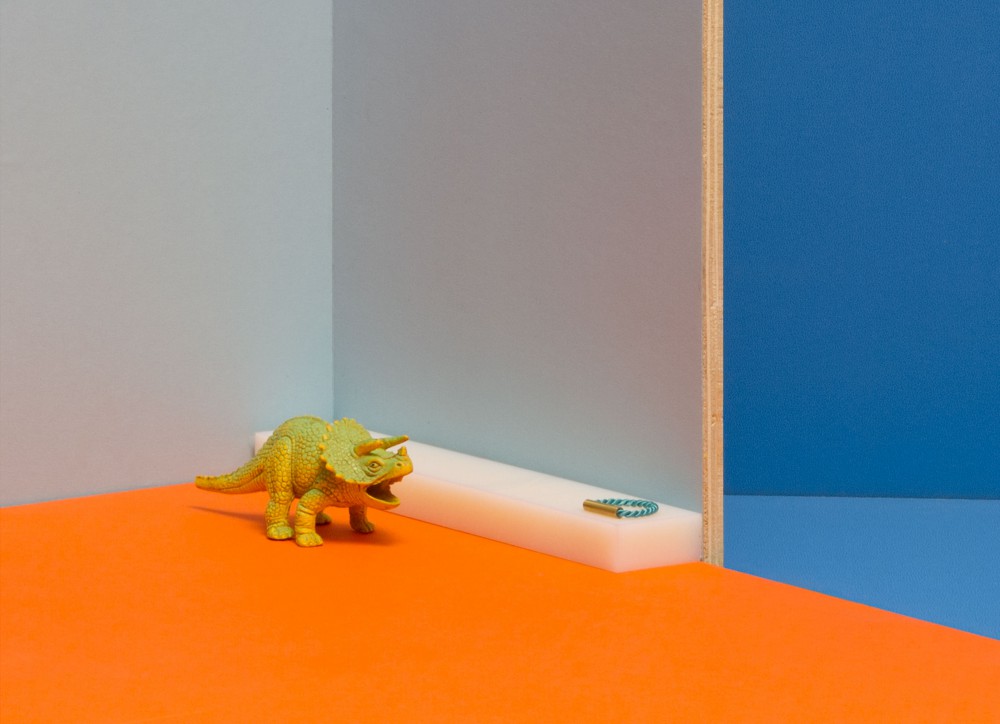
    One of their first collaborations has resulted in creating a minimalist jewellery collection made of brass and rope. The collection embodies simple geometrical, uncluttered forms and was inspired by architectural and design movements such as Memphis and Archizoom. All the pieces are handmade and assembled in Alizée’s and Camille’s workshop located in Paris.

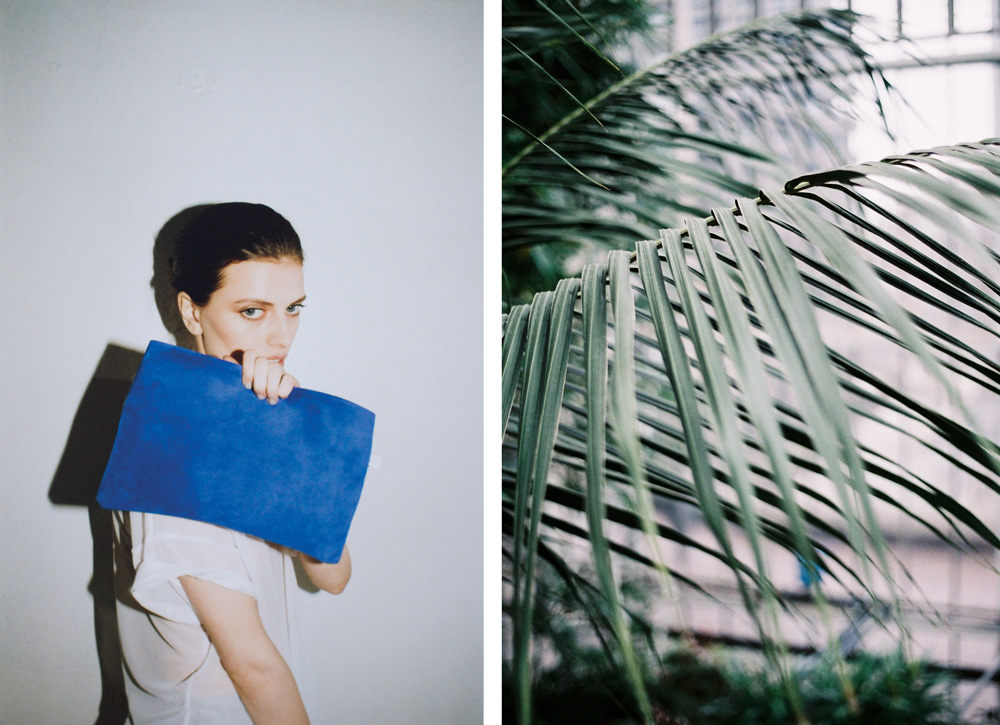
    Have a look at the final result of their work, showcased through as series of colourful still life photography and find out more about AOÜT on their website.

    www.studio-aout.com

    EMILION_DIEU ROETIE_PISCINE RINGS_MARBLE BETA_MELAO RING_DINO

  • ODE TO A

    ODE TO A

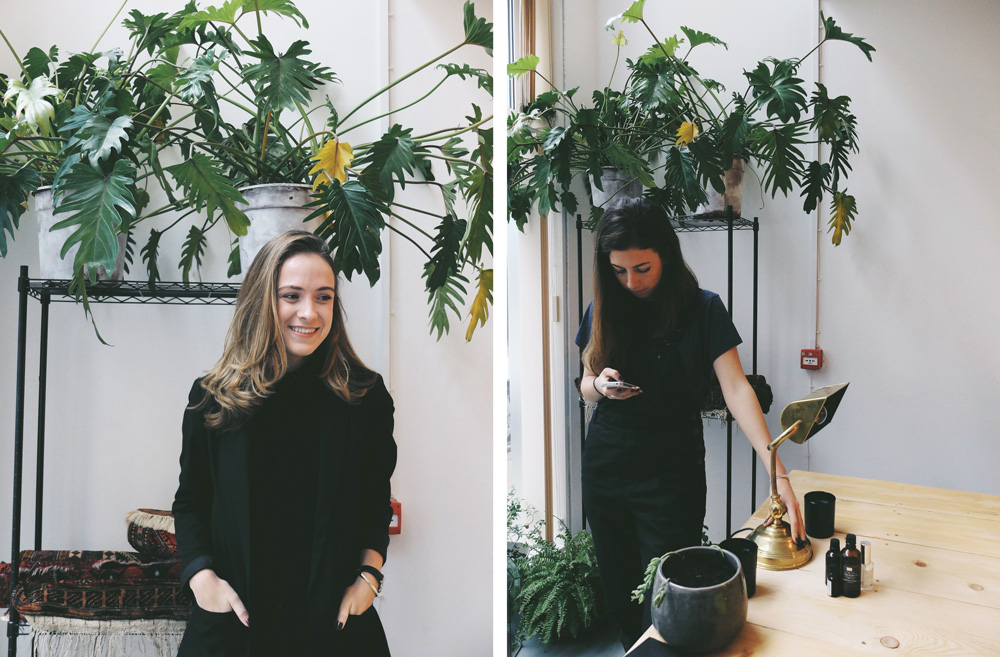
    ODE TO A is a new London based design label founded by brand manager Noëlle Maxine Tierie and designer Sabrina Kraus López. The idea behind the label took shape after Sabrina travelled to Peru to learn from and work with the remote weaving community of Patacancha. Upon her return to London, Sabrina met Noëlle and started working on ODE TO A’s concept.

    ODE TO A aims to collaborate with artisan communities from across the globe to create limited edition collection that showcase long-practised skills in sleek modern designs, creating a new aesthetic and value in traditional craft.

    We got in touch with ODE TO A’s founders to find out more about their label. Read the interview after the photos and support their Kickstarter campaign.

    www.ode-to-a.com

    Future-Positive-Ode-to-A-1
    Future-Positive-Ode-to-A-2
    Future-Positive-Ode-to-A-4
    Future-Positive-Ode-to-A-3
    Future-Positive-Ode-to-A-5

    Photos by Jess Maddock and Sarah Blais

    Please tell us a little bit about yourselves and your backgrounds.

    Sabrina: I was raised in Geneva Switzerland but originally from Colombian/ US parents, at a young age I discovered my passion for textiles and the fashion industry. After high school I moved to Milan Italy to study my BA in fashion design. Intrigued by something more meaningful and with an emphasis on textiles I move to London to pursue my master’s degree in Textile Futures (now named Material Futures) at Central Saint Martins. Combining research led design and my fascination for craft I worked with a remote Peruvian weaving community for my final MA project before undertaking the Common Thread residency in Morocco commissioned by the British Council.

    Noëlle: I was born and raised in the Netherlands, where I quickly fell in love with Amsterdam. After four years of exploring and studying in this dynamic city I wanted to do something for myself, explore more who I am and what my passion was within the fashion industry, so I decided to move to Florence. Which was probably one of the best decisions I have ever made, who doesn’t want to live in a city which feels like one big museum, full with hidden gems and crafts all around you?

    During that year, while studying a Fashion Brand Management Master at Polimoda, I discovered my love for craft, cultures and communication. There it was, I found my passion within the fashion industry, recently found but a wonderful discovery. With a hunger for new adventures and with new inspiration, I moved to London.

    What made you start Ode to A?

    Sabrina: I had recently finished my MA and had just returned from my British Council residency in Morocco where over a one-month period I worked with six artisans to create the Common Thread collection, a series of bespoke hand woven rugs inspired by the Berber’s heritage, surroundings and personal stories. It was end of September after LDF excitement and it was time for me to find a job if I wanted to stay in London! Fortunately Noelle had rented out my room in London while I was in Morocco and we had met when I came back. We had both had unfulfilling experiences working for fashion brands and were looking for something more meaningful. Both fascinated by craftsmanship, traditions and how collaboration could be a tool to revive these, we decided to join forces to create a brand that would celebrate just this!

    Noëlle: After interning at several fashion brands I discovered that I wanted to do something, which I am truly passionate about. When I met Sabrina and when I heard about the amazing projects that she had been working on so far, I was immediately super enthusiastic. The blend of modern and contemporary design with traditional craft, sounded so perfect. Shortly after we met, we had a brainstorm in a Vietnamese restaurant in Shoreditch where we decided to create a platform together for this concept, ODE TO A.

    Tell us more about your collaboration process with artisan communities. How do you choose them and start the process?

    Sabrina: All craft communities around the globe have a very powerful tool that is a specific skill that has been passed from generation to generation. These craft skills are embedded into the communities traditions and are a way of preserving their culture. Unfortunately most of these remote communities are having difficulties competing with mass produced products and the possibility of selling to a broader market. This due to various reasons, one of them being how remote the communities are from strategic selling areas and secondly the gap between craft and design. There is a beauty in every craft that comes with heritage and culture, we search for communities that are interested in doing a series of workshops with us that will enable them to merge design and craft to create limited edition collections. We aim to live with the communities for a certain period of time to understand their culture and the richness of their craft. It is important that the culture of the community is preserved in the new designs, but that instead of telling stories of their ancestors it tells stories of the people who craft them at present. It is not about being nostalgic about the past, but more about keeping the primal essence from the past to be able to make it last into the far future.

    Noëlle: I believe that we are born with the need to craft, shape and create. Unfortunately this is most of the time only expressed while being young, when you still draw or create shapes with modelling clay. What is so special about these craft communities, for them, mastering a craft is stimulated and developed from when they were very young and that is how the skills pass on to the new generations. These special techniques and traditions unfortunately stay unseen or not heard of. This because crafts are mostly practised and mastered within a closed community.

    So, the skills and the story are already there, what we do is that we explore and try to reach out to these communities. Once we’ve come across such a community we explore and try to understand their culture and values. Meanwhile we collaborate with these artisans to create a unique collection that celebrates their traditions. These products are a blend of traditional and contemporary design, which creates a new place in the western world for craftsmanship.

    You have already worked on an accessories and rugs collections, what’s next?

    Sabrina: This is probably the most exciting part! There are endless possibilities to what is next and this is what drives us every day! We are currently still working with the community of Patacancha in Peru and still in contact with the Amazigh artisans in Morocco. It is important to us that we keep working with communities for at least two collections, in the hopes that they can after that design their own contemporary textiles independently! We have a few new contacts in different parts of the world, it is surprising how the younger generations are not picking up and are not interested in keeping their craft alive. I believe it is only possible to make a change by demonstrating to the communities that their traditions and skills do have a value in todays world!

    Noëlle: The last months have been very busy, and we have met a lot of new interesting people. For example Sabrina went to the Chiang Mai Design week in December and she opened our network met so many wonderful and skilled people and that combined with the network that we’ve build up over the last few years, make a lot of interesting contacts. For now we are concentrated on succeeding with our Kickstarter campaign and after that we can focus more on the future. But we are very openminded with collaborations and there are still so many crafts to explore, so it will definitely be exciting !

    What are Ode to A’s plans in 2015?

    Sabrina & Noelle: We currently very busy with our Kickstarter campaign and doing everything we can to make it a successful one! This will enable us to produce our first limited edition collection with the weavers in Patacancha and start designing our new collection with them for A/W 2015. We also have a few very exciting collaborations that we are brainstorming about for the near future!

  • CreativeMornings/Edinburgh: Ian Sharman

    CreativeMornings/Edinburgh: Ian Sharman

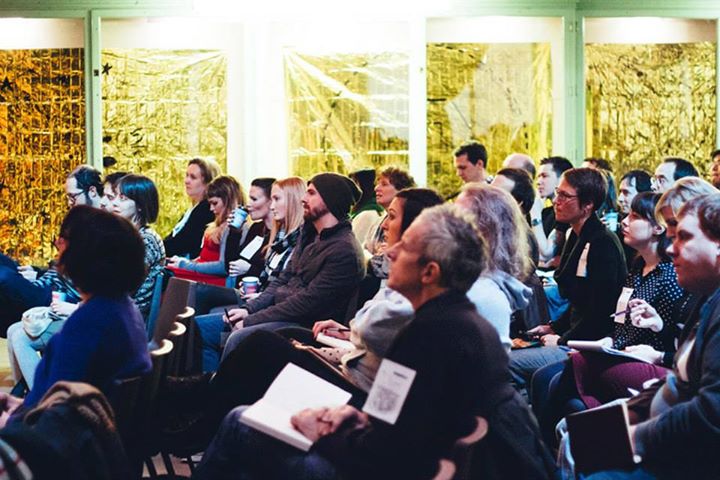
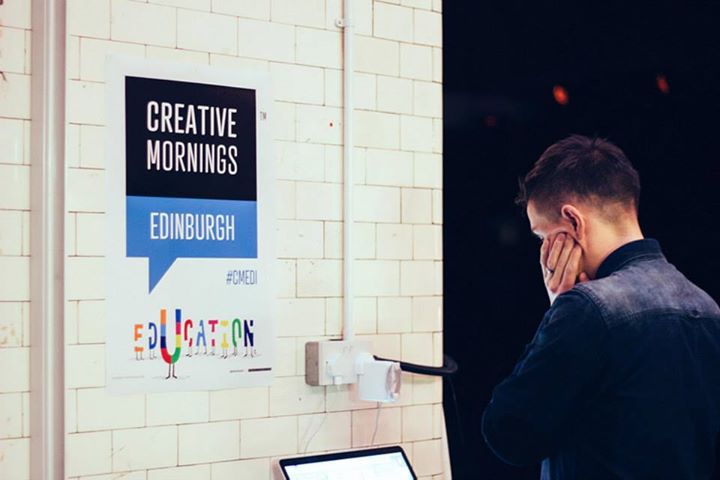
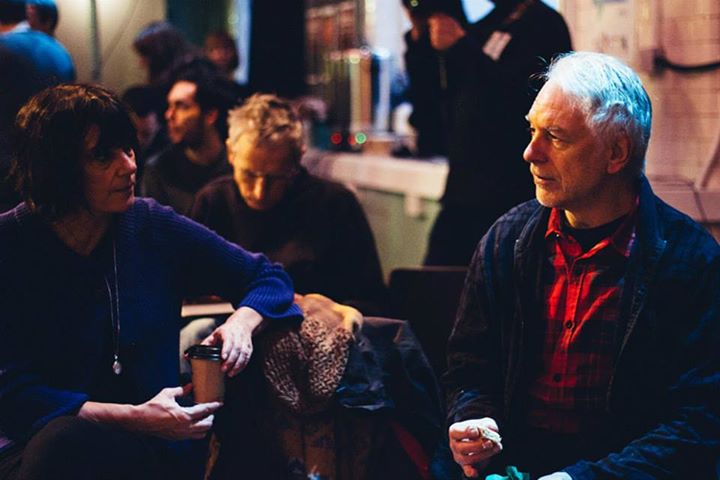
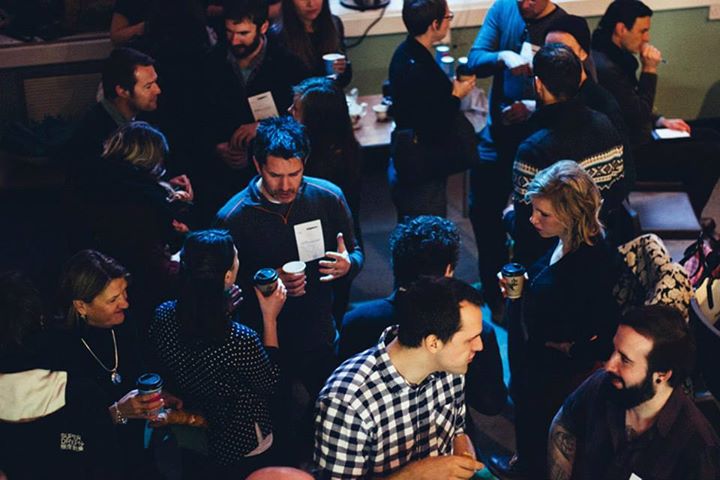
    CreativeMornings is a free, monthly breakfast lecture series for creative communities started in NYC by Tina Roth Eisenberg aka swissmiss,. Each event is free, and consists of an inspiring 20-minute talk plus free coffee.

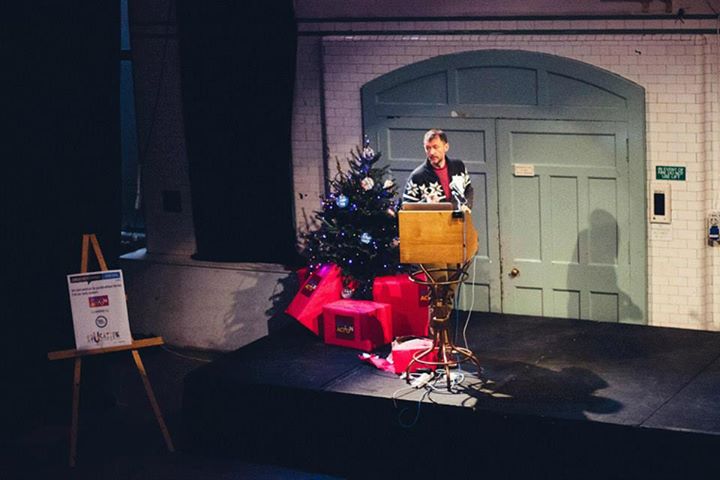
    The first CreativeMornings/Edinburgh kicked off last month with a lecture by Ian Sharman, designer and tutor at Edinburgh College of Art. Ian tackled the theme of Education, expoloring how future graduates view the transition from “creative education” into “industry” and how continuous learning is fast becoming a key requirement to their creative happiness.

    We’re excited to be involved in organising CreativeMornings in Edinburgh and filming the lectures. We invite you take a look at the video from Ian’s talk below, especially the very interesting Q&A and discussion at the end.

    Photos by Gemma Lord

    CM1 CM3 CM6 CM5 CM4 CM2

  • Buying Office Furniture

    If you take a look on the Internet today you will see that there is a massive choice available when it comes to office furniture. This article will discuss contract furniture further and touch upon the flexible choices available to businesses in the current day and age. Along with the furniture, the office walls stand at equal importance, get some ideas for the office walls here.

    Finding the perfect furniture for you is easy

    The wealth of choice available these days ensures that businesses are able to find the perfect furniture for them. Furniture that matches in with their budget, which coincides with the design of their offices and which that reflects their business aptly. You can even choose to brand with the furniture you buy through matching it with the colours incorporated into your company’s logo. The great thing about the vast choice available is the fact that it allows businesses to be individual and stand out from the crowd. You don’t have to worry about walking into one office space and finding furniture which looks identical to yours. For instance, If you are looking for serving carts for your office, check Nathan James.

    Quality and flexibility are essential

    Nevertheless, you do need to be careful when it comes to purchasing contract office furniture. Just because the choice is diversified does not mean you should go for the most unusual pieces of furniture you can find. Instead, you should be looking for pieces that provide with flexibility. What if you move offices? What if you redecorate? Will these pieces of furniture still look ok? The answer to this should be yes. Furthermore, you do need to remember that you have to generate a professional vibe, and the typical sophisticated office chairs and desks allow you to do this. You may want to think about hiring an art consultant for the perfect finishing touch, creating a show-stopping yet professional and branded vibe.

    In addition to this, one attribute you should always be looking out for is quality. Make sure the furniture boasts a high-quality fabric for example. You may even want to consider going for stain resistant covers as well. After all, your furniture is going to be utilised on a daily basis. It needs to be able to withstand any general wear and tear. Moreover, if your furniture is compromised i.e. someone spills something on it, then you need to make sure the stains and alike can be dealt with easily. This is why people tend to go for dark colours, such as black, because any dirt or stains do not show. Furthermore, this is why material like leather is recommended – it is easy to clean. This flexibility offers you greater ease and convenience.

    To finish, if you take a look on the internet then you will see that there is a huge number of different contract office furniture pieces to choose from. Nevertheless, you need to ensure your choice is flexible; both in terms of design and maintenance too. The last thing you want to do is limit yourself because you have picked an awkward style and design of furniture.