Category: Design

  • Octaevo

    Octaevo

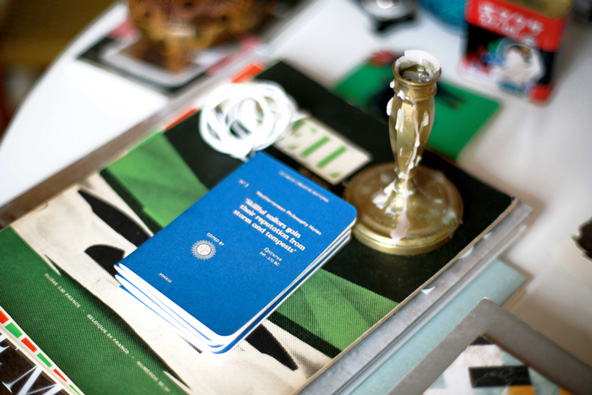
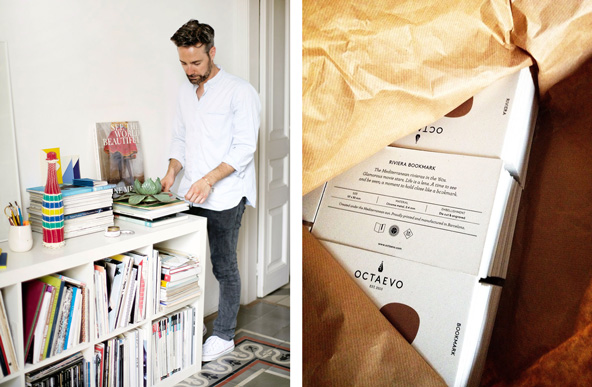
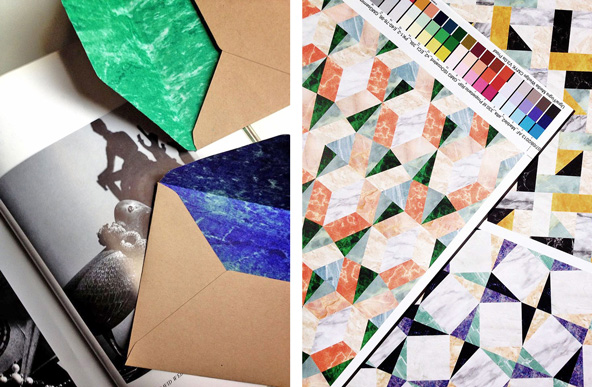
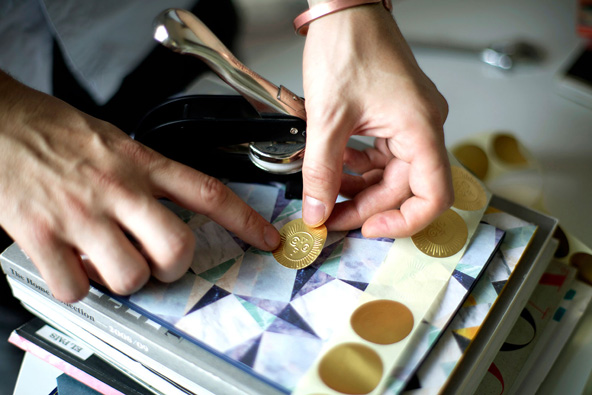
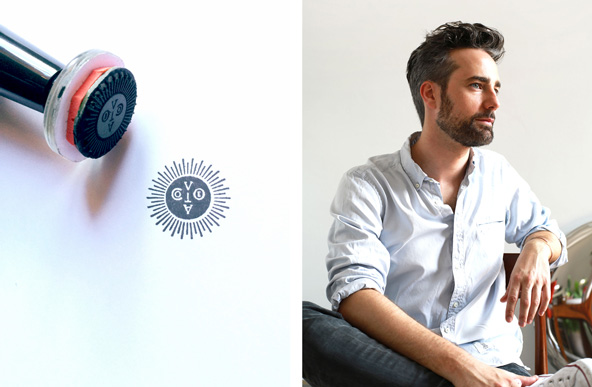
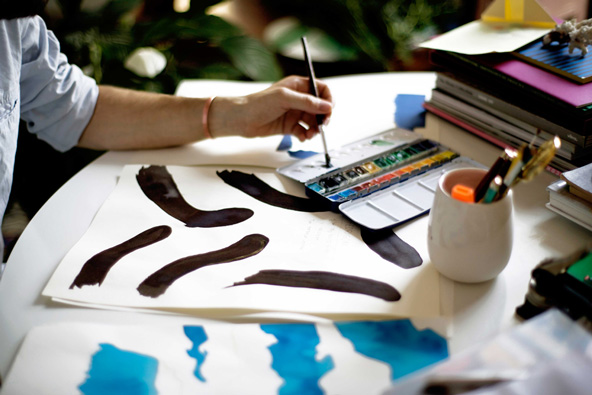
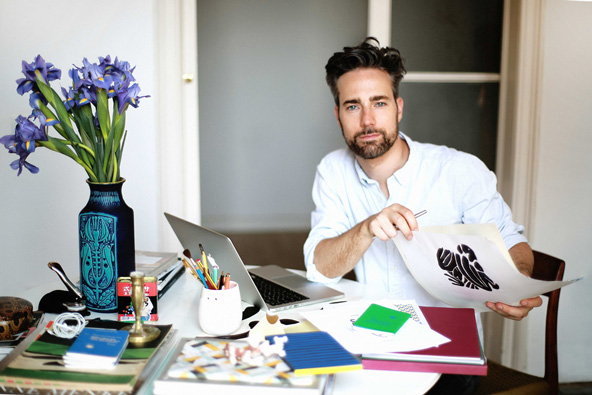
    Octaevo is a stationery brand from Barcelona founded by graphic designer and art director Marcel Baer. Octaevo’s products are inspired by the Mediterranean and produced in partnership with artisan workshops using the highest quality materials.

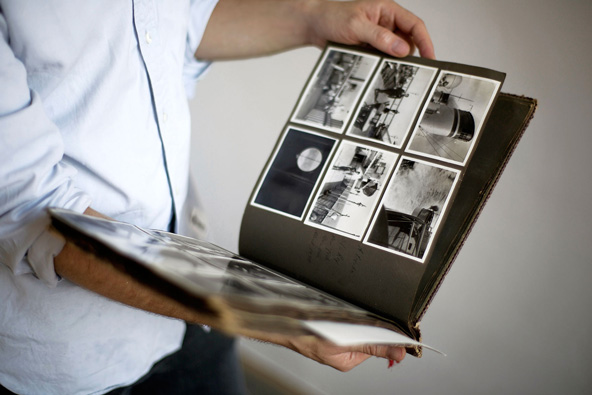
    Born in Zurich, Marcel found inspiration to start Octaevo from a a family photo album containing images of his father, Kurt, deep sea diving and Super 8 footage from his Spanish grandmother, Marieta, documenting her trips across the Mediterranean in the early 60’s. This family passion for the sea and, in particular, for the Mediterranean is translated into Octaevo’s pieces, made to be held close and built to last.

    We chatted to Marcel about his interest in stationery, design process and favourite places in Barcelona. Read the interview after the images.

    www.octaevo.com

    Photos by Olga de la Iglesia

    Future-Positive-Octaevo-6 Future-Positive-Octaevo-2 Future-Positive-Octaevo-4 Future-Positive-Octaevo-8 Future-Positive-Octaevo-1 Future-Positive-Octaevo-5 Future-Positive-Octaevo-3 Future-Positive-Octaevo-7

    You are an art director and graphic designer at Studio Marcel Baer – how did you get interested in stationery and what inspired you to create Octaevo?

    I have always been fascinated with printed products and craftsmanship. One day I realized I had amassed a huge archive of stationery I wasn’t even aware of. My passion must have started when I was about 6 years old. My grandfather would take me often to the local stationery shop, where I loved looking at the things on sale. It’s one of my fondest childhood memories. As a designer in Barcelona I am used to working with brands and start-ups. The idea grew to create a project that unites my passion for travelling the Mediterranean and enchanting stories – transforming them into beautifully crafted goods. We now sell in about 20 countries and will present 45 new products this September at Maison&Objet in Paris and then at DesignJunction in London.

    We’re very interested in the process of making your products. Where do you source the materials and manufacture the products? Where do you find inspiration for your collections?

    From the beginning I have had the mandate to support local producers as much as possible. As a Mediterranean brand we want our products to feel warm. Sourcing the right materials and combining them is a big part of the process. We invest a lot of time finding the right providers and getting to know them. Spending time at printers and workshops is one of the most rewarding aspects of production. A close relationship shows in the results.

    Travelling the Mediterranean offers a lot of inspiration as it’s such a dynamic area on the world map! It’s a small sea, but the greatness of its history makes it seem larger than it actually is. Just think of the blue of the sea, the Greek philosophers, the bazaars in Morocco, Fellini, the French Riviera… it’s infinite.

    Please tell us a little bit about Barcelona. Do you consider it a creative city? What are your favourite spots in the city? 

    Barcelona has changed quite a lot over the last few years. The creative scene is definitely reinventing itself and re-emerging. A lot of new restaurants and cafés have opened and as I love food, I am very happy about that. OMA Bistro is currently my favourite. I like the outdoors and gardens, therefore my preferred spots in Barcelona are the Teatre Grec on Montjuic, the Hivernacle garden centre and the terrace of the Hotel Alma.

    Who are your favourite local designers and makers we should know about?

    I like design that is relevant, mature, contemporary and timeless… There are quite a lot of local designers whose work I admire and I am happy to know some of them personally. Teresa Estapé is a local artist and jeweller that creates beautiful one-off pieces. Woody Allen is one of her clients. Lucia Vergara from Après Ski creates minimal jewellery made of geometric shapes and amazing colours. Ceramic artist Olga Tomas has her studio ¨Atuell¨ in the center of Gracia and also offers workshops besides her own creations . Andrew Trotter and Mari Luz Vidal are the directors of Openhouse Magazine, a publication about people who open their spaces to the public and the life they share -it’s great. When it comes to flowers, Manuela Sosa from Gang and the Wool and Estudio Sauvage make the most beautiful creations in Barcelona. Regarding furniture design, I am a fan of Lobster’s Day by Albert Garcia and the marble design objects by Aparentment… to name just a few.
  • Ann Linnemann Studio Gallery

    Ann Linnemann Studio Gallery

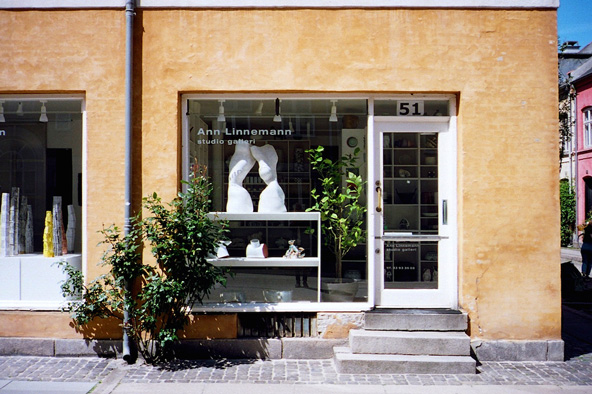
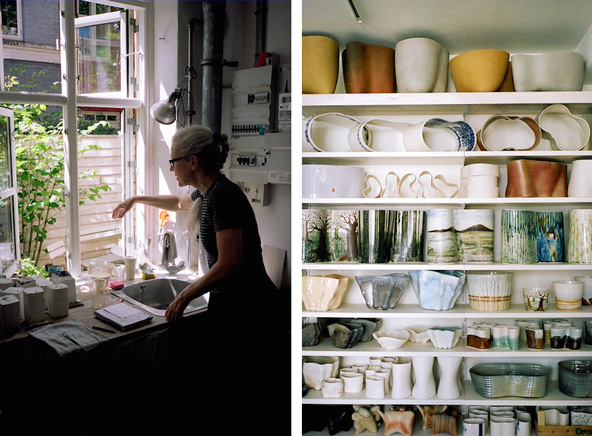
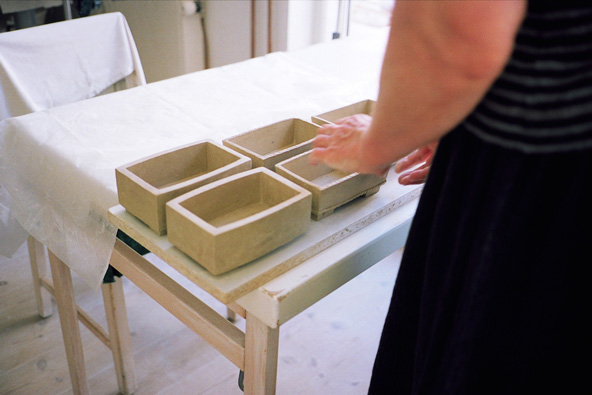
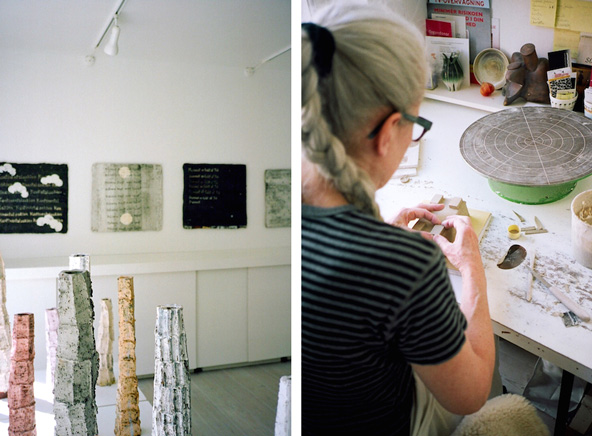
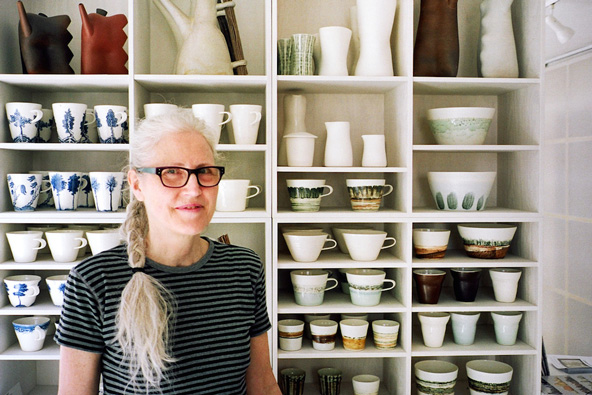
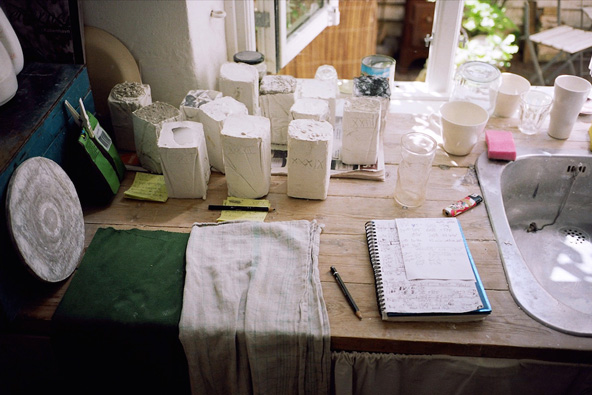
    Ann Linnemann is a Danish ceramic artist and gallerist producing both functional homeware and sculptural work. From her studio and gallery space in Copenhagen, Ann works on her own pieces and exhibits work by ceramic artists from around the world.

    Educated at Denmark’s Design School, Ann describers her work as ‘hand-thrown table ware, vessels and sculptural forms based on conceptual ideas’. Ann’s design process is centred around the symbiosis between idea, function, form and material, and her pieces are often altered from a round basic model to an asymmetric form.

    In her gallery space, Ann curates the work of international artists as part of a permanent collection which is exhibited alongside temporary shows featuring pieces by exciting contemporary ceramic designers and artists.

    Our contributing photographer Benjamin Evans visited Ann’s gallery and studio on his recent trip to Copenhagen and shared his images with us.

    www.annlinnemann-english.blogspot.co.uk

    Photos by Benjamin Evans.

    Future-Positive-Ann-Linnemann-1 Future-Positive-Ann-Linnemann-5 Future-Positive-Ann-Linnemann-2 Future-Positive-Ann-Linnemann-3 Future-Positive-Ann-Linnemann-6 Future-Positive-Ann-Linnemann-4

  • Designing a Great Business Card

    Designing a Great Business Card

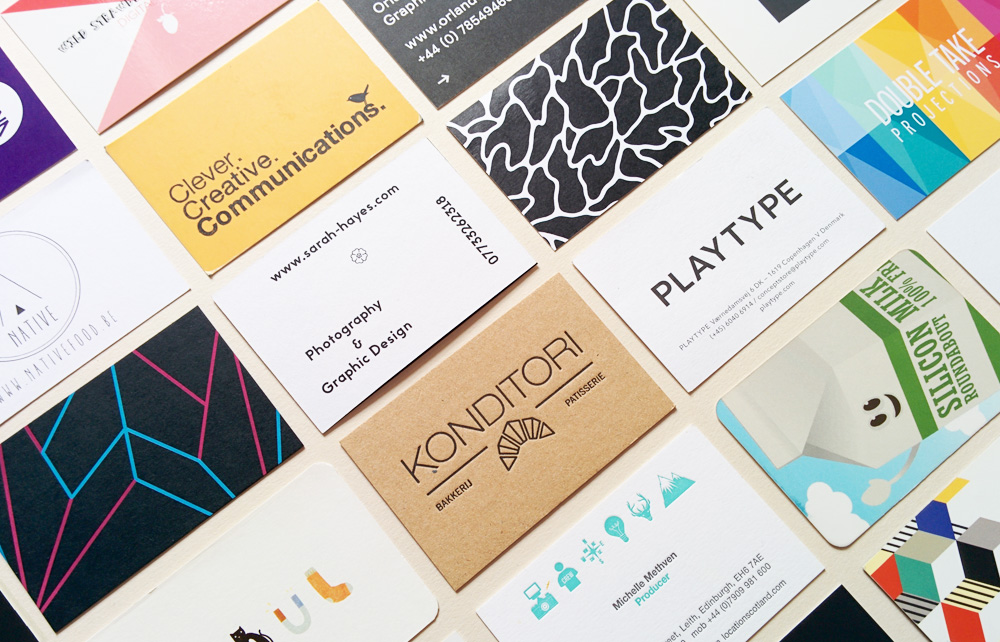
    Starting up your own business means you will potentially need to attend many networking events to spread the word about your new venture and meet fellow entrepreneurs. First impressions matter and so do your business cards, which might end up in hands of potential clients. Well designed, quality business card can create many opportunities. It’s surprising how often this small piece of paper is overlooked and for this reason we’ve put together a few tips on how to create a memorable business card.

    Your business card should represent you and your business. If you pride yourself on offering quality service or products, your business card should represent that. Make sure you pick high quality paper stock so your card looks and feels great. If design is not one of your strengths, we’d recommend using a professional online design company like 99 designs.

    The main objective of a business card is for people to be able to contact you. Don’t forget to include your name, along with your logo, your phone number, email and website address. You can also add your physical address. We don’t recommend cluttering things up with too many details like your Twitter handle or Facebook Page link, as these can be found on your website.

    Make your cards memorable by including some intricate detailing. We see more and more double sided cards and though these look great, it’s important to remember to use one side of your card for non-critical information. Consider placing a photo, favourite quote or simply, your logo. Online portfolio websites like Behance are great to see what other people are doing and find inspiration.

    Future-Positive-Business-Cards-1

  • Cover & Couch

    Cover & Couch

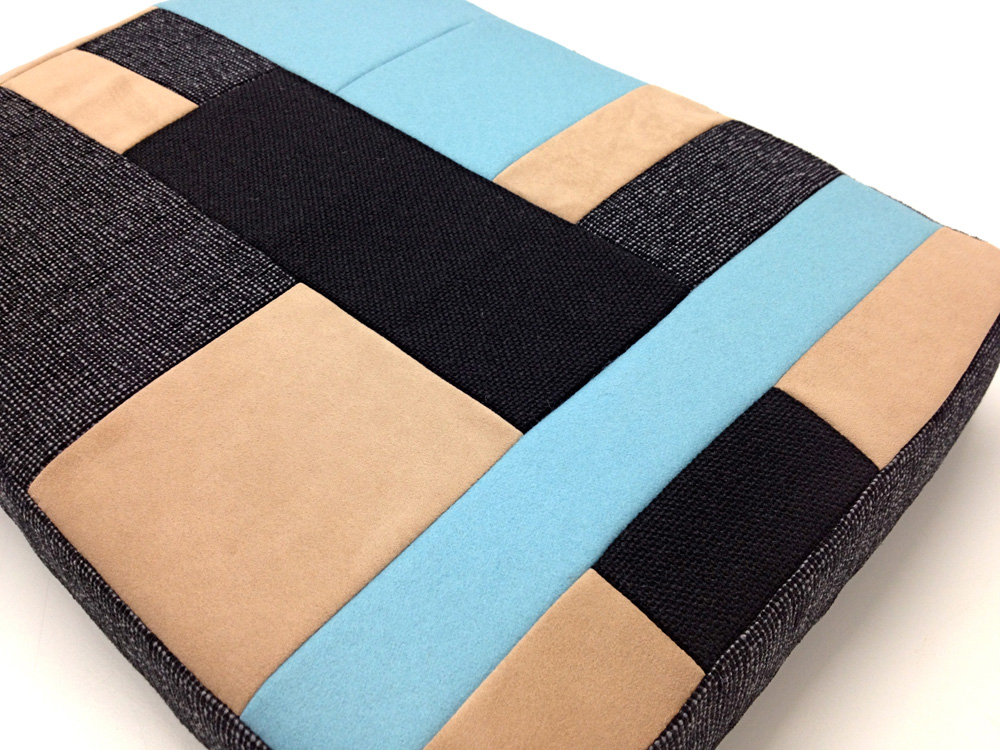
    Cover & Couch is an Antwerp-based upholstery studio founded by Sophie Doore 5 years ago, working with vintage dealers, interior architects and private clients. Sophie also designs her own line of cushions focusing on geometrical patterns, inspired by the rich and bold colours of the high quality fabrics she uses.

    In September last year, Sophie relocated her studio to the top floor of design store City Furniture in  an upcoming neighbourhood for vintage design in Antwerp’s city centre. We caught up with Sophie to find out how her love for upholstery started, her favourite projects and future plans.

    www.covercouch.tumblr.com

    Find out more about Antwerp in our Antwerp City Guide.

    Future-Positive-Cover-Couch-1 Future-Positive-Cover-Couch-3

    How did you become interested in upholstery?

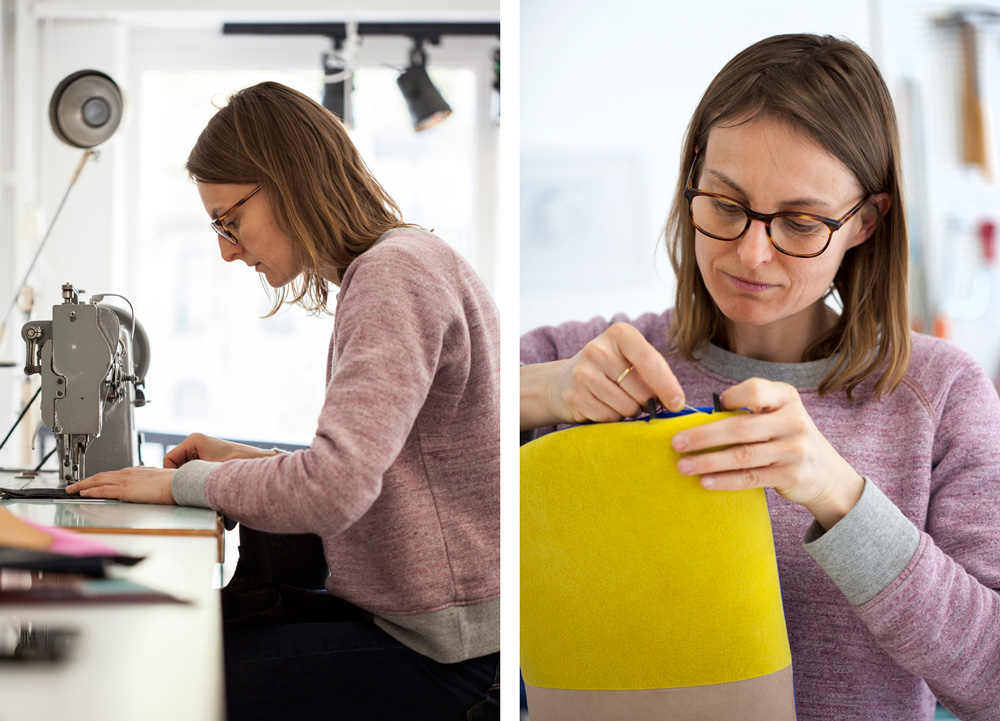
    Feeling the need to work with my hands, I always wanted to do something connected to restoration. While working in an Art bookshop, design books also captured my attention. Thanks to my job in a small weaving house, I began to appreciate the beauty of fabrics. Enrolling in an upholstery course was an impulsive decision. It was worth a try, not really knowing where it would lead me, but it was much better than what I expected.

    How did Cover & Couch start?

    During my studies I was already getting some orders. Upholstery is often associated with an old fashioned or a dusty workspace and I wanted to get rid of that image. I’ve been slowly building up my business for almost 6 years – mostly through word of mouth. Since September last year I’ve been working in a bigger studio in the centre of Antwerp, collaborating with a vintage dealer. My studio is above the shop. I work for private clients, vintage dealers, interior architects, designers, etc. I like working alone, interspersed with visits by clients.

    Future-Positive-Cover-Couch-2

    Tell us about your process. How do you choose your fabrics, come up with a design, etc.?

    It’s a new challenge each time. That’s what makes it so interesting.

    First, I discuss the project with the client. Considering their preferences, their interior, their budget, etc. I have a wide range of high quality fabric samples. I try to advise as best as possible and I take a lot of detailed photos of the old upholstery before taking it off. I also like to do the necessary research if the old upholstery is no longer available.

    Then, with respect for the original design, the reconstruction commences. I can apply classic methods where natural fibres are shaped by hand stitching. Other (modern) designs need to be redone with foam possessing the correct density for shape and comfort. During this process it’s very important that I respect the proportions and keep a meticulous eye on details. Every action influences the final result and I get really inspired when I see a piece growing closer to what I have in mind, custom made.

    The fabrics themselves can also be my inspiration. I combine colours and textures into geometrical patterns. This resulted in a collection of cushions and I named them after people who inspire me: (Gio) Ponti, Gunta (Stölzl), Tapio (Wirkkala).

    Future-Positive-Cover-Couch-4

    Is there any particular type of furniture or furniture from a specific time period that inspires you the most?

    I would say mid-century. I must admit that I have a chair obsession – even an abandoned broken chair can catch my attention. I recently found a Pierre Paulin Oyster chair in the street!

    What are your favourite projects you’ve worked on?

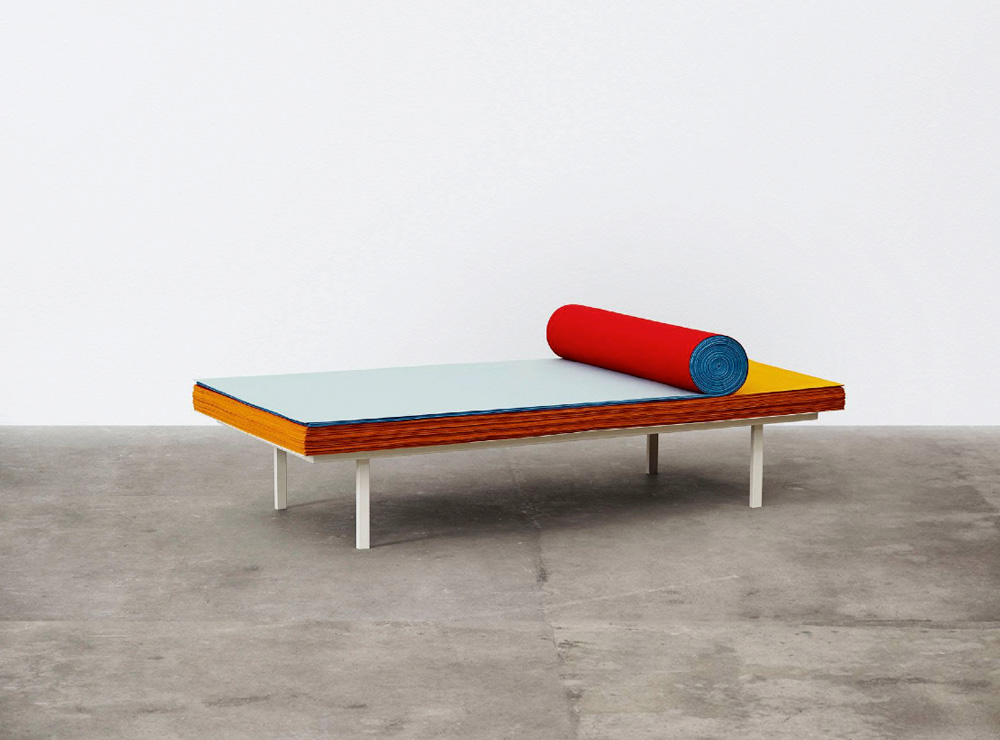
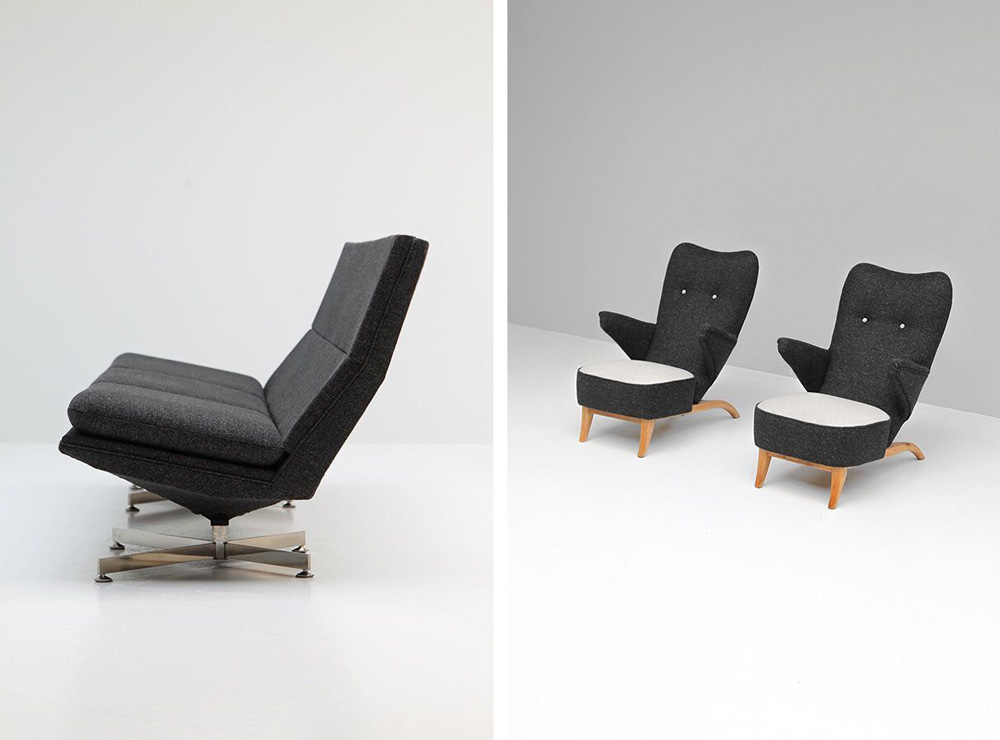
    The Penguin chairs for City Furniture and the Daybed for Muller van Severen/Kvadrat (both pictured below). I was involved from the inception of the project. It’s a very clear design although the 60 pieces Divina fabric were cut and placed/rolled by hand.

    What are Cover & Couch’s future plans?

    Improving my business and setting up an e-commerce platform for my cushions – a new collection is coming up soon. I’m experimenting with silkscreens on fabric and leather and more prototyping would be great.

    Future-Positive-Cover-Couch-6 Future-Positive-Cover-Couch-5
    Studio images and portraits of Sophie by Ilse Liekens
    Chair images by City Furniture

  • Monochrome Lab

    Monochrome Lab

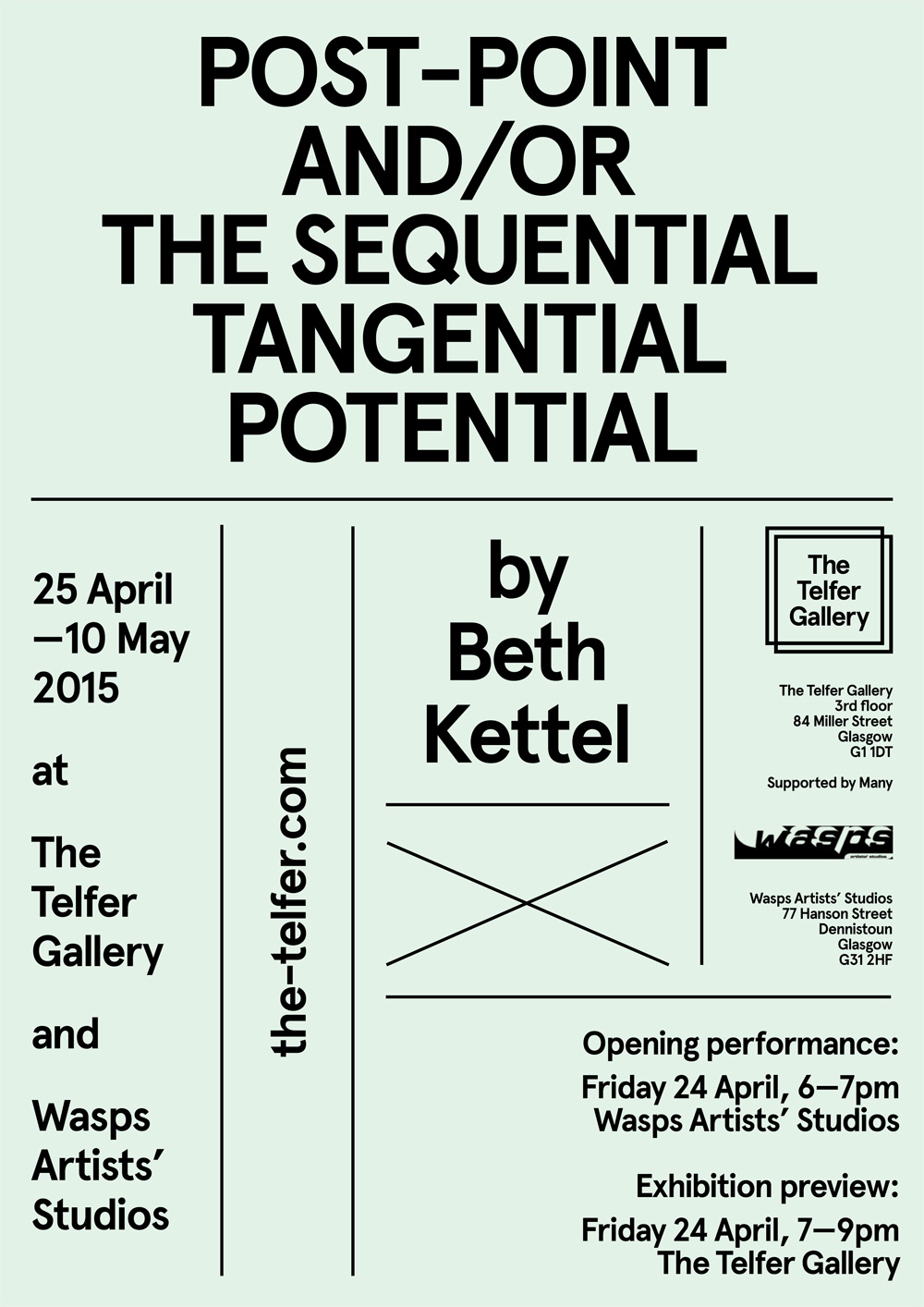
    Monochrome Lab is a new graphic design studio founded by Glasgow-based Dutch designer Bart Manders. After studying Graphic Design at the Willem de Kooning Academy in Rotterdam and an exchange year at Glasgow School of Art, Bart started working on numerous projects for galleries and festivals such as The Telfer Gallery, GoMA and Glasgow International Festival of Visual Art, and started Monochrome Lab in February 2015. We caught up with Bart to find out more about his studio, what made him choose graphic design as a career and the differences in design trends between Glasgow and the Netherlands.

    www.monochromelab.net

    Future-Positive-Monochrome-Lab-2

    Please describe your path to becoming a graphic designer.

    I was born and raised in the Netherlands and from an early age it became clear that I had a creative mind. After high school I went on to do a college course in Communication and Design where the curriculum of the first 2 years consisted of all kinds of creative disciplines such as industrial design, graphic design, styling and photography. When I finished high school I was unsure about what kind of creative course I wanted to do so this particular course offered me the opportunity to put off the decision making for a few more years. I ended up graduating in Styling and Applied Spatial Design, which could be described as a mix of industrial design and (interior) architecture.

    When graduating, I realised my true passion was actually graphic design, and after a gap year, during which I researched Dutch art schools, I started a course in Graphic Design at the Willem de Kooning Academy in Rotterdam. I had a bit of a bumpy start, having trouble adapting to the course curriculum and thinking about transferring to the Fine Art department. Eventually though, I had a really good 3rd year which ended with a publication I had designed being nominated for a regional design award. During this year I had met a lot of people who were on exchange from various places, and as I had visited Glasgow for the first time the year before, I decided I wanted to do an exchange at the Glasgow School of Art, which I ended up doing in late 2008.

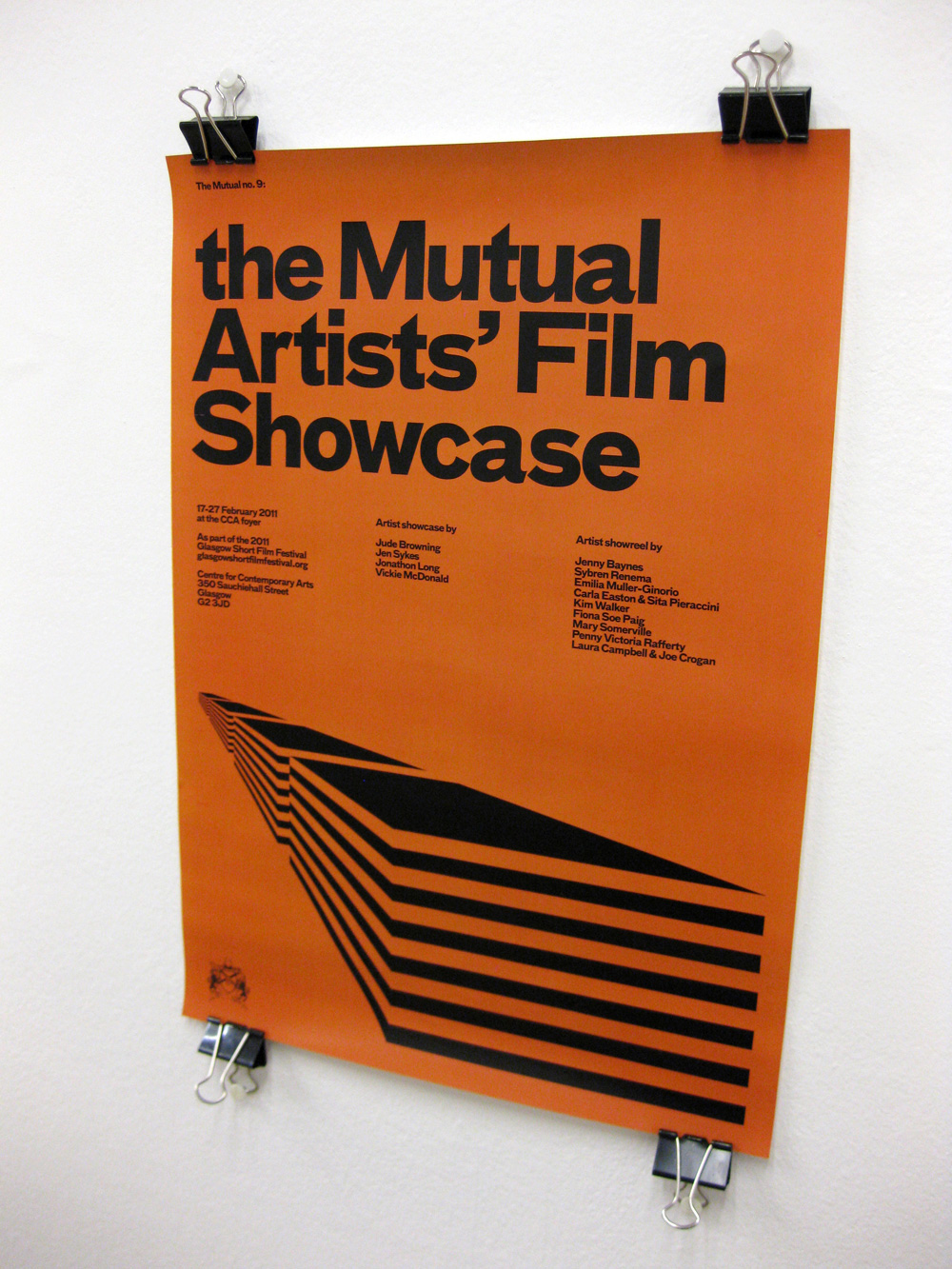
    After my exchange I did two internships, which are mandatory in most Dutch art schools; one with a magazine designer who had been my tutor during my second year and one with two designers who I had become friends with, that were running a joint independent online design project called Connected Project. I had a somewhat troublesome, yet positively minded graduation period and after a few months of thinking about what I wanted to do next I decided to move to Glasgow as I had been wanting to spend more time there since my exchange. I still had quite a few contacts in Glasgow and only 2 months after my move there I got offered my first project which was an exhibition poster for a local artist collective called The Mutual, after which I ended up doing 2 more poster projects for them.

    In the summer of 2011 I met Marc Cairns, an architectural designer, at an exhibition opening by The Mutual and in 2011 I was invited to join him and a few other people to run a new exhibition space called the Telfer Gallery as a committee, for which I’ve been doing the in-house graphic design as well as filling the shared role of programme coordinator. The Telfer Gallery has so far brought me the most consistency in my design career as well as some other projects I did for organisations such as GoMA and projects related to GI, the Glasgow International Festival of Visual Art, things I would have never been involved in if it hadn’t been for The Telfer Gallery.

    Future-Positive-Monochrome-Lab-3

    What made you start your own design studio?

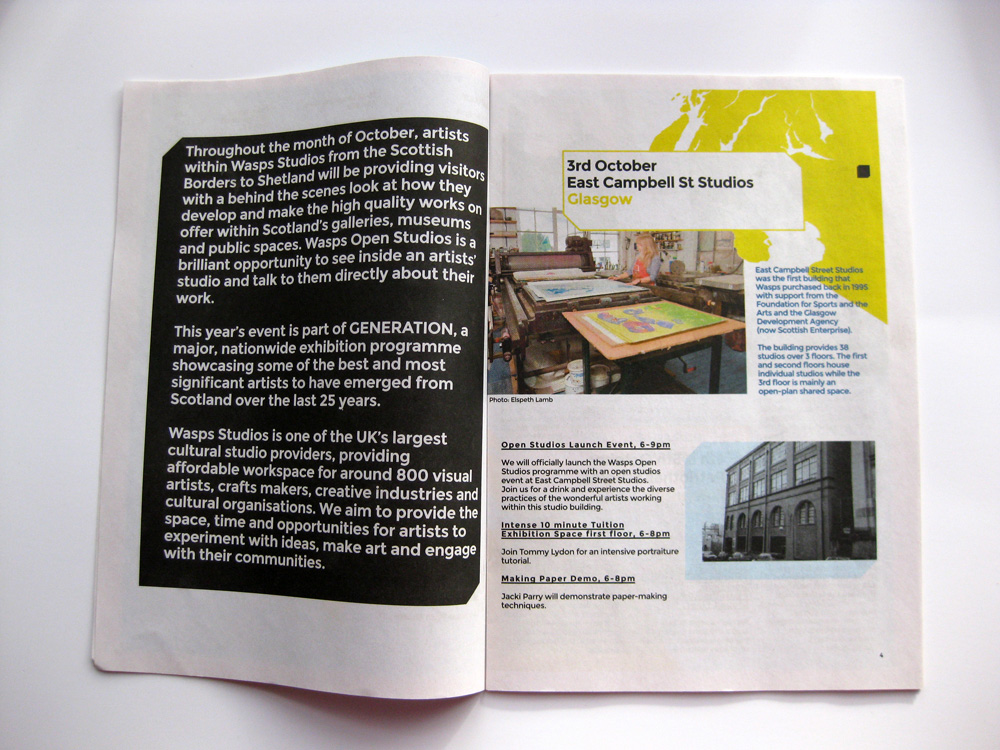
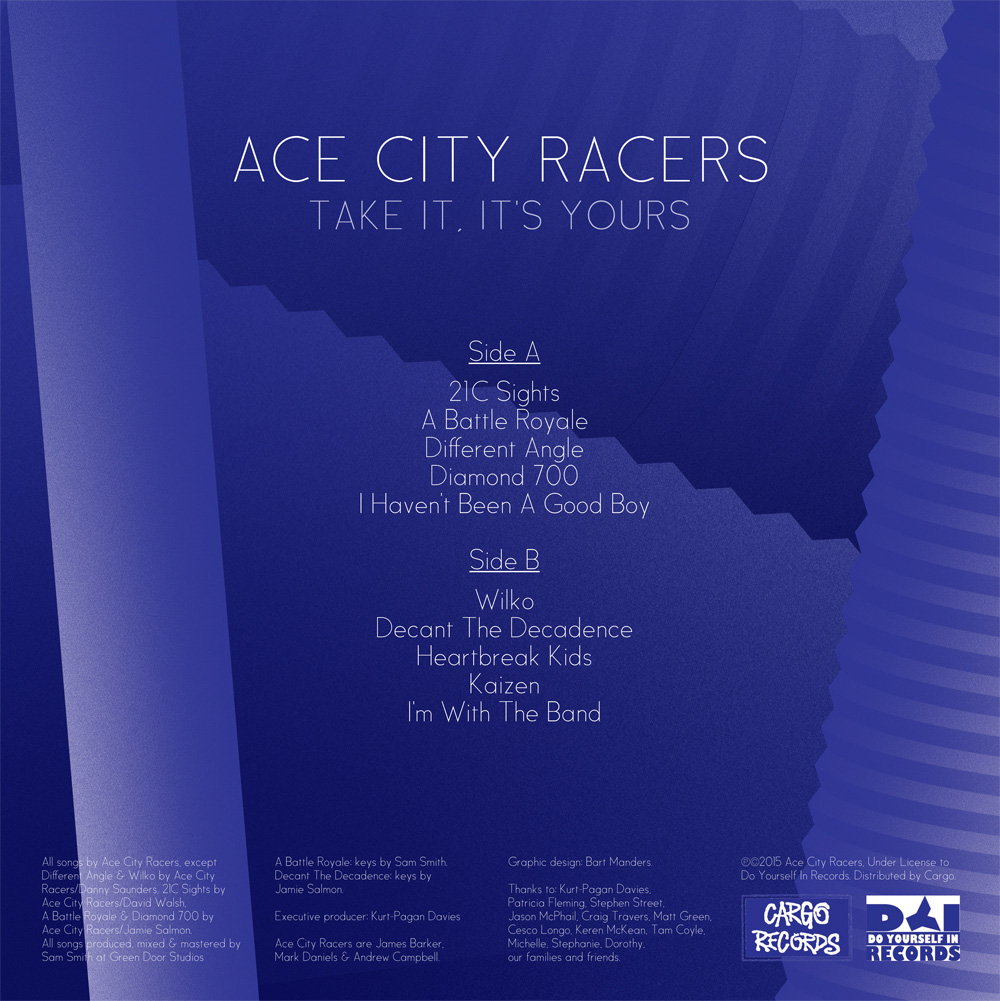
    In April 2014 I had sacrificed a stable income from a rather uninteresting retail job to free myself up for doing more freelance work. By the time it was Christmas, I had done projects for Glasgow University Magazine, an exhibition for Glasgow Open House Art Festival, a vinyl sleeve design for a local band and 2 projects for Wasps Studios. I had just started redeveloping The Telfer Gallery’s visual identity for its 2015 programme and I felt I needed to come across as a somewhat more settled designer instead of that designer who’s out and about doing jobs here and there. That’s when I decided to start working under a studio name, and after preparing for it for two months I launched Monochrome Lab last February.

    You’re from the Netherlands but live in Glasgow. Do you see any differences in design trends and aesthetics between these two places?

    Definitely, but I have to say that especially in the Netherlands it’s hard to define design trends. The very basis of good graphic design is to be able to organise and (re)structure information, to communicate. In the Netherlands I guess there isn’t a specific visual style, but more a way of thinking. It’s a place where the visual basics of graphic design are so established and common that on top of that graphic designers have become much more conceptual, finding intelligent ways to connect information to a certain context and experiment with images. In Glasgow I feel many design studios have only just started mastering the very basics over the past few years.

    Future-Positive-Monochrome-Lab-1

    What inspires your work? What other designers do you admire?

    I’m mainly inspired by designs with an innovative way of applying typography and white space, but I’m also very fond of really primary things like geometric shapes and illustrators. In art school I admired well respected designers such as Wim Crouwel, Experimental Jetset and Karel Martens but nowadays it has shifted more towards less known Rotterdam-based designers like Almost Modern and my old classmates at OONA.

    What are your plans with Monochrome Lab for the upcoming months?

    Well, I’ve just landed a long-term visual identity project with the Scottish Sculpture Workshop in Lumsden, Aberdeenshire and I’ve also just started a new collaboration with Wasps Studios which involves designing signage for a travelling project space. There is also a considerable Telfer Gallery workload as the size of it has slightly increased due to the higher standards for its printed materials this year. This year I’m also hoping to get involved in some publication design again, either as a self initiated project or as a freelance job. But as many independent designers can testify, one’s workload can unexpectedly increase as projects aren’t usually planned very far ahead.

    Future-Positive-Monochrome-Lab-4