Category: Design

  • Minimalist Home Design Tips

    If you feel like the interior of your home has become crowded and overwhelming, it might be time to consider a new design approach. One style that more and more people are turning to is minimalism. By decluttering and embracing open spaces rather than an abundance of things, you make your space feel more intentional and less overwhelmed. It can change not just how your home looks but how you use it too.

    This might be the solution that you’ve been looking for. If it’s a design style that you are looking to implement, we’re going to run through some tips that will help you get it right in your home. It’s relatively easy to do, but there are some things you should know and understand before you get started, so read on now.

    Pick Timeless Furniture

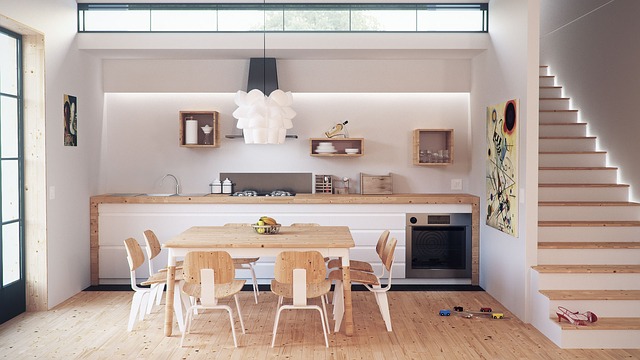
    First of all, you should think about what kind of furniture might best suit a minimalist home design. It should be timeless and relatively adaptable. That way, you’ll be able to ensure the home looks and feels suited to your minimalist aims. Trendy and ostentatious furniture doesn’t really fit with the minimalist ethos, so that’s the kind of thing you should stay away from. Remember, fashions and new trendy styles are popular for a while and then times changes and they look outdated. You should aim for the opposite of that.

    Use Texture

    Using texture is a good idea as well. Just because you’re designing your home in a minimalist way, that doesn’t mean that you have to accept a complete lack of texture. Instead, you should embrace textures and use them to shake things up and offer variety to the design of your home. You can add a simple rug that adds a new texture to your floor space (check out this list of recommended condo flooring for more ideas). There are many ways in which you can get this right, so don’t be afraid to experiment and try new things.

    Get the Lighting Right

    Getting the lighting right is really important and it’s something that you should work on. You want the home to feel light and airy because that’s what the minimalist aesthetic is all about. First of all, you should focus on natural light because the more of that that you have flooding into the home, the better it’ll be for the overall appearance of your interior space and its functionality. Using plenty of lamps and lights is important so you’re not left with any dark corners.

    Image Source

    Aim for Clean Lines

    Generally speaking, you should look for clean lines when designing your home. Minimalism is about keeping things simple and organised and it pays off when you get that right. You’ll notice that everything feels clean and structured and you won’t be overwhelmed by clutter and possessions that take up too much of your space.

    Keep Photos Simple and Meaningful

    By keeping your photos simple and meaningful, you’ll be able to keep things minimalist while also maintaining some visual stimulation in your home. And, of course, photos are important because we all love to surround ourselves with snapshots that are important to us. Find good frames and use custom photo mounts to improve the overall aesthetic of the photos as you prepare to display them in your home. And be sure to find the right spot for them.

    Find the Neutral Palette That Works for You

    Selecting the right colour palette for the room is important as well. You want it to feel simple and not too overwhelming. Most people who design homes with a minimalist aesthetic in mind choose white and other neutral colours that don’t make the space feel too heavy and overwhelmed. But this is something that has to work for you, so explore the options and find the way forward that you feel is best for your home.

    Keep Things Fluid and Adaptable

    Finally, you should remember that it’s always best to keep things adaptable and fluid. That way, you will have the option of making changes and switching things around later if you decide that that’s the direction you want to go in. Things don’t have to be set in stone right away. It’s much easier if you allow yourself the scope to change because it should be easy to do that with a minimalist design.

    When you get your minimalist home design just right, you’ll feel like you’re living in a space that’s calm, relaxed and spacious. That’s why so many people are now turning to this design option and you should too. Make use of the ideas above and you’ll soon be able to strike the right balance in your home.

  • CreativeMornings/Edinburgh: Sarah Drummond

    CreativeMornings/Edinburgh: Sarah Drummond

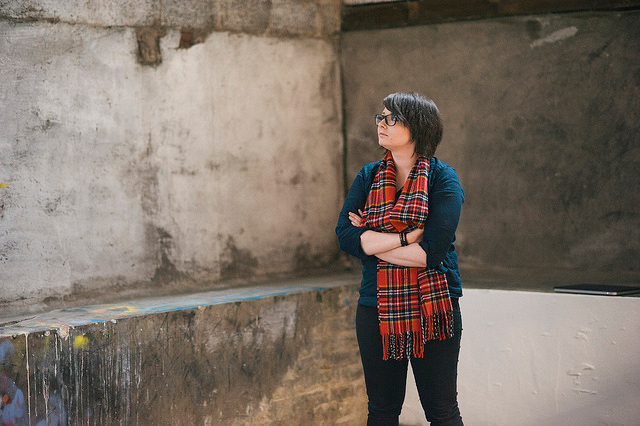
    Sarah Drummond is a service designer, graduated from Glasgow School of Art. She runs Snook, an award winning service design agency based in Glasgow, specialising in creating exceptional customer experiences.

    Not intentionally, Sarah also became one of the co-founders of CycleHack, a global movement with a mission to tool up citizens to take a pro-active, DIY approach to make cycling easier, more accessible and fun. Hacks created in 25 participating cities can be searched in an open catalogue – some of our favourite design solutions include Penny in Yo Pants, allowing woman to cycle in skirts, and Stack Rack, a more efficient way of parking your bike on the street.

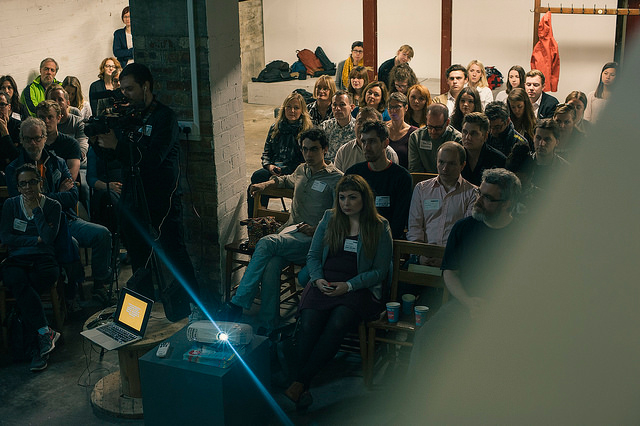
    Sarah was the last speaker at CreativeMornings/Edinburgh. In her brilliant talk, Sarah spoke about design as a non-violent way of creating a revolution. Whatever the challenge, she believes in the power of inspiring people with design tools to take change into their own hands and take on the world.

    As part of the CreativeMornings/Edinburgh team, we filmed Sarah’s talk. Get inspired watching her presentation below!

    Photos by John Duncan
    [x_video_embed no_container=”true”] [/x_video_embed]

    18737741724_b721c058aa_z 18737750794_11c9d3be41_z

  • Octaevo

    Octaevo

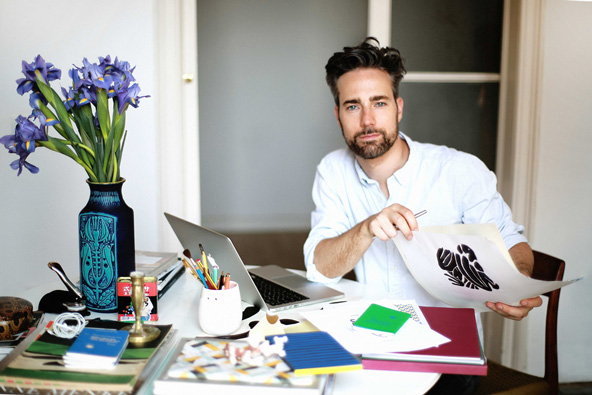
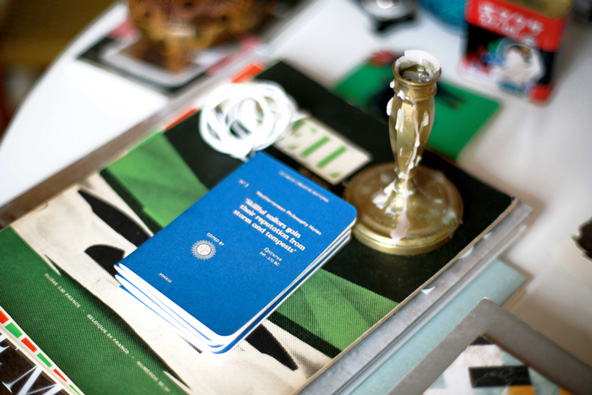
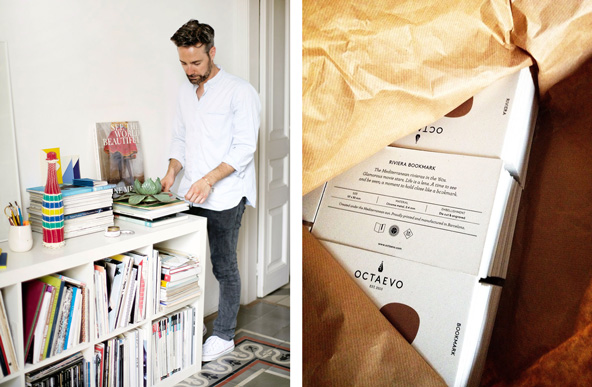
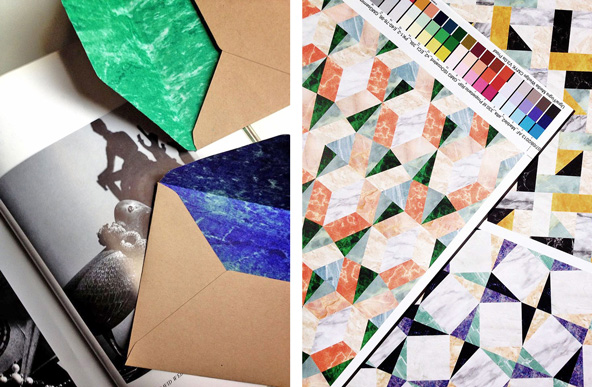
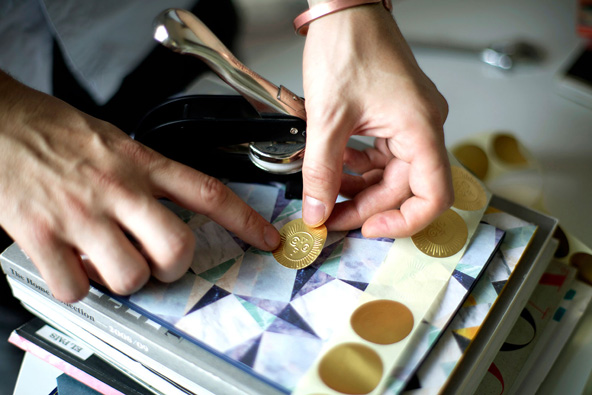
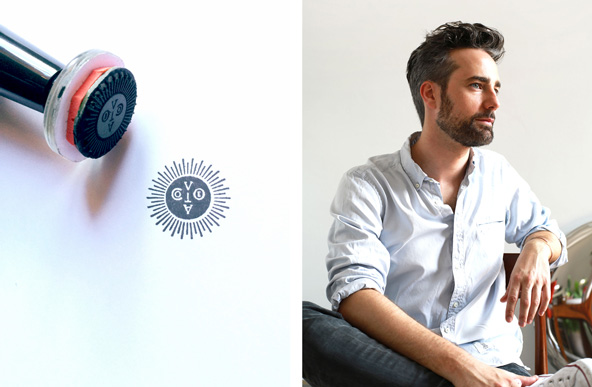
    Octaevo is a stationery brand from Barcelona founded by graphic designer and art director Marcel Baer. Octaevo’s products are inspired by the Mediterranean and produced in partnership with artisan workshops using the highest quality materials.

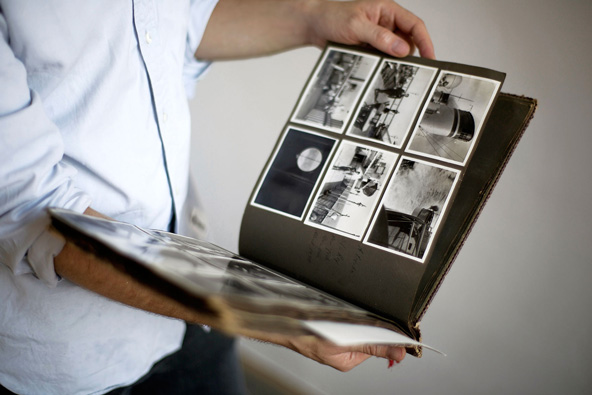
    Born in Zurich, Marcel found inspiration to start Octaevo from a a family photo album containing images of his father, Kurt, deep sea diving and Super 8 footage from his Spanish grandmother, Marieta, documenting her trips across the Mediterranean in the early 60’s. This family passion for the sea and, in particular, for the Mediterranean is translated into Octaevo’s pieces, made to be held close and built to last.

    We chatted to Marcel about his interest in stationery, design process and favourite places in Barcelona. Read the interview after the images.

    www.octaevo.com

    Photos by Olga de la Iglesia

    Future-Positive-Octaevo-6 Future-Positive-Octaevo-2 Future-Positive-Octaevo-4 Future-Positive-Octaevo-8 Future-Positive-Octaevo-1 Future-Positive-Octaevo-5 Future-Positive-Octaevo-3 Future-Positive-Octaevo-7

    You are an art director and graphic designer at Studio Marcel Baer – how did you get interested in stationery and what inspired you to create Octaevo?

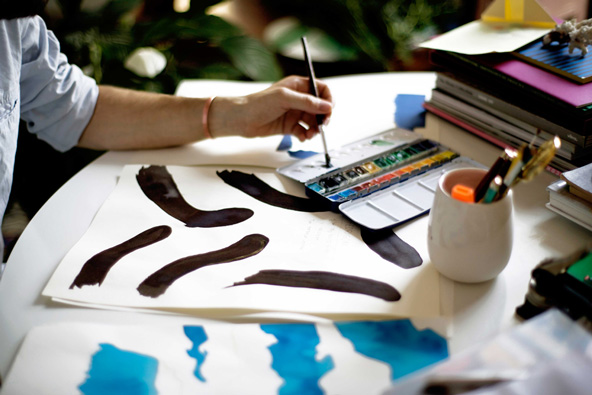
    I have always been fascinated with printed products and craftsmanship. One day I realized I had amassed a huge archive of stationery I wasn’t even aware of. My passion must have started when I was about 6 years old. My grandfather would take me often to the local stationery shop, where I loved looking at the things on sale. It’s one of my fondest childhood memories. As a designer in Barcelona I am used to working with brands and start-ups. The idea grew to create a project that unites my passion for travelling the Mediterranean and enchanting stories – transforming them into beautifully crafted goods. We now sell in about 20 countries and will present 45 new products this September at Maison&Objet in Paris and then at DesignJunction in London.

    We’re very interested in the process of making your products. Where do you source the materials and manufacture the products? Where do you find inspiration for your collections?

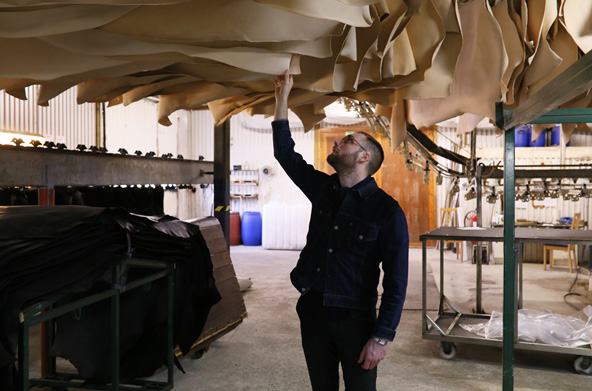
    From the beginning I have had the mandate to support local producers as much as possible. As a Mediterranean brand we want our products to feel warm. Sourcing the right materials and combining them is a big part of the process. We invest a lot of time finding the right providers and getting to know them. Spending time at printers and workshops is one of the most rewarding aspects of production. A close relationship shows in the results.

    Travelling the Mediterranean offers a lot of inspiration as it’s such a dynamic area on the world map! It’s a small sea, but the greatness of its history makes it seem larger than it actually is. Just think of the blue of the sea, the Greek philosophers, the bazaars in Morocco, Fellini, the French Riviera… it’s infinite.

    Please tell us a little bit about Barcelona. Do you consider it a creative city? What are your favourite spots in the city? 

    Barcelona has changed quite a lot over the last few years. The creative scene is definitely reinventing itself and re-emerging. A lot of new restaurants and cafés have opened and as I love food, I am very happy about that. OMA Bistro is currently my favourite. I like the outdoors and gardens, therefore my preferred spots in Barcelona are the Teatre Grec on Montjuic, the Hivernacle garden centre and the terrace of the Hotel Alma.

    Who are your favourite local designers and makers we should know about?

    I like design that is relevant, mature, contemporary and timeless… There are quite a lot of local designers whose work I admire and I am happy to know some of them personally. Teresa Estapé is a local artist and jeweller that creates beautiful one-off pieces. Woody Allen is one of her clients. Lucia Vergara from Après Ski creates minimal jewellery made of geometric shapes and amazing colours. Ceramic artist Olga Tomas has her studio ¨Atuell¨ in the center of Gracia and also offers workshops besides her own creations . Andrew Trotter and Mari Luz Vidal are the directors of Openhouse Magazine, a publication about people who open their spaces to the public and the life they share -it’s great. When it comes to flowers, Manuela Sosa from Gang and the Wool and Estudio Sauvage make the most beautiful creations in Barcelona. Regarding furniture design, I am a fan of Lobster’s Day by Albert Garcia and the marble design objects by Aparentment… to name just a few.

  • Ann Linnemann Studio Gallery

    Ann Linnemann Studio Gallery

    Ann Linnemann is a Danish ceramic artist and gallerist producing both functional homeware and sculptural work. From her studio and gallery space in Copenhagen, Ann works on her own pieces and exhibits work by ceramic artists from around the world.

    Educated at Denmark’s Design School, Ann describers her work as ‘hand-thrown table ware, vessels and sculptural forms based on conceptual ideas’. Ann’s design process is centred around the symbiosis between idea, function, form and material, and her pieces are often altered from a round basic model to an asymmetric form.

    In her gallery space, Ann curates the work of international artists as part of a permanent collection which is exhibited alongside temporary shows featuring pieces by exciting contemporary ceramic designers and artists.

    Our contributing photographer Benjamin Evans visited Ann’s gallery and studio on his recent trip to Copenhagen and shared his images with us.

    www.annlinnemann-english.blogspot.co.uk

    Photos by Benjamin Evans.

    Future-Positive-Ann-Linnemann-1 Future-Positive-Ann-Linnemann-5 Future-Positive-Ann-Linnemann-2 Future-Positive-Ann-Linnemann-3 Future-Positive-Ann-Linnemann-6 Future-Positive-Ann-Linnemann-4

  • Designing a Great Business Card

    Designing a Great Business Card

    Starting up your own business means you will potentially need to attend many networking events to spread the word about your new venture and meet fellow entrepreneurs. First impressions matter and so do your business cards, which might end up in hands of potential clients. Well designed, quality business card can create many opportunities. It’s surprising how often this small piece of paper is overlooked and for this reason we’ve put together a few tips on how to create a memorable business card.

    Your business card should represent you and your business. If you pride yourself on offering quality service or products, your business card should represent that. Make sure you pick high quality paper stock so your card looks and feels great. If design is not one of your strengths, we’d recommend using a professional online design company like 99 designs.

    The main objective of a business card is for people to be able to contact you. Don’t forget to include your name, along with your logo, your phone number, email and website address. You can also add your physical address. We don’t recommend cluttering things up with too many details like your Twitter handle or Facebook Page link, as these can be found on your website.

    Make your cards memorable by including some intricate detailing. We see more and more double sided cards and though these look great, it’s important to remember to use one side of your card for non-critical information. Consider placing a photo, favourite quote or simply, your logo. Online portfolio websites like Behance are great to see what other people are doing and find inspiration.

    Future-Positive-Business-Cards-1