Category: Design

  • How To Choose the Right Fixtures For Your Bathroom

    The bathroom is often considered a sanctuary within the home; a place where we can unwind from the stresses of the day in a hot shower or soak in the tub. But when it’s time for renovations, the sheer number of choices in bathroom fixtures can turn the excitement into overwhelm. Whether you’re constructing a new home or revamping your old one, selecting the right fixtures can make all the difference in creating a functional and stylish bathroom.

    In this article, we’ll guide homeowners through the process of selecting baths, sinks, showers, taps, and toilets – the essential fixtures that can transform the look and feel of their bathrooms.

    Baths

    The centerpiece for any lavish bathroom is the bath. Before you decide on the perfect bathtub, consider the size of your bathroom and the style you wish to achieve. Freestanding baths make for a bold statement and offer flexibility in terms of placement, while built-in options maximize space and can offer additional storage or seating areas.

    When choosing a bath, material is also key. Acrylic and fiberglass are popular due to their lightweight and cost-effective nature, while materials like stone or cast iron exude luxury but may require additional floor support due to their weight. Additionally, modern features such as whirlpool jets or built-in heating can turn a simple bath into a spa-like experience.

    Sinks

    Sinks can be as much of a decorative piece as they are a necessity. There are numerous options to choose from: vessel, undermount, pedestal, and wall-mounted sinks are just some of the options. A vessel sink suits a modern, high-end bathroom design, while a pedestal sink might be more at home in a smaller bathroom or in one with classic styling.

    Materials range from traditional porcelain to glass, metal, or even stone. Consider durability, maintenance, and compatibility with the overall bathroom aesthetic when choosing the right sink.

    Showers

    A shower can set the tone for your entire morning routine. They range from simple setups with a fixed shower head to elaborate, multi-person walk-ins with multiple jets and rainfall showerheads. When selecting a shower, think about space, your water consumption preferences, and who will be using it.

    For smaller bathrooms, a combined bath and shower can save space, while larger areas might benefit from the luxury of a separate cubicle. Additionally, innovative technologies like thermostatic controls can enhance showering by maintaining a consistent temperature, making for a more comfortable experience.

    Taps

    Taps are perhaps the most overlooked detail of bathroom design, yet they play a pivotal role in both functionality and style. From mixer taps that allow for precise temperature control to traditional separate hot and cold taps, there’s a huge variety to suit any bathroom setup.

    Finishes like brushed nickel, bronze, or even matte black can complement other hardware in your bathroom and offer a cohesive look. When it comes to taps, it’s essential to find the balance between practicality and design elegance.

    Toilets

    Finally, choosing a toilet may not be the most glamorous aspect of your bathroom renovation, but it is certainly vital. There are low-flow and dual-flush options to consider for water conservation, and height and shape differences that can affect comfort. Wall-mounted toilets can be great space-savers and add a touch of contemporary design.

    Modern toilets come in various designs, including some which conceal the plumbing for a sleek look. It is also important to choose a toilet with a powerful flush system and easy-to-clean surfaces.

    Wet Rooms

    Wet rooms are rapidly becoming a popular trend for those seeking a minimalist and contemporary bathroom design. These open-plan bathrooms feature a fully waterproofed area with a shower that doesn’t require a tray or enclosure, making them exceptionally accessible and enhancing the sense of space. When designing a wet room, ensuring proper drainage and waterproofing is crucial to prevent leaks and maintain the structural integrity of your home. The choice of tiles also plays a significant role in the functionality and overall aesthetic of wet rooms; slip-resistant tiles are a must for safety, while color and texture can add depth and interest. Wet rooms not only offer a luxurious, spa-like experience but also add value to your home by meeting modern expectations for bathroom design.

    DIY or Professional Fitter?

    When it comes to installing bathroom fixtures, the decision between taking a do-it-yourself approach or hiring a professional fitter can significantly impact your renovation’s success and efficiency. For those with a strong inclination towards DIY projects, undertaking the installation of taps, sinks, or even toilets can be a rewarding challenge that offers a sense of accomplishment and potential cost savings. However, it’s crucial to assess your skill level and the complexity of the installation before starting. Complex installations, such as freestanding baths or wall-mounted toilets, often require a higher level of expertise related to plumbing and structural support.

    On the other hand, hiring a professional fitter can ensure that your bathroom fixtures are installed correctly and efficiently, avoiding any potential mistakes that could lead to costly repairs or replacements. A professional Southern Pines plumber can bring a wealth of experience and can provide valuable advice on the best fixtures to suit your bathroom’s layout and plumbing system. While this option comes with added costs, the peace of mind and quality of workmanship can be well worth the investment, especially for more intricate installations or when working within tight schedules.

    Conclusion

    Selecting the right fixtures can turn your bathroom into a personal retreat that combines comfort with style. It’s about finding a balance between what appeals to your taste and what fits practically into your life. When these elements align, the result is a bathroom that not only looks stunning but also serves as a functional space within your home.

    Remember, investing time in choosing the right bathroom fixtures is investing in the value and comfort of your home. With these tips, homeowners can confidently select fixtures that will serve them in both form and functionality for years to come.
  • 4 Tips for Creating the Perfect Outdoor Pool Area

    For those who love entertaining guests outside or in your pool area, you’ll want it to be a welcoming and enjoyable place to be. If you’ve been searching for ways to create or enhance your pool area, there are several great additions you can consider that will amaze your guests and create the perfect outdoor gathering spot. 

    1. Outdoor Furniture

    Setting up a lovely seating area will make your pool area a big hit. Whether you’re just lounging poolside or having a pool party, chairs, chaise loungers, dining sets, or even daybeds can jazz up your pool. In addition to seating, you may want to consider something more permanent and functional like a pergola. Adding the luxury pergola will give you a protected area to add your seating, frame a pool bar or outdoor oven, or even something to grow benign plants on. Pergolas can be used to hang lighting, hold outdoor speakers, and even serve as a bit of a windbreak when wall lattices or automatic curtains.

    2. Creative Lighting

    You can add some fun and imaginative lighting to your pool for a change of pace. Lights can be added to the pool, the pool area, seating, or a poolside bar. Color-changing lights are a great idea for nighttime fun or just to bring a little interest. You’ll also want to consider different types of lighting. Fiber optic lights, wall lights, and floating lights are just some of the options available to you. Lights also do a great job of creating a great atmosphere for nighttime gatherings.  

    3. Water Feature

    Although you have a pool, a water feature does a lot to define space and bring a more zen-like atmosphere to your outdoor space. The sound of the water can be soothing, and oftentimes it provides some support for the ecosystem of your outdoor space. Alternatively, you can place a water feature in your pool. It could be as simple as a spout or as ornate as a waterfall. Adding a water element can dress up your pool in some elegant ways, or it can increase the joy and whimsy of the area. The water feature you choose will add a different flavor to your pool and provide a different experience.

    4. Fire Pit

    A fire pit always goes over well for evening and nighttime gatherings. They’re multifunctional additions that can be used to decorate, prepare food, and provide heat. Fire pits enhance the overall feel of your outdoor space. The juxtaposition between fire and water is always intriguing because in their opposition the two elements bring balance to the space. It’s an interesting match that gets noticed for all the right reasons. 

    If you’ve been looking for ideas to give your pool area some updating, this list has plenty to get your creative juices flowing. Take into account your style preferences and your climate when choosing pieces for your pool area. Decide on a theme and a color scheme to better pull the look together. A little planning will go a long way with these transformative little touches.

    5. Adding an Outdoor Bar

    Enhance your poolside experience by incorporating an outdoor bar where guests can enjoy BBQ and prepare refreshing cocktail drinks. This setup not only makes entertaining more convenient but also elevates the social atmosphere of your pool area. Equip the bar with essential amenities like a grill, a mini-fridge, and ample counter space for mixing drinks. Offering a variety of beverages, such as classic amaretto sour drink, will ensure your guests have a memorable time.

  • Muller Van Severen: ALLTUBES

    Muller Van Severen: ALLTUBES

    Muller Van Severen is a Belgian design studio founded by Fien Muller and Hannes Van Severen in the Spring of 2011. The couple creates sculpturally interesting furniture objects, always including the space around them, and characterised by a careful research led by their shared passion for art, architecture and materials.

    www.mullervanseveren.be

    Furniture images by Fien Muller & portrait by Mirjam Devriendt.

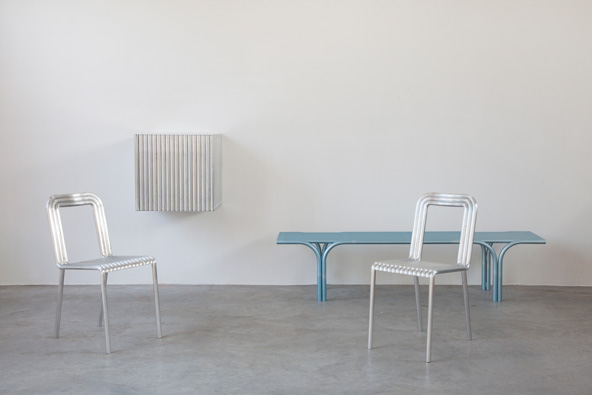
    ALLTUBES is a new series of objects consisting of the repetition of round aluminium tubes. The collection includes several cabinets, a sofa and a chair, and forms a family with the same genes but different characters.

    Through the rhythm and repetition of the round shape, the objects are stripped of their severity. This also creates the wavy effect and gives the surface the opportunity to play with the light. By bringing together the same element each time, surfaces are created and the whole literally and figuratively gets a strength.

    There are no hinges, rivets or door openings visible, they dissolve or visually disappear in the circuits of the round profiles. This makes the cabinets more like volumes, a kind of mysterious plinths, stripped of front, back or side. Only by extending the four tubes do these volumes come off the ground, and the tubes become legs or supports that illuminate the whole. They become free-standing objects in the space, characters in a setting.

    ALLTUBES will be presented at:

    Collectible Design Fair Brussels I 5-8 March
    Valerie Traan Antwerp I 12 – 29 March
    ‘Design ! Muller Van Severen at Villa Cavrois’ I 17 March – 18 October

  • Glasgow Print Fair: Bringing Together People Passionate About Print

    Glasgow Print Fair: Bringing Together People Passionate About Print

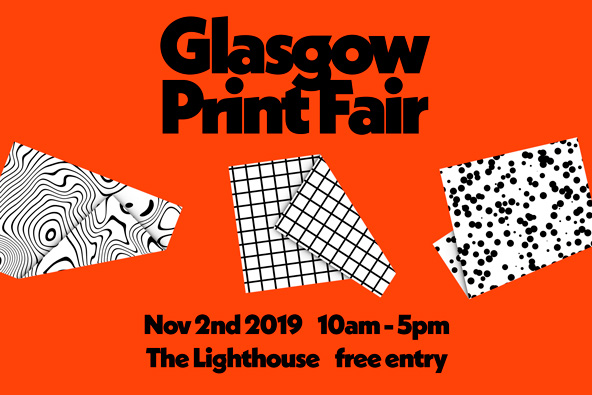
    Print is still on the rise and the best example is Glasgow Print Fair, a new festival and the first of its kind taking place in Glasgow. Organised by local creatives Jane McDevitt, partner at Maraid Design, and Kaye Symington, co-founder at Paved with Gold, this festival celebrates established and new printmakers, and brings people together for a day of print-based fun.

    Glasgow Print Fair will take place on Saturday 2nd November (10am – 5pm) with free entry at The Lighthouse.  The festival will showcase prints and other products by over 50 makers from the UK and Europe. With work by established studios and artists like Lesley Barnes and Risotto Studio (read our interview with its founder!), collectives and design shops like Yuk Fun Now and Welcome Home, and also some emerging talent from Glasgow School of Art.

    Do not miss this opportunity to support print and take home with you textiles, zines, posters and much more!

    www.glasgowprintfair.co.uk

  • Dust London: Homeware from Organic Materials

    Dust London: Homeware from Organic Materials

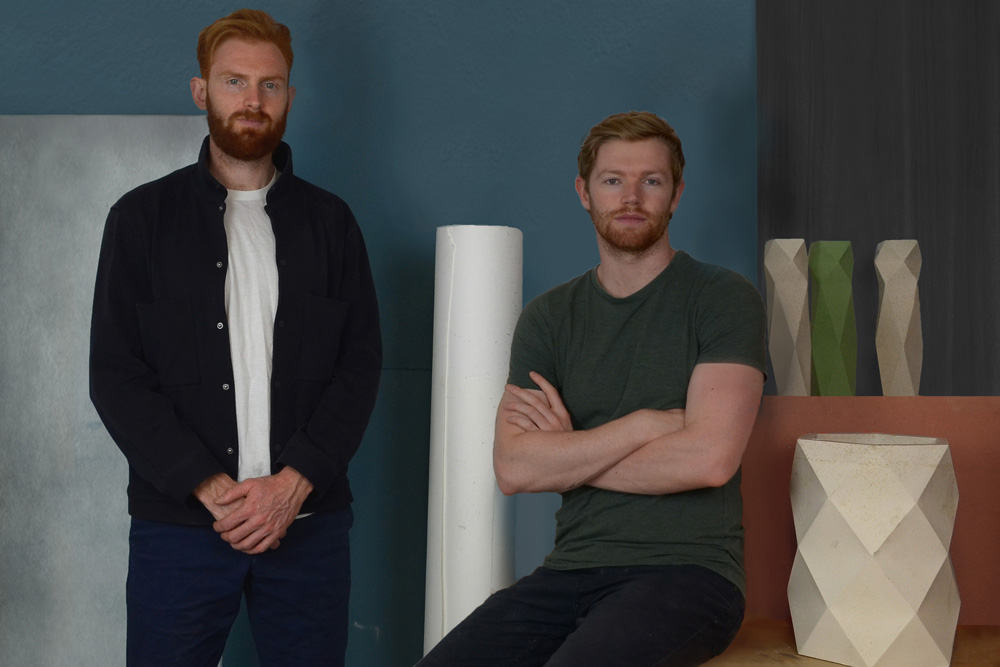
    Founded by Michael McManus and Matthew Grant, Dust London is a homeware label drawing on their experience in artist and architecture studios. They established their design company with the intention of changing the way materials are conventionally used and the ambition of creating objects from natural materials.

    We chatted with Michael and Matthew to find out more about the manufacturing of their products, their current range and what homeware means to them.

    www.dustlondon.co

    Can you tell us about how you met and what made you start Dust London?

    We knew each other from a young age and shared design ideas whilst studying art and architecture respectively. Dust London was born out of an ambition to set up a studio that explored our mutual interests in design alongside our passion for organic and sustainable materials.

    Your products are made from tea waste, can you tell us more about why you decided to choose this material and what processes you follow to manufacture your items?

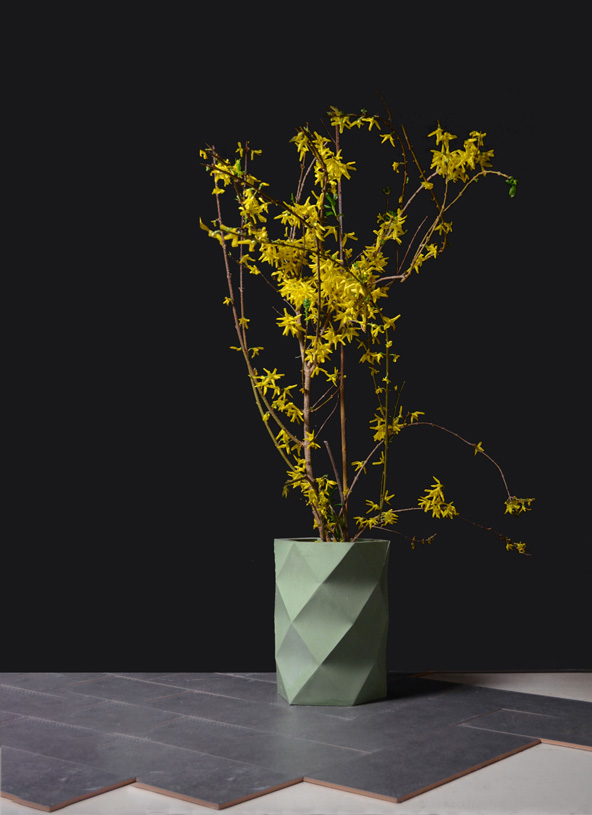
    Our studio practice is driven by discovering new materials for making. We were looking for an organic material to use and after months of experimenting we tried tea waste. We found that adding tea to our material created a beautiful range of rich colours. Experimenting with tea waste as a material for making has enriched the colour palette of our designs. From the soft and subtle green hues of our Peppermint tea range to the rich warmth of the Rooibos and English breakfast selections, our products compliment a range of interiors. We collect and separate the tea waste into 5 different colours. Each selection is thoroughly dried before blending and mixing with a gypsum-based powder and non-toxic binder. This mix is then poured into our handcrafted moulds which have been made from a single sheet of paper using origami folding techniques.

    Coming from an arts and architecture background, you mention that you are “keen to step away from the computerised and the mechanistic”, can you tell us more about this decision and why you lean towards handmade products?

    We have interests in a variety of traditional casting techniques and wanted to apply these to our designs. Through refining handmade processes our ideas have developed organically in our studio. Exploring new techniques and experimenting with materials in this way allowed us to achieve unpredictable results that informed future works. We chose not to use technology within our studio practice because we wanted to apply a makers touch to our objects. By casting our work by hand each piece is entirely unique, with subtle variations in surface pattern and colour.

    Your current collection is made up of three objects, can you tell a little bit about each of them? Do you have plans to expand your product range in the near future?

    Our current collection comprises three designs inspired by origami forms: a coaster set, a centrepiece vase and a large planter. Each object is folded from a single sheet of paper to create a homogenous design. We were drawn to the minimal aesthetic and elegance of origami that aligned with contemporary interior design. Each of our objects are available in five tea variations: Chamomile, Rooibos, English Breakfast, Peppermint and Black Tea. These colours have been selected to provide a range of textures and hues to complement a variety of interior colour palettes.

    We are currently working on a number of larger scale pieces of furniture and have developed a prototype for a table. We are excited to combine the aesthetic of origami with the function of furniture. Experimenting with organic resources will always be at the forefront of our work and we are currently exploring a sustainable material that we can apply to a new collection.

    What does homeware mean to you and why do you think it’s important?

    Homeware is accessible in scale, both for the designer and user. It allows designers to experiment with new materials that find their way into the home. Homeware therefore paves the way for wider conversations that the designer looks to address through their work. By bringing functional objects into the home that are made of tea waste challenges convention and questions how we commit to a sustainable future.