
Category: Design

  • Ergonomic Office Decor From Leading Furniture Stores

    As the modern workspace evolves, the emphasis on ergonomic office environments has gained significant momentum. Companies recognize the direct correlation between employee well-being and productivity, driving shifts towards ergonomic solutions in office decor. Leading furniture stores have become pioneers in this space, offering innovative ergonomic designs that blend functionality with aesthetic appeal.

    The global ergonomic office chair market is expected to expand at a Compound Annual Growth Rate (CAGR) of 7% by 2030, reflecting the growing demand for ergonomically optimized workspaces. 

    This trend is fueled by increasing awareness of the benefits of ergonomics such as reduced physical strain, improved posture, and enhanced employee engagement.

    Key Elements of Ergonomic Office Furniture

    Ergonomic office furniture is designed with a keen focus on promoting comfort, reducing strain, and fostering a healthier work environment. The key elements that define ergonomic office decor include:

    1. Ergonomic Chair

    Ergonomic chairs are the cornerstone of any ergonomic office setup. These chairs prioritize posture support and movement, reducing the risk of musculoskeletal disorders associated with prolonged sitting. Features like adjustable lumbar support, breathable mesh materials, and tilt mechanisms ensure optimal comfort during long work hours.

    According to industry statistics, ergonomic chairs can prevent the physical discomfort of workers. However, it’s important to note that even with an ergonomic chair, 86% of workers are unlikely to move more than 10% of their workday. This highlights the importance of supplementing ergonomic chairs with other elements that promote an active and dynamic working posture.

    2. Ergonomic Desk Chair

    Height-adjustable desks and tables are a game-changer in ergonomic office design. Leading furniture stores offer a wide range of ergonomic office decor solutions that suit these needs. These desks allow users to seamlessly transition between sitting and standing positions, promoting a dynamic working posture and reducing the risks associated with prolonged sitting or standing.

    By offering the flexibility to alternate between different positions throughout the day, height-adjustable desks help alleviate pressure on the spine, improve blood circulation, and boost overall energy levels, ultimately enhancing productivity and focus.

    3. Accessories

    Ergonomic accessories complement the core furniture elements to create an ergonomic workspace. These include:

    • Monitor stands: Adjustable monitor stands to ensure proper eye-level positioning, reducing neck strain and promoting better posture.
    • Keyboard trays: Ergonomic keyboard trays promote a neutral wrist position, minimizing the risk of repetitive stress injuries.
    • Adjustable lighting solutions: Proper lighting is crucial for reducing eye strain and creating an optimal working environment.
    • Anti-fatigue mats: Cushioned mats provide relief for those who spend extended periods standing, reducing pressure on the feet and legs.

    By combining these sustainable accessories, your office workspaces can create an environment that addresses various aspects of employee well-being.

    Integrating Ergonomics into Office Aesthetics

    While prioritizing ergonomics and comfort, leading furniture brands have embraced the challenge of seamlessly integrating these functional elements into visually appealing office aesthetics. Companies are increasingly prioritizing employee well-being and recognizing the benefits of ergonomic furniture in reducing absenteeism, improving productivity, and boosting morale. 

    Investing in ergonomic solutions is not just a health measure but also a strategic decision that can yield tangible returns in terms of employee engagement and overall organizational performance.

    Minimalist and Contemporary Designs: Ergonomic furniture lines from brands often feature sleek, minimalist designs that complement modern office spaces. Clean lines, muted color palettes, and premium materials contribute to a contemporary aesthetic while maintaining ergonomic functionality.

    Customizable Finishes and Materials: Many ergonomic furniture collections offer a wide range of customizable finishes and materials, allowing companies to tailor the look and feel of their workspaces to match their brand identity or interior design preferences.

    Modular and Flexible Systems: Modular furniture systems enable organizations to reconfigure their office layouts with ease, adapting to changing needs while maintaining ergonomic principles and a cohesive aesthetic.

    Seamless Integration of Technology: Leading ergonomic furniture designs seamlessly incorporate technology elements, such as integrated cable management systems, power outlets, and docking stations, ensuring a clutter-free and visually appealing workspace.

    By collaborating with renowned designers and architects, furniture stores have successfully blended ergonomics with aesthetics, creating office environments that not only prioritize employee health and productivity but also reflect the organization’s unique style and branding.

    The Impact of Ergonomics on Workplace Wellness

    The benefits of ergonomic office environments extend far beyond physical comfort and posture support. Embracing ergonomic principles can have a profound impact on overall workplace wellness, promoting a culture of employee well-being and engagement.

    According to industry research, adopting ergonomic principles can mitigate work-related musculoskeletal disorders. This statistic is significant, considering the substantial costs associated with employee absenteeism, healthcare expenses, and lost productivity due to such disorders.

    Furthermore, ergonomic assessments and space planning play a crucial role in optimizing office layouts for health and efficiency. By conducting regular ergonomic evaluations, companies can identify areas for improvement and implement strategies that cater to the specific needs of their workforce.

    Surprisingly, despite the evident benefits, 40% of companies still do not have a formal ergonomics program implemented, and 74% do not provide ergonomics training for their staff. These statistics highlight its potential to enhance employee health, reduce healthcare costs, and boost overall productivity.

    Choosing the Right Ergonomic Furniture

    Deciding the right piece of furniture can be a daunting task. Here are some key factors to consider when choosing ergonomic office furniture:

    1. Body Type

    Ergonomic furniture should be tailored to the individual’s body type and specific needs. Factors like height, weight, and any existing physical limitations should be taken into account when selecting chairs, desks, and accessories to ensure optimal ergonomic support.

    2. Office Space Dimensions

    The dimensions and layout of the office space play a crucial role in determining the appropriate ergonomic furniture. Measuring the available space and considering factors like traffic flow and workspace organization can help identify the most suitable ergonomic solutions.

    3. Specific Work Needs

    Different job roles and tasks may have varying ergonomic requirements. For example, individuals who spend prolonged periods typing or using a computer may benefit from ergonomic keyboards and mouse pads, while those who frequently engage in collaborative work may prioritize adjustable desks and chairs that facilitate movement and interaction.

    According to market statistics, the ergonomic office furniture market is projected to reach USD 11375.07 Million by 2030, growing at a CAGR of 6.33% from 2024 to 2030.

    While exploring these wide ranges of ergonomic furniture options available in the market, it is advisable to consult with ergonomic experts or utilize this guide provided by leading ergonomic furniture stores. These industry leaders offer product lines, expert advice, and solutions to ensure optimal ergonomic support for every workspace.

    FAQs

    1. What makes an office chair ergonomic?

    An ergonomic office chair is designed with several key features to promote proper posture and reduce strain. These include:

    • Adjustable lumbar support: Allows for customizable lower back support, preventing slouching and alleviating pressure on the spine.
    • Backrest adjustments: Enable users to adjust the chair’s backrest to their preferred height and angle, ensuring proper spinal alignment.
    • Breathable materials: Ergonomic chairs often feature mesh or other breathable materials to promote airflow and prevent discomfort from prolonged sitting.
    • Adjustable armrests: Customizable armrests support the arms and shoulders, reducing strain and fatigue.

    2. Can ergonomic furniture improve productivity?

    Numerous studies and expert opinions support the correlation between ergonomically sound environments and increased work efficiency. By reducing physical discomfort, minimizing distractions caused by strain, and promoting overall well-being, ergonomic furniture can significantly enhance employee focus and productivity.

    3. How often should ergonomic office layouts be reviewed or updated?

    Ergonomic office layouts should be regularly reviewed and updated to ensure they continue to meet the evolving needs of employees and align with the latest ergonomic standards. It is recommended to conduct ergonomic assessments and make necessary adjustments on an annual basis or whenever significant changes occur in the workspace or workforce.
  • How to Decorate the Guest Bathroom

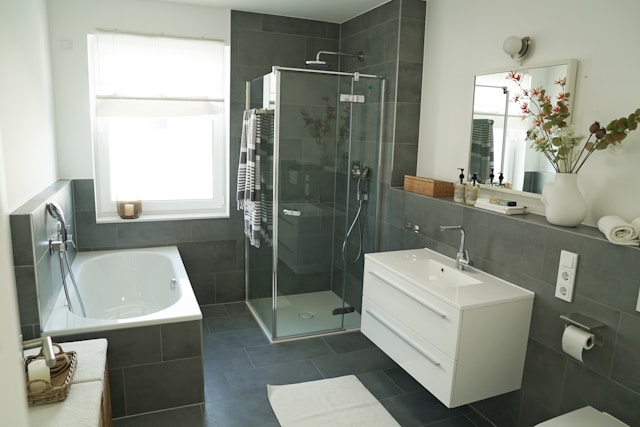
    If you’re lucky enough to have a second bathroom, this can work perfectly as a guest bathroom when you have family or friends staying. Here are some tips to help make it into a space that your guests will love.

    Luxury Textiles

    High-quality textiles such as towels, washcloths and bath mats can really elevate your guest bathroom, giving it a boutique hotel vibe and it shows your guests that you care about their experience when staying with you.

    Invest in some luxury towels and flannels in coordinating colours and add in a super soft non-slip bath mat that will feel luxurious underfoot and also improve safety. If your guest bathroom has a neutral palette, don’t be afraid to use your textiles to add a pop of colour to the space. Alternatively, if you already have a colour scheme, keep things simple with complementary shades.

    When you have guests coming to stay, make sure you put fresh towels out ready for them, including a large towel for if they want to shower or take a bath and a couple of smaller towels for their hands, face or hair.

    Clever Storage

    Clever storage is a must for any guest bathroom. Custom built-in shelving can be used to store rolled up towels and a selection of toiletries for your guests to use. Or you could add hidden under-sink storage for all those bathroom essentials.

    If you have a compact guest bathroom, you may need to get a bit more creative with your storage. Small storage baskets made from natural materials like wicker or rattan can be used to house miniature toiletries or toilet rolls and also add texture to a space. If you’re stuck for inspiration, head to a bathroom showroom to get new storage ideas.

    Hooks & Rails

    The last thing you want is for your guests to have to put their luxuriously soft towels on the floor or balance them on the edge of the sink or the top of the toilet! Make sure that your bathroom has plenty of hooks or towel rails where your guests can hang their towels while they wash, bathe or shower. You should also consider where they could put their own belongings. For example, is there a shelf they can put jewellery or makeup on? Do you have a laundry basket for used towels?

    Finishing Touches

    It’s the finishing touches that make a guest bathroom feel inviting and somewhere your guests will want to spend time rather than just a functional space for them to shower and dress.

    Consider adding greenery such as houseplants that thrive in humidity or freshly cut flowers on shelves or window sills. Scent is also a must-have so consider adding scented candles or a reed diffuser to help create a spa-like atmosphere.

    Framed prints or patterned wallpaper can also give a bathroom a more high-end feel and show your guests that you’ve put care and attention into creating a space they’ll enjoy.

    Well Stocked

    As a guest in someone else’s house, there’s nothing worse than awkwardly having to ask if they have a spare toothbrush or tell them that the toilet roll has run out! Make sure that your guests have everything they might need and be sure to restock in-between stays so you don’t run out.

    If you’re not sure what to stock up on, here are some guest bathroom essentials you might want to consider:

    • Hand soap
    • Toothpaste
    • Toothbrushes
    • Shampoo
    • Conditioner
    • Cotton balls/pads/buds
    • Body wash
    • Body lotion
    • Toilet paper
    • Tissues
    • Feminine hygiene products

    Having all these easily to hand means your guests won’t need to feel embarrassed about asking, and it allows you to relax and enjoy their company, knowing they have everything they need.

  • Transforming Your Space: Modern Home Improvement Trends

    Home remodeling is a necessity and an opportunity to create a space that reflects personal style and modern trends. Whether you’re looking to enhance your living area or increase the value of your property, staying informed about the latest trends in home design and renovation can make a significant difference.

    Current Trends in Home Renovation

    Sustainability and Energy Efficiency
    One of the most notable trends in home renovation today is the growing emphasis on sustainability. Homeowners are increasingly seeking out experts who offer sustainable Remodeling GC or similar services elsewhere to incorporate eco-friendly technologies that minimize environmental impact. This shift includes installing energy-efficient appliances, solar panels, and using recycled or sustainable materials. Beyond benefiting the planet, sustainable renovations can also lead to substantial savings on utility bills, making them a smart investment for both the environment and homeowners alike.

    Smart Home Technology
    Smart homes are no longer a vision of the future; they are a reality today. The rise of integrated smart home technology has transformed everyday living, becoming a top trend in modern home design. From smart thermostats and customizable lighting systems to advanced security features, this technology enhances comfort, convenience, and safety. Homeowners can effortlessly control every aspect of their environment, from temperature and lighting to security systems—with just a smartphone or voice commands.

    Open Space Layouts
    The demand for open floor plans continues to grow. Knocking down walls to create fluid, open living spaces makes homes feel larger and more welcoming. These layouts facilitate easier social interactions and a seamless flow between the kitchen, living room, and dining area, perfect for those who frequently entertain guests. For instance, a well-planned kitchen remodeling tends to include streamlined cabinetry for ample storage, modern lighting that enhances the openness, and design elements that create visual continuity across the connected spaces. This thoughtful approach can ensure the home feels cohesive, practical, and inviting for both daily living and entertaining.

    Outdoor Living Areas
    Expanding living space continues beyond the interior. Creating luxurious outdoor living areas is a key trend as more homeowners seek to make the most of their exterior spaces. Decks, patios, and outdoor kitchens are increasingly popular, providing an ideal space for relaxation and entertainment.

    Use of Bold Colors and Textures
    Gone are the days of playing it safe with neutral colors throughout the house. Now, more homeowners are choosing bold, vibrant colors to make a statement. Whether it’s through accent walls, cabinetry, or decorative backsplashes, playing with color is a trend that adds personality and flair to your home. Additionally, homeowners can also include textures with the help of custom cabinet doors or frames from Lovech, or similar firms, as well as through the use of textured wallpapers and fabrics. This can create a visual interest in the space while also achieving a rich, layered look to show personal style.

    Choosing the Right Contractor

    When it comes to remodeling, finding the right contractor is crucial. You want a team that understands and can translate your vision into reality while ensuring the work is done to the highest standard. For residents in a particular region, remodeling contractors St George Utah are known for their expertise and quality workmanship.

    Cost vs. Value: What’s Worth It?

    Renovation Project Average Cost Expected Resale Value ROI
    Minor Kitchen Remodel $22,000 $18,000 82%
    Bathroom Addition $50,000 $30,000 60%
    Roof Replacement $25,000 $20,000 80%
    Deck Addition $14,000 $11,000 78%

    Investing in the right projects can drastically increase the resale value of your home. Understanding each project’s cost versus value helps make educated decisions that align with your budget and long-term financial benefits.

    How to Plan Your Remodel

    Planning your remodel effectively can ensure that the process is as smooth and stress-free as possible. Here’s a simple guide to get started:

    1. Define Your Goals: Are you remodeling to increase space, update the home’s style, or improve its resale value? Clearly defined goals will guide your decisions throughout the remodeling process.
    2. Set a Budget: Knowing how much you can realistically spend helps narrow choices and prevent overspending.
    3. Hire Professionals: As previously mentioned, selecting the right contractors is paramount. Do your due diligence and choose skilled professionals with good reviews and a robust portfolio.
    4. Plan for the Unexpected: Always allocate about 20% of your budget for unexpected costs. Surprises often arise during renovation projects, and it’s best to be financially prepared.

    Future-Proofing Your Renovation

    Opting for timeless designs and technologies that can adapt to future advancements ensures that your remodel remains relevant and functional for years to come. Elements like neutral color palettes, high-quality materials, and modular furniture pieces are safe bets for maintaining the longevity and appeal of your space.

    Final Thoughts

    Investing in a home remodel can be daunting, but with the right planning and professional help, it can transform your space beautifully and functionally. Keep abreast of trends, focus on quality, and remember that the best renovations not only improve aesthetics but also incorporate practical upgrades that enhance daily living.

  • Lifestyle Improvements – 6 Home Upgrades That Are Worth It

    While all renovations have potential benefits, certain upgrades are particularly effective in redefining both the functionality and aesthetic of a home, ensuring long-term satisfaction and utility. These improvements not only cater to the immediate needs of residents but also consider future marketability, making them doubly advantageous. As we explore these transformative upgrades, homeowners need to prioritize projects that align with their personal lifestyles and financial plans, ensuring that each modification truly enhances their living environment.

    Source

    1. Upgrade Your Shower System


    Upgrading the bathroom, particularly the shower system, can significantly enhance the daily routine by transforming an ordinary bathroom into a luxurious retreat. A high-quality shower system not only improves the aesthetic appeal of the bathroom but also increases the overall functionality with features like multiple shower heads, adjustable water pressure, and temperature settings. Such upgrades can turn a simple daily task into a rejuvenating experience, promoting relaxation and well-being.

    Moreover, it’s essential to engage experts to ensure that the job is done right. Professional installation helps prevent common issues such as leaks and inadequate water pressure, which can detract from the enjoyment of the new features. Expert installers can also advise on the best products for durability and water efficiency, ensuring that the new shower is not only enjoyable but also eco-friendly and cost-effective in the long run. Looking up the keyword Top Replacement Shower Company near me on any search engine will prove helpful in hiring experienced professionals. By investing in a professional upgrade, homeowners ensure that their new shower system operates flawlessly and remains a valuable feature of their home.

    2. Install a Home Automation System


    The installation of a home automation system brings the future into the present, offering unparalleled convenience and efficiency. By integrating systems that control lighting, heating, security, and more, homeowners can manage their environments with the touch of a button or a simple voice command. Working with a trusted team of smart home automation experts can help you design and implement a system tailored to your specific needs, ensuring seamless integration and maximum efficiency. This level of automation not only enhances lifestyle but also significantly increases the energy efficiency of the home, potentially reducing utility bills and minimizing environmental impact.

    Choosing an integrator with experience in both the software and physical installation can make the difference between a room of gadgets and a truly intuitive home. Local firms that offer design-led, turnkey approaches help ensure lighting, AV, climate, and security systems behave as a single, cohesive platform rather than a set of separate apps. Homeowners in major markets often find value in working with established, service-oriented teams — for example, Houston leaders in smart home automation are frequently engaged to align technology with architecture and daily routines. This focus on long-term serviceability reduces call-backs and increases satisfaction over the life of the system.

    Home automation also offers enhanced security features, which can provide homeowners with peace of mind. Systems can include automated door locks, surveillance cameras, and motion detectors that can be monitored from smartphones, no matter where you are. This technology not only makes managing your home easier but safer, adding an extra layer of security that traditional homes lack. To truly understand the potential for transforming your living space, it’s beneficial to explore advanced home control technology that goes beyond simple smart devices. This way, homeowners can achieve a level of intuitive command over their surroundings to create a personalized living environment. As technology advances, these systems become more integrated and capable, making them a wise investment for those looking to modernize their living space.

    3. Soundproofing Rooms


    Soundproofing is a practical upgrade that can drastically improve the comfort and usability of a home, particularly in noisy urban environments or for rooms dedicated to work or entertainment. Effective soundproofing can block out external noise, such as traffic, construction, and neighborhood sounds, creating a quieter and more serene home environment. This is especially beneficial in homes with office spaces where concentration and quiet are necessary or in entertainment rooms where clarity of sound enhances the viewing experience.

    There are various methods to achieve effective soundproofing, ranging from installing double-pane windows and adding extra insulation in walls to placing acoustic panels strategically around rooms. Each option serves to dampen unwanted noise, and the choice depends on the specific needs and structure of the home. Professional consultation can determine the best soundproofing strategies, ensuring that the solutions not only reduce noise effectively but also blend seamlessly with the home’s design. This upgrade not only improves quality of life by reducing noise pollution but can also increase the property’s appeal and value.

    4. Modernize Your Home Office


    The shift towards remote work has underscored the importance of having a dedicated and well-equipped home office. Modernizing this space can significantly boost productivity and comfort. Key upgrades might include ergonomic furniture, such as adjustable chairs and desks, which prevent strain and injury over long periods of use. Good lighting, both natural and artificial, is also crucial, as it can reduce eye strain and enhance the work environment.

    In addition to physical upgrades, technological enhancements can also improve the functionality of a home office. High-speed internet connections, efficient storage solutions, and state-of-the-art computing equipment can streamline work processes and enhance performance. Investing in high-quality video conferencing tools and sound systems can also make virtual meetings more effective. Getting help from a local home automation company serving Bellevue, Washington, for instance, can simplify the setup. They usually take care of wiring, smart lighting, and audio systems, making sure everything runs without issues over time. Having someone local also means quicker support when something needs fixing or updating. It makes the whole process of adding technology to a house much easier. These improvements not only make the home office more enjoyable and functional but also increase the home’s value by adding a professional workspace.

    5. Enhance Outdoor Living with a Fire Pit


    Creating an inviting outdoor space is another home improvement that offers considerable lifestyle and value benefits. Installing a fire pit can transform an ordinary backyard into a delightful gathering place suitable for entertaining guests or spending quality family time. The warmth and ambiance provided by a fire pit extend the usability of outdoor spaces into the cooler months, making it a year-round asset.

    When choosing a fire pit, homeowners can select from a variety of styles ranging from built-in structures that can complement the outdoor decor to portable models that offer flexibility in placement and use. Safety should always be a priority, with proper clearance from flammable materials and adherence to local fire regulations. This addition not only enhances the aesthetic and functional appeal of outdoor areas but can also increase the overall property value by improving the attractiveness of its outdoor living spaces.

    6. Revamp with Wall Art and Murals


    Incorporating art and murals can dramatically alter the ambiance of a home, adding vibrancy and character to otherwise plain spaces. Wall art and murals can serve as focal points in a room or tie together various design elements, reflecting the homeowner’s style and personality. Whether opting for large-scale artworks, intricate murals, or gallery walls featuring smaller pieces, these visual enhancements can transform the aesthetic of a home.

    Choosing the right pieces involves considering the existing decor, the intended mood of the room, and the scale of the artwork. For those looking for something unique, custom murals painted by professional artists can be a great way to personalize a space truly. Not only do these artistic additions beautify the home, but they also create an inspiring and stimulating environment for all who live and visit there.

    Conclusion

    Upgrading your home can significantly enhance both your quality of life and your property’s market value. From practical improvements like upgrading the shower system and soundproofing rooms to aesthetic enhancements like installing a fire pit or revamping with wall art, each change brings its own set of benefits. These improvements not only make the home more comfortable and enjoyable to live in but also more appealing to potential buyers in the future. By carefully selecting upgrades that align with your personal needs and aesthetic preferences, you can transform your home into a more delightful, functional, and valuable space.

  • Unveiling the World of Metal Roofing Online

    As you navigate the vast expanse of the internet, filled with an array of roofing options, metal roofing stands out like a beacon of durability and style.

    Imagine a roofing material that encompasses both modern aesthetics and timeless reliability. The world of metal roofing online offers a treasure trove of information waiting to be uncovered.

    From the advantages that set it apart to the variety of styles available, there’s a wealth of knowledge to explore. So, why not take the first step in discovering the fascinating realm of metal roofing?

    Advantages of Metal Roofing

    There are numerous benefits of metal roofing that make it a top choice for homeowners seeking durability and longevity in their roofing materials. One significant advantage is its energy efficiency. Metal roofs are reflective, meaning they can reflect the sun’s rays, reducing the amount of heat absorbed into the home. This reflective property can lead to lower cooling costs in warmer months, making it an environmentally friendly option.

    In terms of longevity and durability, metal roofing stands out. Unlike traditional asphalt shingles that may need replacing every 15-20 years, metal roofs can last 50 years or more with proper maintenance. They’re highly resistant to common issues such as cracking, warping, and corrosion, which can plague other roofing materials. This durability not only saves you money in the long run but also reduces the environmental impact of constantly replacing roofing materials.

    Popular Metal Roofing Styles

    When considering popular metal roofing styles, it’s essential to explore the diverse options available to homeowners seeking both aesthetics and functionality. Two prevalent styles in the metal roofing industry are standing seam and corrugated panels.

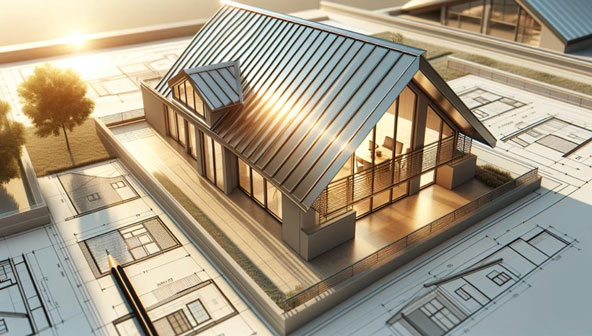
    Standing seam roofs offer a sleek and modern look with raised seams that run vertically along the roof slope. These roofs provide excellent durability and weather resistance due to the concealed fasteners and vertical design, making them a popular choice for both residential and commercial properties.

    On the other hand, corrugated metal panels feature repeating wave-like patterns that add a rustic charm to homes. They’re lightweight, easy to install, and cost-effective, making them a practical option for various architectural styles. Corrugated panels are known for their strength and ability to withstand harsh weather conditions, making them a durable choice for areas prone to extreme weather.

    Whether you prefer the contemporary appeal of standing seam or the traditional aesthetic of corrugated panels, both styles offer reliable protection and lasting beauty for your home.

    Online Resources for Metal Roofing

    Explore a wealth of online resources dedicated to metal roofing to enhance your knowledge and make informed decisions for your roofing needs. When considering metal roofing cost, online platforms offer calculators that help estimate expenses based on the size and type of metal roof you’re interested in. These tools can provide you with a ballpark figure to budget for your project.

    Additionally, websites specializing in metal roofing colors showcase a wide array of options, allowing you to visualize how different colors would look on your home before making a decision.

    For detailed information on metal roofing systems, manufacturers often have websites with comprehensive guides and FAQs that cover everything from installation to maintenance. Industry blogs and forums are also valuable resources where you can learn from the experiences of others and get expert advice on metal roofing.

    Lastly, many online retailers offer product reviews and comparisons to help you choose the best metal roofing materials for your specific needs. By utilizing these resources, you can become well-informed about metal roofing and confidently navigate through your roofing project.

    DIY Metal Roof Installation Tips

    To ensure a successful DIY metal roof installation, meticulous preparation and adherence to safety guidelines are paramount. When embarking on this project, having the right tools is essential. You’ll need tools such as a drill with metal drill bits, a hammer, a tape measure, a chalk line, tin snips, safety goggles, gloves, and a ladder. Additionally, consider using a roofing nail gun for efficiency.

    Safety precautions mustn’t be overlooked. Make sure to wear appropriate safety gear, including a hard hat, non-slip footwear, and a harness if working at heights. Prioritize safety by securing all ladders, scaffolding, and work platforms properly. Inspect the roof for any weak spots or damage before starting.

    Take your time to ensure each metal panel is correctly aligned and securely fastened. Properly seal all seams and edges to prevent leaks. By following these tips and taking necessary safety measures, you can successfully install a metal roof on your own.

    Choosing the Right Metal Roof

    Selecting the appropriate metal roof for your project involves considering factors such as durability, style, and budget. When choosing a metal roof, color options play a significant role in the overall aesthetic appeal of your property. Various manufacturers offer a wide range of colors to suit different architectural styles and personal preferences. Consider selecting a color that complements your home’s facade and blends well with the surrounding environment.

    Maintenance requirements are another crucial aspect to keep in mind when deciding on a metal roof. Generally, metal roofs are low maintenance compared to traditional roofing materials. However, it’s essential to follow the manufacturer’s guidelines for upkeep to ensure the longevity and performance of your roof. Regular inspections, cleaning off debris, and addressing any minor issues promptly can help extend the lifespan of your metal roof.

    Beyond routine cleaning and inspections, specialized solutions like protective coatings can significantly enhance a metal roof’s performance and extend its service life. These advanced coatings create a seamless, weatherproof barrier, effectively stopping existing leaks and preventing new ones from forming. They also offer substantial energy efficiency benefits by reflecting solar heat, which can dramatically reduce cooling costs and overall energy consumption. For aging metal roofs showing signs of wear, a professional metal roof restoration can revitalize the structure, providing UL Fire Protection and robust defense against harsh weather conditions, ultimately postponing the need for costly full replacement.

    Conclusion

    As you continue to explore the world of metalroofing online, you’ll uncover a treasure trove of information and resources to guide you on your journey to a durable and stylish roof.

    Remember, knowledge is power, and with the right tools and know-how, you can transform your home into a masterpiece that stands the test of time.

    So dive into the world of metal roofing with confidence, and let your creativity shine.