Category: Design

  • How Does Renovating a House Improve Your Lifestyle?

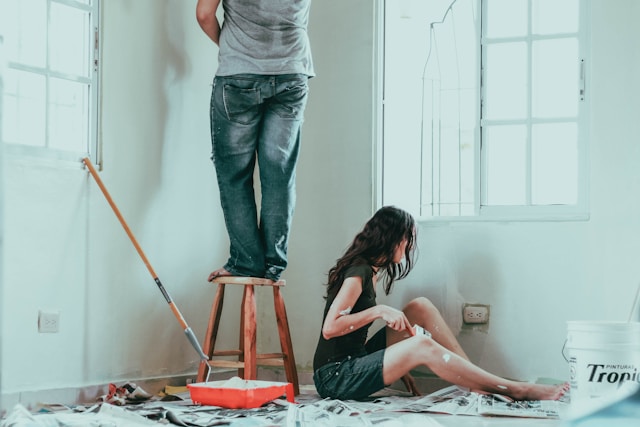
    In Indiana’s dramatic seasons, home renovations take on extra weight. Harsh winters and humid summers demand a resilient, comfortable living space. Renovation here isn’t just aesthetic; it’s crucial for year-round enjoyment and battling the elements. From Indy’s bustle to Carmel’s quiet suburbs, revamping your home can transform more than its looks – it can elevate your lifestyle in surprising ways.


    Image via Unsplash

    Enhances Living Space and Comfort
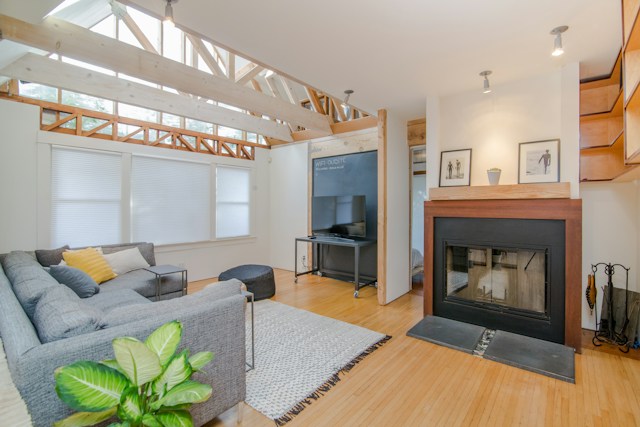
    Breathe new life into your home and unlock newfound comfort! Renovation reimagines outdated layouts, transforming cramped rooms into airy havens for relaxation and family moments. Whether knocking down walls or adding an extension, your space adapts to your needs. Modernize with improved lighting, windows, and climate control, creating a year-round oasis. Let your home reflect your style and preferences, all while enhancing enjoyment and comfort.

    Improves Functionality and Efficiency

    Renovating your home also offers the opportunity to improve its overall functionality and efficiency. In Indiana, where energy costs can fluctuate with the extreme weather, incorporating modern, energy-efficient solutions is both economically and environmentally beneficial. For instance, understanding the Brownsburg Roof Replacement cost and having access to the residential site plan is essential for homeowners looking to enhance their home’s efficiency. A new roof with better insulation properties can significantly reduce heating and cooling costs, making your home more comfortable year-round. Additionally, updating old appliances with energy-efficient models, installing smart home technologies, and using sustainable materials can further improve your home’s functionality and reduce its carbon footprint, leading to a more sustainable lifestyle.

    Moreover, considering alternative energy sources such as solar power can enhance efficiency and sustainability. With advancements in technology, integrating solar panels onto your roof reduces your reliance on traditional energy sources and contributes to long-term savings on electricity bills. Exploring the potential savings and benefits of solar energy for home use can be a prudent step towards a more eco-friendly and cost-effective living environment.

    Increases Property Value

    A well-executed renovation not only serves your immediate comfort and efficiency needs but also acts as a strategic investment in your property’s future value. Upgrading key areas of your home, such as the kitchen and bathrooms, or adding additional living space, can significantly boost its appeal to potential buyers and increase its market value. Even cosmetic updates, when done tastefully, can enhance curb appeal and make your home stand out in the real estate market. This increase in property value not only positions you favorably for future selling prospects but also contributes to a sense of achievement and financial security.

    Promotes a Healthier Living Environment

    Perhaps one of the most overlooked benefits of renovating your home is the opportunity to create a healthier living environment. Old homes, in particular, may harbor materials that are detrimental to health, such as lead paint or asbestos insulation. A renovation project can address these hazards, removing or encapsulating harmful materials and replacing them with safer, non-toxic alternatives. Furthermore, updates can improve the home’s ventilation and air filtration systems, significantly enhancing indoor air quality and reducing the risk of respiratory issues. Incorporating natural light through larger windows or skylights not only elevates the mood and appearance of your home but also provides the health benefits associated with increased exposure to natural light, including improved sleep and vitamin D levels.

    Maximizing Space and Storage

    In any home renovation, one of the most sought-after improvements is the efficient use of space and the addition of storage. Clever design choices can turn previously unused or cluttered corners into functional areas, contributing significantly to the overall organization and aesthetic of your home. Custom cabinetry, built-in shelves, and multi-functional furniture are just a few ways to enhance storage without sacrificing style. By focusing on smart, space-saving solutions, homeowners can create a more spacious and orderly environment that supports a stress-free lifestyle.

    Enhancing Outdoor Living Areas

    Upgrading outdoor living areas is another impactful renovation that extends the comfort of your indoor space to the outdoors. Whether it’s by adding a deck, patio, or outdoor kitchen, these improvements offer a new venue for relaxation and entertainment. Landscaping enhancements, such as garden beds or water features, further contribute to creating a serene outdoor oasis. This not only increases the usable living space of your home but also encourages a healthier lifestyle by promoting more time spent in nature.

    Incorporating Smart Home Technology

    The integration of smart home technology into renovations is becoming increasingly popular for its ability to enhance convenience, security, and energy efficiency. Smart thermostats, lighting systems, and security cameras can all be controlled remotely, offering homeowners ease of use and peace of mind. Additionally, these technologies can lead to significant savings on utility bills and reduce the home’s carbon footprint, aligning with a modern, eco-conscious lifestyle.

    Fostering Environmental Sustainability

    A growing trend in home renovations is the emphasis on environmental sustainability. This involves choosing materials and practices that are eco-friendly and resource-efficient. From energy-efficient appliances and solar panels to low-VOC paints and reclaimed building materials, there are numerous ways to make a renovation project more sustainable. Not only do these choices benefit the environment, but they also create healthier living spaces for homeowners and potentially offer long-term financial savings through reduced energy consumption.

    Improving Natural Light and Ventilation

    Enhancing natural light and ventilation is a fundamental aspect of home renovation. By strategically installing larger windows, skylights, and bi-fold doors, you can infuse your living spaces with an abundance of natural sunlight, creating a brighter and more inviting atmosphere. Beyond aesthetics, ample natural light has a positive impact on mood and overall well-being. These enhancements make your home more energy-efficient, reducing the need for artificial lighting and excessive heating or cooling. Embracing natural elements like sunlight and fresh air not only adds charm to your renovated space but also contributes to a sustainable and healthier lifestyle. By prioritizing these elements, you create a home that not only looks great but also feels great to live in.

    Conclusion

    Renovating a house in Indiana—or anywhere, for that matter—is more than just a series of construction projects; it’s a deliberate step towards enhancing the quality of your life. From creating more comfortable and functional living spaces to making smart updates that increase your home’s value and promote a healthier environment, the benefits of home renovation touch every facet of your daily existence. Whether you’re making minor updates or undertaking a major overhaul, the positive impacts on your lifestyle can be profound, offering a renewed sense of comfort, efficiency, and well-being in your newly upgraded home.

  • 5 Accessories That Will Transform Your Pergola

    Have you ever thought of adding a dash of elegance to your garden or outdoor space? A pergola could be just the touch of charm you’re looking for! Beyond providing shade and structure, they can be spruced up with various accessories to create an aesthetically pleasing focal point for your backyard. 

    Companies like The Luxury Pergola offer accessories that help you get the most out of your pergola. If you’ve ever looked at your pergola and thought it could use a makeover, here are five ideas to transform your outdoor living space from ordinary to extraordinary. 

    1. Curtains or Drapes

    Pergolas are great for outdoor events and parties, but sometimes, you just want to relax in private in your own backyard. Curtains or drapes help keep prying eyes out and peace and quiet in. Curtains create a secluded space to can enjoy a book or an afternoon nap. Curtains or drapes made from weather-resistant fabrics in colors that complement your outdoor decor are your best bet to protect against the elements. 

    2. Outdoor Furniture

    The outdoor furniture options depend on the size of your pergola. A daybed or sofa with some colorful cushions and soft blankets can make the smallest spaces more cozy. For larger spaces, consider an outdoor dining set or a lounge set. Comfort is key when choosing how to furnish your pergola. Accent pieces like an outdoor rug can add a splash of color and make the space more inviting.

    Create a delightful haven by designating a play area within your pergola, making it a space for relaxation and family fun. Choose versatile outdoor furniture like a comfortable daybed or sofa adorned with colorful cushions, ensuring even the coziest corners of your pergola become inviting retreats for little ones. Consider integrating a kid-friendly outdoor dining or lounge set for larger spaces, making the pergola a place where comfort meets play. Don’t forget to add whimsical touches like an outdoor rug, turning the space into an enchanting oasis where kids can play, and families can unwind together—perhaps even incorporating a merry-go-round for an extra touch of joy.

    3. Climbing Vines

    A pergola is an ideal place to show off your love for plants. Hanging planters filled with petunias or succulents add a touch of nature and color to your pergola.  You can also consider rustic wooden boxes with fragrant herbs like lavender or rosemary for a sensory experience. Opt for climbing vines such as Ivy or Wisteria to create a living canopy if you prefer lush greenery. Before installing on your pergola, make sure the plants can thrive and flourish in the area’s climate. 

    4. Fire Pit

    Even the warmest of summers can be quite chilly once the sun falls. A fire pit or outdoor heater provides a steady source of warmth no matter what the season. Both options provide a cozy centerpiece for social gatherings or a romantic evening for two. Who can resist the allure of curling up under the stars next to a warm fire?

    5. Lighting

    Lighting is the secret ingredient to making your pergola functional after dark. String lights or hanging lanterns can create a magical atmosphere. Or consider installing fairy lights for a whimsical feel. Solar-powered lights are an eco-friendly choice that can save on energy costs. For a more dramatic effect, consider installing LED lights in different colors. If you want to go the extra mile, installing a chandelier can turn your pergola into a luxurious outdoor dining room.

    If you have a pergola in your garden, then you know it’s much more than just a structure. Whether it’s seasonal or year-round, these additions will breathe new life into your pergola, making it the perfect spot for entertainment or simply enjoying a cup of coffee on a sunny morning.

  • The Art of Designing Sustainable Buildings

    Designing sustainable buildings has become one of the biggest challenges of our time. As we face mounting environmental concerns, architects and builders have to identify ways to minimize the impact construction has on the planet. 

    From energy-efficient materials to green roofs and renewable energy sources, there are countless design choices that can help minimize the carbon footprint of our buildings. However, sustainable design requires much more than just selecting eco-friendly materials. 

    It is an art form in itself that involves careful planning, creativity, and attention to detail. In this blog, we explore the art of designing sustainable buildings and how it benefits both the environment and the people who occupy them.

    Image via Unsplash

    The Importance of Sustainable Design in Modern Architecture

    The importance of sustainable design in modern architecture cannot be overstated. It addresses the growing concerns of climate change, environmental degradation, and the health and well-being of building occupants. 

    As sustainability becomes more important in building design, architects and designers must consider environmental, social, and economic factors. And, in many instances, long-term costs for sustainable design can actually cost more up-front, but be less costly over the lifecycle of the project.  A construction cost estimating service can take a design and create budgets, material lists, and even a final construction budget including projected life-cycle costs.

    Architects St George know the importance of sustainable design for energy-efficiency, waste and pollution reduction, and healthy and comfortable living. Not only does it have great impacts on the environment, but it also saves cash and boosts property values while improving quality of life.

    In this age of rapid urbanization, sustainable design is more critical than ever, and it’s essential to integrate it into modern architecture.

    Materials and Techniques Used in Sustainable Building Design

    Sustainable building design heavily relies on the appropriate use of materials and techniques. In the earlier section, we talked about how architects and designers use integrated building design strategies to conserve energy and the environment.

    Now, let’s dive into the specific materials and techniques used in sustainable building design. We can use eco-friendly materials like reclaimed wood and steel and install energy-efficient systems like solar panels and green roofs during the construction process.

    Additionally, sustainable buildings often incorporate features that promote healthy living, such as natural lighting and energy-efficient ventilation systems. Adding glass elements helps maximize daylight and create open, healthier spaces. Partnering with Origin Architectural glass balustrade suppliers or similar providers ensures access to high-quality solutions that improve energy efficiency while maintaining a modern, sustainable design.

    The Benefits of Sustainable Buildings for the Environment and Society

    Sustainable buildings bring an array of benefits to both the environment and society. By reducing energy and water consumption, they positively impact the planet by mitigating climate change. However, their advantages extend beyond environmental factors.

    Sustainable design improves the health and well-being of building occupants, providing them with a healthy and comfortable living space. At a community level, sustainable buildings contribute to neighborhood restoration and improved environmental quality. 

    By promoting knowledge transfer and social awareness about sustainable design and architecture, these buildings help create a more sustainable future for society as a whole. Considering these benefits, it’s not surprising that more and more architects today are incorporating sustainable design strategies into their work.

    Case Studies of Successful Sustainable Building Designs

    Case studies are a great way to showcase the practical implementation of sustainable design principles in architectural projects. Building with sustainability in mind not only benefits the environment but also promotes the health and comfort of occupants. 

    The art of designing sustainable buildings involves a holistic approach to building design, materials, and construction techniques that prioritize resource conservation and cost-efficiency. The Science Museum in Rio de Janeiro, designed by Santiago Calatrava and opened in 2015, is a successful example of sustainable architecture. 

    This building employs a variety of sustainable materials and techniques such as natural ventilation, green roofs, and energy-efficient lighting. Effective collaboration with engineers and contractors is beneficial in achieving sustainable building goals. 

    Architects can adopt sustainable design principles from successful building case studies to have a positive impact on the environment and society.

    Collaborating with Engineers and Contractors to Achieve Sustainable Building Goals

    Collaboration between architects, engineers, and contractors is crucial to achieving sustainable building goals. Through open communication and knowledge sharing, the team can find innovative solutions that meet sustainability objectives without sacrificing design or functionality. 

    Engineers bring expertise in structural and mechanical systems, while contractors provide insights on cost-effective methods and material choices. By working together, the team can create buildings that provide optimal environmental benefits, such as reduced energy consumption and carbon emissions. 

    In addition, collaboration can also lead to enhanced building performance, occupant well-being, and overall cost savings. Achieving sustainable building goals require all parties to work together towards a common objective, demonstrating the importance of cross-discipline collaboration.

    Conclusion

    In conclusion, designing sustainable buildings is crucial for the future of our environment and society. This blog has highlighted the importance of considering sustainability principles throughout the entire building process, from planning to construction. Advancements in technology and a growing awareness of environmental issues have led to a rise in popularity of green architecture. 

    Materials and techniques used in sustainable building design have also been discussed, showcasing the various options available to architects. The benefits of sustainable buildings are numerous, including improving the health and comfort of occupants while reducing negative impacts on the environment. 

    Case studies of successful sustainable building designs demonstrate that it is possible to achieve both aesthetic appeal and sustainability goals. Furthermore, collaboration between architects, engineers, and contractors is crucial to achieving these goals. In summary, the art of designing sustainable buildings is essential for a better future and should be a top priority in modern architecture.

  • Laila Gohar x Muller Van Severen

    Laila Gohar x Muller Van Severen

    Laila Gohar and Muller Van Severen present a collaboration that was initiated by a mutual enthusiasm and interest in each other’s work and which results in the presentation of ‘The Pigeon Table’. The Pigeon Table by Laila Gohar x Muller Van Severen will be presented during the Salone del Mobile in Milan in June 2022.


    The piece is inspired by a conversation around mud brick pigeon houses in Egypt, Laila’s homeland. By very intuitively sending things -images, drawings, ideas- back and forth, the eventual design came to live.

    ​It is difficult to describe in words what binds the two parties, because it is mainly an expressive connection. It is the love for authenticity, everydayness, a form of banality that can be ingenious, the rudimentary, the techniques…

    “The Pigeon Table is an object made out of love for food and service, being together, conviviality and the pleasure of dining. It is an invitation to our world, our party, a dinner with an ode to what brings us together. Although we have never met in real life we feel we have been sitting at this table for years.”

    The Pigeon Table by Laila Gohar x Muller Van Severen will be presented during the Salone del Mobile in Milan in June 2022. By appointment only.

  • 4 Tips for Finding the Right Sustainable Accommodation

    Now that the pandemic is slowly being pushed out of the way, and normality is starting to peek its head back out, people from all over the world are going out of their homes and choosing to do something fun. Whether this is visiting the thriving city of Rotterdam, or somewhere else in the world, people want to get out of the house. But with that said, it’s vital to recognize the environmental impact that travel does on the planet. You can donate to organizations to plant trees but that doesn’t necessarily do anything for you and other travelers to over stop their consumption habits.


    Image credit 

    So, how can you improve being an eco-friendly traveler? While it’s going to depend on your travel methods such as using edmunds for your car needs or opting into public transport, you’re also going to want to think about the accommodation too. The actual transportation itself is only one thing to keep in mind, but there’s a lot that needs to be considered. Here are some tips for finding the right eco-friendly accommodation methods for your travel.

    Use booking accommodation platforms that are dedicated to sustainability

    There are more than enough online platforms to go around which are completely dedicated to only displaying accommodations for travelers that are entirely eco-friendly. So, whenever you’re searching for eco-friendly hotels or other forms of accommodation, your best bet would be to search there first.

    Check for some type of “Green” label on booking websites

    Whether you’re wanting to search through some of the biggest online accommodation platforms online, or maybe you’re wanting something a little more simplistic such as AirBnb, don’t forget to check how sustainable said accommodation is. Usually, most websites will have some type of a “green” label.

     This indicates that the hotel or BnB is either entirely eco-friendly, or they have some options that travelers can opt into for being eco-friendly. This could be something as small as not changing the bed set or towels during your stay, but it could be as large as using low-flow toilets, showers, and only local produce.

    Don’t be afraid to reach out

    There’s nothing wrong with reaching out and asking questions, so, why not do it? If you see a hotel or BnB that piques your interest, just reach out and ask a bunch of questions. Ask what eco-friendly methods they put into practice. Usually, these accommodations will be more than happy to explain what they do.

    Beware of greenwashing

    Greenwashing is a marketing tactic whereby “green” products are promoted as being better for the environment and/or more ethical than they actually are. This is done primarily through deceptive advertising, or by devaluing existing systems that genuinely work. While it’s often used to sell products, you’ll find plenty of it within the travel industry too. So, how can you be sure if a hotel or some other accommodation is using greenwashing? Here are some things to look out for:

    • Vague language
    • Lots of buzzwords
    • Lack of proof

    Greenwashing happens more than enough within this industry, so make sure you know what to spot so you can prevent giving your business to these types of people and businesses.