Category: Design

  • Does Your House Need Some TLC? Explore Vital Repair & Upgrade Ideas!

    Maintaining your home is an essential aspect of homeownership that goes beyond mere aesthetics. It’s about ensuring the safety, comfort, and longevity of your living space. Regular maintenance can prevent small issues from becoming major headaches, saving you time and money in the long run. Furthermore, knowing when and how to address these issues can significantly increase your home’s market value and enhance your quality of life. In this blog, we will share practical repair and upgrade ideas to breathe new life into your space.

    Image Source

    Assessing Your Home’s Needs

    Initial Inspection: The first step in any home maintenance schedule is to conduct a thorough inspection. Walk through your home with a critical eye, noting any signs of wear and tear that could escalate into larger problems. Look for cracks in the walls, leaks in the ceiling, draughty windows, and worn-out flooring. For a more detailed assessment, consider using a checklist that covers various areas of your home, including the attic, basement, all living spaces, and outdoor areas.

    Prioritizing Repairs: Once you’ve identified potential issues, prioritize them based on their urgency. Safety-related concerns such as electrical problems, gas leaks, or severe water leaks should top the list. Next, consider repairs that prevent further damage, like fixing a leaky roof or resolving foundational cracks. Finally, address cosmetic issues that can improve your living environment but might not necessarily pose immediate risks. Prioritizing helps you manage your budget more effectively and ensures that critical repairs don’t get overlooked.

    Essential Repairs for Maintaining Home Integrity

    Roof TLC: The roof is one of your home’s most critical defenses against the elements, protecting you from rain, snow, and wind. Signs that your roof may need attention include missing, loose, or damaged shingles, leaks in the attic after rain, or daylight showing through the roof boards. Ignoring these signs can lead to more significant and costly damage internally. For homeowners unsure where to start, consider consulting a reputable roof repair service. A professional evaluation can determine the extent of damage and provide solutions that ensure longevity and durability.

    Foundation Fixes: Foundation issues can threaten your home’s structural integrity and drastically decrease its value. Signs of foundation problems may include cracks in the exterior or interior walls, doors that won’t close properly, or uneven floors. Addressing these issues promptly can prevent catastrophic damage and restore your peace of mind. Techniques such as sealing cracks, installing new drainage, or underpinning can rectify foundation problems, but they require the expertise of a skilled contractor.

    Plumbing and Electrical Systems: Maintaining your home’s plumbing and electrical systems is essential for safety and functionality. Regularly check for any signs of trouble, such as unusual noises from the pipes, slow drains, flickering lights, or frequent circuit breaker trips. For plumbing issues, routine tasks might include cleaning out traps, inspecting for leaks, and ensuring that pipes are insulated against freezing temperatures. 

    Upgrades to Increase Comfort and Value

    Energy Efficiency: Improving your home’s energy efficiency is a proactive step that pays off in both comfort and cost savings. Consider upgrading insulation, installing energy-efficient windows, and replacing old appliances with Energy Star-rated models. Such improvements not only reduce your energy bills but also improve the overall comfort of your home by maintaining more consistent temperature levels.

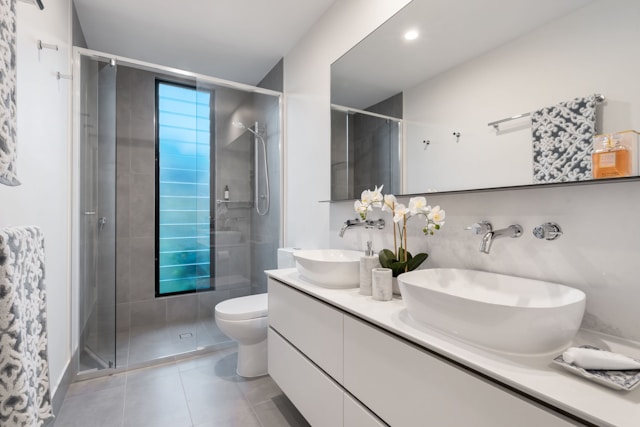
    Kitchen and Bathroom Remodels: Updating your kitchen and bathroom can significantly boost your home’s value and functionality. For the kitchen, modernizing appliances, replacing countertops, and updating cabinetry can transform the space into a more inviting and user-friendly area. In the bathroom, installing new fixtures, updating lighting, and adding modern tiles can create a fresh and appealing look. These updates contribute to a more enjoyable living space and can be major selling points if you decide to put your home on the market.

    Smart Home Technology: Incorporating smart home technology can increase the convenience and security of your home. Simple additions like smart thermostats, smart locks, and home automation systems not only make daily tasks easier but also offer enhanced security features. These technologies can be controlled via smartphones, making it easier to manage your home’s functionalities even when you’re away.

    Outdoor Care: Expanding your living space to include the outdoors can greatly improve your home’s appeal and functionality. Consider adding or upgrading decks, patios, or pergolas to create comfortable outdoor entertaining areas. Incorporating features such as outdoor kitchens, fire pits, or even a beautifully landscaped garden can transform your backyard into a relaxing retreat or a perfect spot for hosting gatherings.

    Seasonal Maintenance and Upkeep

    Spring and Summer: Prepare your home for the warmer months by performing essential maintenance tasks such as servicing your air conditioning units, cleaning gutters, and checking for pest infestations. These steps prevent major issues and ensure your home functions optimally during hot weather.

    Fall and Winter: Getting ready for the colder months involves checking your heating systems, insulating pipes to prevent freezing, and ensuring your home is sealed from drafts. Don’t forget to check your roof and windows for any repairs that might be needed to keep the warm air in and the cold out.

    Year-Round Maintenance: It’s important to maintain a regular schedule of upkeep to keep your home in top condition. This includes tasks like checking smoke detectors, cleaning out dryer vents, and maintaining lawn and garden areas. Regular upkeep not only keeps your home looking great but also prevents the deterioration that can lead to more significant repairs down the line.

    Conclusion

    Addressing the needs of your home through timely repairs and thoughtful upgrades is essential for maintaining its safety, functionality, and aesthetic appeal. By following the practical advice outlined in this blog, you can tackle common issues, make informed decisions about upgrades, and keep your home in prime condition. Regular maintenance, combined with strategic updates, will ensure that your home remains a comfortable and valuable asset for years to come. A well-maintained home is not just a pleasure to live in but also a wise investment in your future. With these vital repair and upgrade ideas, you can ensure your home remains a cherished haven for years to come.

  • Ready for a Refresh? Discover Smart Ideas for Your Next Renovation!

    Deciding to renovate your home can be both exhilarating and daunting. Whether you’re looking to update a single room or planning a full-scale renovation, each decision you make has the potential to transform your living space into something truly special. Thoughtful planning, creative design, and smart budget management are key to boosting both the aesthetic appeal and functionality of your home. In this blog, we will share smart renovation ideas that will transform your home, making it more stylish and comfortable.

    Image Source

    Planning Your Renovation

    Setting Goals and Budgets: The first step in any successful renovation is to clearly define what you want to achieve. Are you looking to increase the resale value of your home, or are you focusing on improving your living experience? Once your goals are set, you can begin to outline a budget. It’s crucial to be realistic about what you can afford and to allocate funds for unexpected expenses. This financial planning helps prevent cost overruns and ensures that your renovation project stays on track.

    Choosing the Right Time: Timing can significantly impact the efficiency and cost-effectiveness of your renovation. For instance, it’s often cheaper to book contractors during their off-peak seasons. In addition, certain projects, like roof repairs or exterior painting, are best performed under specific weather conditions. Understanding and planning around these factors can lead to smoother execution and potentially lower costs.

    Design Inspirations: Finding the right design inspiration can turn an ordinary renovation into your dream home makeover. Explore various resources such as interior design websites, magazines, and home improvement TV shows. Platforms like Pinterest and Instagram also offer a wealth of creative ideas that can be tailored to fit your personal style and the functional needs of your family. Keeping an inspiration board can help you visualize the end result and effectively communicate your vision to designers and contractors.

    Key Areas to Focus On

    Bathroom Renovations: Bathrooms are a key area of focus for any renovation, often providing the best return on investment. Upgrading fixtures, tiling, and lighting can immediately modernize a bathroom. Look up bathroom remodeling company near me online to find experts who understand local trends and can provide high-quality work. These professionals can help design a bathroom that not only meets your aesthetic and functional requirements but also adheres to local building codes.

    Kitchen Upgrades: The kitchen is often considered the heart of the home, and updating this space can significantly enhance your home’s appeal and functionality. Consider installing new countertops, such as quartz or granite for durability and aesthetics. Modernizing appliances to more energy-efficient models can improve functionality and reduce energy costs. Adding an island or breakfast bar can also increase counter space and create a more inviting atmosphere.

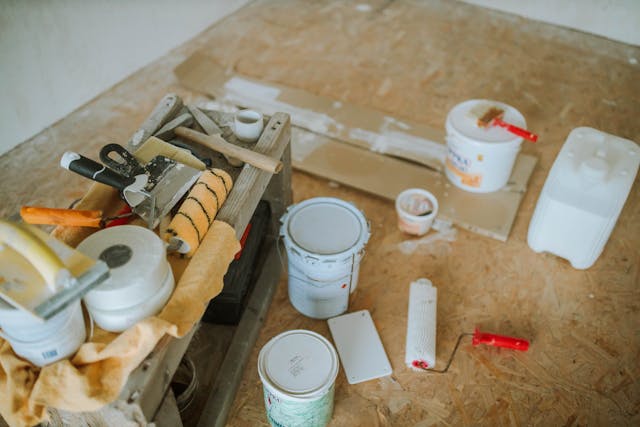
    Living Room Makeovers: Revamping your living room can breathe new life into your entire home. Start with a fresh coat of paint to brighten the space. Hardwood flooring or a high-quality carpet can dramatically change the look and feel of the room. Consider modern furniture arrangements that optimize living space, and incorporate smart storage solutions like built-in shelves or multi-functional furniture to reduce clutter.

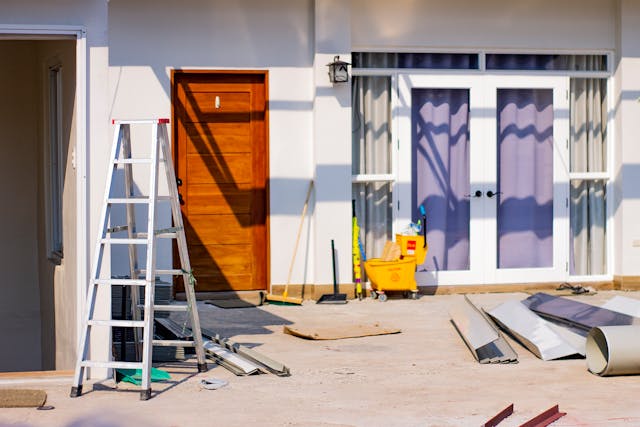
    Outdoor and Landscaping: First impressions matter, and boosting your home’s curb appeal can make a big difference. Consider landscaping improvements like adding a paved walkway, decorative plants, or a new lawn. For those with larger spaces, creating an outdoor living area with comfortable seating and a fire pit can offer an excellent return on investment by extending your living space to the outdoors.

    Incorporating Technology

    Incorporating smart technology into your renovation can significantly improve the convenience and security of your home. Consider installing smart thermostats, which adjust the temperature based on your daily schedule and preferences, helping to reduce energy costs. Smart lighting systems that can be controlled from your smartphone not only offer ease of use but also allow you to customize lighting atmospheres for different occasions. Also, smart security systems, including cameras and door locks, provide peace of mind with enhanced monitoring capabilities and alerts to your mobile devices.

    Energy Efficiency: Upgrading to energy-efficient appliances and fixtures is a responsible choice that also pays off financially in the long run. Look for high-efficiency HVAC systems, water-saving plumbing fixtures, and LED lighting. These changes not only reduce your carbon footprint but also lower your utility bills. When selecting materials, opt for those with good insulation properties, such as double-glazed windows, which help maintain indoor temperatures and reduce the load on heating and cooling systems.

    Entertainment Systems: For those who enjoy entertainment, incorporating a state-of-the-art home theater system can transform your living room or basement into a personal cinema. Whether you’re starting from scratch or upgrading an existing setup, exploring different home theater ideas can help you make the most of your space, think cozy seating, blackout curtains, or even themed décor. Consider the acoustics of the room and choose audio and video equipment that fits the space. Multi-room audio systems allow you to enjoy music seamlessly as you move from room to room, adding a lively dimension to the home.

    Finishing Touches

    Interior Decorating: After the major renovation work is complete, selecting the right furniture and decor can unify and personalize your space. Choose items that reflect your personal style but also consider the functionality of each piece. Artwork and decorative items should complement the room’s color scheme and contribute to the overall atmosphere you want to achieve.

    Lighting Solutions: Good lighting is essential for creating the right mood and functionality in each room. Utilize a mix of overhead lighting, task lighting, and accent lighting to provide versatility and comfort. For example, under-cabinet lighting in the kitchen can make meal preparation easier, while soft, ambient lighting in the living room creates a relaxing environment. Moreover, integrating smart lighting allows you to automate brightness, color temperature, and lighting scenes to suit different times of day and activities. By consulting professionals specializing in smart lighting solutions near you in Minneapolis (or your local area), you can design a system that enhances convenience, efficiency, and your home’s overall ambiance.

    Eco-Friendly Options: As you add the finishing touches to your renovation, consider using sustainable materials where possible. Recycled glass countertops, bamboo flooring, and low-VOC paints are environmentally friendly choices that don’t compromise on quality or style. These materials are not only better for the planet but also add a unique story to your home’s decor.

    Conclusion

    Renovating your home is an opportunity to refresh your living space and tailor it to better meet your needs and desires. By thoughtfully planning your renovation, focusing on key areas, integrating modern technology, and adding personal touches, you can transform your home into a more functional, comfortable, and enjoyable space. The success of your renovation project lies in the details and the quality of the workmanship. Armed with these ideas, you’re ready to make informed decisions that will ensure your renovation project is successful and satisfying. Take these steps, and watch as your home becomes a beautiful reflection of your lifestyle and aspirations.

  • Marketing Strategies for Your Sustainable Jewelry Business

    Sustainable jewelry is more than a trend—it’s a movement. As more consumers become eco-conscious, the demand for sustainable jewelry has risen. However, capturing this market requires strategic marketing. This article will delve into effective marketing strategies for your sustainable jewelry business.

    Understanding Your Target Market

    Before crafting your marketing strategy, it’s crucial to understand your target market. Sustainable jewelry buyers are often environmentally conscious, value ethical practices, and are willing to invest in high-quality, durable pieces. Conducting market research to gather insights about their preferences, shopping behaviors, and the platforms they frequent is essential. Market research techniques such as surveys, social media analytics, and competitor analysis can provide valuable data. Surveys and questionnaires allow you to directly ask potential customers about their preferences. Social media analytics tools like Instagram Insights or Facebook Analytics help you understand audience demographics and engagement patterns. Studying successful sustainable jewelry brands can also identify effective strategies and gaps you can fill.

    Building a Strong Brand Identity

    A strong brand identity is vital for standing out in the competitive sustainable jewelry market. Your brand should reflect your values, mission, and the unique qualities of your products. Key elements of a strong brand identity include a compelling brand story, a cohesive visual identity, and a consistent brand voice. Sharing the story behind your business and emphasizing your commitment to sustainability helps build a connection with your audience. Developing a visual aesthetic that includes a logo, color scheme, and packaging reflecting your brand’s ethos is crucial. Maintaining a consistent tone and messaging across all platforms, whether professional, friendly, or educational, ensures your brand is easily recognizable.

    Leveraging Social Media

    Platforms like Instagram, Pinterest, and Facebook are particularly effective for jewelry businesses due to their visual nature. To make the most of social media, focus on content creation, influencer collaborations, and user-generated content. Share high-quality images and videos of your jewelry, behind-the-scenes content, and educational posts about sustainability. Work with eco-friendly influencers to reach a broader audience. Encourage customers to share photos of themselves wearing your jewelry, creating a community around your brand.

    Implementing SEO Strategies

    By optimizing your content and website for relevant keywords, you can improve your search engine rankings and attract more potential customers. SEO best practices include keyword research, on-page SEO, and creating quality content. Identify and use keywords related to sustainable jewelry throughout your website and content. Optimize title tags, meta descriptions, headers, and image alt texts. Regularly publish blog posts, articles, and guides that provide value to your audience and incorporate relevant keywords.

    Email Marketing Campaigns

    Build an email list and send regular newsletters featuring new products, special offers, and sustainability tips. For successful email campaigns, focus on personalization, engaging content, and clear calls-to-action. Address subscribers by their names and tailor content to their interests. Use eye-catching visuals and compelling copy to keep subscribers interested. Include clear and enticing calls-to-action to encourage purchases or social media follows.

    Collaborating with Other Brands

    Collaborations can help you reach new audiences and strengthen your brand’s credibility. Partner with other sustainable brands, whether they are in the jewelry industry or not, to co-create products or campaigns. Product collaborations, event collaborations, and cross-promotions are effective types of collaborations. Work together to create limited-edition pieces that combine both brands’ aesthetics and values. Host joint events or webinars to educate consumers about sustainability and showcase your products. Promote each other’s products through social media shoutouts, blog features, or email newsletters.

    Participating in Eco-Friendly Events

    Participating in or sponsoring eco-friendly events can increase your brand’s visibility and credibility. Look for events that align with your brand values and attract your target audience. To make the most of these events, focus on booth presentation, engagement activities, and follow-up. Ensure your booth is visually appealing and reflects your brand’s sustainability focus. Offer interactive activities, such as jewelry-making workshops or sustainability talks. Collect contact information from visitors and follow up with personalized emails or exclusive offers.

    Utilizing Sustainable Packaging

    Sustainable packaging not only reflects your brand values but also appeals to eco-conscious consumers. Invest in eco-friendly packaging materials and highlight this aspect in your marketing. Choose recyclable or biodegradable materials for packaging. Opt for minimalist packaging designs to reduce waste. Incorporate elements like a luxury jewelry box manufacturer for a touch of elegance while remaining sustainable.

    Measuring and Analyzing Results

    Finally, regularly measure and analyze the results of your marketing efforts to understand what works and what doesn’t. This process is a core component of effective marketing strategies consulting, as it provides the data needed to make informed decisions. Use tools like Google Analytics, social media insights, and email marketing metrics to track performance and refine your approach.. Key metrics to monitor include website traffic, engagement rates, conversion rates, and customer feedback. Monitor the number of visitors to your website and the sources of traffic. Track likes, comments, shares, and saves on social media posts. Measure the percentage of visitors who make a purchase or complete a desired action. Collect and analyze customer feedback to improve your products and marketing strategies.

    Conclusion

    Marketing a sustainable jewelry business requires a blend of understanding your audience, building a strong brand identity, leveraging digital marketing tools, and continually measuring your efforts. By implementing these strategies, you can effectively reach and engage with eco-conscious consumers, driving growth and success for your business.


  • Ergonomic Office Decor From Leading Furniture Stores

    As the modern workspace evolves, the emphasis on ergonomic office environments has gained significant momentum. Companies recognize the direct correlation between employee well-being and productivity, driving shifts towards ergonomic solutions in office decor. Leading furniture stores have become pioneers in this space, offering innovative ergonomic designs that blend functionality with aesthetic appeal.

    The global ergonomic office chair market is expected to expand at a Compound Annual Growth Rate (CAGR) of 7% by 2030, reflecting the growing demand for ergonomically optimized workspaces. 

    This trend is fueled by increasing awareness of the benefits of ergonomics such as reduced physical strain, improved posture, and enhanced employee engagement.

    Key Elements of Ergonomic Office Furniture

    Ergonomic office furniture is designed with a keen focus on promoting comfort, reducing strain, and fostering a healthier work environment. The key elements that define ergonomic office decor include:

    1. Ergonomic Chair

    Ergonomic chairs are the cornerstone of any ergonomic office setup. These chairs prioritize posture support and movement, reducing the risk of musculoskeletal disorders associated with prolonged sitting. Features like adjustable lumbar support, breathable mesh materials, and tilt mechanisms ensure optimal comfort during long work hours.

    According to industry statistics, ergonomic chairs can prevent the physical discomfort of workers. However, it’s important to note that even with an ergonomic chair, 86% of workers are unlikely to move more than 10% of their workday. This highlights the importance of supplementing ergonomic chairs with other elements that promote an active and dynamic working posture.

    2. Ergonomic Desk Chair

    Height-adjustable desks and tables are a game-changer in ergonomic office design. Leading furniture stores offer a wide range of ergonomic office decor solutions that suit these needs. These desks allow users to seamlessly transition between sitting and standing positions, promoting a dynamic working posture and reducing the risks associated with prolonged sitting or standing.

    By offering the flexibility to alternate between different positions throughout the day, height-adjustable desks help alleviate pressure on the spine, improve blood circulation, and boost overall energy levels, ultimately enhancing productivity and focus.

    3. Accessories

    Ergonomic accessories complement the core furniture elements to create an ergonomic workspace. These include:

    • Monitor stands: Adjustable monitor stands to ensure proper eye-level positioning, reducing neck strain and promoting better posture.
    • Keyboard trays: Ergonomic keyboard trays promote a neutral wrist position, minimizing the risk of repetitive stress injuries.
    • Adjustable lighting solutions: Proper lighting is crucial for reducing eye strain and creating an optimal working environment.
    • Anti-fatigue mats: Cushioned mats provide relief for those who spend extended periods standing, reducing pressure on the feet and legs.

    By combining these sustainable accessories, your office workspaces can create an environment that addresses various aspects of employee well-being.

    Integrating Ergonomics into Office Aesthetics

    While prioritizing ergonomics and comfort, leading furniture brands have embraced the challenge of seamlessly integrating these functional elements into visually appealing office aesthetics. Companies are increasingly prioritizing employee well-being and recognizing the benefits of ergonomic furniture in reducing absenteeism, improving productivity, and boosting morale. 

    Investing in ergonomic solutions is not just a health measure but also a strategic decision that can yield tangible returns in terms of employee engagement and overall organizational performance.

    Minimalist and Contemporary Designs: Ergonomic furniture lines from brands often feature sleek, minimalist designs that complement modern office spaces. Clean lines, muted color palettes, and premium materials contribute to a contemporary aesthetic while maintaining ergonomic functionality.

    Customizable Finishes and Materials: Many ergonomic furniture collections offer a wide range of customizable finishes and materials, allowing companies to tailor the look and feel of their workspaces to match their brand identity or interior design preferences.

    Modular and Flexible Systems: Modular furniture systems enable organizations to reconfigure their office layouts with ease, adapting to changing needs while maintaining ergonomic principles and a cohesive aesthetic.

    Seamless Integration of Technology: Leading ergonomic furniture designs seamlessly incorporate technology elements, such as integrated cable management systems, power outlets, and docking stations, ensuring a clutter-free and visually appealing workspace.

    By collaborating with renowned designers and architects, furniture stores have successfully blended ergonomics with aesthetics, creating office environments that not only prioritize employee health and productivity but also reflect the organization’s unique style and branding.

    The Impact of Ergonomics on Workplace Wellness

    The benefits of ergonomic office environments extend far beyond physical comfort and posture support. Embracing ergonomic principles can have a profound impact on overall workplace wellness, promoting a culture of employee well-being and engagement.

    According to industry research, adopting ergonomic principles can mitigate work-related musculoskeletal disorders. This statistic is significant, considering the substantial costs associated with employee absenteeism, healthcare expenses, and lost productivity due to such disorders.

    Furthermore, ergonomic assessments and space planning play a crucial role in optimizing office layouts for health and efficiency. By conducting regular ergonomic evaluations, companies can identify areas for improvement and implement strategies that cater to the specific needs of their workforce.

    Surprisingly, despite the evident benefits, 40% of companies still do not have a formal ergonomics program implemented, and 74% do not provide ergonomics training for their staff. These statistics highlight its potential to enhance employee health, reduce healthcare costs, and boost overall productivity.

    Choosing the Right Ergonomic Furniture

    Deciding the right piece of furniture can be a daunting task. Here are some key factors to consider when choosing ergonomic office furniture:

    1. Body Type

    Ergonomic furniture should be tailored to the individual’s body type and specific needs. Factors like height, weight, and any existing physical limitations should be taken into account when selecting chairs, desks, and accessories to ensure optimal ergonomic support.

    2. Office Space Dimensions

    The dimensions and layout of the office space play a crucial role in determining the appropriate ergonomic furniture. Measuring the available space and considering factors like traffic flow and workspace organization can help identify the most suitable ergonomic solutions.

    3. Specific Work Needs

    Different job roles and tasks may have varying ergonomic requirements. For example, individuals who spend prolonged periods typing or using a computer may benefit from ergonomic keyboards and mouse pads, while those who frequently engage in collaborative work may prioritize adjustable desks and chairs that facilitate movement and interaction.

    According to market statistics, the ergonomic office furniture market is projected to reach USD 11375.07 Million by 2030, growing at a CAGR of 6.33% from 2024 to 2030.

    While exploring these wide ranges of ergonomic furniture options available in the market, it is advisable to consult with ergonomic experts or utilize this guide provided by leading ergonomic furniture stores. These industry leaders offer product lines, expert advice, and solutions to ensure optimal ergonomic support for every workspace.

    FAQs

    1. What makes an office chair ergonomic?

    An ergonomic office chair is designed with several key features to promote proper posture and reduce strain. These include:

    • Adjustable lumbar support: Allows for customizable lower back support, preventing slouching and alleviating pressure on the spine.
    • Backrest adjustments: Enable users to adjust the chair’s backrest to their preferred height and angle, ensuring proper spinal alignment.
    • Breathable materials: Ergonomic chairs often feature mesh or other breathable materials to promote airflow and prevent discomfort from prolonged sitting.
    • Adjustable armrests: Customizable armrests support the arms and shoulders, reducing strain and fatigue.

    2. Can ergonomic furniture improve productivity?

    Numerous studies and expert opinions support the correlation between ergonomically sound environments and increased work efficiency. By reducing physical discomfort, minimizing distractions caused by strain, and promoting overall well-being, ergonomic furniture can significantly enhance employee focus and productivity.

    3. How often should ergonomic office layouts be reviewed or updated?

    Ergonomic office layouts should be regularly reviewed and updated to ensure they continue to meet the evolving needs of employees and align with the latest ergonomic standards. It is recommended to conduct ergonomic assessments and make necessary adjustments on an annual basis or whenever significant changes occur in the workspace or workforce.

  • How to Decorate the Guest Bathroom

    If you’re lucky enough to have a second bathroom, this can work perfectly as a guest bathroom when you have family or friends staying. Here are some tips to help make it into a space that your guests will love.

    Luxury Textiles

    High-quality textiles such as towels, washcloths and bath mats can really elevate your guest bathroom, giving it a boutique hotel vibe and it shows your guests that you care about their experience when staying with you.

    Invest in some luxury towels and flannels in coordinating colours and add in a super soft non-slip bath mat that will feel luxurious underfoot and also improve safety. If your guest bathroom has a neutral palette, don’t be afraid to use your textiles to add a pop of colour to the space. Alternatively, if you already have a colour scheme, keep things simple with complementary shades.

    When you have guests coming to stay, make sure you put fresh towels out ready for them, including a large towel for if they want to shower or take a bath and a couple of smaller towels for their hands, face or hair.

    Clever Storage

    Clever storage is a must for any guest bathroom. Custom built-in shelving can be used to store rolled up towels and a selection of toiletries for your guests to use. Or you could add hidden under-sink storage for all those bathroom essentials.

    If you have a compact guest bathroom, you may need to get a bit more creative with your storage. Small storage baskets made from natural materials like wicker or rattan can be used to house miniature toiletries or toilet rolls and also add texture to a space. If you’re stuck for inspiration, head to a bathroom showroom to get new storage ideas.

    Hooks & Rails

    The last thing you want is for your guests to have to put their luxuriously soft towels on the floor or balance them on the edge of the sink or the top of the toilet! Make sure that your bathroom has plenty of hooks or towel rails where your guests can hang their towels while they wash, bathe or shower. You should also consider where they could put their own belongings. For example, is there a shelf they can put jewellery or makeup on? Do you have a laundry basket for used towels?

    Finishing Touches

    It’s the finishing touches that make a guest bathroom feel inviting and somewhere your guests will want to spend time rather than just a functional space for them to shower and dress.

    Consider adding greenery such as houseplants that thrive in humidity or freshly cut flowers on shelves or window sills. Scent is also a must-have so consider adding scented candles or a reed diffuser to help create a spa-like atmosphere.

    Framed prints or patterned wallpaper can also give a bathroom a more high-end feel and show your guests that you’ve put care and attention into creating a space they’ll enjoy.

    Well Stocked

    As a guest in someone else’s house, there’s nothing worse than awkwardly having to ask if they have a spare toothbrush or tell them that the toilet roll has run out! Make sure that your guests have everything they might need and be sure to restock in-between stays so you don’t run out.

    If you’re not sure what to stock up on, here are some guest bathroom essentials you might want to consider:

    • Hand soap
    • Toothpaste
    • Toothbrushes
    • Shampoo
    • Conditioner
    • Cotton balls/pads/buds
    • Body wash
    • Body lotion
    • Toilet paper
    • Tissues
    • Feminine hygiene products

    Having all these easily to hand means your guests won’t need to feel embarrassed about asking, and it allows you to relax and enjoy their company, knowing they have everything they need.