Category: Design

  • How To Keep Your Carpets Clean

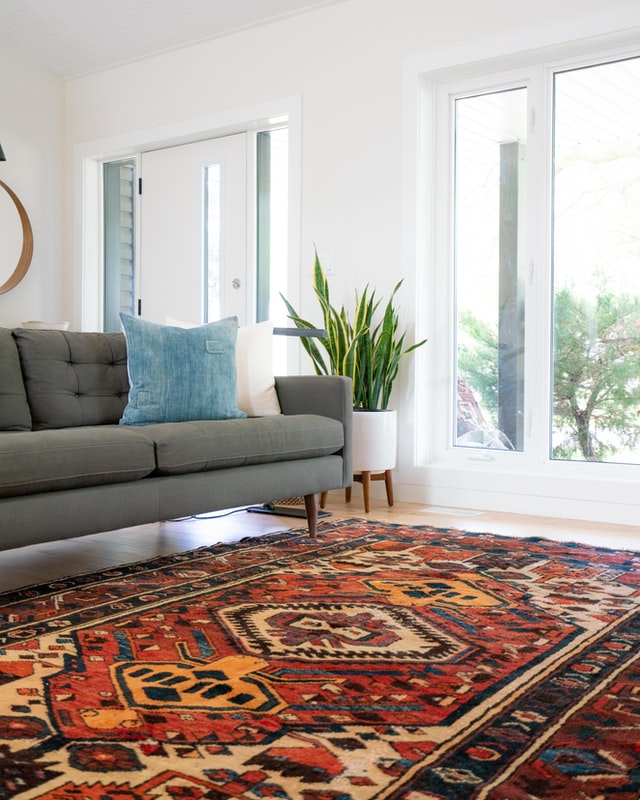
    If you live in a home with wall-to-wall carpeting or a house full of rugs, you are well aware of how fast your soft, attractive flooring may become dingy and unclean due to foot traffic. Because your daily habits and cleaning techniques have a significant impact on how well your carpets perform, there may be more you can be doing to ensure that your carpet looks and smells its best all of the time. Here are a few suggestions for treading more gently, ranging from how you vacuum to your position on wearing shoes in the house.

    Image

    Remove any stains as soon as possible

    The longer you put off dealing with spills and food or pet stains, the more difficult it will be to clean them up later on, and the more harm they will do to your carpet as well. To ensure that your rugs and carpets last as long as possible—and that they remain as clean as possible—be meticulous about cleaning up any spills as soon as they occur. Also keep in mind that different materials and types of stains need the use of different cleaning procedures, so be sure you are using the correct solution for your carpet.

    Always remove your shoes

    If you truly want to keep your carpet clean, make it a rule that shoes must be removed as you enter the house so that you do not track in dirt and debris from outside. You may even wear socks or stylish cork-soled lounge shoes or slippers to wear about your home to preserve carpeting from oils and grime from your feet if you want to go the additional mile. Just make sure you never wear them outdoors.

    Invest in a high-quality vacuum cleaner

    You might believe that any vacuum cleaner would do the job, but if you have a lot of carpeting in your house, it is absolutely worth it to spend a little more money on a high-quality vacuum cleaner. Keeping your carpets clean on a regular basis is one of the most essential things you can do to maintain their appearance, and you should make sure your vacuum is up to the task.

    Vacuum your home twice a week

    While we are talking about vacuuming, make sure you are doing it on a regular basis. First and foremost, you should be cleaning your carpet at least twice a week; but, the manner in which you vacuum is important as well. According to Martha Stewart, you should vacuum each location on your carpet 8 to 12 times, depending on how much foot traffic the region receives, and you should vacuum in all different directions to get the most dirt and debris out. If you do not believe you will be able to keep up with the twice-weekly vacuuming, consider investing in a robot vacuum to take up the slack in between your hands-on sessions with the vacuum.

  • 6 Tips to Give Your Bathroom a Minimalistic Look

    Minimalist design has become a coveted aesthetic in home décor, offering a sleek, clean, and timeless look that emphasizes functionality and simplicity. In the realm of bathroom remodeling, particularly in places like Jacksonville, embracing a minimalist approach can not only enhance the visual appeal of your space but also prove to be cost-effective. While an average bathroom remodel in Jacksonville might cost around $9,000, focusing on the essential elements and maintaining a minimalist design can significantly reduce expenses, with costs potentially lowering to between $3,000 and $7,000. This approach not only saves money but also aligns with the minimalist ethos of reducing clutter and focusing on quality over quantity. 

    Here are six practical tips to help homeowners achieve a stylish and minimalist bathroom, starting with choosing the right professionals for the job.
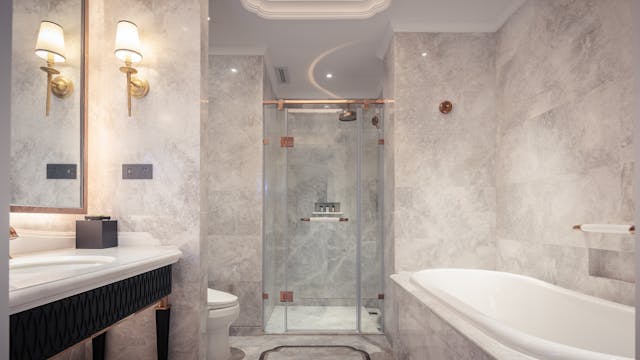
    Source

    1. Choose Bathroom Remodelers Wisely


    Selecting the right professionals is crucial when undertaking a bathroom remodel, especially if you’re aiming for a minimalist design. It’s essential to choose Jacksonville bathroom remodelers who are not only skilled but also familiar with the minimalist aesthetic. These professionals can guide you through the process, ensuring that the design remains uncluttered and streamlined. By leveraging their expertise, you can avoid common pitfalls such as overbuying materials or choosing designs that don’t align with minimalist principles. Looking up the keyword Jacksonville Bathroom Remodeling Company near me on any search engine will prove worthwhile. 

    Experienced remodelers in Jacksonville will be adept at recommending designs and materials that make the most impact. For example, they might suggest installing a floating vanity instead of a traditional cabinet, which can make the space appear larger and more open. They can also help you choose materials that are durable and easy to maintain, reducing long-term costs and upkeep—all while ensuring the final look adheres to minimalist style and elegance. This approach not only guarantees a functional space but also adheres to your budgetary constraints and design preferences.

    2. Simplify Color Schemes


    One of the hallmarks of minimalist design is a neutral and monochromatic color palette that evokes a sense of calm and cleanliness. Opting for shades of white, beige, or gray can create a soothing backdrop that makes your bathroom feel more spacious and open. These colors reflect more light than darker shades, enhancing the airy feel of the room and complementing the minimalist goal of creating a serene space.

    By simplifying the color scheme, you also reduce visual distractions, allowing the quality of the materials and the cleanliness of the design to stand out. For instance, a simple white wall provides a subtle backdrop for a beautifully crafted stone sink or a sleek, modern faucet. This focused approach to color not only enhances the aesthetic of minimalism but also allows for a few selected pieces to make a bold statement, ensuring that every element in the bathroom has a purpose and contributes to the overall harmony of the design.

    3. Streamline Fixtures and Fittings


    Choosing the right fixtures and fittings is key to achieving a minimalist bathroom. Sleek, contemporary designs that blend seamlessly into the overall aesthetic are ideal. Wall-mounted faucets, toilets, and streamlined sinks can minimize the appearance of clutter and make cleaning easier, which is a practical aspect of minimalism. These fixtures typically feature clean lines and lack excessive detailing, which complements the minimalist design by maintaining a clear and unobstructed space.

    It’s important to ensure consistency in the finish and style of all bathroom fixtures to maintain a cohesive look. For example, opting for all brushed steel or matte black fixtures can tie the room together, creating a unified and intentional appearance. This consistency helps reinforce the minimalist aesthetic, avoiding the visual clutter that can come from mixing too many different styles or finishes. By focusing on simplicity and uniformity, the bathroom can achieve a look that is both modern and timelessly elegant.

    4. Opt for Built-in Storage


    The key to maintaining a minimalist bathroom is to have a place for everything while keeping everything out of sight. Built-in storage solutions, such as recessed shelving, can be particularly effective in achieving this. These storage options blend seamlessly into the walls, maintaining the clean lines and uncluttered spaces that are the signature of minimalist design. Recessed shelves in the shower area for toiletries or built-in cabinets under the sink provide ample storage while keeping items tucked away.

    Additionally, consider implementing under-sink storage with minimalist cabinetry that hides plumbing and reduces visual clutter. These cabinets should feature simple, handle-free doors with push-to-open mechanisms that complement the minimalist aesthetic. By integrating these kinds of storage solutions, you not only enhance the functionality of your bathroom but also preserve its sleek, streamlined appearance. This approach ensures that the bathroom remains a tranquil, clutter-free space that is both practical and pleasing to the eye.

    5. Use Minimal Decorations


    Decorations in a minimalist bathroom should be functional as well as aesthetically pleasing. Choose a few quality pieces over many smaller decorations, which can quickly clutter the space. For instance, a single large framed art piece or a strategically placed vase can add personality to the bathroom without overwhelming the senses. These elements should harmonize with the overall color scheme and design philosophy, enhancing the space without detracting from its simplicity.

    Furthermore, consider the functional aspects of your decorations. Stylish soap dispensers, minimalist towel racks, or a sleek toothbrush holder can serve both practical and decorative purposes. Choosing items that align with the minimalist design will keep the bathroom looking organized and elegant. This careful selection of decorations and fixtures not only enhances the visual appeal of the bathroom but also supports the overall minimalist theme by eliminating unnecessary elements.

    6. Enhance Natural Light


    Maximizing natural light is crucial in creating the perception of more space, a principle that aligns perfectly with minimalist design. If possible, enlarge windows or add skylights to bring more natural light into the bathroom. This not only illuminates the space, making it appear larger and more open but also highlights the bathroom’s design elements, enhancing the clean lines and muted colors typical of minimalist decor.

    For bathrooms with limited options for increasing natural light, consider using sheer window treatments or frosted glass that provide privacy while still allowing light to filter through. Strategically placed mirrors can also amplify light, with their reflective surfaces bouncing light around the room, brightening the space further. These strategies will help maintain a bright, airy feel that is essential to a minimalist bathroom, promoting a sense of calm and spaciousness.

    Conclusion

    Creating a minimalist bathroom doesn’t require extensive renovations or a complete overhaul—simple changes can significantly impact the overall feel and functionality of the space. By choosing the right remodelers, simplifying color schemes, streamlining fixtures, integrating built-in storage, minimizing decorations, and enhancing natural light, homeowners can transform their bathroom into a minimalist sanctuary. These steps not only make the bathroom more visually appealing and serene but also functional and timeless.

  • Dutch Design Week: Hungry for Design

    Dutch Design Week: Hungry for Design

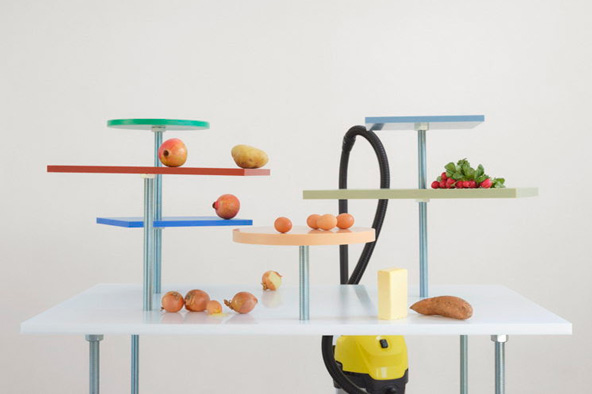
    Taking place in October each year, Dutch Design Week (DDW) is the largest design event in Northern Europe and presents work and concepts from more than 2,600 designers to more than 355,000 visitors from home and abroad. In 2020, DDW is taking place online and the city that hosts this design festival, Eindhoven, has launched a video series called ‘Hungry for Design‘ that asks the question: What happens when the worlds of design and gastronomy come together?

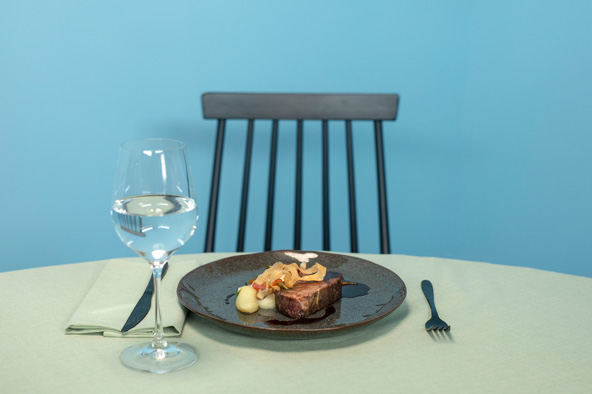
    With current safety measures in the Netherlands and restaurants closing their doors again, this six-part series connects top chefs with local designers, and the chefs are challenged to develop a dish based on the work of the designer. Emerging, talented designers with different backgrounds – from a social designer to an architect and from a sound designer to a material researcher – have been paired with chefs such as Dick Middelweerd, Naresh Ramdjas and Cas PikaarBringing the different disciplines together results in special collaborations, common ground when it comes to the creative process, and, of course, great food.

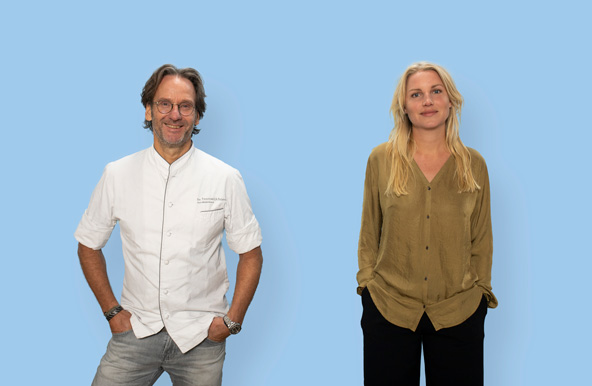
    The episodes are hosted by moderator and food designer Annelies Hermsen, daughter of Michelin chef Toine Hermsen and Design Academy Eindhoven alumna. The series is now available on ThisisEindhoven.com and the YouTube channel of @Eindhovencity:

  • Lockdown Stories: Lydia Caldana

    Lockdown Stories: Lydia Caldana

    Lockdown Stories is a series of short interviews with creative entrepreneurs and businesses that have been affected by the COVID-19 crisis. Since its beginnings, the main goal of Future Positive has been to share inspiring projects happening all around the world and, during these strange and difficult times for independent businesses and creators, we want to continue providing support and visibility. If you’d like to be featured in this series, please get in touch at hello@thefuturepositive.com and tell us your story.

    Lydia Caldana
    Foresight Strategist and Consumer Insights Specialist. Lydia researches culture and strategises the present and the future; focusing on emerging behaviors and how they change people’s values and attitudes to help brands create long-lasting relationships with people through products, services and communication.
    Location: Brooklyn, NY, USA
    www.lydiacaldana.com

    When did the lockdown start for you and how has your business been affected? And how has it affected your clients?

    Life in New York City has pretty much changed drastically on March 9, 2020. As a freelance qualitative researcher and trend forecaster, a lot of what makes up my work always was online. Many of the partner consultancies I work with are based in London, UK and São Paulo, Brazil, so all relationship, briefs, presentations and most of the data collection already was digital.

    What has changed is the inability to live life in New York City, which is a big source of innovation and inspiration for the research I conduct. As much as the lockdown has pushed for transformation and evolution in virtual terms, people’s lives also take place in the physical layer, that has a crucial role in activating senses and enhancing product/service experience.

    Clients which centered their business around events (concerts, festivals, sports, etc) or B2C services (mobility, tourism, food service, etc) have seen an instant impact on everything from number and quality of employees, to the supply chain, the attention to online presence and commerce, and business model.

    Have you found any new ways of working or have come up with new services during this time?

    I have seen how ways in which I had been leading my business become the go-to solution for a time that demands agility and cost-efficiency. Things like meetings becoming emails, and desk-based research/phone interviews for monitoring and predicting consumer behavior (instead of field research or physical interviews) have become more and more popular. I have structured a new methodology that combines inputs from consumers, experts and the academia – online – that form a 360 perspective of behavior and projection of future scenarios.

    What are some of the positive takeaways you have experienced during this time?

    It has been really nice to see some unity. While there is still privatization of solutions and initiatives to COVID-19, citizens from all over the world have been sharing similar difficulties and an increased communal feeling of empathy. Global events that affect almost all countries in the world have the power to mobilize people around one big goal. The pandemic is also leveraging other urgent issues, like sustainability.

    What are some of the trends you have identified so far?

    The pandemic is both a global and a local crisis. On a micro level, we are already seeing how cities are reimagining themselves to increase citizen participation, reduce traffic and pollution rates and promote inclusivity. Milan and NYC already have plans that, through small but spread-out changes, will lead them towards more human-centered places.

    Something else that is shifting is the value placed on people’s homes and what is inside of them. When houses were built and used simply as places to come to for sleep or change of clothes, furniture and appliances didn’t have a big role in budgets and time. With people being forced to experience more homebody lives, they are realizing that a lot of what they have is either not goof/efficient enough or clutter.

    Urban spaces in dense cities for people with fast-paced lives required products and services that dealt with a series of tasks for them. With this relationship to the house and its chores being re-established, processes and rituals of cooking, cleaning and caring are demanding from products more in terms of precision and less in terms of quantity. There are only so many laundry detergents one can store.


  • Lockdown Stories: Safomasi

    Lockdown Stories: Safomasi

    Lockdown Stories is a series of short interviews with creative entrepreneurs and businesses that have been affected by the COVID-19 crisis. Since its beginnings, the main goal of Future Positive has been to share inspiring projects happening all around the world and, during these strange and difficult times for independent businesses and creators, we want to continue providing support and visibility. If you’d like to be featured in this series, please get in touch at hello@thefuturepositive.com and tell us your story.

    Safomasi
    Original illustrated fabrics, homewares and accessories designed to bring joy, colour and character into your home.
    Location: St. Albans, UK & New Delhi, India
    www.safomasi.com

    When did the lockdown start for you and how has your business been affected?

    From the beginning of March things had started to slow down and, by mid March, we had an order cancelled. It was for a hotel store, so as it became apparent how serious the situation was becoming worldwide they understandably decided to pull all purchases. A big project planned for the second half of this year has also been put on hold for now.

    Last year Sarah and I moved to the UK, but at least one of us travels back to our studio in Delhi a few times a year. In the UK we work from home, so when the lockdown came into effect on March 23rd, aside from not being able to go out for meetings etc, it didn’t seem all that different to us. India went into lockdown two days later, so our studio there has been closed ever since. We are relying on savings to pay salaries and rent whilst we have very little income. Our only income has been from online sales which we are very grateful for. But as most of our inventory is held in our studio in Delhi, we’ve been unable to ship so sales have slowed.

    This week the lockdown in Delhi was extended for another two weeks, but measures have been eased so some of our staff are now able to get to the studio safely and we can slowly start working on shipping out orders, which will help a lot in being able to promote our website. We have fabric samples with us in the UK, so have still been sending out requests to Interior designers. It’s good to see some projects are still happening. However I think the impact will last for quite some time.

    Have you found any new ways of working or have come up with new product ideas during this time?

    Before lockdown we were developing new products and base fabrics, but those are paused for now as our focus is on sustaining the business to get through the next few months. However we are enjoying having time to play with print ideas that we can keep aside for the future.

    Having businesses based in two countries, we have always used technology to communicate with our team, and as such our production process is pretty streamlined and smooth. But for the development of new prints we always like to be present. It would be possible to do it from afar, but we like being hands on and involved directly in the sampling. There’s no rush, but it is a bit unsettling not knowing when we will be able to get back.

    What are some of the positive takeaways you have experienced during this time?

    Despite the challenges and pressures it has been really good to have time to think about where we want to take our business. We have been running Safomasi for over 7 years and on a personal level, this enforced break is probably what we needed.

    How do you see your business evolving over the next few months?

    Over the next few months we want to start growing the design side of our business. We occasionally work on illustration, print and textile design commissions, so alongside our online store, that’s definitely an area we want to evolve more.