Category: Design

  • Stephanie Specht

    Stephanie Specht

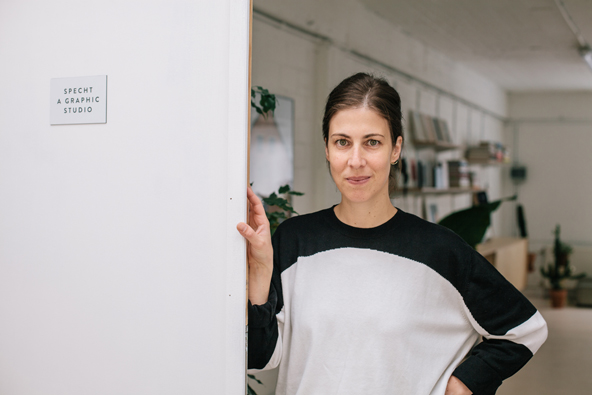
    Stephanie Specht is a freelance graphic designer based in Antwerp, Belgium. Inspired by music, art and fashion, Stephanie describes her work as intuitive, abstract, typographic and minimalistic.

    We chat with Stephanie to find out more about what made her become a graphic designer, her workspace and plans for the upcoming months.

    www.stephaniespecht.com

    Studio photographs by Christophe Derivière.
    Future-Positive-Stephanie-Specht-2

    Please tell us a little about your background and education. The bio on your website mentions that you lived and worked in so many places before going back to Antwerp!

    I was born in Antwerp and I studied Graphic Design at the Royal Academy for Fine Arts. I worked at a company for a year and quickly realized I didn’t belong in a structure like that. Also, the routine was killing my creativity. I wanted to do my own thing.

    I became self-employed in 2007. Initially, my plan was to stay in Antwerp but, due to a past relationship, I moved to all those different places: Cape Town, Brussels, Princeton and New York. I was living a modern nomadic life which was really inspiring but at the same time exhausting. After a while I really felt I wanted to settle down somewhere. Suddenly I wanted the opposite lifestyle than the one I was living. I was used to working from ‘home’, wherever ‘home’ would be but, if I look back at those couple of years, I think I wasn’t really 100% focused on my work. There was too much distraction.

    It’s only been since 2014 that things really started changing for me. I decided I would stay in Antwerp for a longer time. I did not plan on moving anywhere soon again. I became more focused on my work and somehow attracted more interesting clients.
    Future-Positive-Stephanie-Specht-8
    Future-Positive-Stephanie-Specht-3

    What made you interested in graphic design in the first place?

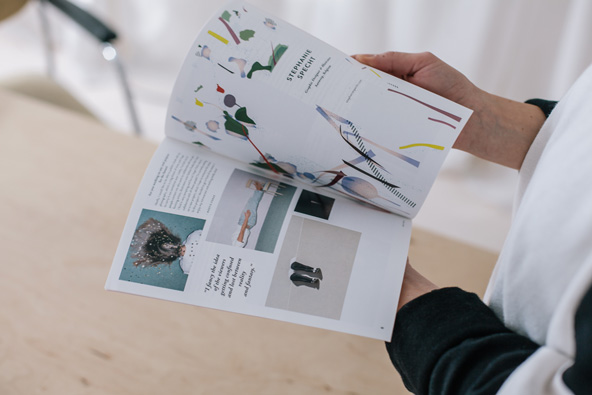
    Initially, I wanted to become an architect. In Antwerp, where I grew up, I started an architectural design course when I was 16. I didn’t know what graphic design was, but I’d always loved to draw. At one point, one of my teachers advised me to change direction since my maths weren’t good enough. So I started a more general art course, and instead of focusing on buildings, I began looking at the style of architectural movements (Bauhaus, Brutalism, De Stijl, Modernism). I became fascinated by the lettering on buildings. Only by looking at these typefaces, you could tell the years in which these buildings were built. During my last year in high school, a typography teacher introduced me to graphic design.
    Future-Positive-Stephanie-Specht-5
    Future-Positive-Stephanie-Specht-6

    Tell us about your workspace, Studio Specht, and its uses.

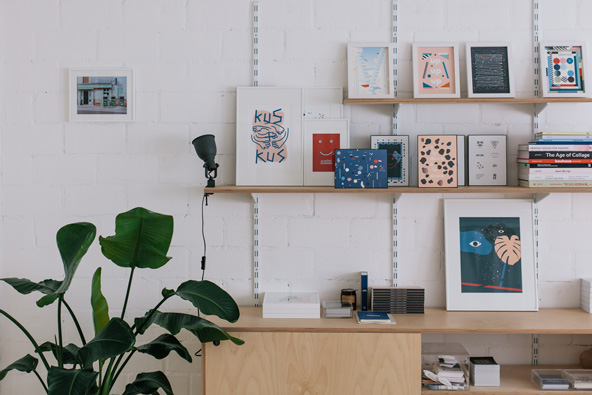
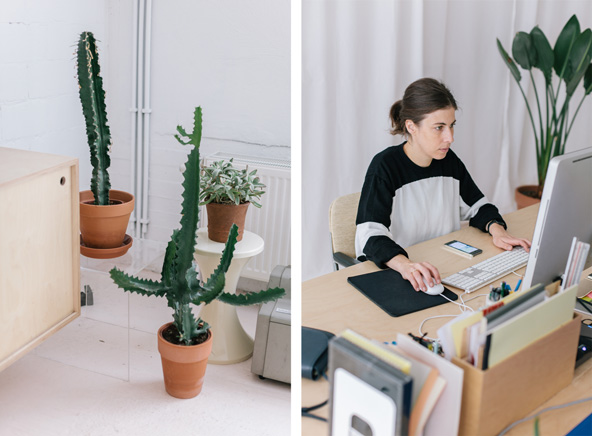
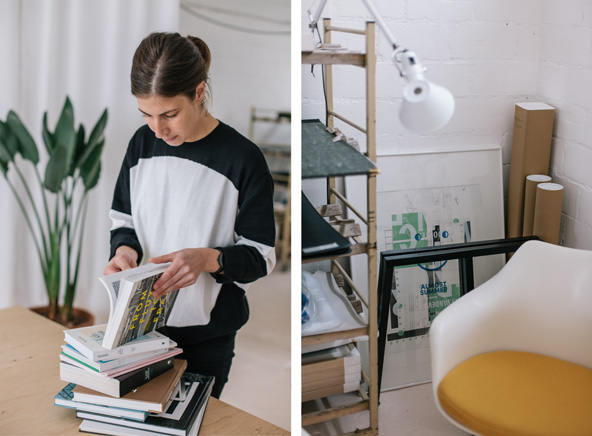
    I moved into my first real ‘office’ at the beginning of this year. I really dislike the word office – it’s more like a creation room, a work space, a studio! My studio is in an old building materials warehouse. There are 12 studios in total, all occupied by creatives. The interior was designed by Nicolas Petillon. The space is really rectangular and when he suggested to use a ceiling-high curtain line in the form of a wave through the space, my first reaction was ‘why break this space!?’ But he was right. The curtain gives the space even more ‘space.’ I can open the curtain wherever I want and change the whole room.

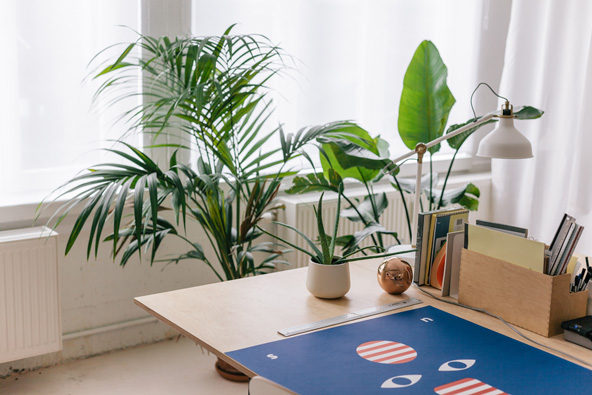
    I also have a marble Knoll table in my meeting room. It belonged to my grandmother who passed away a few weeks before I opened up the studio and I inherited it. The curtain follows the shape of the table and this space now almost feels like a sanctuary. It’s beautiful. I decided to paint my floor apricot white which adds a certain warmth and feminine touch to the all concrete white space. I also have a lot of plants. It feels like a soft jungle. Every time I walk into the studio I feel inspired and happy. Nicolas did a great job, really.

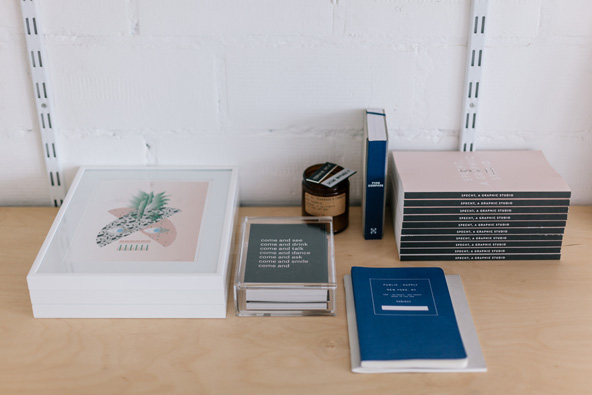
    The first couple of months I organized a few Open Days where people could just come, walk in and look at new works I produced. I have done some collaborations that I’m really happy with and those works are also on view here. From time to time, I get emails from people who want to make an appointment to come and have a look at my studio. Sometimes they are just curious to see where I work, sometimes they want to buy an illustration. It’s nice to meet people this way, because they are different to my clients.
    Future-Positive-Stephanie-Specht-4
    Future-Positive-Stephanie-Specht-10

    How would you describe your work? Where do you draw inspiration from?

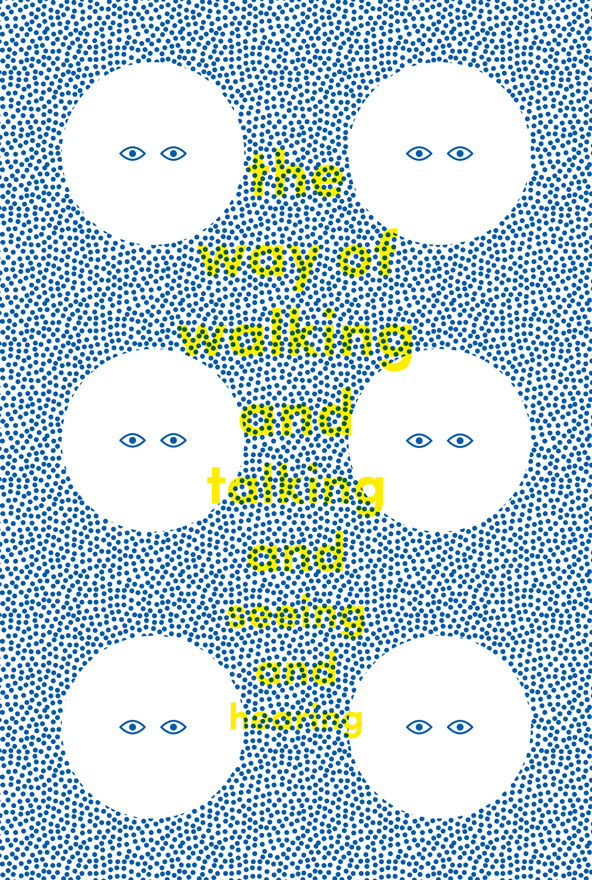
    My work is intuitive, abstract, typographic and minimalistic. I love to find purity in lines and forms.

    Music, art and fashion are a big source of inspiration for me – but it can be anything really; a conversation, a photograph…
    Future-Positive-Stephanie-Specht-11 Future-Positive-Stephanie-Specht-7

    Do you have a particular favourite piece of work or something you feel especially proud of?

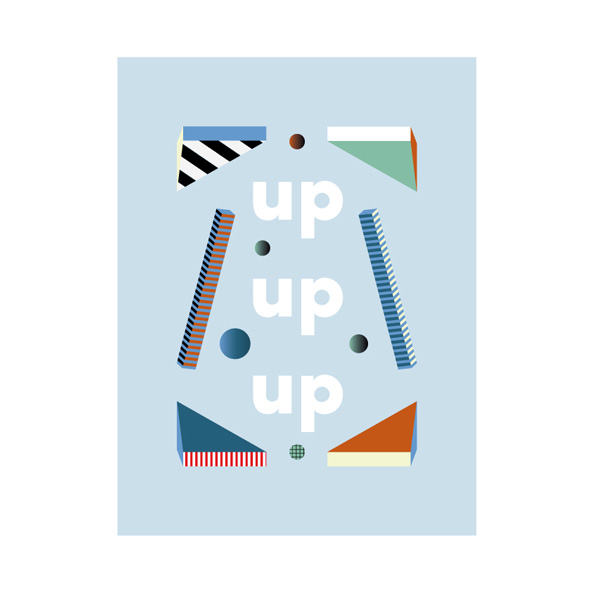
    I think the Up Up Up illustration is one of my favorite personal works now. I recently created the identity for this new music documentary television show called Off the Record. It was the first time I designed something for TV. I am very happy with the result. It’s great to see my designs moving on screen!
    Future-Positive-Stephanie-Specht-1

    What are your plans for the upcoming months?

    I just finished a really intense book project in New York. I was there for two months. I am really tired so I am working on just a few jobs – I need to relax a little. Right now I am working on a redesign for S Magazine. S is a deluxe art and fashion biannual committed to gorgeous fashion photography, intelligent long-form articles, and experimental visual art. The magazine often changes style (designer). They have an identity but they like to play around with different typography and layout within the magazine itself.

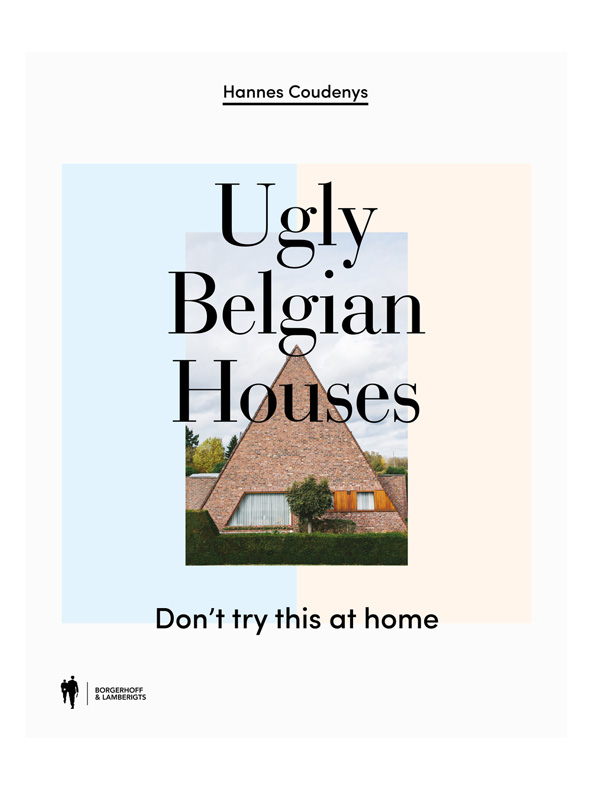
    I’m also busy updating Belgian artist Leon Vranken’s website. His work is amazing – I love working with his beautiful images. I also might design some new book covers for Das Mag, a new young Amsterdam based publisher.



  • The City Works

    The City Works

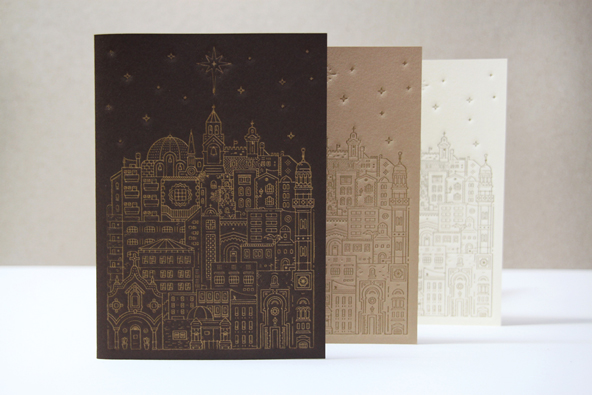
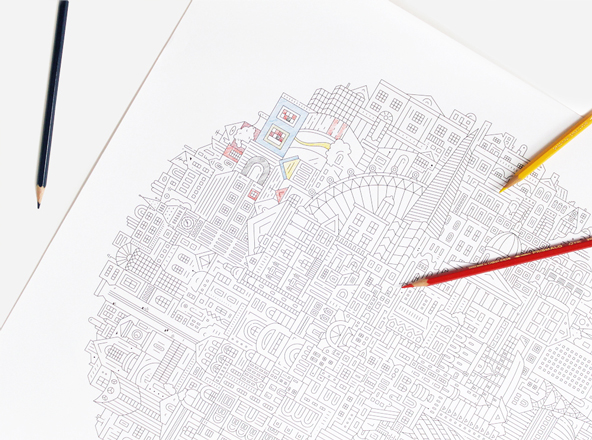
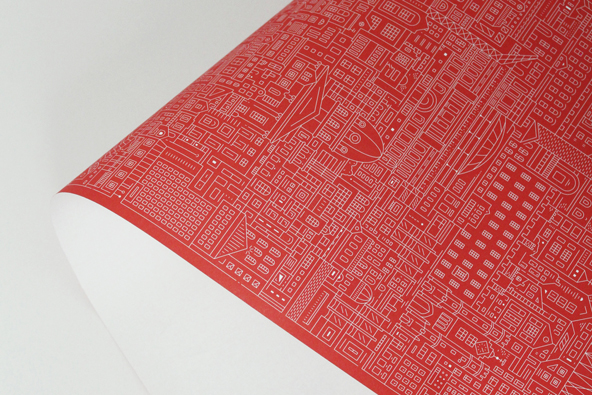
    Founded in 2015 by Sylvia Moritz and Rowan Ottesen, The City Works is an urban-themed brand of stationery, gifts and souvenirs. Paying incredible attention to detail, Sylvia and Rowan create meticulous illustrations that tell the stories behind the cities they use for inspiration, providing unique designs in which you can get lost for hours.

    We spoke to Rowan about the beginnings of The City Works, their design process and future plans.

    www.the-city-works.com

    Future-Positive-The-City-Works-3

    What made you start The City Works? Could you tell us a little bit about your backgrounds?

    Both myself and Sylvia Moritz studied design at Camberwell College of Arts. After graduating, we worked in a few design agencies while Sylvia grew a career in printmaking, featuring complex cityscapes.

    We founded The City Works together with the simple principal to draw the world. We wanted to combine the unique intricacy of Sylvia’s ‘citysphere’ prints with our love for travel and our obsession with paper, to make more affordable merchandise that anyone who loves cities could enjoy.

    Future-Positive-The-City-Works-6

    Why did you decide to focus on an urban theme for all your products?

    Cities are obviously fascinating places, that grow and evolve over time. They’re immensely diverse and complicated, populated by millions of people who each have their own story and reason for being where they are.

    We think there is a charming complexity to cities, and it’s frustrating for many souvenirs to focus on the typical skyline of famous landmarks. No city is complete without it’s people. When observed from afar, every city is a beautiful, unique living fabric.

    Future-Positive-The-City-Works-1

    Your illustrations are full of intricate details. Please tell us about the inspiration behind them and the process you follow to create them.

    Of course the intricacy lies in the fact that, no matter how many times you walk down a street, you can always see something new. Be it a person, a vehicle, a piece of graffiti, a strange colour combination, or a lost architectural style. The city is a massive collection of details, little inspirations that many people may miss as they walk down the high street on their phone.

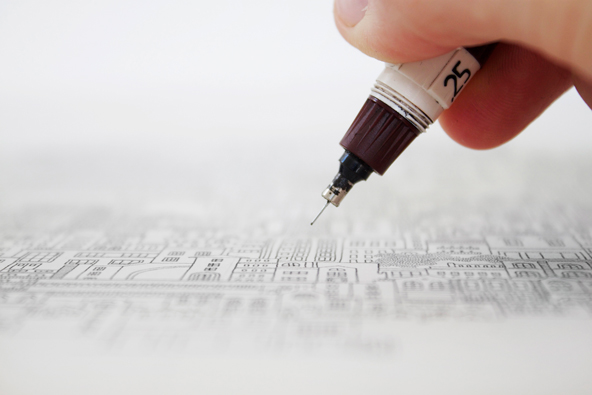
    To create our designs a vast body of research is needed to inform what are essentially hand-drawings. There is something about drawing the designs by hand before digitally rendering them that adds a necessary human character.

    Future-Positive-The-City-Works-2
    Future-Positive-The-City-Works-5

    An important element of your products is that they combine traditional and contemporary production methods. Could you tell us a little more about this?

    We describe ourselves partly as a contemporary souvenirs brand. We feel that giving our products a sense of place. where possible, makes them more meaningful, especially as personal mementos for yourself or loved one.

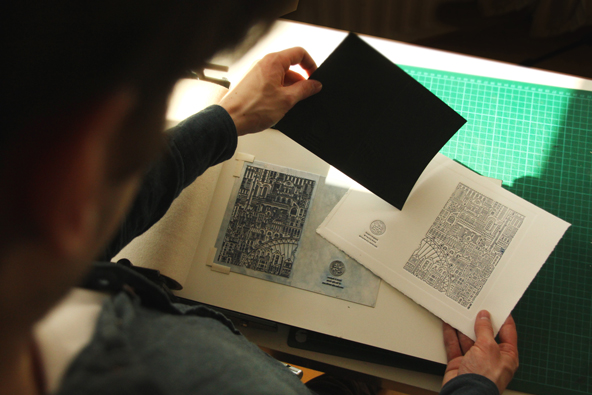
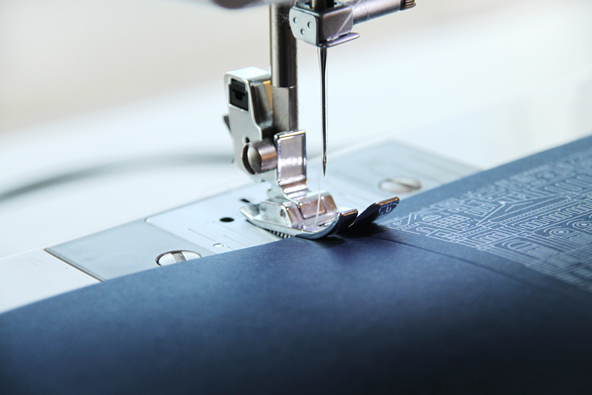
    As lovely and nostalgic as traditional methods are, it’s sometime impractical, so we have suppliers with the technology to produce our digital and lithographic prints, as well as the white ink printing for our ‘A5 London Notebooks’.

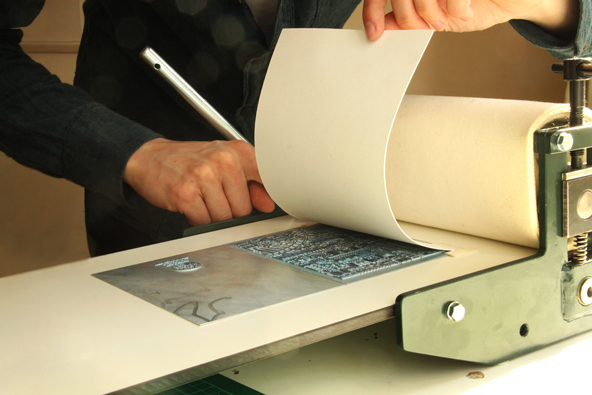
    Sylvia’s background and knowledge of printmaking means we still enjoy the rewarding side of making things ourselves. Every greetings card we make is individually hand-printed in house, the covers for our ‘Debossed Minibooks’ are hand-pressed with a mangle, and our notebooks are hand-sewn and trimmed.

    It’s a labour of love that we would love to do forever. As The City Works moves from city to city the level of quality and attention to detail in everything we do will always be a priority.

    Future-Positive-The-City-Works-7

    London, Vienna, Bethlehem…where’s next?

    There’s endless possibilities but we haven’t settled on one. It’s important to us that places we depict aren’t always mainstream tourist destinations. There are incredible parts of the world that maybe don’t get the attention they deserve, but maybe that’s they way it’s meant to be.

    Right now our focus is developing new ideas and expanding and establishing our ‘Lost in London’ and ‘Free in Vienna’ collections in their respective cities, while making ‘Bethlehem’ available for the busy Christmas period.

    We have been approached a couple of times about the possibility of Scottish cities, and with so much history, Scotland will be a place we study eventually. Bath is also a stunning place that we’ve been meaning to draw for a while. It’s a favourite of ours because it’s a world heritage site with an interesting colour palette. Just like any new collection, we want to try to take our time and do every city justice.

    When we feel our company has grown to a certain point, we’d like to open up the location of our future collections to our customers, and allow them to vote for a place that they wanted to see ‘cityworked’. After all, they live there.

    Future-Positive-The-City-Works-4
    All photos courtesy of The City Works.

  • Genevieve Sweeney

    Genevieve Sweeney

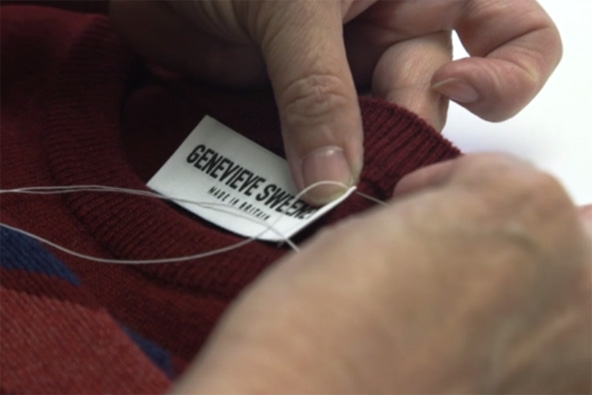
    Genevieve Sweeney is a premium British knitwear label producing womenswear and menswear garments manufactured in the British Isles with fibres sourced from Italy, Yorkshire and small UK mills. In this video, designer Genevieve talks about her label and introduces the artisans and makers she works with to create Genevieve Sweeney’s unique pieces.

    www.genevievesweeney.com

  • Tärnsjö Garveri

    Tärnsjö Garveri

    Tärnsjö Garveri is a Swedish tannery which has hand-crafted leather accessories since 1873. Owned by Axel Bodén and Torbjörn Lundin since 1993, Tärnsjö Garveri employs 50 artisans and produces premium leather accessories for their own label and clients such as Our Legacy, Frederica Furniture and Gant Rugger.

    We talked to its creative director, Simon Hjälte, to find out more about this iconic company.

    Photos by Laura Iisalo.

    www.tarnsjogarveri.com

    Future-Positive-Tarnsjo-1
    Future-Positive-Tarnsjo-4
    Future-Positive-Tarnsjo-3
    Future-Positive-Tarnsjo-5
    Future-Positive-Tarnsjo-7
    Future-Positive-Tarnsjo-2
    Future-Positive-Tarnsjo-6

    Please tell us about yourself. What was your background before working at Tärnsjö Garveri?

    Before my position as creative director at Tärnsjö Garveri I ran my own clothing store through which I came in contact with Tärnsjö Tannery and its unique possibilities. In fact, most of my experience comes from creating extraordinary retail experiences and professionally I have been working as a buyer as well as a tailor. To summarise, you could say that I curate experiences coming from more than the end product…

    What are your main responsibilities at Tärnsjö Garveri?

    My title is Marketing Director, My execution is as creative director and my dream is becoming a partner. This means that I have a finger in everything that leaves Tärnsjö Tannery if its purpose is to extend the tannery experience beyond our zip code. I see it as a responsibility to make our leather and products synonymous with a rustic elegance aesthetic, and our persona understood as affordable luxury.

    While making it very clear that everything we do has a clear purpose and always shows the greatest respect towards Mother Nature by making our business and production process as sustainable and ecological as possible.

    What makes Tärnsjö Garveri different from other leather manufacturers?

    A lot of things. First and foremost, we are amongst the remaining 5% of tanneries still tanning vegetably using bark extract instead of chrome excel.

    However, I wouldn´t limit our uniqueness as a company to being only involved in the tanning business. We have been around since 1873 and “time gone by” has developed us so that today we are a company manufacturing products in a near closed-loop model.

    We receive raw hides and tan it to premium leather on the ground floor. On our second floor we finish to different type leathers varying greatly in thickness and suitable use. On the third floor we craft products out of this leather in our saddlery.

    Tell us about The Icon Collection? How did this idea originate?

    The idea originates out of the uniqueness described above. We felt that we should take more advantage of our closed-loop solution by adding the “end consumer” to our target group. Also, we felt that the time was right since, if we are reading trends right, the WTP (will to pay) is increasing. Gladly so!

    What are Tärnsjö Garveri’s future plans?

    Since we adhere to the concept of organic growth our future plan is to take it slow, leaning against our core values on our journey to increase awareness with the “common man” positioning us as “No mather what the intended use might be, Tärnsjö leather is the natural choice for high quality.”

  • The Poundshop

    The Poundshop

    Founded in 2010 and currently run by George Wu and Sara Melin, The Poundshop is a pop up shopping project based on the idea of selling quality designer products at affordable prices.

    The Poundshop’s mission is to make design accessible to a wider audience and all products are sold within the £1, £5 and £10 price bands. Working with a wide range of designers, most of whom are new to making products, The Poundshop is the perfect testing ground for them to experiment with new and interesting products. Over the years, The Poundshop have organised pop us shops at numerous spaces across the world, including Selfridges, Somerset House, Loft Tokyo and Science Museum in London.

    We talked with its founders to find out more about the project and what makes a perfect submission to the Poundshop.

    www.thepoundshop.org

    Poundshop-5

    Could you tell us a little bit about your background and what you do apart from running The Poundshop?

    Sara: I am from Sweden originally , but have now been here for 14 years! Studied at St Martins and then RCA in London, where I met George and Sarah. We pretty much set up The Poundshop shortly after leaving RCA .

    I do a lot of different things but most of it runs backs to The Poundshop. At the moment I am working as a consultant for a charity putting together a new product range for their online shop and also designing a pop up shop for them. I am also planning two workshop that will be take place in Brazil in October.

    George: I am originally from Manchester and studied graphic design in Bath before moving to London for work. A few years later I took part in the BB New Music Shorts and decided to switch to film so went to the RCA where we met. Now besides creating Poundshops, I am a director at Nexus Productions creating videos and installations. Currently I’m working on a new short film in collaboration with photographer John Short which should be coming out at the end of September.

    Poundshop

    What inspired you to open The Poundshop?

    Sara: The credit crunch I think and wanting to do something together.

    George: I always had the dream of having my own shop one day. Pretending to be shop keeper and stocking shelves! I think it’s because my family has always run businesses, it must be in me!

    Poudshop at Weiden + Kennedy

    What makes a perfect submission?

    Sara: Cleaver solutions to a small problem, beautifully designed with the minimal usage of materials to keep costs down.

    George: Something that you would definitely use yourself that’s has a real purpose which is a challenge at such a low price point.

    Poundshop-8

    How do you approach the interior design and visual merchandising of each of the spaces you use for The Poundshop?

    Sara: Generally I collect lots of images of things that I like the look of as a start. Shop interiors, patterns, colours etc. George is definetely the better one at coming up with ideas and she has a more graphic design / installation background than me, so she tends to take the lead on the design and then we discuss it.

    George: Yeah I think usually we have a big brainstorm. Because we don’t work together all the time it’s good to get to know what the other is into at that moment. Then the starting point can either be the venue: The Science Poundshop was inspired by equipment transit cases. Or by the function of the shop: The ICA shop needed to be set up in a very short space of time so we created it out of repurposed ladders. The most important consideration is that the materials are all low cost to compliment the idea of low cost design shop.

    Poundshop-4 Poundshop-7

    What are your ambitions for The Poundshop? How do you see it developing in the future?

    Sara: At the moment we are discussing a few changes and new routes but we tend to not plan to far ahead… So we will just have to see where this year will take us!

    George: I think our next challenge and always the biggest is the Christmas Poundshop, but the most exciting (and intimidating) is our forth coming appearance on Poundshop Wars on BBC 1!


    All images, courtesy of The Poundshop