
Author: Igor

  • 5 places to explore when visiting The Netherlands

    The Netherlands is a tiny country with a lot to offer. There are windmills, canals and fields of tulips to see in the spring. The Netherlands is also home to the infamous city of Amsterdam and numerous picturesque villages.

    You can visit most places in The Netherlands in one day and within a two-and-a-half-hour car journey from Amsterdam. Make your trip into a cycling holiday, and explore areas of the country like a local. 

    Here are the top five places to see in The Netherlands.
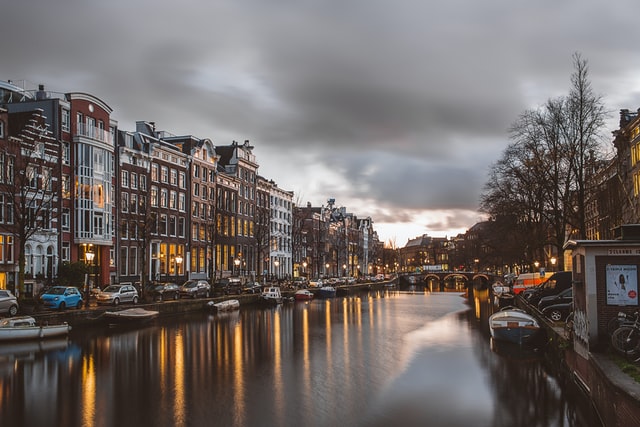
    Image via Unsplash

    Amsterdam

    Amsterdam is the main attraction of The Netherlands. It is the capital city and features numerous iconic spots. Spend an afternoon walking through the Van Gogh Museum or take a trip down the Red-Light District for a truly shocking experience. You can rent a bike and cycle down the cobbled streets like a local. Just make sure to take in the canals as you bike past and stop off at the Anne Frank House. Unfortunately, there is not an elevator to the top floor of the Anne Frank House, so it may not be accessible for everyone. 

    Geithoorn

    Once you have spent a few days in Amsterdam, it’s time to visit ‘Little Venice’, also known as Geithoorn. There are only 2,600 locals in Geithoorn and over 20,000 visitors every year. While the town is quite tourist-heavy, it’s also filled with canals and hundreds of charming bridges stretching across them. You should grab an Instagram photo outside one of the traditional Dutch farmhouses. It’s one of the most beautiful places in The Netherlands, especially if you embark on one of the surrounding hikes. 

    Kinderdijk

    Kinderdijk is another popular place in The Netherlands. The windmill system here was one of the first major technological innovations in the 13th century. The system pumped inland water out of the town and into the rivers. The 17 remaining windmills are a UNESCO World Heritage Site and a fantastic tourist attraction. The Netherlands continues to be ahead of the curve with water management.

    Utrecht

    Back in the day, Utrecht was the most important city in The Netherlands and was founded back in the Stone Age. Although, officially, it was found by the Romans in 50CE. Utrecht was a religious centre for The Netherlands in the early stages of Christianity, and bishops used to gather there. Now, it has a young population and rich cultural scene with theatres, music halls and museums. You can find a few unusual restaurants tucked in wharf basements along the canals.

    De Hoge Veluwe National Park

    This National Park is eight kilometres north of Amsterdam and spans over 13,750 acres. It’s incredibly diverse as well – you can see forests, sand dunes and plenty of wildlife. Cycle or hike through the trails and immerse yourself in the natural beauty of The Netherlands.
  • Why Neutral Backgrounds Are So Useful

    Photography is really an abstract art posing as conceptual realism. You’re not just capturing something as it is, but rather, you’re capturing a perception of what something is. We all know that although cameras work a lot like the human eye, they don’t’ see as we do. They have better focus, more range of color interpretations and they can even make optical illusions where once there were none to be found. Maybe that is why neutral is so important for us. In so many ways, neutral backgrounds are useful to our eyes and it’s because they help us to perceive objects both as they are, and as they could be in our minds. But where does this occur in the real world?

    Image via pixabay

    Product photography

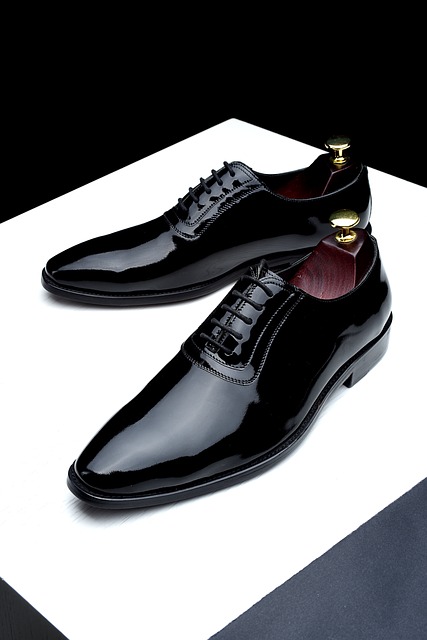
    If you were a small business, you would want your product to be shown in the best light. There’s no other way to do this than in a photography studio. This is because the neutral background, adaptability for the space to become anything you want, (which helps in perception manipulation) and lighting changes, is so useful to product photography. You can hire a photography studio that can look like a living room, a garden, an outdoor living area or pretty much anything you want. They are inherently empty but not quite, empty. They have room to maneuver, change, adapt and be made in such a way, as to build up the image of a product. The most important thing is, having neutral walls. White, beige, cream, silver, black and grey are the colors permissible.

    Bringing out your features

    Neutral Backgrounds are also used for headshots. Actors want their features to blossom and stand out, so a white background is chosen. But for those that want to change the shape of their face, or perhaps bolster their age, they could choose a black background instead. It’s a tug of war that’s been going on among actors for many decades, in terms of which is better. But the truth be told, they are both better than having something in the background. The entire focus should be on you. And the only way to do that is to use colors which don’t conflict with your skin, eyes and hair. Headshot photographers charge a petty penny too, because they know how to focus on your face and yet still keep the neutral background in focus too. This way your features can look both natural and more defined.

    More depth and variety

    Modern homes have neutral walls and that is a godsend to photographers in the real estate market. By having white or black walls, the decor stands out more. The changes of shape, color and size, play a more magnified role in the photography of interiors because of it. It’s also why so many people like the minimalist style, because they want more of what they like, to stand out and not be overshadowed.

    The neutral background in photography is at first glance, rudimentary. Bt actually, when you do it right and you have the right subject, you bring out the best in it.

  • What dog owners need to consider when booking a holiday

    Lockdown was a time for making big decisions. Some people bought a house, some left their jobs, and some got a dog. 

    Dog breeders in the UK experienced a huge demand for puppies in 2020, while BBC news reported there are around 12 million dogs in the country.  

    After a long period of travel bans and a disappointing lack of sunny escapes, Covid restrictions have slowly starting to lift. With holiday planning in full swing, dog owners will have to consider what to do with their pet if they want to take a trip away. 

    Here are some of the options.

    Call in a favour with a friend or family member

    Ask a friend or family member to take care of your dog while you’re away. 

    This is a great option if you’re anxious about leaving them behind, as you’ll feel at ease knowing they are with someone you trust. 

    This could be an ideal solution if your dog is nervous around new people, providing they know the person you choose and are comfortable around them. 

    Hire a dog sitter 

    If you can’t find a friend or relative to look after your dog, a dog sitter could be a good alternative. Dog sitters will watch your dog from their own home or from yours. 

    Ensure you choose a reputable service and meet with the sitter in advance to make sure you are confident in their abilities and your dog is happy to be around them. 

    To make the transition easier for your dog, leave them with their favourite toy, usual bed and favourite food. This will ensure they feel more at home, even in a strange environment.

    Find a reputable kennel

    If a dog sitter isn’t an option, consider boarding your dog at a kennel. 

    Make sure you research the kennel company and check their recent reviews to confirm their reputation. 

    If possible, arrange to have a tour of the kennel facilities. It can be nerve-wracking leaving a beloved pet in an unfamiliar environment but having a look around and getting to know the staff may put your mind at ease. 

    Bring your pooch along for the trip

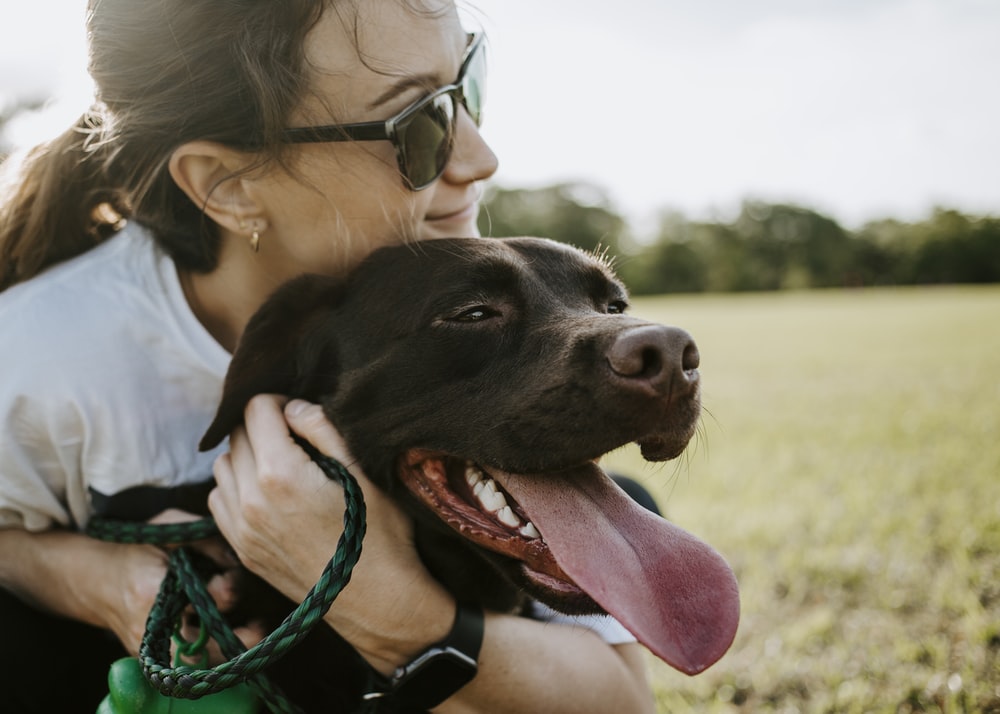
    For some people, leaving their dog behind for a week or two may be too difficult. In this case, consider a trip closer to home, in a dog-friendly destination. 

    There are plenty of holiday spots that will welcome your furry friend. Try glamping in a cabin or book a quaint cottage. There are even pubs and hotels that will be happy to have you and your dog if you fancy a fully catered experience.

  • What Is a Gauge Chart and How Does It Work?

    Gauge charts are a type of data visualization that is used to display data in a graph or other visual format. Gauge charts are often used to display data that is time-sensitive, such as stock prices or weather conditions. Keep reading to learn more about how gauge charts work and how they can be used to visualize data.

    How can you use a gauge chart?

    A gauge chart is a great way to track progress and performance over time. If you’re wondering how to use a gauge chart, you can use it to track anything from website traffic to product sales. To create a gauge chart, you first need to decide what you want to track. Once you have decided on your metric, you can begin to create the chart. The first step is to create the data that will power your chart. This data can be in the form of a table or a spreadsheet. Once you have your data, you need to create the chart itself. To create the chart, you will need to create a series of data. These data points will represent the progress or performance of your metric over time. Once you have created your data points, you need to create the chart itself. This will involve creating a series of circles, with each circle representing a data point. You will then need to connect the circles with lines to create the chart. Once you have created your chart, you can add labels and customize it to your needs. You can then use your chart to track the progress or performance of your metric over time. You can also use it to help you make decisions about how to improve your metric.

    What businesses can use gauge charts?

    There are a number of businesses that can benefit from gauge charts. A few examples include:

    • Manufacturing companies can use gauge charts to track the progress of their production lines, ensuring that all machines are running smoothly and that output is on schedule.
    • Hospitality businesses can use gauge charts to track on a computer in their workspace the progress of their cleaning and maintenance schedules, ensuring that all areas of the business are kept clean and in good condition.
    • Transportation businesses can use gauge charts to track the progress of their delivery schedules, ensuring that all deliveries are made on time.
    • Retail businesses can use gauge charts to track the progress of their inventory, ensuring that they always have enough stock on hand to meet customer demand.

    What are the benefits of gauge charts?

    There is no one definitive answer to this question, as the benefits of using gauge charts can vary depending on the specific needs and goals of the user. However, in general, gauge charts can provide a number of advantages over other types of visualization methods, including the following: The charts are extremely effective at conveying comparisons and relationships between data points. The charts can be used to quickly and easily compare multiple data sets. Gauge charts allow users to focus on specific data, making it easy to identify trends and patterns. Gauge charts can be used to track progress over time. Gauge charts are compact and easy to read, making them ideal for displaying large amounts of data.

    How are gauge charts presented?

    Gauge charts are graphical representations of quantitative data. They are similar to bar charts, but the bars are replaced with circles, and the widths of the circles are proportional to the values they represent. The use of a gauge chart can help to quickly and easily compare values. There are several different ways to present gauge charts, and the most appropriate way to present them will vary depending on the data that is being displayed.

    A gauge chart is important because it allows the viewer to see how a particular value changes over time. This is helpful for viewing trends and making comparisons. Overall, gauge charts are an important tool for data visualization.

  • Things To Consider Before Getting A Tattoo

    If, like many people, you feel that tattoos are a legitimate source of art – after all, art comes in many forms – then you might want to get one on your own skin – or perhaps more than one. However, getting a tattoo is a major life choice that you need to think very carefully about; tattoos are permanent, and if you do choose to remove them, laser treatment is costly and painful. In most cases, you’re going to have something on your skin for the rest of your life, so make sure it’s something you’re one hundred percent sure you want. Here are a few things to think about before getting a tattoo.


    Photo by Julia Volk from Pexels

    Your Budget 

    A budget is essential to consider since tattoos are not always the cheapest item to purchase. In fact, getting a cheap tattoo is usually a big mistake. Those who have real talent will be able to charge top dollar, so this should be part of your research. 

    You should consider what you want and do a cost-benefit analysis. It’s critical to be able to adhere to a budget, particularly if it’s a limited one. You don’t want to make adjustments to your choices based on the cost of items or what tattoo artists may advise you to do. At the end of the day, this is your choice, so do your homework and then set a budget for yourself when it comes to inking up a portion of your body. Again, quality tends to be more expensive, and when it’s going on your body, you want it to be perfect. 

    Pick A Reputable Shop

    It is critical to choose a reputable shop since this will either enhance your experience or turn it into a nightmare. It’s a good idea to conduct some research on what’s available so you can make the best choice at the store you choose. You don’t want to go somewhere with a terrible reputation for hygiene or where the designs are subpar. You’re possibly spending a lot of money, therefore you deserve the best.

    In the best shops, you’ll find talented artists who will discuss your ideas with you and come up with something unique. They will also be able to advise you about tattoo aftercare, placement, and answer any questions you might have. However, their waiting lists will often be long, so book now if you want to stand any chance of getting your tattoo done in the next few months. 

    Double-Check The Spelling 

    Finally, be sure to double-check any tattoos with words on them, regardless of the language. Many people have been victims of incorrect translations when it comes to various languages, and you want to be sure that everything on that stencil design of your tattoo has been proofread properly. Otherwise, you may be left with something that will be remembered as a mistake for the rest of your life, which is not what anybody wants.

     Before you contemplate getting a tattoo, look through your needs and make sure that this design is something you want to put on your body.