Author: Igor

  • Recovering from injury | Ultimate Guide

    Recovering from an injury is a long process in most cases and can take weeks, months, and in some extreme cases several years. There are many precautions to take when recovering from an injury and doing the right things in the right measure is crucial to a healthy recovery. From sleeping well, eating healthy, and yes even exercising, you will find out how well your body responds to proper care. In this ultimate guide to recovering from an injury you’ll discover how to optimize your body’s healing response and proper steps on the road to healing. 

    Rest

    Proper rest is an essential  of recovering from an injury and great sleep is a major component in healing well. Sleeping well means you are getting at least 8 hours of uninterrupted sleeping during the night. Research also suggests that women may need more sleep. Sleep helps regulate our hormones, strengthen our immune system, and has many other benefits for our health.

    Try going to bed earlier and turning off all distractions at least an hour before bed including the Tv and cell phones. Create a soothing and relaxing environment to encourage sleep. Also a cool dark room helps with a good night’s sleep. Lastly, don’t forget that an occasional nap never hurts when recovering from an injury. Resting helps our bodies heal and repair themselves so it’s important to not overexert ourselves and develop better sleeping habits.

    Healthy Eating

    It is no surprise that food plays a huge role in recovering from an injury. What goes into our bodies often determines how our bodies will look and feel. The same applies for recovering from an injury. Eating nutrient dense foods and foods high in antioxidants helps the body heal and strengthens our immune system.

    Consume foods high in calcium, iron, and anti-inflammatory properties. Some examples are mushrooms, peppers, dark leafy greens, broccoli, and many other fruits and vegetables. Incorporate healthy food for a healthy recovery.

    Peptides

    Peptides are being studied for their effect on the systems within living organisms such as animals. Studies on animals treated with the peptide sermorelin showed improved cardiac health. Research is being further conducted on healing peptides  https://www.peptidesciences.com/blog/healing-peptides and their ability to help during injury recovery. 

    Exercise

    While exercise may be minimized during injury recovery it does not have to be eliminated altogether. Your doctor may suggest light exercises to keep your body in shape and energized. Even after major surgeries in the hospital patients are encouraged to start walking the halls and get their bodies moving as soon as possible. This helps to promote blood flow throughout the body which helps heal wounds and injuries and avoid serious complications such as blood clots.

    Check with your doctor to see which physical activities are approved during injury recovery.

    Medical Follow Ups

    Don’t stop seeing your primary care doctor after an injury. Make follow up appointments until you are fully recovered. This ensures that you are healing properly and protects you from complicating your injury. Doctors can also give you access to proper medical treatments and prescriptions if needed during the time you are recovering from an injury. 

    Support System

    Recovering from an injury is not only a long and slow process it can feel like a lonely one too. Find a support system to help you stay positive, hopeful, and motivated to regain your health. You can do this by searching for groups on social media where people with similar injuries offer each other support and advice. 

    Having a strong support system during injury recovery allows you to feel less alone and can even help you discover how you can help others in their healing journey. Recovering from an injury doesn’t have to be miserable. Being equipped with the right information, processes, and having like-minded support you’ll find yourself recovering from your injury in no time.
  • Act

    Act

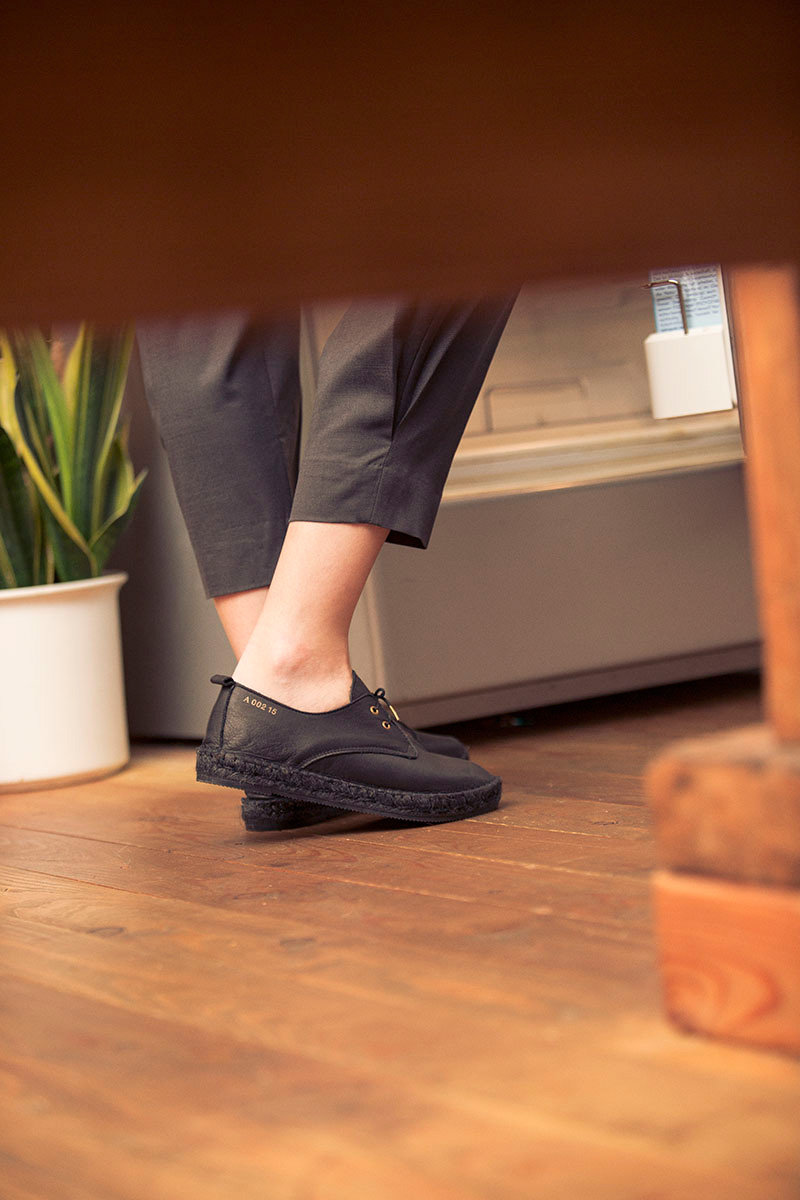
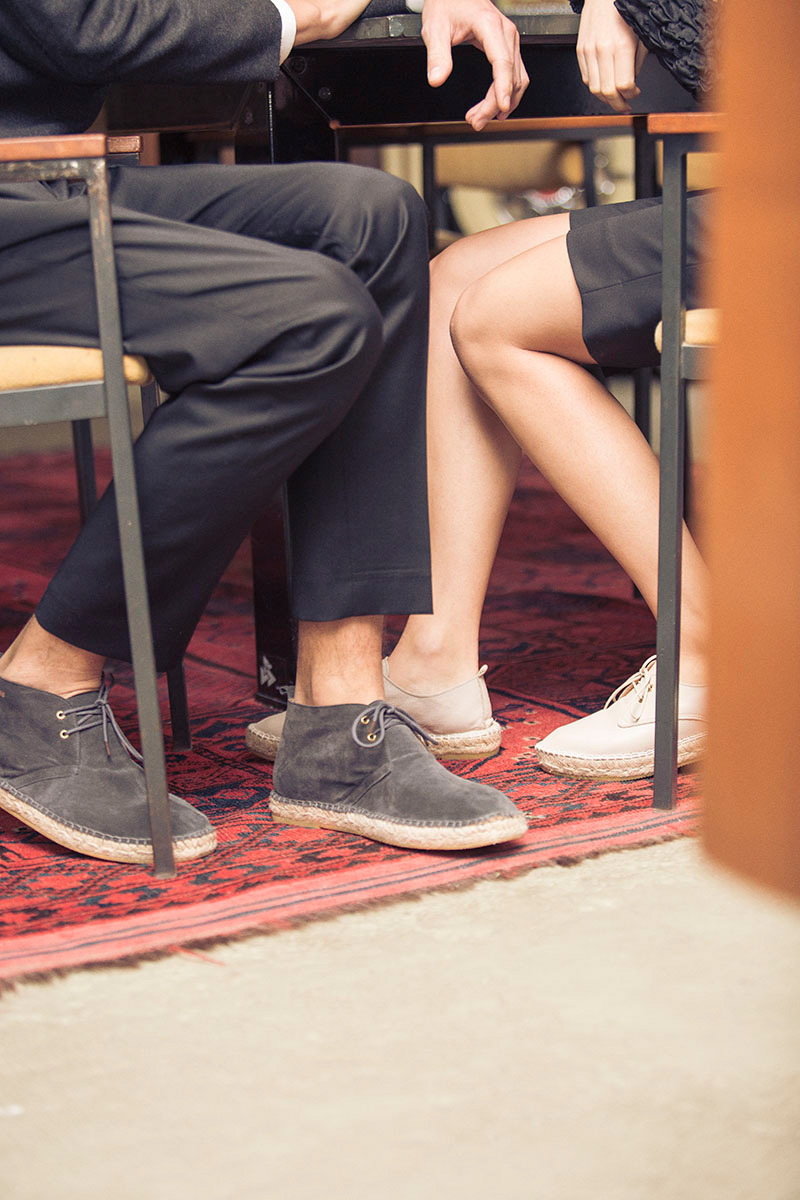
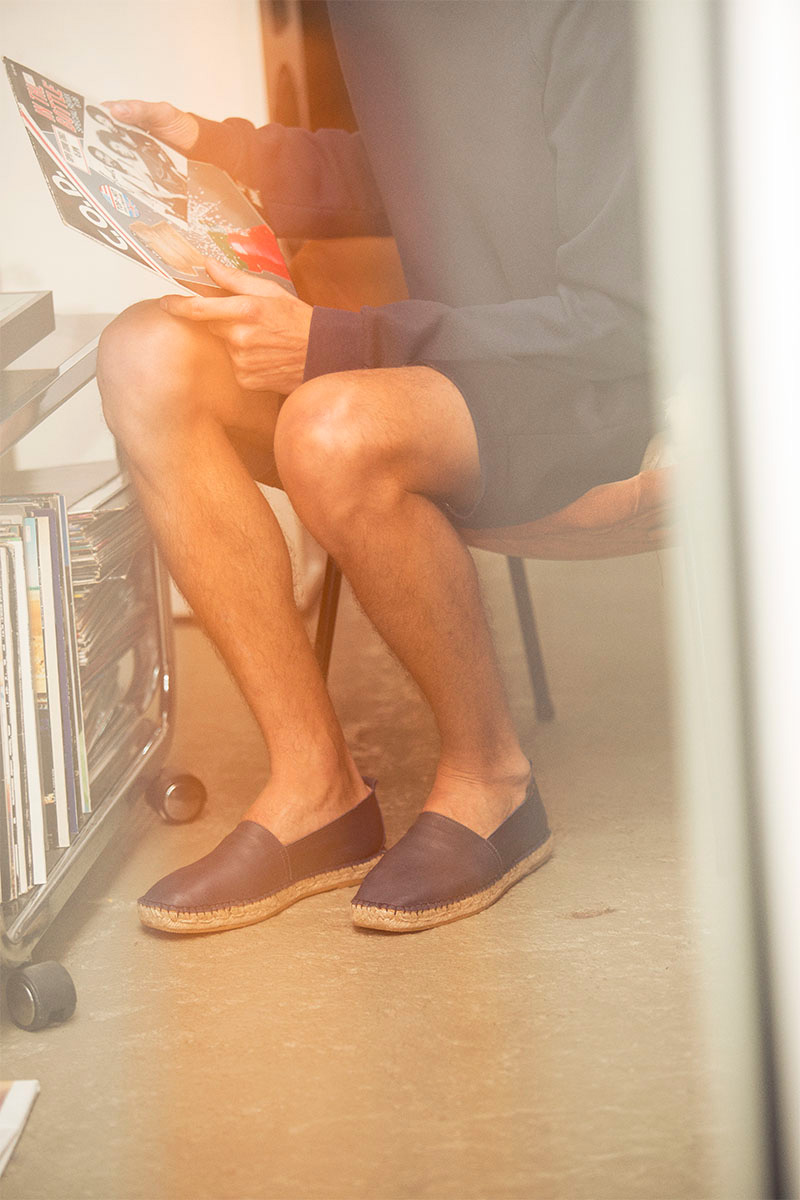
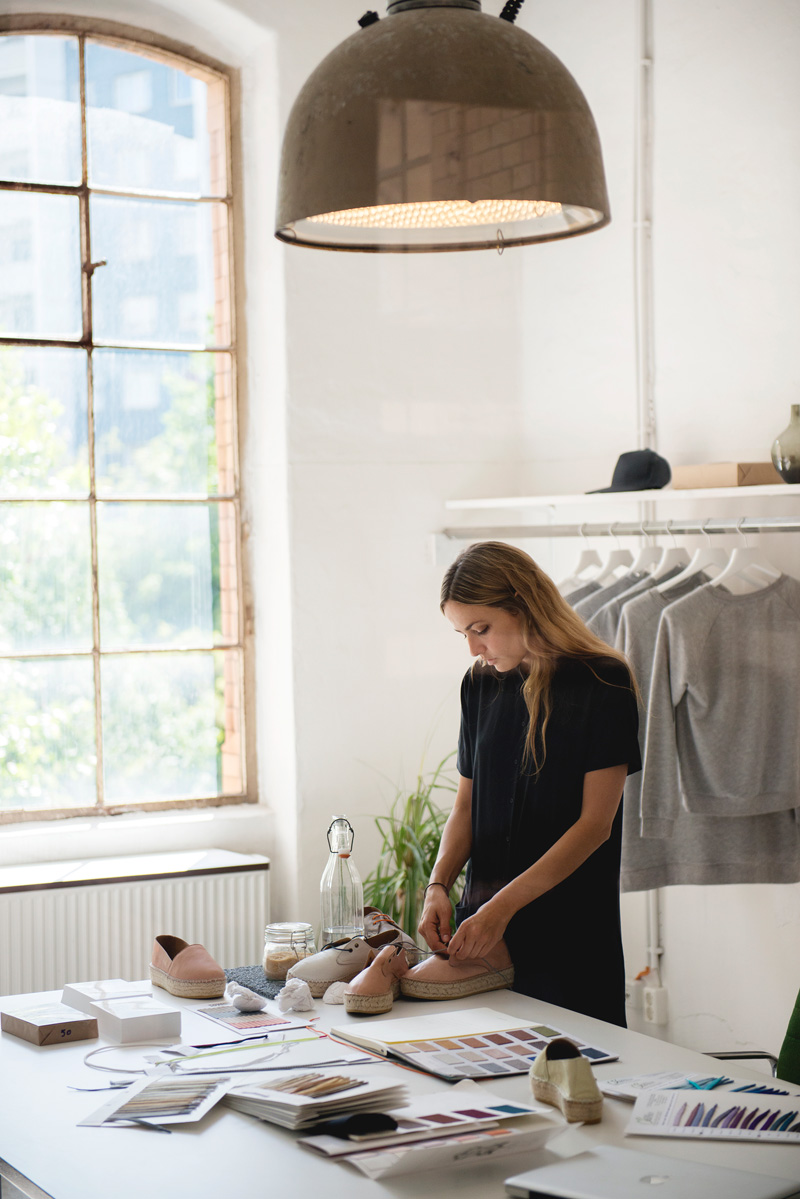
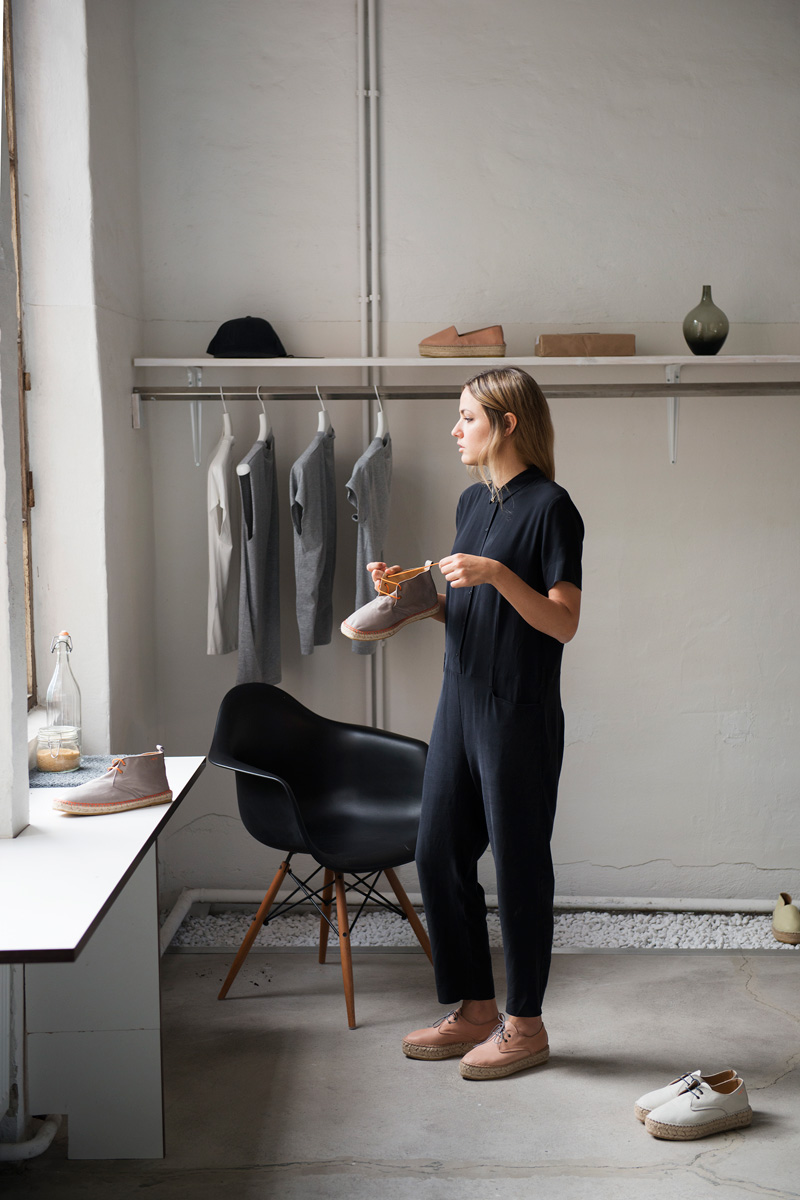
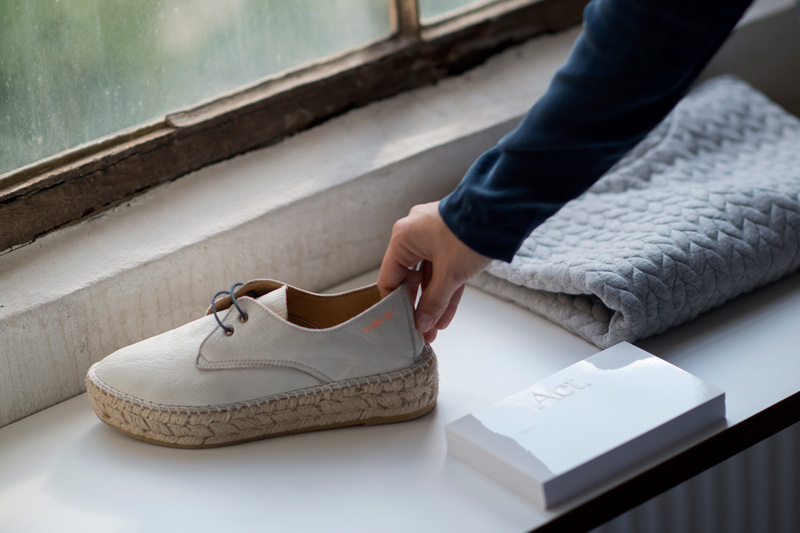
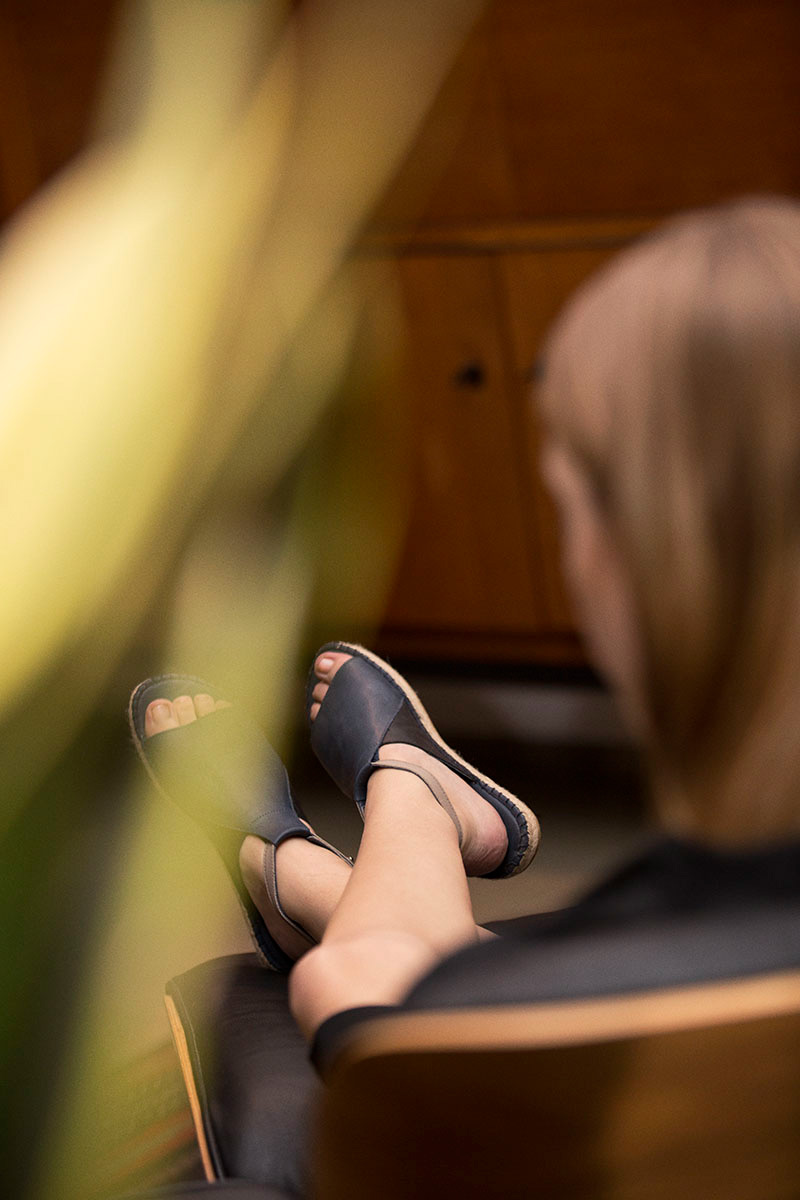
    Act is an espadrilles and accessories brand based between Mallorca and Berlin founded by Isabel Rotger and Alex Drobovolny in 2013. After working in communication for several fashion companies, Isabel moved to Berlin and met Alex, CEO of Label Agent. They came up with the idea of Act on a Friday afternoon and the week after, they were already looking for manufacturers for their first collection.

    Act is born out of the Mediterranean and each of the brand’s collections is designed around a concept of an everyday, spontaneous act, using series instead of seasons. In 2014, Act launched their first series “Walking” and in 2015 the brand has focused on “Living Room” as the topic for their collection. Act’s great attention to detail not only shows on their products, hand-made in Spain using 100% natural leather and suede, but on the campaigns for their series and the design of their website and promotional materials.

    Isabel and Alex have just embarked on their next adventure and have started collaborating on the design of their first sunglasses collection and a line of sweaters that will see the light later this year.

    www.act-series.com

    Future-Positive-Act-2 Future-Positive-Act-3 Future-Positive-Act-1 Future-Positive-Act-4 Future-Positive-Act-5 Future-Positive-Act-6 Future-Positive-Act-7

    Studio photographs by Alex Marcús

  • Monochrome Lab

    Monochrome Lab

    Monochrome Lab is a new graphic design studio founded by Glasgow-based Dutch designer Bart Manders. After studying Graphic Design at the Willem de Kooning Academy in Rotterdam and an exchange year at Glasgow School of Art, Bart started working on numerous projects for galleries and festivals such as The Telfer Gallery, GoMA and Glasgow International Festival of Visual Art, and started Monochrome Lab in February 2015. We caught up with Bart to find out more about his studio, what made him choose graphic design as a career and the differences in design trends between Glasgow and the Netherlands.

    www.monochromelab.net

    Future-Positive-Monochrome-Lab-2

    Please describe your path to becoming a graphic designer.

    I was born and raised in the Netherlands and from an early age it became clear that I had a creative mind. After high school I went on to do a college course in Communication and Design where the curriculum of the first 2 years consisted of all kinds of creative disciplines such as industrial design, graphic design, styling and photography. When I finished high school I was unsure about what kind of creative course I wanted to do so this particular course offered me the opportunity to put off the decision making for a few more years. I ended up graduating in Styling and Applied Spatial Design, which could be described as a mix of industrial design and (interior) architecture.

    When graduating, I realised my true passion was actually graphic design, and after a gap year, during which I researched Dutch art schools, I started a course in Graphic Design at the Willem de Kooning Academy in Rotterdam. I had a bit of a bumpy start, having trouble adapting to the course curriculum and thinking about transferring to the Fine Art department. Eventually though, I had a really good 3rd year which ended with a publication I had designed being nominated for a regional design award. During this year I had met a lot of people who were on exchange from various places, and as I had visited Glasgow for the first time the year before, I decided I wanted to do an exchange at the Glasgow School of Art, which I ended up doing in late 2008.

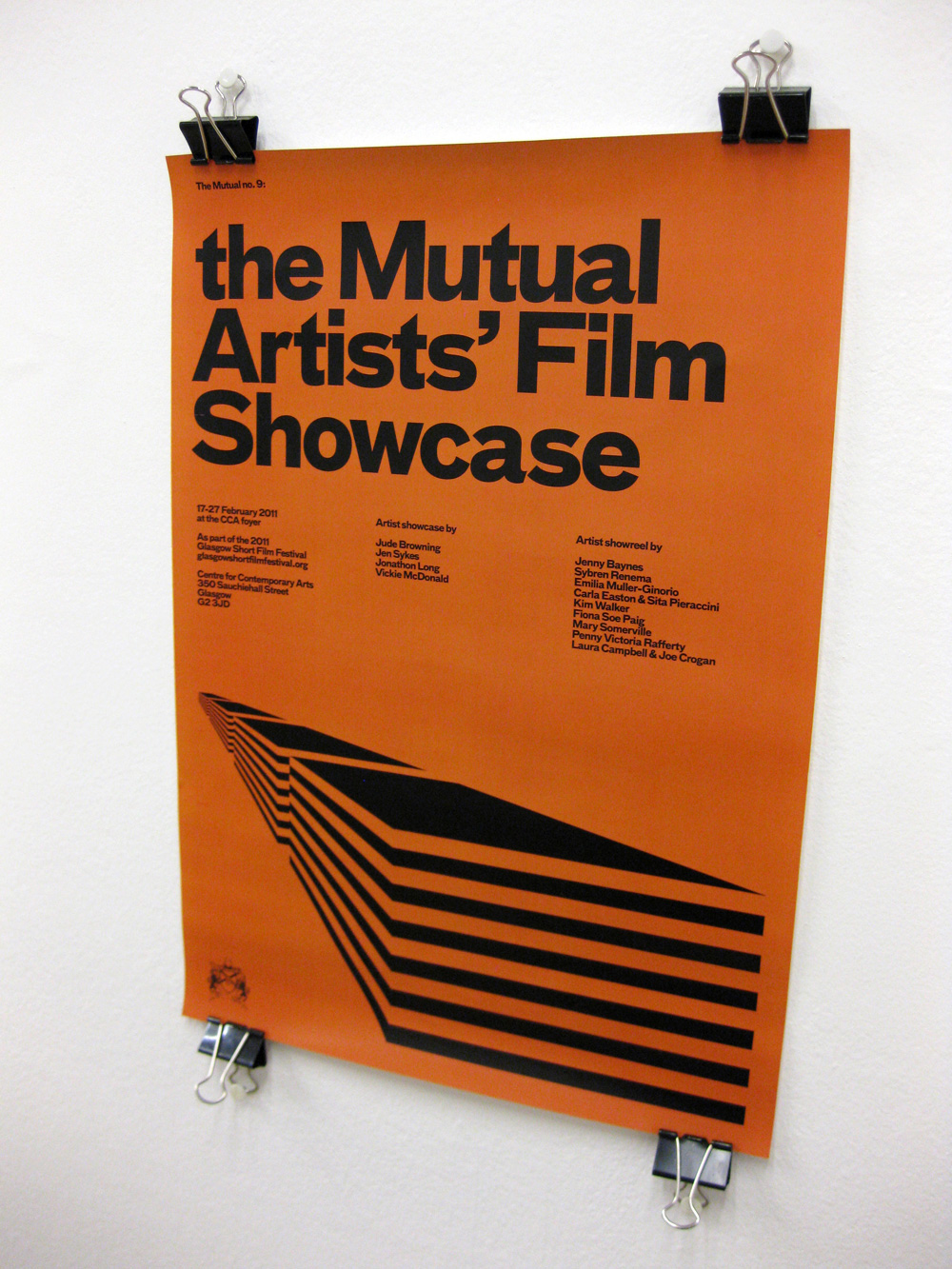
    After my exchange I did two internships, which are mandatory in most Dutch art schools; one with a magazine designer who had been my tutor during my second year and one with two designers who I had become friends with, that were running a joint independent online design project called Connected Project. I had a somewhat troublesome, yet positively minded graduation period and after a few months of thinking about what I wanted to do next I decided to move to Glasgow as I had been wanting to spend more time there since my exchange. I still had quite a few contacts in Glasgow and only 2 months after my move there I got offered my first project which was an exhibition poster for a local artist collective called The Mutual, after which I ended up doing 2 more poster projects for them.

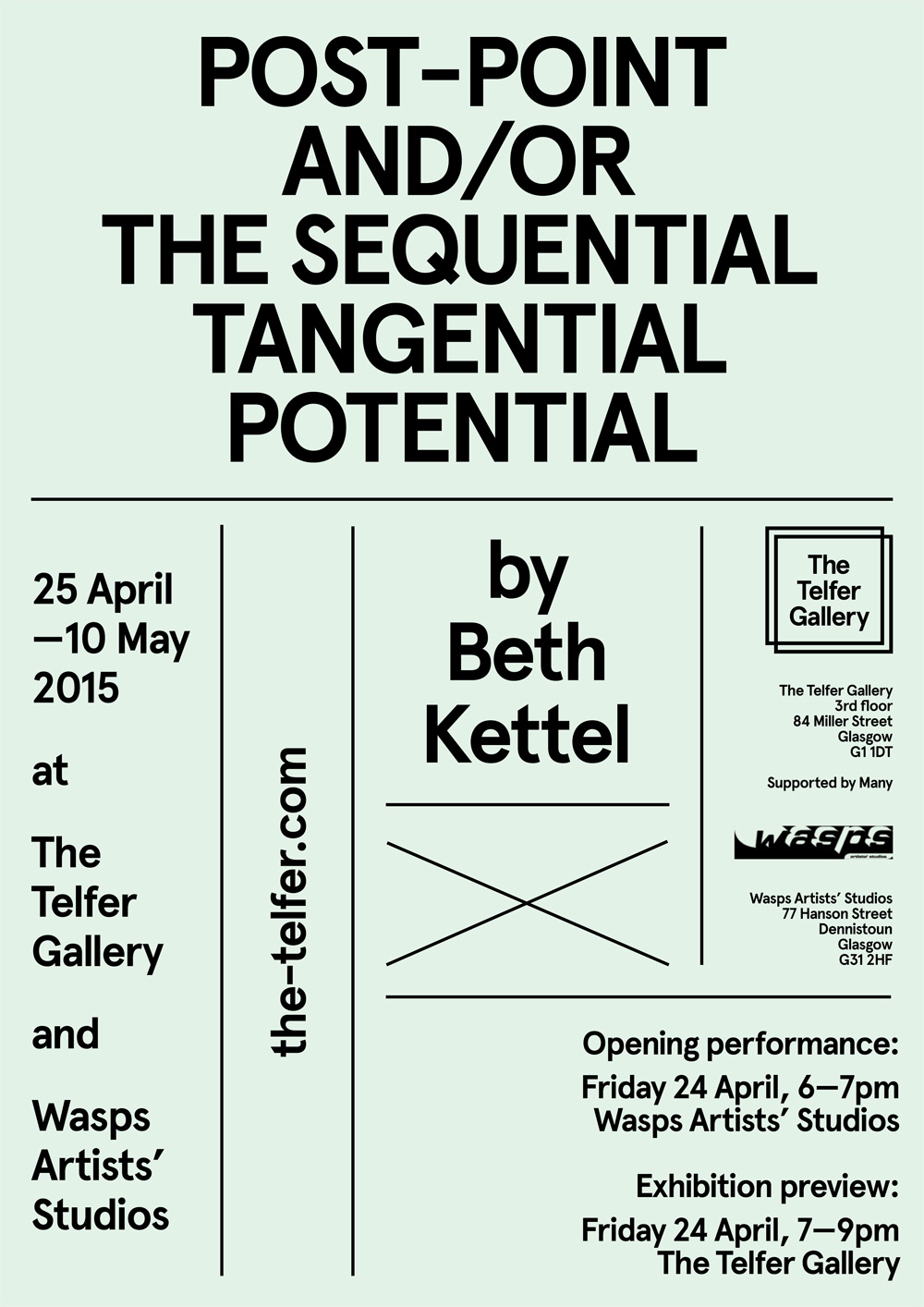
    In the summer of 2011 I met Marc Cairns, an architectural designer, at an exhibition opening by The Mutual and in 2011 I was invited to join him and a few other people to run a new exhibition space called the Telfer Gallery as a committee, for which I’ve been doing the in-house graphic design as well as filling the shared role of programme coordinator. The Telfer Gallery has so far brought me the most consistency in my design career as well as some other projects I did for organisations such as GoMA and projects related to GI, the Glasgow International Festival of Visual Art, things I would have never been involved in if it hadn’t been for The Telfer Gallery.

    Future-Positive-Monochrome-Lab-3

    What made you start your own design studio?

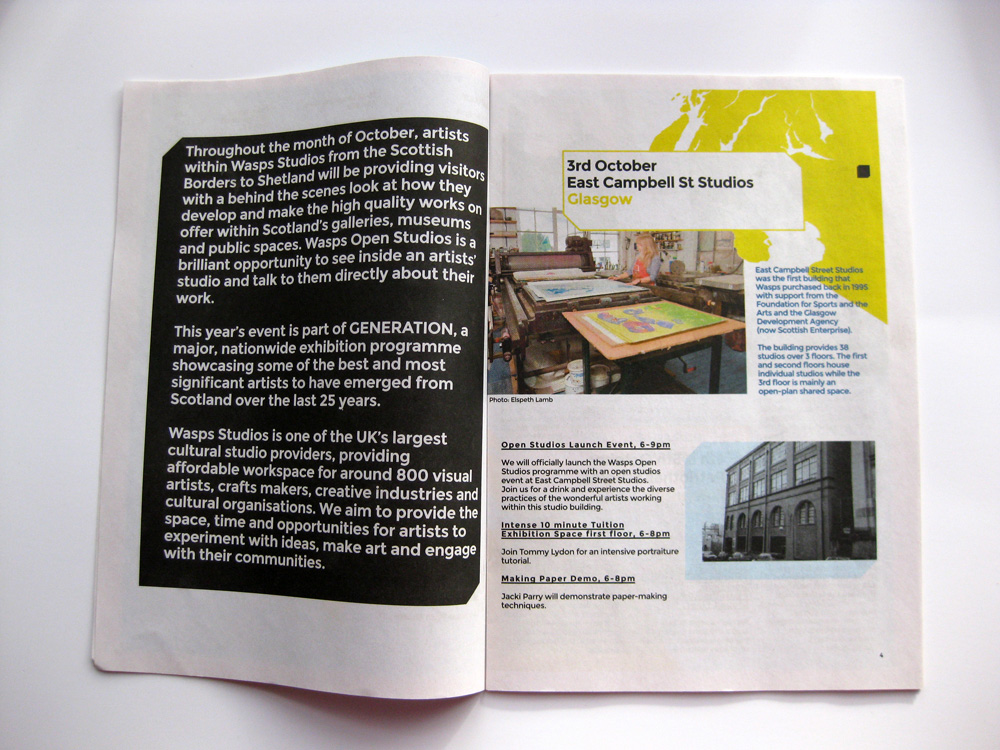
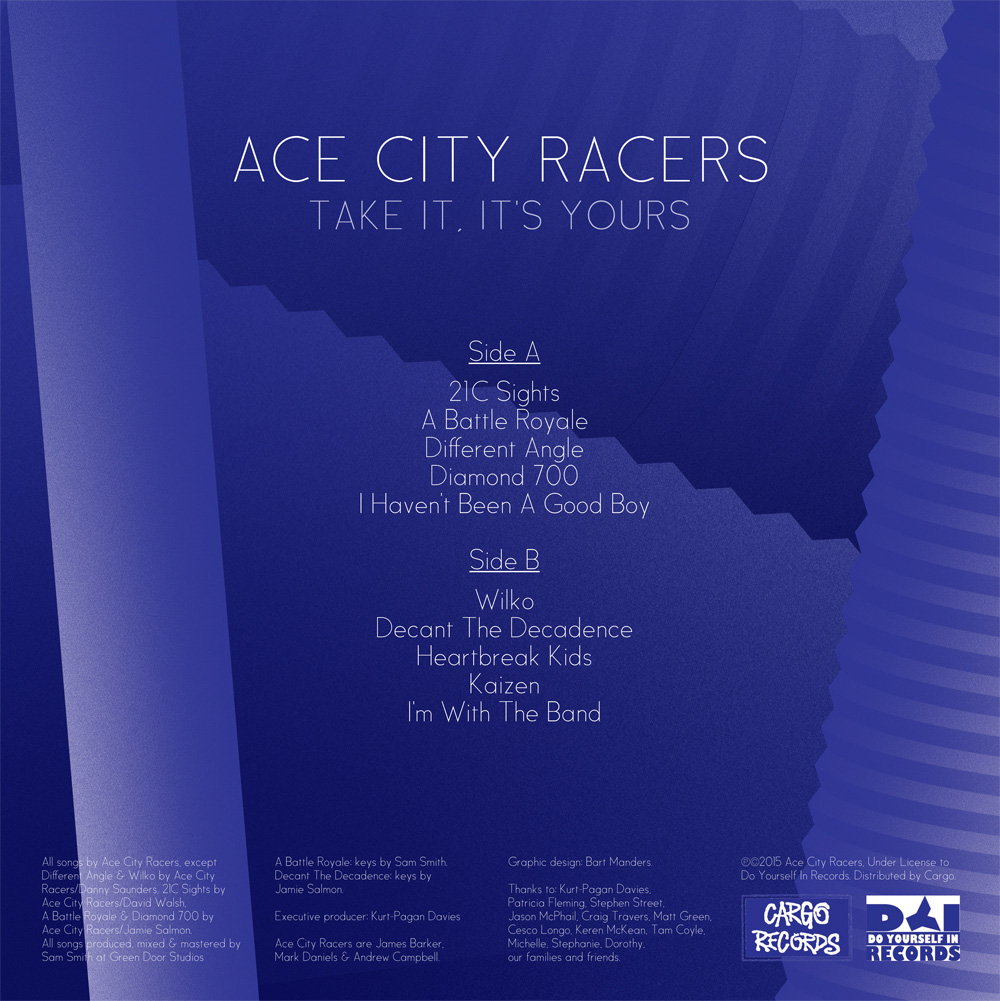
    In April 2014 I had sacrificed a stable income from a rather uninteresting retail job to free myself up for doing more freelance work. By the time it was Christmas, I had done projects for Glasgow University Magazine, an exhibition for Glasgow Open House Art Festival, a vinyl sleeve design for a local band and 2 projects for Wasps Studios. I had just started redeveloping The Telfer Gallery’s visual identity for its 2015 programme and I felt I needed to come across as a somewhat more settled designer instead of that designer who’s out and about doing jobs here and there. That’s when I decided to start working under a studio name, and after preparing for it for two months I launched Monochrome Lab last February.

    You’re from the Netherlands but live in Glasgow. Do you see any differences in design trends and aesthetics between these two places?

    Definitely, but I have to say that especially in the Netherlands it’s hard to define design trends. The very basis of good graphic design is to be able to organise and (re)structure information, to communicate. In the Netherlands I guess there isn’t a specific visual style, but more a way of thinking. It’s a place where the visual basics of graphic design are so established and common that on top of that graphic designers have become much more conceptual, finding intelligent ways to connect information to a certain context and experiment with images. In Glasgow I feel many design studios have only just started mastering the very basics over the past few years.

    Future-Positive-Monochrome-Lab-1

    What inspires your work? What other designers do you admire?

    I’m mainly inspired by designs with an innovative way of applying typography and white space, but I’m also very fond of really primary things like geometric shapes and illustrators. In art school I admired well respected designers such as Wim Crouwel, Experimental Jetset and Karel Martens but nowadays it has shifted more towards less known Rotterdam-based designers like Almost Modern and my old classmates at OONA.

    What are your plans with Monochrome Lab for the upcoming months?

    Well, I’ve just landed a long-term visual identity project with the Scottish Sculpture Workshop in Lumsden, Aberdeenshire and I’ve also just started a new collaboration with Wasps Studios which involves designing signage for a travelling project space. There is also a considerable Telfer Gallery workload as the size of it has slightly increased due to the higher standards for its printed materials this year. This year I’m also hoping to get involved in some publication design again, either as a self initiated project or as a freelance job. But as many independent designers can testify, one’s workload can unexpectedly increase as projects aren’t usually planned very far ahead.

    Future-Positive-Monochrome-Lab-4

  • Bleu de Chauffe x Calepino

    Bleu de Chauffe x Calepino

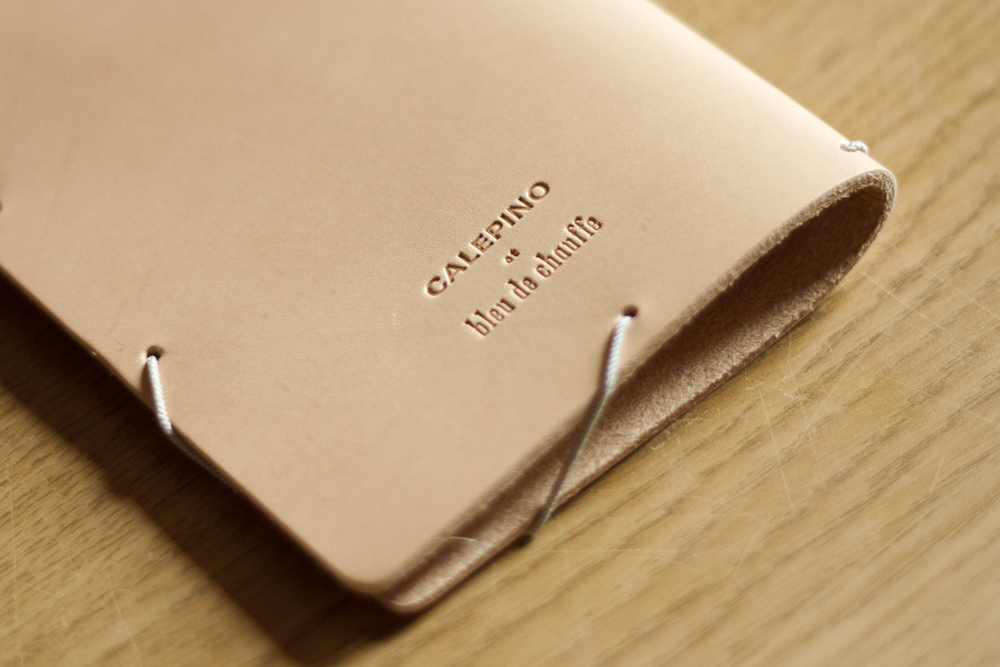
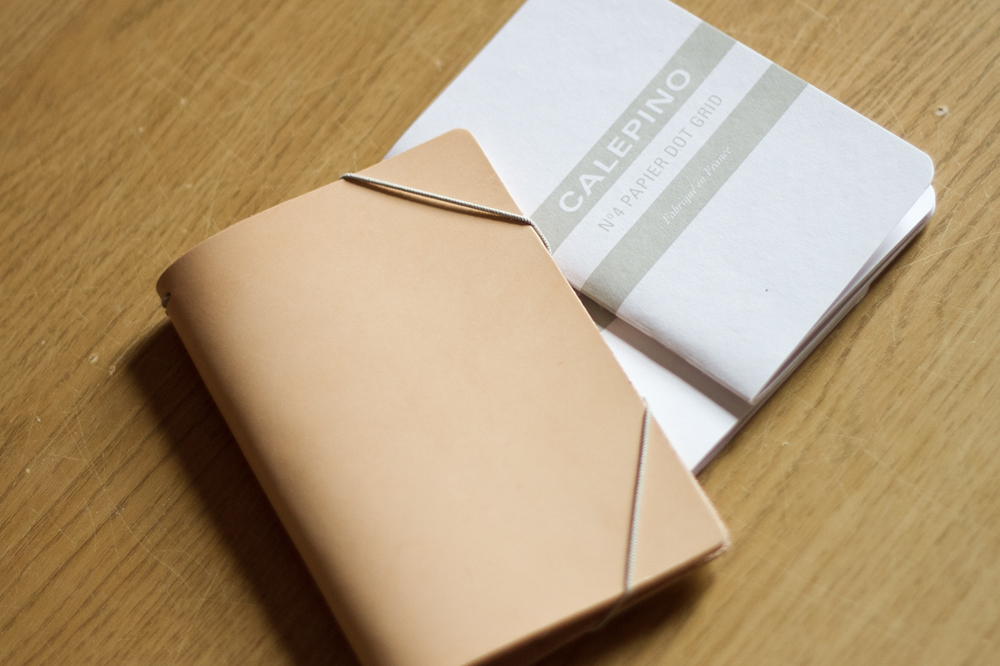
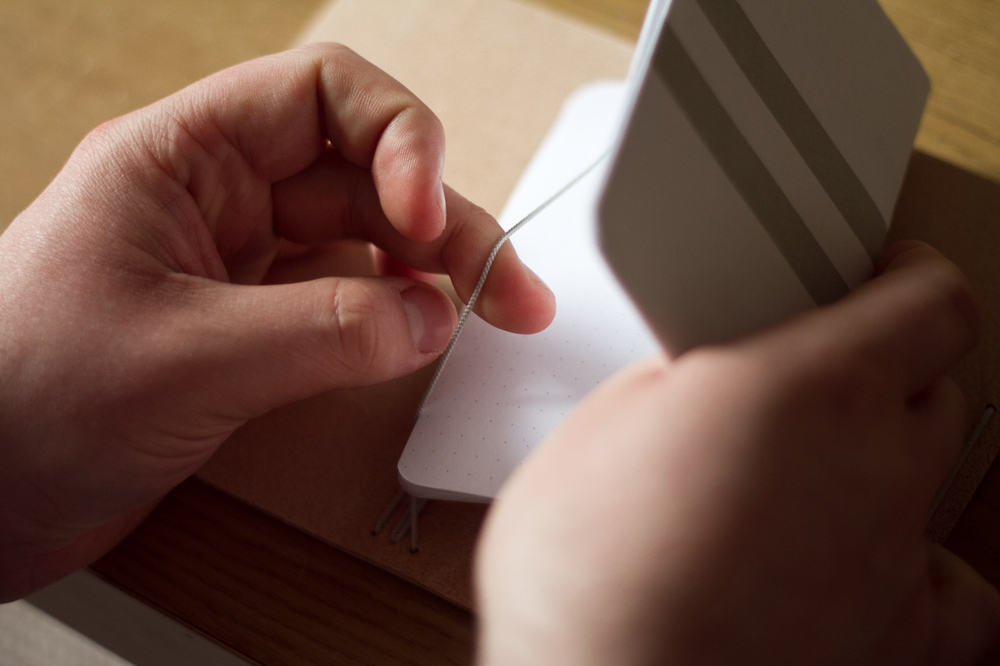
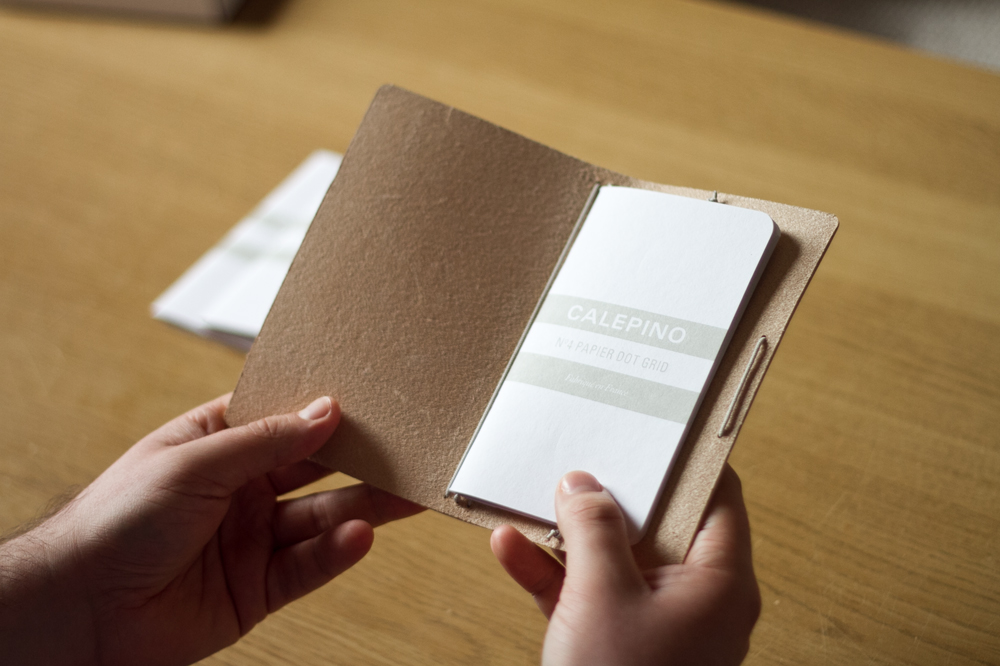
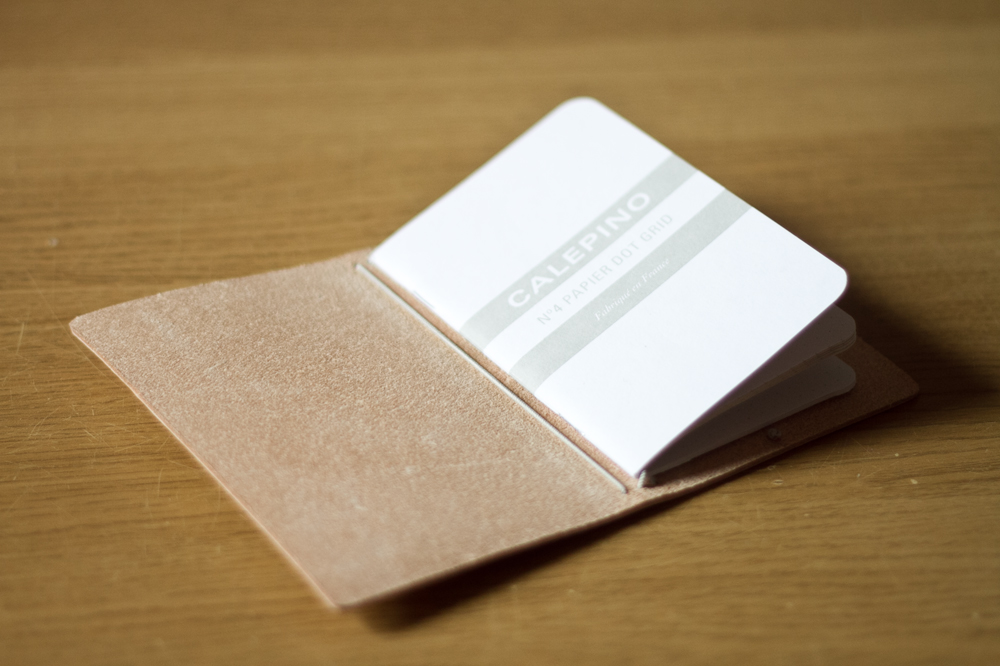
    We recently talked talked about leather accessories label Bleu de Chauffe and their collaboration with brush manufacturer Andrée Jardin. The French brand has now teamed up with one of our favourite notebook manufacturers, Calepino, to create Portfolio, a set of 3 memo notebooks protected by a tanned vegetable leather cover.

    Both companies are passionate about good design and craftsmanship, so it isn’t a surprise that the final result is a beautiful, classic product made by artisans in the brands’ workshops. The Portfolio soft cover is a reinterpretation of the cardboard elasticated flap folders, and the colour of the different elastic bands refers to the colour code of the Calepino notebooks: red for ruled paper, green for graph paper, blue for plain paper and grey for dot grip paper. We received our own Portfolio just a few days ago and it has become the best companion to take notes about inspiration and future features on our website.

    The collaboration between Bleu de Chauffe and Calepino is now available online on:

    www.bleu-de-chauffe.com

    www.calepino.fr


    Future-Positive-Calepino-6
    Future-Positive-Calepino-4
    Future-Positive-Calepino-5
    Future-Positive-Calepino-7
    Future-Positive-Calepino-8

  • Graphic Design: Getting Started

    If you’ve always loved visual art, and you’re looking to start a career that will pay you to do something you love, then you may be attracted to the idea of being a graphic designer. If it’s simply not practical to go back into full-time education, you may be wondering if there’s any way you can get started in graphic design. Here’s some news for you – you don’t need to sit in a classroom for a second to become a competent graphic designer! The following is a list of some of the best advice anyone can give to an aspiring designer…

    Get your Creative Juices Flowing

    From Wikimedia

    If you’re dead set on pursuing graphic design, then the first thing you have to focus on is stimulating your creativity. Having some kind of background in art definitely helps, but it’s not essential. While you can do anything you set your mind to, true excellence in design certainly isn’t for everybody. You need to have at least a little creativity in your mindset, and a pretty extensive knowledge of art in general, the techniques that go into it, what works together and what doesn’t. If you’re just looking for a career path that will give you a decent paycheque, then graphic design probably isn’t the best thing to pursue.

    Get the Right Tools

    While there are ways to give yourself a decent foundation without spending a penny, if you’re serious about graphic design, you’ll eventually need to buy Photoshop. I’m not talking about the cheapskate alternatives like Elements here. I mean the real, fully-featured CS ones. If you’re still not quite sure whether or not graphic design is for you, then you may want to play around with more accessible magazine cover design or photo editing software. Ultimately, however, you’re going to need to get familiar with the standardized tools of the trade. The version you start with is largely up to you. Many designers will want to make sure they’re keeping up with the market, and will always buy the latest and greatest versions of software. However, more dated versions often contain all the tools and functions that you need to get a great start. Just make sure you do your research and weigh up the different features of the programs that are within your budget.

    Buy a Tablet

    Talk to most modern graphic designers, and they’ll tell you they can’t remember how they carried on before tablets came out. This young technology is the modern designer’s best friend, and you should have one to use when (not if) you need it. No matter how satisfied you are with using a computer now, there’s going to come a time where you’ll want a tablet, which will make things more free-flowing and flexible. There are a wide range of tablets out there designed specifically for graphic design. Just like the editing software you’ll use, you can generally get by fine with a mid-range model.

    Mac or PC?

    Of course, you’re also going to need a computer to start developing your graphic design skills. You probably have a computer already that does a fair job of accommodating all the functions you need. However, when you start to carve out a more definite career path, you’ll need to invest in a computer and monitor that’s better suited to graphic design. There’s nothing worse than a system that takes far too long to respond, and any designer will tell you that photoshop can really eat up your computer’s available space and resources. When it comes to the decision of getting a Mac or a PC, it’s really down to your personal preference. Macs seem to be more common in the graphic design field, but in terms of function, there’s very little measurable difference. Weigh up the differences in the interface, make sure you have enough RAM and processing power, and make your decision based on what feels right.

    Stockpile your Fonts

    From Flickr

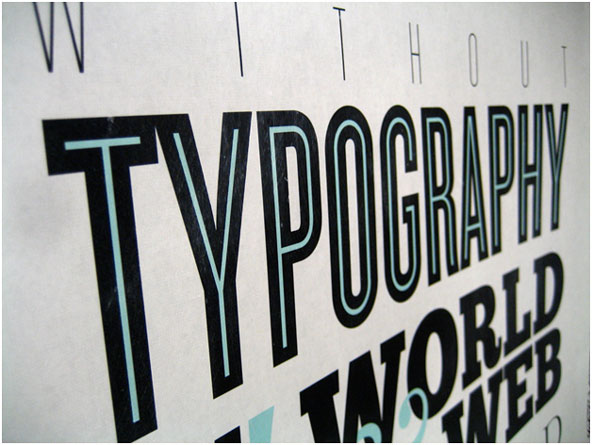
    When you’re ready to actually to sit down and start designing, you’re going to want to have a number of fonts to hand. Luckily, fonts are more accessible than they’ve ever been. There are many websites that will allow you to download a range of fonts for free or very little cost, and start using them instantly in Photoshop. As you start stocking up on fonts, just make sure that you’re sticking to the license terms, which will vary from font to font.

    Practice Makes Perfect!

    Just like pretty much anything, the best way to develop your skills with photoshop is to start using it. Open up a new document and test out all the tools you have with your version. Look up some YouTube tutorials, and follow them through. Import a photo of your friend and try to add a few funny effects to it. The main tip I can offer here is don’t be lazy! It takes hours upon hours of work to get comfortable enough with Photoshop to use all of its functions without needing to look up any information online. You’ll need a lot of patience and persistence to get to the point where you’re as competent as your average graphic designer.

    Find your Niche

    As you carry on using Photoshop and trying out different things, you’ll naturally begin to develop your own unique style. This is going to be a major selling point as you pursue a career in design. Right now, you may be struggling to even copy the things you’ve seen other graphic designers do. Just keep getting out of your comfort zone, trying new approaches to old problems, and honing your existing skills. Your own style will come naturally, but if you want to speed things up, try looking at the work of a few designers you admire, learning how to imitate their techniques, and finding a way to combine those different styles. Drawing on inspiration like this is a great way to figure out the little tweaks and quirks you can apply to your original work that will distinguish you from other designers.


    Save