Author: Igor

  • Adding Value and Enjoyment with a Patio Cover

    Backyard patios provide a perfect outdoor space for relaxing, entertaining, and enjoying the weather. While patios on their own offer many benefits, adding a patio cover can enhance the space even further. A properly designed patio cover in Las Vegas can transform a patio from a seasonal space into one that can be used year-round.

    Expand Usability and Comfort

    A well-built patio cover allows you to get more use and enjoyment out of your patio. By providing shade and shelter from the elements, a cover enables you to spend time on your patio regardless of the weather or time of day. Rain and harsh midday sun no longer force you indoors. A patio cover also helps block UV rays, keeping you and your furnishings protected. With the right design, you can extend your patio season into spring, fall, and even winter in Las Vegas.

    In addition to shelter, patio covers help manage temperatures. Shading your patio helps keep it significantly cooler during hot Vegas summers. You can enjoy being outside without roasting in the sun. For nighttime use, open roofed patio covers allow desired heat to radiate out under the night sky. You can comfortably use your patio later into the evening.

    Customize Design and Styling

    Well-designed patio covers in Las Vegas act as an extension of your home’s architecture. An experienced contractor will help you choose a style that complements your home’s existing design. You can match architectural details like tile accents and wrought ironwork. Shapes, slopes, and materials can also mirror home features for a cohesive look.

    Beyond tying into your home’s aesthetics, patio covers allow you to add visual interest.combinat You can match or contrast colors and textures depending on your preference. For instance, you may opt for an earthy stone and wood pergola versus sleek aluminum framing and glass panels. The options for customization are nearly endless.

    Maximize Enjoyment of Your Outdoor Space

    The right patio cover transforms your outdoor area into a comfortable, inviting space perfect for everyday use and entertaining. Family dinners, parties, gatherings with friends – a covered patio expands possibilities for outdoor fun. You have room to include nice patio furniture, an outdoor kitchen, fireplace, and other amenities without worrying about weather damage. A covered patio also contains mess, keeping your patio area cleaner.

    During nice weather, a covered patio offers the ideal outdoor living space. When conditions get too hot, cold, or wet, retractable covers allow you to quickly open or close the roof and extend use. Side screens and windows provide ventilation when closed. You can create an enclosed space perfect for year-round living.

    Increase Property Value

    Outdoor living spaces like covered patios add value by expanding a home’s usable square footage. In a place like Las Vegas that emphasizes outdoor living, covered patios boost a property’s appeal. Home buyers look for spaces that allow them to enjoy the region’s weather and entertainment.

    A professionally designed and built patio cover also demonstrates a homeowner’s commitment to quality improvements. Like an addition, it shows investment in customization that buyers appreciate. Additionally, quality patio covers increase curb appeal. A stylish, complementary design calls attention to the home and its amenities.

    Long-Lasting, Low-Maintenance Additions

    While patio covers require significant upfront investment, their durability provides lasting returns. High-quality construction and materials resist weathering and wear. Covers made with aluminum, glass, stone, and treated wood hold up well over time with minimal required maintenance. Properly built covers stand up to extreme heat, sun, rain, and wind. With care, patio covers add beauty and enjoyment for decades.

    Work with Experienced Professionals

    The benefits of an exceptional patio cover start with hiring experienced Las Vegas contractors. Reputable companies handle the entire process from design and permits to construction. They work with you to create a design that fits your home, lifestyle, and budget. Skilled installation protects your investment with proper structural engineering and craftsmanship. Investing in professional patio covers delivers lasting rewards for your home and enjoyment.

    A well-designed patio cover provides an invaluable addition to any Las Vegas home. With protection from the elements, customized design, and expanded entertaining possibilities, patio covers become a favorite spot for gathering, relaxing, and experiencing the best of outdoor living in Las Vegas.

  • Peony Gent

    Peony Gent

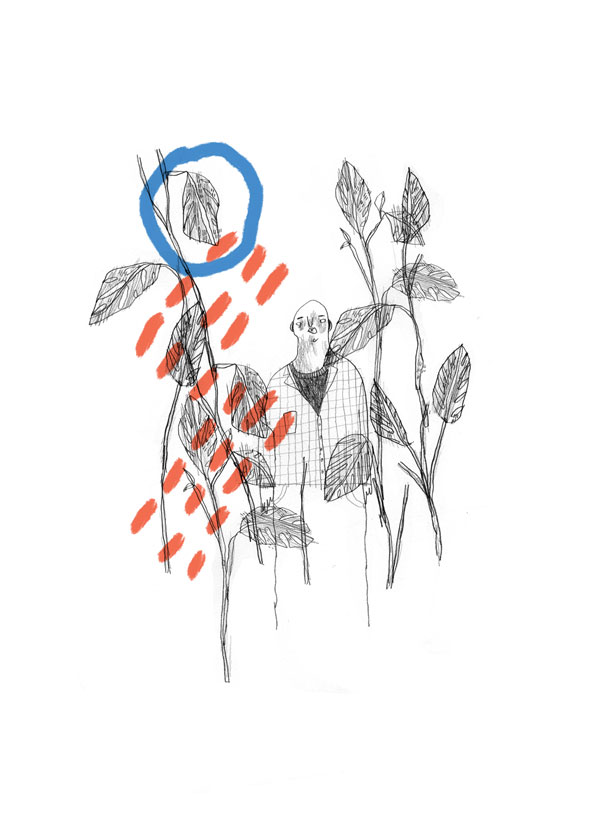
    Peony Gent is a freelance multimedia illustrator currently based in London, specialising in visual poetry and observational drawing. Working across different media – from comics to ceramics – Peony likes to keep a sense of play in her work, whilst maintaining her practice fluid and always open to change. We chatted with Peony to find out more about her education, her favourite projects and plans for the upcoming months.

    www.peonygent.com

    Can you introduce yourself and tell us about your education?

    Originally from Cambridgeshire I’ve lived in Edinburgh for the past five years, where I completed an undergrad at the Edinburgh College of Art. After a year out of education I’ve recently moved to London, where I’m just starting a two-year master’s in Visual Communication at the RCA here.

    How would you describe your illustrations?

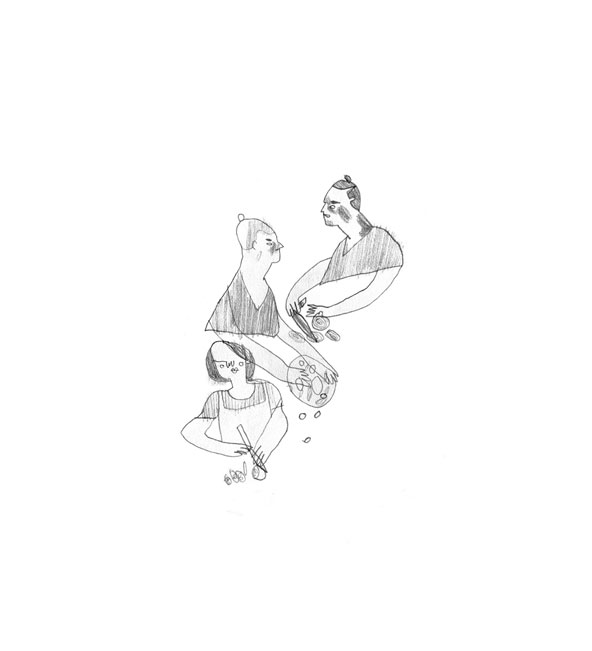
    Describing my own work is something I’ve never been quite good at, even though I really should have gotten used to it by now. I do like to keep my practice really varied though, and enjoy doing a wide selection of jobs, from bold commercial designs to contemplative visual poetry. I would say, however, that my main love in illustration is the visual narrative/comics making side, and it’s definitely the most personal work I create. The interplay between word and image is really important to me in those projects, and the writing is just as valuable as my drawings to me there.

    In terms of a consistent visual style though, I mainly work in just pencils and then edit and add colour to my work digitally in Photoshop. That organic hand drawn element is very valuable to me, so even though I could just do a lot of my sketches directly on a tablet, I still like to keep it in a sketchbook first. I feel it stays a bit more free and fluid that way.

    A large part of my illustration style is about trying to capture a sense of place and/or character without just directly copying the subject, if that makes sense. A photo-realistic drawing that just copies a subjects appearance without showing any of its energy simply isn’t for me. To that end I often create a lot of my work by quickly redrawing the same subject over and over, until I feel like one has really captured the energy I’m searching for. I always keep a sketchbook with me for these observational drawings, and try to use it as often as I can. Often, I’d say around 70% of these drawings turn out like total trash, but it’s still worth it for the ones that do turn out well. I’ll also often return to drawings from those sketchbooks that I did weeks or months ago and find something valuable there that I hadn’t originally seen or needed.

    You work across different formats, can you tell us a little bit about each of them?

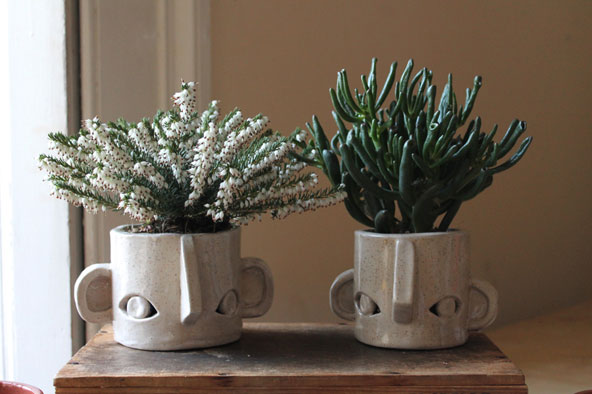
    Whilst pencil drawings are the most common medium I use, I do really love to experiment and have recently got really into ceramics. In contrast to typical illustration work, it’s nice that you don’t have to worry about deeper meanings or anything, you can just concentrate on making something aesthetically pleasing. I’d love to work on a more cohesive range this year and ideally get a space with a wheel to cut down on production times. In the past all my ceramics have been made very informally in my room without any proper equipment or tools, and I’d like to learn a lot more about glazing and different clays as well.

    And whilst I enjoyed printmaking at uni it’s been difficult to access any facilities since leaving ECA, but I have kept up making some risograph prints. It’s been the only way for me to print large runs fairly cheaply and I do like that organic texture and ability to layer colours that risograph printers give. I’ll often take bits of other projects and transfer them into these prints, rather than sitting down with the direct intention to design a new one from scratch.

    What are some of your favourite projects you’ve worked on?

    The ones I value the most have to be my own comics and poetry projects, they’re the ones that always take me the longest to do and they’re definitely the most personal. It really means a lot to me when those stories strike a chord with people, and some of the responses I’ve had to them have been honestly very touching. With each new one I make there’s always an element of fear: that I’ve put too much of myself into a piece of work or made myself too vulnerable.

    On the other hand I also enjoy the pay off of making ceramics, it’s just very pleasing to be able to use things you’ve made yourself for everyday practical purposes. Especially when so many illustrations I make only exist digitally in their finished form – it’s a nice balance to have physical results of things you’ve made.

    I was also lucky enough to be one of It’s Nice That’s 2016 graduates and really appreciated the opportunities I got through that. In particular, each of the grads that year got the chance to make a book in collaboration with GF Smith papers and it’s still easily the nicest thing I own with my illustrations in it. I made mine as a kind of formal presentation of my sketchbooks and it’s a collection of my photography, drawings and writings from the two previous years.

    What are your plans for the upcoming months?

    Mainly settling into London! I’ve honestly only ever lived in Cambridgeshire where I grew up or in Edinburgh, so it’s an exciting change to live somewhere new and see what opportunities there are here. I’ve also been working on my very first long form comic and hope to make some good headway on it before Christmas, at least. Having only made short self-published zines before this is a big change for me, especially since I’m usually so bad at committing to one theme or idea long enough to carry it through to the end. It is still very much in the early stages though, so we’ll have to see how it goes…

  • How to Plan A Successful Software Development Project

    A software project can be daunting, especially if you’ve never done one before. It’s easy to get bogged down in the details and forget about some of the more significant picture questions, but if you think through these things ahead of time, your project will have a much better chance of being successful.

    software testing services

    Choose the right team

    You will be working with a team of professionals. This can be somewhat daunting, but it’s important to remember that they are there to help you succeed. They will have the right skills and experience to see your project through. Their expertise as custom software developers can ensure that your solutions are tailored to your business goals and technical requirements. It’s also important that they have the right attitude and outlook as well so that everyone is on the same page about how this project should run.

    Set priorities

    Priorities should be set by the business and should be clear and measurable. They should be placed before the project starts so that all team members know their goals for the project. Priorities should also be reviewed regularly throughout the project, as circumstances change and new priorities emerge. Afterwards, you can use this information to improve your processes for future projects.

    Do risk analysis

    The first step in any software development project is to identify the risks, both technical and non-technical, that could impact your project. The risks identified at this point will serve as the basis for your risk management plan.

    Once you’ve identified all of your project’s risks, you will want to rate them based on their probability and impact. The higher a risk score is, the more likely it will negatively affect your project. Similarly, if a risk has a high probability of occurring but low impact on the project (for example an unclosed database connection), then it may not be worth mitigating. If a particular event or problem could have catastrophic consequences (such as data loss), then it should be given top priority when planning mitigation strategies.

    Once you have prioritized all of your risks according to probability and impact levels, create an action plan which outlines how each risk will be addressed throughout different stages of development.

    Plan for change

    When planning a software development project, it is important to consider the fact that the project will change. In fact, it’s best to expect this and create buffers in your budget for any future changes that are necessary. The reasons for these changes can include new requirements or ideas, technological advances which make certain features more feasible, and even external factors such as competition or government regulations. Because of all of these factors, you should be prepared to revise your plan as needed throughout the life of your project.

    Managing these financial adjustments requires a clear view of where every dollar goes. Many teams find that manual spreadsheets are not enough to track shifting costs and resource needs. Using dedicated project budgeting software helps keep all financial data in one place. It makes it easier to see how a change in scope affects the total cost. This visibility helps project managers make better decisions about where to spend their money. Having a central system also means that the whole team stays on the same page about the current budget status.

    Budget for software testing

    Software testing is one of the most important parts of any software development project. It is important to test your software before releasing it into the wild and again after release, but testing during development can also be very beneficial. 

    Therefore, it is important to budget for software testing early in the project so that you can get the right amount of coverage and make sure you are not missing anything while testing. 

    If you do not test your software, then how do you know there are bugs? You may find out 2 years later when your customers start complaining about their new toy that doesn’t work as it should. You need to know how much it will cost to test the software and what are the costs of not testing. This will help with planning because we have seen many companies try and save money by doing fewer tests than they should have done which leads to more problems later on down the line.

    When deciding how much time or money needs to be spent on testing, consider what kind of product is being developed as well as considering an outsourced software testing team.  this affects how much time and money need to be spent ensuring quality before the release date comes around.

    Embedding structured training into your testing budget can make estimates far more reliable: when testers share a common foundation, they tend to work faster and spot defects earlier. For teams planning budgets, consider carving out time for a recognised baseline qualification such as the istqb certified tester foundation level. Investing in a short, accredited course can reduce rework and improve communication between developers and testers, helping you avoid costly overruns.

    Ensure test coverage with good design and code reviews

    Test coverage is an important part of project planning and design. It is also an important part of implementing your software development project successfully. The test coverage should be done by the team and automated so that it can be easily tested before the code is released to production. Test coverage can include dynamic PDF forms, web applications and mobile apps that are being used with other systems such as ERPs or CRMs.

    Keep to the schedule with automated testing

    Automated testing is a great way to keep your project on track. Automated testing can be used to test the user interface, user experience, and business logic.

    • User Interface Testing

    This type of automated testing ensures that the software is working as designed by testing all the features of your application for correct functionality and appearance.

    • User Experience Testing

    This type of automated testing ensures that all users—not just those with technical backgrounds—can use your application effectively and efficiently. To do this well requires specialized tools or skills; however, it doesn’t have to be complicated or expensive if you start early in the design phase when determining what should be tested first (e.g., signing up vs adding items). As long as there are concerns around usability then some form of manual or semi-automated solution should be considered early on in order to avoid later problems during development.

    • Business Logic Testing

    Ensuring proper data transfer between different parts within an application without breaking anything else while also ensuring they function correctly before moving onto other areas such as performance work involves both technical skillsets as well as analytical abilities because understanding how these units work together takes time plus patience not only from developers but also QA testers who finally get something tangible from their efforts instead spending hours trying guess which piece might’ve broken something else.

    Conclusion

    In the end, the most important factor to keep in mind is that planning your project is an iterative process. You will make mistakes and learn from them. You will throw out assumptions about what’s possible and try again with a new approach. Just remember that any time spent planning ahead is time well spent

    About the Author

     Monica is a passionate writer and content creator. Her interests include outdoor activities, fitness, technology, entrepreneurship and everything in between. Say hi to Monica on Twitter @monical_lee.

  • Porto Instants

    Porto Instants

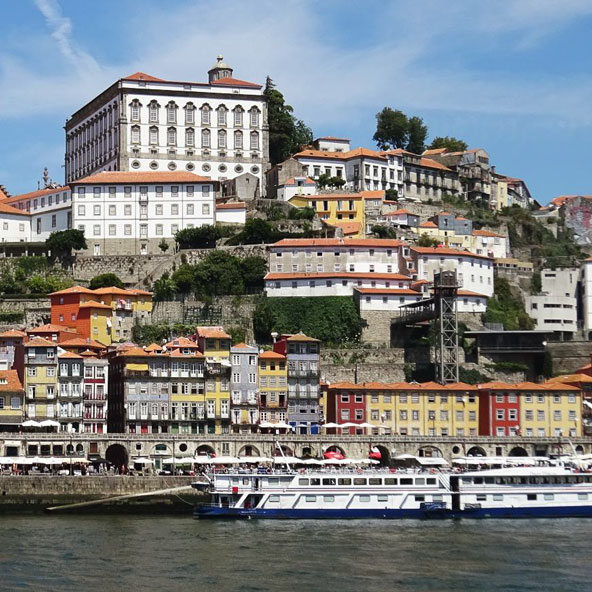
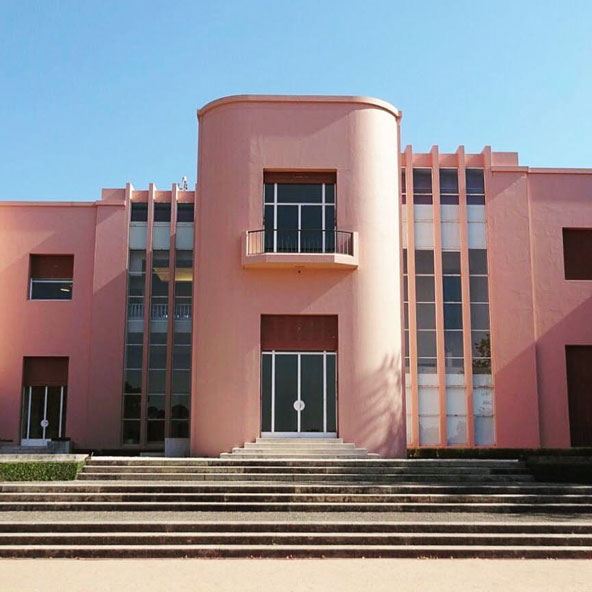
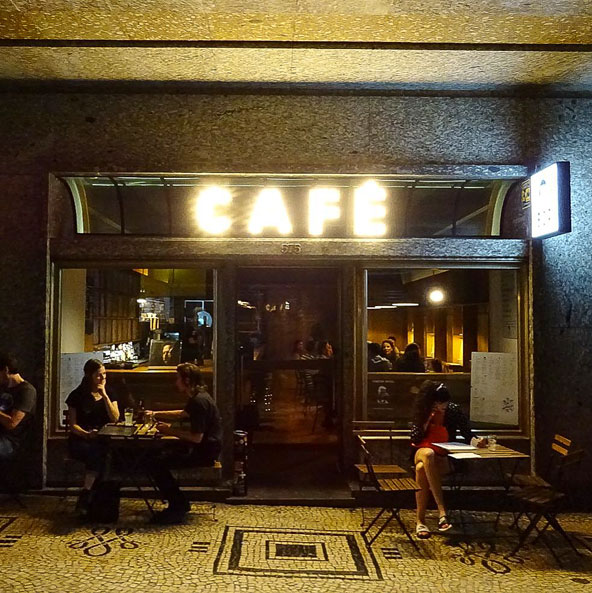
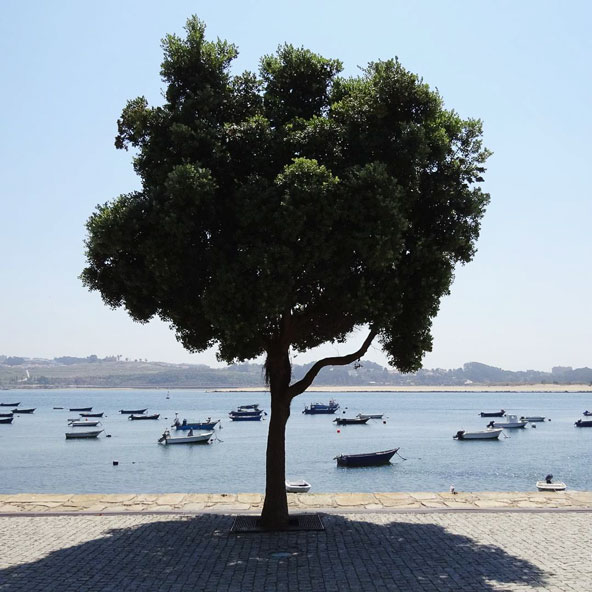
    We’re back from spending 4 great days in Porto, exploring the city and visiting a selection of cafés, restaurants, shops and places to include in our new City Guide. While we work on the guide, here’s a little preview of some of the images we shared on our Instagram profile during our trip.


    Porto views from the Douro river.


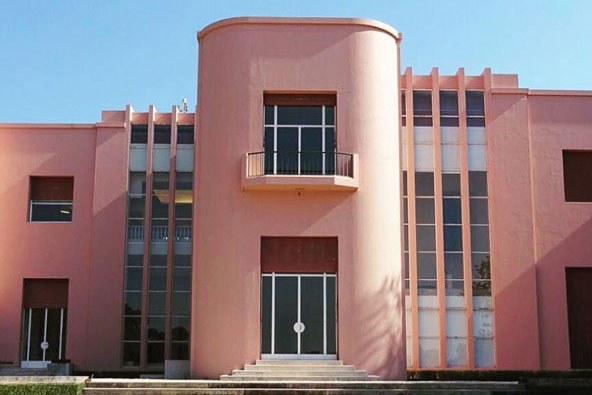
    Casa de Serralves, an art deco mansion and park that now houses a contemporary art museum.


    Inside Coração Alecrim, a beautiful shop stocking a curated selection of clothing, homeware and other new and vintage objects.


    Porto’s typical tiled facades.


    BOP Café, great music and some of the best burgers we’ve ever had.


    Douro views from the Granja de Baixo district.


    Capela das Almas, one of the most visited chapels in Porto, known for its walls covered with tiles painted with scenes from the lives of various saints.


    The walls of Ó! Galeria, a shop and gallery selling artwork by illustrators from around the world.


  • 10 Benefits Of Living As A Digital Nomad

    10 Benefits Of Living As A Digital Nomad

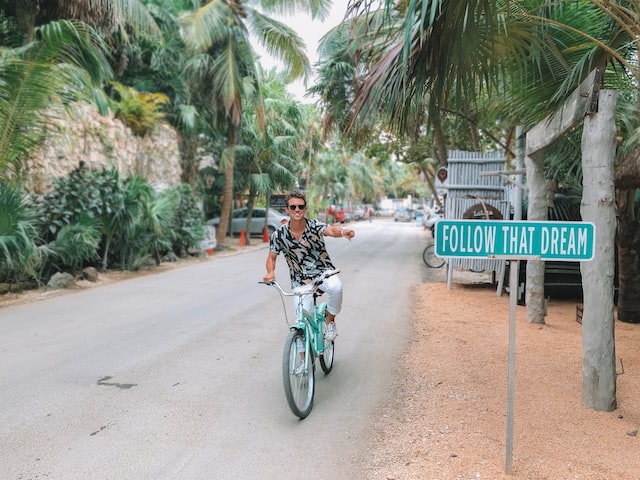
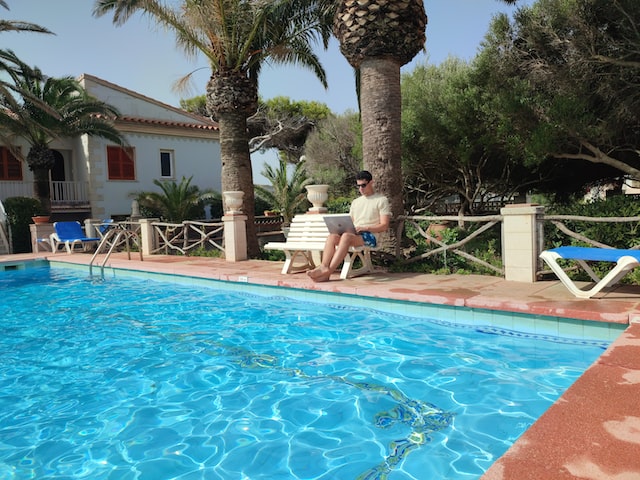
    The barriers to entry for becoming a digital nomad are all but gone. No longer is it the preserve of wealthy tech entrepreneurs and intrepid world travellers. With a laptop, an internet connection, and some basic skills, anyone can start working and living from anywhere in the world.

    Image Credit

    If you’re thinking about taking the plunge into this exciting and rapidly growing lifestyle, here are ten benefits of living as a digital nomad that might just convince you to make the switch.

    1. You Can Live and Work from Anywhere in the World

    The biggest advantage of being a digital nomad is also the most obvious one: you can live and work from anywhere in the world.

    This freedom to choose your own location is something that’s simply not possible with a traditional 9-to-5 job. Instead of being tied to one place, you can explore new cities and cultures while working remotely. For example, if you’re drawn to the Netherlands, you can enjoy the local culture while searching for housing in eindhoven and other vibrant cities that offer convenient rental options for digital nomads. This flexibility allows you to settle into a new environment without long-term commitments, making it easier to balance work and travel.

    As a digital nomad, you have the opportunity to live in some of the most beautiful and exotic locations on earth, all while working and earning an income.

    2. You’re Not Tied Down to One Place

    Another great benefit of digital nomadism is that you’re not tied down to any one place.

    With a traditional job, you’re usually stuck in the same city (or at least the same country) for the long term. But as a digital nomad, you can pick up and move to a new location whenever you want.

    This gives you the chance to experience lots of different cultures and lifestyles without being tied down to any one place.

    3. You Can Make a Good Income

    Contrary to popular belief, you don’t have to be wealthy to become a digital nomad. In fact, many digital nomads are able to make a very good income while they travel.

    Of course, your earnings will depend on your skillset and experience. But if you’re good at what you do, there’s no reason why you can’t make a great living as a digital nomad.

    4. You Don’t Need Much to Get Started

    Another major benefit of digital nomadism is that you don’t need much to get started.

    All you really need is a laptop, an internet connection, and some basic skills like knowing how to free up space on your computer. And in many cases, you can get started without any upfront investment whatsoever.

    This low barrier to entry means that anyone can become a digital nomad, regardless of their circumstances.

    5. You Can Work on Your Own Schedule

    One of the best things about being a digital nomad is that you can work on your own schedule.

    If you’re a night owl, you can work late into the evening. Or if you want to take a few hours off in the middle of the day to go exploring, you can do that too.

    This flexible approach to work is something that’s simply not possible with a traditional job.

    6. You Can Spend More Time With Friends and Family

    If you have friends or family members who also live a digital nomad lifestyle, then you’ll get to see them a lot more often than if you were tied down to one location.

    But even if your loved ones don’t live the nomadic life, you’ll still be able to spend more time with them than you would if you were working a 9-to-5 job.

    Image Credit

    7. You Can Choose Your Coworkers

    Another great thing about being a digital nomad is that you can choose your coworkers.

    If you want to work with like-minded people, there are plenty of coworking spaces and digital nomad communities around the world that you can join.

    But if you prefer to work alone, that’s fine too. As a digital nomad, you have the freedom to work however you want.

    8. You Can Learn New Skills

    When you travel to new places, you’ll inevitably be exposed to new cultures and lifestyles. And in many cases, you’ll also have the opportunity to learn new skills.

    For example, if you want to learn how to cook a specific cuisine, you can simply travel to the country where it originated and learn from the locals.

    This hands-on learning is something that’s simply not possible when you’re tied down to one location.

    9. You Can Meet New People From All Over the World

    One of the best things about being a digital nomad is that you’ll meet people from all over the world.

    In fact, this is one of the main reasons why many people choose to live a nomadic lifestyle in the first place.

    If you’re tired of meeting the same kinds of people over and over again, then digital nomadism is definitely for you.

    10. You Can Live a More Adventurous Life

    Last but not least, one of the best things about being a digital nomad is that you can live a more adventurous life.

    If you’re the type of person who loves to travel and explore new places, then digital nomadism is the perfect lifestyle for you.

    In Closing

    As you can see, there are plenty of great reasons to become a digital nomad. If you’re looking for a more adventurous and exciting life, then this lifestyle is definitely for you.