Author: Igor

  • aesthetic/theories magazine

    aesthetic/theories magazine

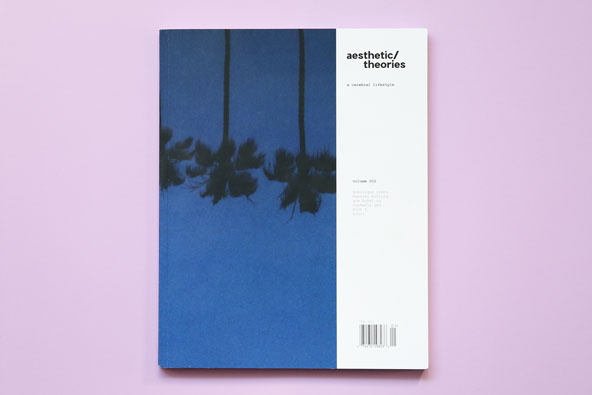
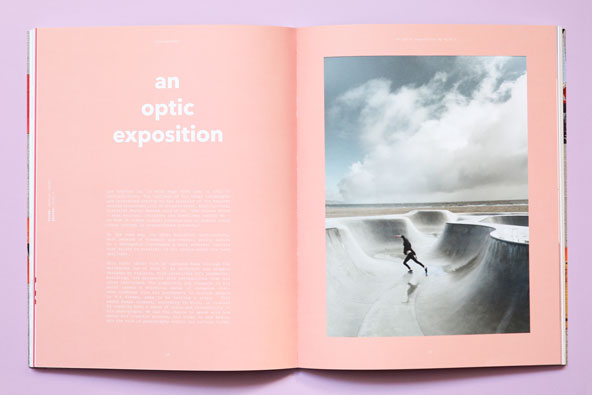
    Now in its second volume, aesthetic/theories is a biannual print publication focused on featuring artists, designers, intellectuals, and institutions that reflect and shape our cultural and creative patterns. We caught up with its editor, Samine Joudat, to discover more about how the magazine started, the influence of Los Angeles and what we can find in volume 2.

    www.aesthetic-theories.com

    Samine Joudat’s portrait by Bailey Warhol.

    What made you start aesthetic/theories and how did you put together the team behind the publication?

    It started from a point that was the convergence of a few different factors. The idea had been in my head for a long time. Not necessarily that of a publication, but an idea that, in some form or another, would be investigating humanity on a broad scale and linking together big fields that people often treat in silos. Photography, art, philosophy, architecture, design, and even technology and sport are often just different frames of reference expressing similar ideas or solving similar problems at their core. I’ve always been interested in philosophy and theoretical ideas of how humanity takes in experiences and conjures meaning out of them. Hence the name, which is a play on Theodor Adorno’s ‘Aesthetic Theory’, in which he traced the influence of art, music, and aesthetics on culture, and vice versa.

    Timing is the other factor. The impetus to give this thing actual life was me recovering from a serious leg injury that required 9 months of rehab. It changed the trajectory of what I was set on doing following graduate school – working in advertising in New York. My brief experience with the advertising world and the big advertising players was that, here is a field filled with a lot of really cool and bright people, who are being swallowed by their organizations’ antiquated natures. It was like: ‘we want you to be out of the box, but, like, not too out of the box. In fact, can you fit in this oval right here?’

    So, aesthetic/theories was at once both a curiosity to pursue while I was bedridden and, in my own way, a ‘fuck you’ to the advertising industry.

    The team came together very organically; it’s a fluid collection of my friends and my girlfriend, to whom I owe a lot of gratitude for pushing me to pursue this and supporting me throughout. We’re close and all collaborate really well and share complementary creative vibes, so it’s felt like a very natural process. My father and uncle, immigrants from Iran, have also been immensely supportive. Beyond the core team though, there has been so much ideation and collaboration and help from different people that I’ve come to know over the years or have just recently met. People who immediately support my vision for a/t and want to help and support what it stands for. So much so that it’s gotten me thinking of far-fetched ideas like a completely open-sourced magazine with as much of a democratic structure as possible.

    ‘Print magazine as blockchain’.
    Can you tell us about what we can find in volume 2?

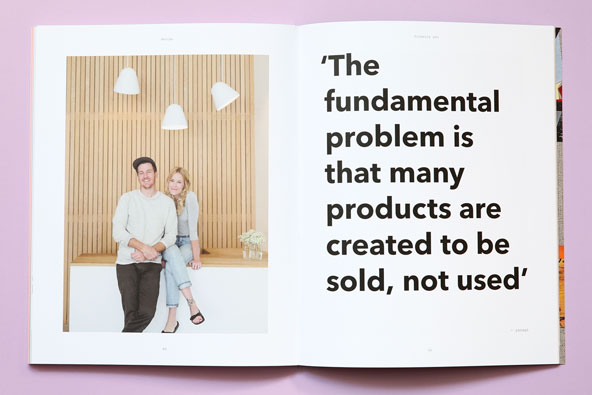
    Volume 002 was about taking the broader ideas behind the birth of the magazine, as stated above, and narrowing them. It is, editorially, about exploring the inherent tensions between ‘art’ and ‘creativity’ and ‘profit’. We wanted to explore artists, designers, intellectuals, and institutions that are expressing their creative ethos authentically and resisting the tides of commercialization.

    You’re based in Los Angeles and the city is present in several articles in this volume, can you tell us about how it influences the publication?

    LA, like any great city in our world, embodies and reflects so much of our species – both in its good and bad. What people probably misunderstand about LA, is that it is a city both ethereal and gritty. Not just one or the other. It is a place that promotes endless aspiration alongside terrible but also beautiful urban realities. A lot of cities embody this trait, but LA’s ecology is so diverse, its geography so large, that it creates this on a huge scale – a vast expanse through which you can literally drive for hours for inspiration. Through the sheer scale of skyscrapers in downtown, to the creative hub of the arts district, to the surreal hills and palm trees of Hollywood, to the beaches of Santa Monica and Malibu, to the decrepit poverty of the marginalized, interspersed wherever they haven’t been pushed out yet. There is a lot of fascinating history here and a rapidly burgeoning creative scene that I think will soon rival New York’s best, if it doesn’t already.

    I should also mention that David Lynch’s Mulholland Drive had a big influence on the style and design of volume 002.

    What do you hope people experience when they read aesthetic/theories?

    I hope they think a little bit deeper about the things, people, and rituals they interact with every day and that they appreciate the role of beauty alongside function.

    How do you see aesthetic/theories evolving in the next volumes? Are you planning to experiment with the content and format of the publication?

    I can only speak about the short-term, and I’m really excited about volume 003. I can say that it will be centered around the ideas of ‘complexity theory’ – which is a field dedicated to exploring the rules governing dynamic systems, from architecture to ecosystems to social media and beyond. Like the idea behind aesthetic/theories, it is a very multidisciplinary field that attempts to find the common links present in seemingly disparate phenomena, in hopes of progressing humanity past its most challenging obstacles. The creative possibilities of an issue focusing on complexity theory are wild, so I’m really looking forward to it.

    We do have some cool ideas in the works behind experimenting with both content and format. Stay tuned. But we are dedicated to keeping the core idea of aesthetic/theories as a print publication, forever and always.
    What have been some of the biggest challenges you’ve faced since starting aesthetic/theories? What have you learnt?

    Lots of challenges. All sorts. I’m stressed thinking about them right now haha. Most have to do with the logistical and financial trappings of a creative start-up. But the biggest one of them all, I have ultimately learned, is strategic. In an ideal world, how big does aesthetic/theories scale if it resonates in the hands and eyes of its customer? I’ll keep you posted when we figure it out 😉

    The beginning of the 2010s saw a boom in independent publishing but it seems like it has slowed down over the past couple of years. What are your thoughts on the current state of independent publications?

    It’s tough for me to answer that because we have just recently entered into it, and so it feels like it’s not slowing down at all, with all the publications and events that seem to be popping up. There are extremely bright and talented people creating some incredible works that express incredible ideas right now in independent publishing. So there is no dearth of supply. The real question is the demand, and I think that is also the most interesting aspect. In terms of scale, no print publication will be able to rival digital anymore (probably). But there is a real opportunity to connect with young audiences that are being cluster-bombed with fleeting digital information, all the time. I am one of them. It’s really refreshing, in your downtime, to be able to actually pick up a beautifully designed object and read really good, relevant content inside. It’s something I think young people are hungry for and digital can’t provide.
     

  • 6 Tips to Organize a New Home as You Unpack

    So you’ve finally managed to pack up and move to a new home. It’s a commendable achievement, but there’s still a lot of work ahead! The unpacking phase might not be as urgent and stressful as packing, but it’s still a challenge. 

    Feeling overwhelmed at the sight of all those boxes? Instead of looking at this task as a burden, think of it as the perfect opportunity to organize! This is where you can start organizing your new home, making each living space more efficient and convenient. With a little more effort now, you can look forward to a functional, orderly home that’s easy to live in. 

    Let’s now look at some steps that can help you achieve this goal: 

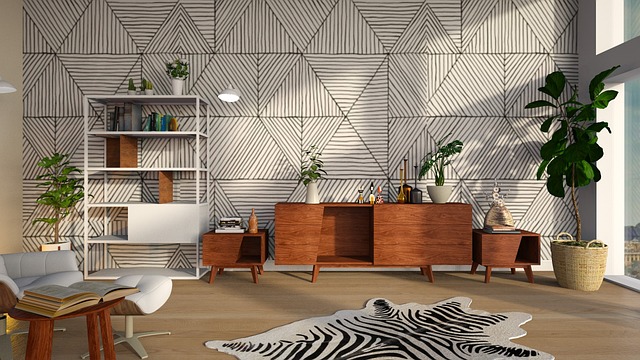
    Image Source

    1. Have a System in Place

    Before you start opening those boxes, think about the best system for this task. The tips below might help you unpack in an orderly fashion: 

    • Your packing should have been according to room or the usage of the items; read each label and look inside before emptying anything out.
    • Take each box to the relevant room or area of your new home.
    • Time yourself; take scheduled breaks or have a set time for resting.
    • Before packing in the first place, make an inventory list or plan to get one from the moving company; keep checking this list to ensure that everything arrives safely.

    What if you packed in a hurry?

    At times, you don’t have the time or energy to sort out everything before packing. Worry not; there’s still a way to organize your unpacking!

    If everything is mixed up inside the boxes, get some large empty containers first (one for each room). Place them around the box you’re going to unpack. 

    As you remove an item, place it inside the relevant container. This way, you don’t have to keep rushing into another room and turning yourself out. Once the box is empty and the containers are full, you can move the items to their rightful place. 

    2. Unpack Necessities First

    This is another step that starts in the packing phase. Before setting off for your new destination, it’s highly recommended that you pack an essential box for the journey. This box (or any other container) will contain the necessities that you need to get through the day. Toothbrushes, a change of clothes, medicines, snacks… the list goes on. This box should be the first one you unpack after the journey. 

    There might also be other essential boxes that you won’t need on the journey. These should have items that one needs to run a household for a few days. If you haven’t taken this step while packing, try searching for certain items and setting them up first. Examples may include: 

    • Basic toiletries
    • Phone chargers
    • Laptop chargers
    •  Important paperwork 
    • Books
    • Items for food prep

    If you feel like something is missing, consider some of these first things to buy when moving into a new home. 

    3. Set up the Kitchen

    If you’ve learned how to pack kitchen items properly, the next step will be quite easy. Labeled boxes will help you locate the items. Before unpacking, however, take a round of the new kitchen and decide what goes where. When you have designated drawers, it’s much easier to set the items there directly from the box. If you don’t make these decisions beforehand, the cutlery and other stuff might just pile up on the kitchen table. 

    Here are a few more steps that can come in handy: 

    • Try lining the kitchen cabinets and cupboards.
    • Start by unpacking the essentials that will make life more manageable.
    • If you don’t have time, leave the small organizational tasks (such as organizing the spices alphabetically) for a later day.

    4. Work on the Bedrooms

    The bedrooms are also important spaces. These are the areas where everyone can rest and personalize according to their tastes. After setting up the kitchen, it’s usually best to tackle the bedrooms. Here are some steps to keep in mind: 

    • Assemble the beds
    • Unpack the bed linens, if not all of them, then at least enough for a single night.
    • Decide the placement of the furniture before moving anything in
    • Look inside the closets and determine how to fit all your belongings inside
    • If you plan to have organizing units and shelves, install these before setting your stuff inside

    5. The Bathrooms Come Next

    Since bathrooms should be pretty much functional the moment you step in the door. The basic toiletries may already be out during the essential packing. Now, it’s time to focus on organizing the bathrooms so that they can provide comfort and hygiene in your routine. Here are a few ways to go about it: 

    • Unpack your towels, soaps, and other bathroom-related items.
    • Deep-clean the bathroom before setting up your things inside.
    • Stock the linen closet with extra towels, washcloths, etc.

    6. Assembling and Arranging

    You’ve already assembled and set up the beds in the bedroom. Now is the time to arrange the rest of the furniture in your new home. The tips below can help in streamlining this process: 

    • Try to get some floor plan sketches of the new place before you pack; if your future is too big, you may have to get new pieces
    • The floor plan will also provide insight into the best furniture arrangement for the bedrooms, dining room, living room, porch, etc. 
    • If you have furniture that needs mechanical assembly, put them together after finalizing the setup in each room. Otherwise, you may have to disable the pieces again when they don’t fit in a certain spot.

    Conclusion

    Instead of making unpacking a chore, make it an organizational mission! The steps above will hopefully streamline your unpacking process and make it easier. The best part is that you’ll get to enjoy your new home more quickly. With the home organized and under control, the whole family will be able to start settling into their new lifestyle. Why not open up the first box and start right away?

  • 9 Lifestyle Changes to Be Prepared for When Moving Out Of Louisville

    Moving away from the place you call home is a major life transition, requiring both practical preparations and mental adjustments. When relocating from Louisville to a new city or state, you’ll likely experience changes big and small that impact your daily routine and quality of life. It’s important to research your destination thoroughly so you know what to expect.

    While every location is different, here are some common lifestyle changes to prepare for when moving out of Louisville:

    Image source

    Climate:

    Louisville enjoys a humid subtropical climate, with hot, humid summers and mild winters. Highs reach the 80s Fahrenheit from May to September, with average summer temps in the 70s. Winters are cool, with average highs in the 40s.

    If you move somewhere with a dramatically different climate, it will impact your day-to-day life. For example, a dry climate may require more hydration and moisturizer. Somewhere prone to extreme cold and snow would need a heavy winter wardrobe, while a tropical locale calls for lightweight, breathable fabrics. Places with rainy seasons necessitate good rain gear and wet weather plans. Ensure your new home has appropriate heating and cooling for the climate. 

    Traffic and Transportation:

    Louisville has its share of traffic challenges, from complex road structures like the Spaghetti Junction to frequent maintenance on Ohio River bridges. Additionally, the city’s public transportation mainly includes buses and trolleys.

    If you’re planning a move out of Louisville, you may need to work with Louisville long distance moving companies who are familiar with the city’s transport and traffic dynamics. They can suggest the best times and routes for moving, making the process smoother for you.

    Once you’re in your new location, take some time to understand its transportation system. Check out public transit options and learn about the main roads. Some cities might have faster transit systems, while others, especially crowded ones, could have heavy traffic.

    Local Cuisine:

    Louisville has its own unique food culture, which is influenced by traditional Southern cooking and specific to Kentucky. Some of the local dishes, like the Hot Brown (a type of sandwich) and a dessert called Derby Pie, are staples of the city. However, these might be rare to find in other places.

    If you’re missing Louisville’s food, you can try making these dishes at home. Alternatively, you might be able to order certain local ingredients or goods to be shipped to you. 

    Cost of living:

    Louisville enjoys a relatively low cost of living compared to many major U.S. metros. Housing, groceries, utilities, and other expenses are very affordable. When relocating, carefully research the prices for essentials in your new location, which may be significantly higher or lower. 

    Consult online cost-of-living calculators to compare expenses. Also, drive around to check rental rates, home prices, and transportation costs. Then, update your budget to reflect higher or lower costs and trim expenses where you can. 

    If costs are lower, enjoy the savings or redirect funds toward loans or savings. However, if you’re moving to a place with significantly higher living rates, learn to embrace cheaper activities like picnics over pricey events to balance it out. You will find free or low-cost recreation like parks and libraries in most states.

    River City Vibe:

    Louisville’s identity is tied to the Ohio River, which winds through the city’s heart. Because of the river, many water activities like boating and fishing are popular pastimes of the residents. Moving away from this big waterfront is sure to bring some changes in the lifestyle. 

    The ambiance offered by the water in Louisville, from the serenity of nature to the excitement of water sports – all may be absent in your new place, so seek out lakes and ponds near your new home to enjoy water recreation. 

    If nothing is available, how about adding a swimming pool to your backyard? You can also join community clubs for swimming pools or look for fountains and aquatic centers nearby. 

    Parks and Green Spaces:

    Thanks to the visionary landscape architect Frederick Law Olmsted, Louisville boasts one of America’s largest urban park systems. These wide, scenic parks cater to various recreational activities, from golfing in the summer to sledding in the winter. However, relocating might mean saying goodbye to a favorite green space. 

    In your new community, take the time to explore local parks and other outdoor spaces. You can hike different paths or sample various playgrounds, and before long, you’ll stumble upon new beloved locales. Perhaps consider joining a recreational league as a way to both appreciate the outdoors and connect with new friends.

    Local Etiquette:

    Louisville is known for its Southern hospitality, which represents a friendly and polite community. Residents take pride in their friendliness and sense of inclusion. This warmth becomes especially noticeable when you compare it to other places. For instance, in northern regions or in larger, bustling cities, the culture may seem less open, perhaps even distant or reserved. In contrast, smaller towns might give off a gossipy or inquisitive feel. 

    To truly understand and adapt, observe the nuances in how locals interact and adapt their style to be in sync; however, all the while staying true to your values. Joining newcomer groups can also be an invaluable way to learn the unwritten rules and establish new friendships. Also, graciously carrying forward Southern customs, like offering homemade treats to new neighbors, can never go wrong. Politeness is universally appreciated. Let Louisville’s warmth resonate in your heart, no matter where your journey takes you.

    Cultural Events:

    Louisville enjoys a thriving arts and cultural scene that locals passionately support. Plus, the city loves local talent, from its long-running The Flea Off Market craft bazaar to art galleries displaying regional artists. The mix of Southern traditions and contemporary creativity makes it a dynamic arts city.

    Moving away may mean saying goodbye to much-loved Louisville institutions and events. Your new hometown likely can’t replicate favorites like the Pegasus Parade or Humana Festival of New American Plays. 

    However, if you research ahead of time, you can get a sense of the performance venues, museums, festivals, and other cultural attractions in your new area. The arts scene may be more modest, with community theatre instead of Broadway tours, but that local charm has value, too.

    While it may not replace Louisville’s arts scene, immersing yourself in local culture wherever you move allows you to discover new talents and traditions. The arts have the power to connect people across boundaries of geography and experience. Louisville’s creative spirit exists in your heart wherever you go.

    Conclusion

    With preparation and an open mind, a move from Louisville can be an exciting chance to experience new adventures and scenery while taking the best parts of home with you. Do thorough research on your new hometown to understand coming adjustments. Embrace new adventures with an open mind while finding creative ways to honor Louisville traditions. With preparation and adaptability, this transition can enrich your life as you blend the best of Louisville with the new experiences ahead. The key is being ready for the many little changes so you can thrive in your fresh start.

  • Advice And Guidance For Coping With A Difficult Divorce Or Breakup

    Divorce and breakups can be emotionally challenging and tumultuous experiences, often leaving individuals feeling lost and overwhelmed. In this article, we will provide valuable advice and guidance for coping with the complexities of a difficult divorce or breakup. From seeking emotional support to legal considerations and even the option of taking paternity tests, we’ll explore various aspects of navigating this challenging period.

    Seek Emotional Support

    One of the hardest parts about going through a divorce is the emotional aspect. Divorce can often be one of the hardest points to experience in many people’s lives. Sharing your feelings and thoughts with a trusted friend, family member, or therapist can help you process your emotions and gain perspective on the situation. Don’t hesitate to reach out to a support network that can provide you with a safe space to express your feelings.

    Legal Considerations

    The legal aspects of a divorce or breakup can be daunting to try and understand. However, it’s important that you get to know your rights and responsibilities. Start by consulting with a qualified family lawyer is essential, as they can provide you with guidance on issues like property division, child custody, and financial support. Making an attempt to understand the legal framework can help you make informed decisions and protect your interests.

    Exploring Paternity Tests

    In some cases, doubts may arise about paternity, especially when children are involved. AlphaBiolabs paternity test kits can provide clarity in such situations. It’s essential to approach this topic with sensitivity and ensure that all parties involved are informed and consenting. Consulting with legal and medical professionals is advisable to navigate this process correctly.

    Co-Parenting and Child Custody

    If children are involved, co-parenting and child custody arrangements are pivotal. It’s essential to prioritise the best interests of your children during this challenging time. Open communication with your ex-partner, and, if necessary, mediation or legal support, can help establish a stable and healthy co-parenting relationship.

    Self-Care and Wellbeing

    Taking care of your physical and emotional wellbeing is vital during a difficult divorce or breakup. Engage in self-care activities such as exercise, meditation, or hobbies that bring you joy. Prioritising your health will help you navigate the challenges more effectively.

    Conflict Resolution

    Conflict can be inevitable during a divorce or breakup, but it’s essential to find constructive ways to resolve disputes. Mediation can be an effective approach to reach mutually agreeable solutions. Keeping the lines of communication open and focusing on finding common ground can help minimise conflict.

    Moving Forward

    Coping with a divorce or breakup is a journey, and it’s essential to keep moving forward. Set goals for yourself, both short-term and long-term, and work towards them. This can provide a sense of purpose and motivation during challenging times.

    Professional Help

    If you’re struggling to cope with the emotional toll of a divorce or breakup, don’t isolate yourself or try to contain your struggles. Seeking professional help is a wise decision, and therapists and counsellors can provide you with strategies to manage your emotions and develop resilience.

  • NKITH – New Kids in the Hood

    NKITH – New Kids in the Hood

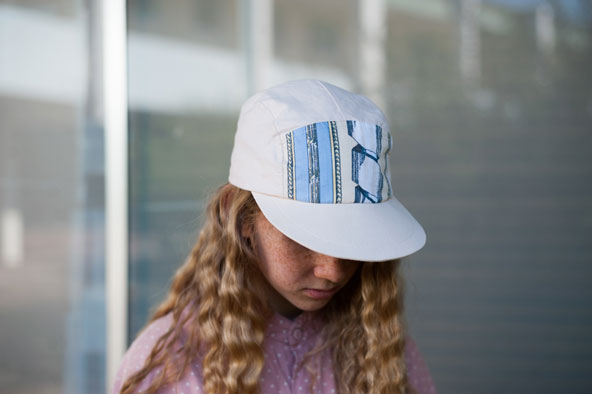
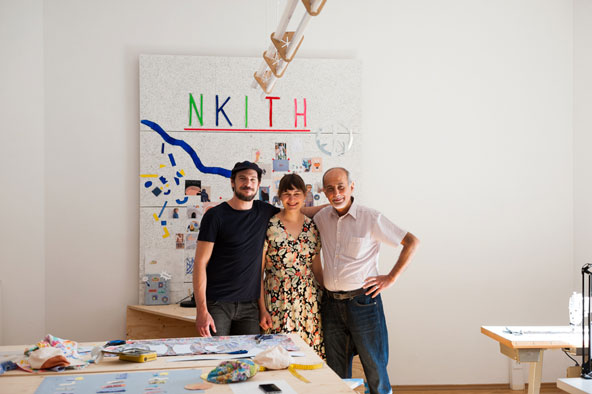
    Sarah Seidel is the founder of New Kids in the Hood (NKITH), a kidswear label producing upcycled and sustainable clothing in Nuremberg, Germany. Along with her boyfriend Florian and Hamdi, a production manager from Syria she met whilst working with refugees on an art exhibition, Sarah creates caps, trousers, shirts and other children clothing using fabrics and prints from the 80’s and 90’s.

    We talked with Sarah to find out more about how NKITH started, the label’s design and manufacturing process, and future plans.

    www.instagram.com/newkidsinthehood
    www.nkith.com

    Photos by Maria Bayer.

    Can you introduce yourself and the rest of your team?

    My name is Sarah, I am a seamstress and social worker living in Nürnberg, Germany. I have a 3-year-old son with my husband Florian, who I am also doing this project with.
    Florian is the creative director of “Die Krieger des Lichts”, a design agency from Nürnberg. We share the same workspace – I design the clothes while Florian is head of all print / online designs and also develops all strategic matters for NKITH.

    We also receive a huge amount of help from our friend Hamdi, a textile production manager from Syria. He helps with sewing all the kids clothing.

    How did NKITH start?

    Two years ago, when I was studying social work, I met Hamdi while working on an art exhibition with refugees. He used to own a huge textile production company with 200 people working for him, back in Syria. We decided to start working together by making kids clothes out of old fabrics. Initially, we gave our products to family and friends – this is how New Kids in the Hood was born.

    Hamdi is a great production and high quality manager. This project would not work without his enthusiasm and his love for clothes and life.

    Sustainability is key in your products, can you tell us about your design and manufacturing processes?

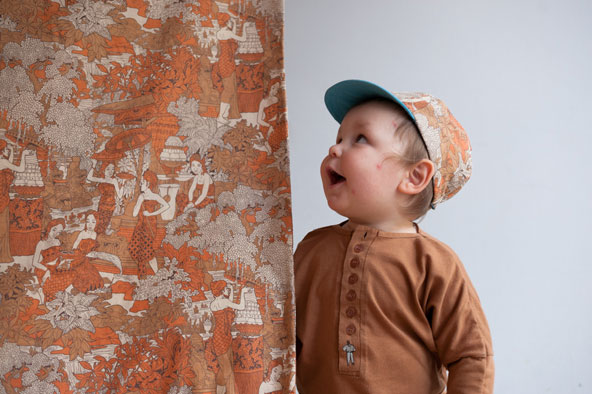
    NKITH is an upcycling kidswear brand with a slow fashion approach. We are driven by the colorful and fearless memories of our childhood, and we collect used fabrics to create new and timeless pieces for kids.

    Our first collection is inspired by 90’s sitcoms and public transportation seats. They feature exuberant patterns and illustrations from the time that brought us the internet and a prince from Bel Air.

    We love what we do and this is an ambitious project for all of us. We want to make fashion without wasting too many natural resources in terms of the fabric production. There are tons of old fabrics still in good shape and it would be so stupid not to use them – you probably know about the critical water consumption due to the world’s cotton production…. Every item is unique and handmade with love in our studio in South Germany.

    What products do you currently offer and what you’d like experiment with in the future?

    At the moment we offer kids clothing: trousers, skirts, dresses and caps for 0-8 year-olds. We also make caps and mum-shirts in adult sizes. The upcycling process allows us to only craft unique pieces.

    All fabrics are collected from huge textile recycling factories in the south of Germany. We manage to produce about 30 caps out of one fabric – when it’s used up, we will probably never find that very same textile print again.

    For the SS18 collection, we will add some basic items. In order to generate more single colour fabrics for the basics collection, we will upcycle and hand dye old fabrics.

    How do you see NKITH growing in the next few years? Do you have any projects or ideas you’d like to develop?

    In the future we would love to invite more people to work with us, as there are many very talented seamstresses living in our area. Textile factories are very rare in Germany, so we would like to bring the fashion production back to our hood.

    We want to experiment with special techniques; we figured out how to avoid remnants by laser cutting all pieces to give an example. We are calculating, developing and trying out a lot. It feels like a huge everyday puzzle that we are completing day by day. It’s this particular challenge what we really love about our project.