Tag: design

  • Made in Portugal

    Made in Portugal

    Chances are that if you own a piece of clothing by a European brand that cares about sustainability and quality its label says ‘Made in Portugal’. The country has long been known for its manufacturing tradition, but over the past decade Portugal has started to make a name for itself in the design industry thanks to the work of emerging designers who are using this craftsmanship to create products that are changing the way Portuguese design is perceived both inside and outside its borders.

    To explore this subject, we chatted with 5 product and fashion designers based in Portugal to hear their thoughts about the main advantages of manufacturing in Portugal, how the Portuguese government supports design and what needs to be done to make Portuguese design grow even more.

    Reality Studio

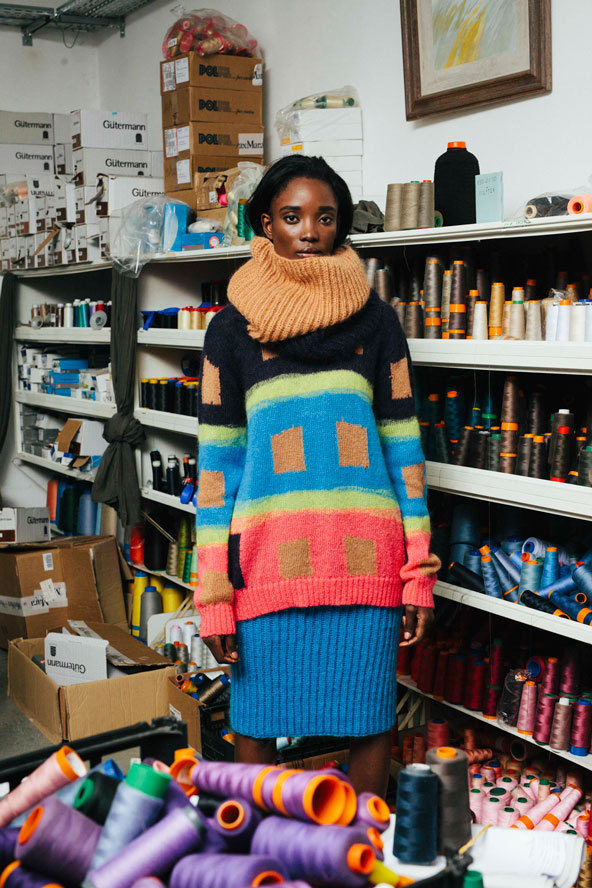
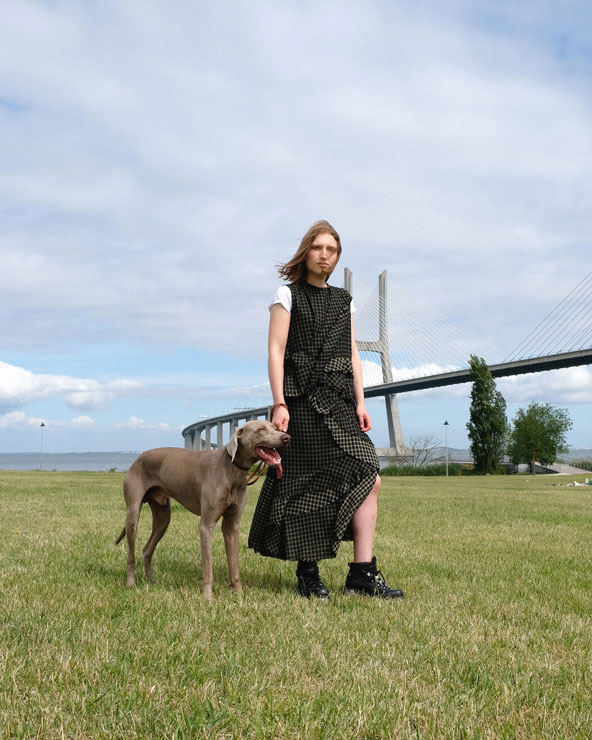
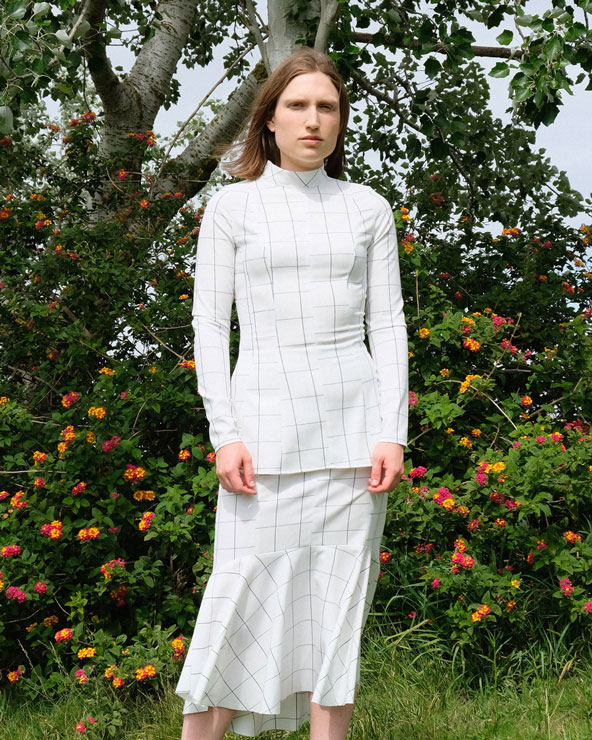
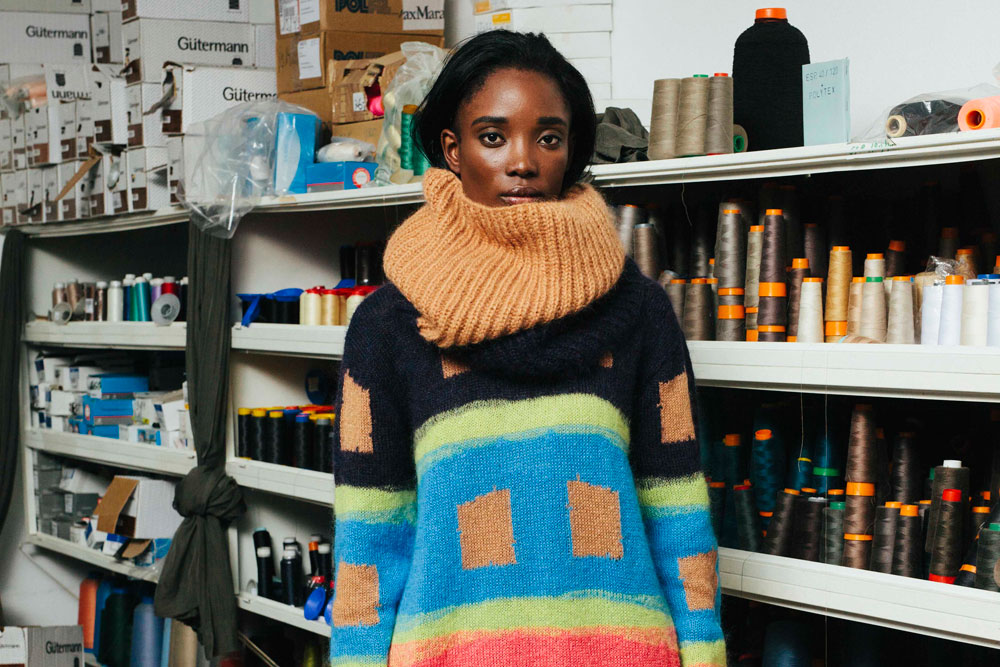
    German designer Svenja Specht started her fashion label, Reality Studio, in Berlin in 2005 and moved to Porto in 2014. Svenja is inspired by ancient craft techniques and questions fast fashion and mass production methods, so it’s not surprising that since relocating to Portugal she has produced her collections working closely with local manufacturers.

    Svenja thinks that “Portuguese fashion design is quite supported inside of Portugal but it is still not seen as something that can make money – it is not considered a serious business.” Svenja adds that it’s very difficult for designers to achieve international visibility and financial stability: “I think generally, not only in Portugal, young designers need more support and information about what it means and is needed to build up a brand that is long lasting.


    Image by Reality Studio

    Moving to Porto has allowed Svenja to experiment with different products: “There are so much more possibilities for trying out other fields of design than in Germany. There are bag producers, cap producers, jersey producers…but it is, anyway, not easy with smaller quantities like in our case. It takes time to to build up good relationships with the producers.

    Although she’s only been in Porto since 2014, Svenja thinks that the country promotes Portuguese design: “As we’ve only been a Portuguese brand for 3 years, I’m not completely aware of all the funding opportunities but I think the government and the cities do quite a lot to support and promote Portuguese design. Also, there are fashion weeks in Lisbon and Porto. In the last months one organisation from the textile Industry revitalised, with EU funding, a long existing magazine called ‘Principalmagazine’. They asked young photographers, art directors and graphic designers to refresh it – I think it’s a great project.


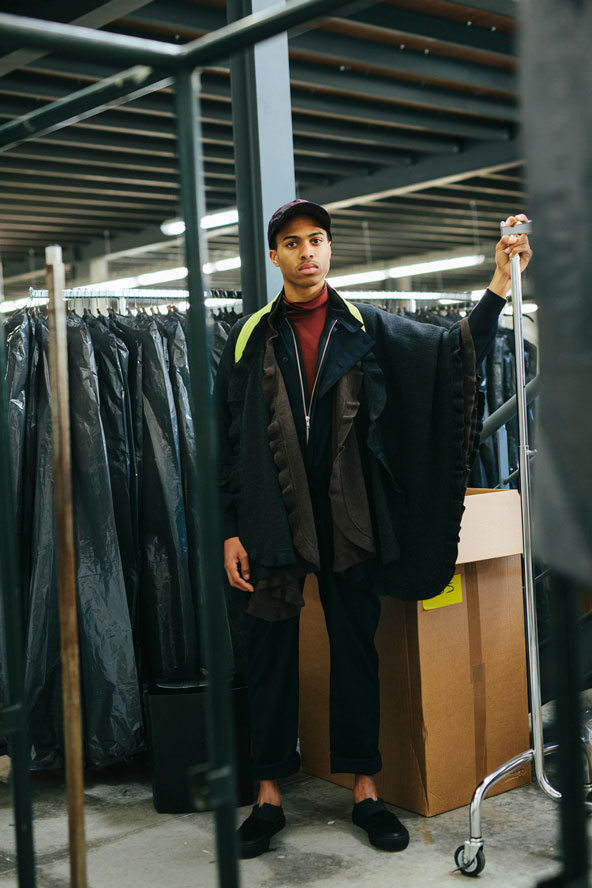
    Image by Reality Studio

    Ghome

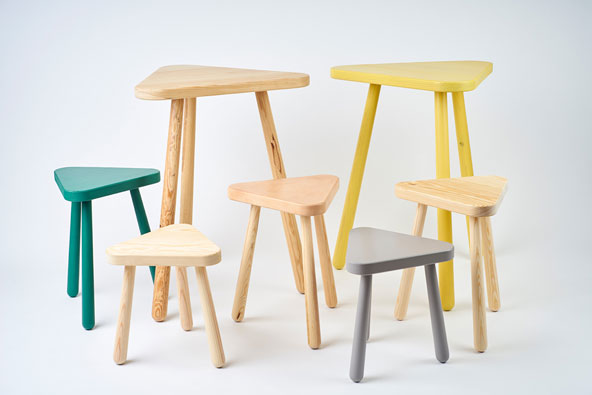
    Ghome is a furniture and homeware brand founded by Gonçalo Prudêncio and based in Sintra. Ghome offers functional, sustainable, well-designed and affordable products that are manufactured using Portuguese raw materials and local craftsmanship.

    For Gonçalo, the perception of Portuguese design has changed positively over the past years: “Until recently, Portuguese design was academic and with no commercial nor economical relevance, reaching both the domestic and the international scene through exhibitions and other similar events. Since 6 or 7 years ago, a few attempts have been made to start brands that include design as a key factor in their business models. This has been changing, even if slowly, the perception about design in Portugal from something that was meant to be seen at ‘the museum’ to something accessible and meant to be used.


    Image by Ghome / António Forjaz Nascimento

    Gonçalo sees 4 clear advantages in manufacturing in Portugal: small and big factories with long experience in production, good quality, good levels of technical understanding and a solid know-how. He also agrees that the Portuguese government promotes design through EU funding and supporting organisations on organising exhibitions and events. Despite this help, Gonçalo thinks that “there should be more brands! We are still far too little. Without brands operating in the market, there is little to promote.


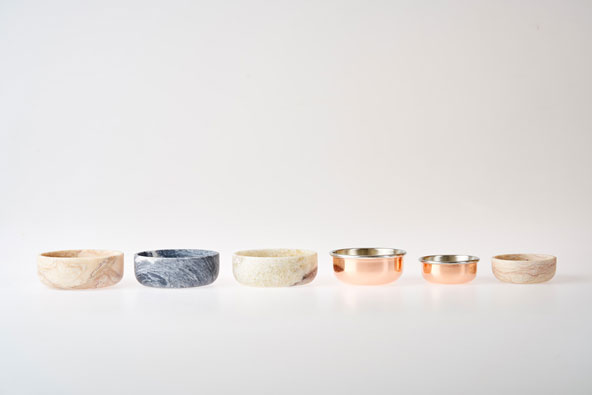
    Image by Ghome / António Forjaz Nascimento

    Sara Maia

    Sara Maia is a fashion designer and the founder of womenswear label S*M. Originally from Porto, Sara first worked for different designers in Portugal after graduating and then moved to London to work for Portuguese designers Marques ‘ Almeida and British designer Aitor Throup. She now works and lives in Lisbon.

    When asked about the perception of Portuguese design, Sara agrees with the rest of designers: “In Portugal the perception is still very small and the interest is not very high, although we feel that it’s getting better.” Sara thinks that the main advantages of manufacturing her pieces in Portugal are “the production quality and the minimums required for the production, which are low compared to manufacturing outside of Portugal.


    Image by Sara Maia

    Competing internationally is one of the main issues for Sara and she thinks emerging designers should receive more support in this area: “I think we still get help from our government indirectly, which isn’t enough if you want to compete with other brands outside of Portugal that get support from their governments but also private investment. Creating more public investment aimed to designers is essential, and also thinking internationally when working with partnerships and collaborations – this will help putting Portuguese design in the map.


    Image by Sara Maia

    GUR

    Run by Célia Esteves, GUR is an innovative project paying homage to Portugal’s craftsmanship. Working in partnership with an artisan weaver of rugs, GUR invites artists to express themselves and create their own rug designs using a medium they’ve probably haven’t experimented with before. The rugs (called GUR) are handmade, woven in a traditional handloom using raw tirela (rag).

    Célia thinks customers are now paying more attention to Portuguese design and the traditions behind it: “All over the country you can find different traditions and techniques evolving around weaving – the north is very strong in rag rugs and popular costumes and in the south you can find ‘burel’, a waterproof and warm wool fabric that was used by the shepherds in Serra da Estrela. Burel is keeping alive the value of the region’s natural resources, combining the art and know-how of the village weavers with modern design. Mizette Nielsen did the same in the 70’s, salvaging a wool factory with a unique weaving method that was used to create blankets in Alentejo. Portugal is very rich in textiles but a lot got lost during the mass industry years and now we can see a big recovery – people are starting to value the history and handicraft of our country.”
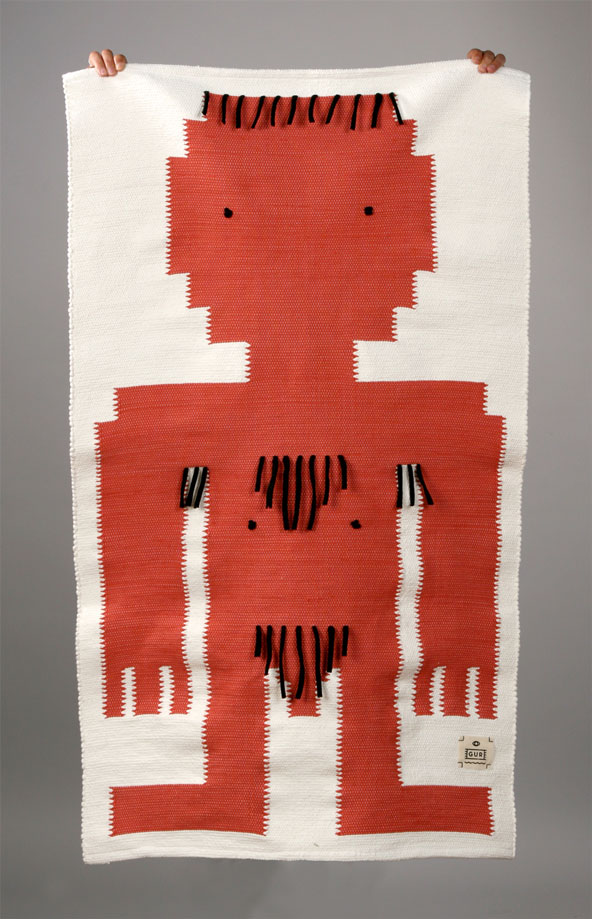

    Image by GUR

    Although there’s some support and funding coming from the Portuguese government, Célia thinks that there should be even more: “There is some support to participate in international fairs – last year we went to London Design Fair in the Portuguese pavilion. Going to fairs is so expensive, this help can allow some new projects to show their work but there is not a lot of budget for a full support or enough available for all.” Not having enough support and not being able to manufacture small quantities are two of the main barriers to the growth of the Portuguese design industry according to Célia: “Portuguese designers eventually have to emigrate or do projects abroad to have some recognition. The industry in Portugal should support more projects and the manufacturing of fewer quantities to new designers should be more accessible – for example, the high-quality furniture factories only produce pieces, normally, for big clients. This makes it more difficult for young designers to start their businesses.


    Image by GUR

    LA PAZ

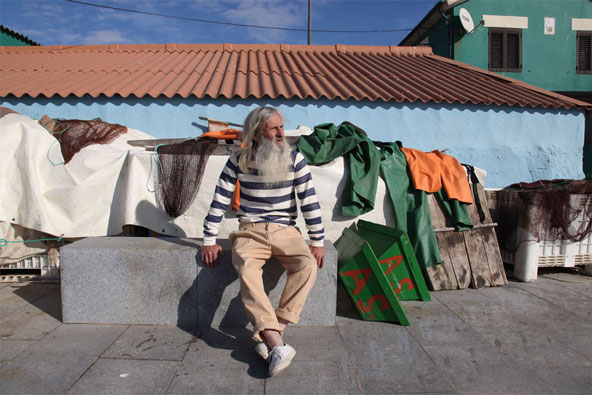
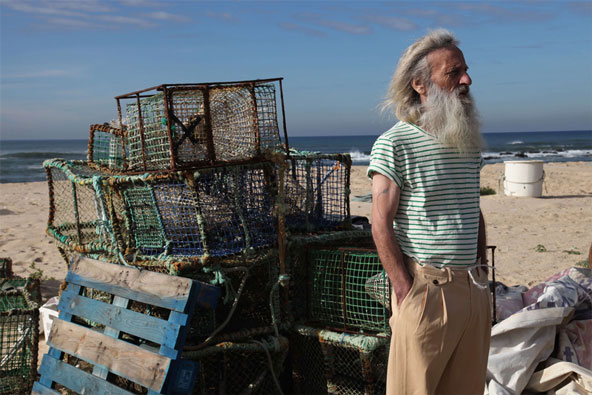
    Jose Miguel de Abreu and André Bastos Texeira are the friends and business partners behind LA PAZ, a menswear clothing label inspired by the Atlantic, its people and traditions. LA PAZ offers timeless and durable goods, working with the best local manufacturers and combining their knowledge with the label’s approach to design.

    Jose thinks that Portuguese designers are now seeing design from a different perspective and this is affecting positively the way it is perceived: “I think that the idea of ‘Portuguese Design’ was quite umbilical for a while, meaning that most designers would work from an internal perspective to an internal or even local public. During the last few years there has been a lot of people studying abroad, travelling around and getting new inspirations, which has facilitated a new approach to what our identity really is and how can we show it to the world.


    Image by LA PAZ / Jose Miguel de Abreu
    For Jose, quality is not the only factor that attracts foreign labels to manufacture their products in Portugal: “Besides the production quality which is recognized all over the world, Portugal is very easy to access from all over Europe, everyone can speak English, there are very good working conditions, and then there’s the sun, the food and the people who are very friendly“.

    In order to promote Portuguese design, Jose believes that the first step must be made by the designers themselves: “They must get off their comfort zone and take risks. I think that it’s important to act within a global perspective and not being satisfied by the illusion of being the ‘king of the neighborhood’. Portugal has many production facilities and is a small country so it’s very easy to travel around and find solutions for what you need to do, and then there’s many solutions to present your project abroad, but you must want it really hard first.” According to Jose, most designers face the same challenges but they can be overcome with creativity: “We know that the beginning is not easy because you have all the quantity issues, nobody knows you, and so on, but it can be very satisfying in terms of results, and even if the results are not that good they will certainly come with a lot of adventure and personal growing attached. Sir Ken Robinson says at some point in his book The Element that ‘One of the enemies of creativity and innovation, especially in relation to our own development is common sense’, and I believe so too.


    Image by LA PAZ / Jose Miguel de Abreu
     

  • Openhouse Magazine

    Openhouse Magazine

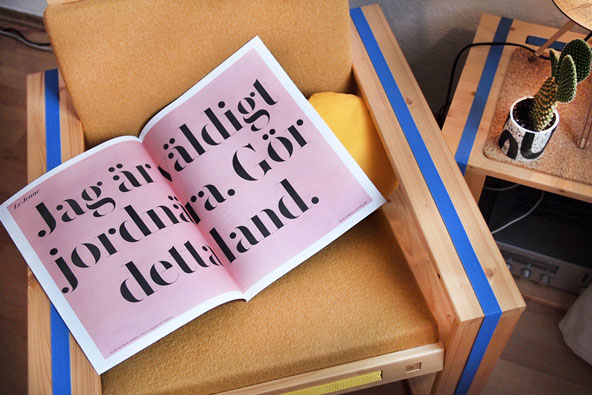
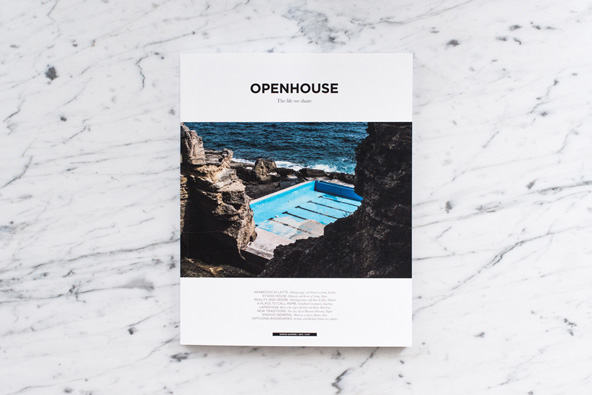
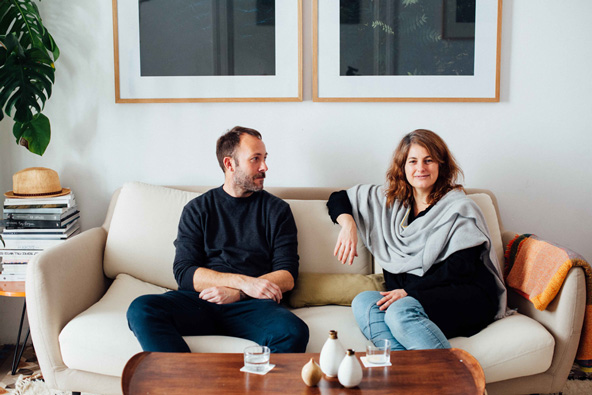
    Founded by Andrew Trotter and Mari Luz Vidal, Openhouse is a biannual magazine dedicated to creative people around the world that open their homes or private spaces to the public to organise different events and activities related to gastronomy, art and design.

    We chatted with Andrew about the beginnings of the magazine, opening his house to other people and how Openhouse is bringing like-minded creatives together.

    www.openhouse-magazine.com

    Photos by Yanina Shevchenko

    What made you start Openhouse?

    Openhouse, the magazine, grew from our project in Barcelona. We started to open our home as a gallery of photography to share our work in a more intimate way. With our flatmate Nobu Kawagoe, we started making dinner and sushi parties, then concerts and talks. We became quite the talk of the town. Over the three years that we were open, more that 4,500 people passed through our doors.

    We met so many wonderful people, some became new friends, and we started to learn about more people around the world with similar projects so we decided to put it down on paper.

    The magazine is in English but each article is also written in a different language, depending on the location of the spaces and people you feature. How did you come up with this unique idea and what were the reasons behind it?

    I’m English and Mari Luz is Spanish, and we talk with a mix of these languages, sometimes even in one sentence. But we realised people talk easier and open up more when then talk in their own language, so we decided we should always find a writer to interview in the first language of the subject. This way the stories become more intimate and more close, real feelings come out.

    How has the magazine evolved since its first issue?

    We actually hope the magazine isn’t evolving too much. We don’t want to change, we hope to always talk about these amazing people around the world who humbly share their homes and lives with others. The only change is that it is getting easier and easier for us each day. We have now launched issue No.7 and we are getting used to the business and logistics of having a company.

    What do you hope people experience when they read Openhouse?

    Openhouse acts as a guide to these people, whether they are in your town or in a place you are visiting. We are so connected in these days by our telephones, that we have lost sense of our community and rarely meet new people. We talk about people who have a love for bringing people together and sharing ideas.

    Do you have any plans or projects for the upcoming months that you’d like to share with us?

    We will soon open our second house here in Barcelona. A space where we can hold intimate gatherings, talk to people and welcome visitors to stay with us. We are also launching a new web that will make it easier for you to find these people around the world. There will be more stories and local guides.


  • The Future of UK’s Independent Ceramic Industry

    The Future of UK’s Independent Ceramic Industry

    The UK has always been associated with ceramics and pottery and, over the past few years, the country’s ceramic industry has gone through a revival thanks to independent makers and designers celebrating craftsmanship and using social media to connect with their customers. According to data, the sector grew 45% between 2009 and 2013, and since 2013 the employment in this industry has kept on increasing.

    To find out about the current situation and what’s next, we chatted with 4 ceramicists and potters across the country to hear their views and predictions.

    Olivia Fiddes

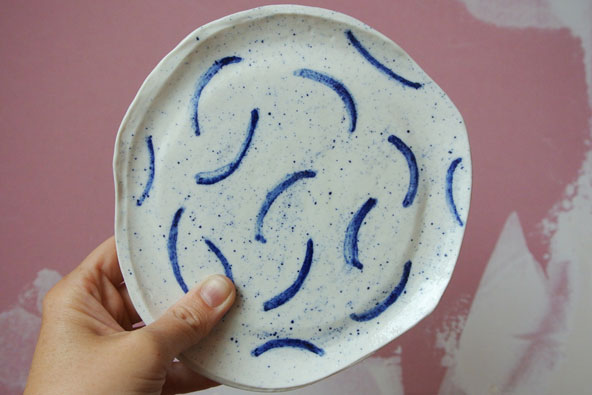
    Olivia Fiddes is a Scottish ceramic artist based in London that creates homeware and objects using hand building techniques. When asked about why ceramics have become so popular over the past years Olivia says “There’s clearly been a shift away from ‘fast-fashion’ and consumption to more support for local, ethical and traditional businesses. Even if you aren’t able to be a ‘maker’ yourself you can be involved in that lifestyle by supporting makers and by having these goods in your home. I think shops and businesses definitely see this and have looked to sourcing products from artists, designers and craftspeople who value quality and self-expression. As a customer there is nothing more special than a one-off or limited run product, which handmade ceramics tend to be.


    Photo by Olivia Fiddes

    For Olivia, this shift in the way we consume products is also influenced by the current financial situation, “We’re spending rather than saving our money more because houses and families are more distant. We’re willing to spend money enjoying our everyday and living in the present, whether that is on special tableware, a holiday or going out for meals.


    Photo by Johanna Tagada / Photo by Association

    Ana Abellán

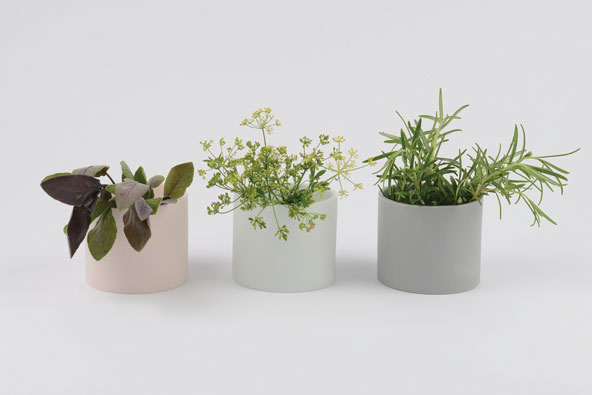
    Spanish ceramicist Ana Abellán started working with ceramics 5 years ago after moving to Edinburgh and attending an evening course for adults. Ana agrees with Olivia when it comes to the value of owning something special, “We all want to have unique things, things that have a meaning – I really believe in quality over quantity. I don’t want to have ten cups made with a machine somewhere in China, I’d rather have one handmade cup that has some kind of special energy“. The way we live right now has also influenced how we interact with things around us and Ana thinks that “Society has lost the connection with nature and beauty. I think we need to relearn how to slow down and appreciate the beauty inherent in simple things we have around us, although I am the first one on that list – I am always rushing everywhere trying to get too many things done.


    Photo by David Guillen

    When asked about what ceramic artists need to do to supply customer needs in the near future Ana says that “Ceramic artists have done a great job over the last few years, promoting themselves, sharing more and making ceramics more attractive. Getting in touch with customers and listening to them is important, as well as being affordable but valued.


    Photo by David Guillen

    Home Thrown Studio

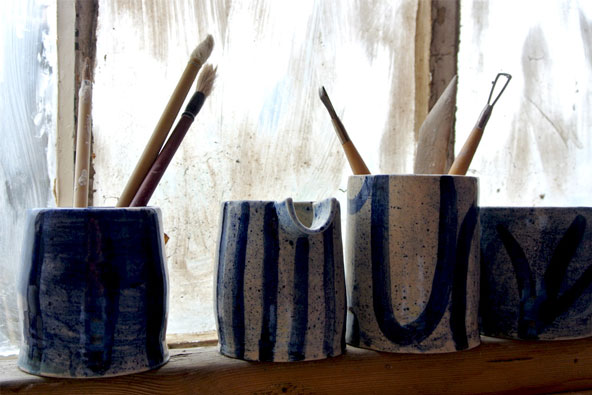
    Gem Mordle from Home Thrown Studio also got interested in ceramics after taking up an evening class when she moved to Dorset 8 years ago. For Gem, the recession has had a positive impact on consumer behaviour, “I’ve definitely seen a rise in appreciation for ceramics and everything and anything hand crafted over the last couple of years. People want to spend their money on objects or clothing that are hand made and have a sense of authenticity about them. Lots of my customers seem to really appreciate the personality of my wares and the fact they are all original and have a story. It’s also really nice to be able to meet customers face to face at local markets, as so much shopping is done online these days.


    Photo by Home Thrown Studio

    Despite oversees manufacturing and the easy access to cheap homeware, Gem feels positive about the current situation of the industry and its future, “I feel over the past years that ceramicists and potters are being put back on the map. There has been a bit of a revival with the Great British Throw Down, the Kickstarter campaign for The Clay College in Stoke and a handful of universities are starting up their ceramic courses again so I think we can be hopeful. I am inspired daily by the ceramic community on Instagram, and feel that social media is a great platform for contemporary potters to exhibit their work and keep in touch with their customers.


    Photo by Home Thrown Studio

    Natalie J Wood

    Scottish designer Natalie J Wood studied at Gray’s School of Art and felt attracted to ceramics due to its complexity and flexibility. For Natalie, social media has played a key role in the development of her businesses and educating customers about what’s behind a product, “It has helped me connect to new audiences. To promote events I’m linked with. I feel as a designer/maker Instagram has been a great platform for visual based work. You can instantly gauge what about your work people connect to the most. It challenges you in a way to create a larger story with your work. Now people want to understand more about behind the scenes and how making is a part of your life. In turn that gives the work more value because people can understand it on more than just a visual level.


    Photo by Sean Dooley

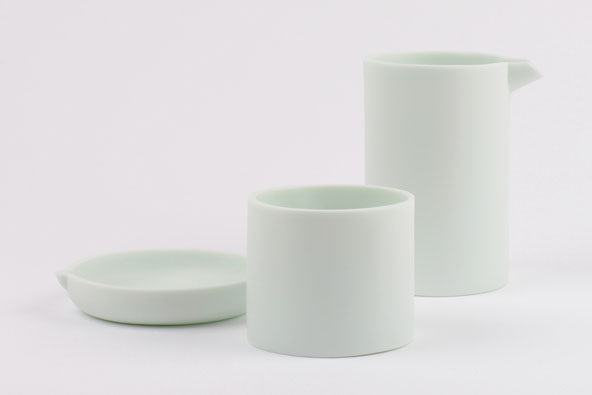
    Natalie considers function an important factor for current and future customers, “I think the industry is becoming more about micro manufacturing and independent brands. People are becoming more concerned about where the products they buy are coming from and having a story behind a piece makes it something special. I also think that in a backlash to throwaway culture our society is less about the ornate and there is a rise in the beauty of function. Objects that have purpose but also become decoration. I know I sell water carafes but a large number of people use them as vases, which I think is great! I’ve been a long time advocate of the William Morris quote ‘Have nothing in your house that you do not know to be useful, or believe to be beautiful.’ But I think now that use and beauty are becoming one and the same.


    Photo by Sean Dooley

  • Newspaper Club, Print’s Not Dead

    Newspaper Club, Print’s Not Dead

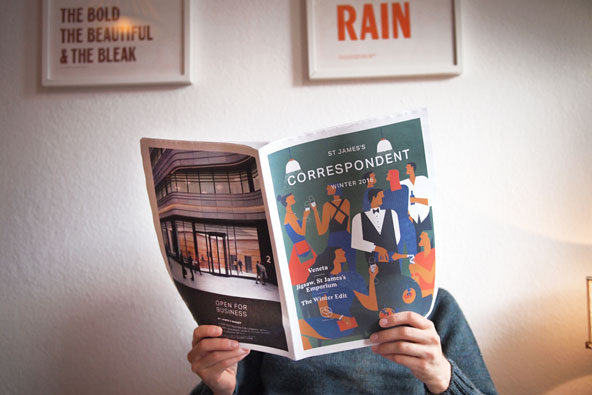
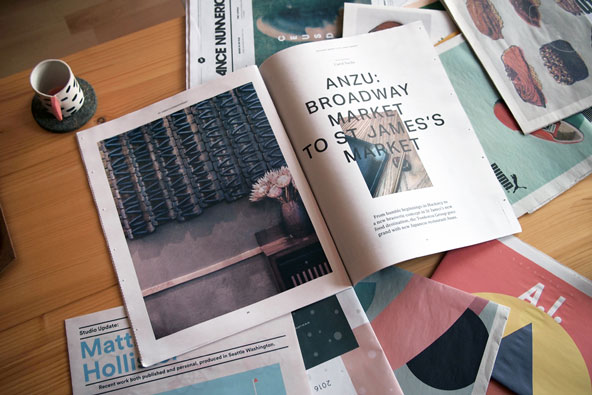
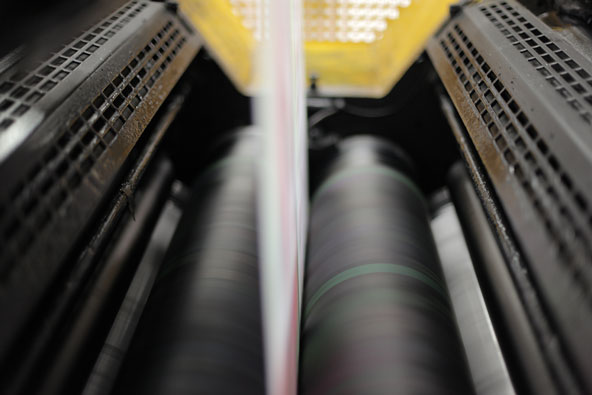
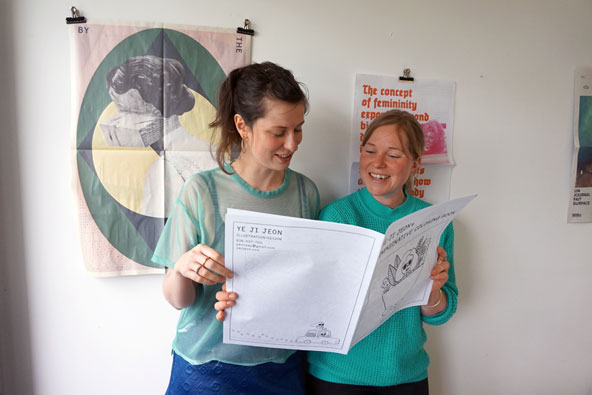
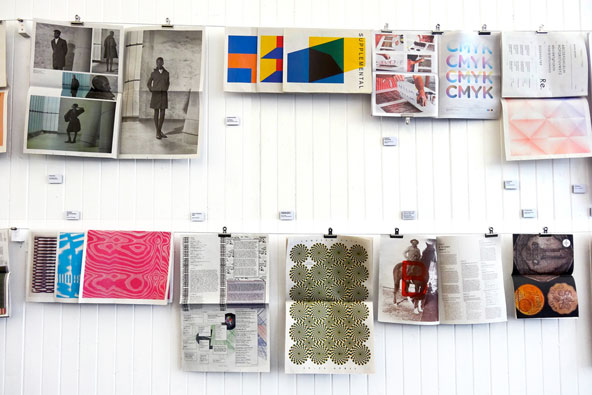
    Since 2009, Glasgow-based printing company Newspaper Club has been helping people self-publish their work on newsprint. Inspired by newspapers’ history and tradition, the team behind Newspaper Club decided to open the industry up for non-traditional publishers in order to see how this medium adapts to the 21st century.

    Working with all types of clients – from students and photographers to tech companies like Facebook and MailChimp – Newspaper Club has printed more than 12 million newspapers for thousands of customers all around the world.

    We chatted with Newspaper Club’s CEO Anne Ward and the rest of the team to find out more about their services and they’re also offering 20% off the first order (up to a discount of £100 and until 30 November 2017) to all our readers using the code FUTURE20 at checkout.

    www.newspaperclub.com

    Photos by Newspaper Club.

    When and how did your love for print begin?

    In childhood! Most of us are old enough to have grown up in a pre-digital world, surrounded by books, newspapers, notebooks and all kinds of printed goodness. It’s a medium with an evocative feel and a rich heritage. We want to help print have a bright future too.

    Can you tell us about what made you start Newspaper Club?

    Yes, we felt that rumours of print’s death had been greatly exaggerated. When we used the slogan ‘Print’s Not Dead’ it really resonated with people and it became clear there were a lot of people who were keen to print their own newspapers.

    Our first newspaper was a design project (which won Design of the Year in 2010). Getting this printed proved how difficult it was for small designers and publishers to get a newspaper printed. There’s a lot of technical knowledge required, which can be intimidating and many big printers won’t take on small jobs. We wanted to make newsprint accessible to everyone and have worked ever since to make newspaper printing easier.

    Can you tell us about the different services you offer at Newspaper Club?

    Our main service is printing newspapers to order. You design ’em, we print ’em! You can use software like InDesign, or our own free design software to make your newspaper.

    You can print one copy or thousands, and choose from three handy formats: minis, tabloids and broadsheets. Our business is totally online so you can order 24/7 and we’ll ship just about anywhere in the world. We offer clear guidance and friendly support, so we’re always here to help.

    You’ve worked with some big names in the digital industry like Facebook and MailChimp, how can print support or enrich digital content?

    A few years ago Wired said Newspaper Club is “what happens when the internet gets hold of a printing press.” We think digital and print can work really well together, and it’s exciting to see customers experiment with that dynamic.

    MailChimp use The Chimpington Post as a recruiting tool. It’s a friendly format that lends itself well to MailChimp’s voice, and they clearly had a lot of fun with the design. As a piece of print, it still feels very of the web.

    We printed a lovely broadsheet for Zendesk when they launched their rebrand last year. It was a great way to showcase their playful new visuals in a big format, something that people could flip through and interact with off the screen.

    And then there’s a project like Printed Web, which is literally bits of the internet turned into a newspaper by designer and teacher Paul Soulellis. He’s published 5 issues with contributions from hundreds of artists – the newspapers are moving into the MoMA Library later this year!

    What are your plans for the upcoming months?

    The good news is our business is booming at the moment! We’re expanding our team, looking at some new products and generally thinking about how we can help more people get their first newspaper off to print.

  • Easle, find the best creative freelancers

    Easle, find the best creative freelancers

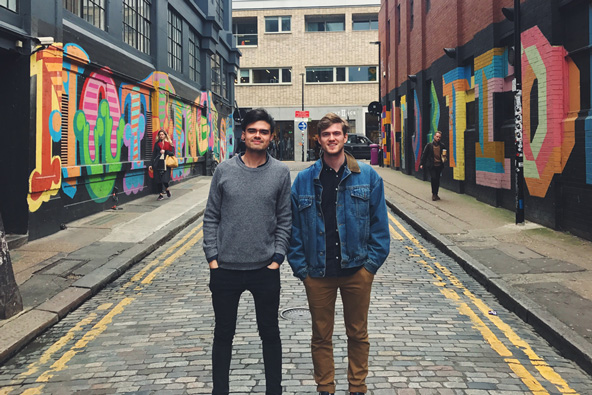
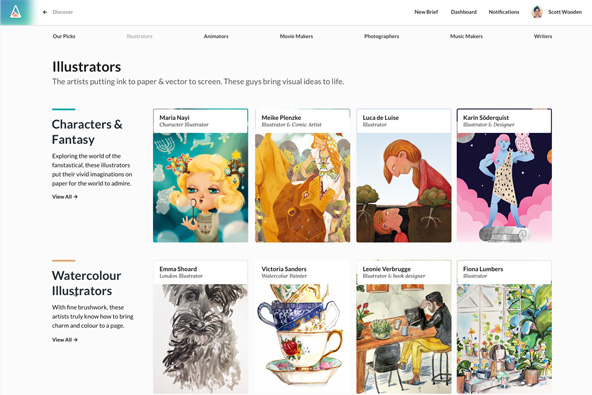
    Finding work when you are an independent creative can be a struggle. That’s why after hearing stories from their creative friends, Scott Wooden and Nick Law decided to start Easle, a new online platform allowing freelancers to showcase their work and clients to discover and hire the best creators and artists.

    Scott and Nick state that “Easle is specifically for the creative arts. The focus for us is on quality across the platform, rather than super low price point, and we’re taking the vetting process seriously for creators and clients alike. We have also built a unique system for handling incoming work, allowing both sides to seamlessly negotiate a proposal through conversation and have it paid for within minutes.”

    At the moment, Easle focuses on showcasing the work of some of the best illustrators across the world although Scott and Nick have received applications from creatives working in all types of fields and they’ve noticed “corners of creativity that felt lost online without a true place for them to show off their work with the opportunity to get hired. There’s no reason why Easle can’t support more niche creative outlets.”

    Easle is currently comprised of an initial group of 50 illustrators. Scott and Nick have intentionally decided to keep strict limits on numbers with the idea that every illustrator on the platform should be seeing a significant amount of work coming through on a monthly basis.

    Easle is open for applications, free to use and takes 10% of the negotiated fee.

    www.easle.co