Tag: design

  • Newspaper Club, Print’s Not Dead

    Newspaper Club, Print’s Not Dead

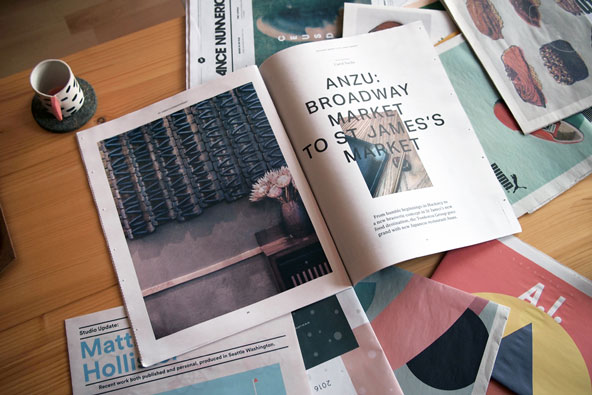
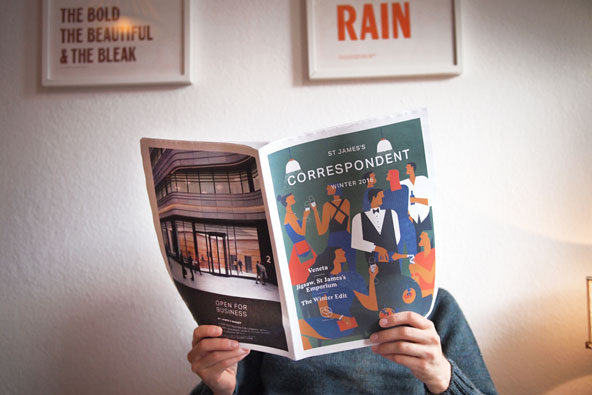
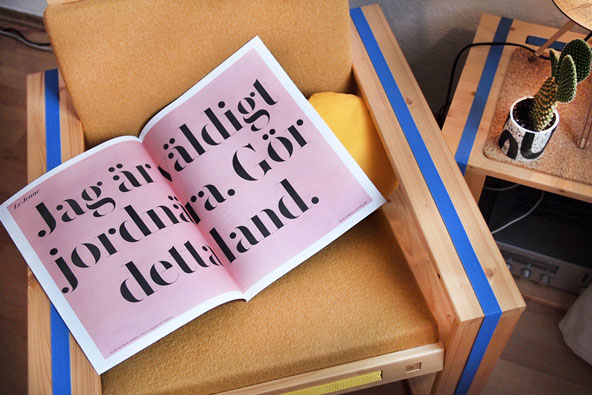
    Since 2009, Glasgow-based printing company Newspaper Club has been helping people self-publish their work on newsprint. Inspired by newspapers’ history and tradition, the team behind Newspaper Club decided to open the industry up for non-traditional publishers in order to see how this medium adapts to the 21st century.

    Working with all types of clients – from students and photographers to tech companies like Facebook and MailChimp – Newspaper Club has printed more than 12 million newspapers for thousands of customers all around the world.

    We chatted with Newspaper Club’s CEO Anne Ward and the rest of the team to find out more about their services and they’re also offering 20% off the first order (up to a discount of £100 and until 30 November 2017) to all our readers using the code FUTURE20 at checkout.

    www.newspaperclub.com

    Photos by Newspaper Club.

    When and how did your love for print begin?

    In childhood! Most of us are old enough to have grown up in a pre-digital world, surrounded by books, newspapers, notebooks and all kinds of printed goodness. It’s a medium with an evocative feel and a rich heritage. We want to help print have a bright future too.
    Can you tell us about what made you start Newspaper Club?

    Yes, we felt that rumours of print’s death had been greatly exaggerated. When we used the slogan ‘Print’s Not Dead’ it really resonated with people and it became clear there were a lot of people who were keen to print their own newspapers.

    Our first newspaper was a design project (which won Design of the Year in 2010). Getting this printed proved how difficult it was for small designers and publishers to get a newspaper printed. There’s a lot of technical knowledge required, which can be intimidating and many big printers won’t take on small jobs. We wanted to make newsprint accessible to everyone and have worked ever since to make newspaper printing easier.
    Can you tell us about the different services you offer at Newspaper Club?

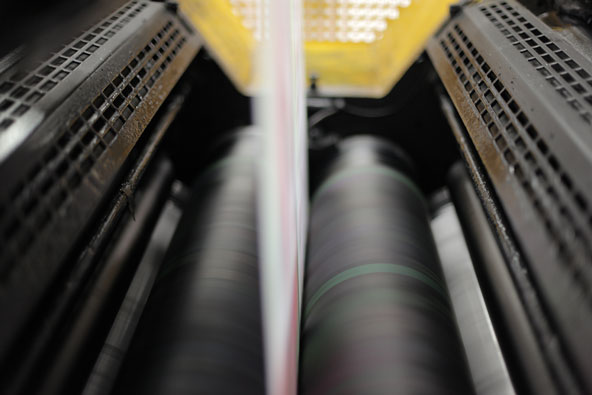
    Our main service is printing newspapers to order. You design ’em, we print ’em! You can use software like InDesign, or our own free design software to make your newspaper.

    You can print one copy or thousands, and choose from three handy formats: minis, tabloids and broadsheets. Our business is totally online so you can order 24/7 and we’ll ship just about anywhere in the world. We offer clear guidance and friendly support, so we’re always here to help.
    You’ve worked with some big names in the digital industry like Facebook and MailChimp, how can print support or enrich digital content?

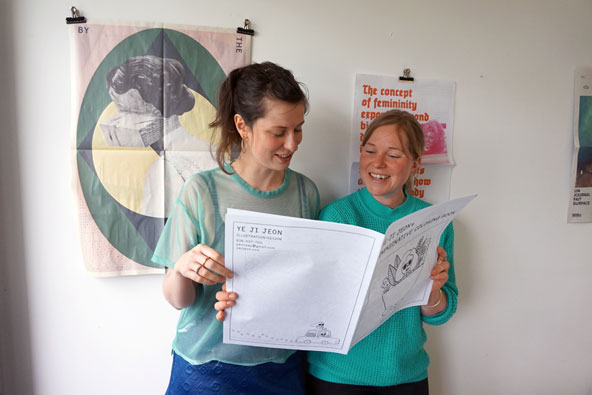
    A few years ago Wired said Newspaper Club is “what happens when the internet gets hold of a printing press.” We think digital and print can work really well together, and it’s exciting to see customers experiment with that dynamic.

    MailChimp use The Chimpington Post as a recruiting tool. It’s a friendly format that lends itself well to MailChimp’s voice, and they clearly had a lot of fun with the design. As a piece of print, it still feels very of the web.

    We printed a lovely broadsheet for Zendesk when they launched their rebrand last year. It was a great way to showcase their playful new visuals in a big format, something that people could flip through and interact with off the screen.

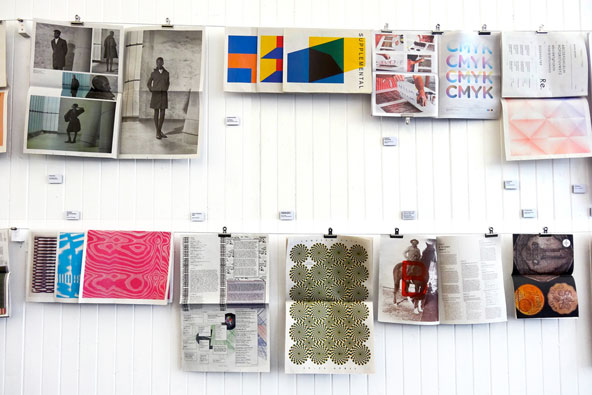
    And then there’s a project like Printed Web, which is literally bits of the internet turned into a newspaper by designer and teacher Paul Soulellis. He’s published 5 issues with contributions from hundreds of artists – the newspapers are moving into the MoMA Library later this year!
    What are your plans for the upcoming months?

    The good news is our business is booming at the moment! We’re expanding our team, looking at some new products and generally thinking about how we can help more people get their first newspaper off to print.
  • Easle, find the best creative freelancers

    Easle, find the best creative freelancers

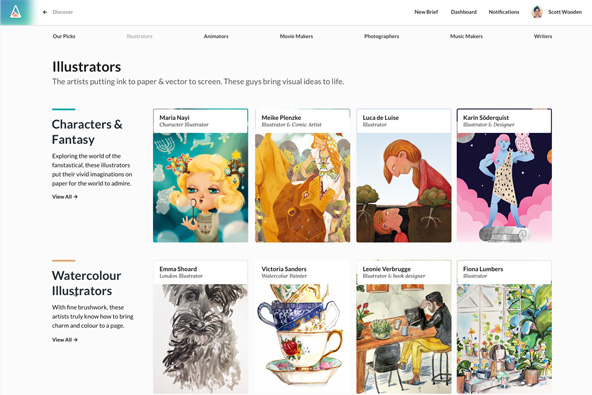
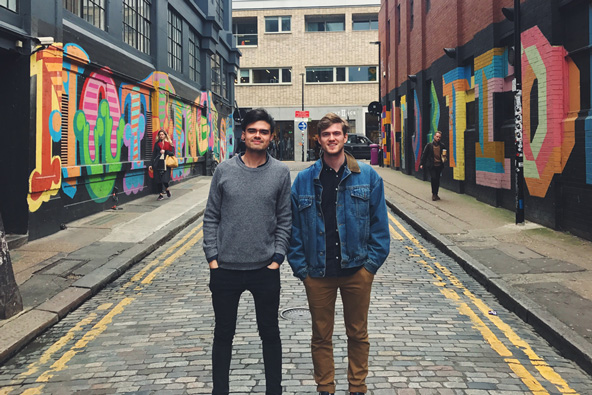
    Finding work when you are an independent creative can be a struggle. That’s why after hearing stories from their creative friends, Scott Wooden and Nick Law decided to start Easle, a new online platform allowing freelancers to showcase their work and clients to discover and hire the best creators and artists.

    Scott and Nick state that “Easle is specifically for the creative arts. The focus for us is on quality across the platform, rather than super low price point, and we’re taking the vetting process seriously for creators and clients alike. We have also built a unique system for handling incoming work, allowing both sides to seamlessly negotiate a proposal through conversation and have it paid for within minutes.”

    At the moment, Easle focuses on showcasing the work of some of the best illustrators across the world although Scott and Nick have received applications from creatives working in all types of fields and they’ve noticed “corners of creativity that felt lost online without a true place for them to show off their work with the opportunity to get hired. There’s no reason why Easle can’t support more niche creative outlets.”

    Easle is currently comprised of an initial group of 50 illustrators. Scott and Nick have intentionally decided to keep strict limits on numbers with the idea that every illustrator on the platform should be seeing a significant amount of work coming through on a monthly basis.

    Easle is open for applications, free to use and takes 10% of the negotiated fee.

    www.easle.co


  • Lisa Laubreaux

    Lisa Laubreaux

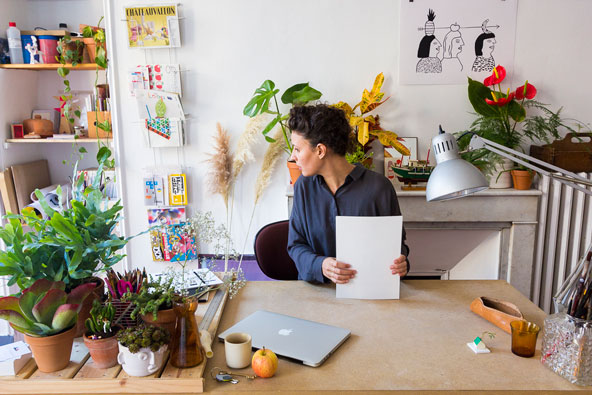
    Lisa Laubreaux is a French multidisciplinary creative working across different fields, from illustration to set design. We chatted with Lisa to find out more about her playful works, her favourite projects she’s worked on and plans for the upcoming months.

    lisalaubreaux.fr

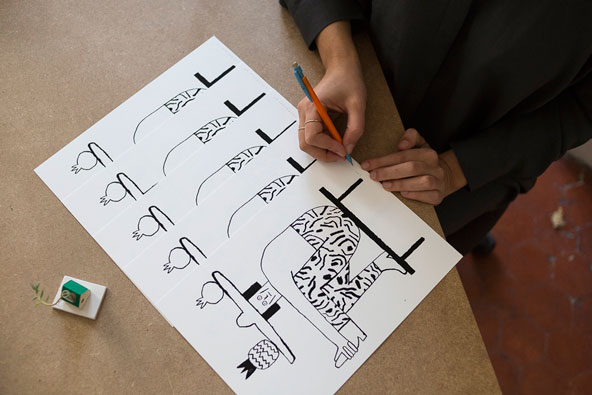
    Studio images by Maïa Izzo-Foulquier.

    Could you introduce yourself and tell us about your education and background?

    I’m Lisa Laubreaux and I’m a French illustrator. I was born in Marseille in 1987. After graduating from the Duperré school of Paris in fashion and environment (DSAA Mode & environnement), I co-founded the Super Groupe collective.

    Currently flying solo, I’m now working freelance for a range of different clients (illustration, installation, set design…). Through each discipline, I develop multidisciplinary experiences with an experimental and artistic approach that drive me to use a variety of media and techniques throughout my work. In addition to my usual practice, I also run participatory workshops in museums and festivals always in a fun and educational way, allowing every participant to take over the professional tools of graphic design.

    You work across different fields, could you tell us a little bit about each of them?

    Illustration: I do work for clients (I generally do commissions for the press or PR) and also my personal work. I use the same techniques for client work and personal projects but the subjects of my drawings are different. It’s interesting to have constraints – that way I can discovering new things about my work and my own possibilities.

    Set design: What I really like about set design is working with a team. When doing a shoot, you have to design elements which bring out the best in both the clothes and the model. It’s a question of working with the photographer, stylist and model to create the best possible photo.

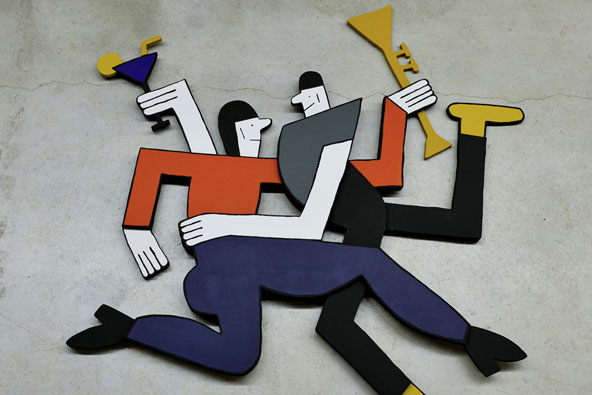
    Installation: This is the most fun part of my work because it’s very hands-on. My installations are generally in painted wood so I have to use a jigsaw puzzle and paint. I also love the change in scale. Illustration is a solitary discipline which demands a lot of attention to fine detail, so it can be really nice to work on a larger scale.

    Workshops: In my workshops I give the participants basic elements or templates to complete, which allows them to have fun whilst using the tools used by graphic design professionals. I’m keen for the participants to be proud, or even surprised, by the quality of their work. It’s a way, for me, to promote creativity.

    How would you describe your illustration work?

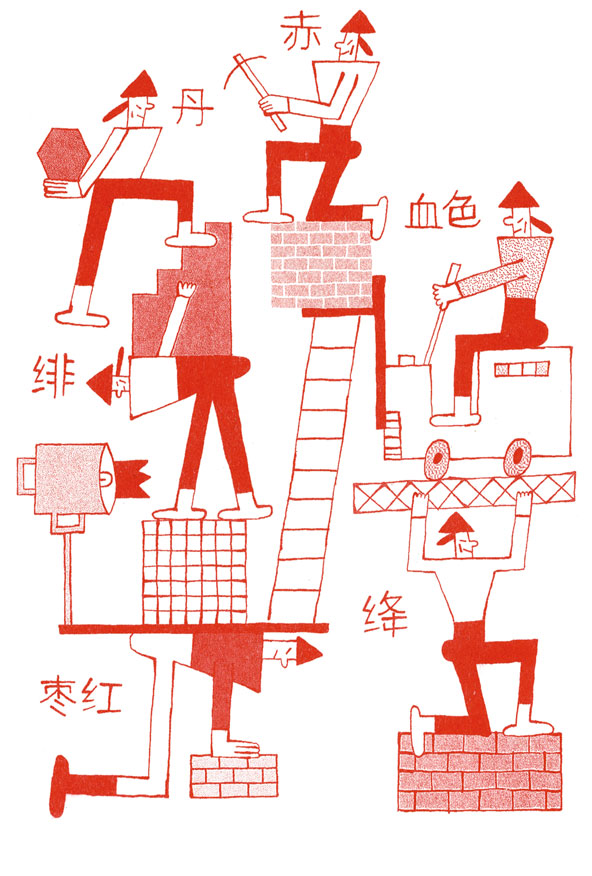
    In my illustrations I especially care about the composition and the balance, working with free materials (charcoal, lead or pencil) before defining the strokes, using the nib or the pencil, and I finally bring into play the digital tools. Drawing inspiration from the popular conceptions and the daily life, I create coloured aesthetics and use a simple stroke to transpose, with a playful touch, the world which surrounds me.

    What are some of your favourite projects you’ve worked on?

    My favourite project was doing shop signs as part of the festival Le Voyage à Nantes “Journey to Nantes”. It was over quite a long period (6 months) and often involved working in a team. I regularly exchanged ideas with the staff of Le Voyage à Nantes, as well as with the shopkeepers. We did a lot of DIY and painting, the atmosphere was really great and I’m really happy with the final result.

    What are your plans for the upcoming months?

    Currently I am working on a children’s book about boats with Fotokino (a wonderful gallery in Marseille). It’s a book-game, which we tried with kids at the Marseille shipyard. I’m also making a giant banana with children from the northern neighborhoods of Marseille and starting a new collaboration with Atelier Bingo. This summer I will create some ceramics with my friend Émil in Luxembourg. We’re going to make big vases with naked women on them. At the moment, we’re sending each other drawings with naked women from space, on the beach, with tigers, etc.

  • Utrecht Instants

    Utrecht Instants

    We’re just back from Utrecht, where we’ve spent 3 amazing days working on a new City Guide thanks to Visit Holland and Utrecht Marketing. Before we publish our full City Guide on our website, here’s a little preview of some of the places we visited and shared on our Instagram profile during our stay.


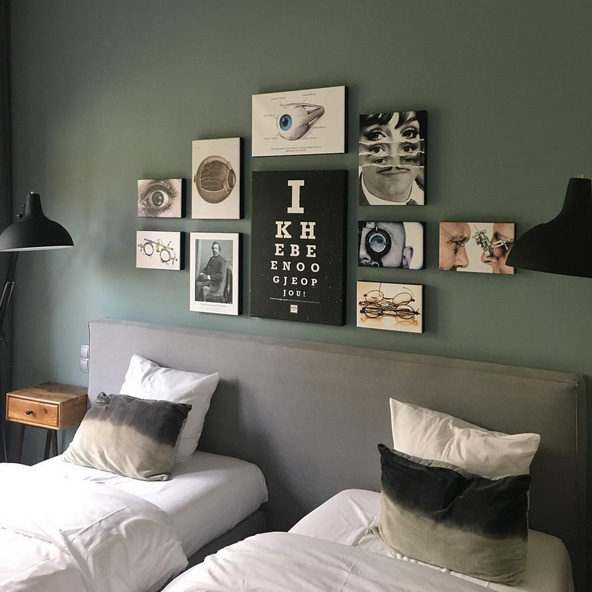
    The rooms at Eye Hotel, a boutique hotel located in a former eye hospital.


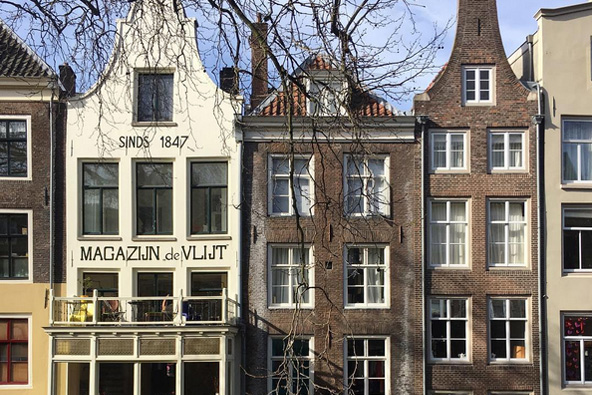
    Some of the beautiful buildings by the Oudegracht, the “old canal”.


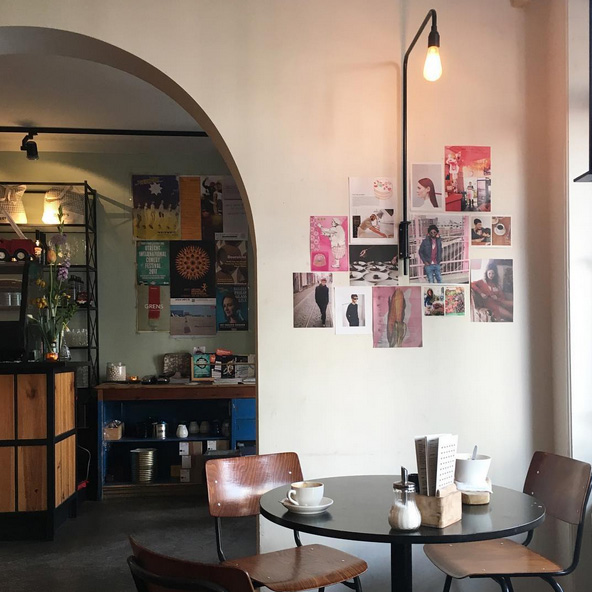
    Daen’s, a coffee shop, hotel and clothing store in the heart of the city.


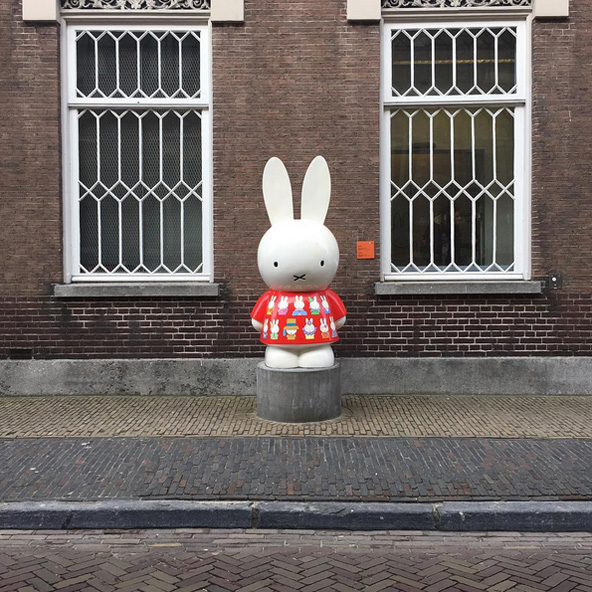
    Miffy, a creation by the late Dutch illustrator Dick Bruna and a symbol of the city.


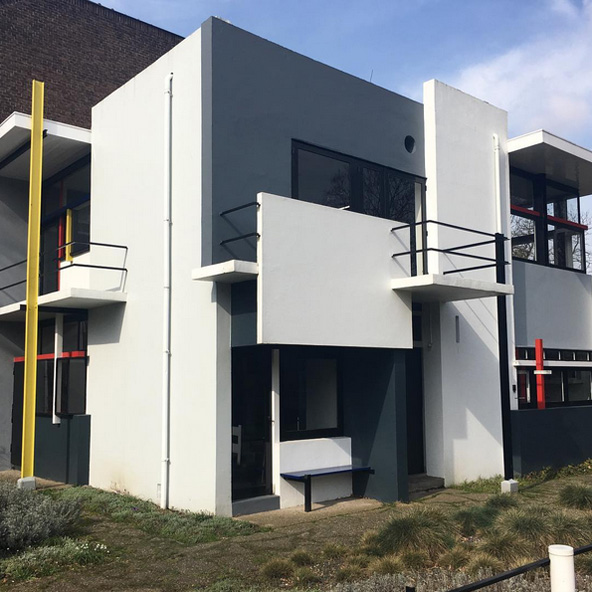
    The impressive Rietveld Schröder House, built in 1924.


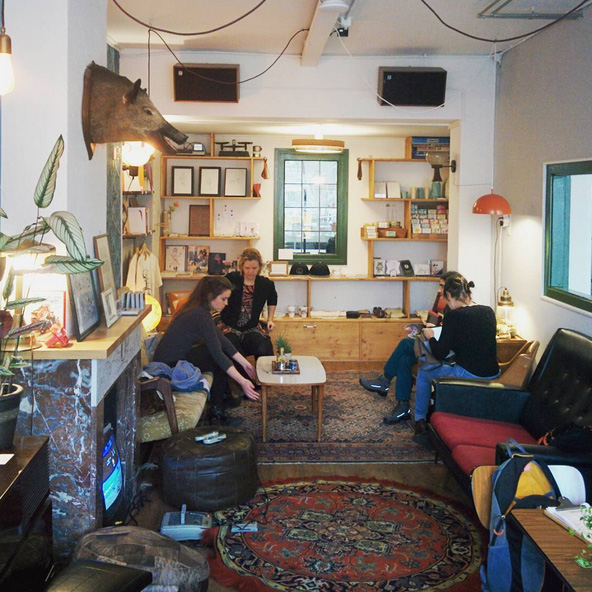
    Koffie Leute Brauhaus, a coffee shop in the southern part of the city centre.

  • The Bothy Yard

    The Bothy Yard

    Designed in Edinburgh, The Bothy Yard is a home away from home for the modern explorer, combining the comfort and character of a boutique hotel with the buzz and social experience of a hostel. We chatted with The Bothy Yard’s founder Max Strzelecki to find out more about this innovative concept.

    www.thebothyyard.com
    Photos by The Bothy Yard

    Future-Positive-The-Bothy-Yard-2-Low

    Could you please introduce yourself and tell us a little bit about your background?

    My name is Max Strzelecki (str-let-ski). Edinburgh has been my home for five of the past seven years. My life here tends to revolve around people, waves, wind and building things… probably in that order. It’s easy to get the balance right here; you can enjoy the social buzz of city life and you’re also a stone’s throw away from the hills and the ocean. I’ve always enjoyed rich, simple experiences, whether it’s camping on the Isle of Tiree, hostelling in a surf town or cycling through Edinburgh’s side streets, there’s a lot to be said for the less-is-more approach.

    How did the idea of The Bothy Yard come about? Could you tell us a little bit about the concept behind it?

    It was the coming together of my love of experiencing the outdoors from the cosy comfort of a tent, and that of meeting new people and sharing stories from the road. I recently returned from 15 months in Australia, during which I spent a lot of time travelling and staying in hostels, mixing work (if you can call building Tough Mudder events “work”) and pleasure (being in the ocean).

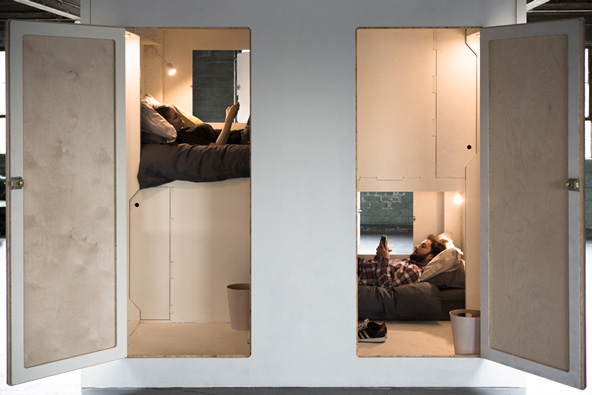
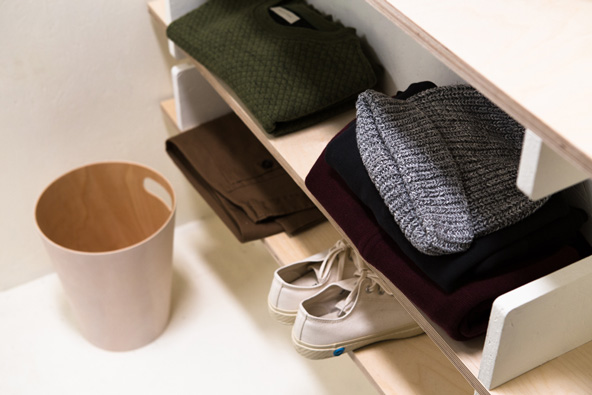
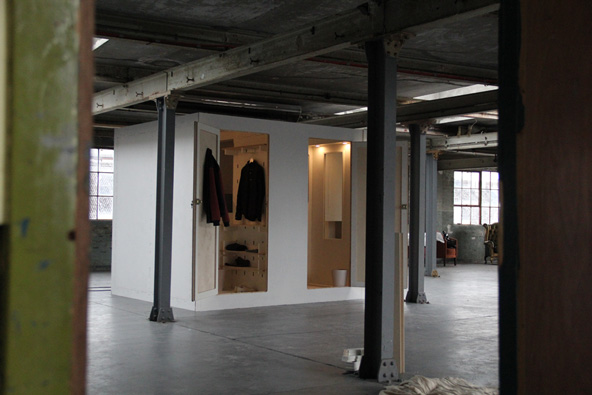
    I love the social element of the hostel experience; there aren’t many places where you are so strongly encouraged to approach a group of strangers and introduce yourself. That’s a beautiful thing, but I find communal dorm rooms very tedious. I know a lot of people who miss out on the social experience hostels offer because they don’t want to stay in a shared room. Knowing this and appreciating the unique cosy and protected feeling of camping in the wild, I had the idea of The Bothy Yard. The Bothy Yard is a hostel that offers each guest their own Bothy Box – a private sleeping and changing space with storage and all the other features a modern explorer needs, all behind a lockable door.

    Future-Positive-The-Bothy-Yard-3-Low

    Who is The Bothy Yard for?

    The Bothy Yard is for today’s explorers who want their days to be action packed, to meet new people, experience new places and really get in amongst it. At the end of the day when you’re tired and weary, you can close your Bothy Box door and have the peaceful, heavy, undisturbed slumber you deserve. We’re for people who want all of the social benefits of staying in a hostel, but with a bit of extra comfort and privacy.

    You are launching a crowdfunding campaign in February, could you tell us more about it and the plans for the upcoming months?

    This is a very exciting time for us! The crowdfunding campaign will be the first opportunity for people to book their stay at The Bothy Yard. We will be opening the doors of the first (mini) Bothy Yard in July of this year. The next few months will be filled with a lot of box construction, coffee, Frank Ocean and Tallest Man on Earth (our “getting stuff done” music). Edinburgh will be our home, but for now the exact location is a secret. Stay tuned for the announcement in the coming weeks. If you’re planning on visiting Edinburgh in the next year, be sure to follow our journey and book your stay!

    Future-Positive-The-Bothy-Yard-1-Low