Category: Design

  • Protecting Your Startup From Cybercrime

    As business operations shift toward more automated and online-based systems, companies are opening themselves up to a relatively new but very dangerous threat: cybercrime. Cyber-attacks on businesses are becoming more frequent. With valuable information and financial dealings now based predominantly online, hackers are on high alert.

    All companies, including small businesses and startups, have an online presence, and utilize computer software that’s connected to the internet. This puts them at risk of a cyber-attack. The majority of businesses do not have a cybersecurity policy, and even fewer have a plan for when an attack might happen. 

    What most people do not realize is that startups are the most vulnerable enterprises to fall victim to cybercriminals. Where largescale companies are likely to have strict security procedures in place, new businesses generally don’t invest in digital security. For this very reason, they are targeted. 

    One malicious attack can be detrimental to a startup, so the cost of cybersecurity should outweigh the risk. Here are five key tips for protecting your startup from cybercrime. For more additional information on securing your data be sure to visit Network Assured.

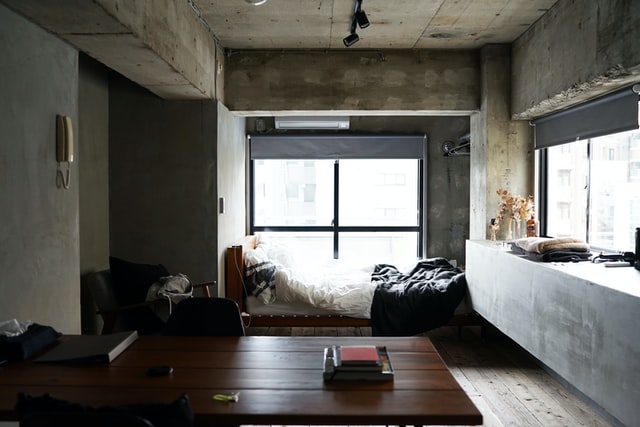
    Photo by Negative Space from Pexels.

    1. Firewall

    A strong firewall should be the first step in securing your company’s network. A firewall prevents any unauthorized access from making its way into your network. Whether someone tries to hack into your system directly or through your internet connection, the firewall is designed to shield the network from an attack. 

    As your first line of defense, a firewall is essential. 

    2. Use a VPN

    A VPN (a virtual private network) is another effective way of securing your company data. It provides end-to-end encryption of your internet connection, meaning your connection is private. This blocks potential cybercriminals, wi-fi hacks, and prevents people or organizations from spying on your company. 

    Setting up your VPN on a router is a secure way of doing so, and is a useful security measure for any start-up.

    3. Back up your data

    Data and information are critical aspects of any business. Modern startups will typically store business and customer data in a digital format, meaning there are no physical copies. Therefore, it is vital that there are back up copies of this data. 

    Whether you are hacked, or system failure results in a loss of sensitive information, your backed up data will be a lifesaver. 

    There are several ways to back up your data, so ensure you pick the method that best suits your practices.

    4. Anti-virus and theft prevention software

    Anti-virus software is one of the most effective ways of protecting your device and installed software from malware and viruses. Once a device is compromised by malware, hackers can gain access to your business network and steal critical data relating to your finances and customers. 

    5. Secure log-in protocol

    Having stringent security measures in place, it would be a shame for a data breach to occur because of sloppy password procedures. 

    Ensure that strong, unique passwords are used for all business log-ins. For added security, these passwords should be changed regularly (every three to four months). 

    Use multifactor authentication on log-ins where possible. This type of log-in procedure prompts the user to provide additional information when logging into a network or program. A username and password will be the initial step, followed by a second (and possibly a third) verification method before access is granted. 

  • Christopher Tuyay: The Cool Kids Series

    Christopher Tuyay: The Cool Kids Series

    Christopher Tuyay is a creative designer based in New York City, passionate about fresh, stylish, and smart design. His professional background has been in graphic design for fashion and lifestyle brands such as Toms Shoes, Cisco Home or SCOTTxSCOTT. On the side, he develops his style with projects involving illustration, typography, plant photography, amateur furniture design, and he even shares mixes on Soundcloud, which we really like.

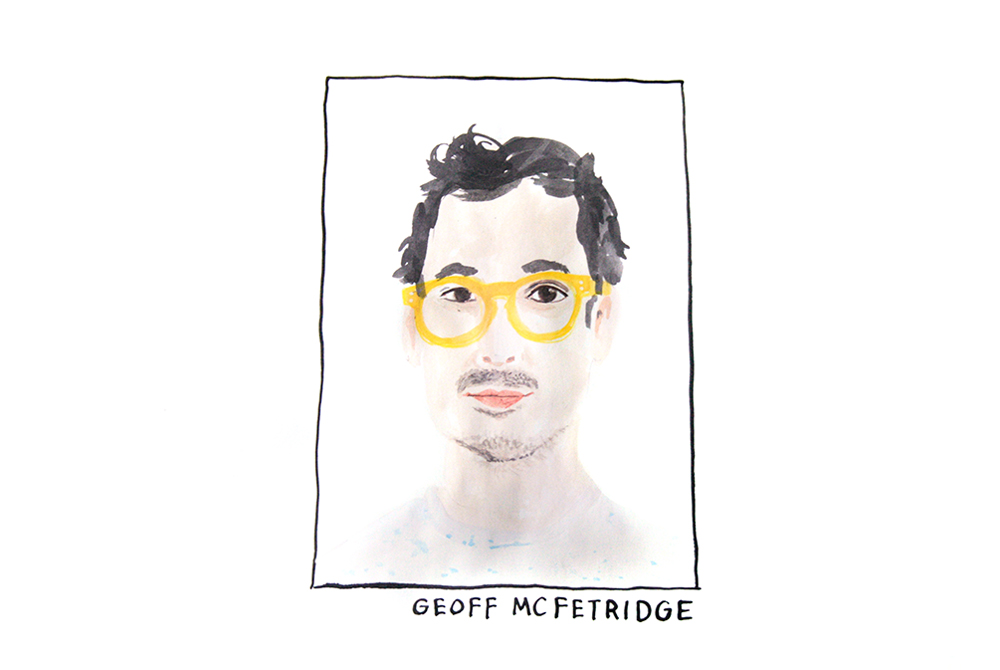
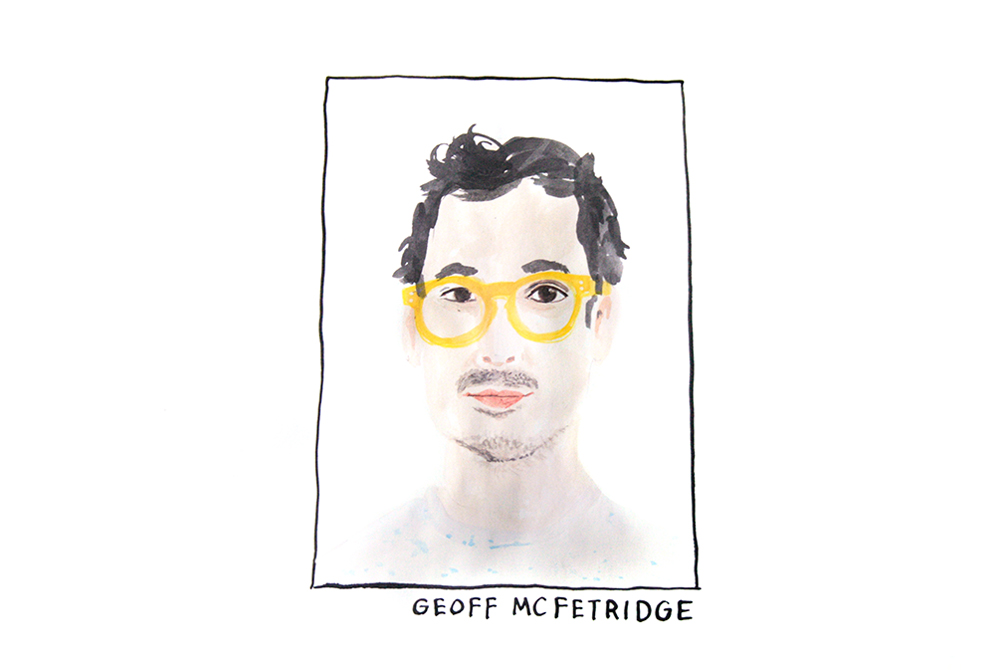
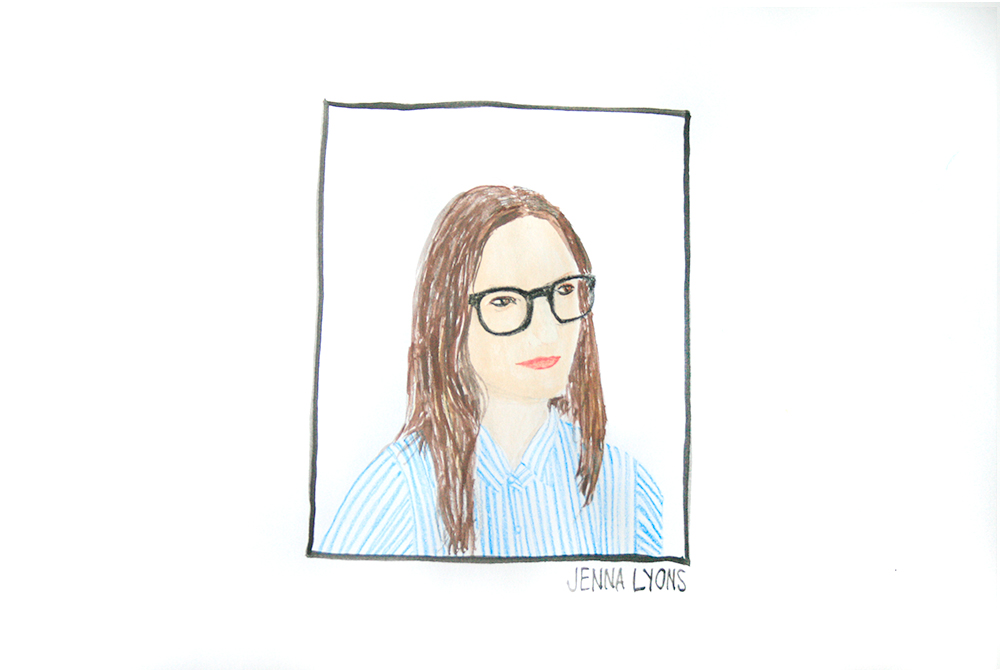
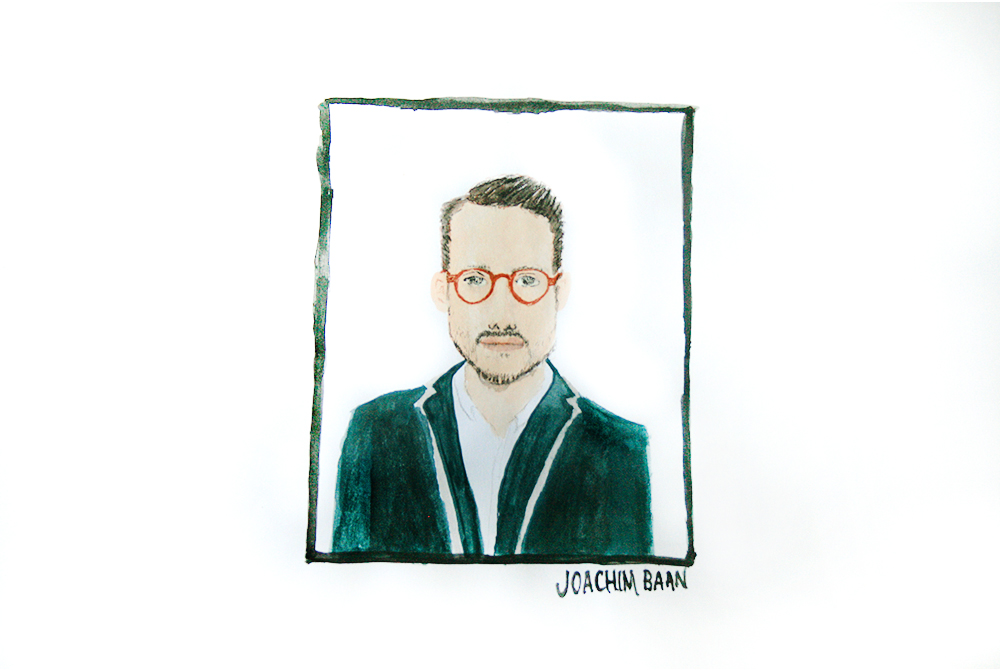
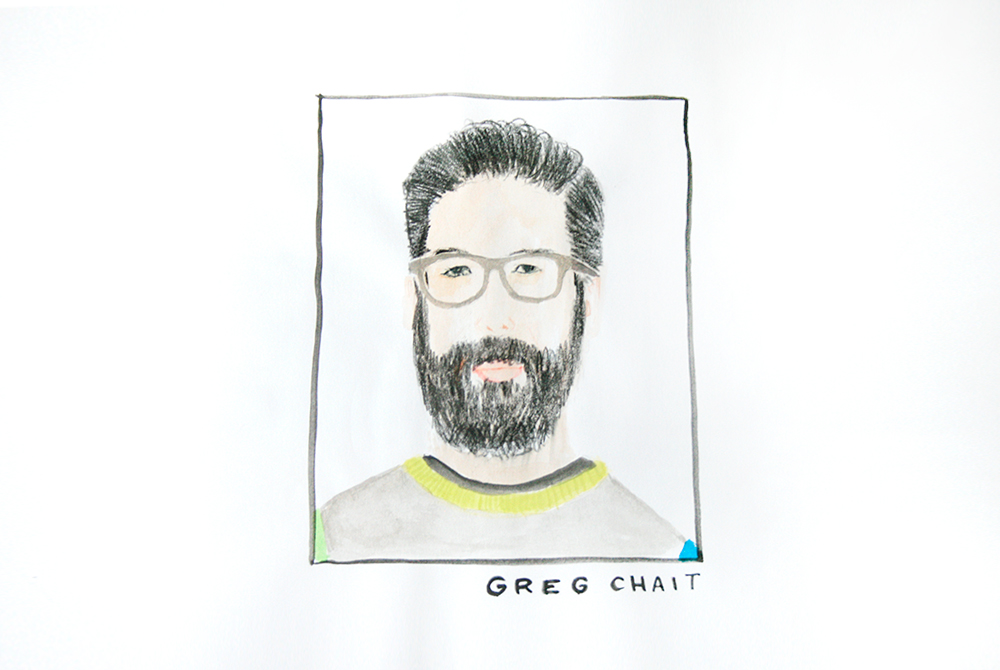
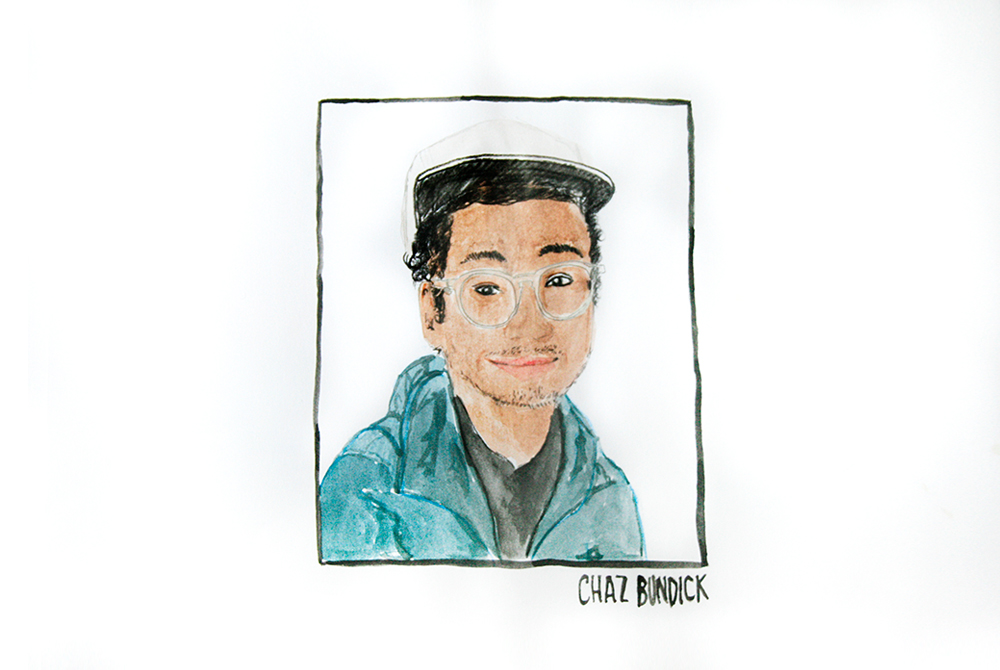
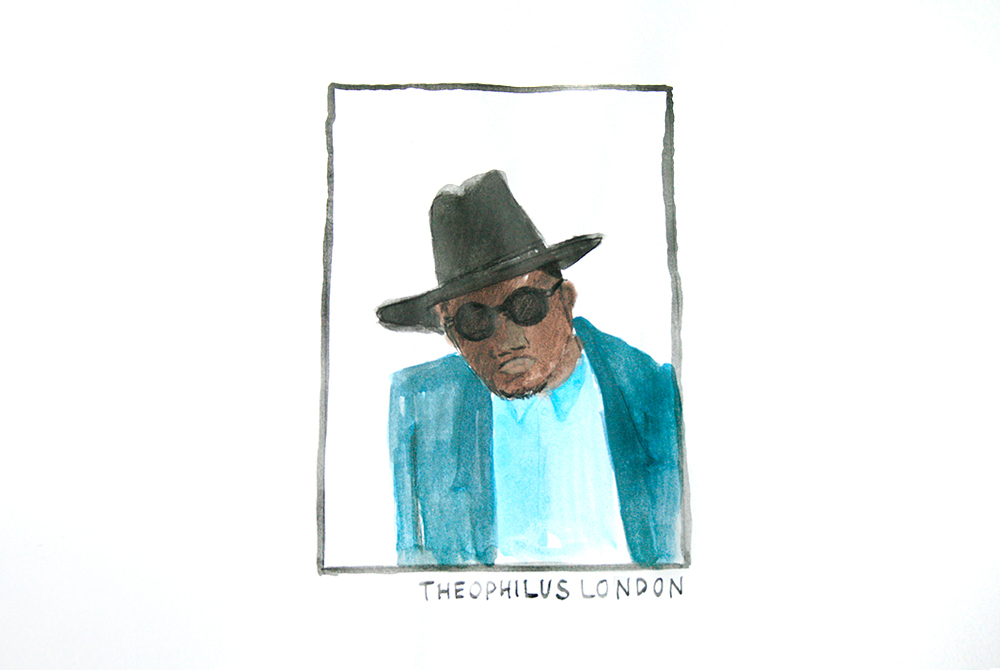
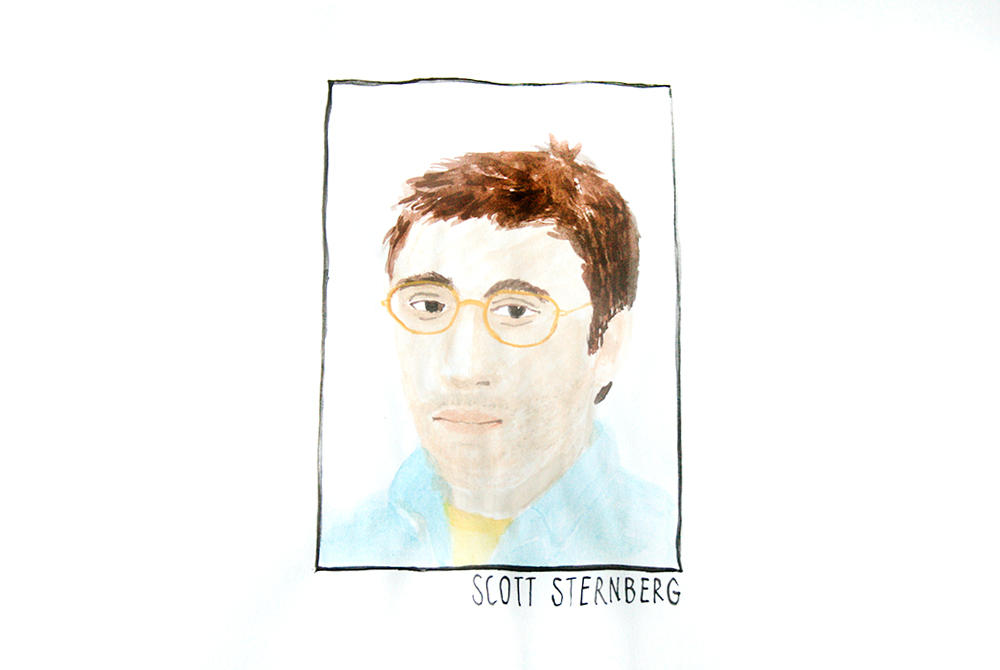
    The Cool Kids is a series of portraits of the people who Christopher admires for the cool they do and are. It started as an exercise to improve his painting skills and find his illustration style, however the selection of subjects itself has turned into its own expression of taste.

    As a designer, Christopher’s inspiration comes from many places and these are the people who influence his style and creative perspective.

    The portraits of Sofia Coppola and Geoff McFetridge are our definite favourites. Which ones are yours?

    christophertuyaydesigns.com

  • Glass: tactile interior design

    The buzzword of the day when it comes to interior design is industrial. All things mechanical, steampunk, wooden, rustic, metal and chrome-laden are placed within our humble abodes to create a mock industrial look. The appetite for all things reclaimed such as railway sleepers, pharmaceutical apothecary drawers, and old mining lamps have become insatiable as people clamor for the opportunity to bring a touch of the industrial into their homes. While metal and chrome and other oxidized metals are becoming on trend, people are neglecting the tactile beauty of glass. Glass in all its forms can make a spectacular design statement within your home and could complement your industrial look effectively.


    Image Source

    Let There Be Light

    While you might be happy with those spotlights that every other household seems to have within their pads, you might be after more of a statement piece to bring ambiance to your home. Lasvit lights choose to take the humble glass to shape and mold into unique lighting experiences. Lamps, chandeliers and colored moldings create awe-inspiring ways to light up the rooms within your home without a paper lantern or spotlight in sight.

    Stained Glass

    The artisan trade of staining glass has been around for centuries and can be seen in churches across the nation. The beauty of antique stained glass panes can be marveled at once again if you incorporate them into the interior design of your home. You might want to create a feature window so when the sunlight cascades into your home, the flecks of color dance upon your oak floorboards. Or perhaps you fancy using stained glass in a more quirky way, on a coffee table top or as a wardrobe frontage.

    Glazing

    The UPVC double glazing that is synonymous with houses up and down the country has its place as a soundproofing and energy efficient aspect of your home. But you can also go one step further with your glazing to create entire frontages and facades made out of toughened and top quality glass. Natural light will flood your living space making for a lighter and more airy living environment conducive to healthier living. You will enjoy better views into your garden areas, and you can really bring the outdoors into your home.

    Balustrades

    If you have a staircase within your home and you’re keen to make a feature of it, you may be tempted to head to a joiners and install a bespoke oak balustrade, or you may want to finish your staircase with some reclaimed spindles. However, for a more modern look, why not consider a glass balustrade. These can create the illusion of space and don’t act as a barrier between your staircase and the rest of your hallway. A glass balustrade creates a sleek, minimalist and chic look perfect for a modern home.

     Glass is a material that yearns to be utilized a little more within your four walls. It’s important never to forget the beauty and simplicity of glass when designing the interior of your home.

  • Menini Nicola

    Menini Nicola

    Menini Nicola is an industrial design studio founded in 2008 in Montevideo, Uruguay. The studio has made its own name in the country, offering design services and design licenses, and directly commercializing products from their portfolio in Uruguay.

    We talked to the founders of Menini Nicola, Agustín Menini and Carlo Nicola, about the beginnings of their studio, the design scene in Montevideo and their favourite places in the city.

    Read the interview after the photos.

    www.menini-nicola.com

    What made you start Menini Nicola?

    It was mainly our interest in turning our hobby into our full-time job.

    When we were university students, we realised that furniture design was one of the things we liked the most. We used to work in advertising, spending our free time meeting with a friend who makes furniture to work on concepts that we would later send to design contests. We got more involved and in 2008 we received 2 awards at Salão Design Movelsul in Brazil. During that trip between Montevideo and Porto Alegre, Menini Nicola was born.

    How is being a designer in Uruguay? Are your designs influenced by the country?

    Being a designer in Uruguay is not very common and we would even say it is a privilege. On the other hand, the industry is growing and the design community in the country is going through a good phase. We, Uruguayans, tend to say that there’s not much going on in the country but this seems to be changing.

    Nowadays, Uruguay has a Chamber of Design for graphic, textile, product, interior and landscape designers. We also have some government funding and there are weekly events dedicated to design. There are new brands emerging and the established labels are growing – it is a good moment for Uruguayan design.

    Regarding our influences, we’re still finding our limits and trying to discover our own identity. We work with local materials and manufacturers, designing solutions and coming up with ideas based on what’s available around us.

    What’s your favourite project/product you’ve worked on?

    One of our favourite projects was the design of the food area of the Mercado Agrícola de Montevideo (MAM). This market is one of the most iconic buildings in the city – it opened its doors in 1913 and was renovated in 2013. We were in charge of designing the furniture for the food area and other spaces in the building. The chair we designed was built under a series of requirements related to resistance, ergonomics, manufacturing costs and use of similar materials to the rest of the building.

    The conceptual side of the design was linked to the origins of the market. The chair represents a historic moment and draws inspiration from the industrial revolution, the Exposition Universelle of 1889 in Paris, the good economic moment Uruguay went through in the early 20th century and the Belle Époque’s influence in Montevideo.

    The chair wants to grab people’s attention, using a very formal language and becoming a representation of our times.

    We want to know more about Montevideo. What places shouldn’t we miss in the city? Could you recommend us other designers/artists based there?

    We would recommend going on a stroll on the promenade along the coast, visiting historic neighbourhoods such as Prado, spending the evening at MAM or enjoying the drum celebrations in Barrio Sur and Palermo. Montevideo is a city that should be visited on foot – despite being the capital of the country, it is a small city with lots of secrets.

    Montevideo is currently going through a very special moment with lots of things happening in the city. In the cultural scene, the Ballet del Sodre – with Julio Bocca as Art Director – is a very popular show which usually sells out one month before the opening. Street art is also becoming more important in the city and new galleries such as Kiosco and studio designs like Mundial and Atolon de Mororoa are emerging.

    There are also new initiatives popping up in the city such as el Club de la Cerveza (the Beer Club), where you can enjoy unique and secret dinners. The Ciudad Vieja (Old Town) is a great area for spending a day around, stopping for breakfast in Jacinto and visiting the antiques fair, having lunch at Mercado del Puerto and finishing with a snack at La Pasionaria, where you can visit the current exhibition and see work by local artists and designers.

    Collaboration is an important element in Montevideo’s creative scene. For example, Estampapas is a textile objects project founded by a graphic designer from Uruguay with a textile designer from Argentina. There’s also Sabandija, composed by another textile designer and a product designer and El Bosque de Robles.

    You need to come and discover the city during this moment of creativity growth.

  • Anglepoise + Paul Smith

    Anglepoise + Paul Smith

    Last Tuesday we attended the launch of the collaboration between iconic British design companies Anglepoise and Paul Smith. Taking place during Clerkenwell Design Week, this exciting new product was presented along two new lamp ranges, the Type 75 Maxi Collection and the Original 1227 Brass Collection.

    The Anglepoise + Paul Smith is a stunning new interpretation of the iconic Type 75 table lamp, where all the pieces of this original model designed by Sir Kenneth Grange are reinterpreted in a complimentary combination of colours.

    The Anglepoise + Paul Smith will be available to pre-order on both the Anglepoise and Paul Smith websites mid-August and in Paul Smith shops and selected retailers from 13th September 2014.

    Thanks to our newest contributor Jess Maddock for attending and documenting the event.

    www.anglepoise.com | www.paulsmith.co.uk