
Creating your first short film is an exciting step for any filmmaker. While storytelling and creativity are the heart of any film project, having the right equipment can make a significant difference in how your final production looks and sounds. For beginners, the idea of assembling a film kit may feel overwhelming, but focusing on a few essential pieces of gear from reputable and experienced camera supply stores can help you build a solid foundation for your project.
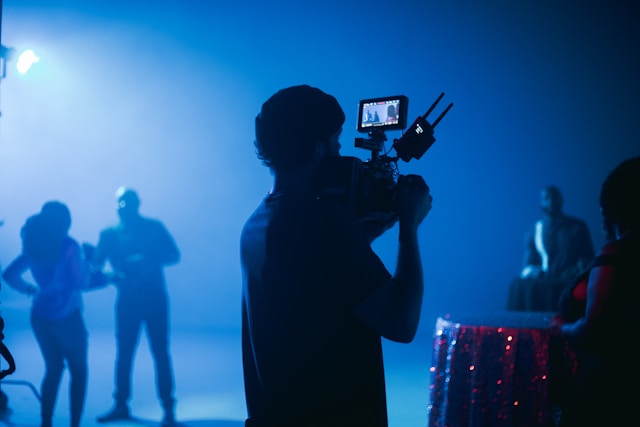
Image via Unsplash
One of the most important tools for any short film is the camera. Modern digital cameras have made filmmaking more accessible than ever, offering high quality video capabilities in compact and affordable systems. Mirrorless and cinema style cameras are often popular choices for short film production because they provide strong image quality, interchangeable lenses, and advanced video settings. When selecting a camera, filmmakers should consider factors such as resolution, frame rates, and low light performance to ensure the camera can handle the type of scenes they plan to shoot.
Lenses are another key part of a filmmaking setup. Different lenses can dramatically change the look and feel of a scene. A wide-angle lens can capture expansive environments or group shots, while a standard lens is often useful for dialogue scenes and natural perspectives. Telephoto lenses can help isolate subjects and create a cinematic depth of field. Many filmmakers begin with a small selection of versatile lenses that allow them to capture a variety of shots throughout the film.
Stable footage is essential for professional looking video, which makes a tripod or stabilizer one of the most valuable pieces of equipment for beginners. A tripod helps keep the camera steady during interviews, dialogue scenes, and static shots. It also allows filmmakers to maintain consistent framing while adjusting other elements of the scene. For projects that involve movement, filmmakers may also use camera stabilizers or handheld rigs to create fluid, smoother motion.
Lighting plays a crucial role in shaping the visual style of a short film. While natural light can sometimes be used effectively, controlled lighting allows filmmakers to achieve consistent results regardless of location or time of day. Basic lighting kits often include soft lights that help illuminate subjects evenly without creating harsh shadows. Reflectors and light modifiers can also be used to adjust brightness and create different moods within a scene.
Audio equipment is another essential component that new filmmakers should not overlook. Even visually stunning footage can feel unprofessional if the audio quality is poor. External microphones are often used instead of relying on the camera’sbuilt-in microphone. Lavalier microphones are commonly used for dialogue because they can be attached to clothing and capture clear speech. Shotgun microphones mounted on boom poles are another popular option for recording directional audio during film scenes.
In addition to these primary tools, several accessories can make filming more efficient. Extra batteries and memory cards help ensure the camera continues recording throughout long shooting days. Camera bags protect gear during transportation, while monitoring equipment such as external screens can help filmmakers review framing and focus while filming.
Planning your equipment setup ahead of time can help make the filming process more organized and efficient. Many filmmakers create a gear checklist before production begins so they can confirm that all necessary items are available on set. This preparation helps prevent delays and allows the production team to stay focused on capturing the best possible footage.
For beginners, renting equipment can be a practical way to access professional gear without the cost of purchasing everything at once. Rental services allow filmmakers to get expert gear advice, as well as test different cameras, lenses, and lighting setups while working on their projects. This flexibility makes it easier to experiment with equipment and discover what works best for different filmmaking styles.
Producing your first short film is both a creative and technical learning experience. By focusing on essential gear such as a reliable camera, versatile lenses, stable support equipment, proper lighting, and clear audio tools, new filmmakers can create strong visual stories while developing their production skills. With thoughtful preparation and the right tools, your first short film can become the starting point for many future projects.