Category: Art

  • Essential Camera Gear for Your First Short Film

    Essential Camera Gear for Your First Short Film

    Creating your first short film is an exciting step for any filmmaker. While storytelling and creativity are the heart of any film project, having the right equipment can make a significant difference in how your final production looks and sounds. For beginners, the idea of assembling a film kit may feel overwhelming, but focusing on a few essential pieces of gear from reputable and experienced camera supply stores can help you build a solid foundation for your project. 
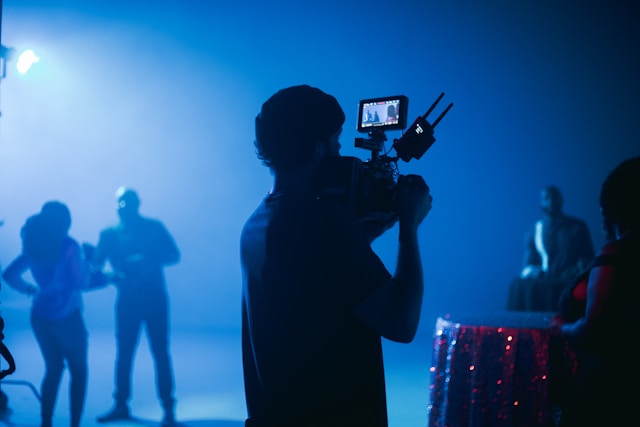
    Image via Unsplash

    One of the most important tools for any short film is the camera. Modern digital cameras have made filmmaking more accessible than ever, offering high quality video capabilities in compact and affordable systems. Mirrorless and cinema style cameras are often popular choices for short film production because they provide strong image quality, interchangeable lenses, and advanced video settings. When selecting a camera, filmmakers should consider factors such as resolution, frame rates, and low light performance to ensure the camera can handle the type of scenes they plan to shoot. 

    Lenses are another key part of a filmmaking setup. Different lenses can dramatically change the look and feel of a scene. A wide-angle lens can capture expansive environments or group shots, while a standard lens is often useful for dialogue scenes and natural perspectives. Telephoto lenses can help isolate subjects and create a cinematic depth of field. Many filmmakers begin with a small selection of versatile lenses that allow them to capture a variety of shots throughout the film. 

    Stable footage is essential for professional looking video, which makes a tripod or stabilizer one of the most valuable pieces of equipment for beginners. A tripod helps keep the camera steady during interviews, dialogue scenes, and static shots. It also allows filmmakers to maintain consistent framing while adjusting other elements of the scene. For projects that involve movement, filmmakers may also use camera stabilizers or handheld rigs to create fluid, smoother motion. 

    Lighting plays a crucial role in shaping the visual style of a short film. While natural light can sometimes be used effectively, controlled lighting allows filmmakers to achieve consistent results regardless of location or time of day. Basic lighting kits often include soft lights that help illuminate subjects evenly without creating harsh shadows. Reflectors and light modifiers can also be used to adjust brightness and create different moods within a scene. 

    Audio equipment is another essential component that new filmmakers should not overlook. Even visually stunning footage can feel unprofessional if the audio quality is poor. External microphones are often used instead of relying on the camera’sbuilt-in microphone. Lavalier microphones are commonly used for dialogue because they can be attached to clothing and capture clear speech. Shotgun microphones mounted on boom poles are another popular option for recording directional audio during film scenes. 

    In addition to these primary tools, several accessories can make filming more efficient. Extra batteries and memory cards help ensure the camera continues recording throughout long shooting days. Camera bags protect gear during transportation, while monitoring equipment such as external screens can help filmmakers review framing and focus while filming. 

    Planning your equipment setup ahead of time can help make the filming process more organized and efficient. Many filmmakers create a gear checklist before production begins so they can confirm that all necessary items are available on set. This preparation helps prevent delays and allows the production team to stay focused on capturing the best possible footage. 

    For beginners, renting equipment can be a practical way to access professional gear without the cost of purchasing everything at once. Rental services allow filmmakers to get expert gear advice, as well as test different cameras, lenses, and lighting setups while working on their projects. This flexibility makes it easier to experiment with equipment and discover what works best for different filmmaking styles. 

    Producing your first short film is both a creative and technical learning experience. By focusing on essential gear such as a reliable camera, versatile lenses, stable support equipment, proper lighting, and clear audio tools, new filmmakers can create strong visual stories while developing their production skills. With thoughtful preparation and the right tools, your first short film can become the starting point for many future projects. 
  • How to Become an Award-Winning Fiction Writer

    Image source

    Since the printing press was invented, the art of storytelling has evolved significantly. Anyone can write a book today, and there’s no reason for a new writer like yourself to hesitate. Finding your breakthrough is possible if you know exactly what it takes to craft an award-winning masterpiece. Here’s how:

    1. Commit to being an author every day

    To be a famous author, you will need to treat your craft as though your life depended on writing. Be serious with the work that you do. You must accept writing as an essential part of you before sitting down to write your first draft. To do that, make it a part of your routine to write a few pages in your journal or turn it into a side hustle. Whenever there’s an opportunity to express what you’re feeling, jump on it. Through constant practice, you will eventually become the kind of author you have always wanted to be.

    2. Find inspiration wherever, whenever

    The biggest roadblock to writing a novel is coming up with ideas that haven’t been used before. It’s challenging for the most part because no successful author wants to write a generic plot with predictable outcomes. You will have to find inspiration somewhere else.

    If you are looking for horror or romance plot ideas to fuel your concept, you can look for prompts online and mix different story points to create an original narrative. Your best source of inspiration would be the real-life situations you face each day. A trip to the zoo or sulking on your couch during a lazy Sunday afternoon could be a starting point for a good story.

    3. Develop a writing routine

    Oftentimes, you will find yourself staring at a blank Word document figuring out what words your characters should say and how to introduce the setting for the next chapter. You can get around these hurdles by pacing yourself and dividing the work into manageable chunks. A good way to start is to give yourself a daily word quota, say, 500 words. You can then set a weekly schedule for looking over your initial drafts and devote at least an hour to improving what you’ve written so far. With this system, you can increase your productivity as you refine your story along the way.

    To make the most of your writing routine, try to figure out the kinds of activities that put you in the zone. Famous authors develop certain habits that allow them to think more clearly and prevent writer’s block from setting in. Perhaps your mind works better after listening to your favorite musical artist. Maybe you become more productive if you take a sip of coffee before writing a page. 

    You will also need to consider the time and place where you are most focused. If you’re like Hemingway, you might prefer writing just before the crack of dawn when the world is still silent. When it comes to your workplace, you might prefer writing at a cafe if you think working at home is more distracting. Whichever the case, writing where you’re most comfortable can fuel your creativity. 

    4. Find allies in the industry

    If you want to successfully pitch your story to publishers, it’s important to have an agent on your side and cultivate positive relationships with publishing companies that specialize in your genre. It’s possible to self-publish your book but manage your expectations over the level of success you may achieve compared to established, award-winning authors. The success of your story hinges on how well your agent represents your story. 

    Beyond your professional allies, you also need other people outside the industry to read your drafts. This will help you gauge how well your work will be accepted once it hits the market. More importantly, you will know if you have a potentially successful book if other people appreciate your style of storytelling. Even if you think you have crafted your magnum opus, there’s no guarantee that your story will sell, so it’s important to seek advice from people you know and use their feedback to improve your writing. 

    Whether you are aiming for a Nobel Prize or a Pulitzer Prize, writing a good book is a long and arduous journey. Through hard work and a little help from the right people, your success in the world of letters will come sooner.

  • AI Artists to Follow on Instagram

    AI Artists to Follow on Instagram

    Artificial intelligence has revolutionized the field of image generation, allowing creators to generate highly realistic and unique images with just a few lines of code. One tool that has gained popularity in recent years for AI image generation is MidGAN, developed by the team at Midjourney.

    MidGAN is a generative adversarial network (GAN) that is trained on a dataset of images and then able to generate new images that are similar to those in the training set. It does this by using a system of two neural networks – a generator and a discriminator – that work together to create new images. The generator creates an image, and the discriminator tries to determine if the image is real or fake. The generator then uses the feedback from the discriminator to improve its image-creation abilities, and the process continues until the generator is able to produce highly realistic images.

    One of the key benefits of using MidGAN for image generation is its ability to generate high-quality, diverse images. It is able to produce a wide range of styles and subjects, making it suitable for a wide range of applications. For example, fashion designers can use MidGAN to generate new clothing designs, while artists can use it to create unique works of art.

    By the wave, the above text has been fully generated by AI text generation tool Chat.Openai. Now scroll down for a human generated article:

    Prateek Arora

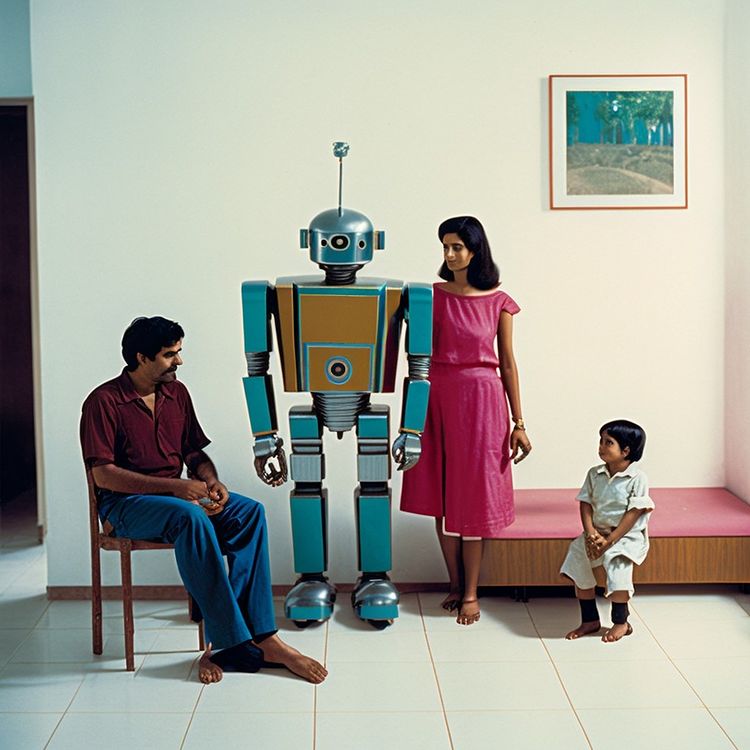
    This screenwriter based in India uses AI imaging to generate different visual narratives that are shared through the account @_prateekarora. Traditional folklore mixes with sci-fi to create stunning storytelling through new characters and spaces.

    Image via @_prateekarora

    Ariana Giménez

    Designer Ariana Giménez experiments with AI image generation to create organic-shaped buildings inspired by the work of Spanish architect Antoni Gaudí @gaudism.ai. Her designs reimagine Gaudí’s creations in 2022 in bright pink and neutral colours.

    Image via @gaudism.ai

    Elmo Mistiaen

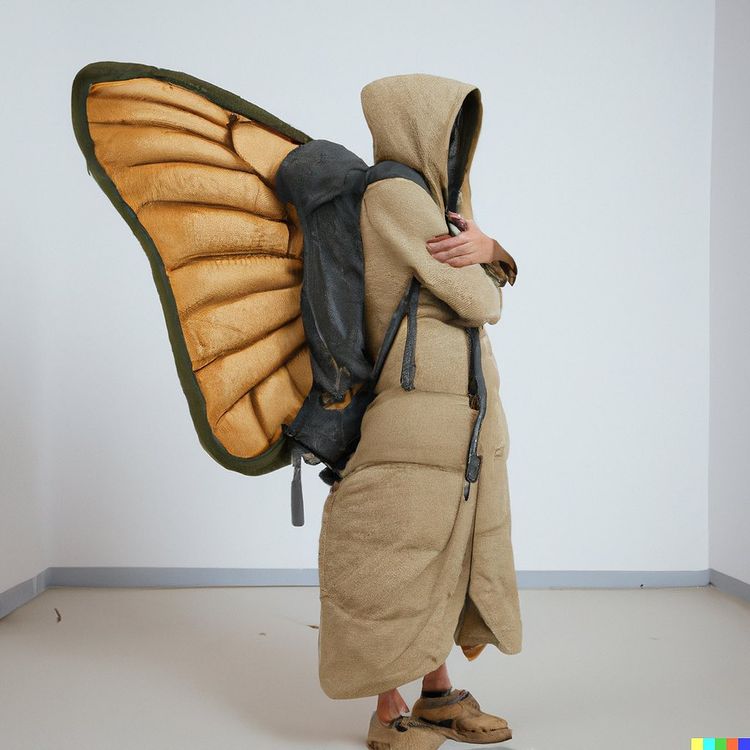
    On @aidesign.png, Elmo Mistiaen has created one of the leading in accounts in AI generated fashion. The jewellery designer uses his Instagram account to experiment with clothing taking inspiration from insects, puffer jackets and technology.

    Image via @aidesign.png

  • Lockdown Stories: Slowwavy

    Lockdown Stories: Slowwavy

    Lockdown Stories is a series of short interviews with creative entrepreneurs and businesses that have been affected by the COVID-19 crisis. Since its beginnings, the main goal of Future Positive has been to share inspiring projects happening all around the world and, during these strange and difficult times for independent businesses and creators, we want to continue providing support and visibility. If you’d like to be featured in this series, please get in touch at hello@thefuturepositive.com and tell us your story.

    Slowwavy
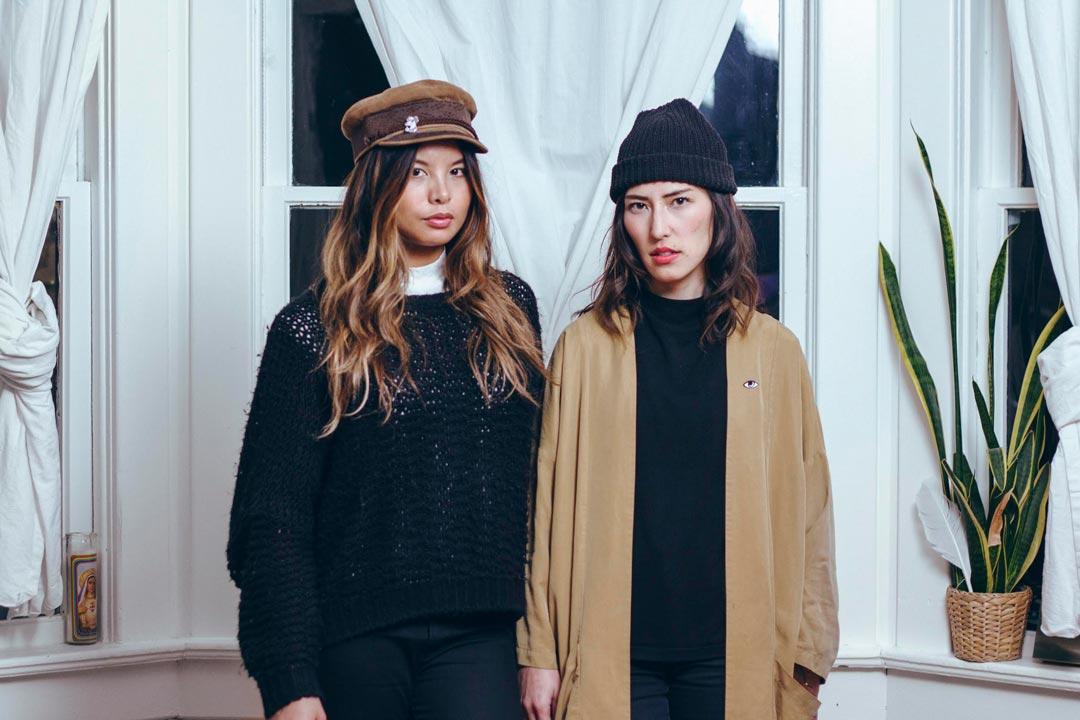
    Slowwavy is a new e-commerce platform, which is an invitation-only curated marketplace of selected artists and brands dreamed up by two artists, Rachel Rivera and Claire Ouchi, who wanted to connect the world with rad work.
    Location: Vancouver, Canada
    www.slowwavy.com

    When did the lockdown start for you and how has your business been affected?

    It started for us while we were out of town in a different province painting an interactive mural under our moniker WKNDRS (@wkndrsforlife). It was such a crazy time because the mall we were painting in was slowly shutting down, and we had to expedite our painting process, as well as change our flights to come back home earlier (since flights were getting cancelled at the time).

    We travel a lot for work and this epidemic has definitely changed that dynamic. We had three large art show events in California lined up a few weeks after our mural painting (in April) and we unfortunately had to cancel those projects (or move them out in the calendar).

    Have you found any new ways of working or have come up with new product ideas during this time?

    Yes, it’s been quite an interesting time for this as well, because we are a creative duo that work on multiple types of projects.

    We are very excited to announce that we soft launched our latest endeavour, a curated online shop called SLOWWAVY, housed with independent makers and brands from all over the world. This is our latest endeavour and are so happy we can support artists during this time and onwards.

    What are some of the positive takeaways you have experienced during this time?

    We’re all doing our best in this time and staying creative has definitely started to look a little differently than working side by side together in our joint studio. Making recipes at home, working on some paintings and taking photos has been a great way to stay creative. It’s kind of a nice time to explore other creative outlets, or just being okay with being still (which is a hard one).

    How do you see your business evolving over the next few months?

    As we just launched Slowwavy.com, we are working on our first phase, which is helping our artists and designers get their work up in the shop. We’re then planning to showcase their creative talent with a number of interactive projects where people can view their work and process, as well as interact with them digitally, and from a distance.

  • Glasgow Print Fair: Bringing Together People Passionate About Print

    Glasgow Print Fair: Bringing Together People Passionate About Print

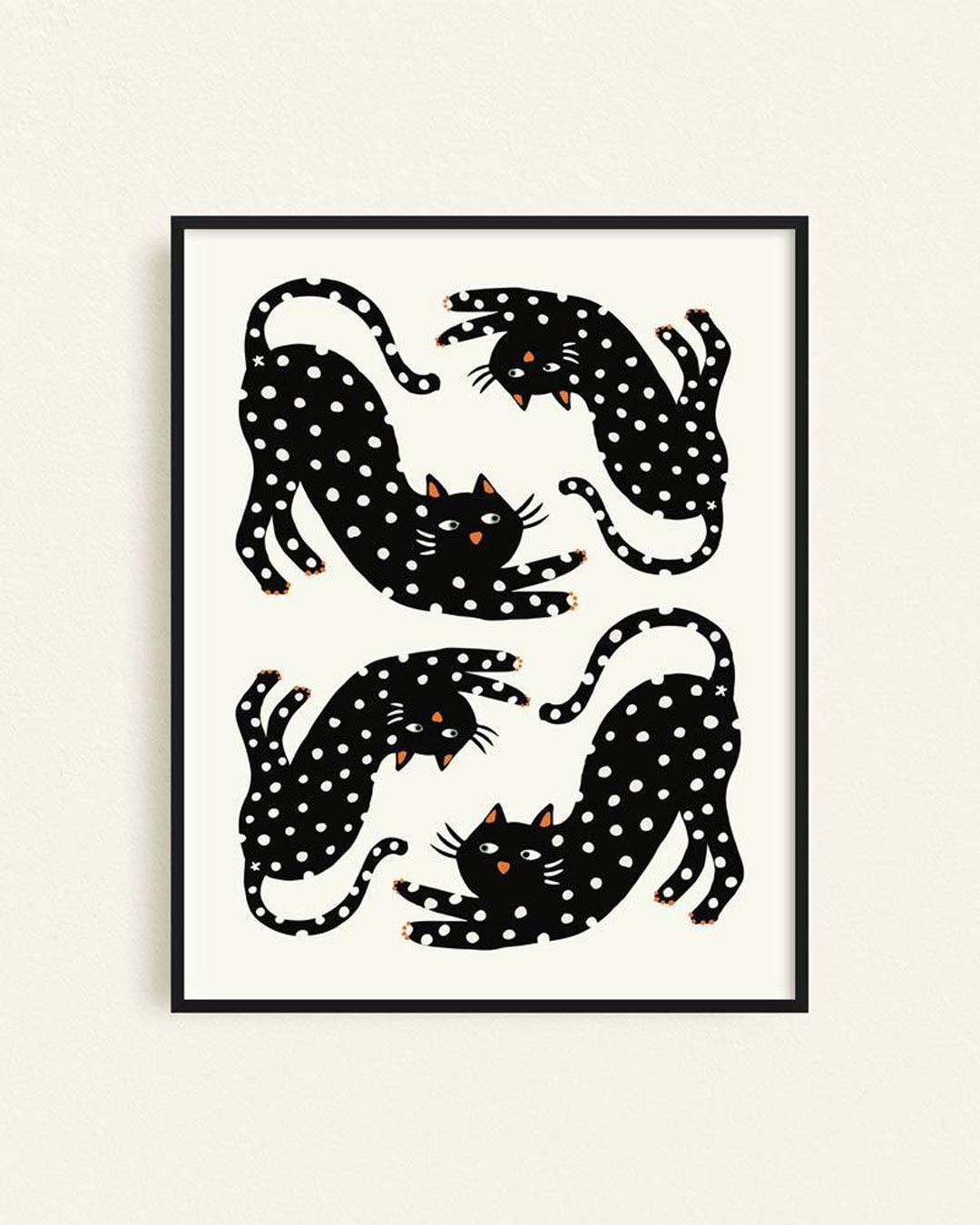
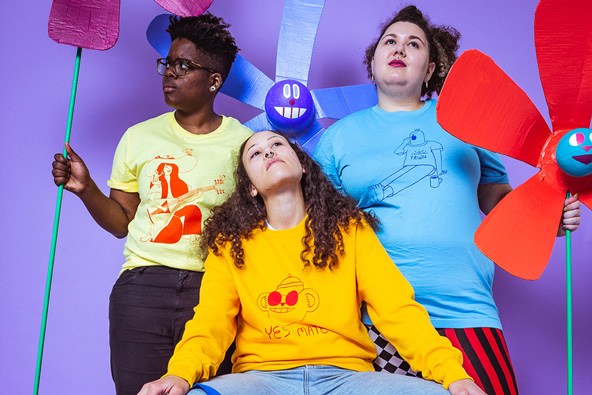
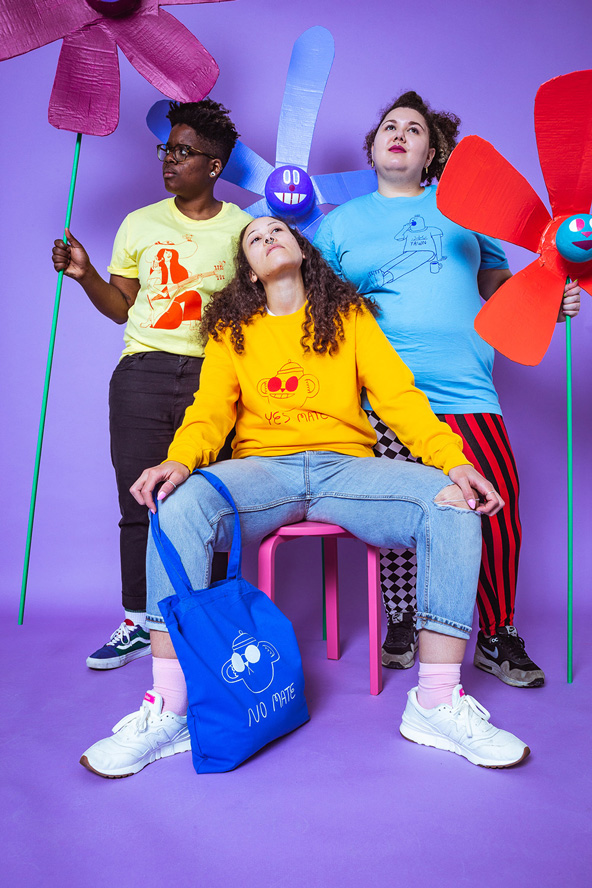
    Print is still on the rise and the best example is Glasgow Print Fair, a new festival and the first of its kind taking place in Glasgow. Organised by local creatives Jane McDevitt, partner at Maraid Design, and Kaye Symington, co-founder at Paved with Gold, this festival celebrates established and new printmakers, and brings people together for a day of print-based fun.

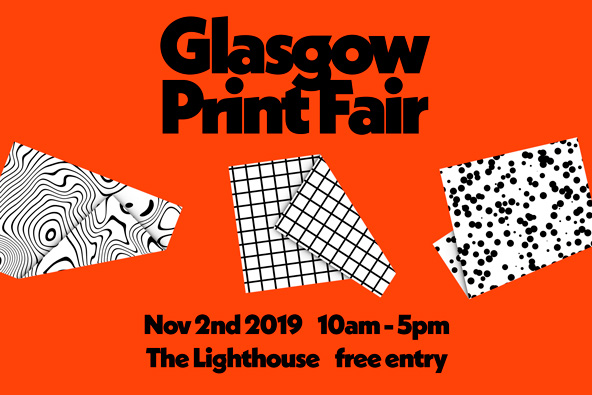
    Glasgow Print Fair will take place on Saturday 2nd November (10am – 5pm) with free entry at The Lighthouse.  The festival will showcase prints and other products by over 50 makers from the UK and Europe. With work by established studios and artists like Lesley Barnes and Risotto Studio (read our interview with its founder!), collectives and design shops like Yuk Fun Now and Welcome Home, and also some emerging talent from Glasgow School of Art.

    Do not miss this opportunity to support print and take home with you textiles, zines, posters and much more!

    www.glasgowprintfair.co.uk