Category: Uncategorized

  • The Importance of Proper Circulation for Your Health

    Circulation is the flow of blood throughout your body, and it is important for your overall health. Poor circulation can increase the risk of a range of health problems, including stroke, heart attack, and kidney disease. Understanding the symptoms of poor circulation, the potential causes, and how to improve it is key to maintaining your health. 

    In this article, we will look at the importance of proper circulation, as well as the symptoms, causes, and solutions related to poor circulation. With the right lifestyle changes, you can improve your circulation and take control of your health.

    Symptoms of Poor Circulation: What to Look For

    Poor circulation can often be difficult to detect, but there are a few common signs you should be aware of. If you experience any of these symptoms, it may be an indication that your circulation needs improvement. Cold hands and feet, frequent cramps in the legs and feet, and changes in skin color are all signs of poor circulation. You may also notice that bruises take longer to heal than usual, or that you get tired more easily when doing physical activities. Additionally, you may experience numbness or tingling in your extremities due to a lack of circulation. If these symptoms persist, it’s important to consult a doctor to discuss your options for improving your circulation.

    This dentist who does dental veneers in Redwood City CA also adds that Poor blood circulation can negatively impact dental health by reducing the delivery of essential nutrients and oxygen to the gums and teeth. This can lead to weakened gums, making them more susceptible to infections and gum diseases like gingivitis or periodontitis. Reduced circulation can also impair the healing process after dental procedures, increase the risk of tooth decay, and contribute to dry mouth, which further increases the risk of cavities. Maintaining good circulation is crucial for overall oral health and the prevention of dental issues.

    How Diet and Exercise Can Improve Your Circulation

    A healthy diet and regular physical activity are two of the best things you can do to improve your circulation. Eating nutrient-rich foods such as fruits, vegetables, legumes, grains, and lean proteins will keep your body and blood vessels functioning properly. 

    Exercise, meanwhile, helps stimulate blood flow and oxygenation, and can help reduce the risk of developing blood vessel problems. In addition to helping improve circulation, regular exercise can also help you maintain a healthy weight, reduce stress, and improve your overall health. If you’re not used to exercising, start slowly and gradually increase the intensity and duration of your workouts.

    Simple Lifestyle Changes for Better Blood Flow

    Making simple lifestyle changes can significantly improve the circulation in your body, allowing you to enjoy better overall health. One great way to improve your circulation is to stay active by walking, jogging, or doing other types of exercise. Exercise helps get your blood pumping and can also reduce stress, which can have a positive effect on your circulation.

    Staying hydrated is also important for maintaining healthy circulation. Drink lots of water to avoid dehydration, which can cause your blood vessels to constrict and make it difficult for them to move oxygen and other essential nutrients. Additionally, avoiding smoking and limiting your alcohol intake are also beneficial lifestyle changes that can help improve your circulation. A balanced diet with plenty of fresh fruits and vegetables is also beneficial for your circulation. Eating foods high in omega-3 fatty acids, like salmon, sardines, and walnuts, can also help promote healthy circulation.

    When to Call a Professional

    If you have been experiencing the symptoms of poor circulation for an extended period of time, it is advisable to seek professional medical advice from Utah vein specialists. You should make an appointment with a doctor if you are experiencing extreme pain, tenderness, or a continuous tingling sensation in your limbs. These symptoms can be indicative of a more serious underlying health issue that should be addressed. If you have diabetes, heart disease, or other chronic conditions, it’s important to talk to your doctor about how circulation can impact your health.

    Your doctor may be able to assess your condition and provide further treatment options to improve your circulation. They may suggest lifestyle changes, such as increasing exercise, as well as prescribing medications to help with your symptoms. A professional can also provide guidance on the best way to monitor your circulation and ensure that any underlying issues are being addressed.

    Treatment Options for Poor Circulation

    If you’re suffering from symptoms of poor circulation, there are a few medical treatments you could consider. Depending on the underlying cause of your circulation problem, your doctor might recommend blood thinners, such as warfarin, to reduce your risk of blood clots. 

    If you have a blockage in your arteries, you may need to undergo a procedure to open them up. Your doctor might also suggest lifestyle changes, such as quitting smoking and increasing your physical activity, to help with your circulation. Additionally, you may be prescribed medications to improve your blood flow.

    If your symptoms persist despite lifestyle changes and medication, your doctor may suggest surgery as a last resort. For example, if you have a blocked artery, you might need to undergo a procedure called an endarterectomy. This is a procedure used to remove the buildup of plaque from your arteries. Talk to your doctor to find out which treatments are best for you.

    Conclusion: Taking Control of Your Health

    Having good circulation is essential for our overall health. Poor circulation can lead to a range of symptoms, from tiredness and muscle pain to more serious conditions like stroke or heart attack. Fortunately, there are many simple ways to improve our circulation, such as eating a healthy diet and exercising. 

    Additionally, there are numerous treatments available to help those with more serious circulatory issues, such as medication, lifestyle changes, and even surgery. Improving circulation is essential for good health. By understanding its significance and taking appropriate measures, we can maintain our well-being and remain healthy for a long time.

  • Top Habits For A Better Night Sleep

    Getting a good night’s sleep is essential for overall health and wellbeing. Lack of sleep can lead to issues such as fatigue, impaired concentration, lack of energy and irritability. Fortunately, there are habits and practices that can be developed and implemented to help improve the quality of sleep. In this article, we will cover the top habits to ensure a better night’s sleep, from setting sleep goals and planning a routine to making changes to your sleep environment. We’ll also discuss the importance of certain foods and drinks to improve sleep quality. By following the advice in this article, you will be more likely to get the restful night’s sleep you need to feel refreshed and energized.

    How lack of sleep affects daily life

    Getting an adequate amount of sleep is essential for good physical and mental health, but unfortunately, many of us fail to get enough rest each night. Not getting enough sleep can lead to a number of issues, including difficulty concentrating, lack of energy, irritability, and a weakened immune system. It can even increase your risk of developing chronic health conditions such as heart disease, diabetes, and obesity. With so much at stake, it’s important to focus on getting a good night’s sleep.

    Tips for better sleeping habits

    Making small changes to your nightly routine can help you get a better night’s sleep. The key is to establish a regular bedtime and stick to it. Going to bed at the same time every night will help your body adjust and prepare for sleep. If you find it difficult to sleep, try doing something calming before bedtime like reading a book or taking a warm bath.

    Avoiding caffeine and alcohol late at night can also help you sleep better. Caffeine can keep you awake and disrupt your sleep, while alcohol can cause sleep disruptions and even lead to headaches and dehydration. Aim to limit your caffeine intake after noon and avoid drinking alcohol within three hours of bedtime. Also, make sure you’re getting regular exercise. Exercise earlier in the day can help you sleep better at night.

    Importance of setting sleep goals and planning a routine

    Getting a good night’s sleep is essential for good health, yet many of us struggle to get the recommended seven to nine hours of sleep each night. To achieve this goal, setting sleep goals and planning a routine is key. Creating a sleep schedule and sticking to it can help you get in the habit of going to bed and waking up at the same time each day, which your body will soon learn to anticipate. 

    A sleep schedule helps to regulate your body’s natural circadian rhythm, allowing you to feel more alert during the day and sleepy at night. Additionally, setting sleep goals allows you to keep track of your progress and identify areas where you may need to make adjustments.

    For example, if you are having trouble falling asleep, you may need to adjust your bedtime routine, or reduce your caffeine intake. By setting concrete goals for improving your sleep quality and following a routine, you can take steps toward a healthier and more restful life.

    Making changes to your sleep environment for better rest

    Creating a comfortable sleep environment is essential for better sleep. Keep your bedroom cool, dark, and quiet. Invest in blackout curtains or shades to keep out any light. Additionally, use a white noise machine or fan to block out any outside noise. Make sure your mattress is supportive and comfortable. If you have an old mattress, consider replacing it with a new one that offers better support. Avoid watching television or using electronic devices in your bedroom before going to bed. The blue light emitted from screens has been proven to disrupt sleep. You should also keep any work-related items out of your bedroom. Make it a habit to relax and unwind in your bedroom before going to bed.

    Foods and drinks that can improve sleep quality

    When it comes to improving sleep quality, what you eat and drink can be just as important as establishing a sleep schedule and making changes to your sleep environment. Eating certain nutrient-rich foods that contain melatonin, tryptophan, and other sleep-inducing compounds can help you fall asleep faster and stay asleep longer. Foods such as tart cherries, chamomile tea, and oatmeal can be beneficial for sleep. Avoiding heavy meals late at night and foods that contain caffeine can also help improve sleep quality. Drinking plenty of water during the day can also be beneficial for better sleep. Being mindful of what you’re consuming before going to bed can make a big difference in getting a good night’s rest.

    Conclusion

    Getting a good night’s sleep is essential for our overall wellbeing, and with the right habits and lifestyle choices it’s possible to improve the quality of your rest. Establishing sleep goals, setting a regular sleep routine, and creating a comfortable and peaceful sleep environment are all important steps that can help improve your sleep. St George massage can also ensure a better night’s sleep by reducing muscle tension and promoting relaxation, allowing you to fall asleep more easily. By following these simple habits, you can ensure a better quality of sleep and wake up feeling refreshed and energized.

  • Radio Cascabel Walk & Listen

    Radio Cascabel Walk & Listen

    We recently talked about Radio Cascabel, a musical and visual project run by Estefi Panizza and Diego Jalfen, curating the most exciting Latin American sounds. Radio Cascabel are presenting their first Walk & Listen event in London in partnership with Flau Records and with artist Ulises Conti – one of Argentina’s most exciting young composers.

    Future-Positive-Radio-Cascabel-Walk-Listen-2-low
    Image by Otero Galería

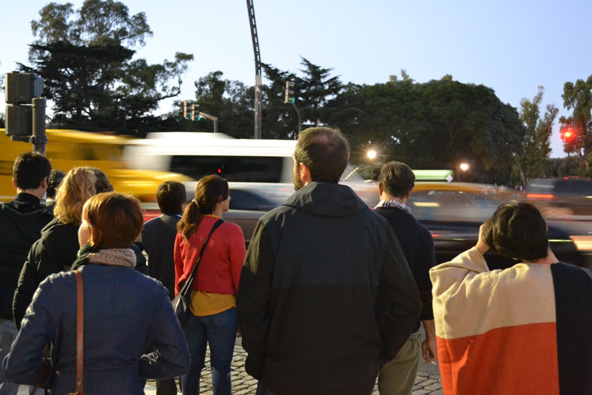
    Walk and Listen is a silent group walk through the city, the aim of which is to focus concentration on listening to the sounds that surround us. Ulises says: “This project came about as a result of my interest in sound and how through sound we relate to each other in all aspects of life. We could start our sound search by leaving behind all kinds of prejudices, considering all sounds as potential musical material, listening to sonorities that we have never before listened to attentively.”

    After two successful events in Bremen, Germany and Buenos Aires, Argentina, this free event will take place in London on June 2nd. You can find more information in the flyer below and on Radio Cascabel’s website:

    www.radiocascabel.com

    Future-Positive-Radio-Cascabel-Walk-Listen-1

  • How To Enjoy The Holiday Of A Lifetime (With Kids)

    1. Get the Family Involved

    Everyone in the family, including the kids, will enjoy that long-awaited holiday even more when they have a hand in organising it. Excitement levels tend to skyrocket right from the start of the planning process when the kids help out. Your research should start with matching your budget to the ideal vacation – but make sure to ask the kids about their dream holiday. Start with destination and accommodation options. Don’t forget about a Moses basket for the hotel if you’ve got very little ones, either. They’re nice and portable and easy to fit around hotel beds to make sure that you can keep an eye on your infant.

    2. Research is Key

    If you want to enjoy the holiday of a lifetime then research is going to be key – spending time doing the research will ensure happy children – and make that holiday even more fun for the parents involved. While doing that essential research, keep an eye out for destinations that have something to offer every member of the family we highly recommend the Isle of Wight. Find the sweet spot between children’s activities and days where you can simply relax and go exploring – and enjoy a wonderful meal. The decision whether to enjoy a short or long-haul destination is important – and make sure that you get all the required inoculations if you are venturing further afield.  

    3. Embrace the Admin

    So that research has paid off, great, but now it’s time to make sure that you and your family can actually get to your holiday destination. In years past, minors could simply travel on a parent’s passport – but times have changed and today children require a passport of their own (and this includes babies). If your child is under 16 and on your passport, you should be OK). Passport applications take time to process – so apply early, delays are part and parcel of the experience. While you’re dealing with the essential paperwork – make sure that you have signed up with a reputable family travel insurance provider. 

    4. As the Boy Scouts say – Be Prepared

    For many parents in the UK, the mere thought of dragging a child to an airport is enough to cause an attack of the vapors – and a commitment to staying at home (at least until the child reaches 18). However, in reality, there’s nothing to worry about – just be prepared. Prepare easy-to-carry snacks and pack toys and games to ensure your child is kept busy until touchdown at your vacation destination. Let your child’s attention span be your guide – sometimes those old favorite games such as ‘spot the landmark’ (spot the airline check-in desk, or the plane with your carriers livery are great to start off) are perfect – and you can play a new one every half hour, so there’s no chance of boredom setting in.

    5. That Essential ‘Plan B’

    If there is one thing that gives parents nightmares it is the thought of a child becoming lost while on holiday. Prepare for the unexpected and discuss a plan with your children if you should get separated. If they have a mobile phone, ensure that your number and the number of an alternate are on speed dial. The good old-fashioned neon wristband is a great idea, especially for the much younger members of the family. Place a note in their bah with your details and other essential information, such as the contact details and physical address of the hotel where you will be based. At the start of every day agree am easy to reach, well-known gathering spot where you can meet in case you are separated.  

    6. Preparing for the Day

    Some of the experiences that your children will enjoy at the vacation destination will be new and interesting – that’s wonderful, but there are also dangers that they may not be aware of. For instance, if you are traveling from a colder climate the effects of the tropical sun can be devastating if you are not prepared. Ensure that the kids stay hydrated and slathered in an effective, high-factor sunscreen. Try and keep to the shade – this is even more important for babies. Also, remember not to cover cots and strollers to create shade, temperatures under these covers can climb incredibly quickly.

    7. Embrace Happiness and Health

    Most parents have embraced the concept of ‘being prepared’. If a child should fall ill make sure that you have common treatments like Calpol (or other ‘child-safe’ medication) at hand. A small first aid kit with the basics is also essential – those cuts and bruises will be along shortly to enliven your holiday experience. Always carry the numbers for emergency services at your destination – and be aware of where the nearest A&E department is located (make sure your ‘Maps’ function on your mobile works in the country that you are visiting). It’s worth noting that chemists can usually be relied on to provide great advice on childhood illness no matter where you are.

  • How to Find Financial Assistance for Fire Victims

    Here we will go over how fire victims can find financial assistance. 

    When a house fire occurs, the last thing a person or family should have to do is worry about how they will survive now that their home and personal belongings have been destroyed. Luckily, many charitable organizations and government agencies understand the importance of quickly receiving help when these disasters happen.

    Keep reading for information on who to contact after a house fire.

    Charitable Organizations

    Non-profit charitable organizations operate for the benefit of the public or a specific cause. These organizations provide financial and emotional assistance to individuals that live in poverty or are suffering the ramifications of disasters such as severe weather, house fires, and more.

    Some charitable organizations include:

    • Red Cross
    • Salvation Army
    • Local churches
    • United Way
    • YMCA

    House fire victims can visit or call any of these organizations to seek help with housing, food, clothing, counseling, and financial assistance. If you contact a location that does not have resources available, they will point you toward other organizations that may be able to help.

    You don’t have to be a member of these organizations to receive help.

    U.S. General Services Administration

    The U.S. General Services Administration is an independent agency of the United States government that was established in 1949 to help support the function of federal agencies.

    This administration can also provide help to fire victims through food assistance, financial support, housing, TANF (temporary assistance for needy families), survivor benefits, and more. Survivor benefits would be approved for house fire victims that lost a family member in the disaster.

    You can visit the U.S. General Services Administration website to find information and apply for assistance.

    FEMA

    FEMA is the Federal Emergency Management Agency of the United States States Department of Homeland Security. FEMA withholds a responsibility to assist individuals and communities during and after devastation hits.

    FEMA is generally known as the agency that brings food, water, clean-up crews, environmental testing, and other tools to an area after hurricanes, chemical spills, earthquakes, and other natural disasters occur. Few individuals are aware that FEMA will help survivors of small-scale catastrophes such as house fires.

    Upon contacting this agency, you will be provided food, financial, and housing assistance.

    On FEMA’s website, you can learn how to prevent fires, respond during an active fire, and the steps you should take after a fire has occurred.

    Insurance

    When a house fire occurs, the most useful resource at your disposal is home or renters insurance.

    Homeowners’ and renters’ insurance both cover the damages related to accidental fires, wildfires, and other house fires. The monetary value of the home and personal property are reimbursed through insurance, and the individual is provided temporary housing in a hotel.

    In the case of a house fire, your home insurance responds the same way an auto insurance company would. You are placed in a temporary home until repairs are made, or the home is replaced. Visit HotelEngine.com for more information on obtaining hotel assistance after a house fire. 

    Even the most basic policy covers house fires, and providers will only deny a claim where evidence proves the fire was set intentionally via a police report. Individuals that receive a claim approval are quickly provided a reimbursement check totaling an average of %70 of the dwelling and personal property costs. Some insurance providers also supply financial assistance for additional living expenses while waiting for a new home.

    211

    211 is a special telephone number (United States and Canada) that can be called when information and referrals are needed for health and human services in addition to social assistance programs.

    Upon calling the number, you will receive lists of agencies and organizations in your area that can assist with a house fire.

    If you need immediate food, you will be given a list of local food pantries.

    If you need mental health services, you will receive a list of free or low-cost providers and support groups. 

    If you need clothing, churches and charities that give free supplies and clothes will be listed. 

    If you need housing, a list of shelters and housing options will be provided.

    211 is a useful resource for those who do not know where to begin looking for help after a house fire or other disaster occurs.