Nothing can kill that “windows down, music up” road trip vibe faster than a weird clanking noise, a blinking dashboard light, or—worst of all—a dramatic puff of steam pouring out from under your hood right in the middle of nowhere. Whether you’re driving just a couple of hours for a family visit or going full-on cross-country, car trouble while traveling has a special way of making you feel stranded and stressed. Don’t worry—you’re not the only one who’s pulled off at a random exit, popped the hood, and stared blankly at the engine, hoping for some kind of miracle.
If you ever find yourself in this mess (and let’s be real, it happens to most of us), here’s what actually makes a difference and helps you get back on the road with as little drama as possible.
First rule: get yourself out of harm’s way. If the car’s making noises or you see smoke, use your hazard lights and pull over as far right as you safely can. Highway shoulder? Great—just be visible. If it’s at night, leave on hazard lights and, if you have them, those little reflective triangles are worth their weight in gold.
If you’re on a busy road or don’t feel 100% safe, stay in your car and lock the doors. It’s better to call for help from inside than try to play amateur mechanic next to streaming traffic.
Do a Quick Self-Check (Even if You’re Not Car-Savvy)
Pop the hood if it seems safe and see if there’s something super obvious—like a loose battery cable, a snapped belt, or even (yep) a cap that wasn’t screwed on tight at the last fuel stop. Don’t poke around if you smell gas, see big puddles, or the engine’s still smoking hot. Some things are DIY-fixable. Most, you want a pro for.
Check your phone for local mechanics or roadside help. If the car will start and limp along, go for the next service station. If not, time to call in some backup.
Use a Local Mobile Mechanic (They’re a Lifesaver, Seriously)
Roadside assistance is great, but sometimes a traditional tow just means getting stuck at a random shop with a long wait time. For a fix right where you are (and sometimes a faster one), try a service like MechaMedix Mobile Mechanic—they come to you, whether you’re at a hotel parking lot, the side of the interstate, or grabbed a shady spot at a rest stop. Many mobile mechanics can handle everything from battery swaps to minor engine woes, and they’re often used to working with travelers in a hurry.
Finding a mobile mechanic near your location is as easy as a quick search on your phone or checking review sites. Just make sure you check credentials and reviews, and ask for a rough price estimate before agreeing to anything.
Stay Safe While You Wait
It might take a bit for someone to reach you—grab some water, stay hydrated, and use the opportunity to catch up on a podcast or text family so they know where you are. If someone stops to “help” and you’re not sure about them, stay in your car with the windows up. Legit mechanics should have company logos or identifiable vehicles.
Have a Basic Emergency Kit in the Trunk
This feels obvious, but you’d be amazed how handy a little kit can be. Toss in jumper cables, bottled water, phone charger, flashlight, reflective vests, and simple snacks. Even a paperback helps if you’re waiting awhile. If you’re in a rental, check the trunk and glove box for what’s already there.
The best lesson? Treat car trouble as a twist in the story… not the end of the trip. With some back-up, common sense, and maybe a little humor, you’ll be rolling on to the next stop before you know it. Safe travels!
Foods that detox your body are often promoted as a way to support the body’s natural processes of eliminating waste and maintaining internal balance. The notion of detoxification in nutritional contexts refers to how certain foods may assist the liver, kidneys, skin, lungs and lymphatic system in processing and removing metabolic by products. While the human body possesses highly efficient physiological systems for handling waste and potentially harmful substances, dietary choices can influence overall function and wellbeing.
It is important to approach the topic with a clear understanding of both scientific evidence and realistic expectations. No single food can perform detoxification on its own. Rather, a combination of nutrient rich foods can support the complex biochemical pathways the body uses to maintain health.
The body’s detoxification systems are multifaceted. The liver carries out enzymatic reactions that neutralise and transform compounds into forms that can be excreted. The kidneys filter blood to remove waste products in urine. The skin and lungs also contribute to the removal of substances through sweat and respiration. A balanced diet that supplies appropriate nutrients ensures these systems can function effectively.
Research on specific detox diets and foods is limited and often inconclusive. However, studies do show that diets high in fruits, vegetables, whole grains and lean proteins are associated with favourable health outcomes. These food groups provide vitamins, minerals, fibre and phytonutrients that support metabolic and immune processes.
Key Foods Often Associated With Detoxification
Leafy Green Vegetables
Leafy green vegetables such as spinach, kale, Swiss chard and collard greens are rich in chlorophyll, vitamins A, C and K, and minerals including magnesium and iron. Chlorophyll has been studied for its antioxidant properties and potential to bind with certain toxins in the digestive tract, though more research is needed to confirm direct detox effects in humans.
Leafy greens also supply dietary fibre, which supports digestive regularity and the maintenance of a healthy gut microbiome. A well functioning digestive system reduces the reabsorption of waste products and supports efficient elimination.
Cruciferous Vegetables
Cruciferous vegetables include broccoli, cauliflower, Brussels sprouts and cabbage. These vegetables contain compounds called glucosinolates which are converted during digestion into biologically active substances that have been studied for their role in supporting liver enzyme activity. Such enzymes participate in the two phase detoxification process that prepares compounds for excretion.
Regular consumption of cruciferous vegetables as part of a balanced diet contributes to overall nutrient intake and can support metabolic health.
Berries and Citrus Fruits
Berries such as blueberries, strawberries and raspberries are rich in antioxidants including vitamin C and polyphenols. Antioxidants help neutralise free radicals, which are unstable molecules that can damage cells. Citrus fruits like oranges, lemons and grapefruits provide high levels of vitamin C, a nutrient involved in the synthesis of glutathione. Glutathione is one of the body’s most important antioxidant molecules and plays a role in liver detoxification pathways.
Including a variety of fruits in the diet not only supplies essential nutrients but also contributes to hydration and overall dietary fibre.
Whole Grains
Whole grains including oats, brown rice, quinoa and barley provide complex carbohydrates, dietary fibre and micronutrients. Fibre assists the digestive system by adding bulk to stool and facilitating regular bowel movements. Regular elimination is crucial for preventing the buildup and reabsorption of waste products.
Whole grains also have a lower glycaemic index compared with refined grains, which helps maintain stable blood glucose levels and supports metabolic balance.
Nuts and Seeds
Nuts and seeds such as almonds, walnuts, chia seeds and flaxseeds are sources of healthy fats, protein and fibre. Walnuts in particular contain omega 3 fatty acids, which have been studied for anti inflammatory effects. Seeds like flaxseeds also supply lignans, phytonutrients that may have beneficial effects on hormone metabolism.
Incorporating a moderate amount of nuts and seeds into the diet provides satiety and supports cardiovascular health, which is an important aspect of overall wellbeing.
Hydration and Herbal Teas
Adequate hydration is essential for supporting kidney function and the transport of waste products out of the body. Water facilitates the filtration of blood and the production of urine, which helps eliminate dissolved waste.
Herbal teas such as green tea contain compounds like catechins, which have antioxidant properties. While the term detox tea is widely used in popular culture, the benefits are most likely to arise from the overall nutritional and hydration context rather than any singular cleansing action.
Practical Dietary Patterns
Rather than focusing on individual foods, many nutrition experts advocate for overall dietary patterns that emphasise plant based foods, lean proteins, healthy fats and whole grains. Patterns such as the Mediterranean diet are supported by substantial research linking them with reduced risk of chronic diseases and favourable markers of metabolic health.
A balanced eating pattern that includes a variety of nutrient dense foods naturally supports the body’s physiological functions, including those involved in processing and eliminating waste products.
Considerations and Misconceptions
It is important to recognise that the concept of detox diets or specific detox foods has been oversimplified in marketing. Scientific evidence does not support the idea that particular foods or short term cleanses can remove toxins in a way that surpasses the body’s inherent capacities. Extreme detox programmes can sometimes result in nutrient deficiencies, electrolyte imbalances or undue stress on organs.
Individuals with underlying health conditions, pregnant or breastfeeding individuals, and those taking medications should seek professional advice before making significant changes to their diet or attempting restrictive programmes.
For further context on related approaches and how they fit into broader nutritional practices, resources addressing topics such as foods that detox your body may be informative.
Conclusion
Foods that support the body’s natural systems are those that contribute to balanced nutrition, adequate hydration and overall metabolic health. Leafy greens, cruciferous vegetables, fruits, whole grains, nuts and seeds each provide nutrients that assist bodily functions, including those involved in waste processing. Rather than isolating specific foods with exaggerated claims, a varied and balanced diet offers the best foundation for wellbeing. Understanding how dietary patterns influence internal processes can help individuals make informed choices that align with long term health objectives.
As the pace of city life continues to accelerate, commuting has become a daily challenge for many people. Traffic congestion during rush hours, overcrowded public transportation, limited parking, and the inconvenience of the “last mile” all turn what should be a manageable commute into a time-consuming and exhausting routine. Finding ways to improve travel efficiency within limited urban space has become a growing concern for city residents—and it has also encouraged more people to rethink the diverse mobility options offered by Ebikes for Sale.
Against this backdrop, folding electric bikes have gradually entered the mainstream and are increasingly seen as a practical solution for improving urban commuting efficiency. However, it’s important to be clear: not every folding electric bike will automatically make commuting easier.
With an expanding market of Ebikes for Sale, what truly determines the quality of the experience is whether you choose the right one
Why Efficiency Matters More Than Speed in City Commuting
When people talk about commuting efficiency, they often equate it with “speed.” In real urban environments, however, efficiency is not just about getting there faster—it’s about optimizing total time and energy costs.
For example:
Can you easily avoid congested routes?
Does the bike integrate well with subways or buses?
Is it easy to park or store after arriving?
Will excessive physical effort affect your work performance?
That’s why more commuters browsing Ebikes for Sale are no longer focused solely on top speed. Instead, they are paying closer attention to how a bike performs across real-world commuting scenarios.
How Folding Electric Bikes Improve Commuting Efficiency
The advantage of folding electric bikes lies not just in the ability to ride, but in how well they adapt to diverse urban commuting needs.
First, space efficiency through a folding design.
Once folded, the bike takes up significantly less space, making it easy to place in a car trunk, an office corner, or carry onto public transportation. This is a major reason why folding designs have become a key consideration when comparing different Ebikes for Sale.
Second, time efficiency from electric assist.
Electric assistance reduces physical strain on hills, in headwinds, or over longer distances. It helps maintain a steady commuting pace and prevents the all-too-common problem of arriving at work already exhausted.
Third, enhanced flexibility.
Compared with cars or traditional electric bikes, folding electric bikes allow riders to adjust routes more easily, bypass traffic congestion, and keep commute times more predictable.
Why Choosing the Right One Matters More Than Simply Owning One
As the market matures, folding electric bikes now come in a wide variety of configurations, and the specifications of Ebikes for Sale continue to diversify. However, the real differences between models often only become apparent during long-term daily use.
For example:
Frequent stair use or subway transfers demand lighter weight and easier folding
Longer commutes place greater importance on consistent battery range
Complex urban road conditions require better frame stability and handling
Ignoring these factors—even in a market full of Ebikes for Sale—can result in purchasing a bike that simply doesn’t fit your lifestyle.
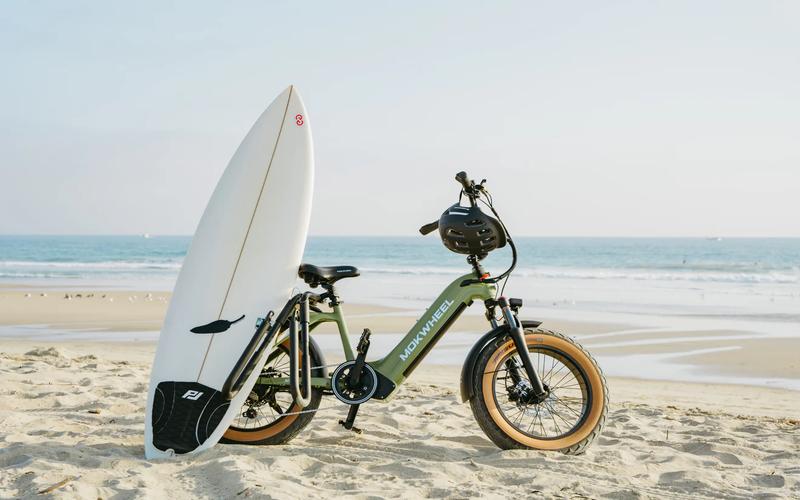
Mokwheel Folding Electric Bikes: A Practical Reference for Urban Commuters
During the selection process, many commuters focus on brands that demonstrate strong performance in folding durability and long-term reliability. One example is Mokwheel folding electric bikes, which have gained attention among urban riders in recent years for their commuter-oriented design philosophy.
Among today’s many Ebikes for Sale, Mokwheel folding models emphasize reinforced frames and multi-point locking mechanisms, helping maintain stability even with frequent folding and unfolding. Combined with a well-balanced electric assist system and thoughtful weight distribution, these bikes offer smoother handling and better control on city streets.
For commuters who regularly switch between riding, subways, and buses, this balanced approach—blending portability, ride comfort, and structural reliability—offers a practical reference when evaluating options.
Turning a Commuting Tool into Part of Your Lifestyle
When the right folding electric bike is chosen, its value extends well beyond daily commuting. Whether you’re selecting from a wide range of Ebikes for Sale or gradually adopting more flexible travel habits, the result is a more relaxed urban lifestyle.
A folding electric bike can also serve as a convenient option for weekend errands or short trips, helping riders explore car-free routes and enjoy greater freedom of movement around the city.
Final Thoughts: Efficiency Comes from Smarter Choices
There is no single “perfect solution” for urban commuting—but there are smarter choices. Folding electric bikes are gaining popularity not because they are trendy, but because they strike a practical balance between space efficiency, time savings, and overall cost of use.
As the market for Ebikes for Sale continues to expand, carefully analyzing your personal needs and choosing a model that truly fits your commuting scenarios is the key to higher efficiency.
When commuting becomes easier, city life naturally feels lighter and more enjoyable.
Frequently Asked Questions
Are folding electric bikes suitable for daily urban commuting?
Yes. Folding electric bikes are compact, flexible, and well-suited for avoiding traffic congestion.
They also integrate easily with subways and buses, making them ideal for short to medium-distance commutes and last-mile travel.
Is the battery range sufficient for daily commuting?
Most folding electric bikes offer a range of 25–50 miles (40–80 km), depending on battery
capacity, assist level, terrain, and riding habits. For typical commutes, daily charging is usually unnecessary.
Is folding and unfolding complicated?
Most modern folding electric bikes are designed for commuters and feature intuitive folding mechanisms. With practice, the process typically takes just a few seconds. Models with mature locking structures are better suited for frequent use.
Can folding electric bikes be taken on subways or buses?
In many cases, yes. Once folded, these bikes are compact enough to meet public transportation requirements. However, rules vary by city and transit system, so it’s best to check local regulations in advance.
Folding electric bikes vs. standard electric bikes—which is better for city living?
If you have limited storage space, require multi-modal commuting, or need easy portability, folding electric bikes are the better option. Standard electric bikes are more suitable for fixed routes without frequent lifting or storage constraints.
What factors matter most when choosing a folding electric bike?
Key considerations include overall weight, folding stability, battery range, and ride comfort. More important than specifications alone is how well the bike matches your commuting distance, folding frequency, and daily environment.
Are folding electric bikes suitable for women or riders with less physical strength?
Yes. Electric assist significantly reduces riding effort, and folding designs make storage and transport easier. Choosing a bike with balanced weight and a low center of gravity further improves usability.
Do folding electric bikes require extra maintenance?
Maintenance is relatively simple—regular charging, tire pressure checks, and keeping the chain and folding joints clean are usually sufficient. Compared to cars or traditional electric scooters, maintenance costs are generally low.
When we think about building a future-positive world, we often focus on sustainable industry or conscious design. But the most vital project we undertake is shaping the global perspective of the next generation. This is why China family travel must be approached not as a vacation, but as an intentional cultural undertaking—a shared project of discovery for the whole family.
Forget the checklist of theme parks and crowded attractions. The true positive impact of exploring China lies in connecting with its deep history, modern innovation, and human ingenuity, side-by-side with your children.
Travel for a thoughtful family should mirror the philosophy behind good design: it must be intentional, beautifully executed, and meaningful. In China, this means stepping outside the bus window and finding the human story.
Instead of just seeing the Great Wall, consider the context: How did artisans construct a barrier over mountains? For older children, the trip can be framed as a creative brief: “Your assignment is to document the evolution of architecture from the Forbidden City to the Shanghai skyline.” For younger ones, it’s a mission to collect stories: “Find three examples of how traditional Chinese craft is surviving in the modern world.”
This simple reframing transforms the child from a passive observer to an active cultural participant. It moves the experience from consuming a destination to truly engaging with it. When supported by well-planned, intentional family itineraries, this kind of purposeful exploration becomes the educational foundation for a global mindset.
Discovering the Authentic Pulse
The Future Positive has always championed finding the unique, authentic pulse of a city—the local studios, the independent creators, the slow-design movements. In China, this principle is crucial, especially when traveling with family.
Authenticity is often found not in the grand sights, but in the small, curated encounters. Instead of dining at a large hotel, look for a local cooking class in Chengdu focused on sustainable Sichuan ingredients. Instead of buying a generic souvenir, seek out a traditional print-making workshop in a quiet alleyway in Suzhou.
These small, immersive cultural experience moments create lasting neural pathways. Children learn, in a visceral way, about craftsmanship, material scarcity, and the regional differences that make up the vast tapestry of Chinese culture. They see sustainability not as an abstract concept, but as the enduring wisdom of generations of farmers and artisans. This is experiential learning that no classroom can replicate.
Logistics That Support Learning
Of course, meaningful travel requires a solid logistical base. Trying to navigate China’s vast, fast-moving environment while simultaneously teaching history can lead to burnout. Intentional family travel hinges on logistical support that ensures comfort without sacrificing authenticity.
Choosing a specialized travel partner means having access to reliable, private transport that allows for impromptu stops; it means having guides who are adept at translating not just language, but cultural complexity for various age groups; and it means selecting accommodation that might blend boutique design sensibility with family-friendly space and service. The goal is to make the daily mechanisms of travel disappear, leaving only the culture and the curiosity.
By cultivating these intentional journeys, we give our children more than just photos; we give them a living, breathing understanding of the world’s most ancient and forward-looking culture. This is the positive impact of travel: building citizens who are empathetic, curious, and prepared to engage with the world’s rich complexities.
As your business grows, so does the risk of cyber threats. From data breaches to ransomware attacks, securing your IT network is no longer optional – it’s essential for protecting your business and reputation. Securing your network isn’t about installing software or buying expensive hardware. It’s about creating a layered defence system that adapts to the evolving threats you face. By understanding where your security gaps lie and implementing practical solutions, you can build a network that shields your business from potential attacks while keeping operations running smoothly.
Before you can improve your security, take a close look at your existing setup. This will help you identify vulnerabilities and areas where improvements are needed. Start by mapping out your network and understanding what devices, systems, and applications are connected. Are your firewalls in place and functioning properly? Is your antivirus software up to date? These are basic but critical elements of your security infrastructure.
Consider conducting regular security audits to check for gaps. This can include vulnerability assessments and penetration testing, which simulate potential attacks on your system to see where weaknesses lie. By understanding what’s at risk, you can prioritise your investments in security measures that make the most sense for your business.
Implementing Core Security Measures
To create a secure network, you need to implement essential security measures that form the foundation of your IT protection. One of the most important tools is a firewall. A robust, managed firewall service can protect your network from external threats, filtering incoming and outgoing traffic and blocking malicious activity. Don’t rely on default settings, though. It’s important to customise your firewall rules based on your business needs and to regularly update them to handle emerging threats.
In addition to a firewall, you should also encrypt sensitive data, especially when it’s transmitted over the internet. Encryption ensures that even if someone intercepts your data, they won’t be able to read it. Regular software updates and patches are also key to closing security holes. Many cyberattacks exploit known vulnerabilities in outdated software, so keeping your systems current is a simple but effective step in protecting your network.
Ongoing Employee Training
Your employees are often the first line of defence against cyber threats, which is why continuous training is vital. Train them on best practices for creating strong passwords, recognising phishing attempts, and reporting suspicious activity. A single mistake, such as opening a malicious email attachment, can open the door to an attack that compromises your entire network.
Additionally, consider implementing multi-factor authentication across your systems. This adds an extra layer of security by requiring users to provide two or more forms of identification. With regular training and awareness, your employees will not only understand how to use security measures but will also be more likely to spot and prevent threats before they escalate.
A secure IT network doesn’t happen overnight, but by assessing your current setup, implementing core security measures, and prioritising employee training, you’ll be well on your way to creating a safer environment for your business.
This website uses cookies to improve your experience. We'll assume you're ok with this, but you can opt-out if you wish.AcceptRead More
Privacy & Cookies Policy
Privacy Overview
This website uses cookies to improve your experience while you navigate through the website. Out of these cookies, the cookies that are categorized as necessary are stored on your browser as they are essential for the working of basic functionalities of the website. We also use third-party cookies that help us analyze and understand how you use this website. These cookies will be stored in your browser only with your consent. You also have the option to opt-out of these cookies. But opting out of some of these cookies may have an effect on your browsing experience.
Necessary cookies are absolutely essential for the website to function properly. This category only includes cookies that ensures basic functionalities and security features of the website. These cookies do not store any personal information.
Any cookies that may not be particularly necessary for the website to function and is used specifically to collect user personal data via analytics, ads, other embedded contents are termed as non-necessary cookies. It is mandatory to procure user consent prior to running these cookies on your website.