Category: Travel

  • How to Enjoy Stockholm to the Max

    Sweden is a country with so much to offer visitors, especially when you’re visiting the country for the first time. Near the top of the list of things Sweden has to offer is undoubtedly its capital city, Stockholm. It’s a vibrant city that’s full of life, art and culture. You’ll never be short of things to do or see, so maybe this should be your next city break destination.

    If you’re going to head to Stockholm, though, you first need to know a bit about how to enjoy it to the max. Apart from knowing what to pack in your suitcase, there are lots of things that you won’t want to miss out on while you’re there, and we’re going to run through some of the most important things you’ll want to see and do during your time there. Read on to find out more.

    Head to the Top of City Hall’s Tower for the Best Views

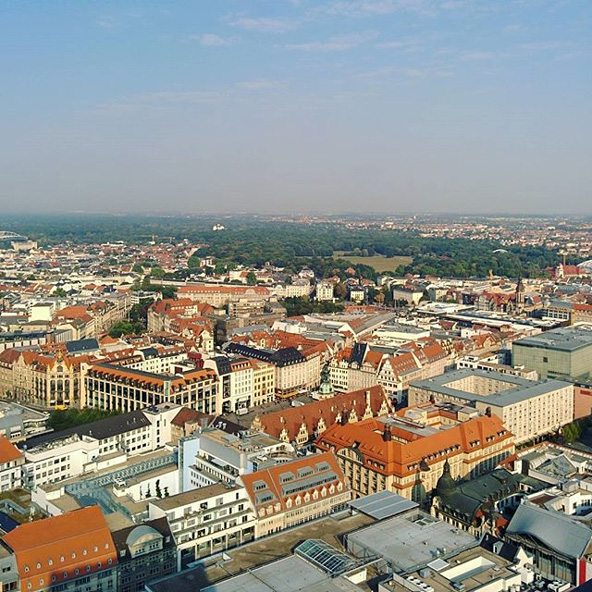
    If you want the very best views over Stockholm, you should head to the top of the tower that’s connected to the City Hall, or the Stadshuset in Swedish. Although you do have to pay to get to the top of the tower, you’ll be glad you paid for it. It’s an incredible panoramic view over the city. If you take your camera with you, you’ll get some incredible pictures of the city in its full glory.

    Explore the Old Town

    With narrow streets and cobblestone alleyways, it’s very easy to get lost in Stockholm’s Old Town, but that’s all part of the fun. Explore it for a full day and see everything it has to offer. It’s a part of the city that’s entirely unique and brimming with character. You certainly won’t want to miss out on this incredible part of Stockholm, so don’t fall into the trap of overlooking it.

    Take to Stockholm’s Hiking Trails

    You might not have been planning on going hiking when you decided to head to Stockholm, but it’s actually a great way to experience this location. Stockholm actually has three major hiking trails and they each offer something fantastic. If you love to explore and walk, make sure you hike at least one of them.

    Image Source

    Enjoy the Art Galleries and Museums

    The Moderna Museet is one of the best art galleries you’ll find anywhere in Scandinavia, and you should be sure to stop off there and have a look around while you’re in Stockholm. You should also see which art fairs are on while you’re in the city because there’s often a lot of great art to buy at these. Some people say the best art gallery in Stockholm is actually the subway system. Its long passages are adorned with incredible art and it’s free to browse them; there are even tours available.

    Tour the Swedish Parliament for Free

    Sweden is famed for its long-standing and tolerant social democracy and if you’re interested in all things political, you should definitely take the time to visit the Swedish parliament, known as the Riksdag. It’s also possible to take advantage of one of the free tours that are offered there. They take place each weekend and start at 1:30pm during the winter and four times each weekday in the summer. It’s a lengthy and fascinating tour led by people who really know what they’re talking about.

    Workout at an Outdoor Gym

    There are 38 outdoor gyms in Stockholm alone. They’re something of a revelation in Sweden and many people enjoy spending time outdoors working out. If you’re usually a regular at the gym and you don’t want to lose your gains while you’re traveling, you should visit one of Stockholm’s outdoor gyms and workout in a context that you’ve probably never worked out in before.

    Spend Time on Stockholm’s Popular Beaches

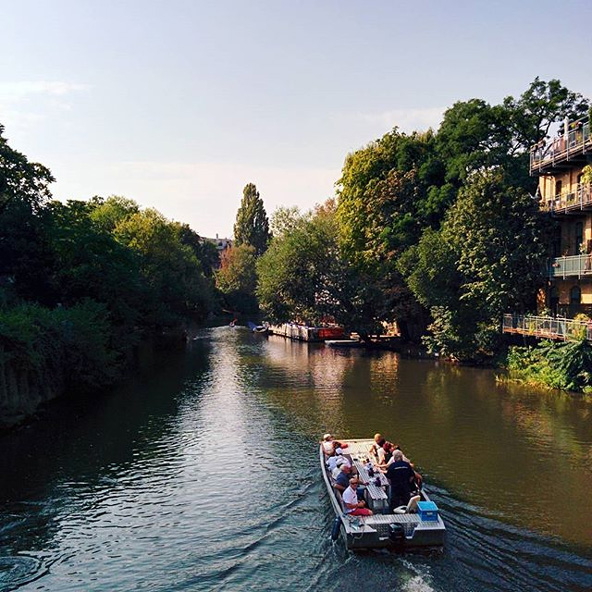
    Not many people realise this if they’ve never been to Stockholm before, but there are actually a range of great beaches in Stockholm and you should be sure to make the most of them when you’re there. The best include Långholmsbadet and Smedsuddsbadet, but there are many others too. There’s also a lot of very beautiful and picturesque canals that you can explore. Be sure to take the time to do that.

    Stockholm has so much to offer and if you haven’t yet taken the time to visit the Swedish capital, you should think about planning your trip there. It’s a city with so much to offer in terms of culture, and the Swedish people are great too. It’s the perfect place to start when visiting Sweden for the first time.

  • Things to Do in Kingston

    Kingston is Jamaica’s business capital and cultural epicentre. Home to more than two million people, it is rich in cultural and historical attractions. It’s a growing metropolis surrounded by stunning mountains in the north and a beautiful coastline in the south. Offering bustling nightlife, colourful markets, fascinating museums, and fine art galleries, Kingston is well worth a visit. 

    Here are some of the best things to do in Kingston.

    Image via Unsplash

    1. Bob Marley Museum


    Jamaicans will always say that their greatest export is reggae, thanks to the legendary musician Bob Marley. And if you’re a big fan of Big Marley, you’d be glad to know that you will find a museum dedicated to him in Kingston. It’s on the site of his former home, which he bought in 1975. The house features a 19th Century architecture and is where he lived until his transition in 1981. 

    Considered a cultural hero by many Jamaicans, Bob Marley remains one of Jamaica’s most influential people. You will learn more about him when you visit the museum, which showcases the musician’s incredible life from humble beginnings while living in Jamaica’s poorest communities until he achieved worldwide recognition for his contribution to the music industry. The property is also equipped with an 80-seat theatre, a record shop, a photographic gallery, and a gift shop filled with various memorabilia in honour of Bob Markey.

    If you feel like relaxing after touring the museum, check out the One Love Café. Enjoy a sumptuous meal with refreshing beverages. The cafe also serves some authentic Jamaican specialities.

    2. Devon House


    The Devon House is a historic site in Kingston featuring the traditional look of a plantation home with Georgian Jamaican architecture. Representing Jamaica’s rich cultural diversity, it was built in 1881, resembling a typical plantation home that the British built during the height of the slave trade.

    Sitting on an 11-acre property at the heart of Kingston, the Devon House was owned by Jamaica’s first millionaire, Gorge Stiebel. Stiebel was a child of a Jamaican housekeeper and a German Jew. He worked as a carpenter, gunrunner, and shipper, but it was in gold mining that he found his fortune. 

    The Devon House features 19th-century furniture mimicking a view of the past. Visitors can join tours of the house and the property to learn more about its history and what it represents for Jamaicans today. As you stroll through the estate grounds, you will find many shops, restaurants, and cafes. Surrounded by lush green lawns, the property’s environment is calm and relaxing, with tall palm trees, a water fountain, and a wide range of beautiful flowers exuding a soothing atmosphere.

    3. Trench Town Culture Yard


    Another site that fans of Bob Marley should not miss while on Kingston is Trench Town Culture Yard. It’s another museum about the life of Bob Marley, showcasing the instruments of Bob Marley, along with his contemporaries, Bunny Wailer and Peter Tosh, during their younger years. Many of those who have visited the Culture Yard said that it offers a better sense of the origins of Bob Marley.

    The best way to explore Trench Town Culture Yard is to book a guided tour. The tour guides hail from the community and can best show you what life was in the Tenement Yard during the fifties and the sixties. The Culture Yard is just one of the many houses built by Jamaica’s Central Housing Authority around the 1940s. These houses were the “government yards” during those days. 

    Trench Pen was the name given to the houses built on a 200-acre land. The land was segmented, and that’s how the residential community is called the Trench Town. The main purpose of this historical site is to show the world the history of Trench Town. During the tour, your guide will also take you to the courtyard’s outer parts, where you will see how residents here live in the community. You will also see the rusting bus owned by Bob Marley.

    4. Hike up Blue Mountains


    For avid hikers, visiting the Blue Mountains of Jamaica is a must. A paradise for hikers and campers, the mountains offer exceptionally magnificent scenery with lots of fun-filled activities. The summit forms the highest point on the island at more than 7,000 feet.

    There is a lot to explore in the Blue Mountains. You will find indigenous flora and fauna, which are only available in the region. The area is also famous for the aromatic Blue Mountain Coffee. Some of the most remarkable sceneries include majestic waterfalls and natural springs. You will also have a chance to visit a Rastafarian Village and Maroon heritage sites.

    Depending on how long you intend to explore the Blue Mountains, you can choose to hike or cycle to get a first-hand feel of nature at its finest. Either way, you are guaranteed to enjoy your visit. You will also find wild tracks if you opt for a road trip. Many tour companies offer day trips to the Blue Mountains coming from Kingston.

    5. Fort Clarence Beach 


    Jamaica is home to some beautiful, white sandy beaches with crystal clear turquoise waters. One of these is Fort Clarence Beach Park, a white-sand beach equipped with facilities like showers, toilets, and a car park. Located five and a half miles from Fort Charles, Fort Clarence is open to the public with reasonable entry fees.

    Given its long, sandy dunes and coastal grasses, Fort Clarence Beach Park exudes a very relaxing ambience. While most people would come here to relax and swim, there are other fun activities to enjoy, such as horseback riding. The park also hosts frequent music festivals, including the occasional bodybuilding contest and beauty pageant.

    You don’t have to worry when you get hungry after exploring the beach park since there are plenty of restaurants in the area. These restaurants serve freshly made Jamaican meals, including fried or steamed fish, grilled and curried lobster, and more!

    If you plan to visit Fort Clarence Beach, consider staying near the beaches on the other side of the island. Here, you will find stunning luxury Caribbean villas in Jamaica, equipped with all the amenities of a typical home, allowing for a more comfortable and relaxing stay.

  • Where to Stay in Palma de Mallorca

    As Mallorca’s capital city, Palma is the island’s greatest treasure. It’s well worth visiting for its incredible beaches, charming city squares, and excellent bars and restaurants. Given its flourishing food scene, bustling waterfront, and awe-inspiring cathedral, Palma de Mallorca is an utterly compelling destination.

    If you’re planning to visit Palma de Mallorca soon and wondering where to stay, check out this list below.

    Image via Unsplash

    1. Palma Centre


    Also called “Distrito Centro”, Palma Centre is a beautiful neighbourhood famous for its charming seafront promenade and the Gothic cathedral called Santa Maria, which features the modernist ironwork of Gaudi. It’s one of the districts that make up Palma de Mallorca and is in the city centre.

    As the centre of Palma, it’s where you will find most of the attractions of the city. Beside the cathedral is the royal palace La Almudaina, which dates back to the 1200s. It holds paintings and tapestries alongside Moorish arches and gardens. Its narrow, cobblestone streets are lined with souvenir shops selling Mallorcan coloured glasses. The area is also home to busy taverns serving delectable rice broth and island wines.

    You’ll find lots of great accommodations here. If you want to be close to everything, stay in Palma Centre.

    2. Santa Catalina


    Santa Catalina is a former fishing town located on the western side of Palma’s Avenida Argentina. It’s a hip enclave centred on an ancient old market selling local produce. Exuding an ambience of a village that combines old and contemporary lifestyles, Santa Catalina is home to colourful cottages, art nouveau mansions, designer boutiques, and vintage stores.

    Located close to the sea, Santa Catalina was named after Santa Catalina of Alexandria, the patron saint of merchants and sailors. On its leafy streets are cool cafes and martini lounges sitting alongside dive bars, where a Bohemian crowd would often gather. Santa Catalina is also home to world-class restaurants serving global cuisines, occupying the squares and backstreet alleys.

    Santa Catalina’s traditional old houses are very photogenic, boasting cheerfully painted facades, small front balconies, and old wooden shutters – many of which are adorned with plants and flowers. The centre of the neighbourhood is an indoor market supplying local produce to cafes, bars, and restaurants, which makes Santa Catalina a popular area for foodies. If you want to base yourself in Santa Catalina, stay at Bordoy Continental Palma, an upscale hotel with a sauna, spa, and a deli.

    3. La Lonja


    La Lonja is a historical landmark in the Old Town of Palma where locals and visitors would gather after dark, as it’s home to a great selection of bars, restaurants, and clubs. A former maritime trade exchange, La Lonja is now a popular hangout spot in Mallorca.

    Nowadays, when darkness descends on Mallorca, La Lonja comes to life, and the Gothic building is superbly illuminated. However, it’s somewhat upstaged by the numerous dining areas and bars close to the area. Above the mighty portals of La Lonja, you’ll find a sculpture of the Guardian Angel of Commerce standing mightily. The sculpture is a reminder that centuries ago, this area was a significant hub for business in Mallorca.

    As the heart of Palma’s nightlife scene, La Lonja is often bustling with tourists. But its main artery is the Apuntadores. As soon as you get into the narrow thoroughfare, you’ll be bombarded with different businesses trying to get your attention. But keep your eyes peeled on small side streets branching off into the main street lined with restaurants offering delectable cuisines. Other notable hotspots in La Lonja include Hotel Tres, a beautiful hotel housed in a former 16th Century Palace. The hotel features an interesting mix of stylish contemporary design and traditional Majorcan decor.

    4. Palma’s Old Town


    Known in Spanish as “El Casco Antiguo”, the Old Town of Palma is where you will find a majority of the island’s most popular attractions. Some of the most notable attractions in the Old Town include the Royal Palace of Almudaina, La Seu Cathedral, and Es Baluard Contemporary Art Museum. Given the many attractions in the area, wandering its medieval streets is enough to keep you entertained!

    In Old Town, you’ll never run out of interesting things to explore, making it a great place to base yourself in Palma. From pretty squares to Gothic churches and centuries-old interior patios, you’ll find many beautiful things to discover in this neighbourhood. If you are into antiques, you’ll love staying in this area even more. It’s home to antique shops, old bookshops, and even an outlet for vintage Vespa. The famous “Golden Mile” is also part of the Old Town.

    Stately homes from the 17th and 18th Centuries are some of the most significant features of this area. These homes have been beautifully restored, with some of them transformed into luxury boutique hotels. When staying in the Old Town, visit Parc de la Mar, an artificial lake that glistens amidst the walls of the Palma Cathedral.

    5. La Calatrava


    La Calatrava is one of Palma’s most charming neighbourhoods, attracting all kinds of people – from tourists interested in learning about the island’s history to those looking for alternative areas to stay. The neighbourhood forms part of the Old Town of Palma, stretching back from seafront Parc de la Mar and towards a warren of shaded alleys.

    At the centre of La Calatrava, you’ll find the Palace de L’Almudaina and the Gothic La Seu Cathedral. There are also 10th Century Moorish hammams contrasting with the contemporary and modern designed Teatre Municipal Xesc Forteza.

    La Calatrava is where the culture and history of the city were born, a fruit of the melting pot between Christians, Muslims, and Jews, giving rise to the unique Mallorcan roots and traditions. A few metres away is Sa Gerreria, one of Palma’s most picturesque and authentic areas.

  • A Book from Lind Guides

    A Book from Lind Guides

    A few months ago we talked about A Book from Lind and its first guide Small Wonders of Rome. The Danish publishing house founded by Jakob Vestergaard and Tine Lind has just expanded its collection with new titles covering Berlin, Istanbul and Paris.

    Printed on high-quality FSC certified paper, the guides are presented folded on pocket-size and when unfolded they reveal a useful map and a selection of 40 different places to see, eat, drink and pause curated by experts on each city.

    To celebrate the launch of the new guides, we’re giving away a set consisting of Small Wonders of Berlin, Istanbul and Paris. To enter, just fill in the form after the photos – each entry provides a higher chance of winning.

    www.lindbooks.com

    Future-Positive-A-Book-from-Lind-1-Low Future-Positive-A-Book-from-Lind-4-Low Future-Positive-A-Book-from-Lind-3-Low Future-Positive-A-Book-from-Lind-5-Low

    a Rafflecopter giveaway

  • A short stay in Manchester and Liverpool

    A short stay in Manchester and Liverpool

    We recently travelled to England’s North West and spent 3 days exploring places to eat, shop and visit in Manchester and Liverpool. Following the format of our City Guides, here’s a mini guide featuring some of our favourite spots in both cities.

    Manchester

    We stayed in Manchester’s city centre and found it quite easy to get around the city on foot. Everything is within walking distance in the city centre but you can also take the Metroshuttle, a free bus service between the main rail stations, and there are trams going from the centre to the rest of neighbourhoods. Compared to Liverpool, there aren’t many attractions or landmarks to see but the city’s architecture mix is really unique and the city’s musical heritage is present everywhere in Manchester, making it really interesting to walk around its streets discovering places that were an essential part of British music history – a genuinely inspirational adventure that had us pondering about guitar lessons near me and where we live, even though we’re sure a poorly plucked rendition of any Primal Scream track would incite anger from everyone.

    Future-Positive-Manchester-Liverpool-1

    EAT

    There are lots of really good places to eat and have a good coffee in Manchester, and you can find most of them around the Northern Quarter – the city’s most creative and vibrant neighbourhood. For lunch, try Soup Kitchen, a canteen/bar/club serving seasonal fresh food and specialising in Caribbean dishes, all in a very relaxed atmosphere. For dinner head to Ply, just around the corner from Soup Kitchen, a bar located in a cool and big space with art on its walls, serving a great variety of craft beer and pizzas cooked in just 90 seconds in their wood-fired oven.

    Future-Positive-Manchester-Liverpool-2
    Soup Kitchen

    If you want to get some coffee or a drink and grab a small bite try Common, a recently refurbished café and bar which is considered an institution in the Northern Quarter. You should also pay a visit to North Tea Power, a café specialising in tea but also serving delicious coffee, soups, grilled cheese sandwiches, salads and pastries in a very cosy space.

    Future-Positive-Manchester-Liverpool-3
    North Tea Power

    SHOP

    Apart from the typical high street chains and big brands, Manchester is home to numerous independent shops. For clothes, make sure you pay a visit to Oi Polloi, a menswear store stocking a great range of brands the likes of A.P.C, Margaret Howell and Our Legacy. Also in the Northern Quarter, Magma sells independent magazines, art books and a nice selection of prints and gifts.

    Future-Positive-Manchester-Liverpool-4
    Magma

    Liverpool

    Liverpool is just 45 minutes from Manchester by train so it’s really easy to travel between both cities. As we mentioned before, Liverpool probably has more attractions and landmarks but it is also much smaller than Manchester, so you can easily explore most of the city centre in one day.

    Future-Positive-Manchester-Liverpool-5

    EAT

    Start your day at 92 Degrees, a micro roastery and coffee shop serving espresso and pour over, as well as cakes and pastries from local suppliers and bagels and sandwiches made on site. In the same neighbourhood and really close to 92 Degrees you will find The Quarter, and Italian-inspired restaurant and deli. The relaxed atmosphere and interiors make it perfect for lunch or dinner, or just to grab a quick bite – there are also some tables outside where you can enjoy food and drinks under the sun during the spring and summer months.

    Future-Positive-Manchester-Liverpool-6
    92 Degrees

    A little far way, close to Liverpool one – the city’s open air leisure and shopping complex – you can find The Cow & Co Café, a small coffee shop serving good food and coffee, and stocking a nice selection of independent magazines and books. The owners of the café also run an online shop with the same name dedicated to design homeware.

    Future-Positive-Manchester-Liverpool-7
    The Cow & Co Café

    VISIT

    Located in Albert Docks, next to the rest of the big museums in the city, Tate Liverpool exhibits works from the museum’s own collection that change from time to time, as well as exhibitions with a focus on a single artist or theme. Really close to Tate Liverpool, you can find Open Eye Gallery, a beautiful space dedicated to photography that also has a small shop selling artists’ books, film, paper and other photographic supplies.

    Future-Positive-Manchester-Liverpool-8
    Open Eye Gallery

    Just off Bold Street – one of the city’s most lively streets – stands FACT, a new media arts centre composed of a cinema, gallery, workshop space and café. The exhibitions offer is really interesting and different, focusing on the interactions between art and technology.

    Future-Positive-Manchester-Liverpool-9
    FACT

    You shouldn’t leave Liverpool without paying a visit to the Metropolitan Cathedral, this impressive work of architecture was designed by Frederick Gibberd and built in the 1960s, and it’s completely different to the the concept of a traditional church in the UK. Apart from observing the imposing exterior, we recommend going inside to see the central altar and stained glass.

    Future-Positive-Manchester-Liverpool-10
    Liverpool Metropolitan Cathedral