Category: Places

  • How Bridge International Academies Use Data and Creativity to Bring Education to Underserved Communities

    Data plays a crucial role in every type of business and institution as it helps analyse information and integrate solutions to potential problems. Just like business owner Lydia Caldana, having accurate data helped her create innovative solutions for clients despite setbacks like budget constraints and the global pandemic. These innovative solutions are applicable in different fields, even in the education sector. As one good example, Bridge International Academies (BIA) has used data to create solutions to global educational problems.

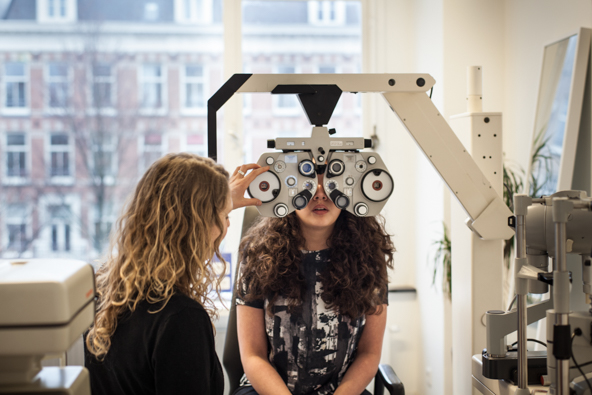
    Image via Pexels


    1. The beginnings of Bridge International Academies (BIA)

    Shannon May found herself across the globe, working as an English teacher in a village in rural China as she pursued her PhD at the University of California, Berkeley. She witnessed first-hand the kind of challenges children go through in government schools that lacked the proper resources.

    Unfortunately, she later realised that these challenges in the educational system was the reality all over the world, not just in China. Data from UNESCO points out that more than 617 million children across the globe are not reaching minimum aptitude levels in reading and mathematics.

    To help be part of the solution, Dr. Shannon May co-founded Bridge International Academies in 2008 with the goal to provide high-quality education to children from poor families all over the world from

    2. How Bridge International Academies was funded

    Dr. May’s aspiring project to help improve education for children caught the eyes of two American icons – Bill Gates and Mark Zuckerberg. Soon after, other investors were interested in giving a lending hand, like the Omidyar Network. Currently, BIA has raised over $140 million (€123.69 million) and is still going.

    3. How BIA produces results

    By using creative out-of-the-box thinking, BIA brings educational solutions to underserved communities in Uganda, Kenya, Liberia, Andhra Pradesh in India, and Nigeria. The teacher guides used by Bridge International Academies are structured to improve learning outcomes using technology. One core principle to BIA’s education model is in the teacher guides. BIA prepares master lessons for all their teachers, so their teachers all over the world teach a standard lesson plan.

    BIA also allows students to learn through feedback. Students are allowed to make mistakes for which they receive feedback to guide them as they attempt to do the task again. All teachers are trained to use these principles at all levels of education

    4. The results Bridge International Academies can produce through their institution

    With the standardisation of lesson plans through the help of technology, the teachers can focus on teaching their student more effectively. The techniques and principles BIA used have also resulted in having a more dynamic classroom. A strong teaching philosophy that is adhered to during every class is based on a three-step process ‘I do, you do, we do’ – which is highly conducive to encouraging full teacher-student engagement.

    One prime example is found in Liberia, where BIA offers a three-year program called LEAP – Liberia Education Advancement Program. Evaluations and assessments of the program found that students in the LEAP program show an increase in learning of 100% compared to students in schools not taught by Bridge programs.

    5. Data and entrepreneurship

    BIA publishes standard lesson plans digitally to each classroom and uses real-time data to get daily learning assessments from students, so that the planning team can study how the students enjoy learning and improve their lesson plans as needed. With the proper use of data, the students’ learning potential is optimised and not a day is wasted.

    At the moment, BIA educates approximately 300,000 kids every day in six different countries around the world. Their exemplary use of data gives today’s underserved children a better chance of becoming our leaders in the future.

  • One of Many by Wesley Verhoeve

    One of Many by Wesley Verhoeve

    Created by Wesley Verhoeve, One of Many is a monthly series of photo essays about twelve cities across the US and their creative communities. Wesley immerses himself in each local creative community and profiles some of the most interesting creatives of the area: artists, makers, chefs, writers, brewers, entrepreneurs and others.

    People around the globe choose to work for themselves, to freelance or work for small companies. This project captures this creative movement that is currently reshaping the global economy and culture, inspiring and encouraging others to make the leap and pursue their desired craft.

    Wesley, who is co-founder of handmade men’s accessories and home goods company GNTLMN and art curator at WeTransfer says: “Being a small business owner or a creative independent is exhilarating, but it can also be quite lonely and stressful. One of Many is a reminder that we are not alone. We are part of a growing movement. We are one of many.”

    www.oneofmany.co

    FP-Ruthie-for-web FP-Michael-Moran-for-web FP-Martha-Lou-for-web FP-Josh-Ulmer-for-web FP-Allison-Merrick-for-web
    All photos by Wesley Verhoeve

  • Herb Lester Associates Travel Guides

    Herb Lester Associates Travel Guides

    Since we introduced the City Guide section on Future Positive, we pay a lot of attention to city guides available in bookshops. When travelling, we try to avoid the most touristy spots in the city and always look for places that will let us experience the city as it really is.

    While planning our next trip, we came across Herb Lester Associates illustrated guides. These compact guides present a great curation of places with tried and tested tips on how to get around the city and make the most out of your trip. Each map presents a digestible selection of shops, cafes, places to eat, galleries, museums and parks – perfect for a weekend away.

    We’ve already got our hands on the Barcelona guide. Have a look at their website for a full list of cities across the globe!

    www.herblester.com

    OLYMPUS DIGITAL CAMERA Miami4_lowres_1024x1024 OLYMPUS DIGITAL CAMERA
    Images via Herb Lester Associates

  • E5 Bakehouse London

    E5 Bakehouse London

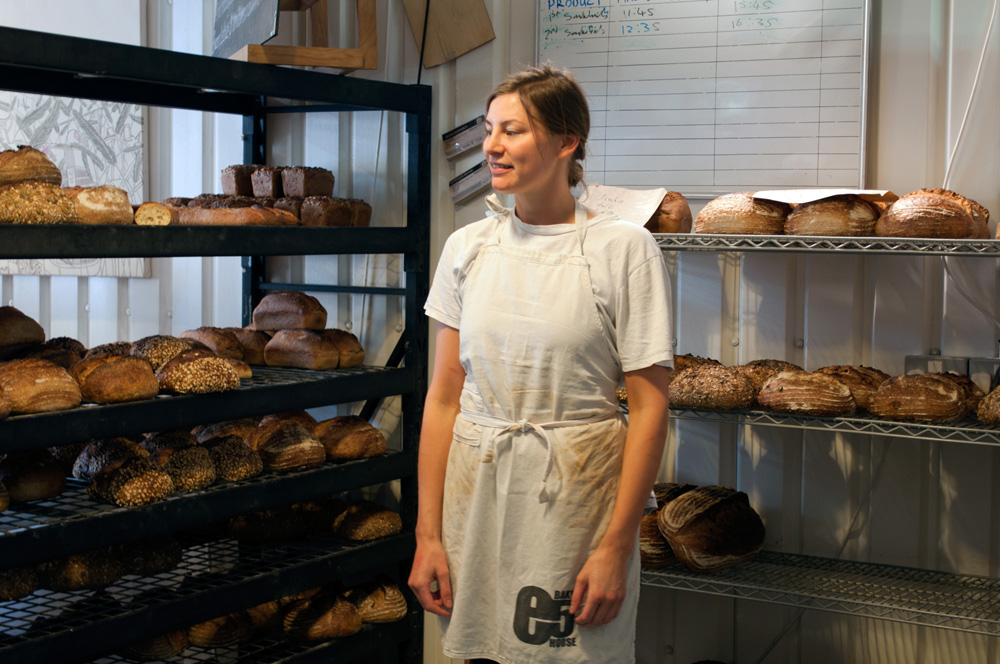
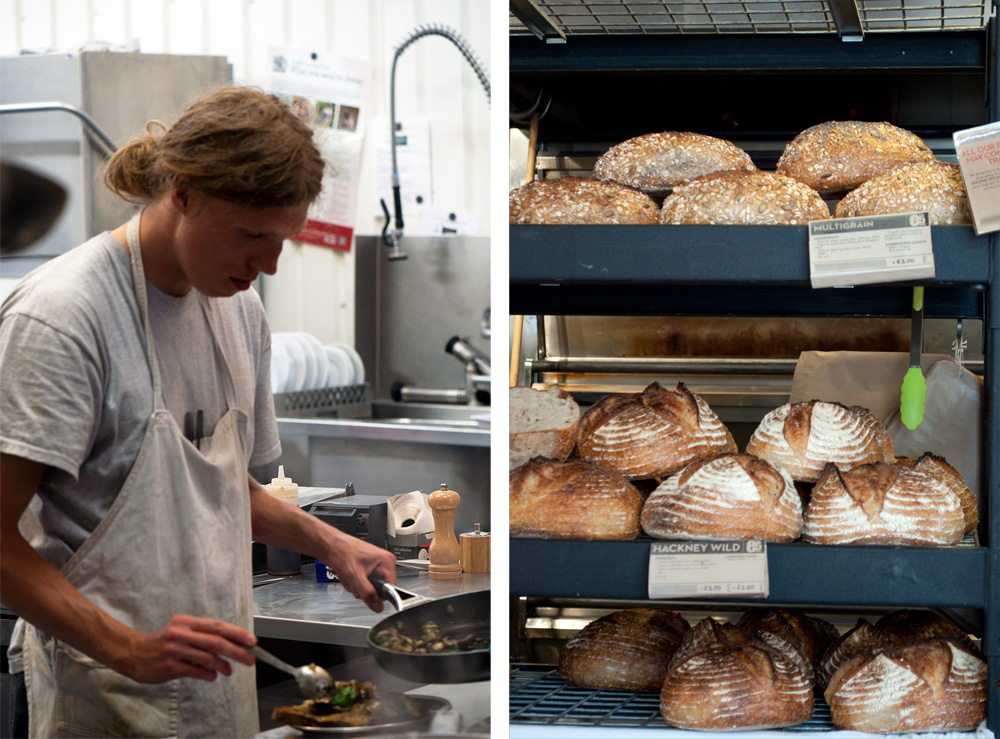
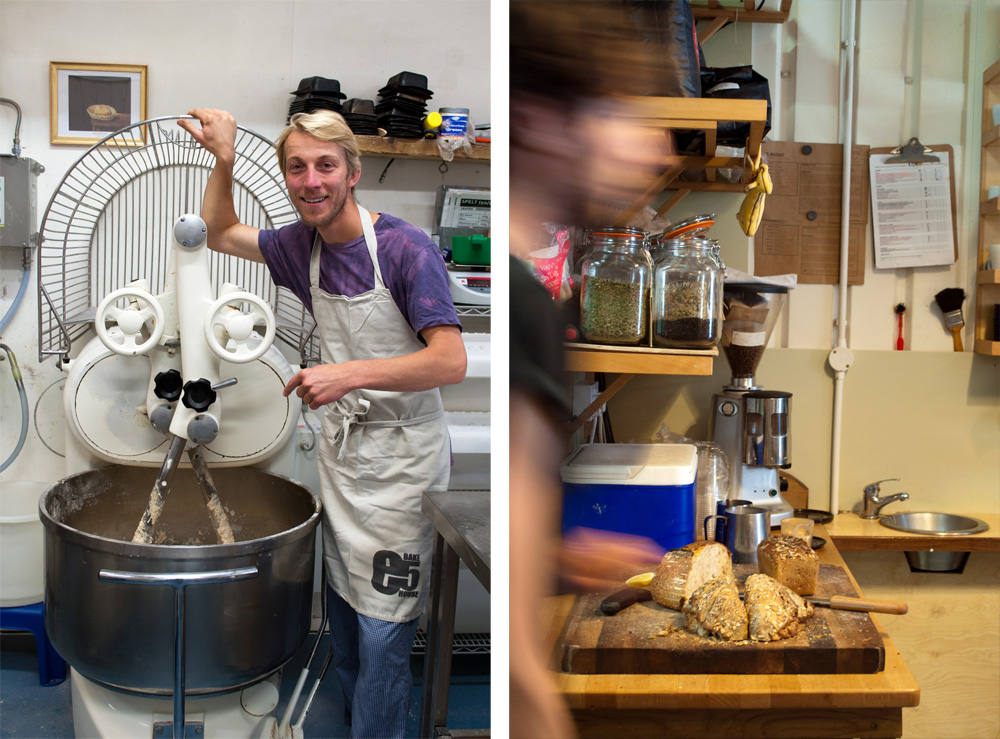
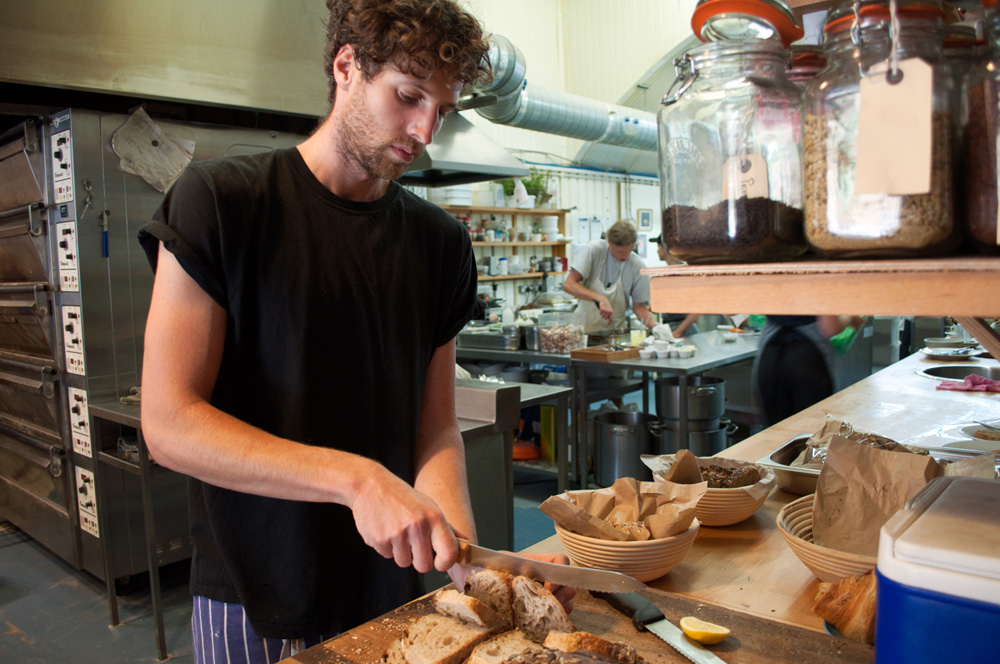
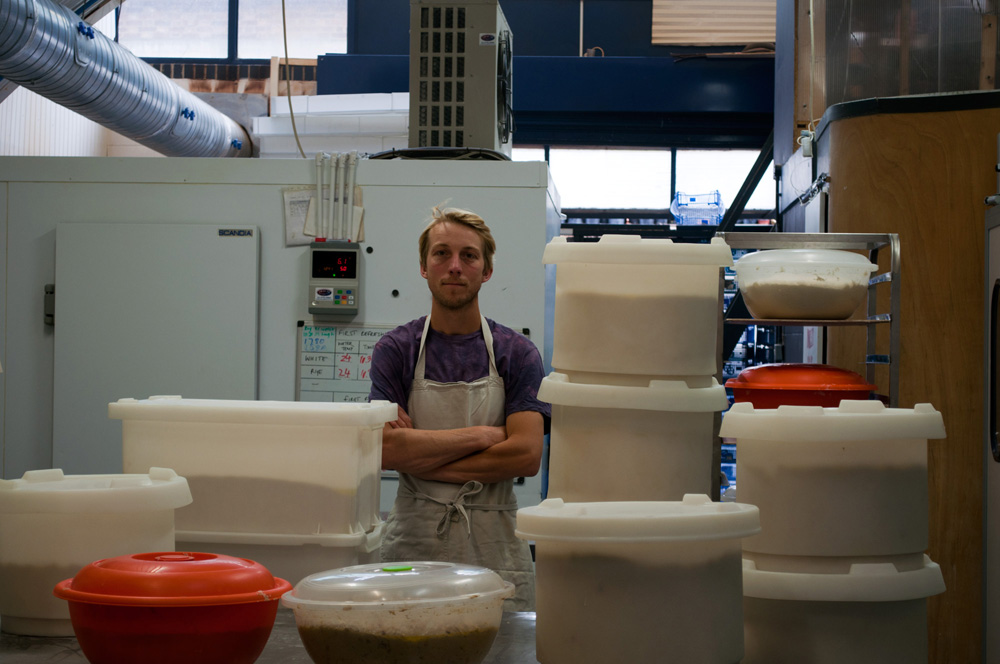
    E5 Bakehouse is an independent, artisan bakery and coffee shop based in East London. Founded in 2012, the bakery is home to a strong team of passionate bakers, chefs and baristas who are committed to a conscious business approach, considering every element of their production process to ensure the produce is both tasty and sustainable.

    Our contributor, Mónica R. Goya caught up with Ben Mackinnon, the founder of E5 Bakehouse. Read the interview after the photos.

    Future-Positive-E5-Bakehouse-8 Future-Positive-E5-Bakehouse-1 Future-Positive-E5-Bakehouse-4 Future-Positive-E5-Bakehouse-2 Future-Positive-E5-Bakehouse-6 Future-Positive-E5-Bakehouse-3 Future-Positive-E5-Bakehouse-5 Future-Positive-E5-Bakehouse-9 Future-Positive-E5-Bakehouse-7 Future-Positive-E5-Bakehouse-10

    It all started with you delivering bread to your neighbours once a week, did you expect your business to grow so much?

    No, in fact I imagined just baking a couple of days a week by myself, but opening the place up to more people joining in has been a fantastic experience and the product and environment so much richer.

    You came up with the idea of starting a bakery while on sabbatical in Spain. What inspired you and was it a difficult decision?

    I was looking to find a career I could believe in, something which fused making something by hand with my passion for ecological sustainability. I baked a loaf and a seed was planted. It wasn’t until I was hanging out at a bakery in Fez, Morocco that I thought: this is it!

    Were there any other ideas you considered before setting up the Bakehouse?

    I was looking at starting a business installing solar panels.

    What is a typical day like for you?

    There isn’t one. At the bakehouse I am either making bread, teaching people, or spending time with the team.

    What is the most difficult about managing a team?

    Letting go and trusting in people.

    Are there any moments when you miss your consultant job?

    Not yet.

    What was the most difficult part of establishing your own bakery and how did you learn to make bread?

    Taking time to rest, listening to people’s advice, constantly adapting to change.

    Does East London influence the spirit of your bakery in any way? Why did you choose a postcode as the name for your business?

    Absolutely. Hackney is unique on account of the open minded community who are determined to support small independent businesses. They are savvy consumers here who are choosing to buy local, organic, well priced produce. They recognise that by investing in their community, that community becomes richer in ways which are hard to pin down.

    Is there any advice you could give to someone who wants to change career and start their own project?

    Take some time to think about it. Start small. Don’t be afraid of failing.

    You’re probably not short of ideas so what’s next for E5 Bakehouse?

    That’s top secret.

    e5bakehouse.com

  • How You Can Help Reduce Greenhouse Gas Emissions at Home

    How You Can Help Reduce Greenhouse Gas Emissions at Home

    With climate change becoming a more pressing issue, you might want to consider ways in which you can reduce your carbon footprint. While no single action will make a big difference, the cumulative impact of many small changes could be quite significant. Here are some simple things shared by local law 97 experts that you can do at home to help reduce greenhouse gas emissions:

    Image via Unsplash

    Advocate for energy efficiency

    • Talk to your utility company. Ask them what they’re doing to reduce greenhouse gas emissions. Ask if they have any programs that help lower energy usage and costs, such as rebates on energy-efficient appliances and incentives for solar panels.
    • Talk to your local government officials. Find out whether the city or county has an environmental protection office, which might be able to recommend ways you can help reduce emissions in your neighborhood.
    • Talk about it with friends, family members and coworkers. Get them involved too! It’s easier than ever before to connect with like-minded people in real time from anywhere in the world through social media channels like Facebook groups or Twitter chats—and this is especially true when it comes time for actionable ideas on how you can all work together towards common goals as a community (for example: reducing greenhouse gas emissions). You may also want consider creating an official community group dedicated solely towards encouraging conversations about climate change education; this could include weekly meetings where experts are brought onto campus by various departments within campus administration specifically designed for students who are interested in learning more about these topics but simply don’t know where else they would go outside of class hours due their busy schedules”

    Conserve energy

    You can reduce your home’s carbon footprint by conserving energy. Here are some simple ways to do that:

    • Turn off lights when you leave a room. This is an easy one—just remember to turn off the lights before you leave, even if it’s just for a few minutes.
    • Turn down the thermostat, especially when no one is home or asleep. You’ll save money and reduce greenhouse gas emissions in one fell swoop!
    • Use energy efficient light bulbs in place of incandescent bulbs wherever possible—they use less electricity and last longer than traditional bulbs (and they’re usually cheaper than their counterparts as well).

    Purchase power from the grid with a clean energy provider like Arcadia Power

    Choosing a clean energy provider is one of the most impactful things you can do to make your home more sustainable. If you’re already a customer with an existing utility company, find out if they have options for clean energy. You can also call them directly and ask if they offer clean electricity.

    Even if you don’t switch from your current utility provider, it’s still worth finding out how much electricity you use per month or year. This information will help determine how much it would cost to switch away from fossil fuels and toward renewable energy sources such as solar power or wind turbines in your area.

    If possible, try to get this information from both the electric bill that arrives every month and also by contacting the local utility company directly (a phone call should suffice).

    Reduce your travel carbon footprint

    Traveling to work or school is a major source of carbon emissions. By reducing your travel carbon footprint, you can help reduce the effects of climate change.

    To reduce your travel carbon footprint:

    • Use public transportation whenever possible. If you do not have access to public transportation in your area, consider using shared ride services like carpooling and rideshare programs.
    • Drive a fuel-efficient vehicle (such as hybrid or electric) if possible, and opt for walking or biking whenever possible!

    Choose clean, renewable energy

    There are a number of ways you can reduce your home’s carbon footprint. The first step is to choose a clean energy provider for your electricity, heat and cooling. Look for companies that have been certified by the EPA or the U.S. Energy Association (USEA). At least 70% of all electricity must be generated from fossil fuels in order for it to be considered renewable energy by USEA standards, but it may still qualify as “clean” if there is a low level of emissions associated with its production and distribution compared with non-renewable sources such as coal or natural gas.

    There are also many companies offering carbon offsetting services through which they will invest in projects that reduce greenhouse gas emissions globally as part of their mission to help protect against climate change; these investments might include things like wind farms, solar arrays or even rainforests! This can help you feel confident about your contribution being used effectively towards reducing global warming issues at home – especially since many people don’t know how much carbon dioxide they emit on average per month until now!

    You can help save the planet by using electricity efficiently, reducing your travel carbon footprint

    In addition to helping the environment, you can save money on your electricity bill. If you’re not sure how much electricity you’re using in your home, check out the Department of Energy’s calculator. The first step is figuring out how to reduce your energy use and then how to better manage it once it’s reduced.

    Electricity is a major source of greenhouse gas emissions worldwide—in fact, electricity generation accounts for around one-fifth of all carbon dioxide emissions in the United States alone. That number has been growing over time because more people are using more devices. As developing countries like China and India get economically stronger, their populations are buying more products that require lots of resources (like electronics) and putting them into their homes—and those products often come with a high price tag. Even if you live in an area where there isn’t much industry nearby (like Montana), your neighbors may still be contributing significantly if they own things like refrigerators or washing machines or other big appliances that run constantly all day long while they’re at work during the weekdays but sit idle over weekends when nobody’s home yet still consume energy 24/7 because they keep running when plugged into outlets even though nobody needs them right now!

    Conclusion

    There are many ways to reduce emissions. The more people do, the better off we will all be.