Category: Places

  • The Secret to Planning a Stress-Free Group Night Out in the City

    The anxiety around a social night out with a group usually isn’t about the night itself – it’s about everything leading up to it and following it. The bad choice of location, the loose arrangement, the uncomfortable silences between folks that are not yet friends. If you can just eliminate those factors, the good times often follow.

    Location does more work than you think

    When you’re wrangling ten or fifteen individuals who all live in different parts of this bustling metropolis, the location of that bar is as much a logistical decision as an aesthetic one. Book a central hub with easy public transport links, and you will have fewer people arriving half an hour late and exhausting themselves in last-dash sprints; fewer last-minute dropouts courtesy of zombies who couldn’t face travelling all the way home after work and then trekking right across town; and less time spent loitering with every single stray window-shopping tourist in the vicinity while you wait for the group to assemble.

    That’s why entertainment districts in major city centres consistently outperform neighbourhood bars for group events. A karaoke bar in covent garden, for example, puts guests within walking distance of several major tube lines and easy cab routes, which removes the “how do I even get there” friction that quietly kills attendance before the night begins. Fewer logistical complaints before the event means a warmer, more relaxed group once everyone’s actually together.

    Weekday bookings also matter more than people realise. Peak weekend slots in high-traffic districts fill fast, and the noise and crowd levels at surrounding venues affect your own group’s experience. A Tuesday or Wednesday evening often gets you better room availability, lower ambient chaos, and more attentive service.

    Private rooms fix the social pressure problem

    The main reason why people prefer to sing karaoke in a private room rather than on a public stage has nothing to do with skills. It’s because of the freedom you have. In a private booth, you can control the volume, the speed of the songs, who sings next, when the food or drinks are served, and how many songs you want to sing. This kind of control over your environment alters the entire purpose of gathering.

    When people feel they are being watched by strangers on a stage, it creates performance stress. However, if you’re in a room with friends, you don’t have those issues. It’s more of a bonding activity rather than a performance. In a relaxed, private-room environment, friends are much more likely to share their vocal talents and enthusiasm.

    Song selection is the hidden variable

    This is something that people definitely underestimate: the karaoke songs that people choose have more of an impact on the atmosphere than anything else.

    If you start with a big solo power ballad, you will easily make performance-art spectators. If you start with an intensely familiar, high-participation chorus that everyone half-knows and feels comfortable shouting along to, you immediately lower everyone’s inhibitions and also tee up the fact that they’ll be shouting not singing. Nostalgia helps a lot there – go for 90s pop, classic rock anthems, or anything with a chorus that you know was played at every party you went to for the past twenty years.

    Tell people to choose songs based on nostalgia rather than their vocal range. The songs that elicit the biggest, most forgiving cheers and applause are almost never the songs that show off how “good” a singer you are. They’re the songs that a lot of the crowd knew and loved, stored childhood memories in, once drunkenly pashed someone during, etc. and also knew they could sing very badly while still getting a rousing reception.

    A good digital songbook here also helps. Tablets or touchscreen laptops where you can scroll the list are ideal, sure, but the key is being free from the dreaded ‘choice paralysis,’ where the scroll stalls and nothing’s up there because the person holding the book can’t decide. You need to keep everything rolling, and nothing gets easier than when everyone can browse in private, make their choice, and have the song ready to roll as soon as the previous one’s wrapped.

    Handle the money before the night starts

    Splitting the bill at the end of the night in a group is one of the most certain ways to transform a good evening into a bad one. All-inclusive packages solve this cleanly – a flat room hire rate with a food and drinks credit built in means everyone knows the number upfront, contributions can be collected via a group payment before the date, and nobody’s standing at a card machine at midnight trying to remember what they ordered.

    The pre-payment deposit system tends to reduce the number of last-minute cancellations. Invariably, a few people will drop out no matter what you do, but this tendency will be less pronounced if you have already committed some money.

    Sounds like treating your friends as customers, but it’s true.

    The stress is always in the gaps

    The part that’s stressful isn’t the actual fun – the music, drinks, and people you like. The stress comes from the organizational interstices: who’s driving, how you’re dividing the check, what to do if things get weird. Solve those problems in advance, and the evening takes care of itself.

  • Fun Dates Night That Don’t Cost a Fortune

    Fun Dates Night That Don’t Cost a Fortune

    When you’ve been together for a while, it can sometimes be easy to slip into a routine. You come home from work, you have dinner, watch TV and then scroll on your phone until it’s time to go to bed. This can make your relationship feel like it’s stuck in a bit of a rut, where you don’t spend any quality time together. No matter if you have kids, or just opposing schedules, it’s important you get out of this rut and make time for date night. These will help you feel more connected, happier together and learn to enjoy each other’s company again. In this article we take a look at some fun date nights that don’t cost the earth. Keep on reading to find out more and get inspired.

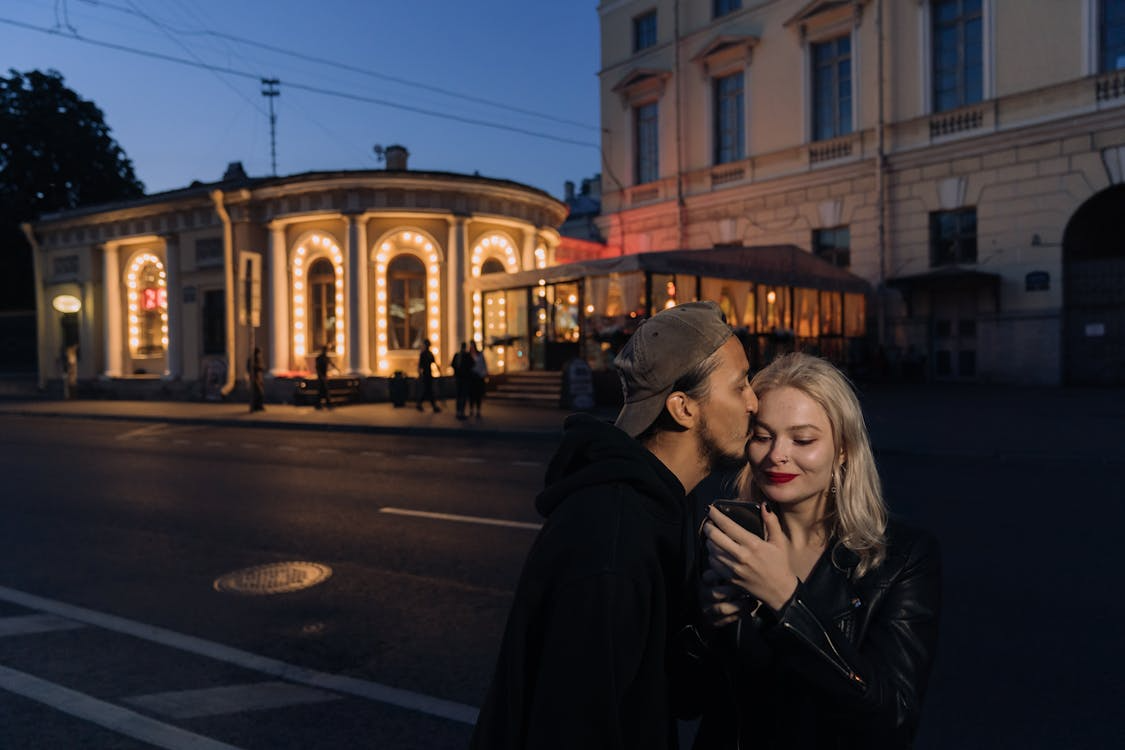
    Photo by cottonbro studio

    Go for a sunset walk or picnic

    One of the easiest and most romantic date ideas is also one of the cheapest. A sunset walk or picnic can be incredibly special and requires very little planning. Pack a small bag with snacks, drinks and perhaps a blanket, then head to a local park, beach or scenic point (maybe where you had one of your first dates?!) Watching the sun go down together is relaxing and romantic, as well as perfect for talking and enjoying each other’s company. If you want to make it feel a little more special, you could bring along homemade food or a small speaker for music. It’s a reminder that sometimes the best dates are the ones where you simply slow down and appreciate the moment.

    Go for a comedy night out

    There’s something about a comedy night that just makes for the best date night experiences. Take a look at a local comedy club near you, checking for someone good to be playing like comedian Stuart Mitchell. Tickets don’t tend to be expensive, but are a great way to spend time together, away from a screen and laugh until your sides hurt. You’ll come home feeling happier, more relaxed and knowing you had the best time.

    Cook dinner together at home

    Cooking together can be a surprisingly fun and interactive date night. Instead of going out to eat, choose a recipe you’ve both never tried before and tackle it as a team. It could be homemade pizza, Caribbean cuisine, fresh pasta, tacos or even baking a dessert together, whatever takes your fancy! This is more affordable than eating out, means you get to connect with one another and you get to enjoy some delicious food at the same time!
    These are just a few things you can do that are fun but also don’t cost the earth. Whether you’re walking hand in hand in the sunset, or looking to go for a comedy night out where you can laugh until your sides hurt, you’re sure to find something you love. You could choose to add on a hotel stay or fancy dinner, but sometimes the cheap and simple ideas are the best ones. What are some top tips for things you can do together that aren’t too expensive, but will make a huge difference? Let us know in the comments below, we’d love to hear from you.

  • Volunteering Abroad for the First Time: How to Prepare and What to Expect

    Volunteering Abroad for the First Time: How to Prepare and What to Expect

    When it comes to volunteering abroad for the first time, it’s one of those decisions that feels exciting but overwhelming. There’s so much to think about — where to go, what program, what’s involved, what’s expected — but if you know how to get prepared beforehand, most programs run smoothly and exceed the expectations of first-time travelers.

    Image via Unsplash

    Where to Find Your Program

    The first thing one must do for an effective and life-changing experience is find a proper program that is well-run and suited to one’s skill set and interests. The volunteer sector is vast and poorly run in various places, and thus, the first step to take is acquiring all information possible before diving in. If one gets a bad program from the start, it’s hard to recover unless honest mistakes are made early on. This means much more comprehensive research than an organization’s brochure or website can offer.

    Reading first-hand accounts from people who’ve already completed placements is one of the most useful things a prospective volunteer can do. IVI Reviews from returned volunteers offer exactly this kind of insight — the kind that brochures and websites rarely provide — and reading a range of them gives a much clearer picture of what to genuinely expect. Look for patterns across multiple reviews rather than fixating on any single account.

    What to Expect

    One of the most significant adjustments first-time volunteers have is understanding the pace of work. People expect dramatic changes through months of work — it’s important to understand that volunteering abroad can often be slow-paced without immediate effects. Instead, use the time as a way to help integrate into the culture by showing up day after day, building relationships with locals and getting accustomed to the routine. Oftentimes, bigger successes come over time.

    Accommodations can be tricky, too. Different programs offer different luxuries in more developed countries but more basic options in less-developed nations. Some programs have volunteers living in well-accommodated homestays/volunteer houses and others have programs where flushing toilets are a luxury. This is where reading reviews helps. One can ask the organization directly about accommodations, food, daily logistics, etc., but it’s always worth vetting before commitment. The more questions asked and answers provided ahead of time, the easier it will be to adapt upon arrival.

    What to Prepare

    Once a program is set in stone, the practicalities should all be vetted. Each country has specific vaccination requirements, visa needs, travel insurance recommendations, health issues avoidable preemptively, etc. Most organizations will give a comprehensive list but it’s always recommended to double-check independent of what the site needs.

    Packing considerations are also relevant, especially if one develops a habit beforehand of thoughtfully packing and not bringing too much stuff. A volunteer who thinks they need every possible piece of clothing will end up frustrated and without clothes all other volunteers/staff will appreciate. Most places need basics (which can be bought or requested) but packing for contingencies is not worth it.

    Learning a few words before traveling goes a long way. Without being fluent in the culture’s language, at least knowing a few phrases shows respect and helps ease integration.

    The Mindset

    Finally, it’s important to adopt the right mindset before going abroad. First-time volunteers are encouraged to listen and observe instead of applying their own learned habits from their respective cultures without getting an idea for themselves first. This isn’t disrespecting how people are raised; rather, flexibility is one of the most helpful things a volunteer can bring with them.

    Schedules may differ, plans may change from day-to-day and it’s essential to exercise patience and not get frustrated when things do not go according to plan. Everyone is there for a reason but everyone involved is also human. It’d be far more worthwhile to adapt to change instead of villainizing those who need it.

    It’s also important to get honest with oneself before going. Volunteering abroad works best when one is looking for an authentic experience for themselves—and their clients—rather than a box checked off of their collegiate experience or résumé earnings. This is not to say that growth and enjoyment aren’t part of the equation—they absolutely are—but the ones who get invested in the work and people earn a lot more merit.

    Returning Home

    Most first-time volunteers return home with far more than they came with—perspectives changed, friendships forged, understanding a new culture better than ever before so much so that little details stay with them long after they’ve left and forgotten the practicalities of being there in the first place. Placing priorities on things unforeseen back home gives them a new outlook on life for sure. First-time volunteering abroad makes an impression upon someone in ways they never thought possible as long as they come prepared and open-minded with a genuine willingness to help out from the beginning.

  • Why You Should Avoid Pressing Burgers While Cooking

    The ability to cook the best burger on a grill is a task involving both the art of grilling and the time it takes along with the knowledge of meat behavior under hot weather conditions. Lots of domestic cooks and grillers are enticed to press their burgers during the cooking process with the belief that doing so will speed up the cooking process or give the burgers a more attractive look. But this is a general practice that can affect the taste, texture and the juiciness of the burger. To understand the reasons why pressing burgers is harmful, one should know the reasons why it is beneficial to everyone willing to improve their outdoor cooking experience.

    Grilling requires the proper use of heat, time and moisture. A press on a burger interferes with these factors and results in a number of undesirable effects which are mostly ignored. This article will discuss why you must avoid squashing burgers when cooking, and why each bite will be tasty and delicious.

    Impact on Juiciness

    The first reason why one should not press burgers is that it lowers the juiciness of the burgers greatly. Burgers are naturally fat and moist, which are needed to provide the characteristic of flavor and tenderness. As you squeeze the patty these juices get squeezed out onto the grill and leave the meat dryer and without the same pleasure. It is easy to see the difference between a well cooked, juicy burger and the dry, pressed burger right in the taste and the texture.

    It is essential to retain the natural moisture of the burger particularly with the thicker patties which take extended time to cook. The meat does not lose its juices under pressure, and it makes it even more tasty and satisfying to bite. The secret behind making a successful burger is to ensure that the food is cooked evenly without losing those juices in the process and this improves the overall burger experience and the quality of what you put on the table.

    Effect on Flavor

    Squeezing the burgers also degrades the flavor. The squeezed juices which hold most of the fat and seasoning of the meat, are left on the grill rather than remaining in the patty. It is these juices that make a burger taste rich and savory and without them, it may become a dull and less appealing flavor profile.

    Moreover, these juices can result in flare-ups that scald the surface of the meat and add bitter and charred tastes, when they come in contact with the hot grill. Not to press will maintain a natural flavor of the burger and the balance of flavors produced by seasonings and marinades. This makes each bite as tasty as it should be.

    Effect on Cooking Quality

    Compaction of burgers has a bad effect on the uniformity of cooking. When you flatten the patty, you thin it unevenly which may cause overcooked sides and undercooked center. The top of the burger can get too hot whereas the inside does not cook to the appropriate temperature, which cuts off the safety and quality.

    Even cooking is also of particular importance to the thicker or gourmet-type patties, which demand more attention to heat. Letting the burger cook naturally without any interference will have the property of ensuring that the burger will attain a uniform internal temperature without ever altering its shape. The approach results in a well-cooked burger throughout the length and breadth of the burger, which improves the eating experience.

    Presentation and Texture

    When pressing is applied the visual appeal and texture of a burger is destroyed. Over pressing the patty may over flatten the patty giving it an unimpressive look. This may present the burger unappealing especially when it is accompanied by buns, cheese, and other toppings during a BBQ assembly Toronto event.

    In the texture, it is also necessary, because the outside of the burger is blessed with a slightly caramelized crust, formed naturally during the cooking process. Pressing interferes with this action leaving behind a patty which can be dry and of inconsistent texture. By staying out of this habit, the burger will not only look the best, but its bite will be fulfilled to draw attention to the grill marks and proper sear.

    Best Practices

    It is also better to pay attention to proper preparation of patty and grill management to avoid pressing. To ensure that the puffing does not occur too much during cooking, making the patties the same thickness and producing a small hole on the center of the patties can remove the perceived necessity of pressing.

    Also, the correct heat and leaving the patty to rest and cook without interruption over a few minutes is good to assure even and preserve the juices. These methods increase the flavor and the texture of the burger and thus there is no need to press. These techniques can be used to make any BBQ, either a backyard party or a more specialized BBQ assembly Toronto event, even better.

    Conclusion

    Burger pressing when cooking is another common mistake which can affect the juiciness, the flavor, and the texture of the burger, as well as the overall presentation. Home cookers and grillers can get the perfect balance of flavor and appearance by using natural methods of cooking burgers and employing meticulous methods of preparation. Maintaining the natural juices and not over flattening the burger makes every burger tasty, soft and attractive to look at.

    No matter if it is a BBQ assembly in Toronto or a simple backyard meal, it is an insignificant change to avoid the urge to press burgers and get massive outcomes. The delicacy of serving a well-cooked and juicy burger is worth all the time and effort that has been spent.

  • The Silver Building, creative workspaces in London’s Royal Docks

    The Silver Building, creative workspaces in London’s Royal Docks

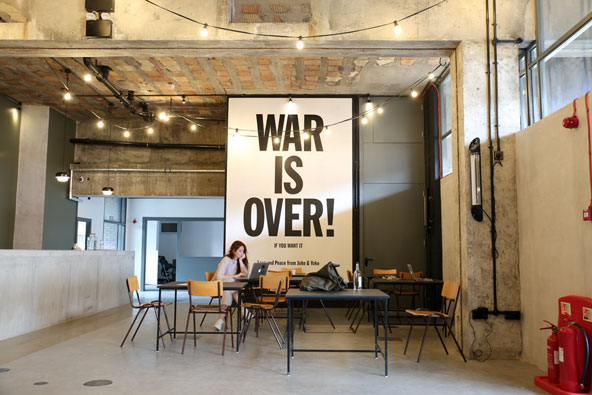
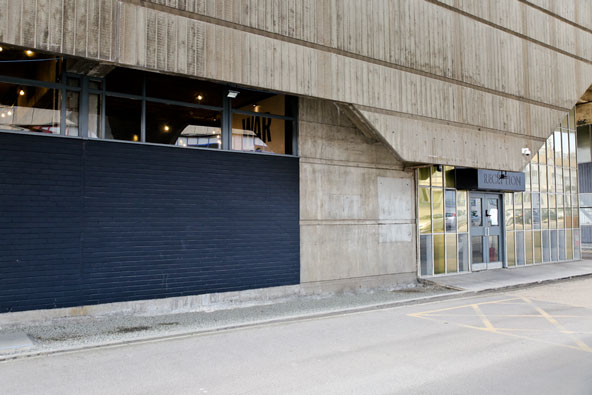
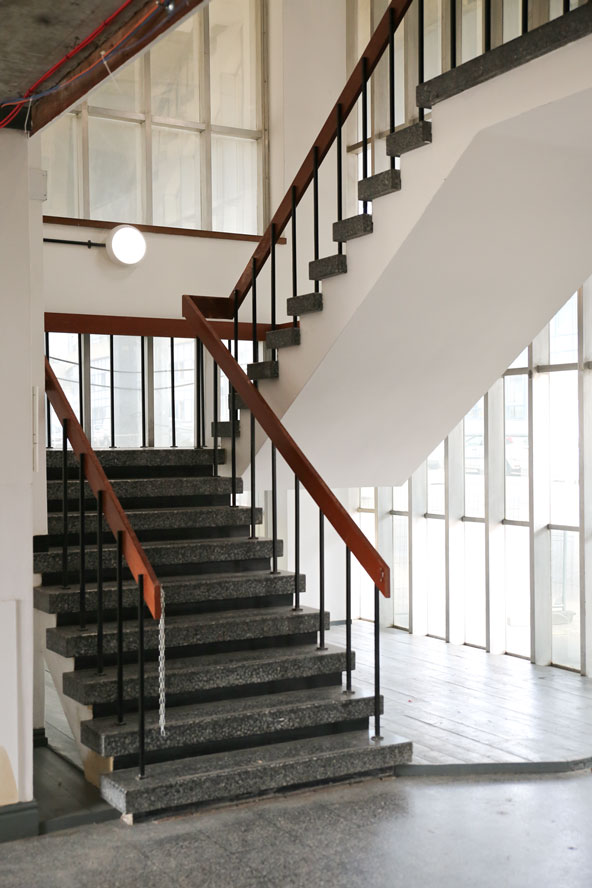
    Located in London’s Royal Docks, an area currently undergoing a transformation to become a hub for creative industries, The Silver Building is a dramatic multi-purpose shared workspace centre in a striking brutalist building by the River Thames.

    www.thesilverbuilding.com

    On our last trip to London, we visited The Silver Building at Silvertown and were showed around the different areas and studios by its founder Nick Hartwright, who’s also behind Green Rooms Hotel – an arts hotel and social enterprise we’ve already talked about.

    The 50,000 sq ft building, originally constructed in 1964 for Carlsberg-Tetley Brewing company, opened in late 2017 and is already a bustling creative and entrepreneurial hub where new talent is nurtured and grown. The concept behind this project is to provide affordable workspace for everyone, with different studio spaces that cater for everyone: from fashion designers and artists to photographers and set designers.

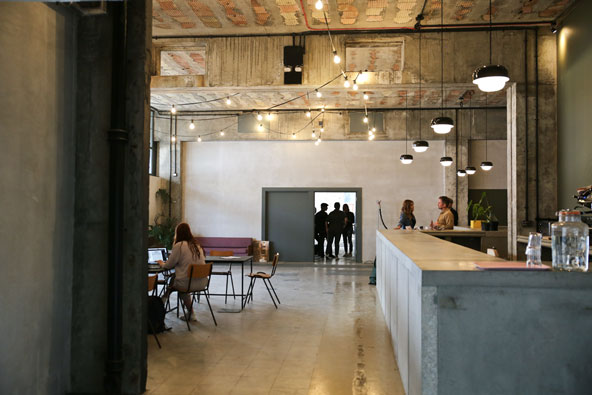
    Working in partnership with the Mayor of London’s office and re-purposed by award-winning studio of architects and designers SODA, The Silver Building also features communal areas and events spaces across its four floors, with a ground floor café which is the beating heart of the development.

    Nick Hartwright has said about the project “The Silver Building is an incredibly exciting project and a perfect example of how modern regeneration should be carried out.  Over the coming years we’re going to put Silvertown on the map.  We’re going to engage with existing Newham-based businesses and we’re going to bring new enterprises to the area.  Everyone will benefit, and together, I’m sure we’ll produce some brilliant outputs.”

    And the Mayor of London, Sadiq Khan, supports the initiative and the offering of affordable workspaces for creative businesses: “London’s creative industries are unrivalled, but the capital is growing and we need to make sure we build great creative infrastructure into major development projects. As property prices rise, artists are finding it more difficult to put down roots here and that’s why they need access to genuinely affordable workspace.“

    Fashion designers like Craig Green and Liam Hodges have their workspaces here and also set designers Block9, who have worked with Gorillaz, Lana del Rey and Banksy. With prices of around £15 per sq ft, The Silver Building is attracting some of the most exciting creative talent due to its affordable spaces, the dramatic setting and the on-going regeneration of the neighbourhood.