Category: Places

  • Herb Lester Associates Travel Guides

    Herb Lester Associates Travel Guides

    Since we introduced the City Guide section on Future Positive, we pay a lot of attention to city guides available in bookshops. When travelling, we try to avoid the most touristy spots in the city and always look for places that will let us experience the city as it really is.

    While planning our next trip, we came across Herb Lester Associates illustrated guides. These compact guides present a great curation of places with tried and tested tips on how to get around the city and make the most out of your trip. Each map presents a digestible selection of shops, cafes, places to eat, galleries, museums and parks – perfect for a weekend away.

    We’ve already got our hands on the Barcelona guide. Have a look at their website for a full list of cities across the globe!

    www.herblester.com

    OLYMPUS DIGITAL CAMERA Miami4_lowres_1024x1024 OLYMPUS DIGITAL CAMERA
    Images via Herb Lester Associates

  • E5 Bakehouse London

    E5 Bakehouse London

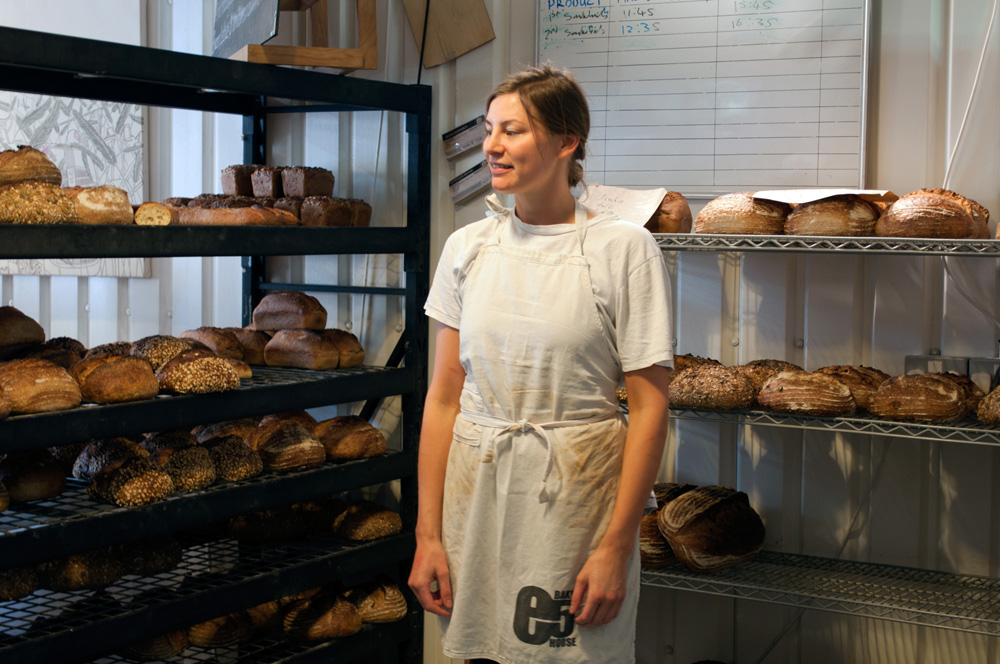
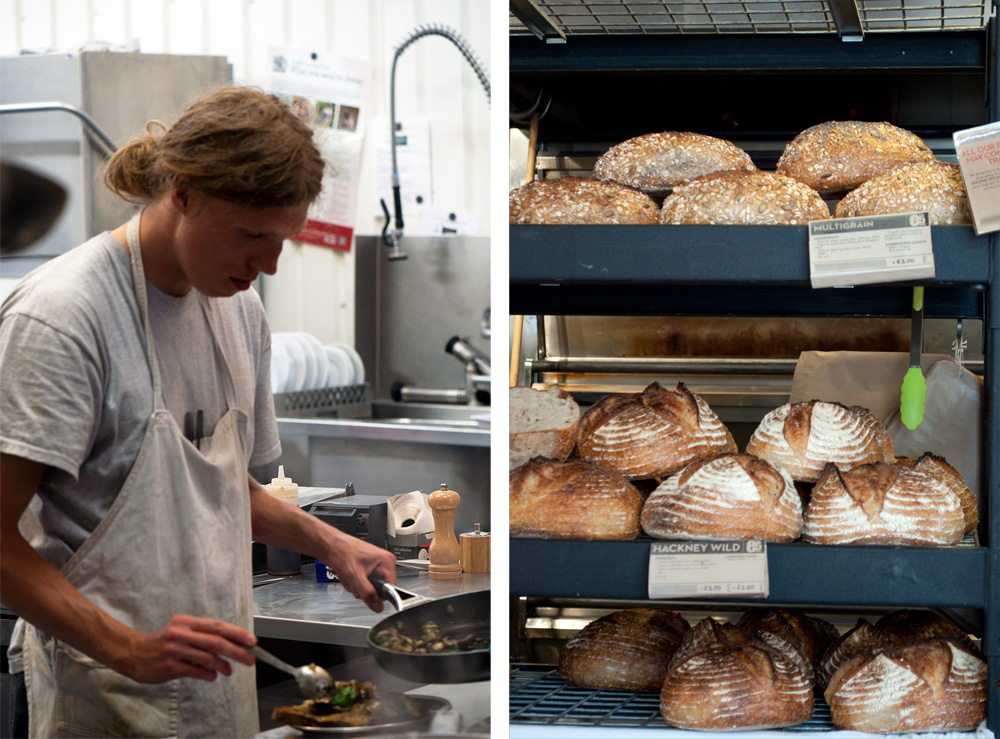
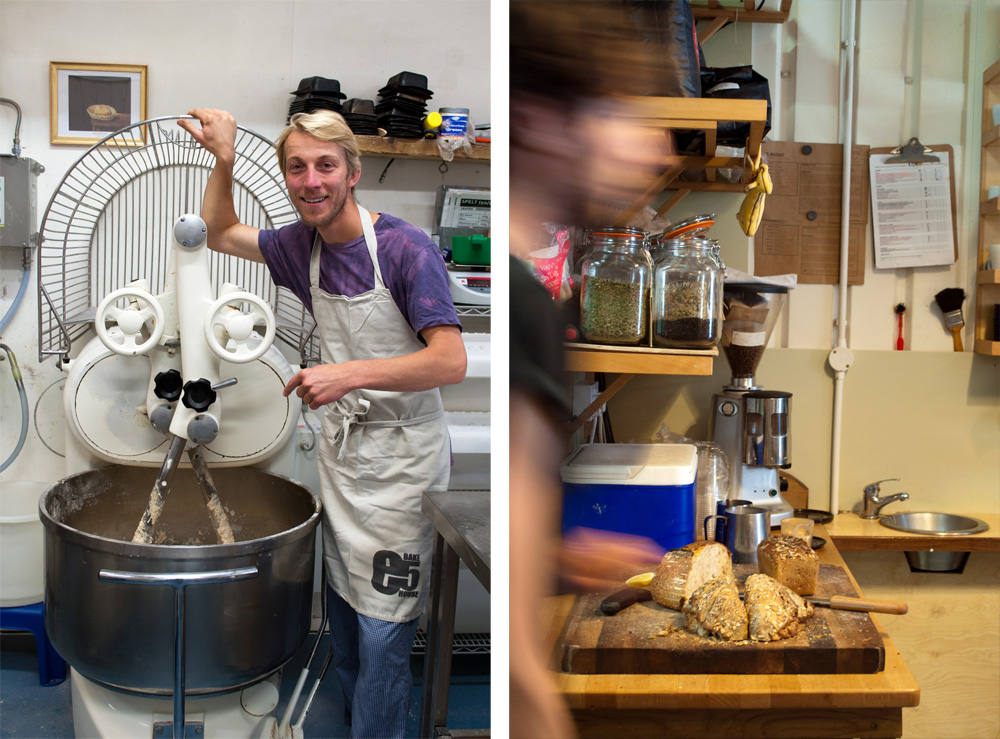
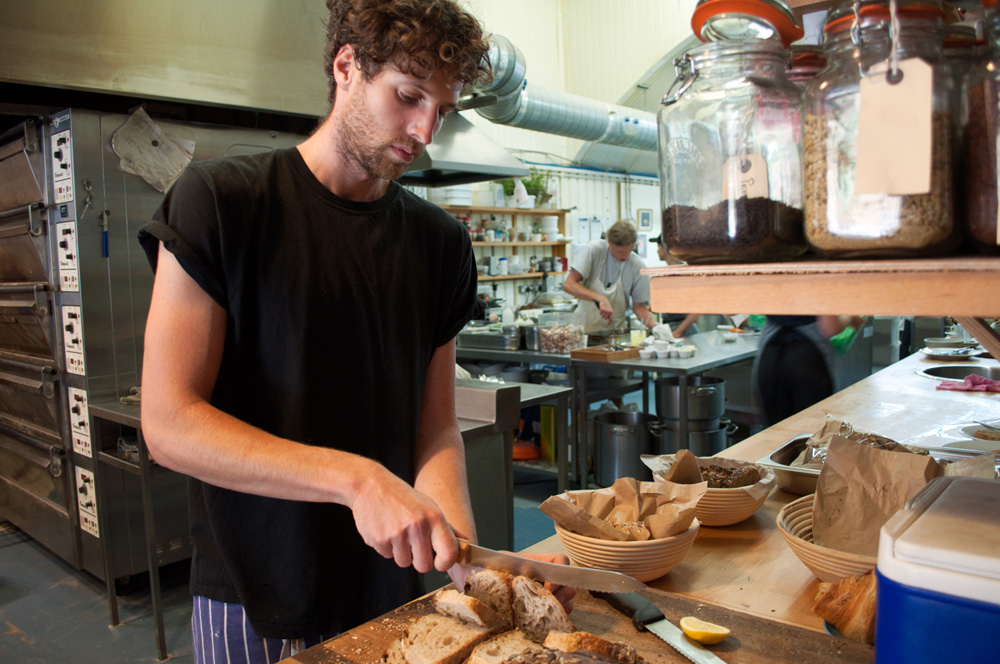
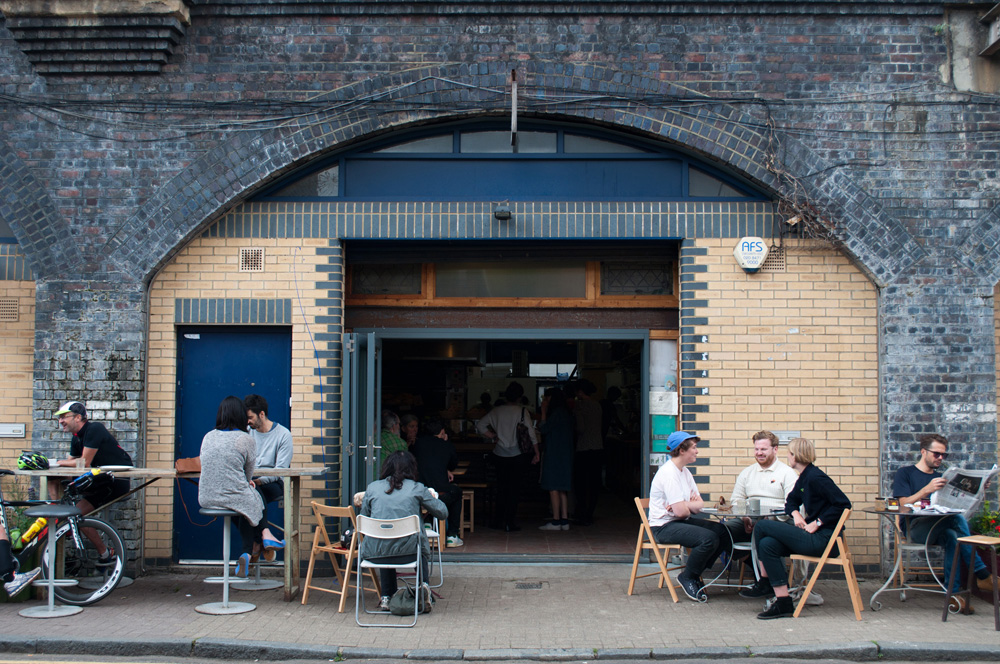
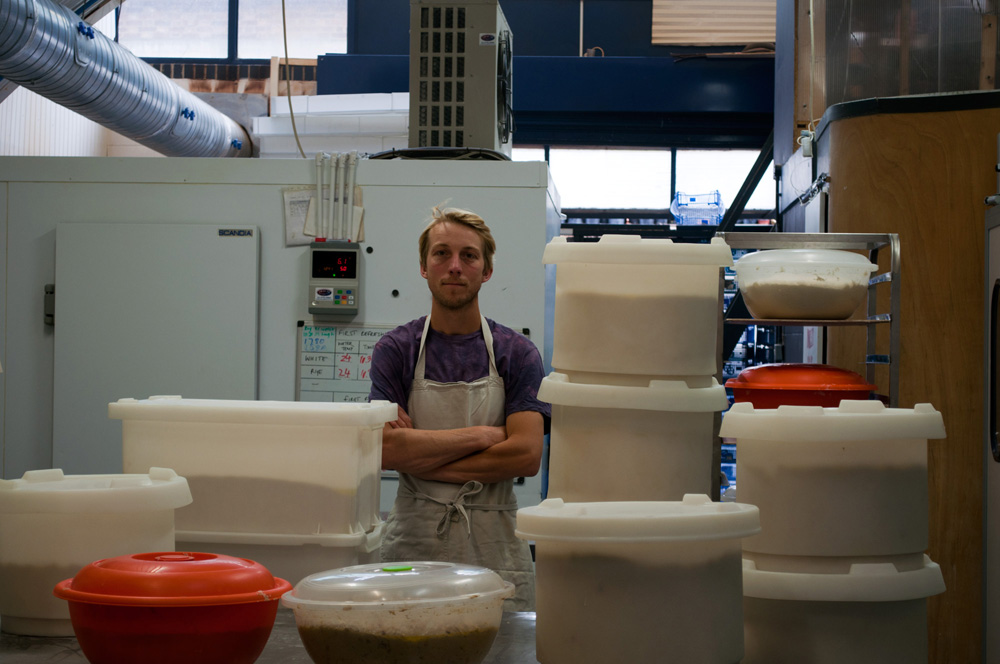
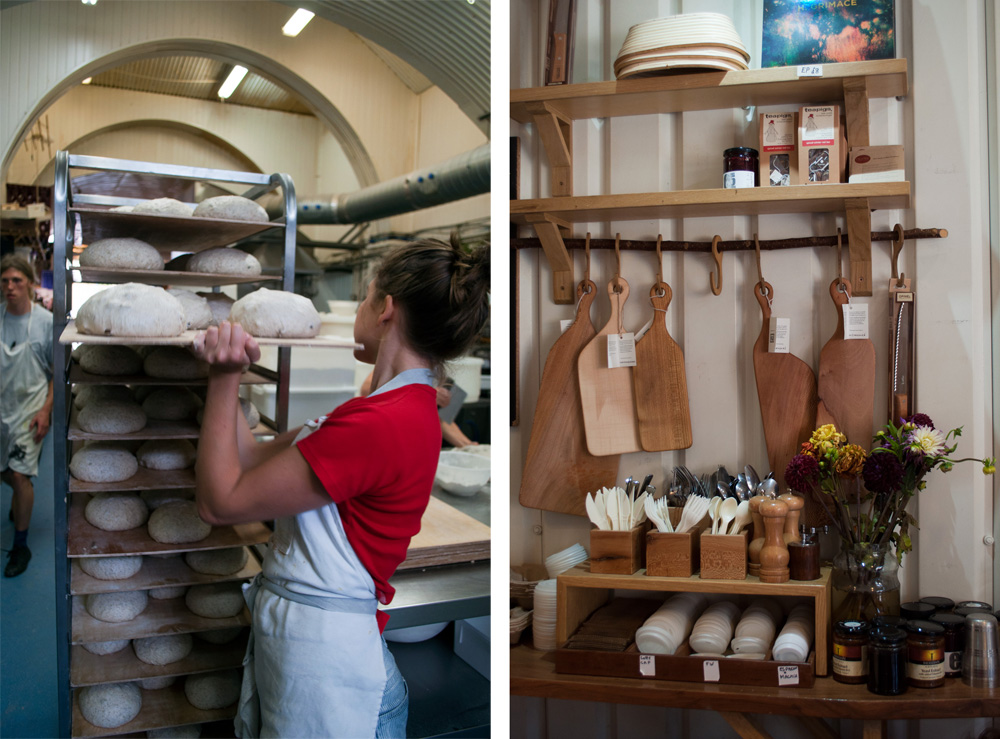
    E5 Bakehouse is an independent, artisan bakery and coffee shop based in East London. Founded in 2012, the bakery is home to a strong team of passionate bakers, chefs and baristas who are committed to a conscious business approach, considering every element of their production process to ensure the produce is both tasty and sustainable.

    Our contributor, Mónica R. Goya caught up with Ben Mackinnon, the founder of E5 Bakehouse. Read the interview after the photos.
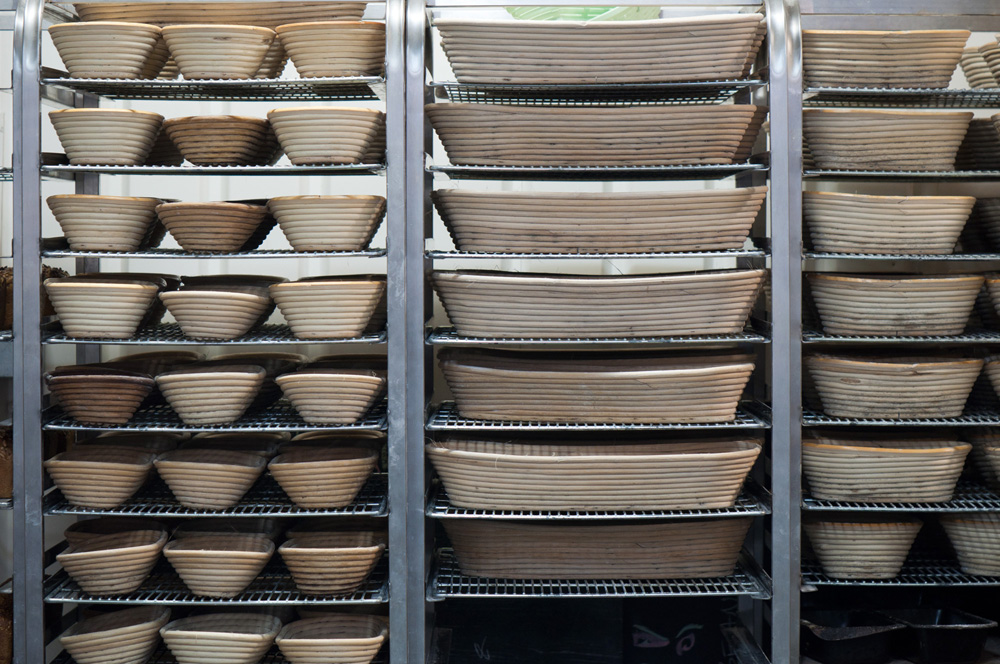
    Future-Positive-E5-Bakehouse-8 Future-Positive-E5-Bakehouse-1 Future-Positive-E5-Bakehouse-4 Future-Positive-E5-Bakehouse-2 Future-Positive-E5-Bakehouse-6 Future-Positive-E5-Bakehouse-3 Future-Positive-E5-Bakehouse-5 Future-Positive-E5-Bakehouse-9 Future-Positive-E5-Bakehouse-7 Future-Positive-E5-Bakehouse-10

    It all started with you delivering bread to your neighbours once a week, did you expect your business to grow so much?

    No, in fact I imagined just baking a couple of days a week by myself, but opening the place up to more people joining in has been a fantastic experience and the product and environment so much richer.

    You came up with the idea of starting a bakery while on sabbatical in Spain. What inspired you and was it a difficult decision?

    I was looking to find a career I could believe in, something which fused making something by hand with my passion for ecological sustainability. I baked a loaf and a seed was planted. It wasn’t until I was hanging out at a bakery in Fez, Morocco that I thought: this is it!

    Were there any other ideas you considered before setting up the Bakehouse?

    I was looking at starting a business installing solar panels.

    What is a typical day like for you?

    There isn’t one. At the bakehouse I am either making bread, teaching people, or spending time with the team.

    What is the most difficult about managing a team?

    Letting go and trusting in people.

    Are there any moments when you miss your consultant job?

    Not yet.

    What was the most difficult part of establishing your own bakery and how did you learn to make bread?

    Taking time to rest, listening to people’s advice, constantly adapting to change.

    Does East London influence the spirit of your bakery in any way? Why did you choose a postcode as the name for your business?

    Absolutely. Hackney is unique on account of the open minded community who are determined to support small independent businesses. They are savvy consumers here who are choosing to buy local, organic, well priced produce. They recognise that by investing in their community, that community becomes richer in ways which are hard to pin down.

    Is there any advice you could give to someone who wants to change career and start their own project?

    Take some time to think about it. Start small. Don’t be afraid of failing.

    You’re probably not short of ideas so what’s next for E5 Bakehouse?

    That’s top secret.

    e5bakehouse.com

  • How You Can Help Reduce Greenhouse Gas Emissions at Home

    How You Can Help Reduce Greenhouse Gas Emissions at Home

    With climate change becoming a more pressing issue, you might want to consider ways in which you can reduce your carbon footprint. While no single action will make a big difference, the cumulative impact of many small changes could be quite significant. Here are some simple things shared by local law 97 experts that you can do at home to help reduce greenhouse gas emissions:

    Image via Unsplash

    Advocate for energy efficiency

    • Talk to your utility company. Ask them what they’re doing to reduce greenhouse gas emissions. Ask if they have any programs that help lower energy usage and costs, such as rebates on energy-efficient appliances and incentives for solar panels.
    • Talk to your local government officials. Find out whether the city or county has an environmental protection office, which might be able to recommend ways you can help reduce emissions in your neighborhood.
    • Talk about it with friends, family members and coworkers. Get them involved too! It’s easier than ever before to connect with like-minded people in real time from anywhere in the world through social media channels like Facebook groups or Twitter chats—and this is especially true when it comes time for actionable ideas on how you can all work together towards common goals as a community (for example: reducing greenhouse gas emissions). You may also want consider creating an official community group dedicated solely towards encouraging conversations about climate change education; this could include weekly meetings where experts are brought onto campus by various departments within campus administration specifically designed for students who are interested in learning more about these topics but simply don’t know where else they would go outside of class hours due their busy schedules”

    Conserve energy

    You can reduce your home’s carbon footprint by conserving energy. Here are some simple ways to do that:

    • Turn off lights when you leave a room. This is an easy one—just remember to turn off the lights before you leave, even if it’s just for a few minutes.
    • Turn down the thermostat, especially when no one is home or asleep. You’ll save money and reduce greenhouse gas emissions in one fell swoop!
    • Use energy efficient light bulbs in place of incandescent bulbs wherever possible—they use less electricity and last longer than traditional bulbs (and they’re usually cheaper than their counterparts as well).

    Purchase power from the grid with a clean energy provider like Arcadia Power

    Choosing a clean energy provider is one of the most impactful things you can do to make your home more sustainable. If you’re already a customer with an existing utility company, find out if they have options for clean energy. You can also call them directly and ask if they offer clean electricity.

    Even if you don’t switch from your current utility provider, it’s still worth finding out how much electricity you use per month or year. This information will help determine how much it would cost to switch away from fossil fuels and toward renewable energy sources such as solar power or wind turbines in your area.

    If possible, try to get this information from both the electric bill that arrives every month and also by contacting the local utility company directly (a phone call should suffice).

    Reduce your travel carbon footprint

    Traveling to work or school is a major source of carbon emissions. By reducing your travel carbon footprint, you can help reduce the effects of climate change.

    To reduce your travel carbon footprint:

    • Use public transportation whenever possible. If you do not have access to public transportation in your area, consider using shared ride services like carpooling and rideshare programs.
    • Drive a fuel-efficient vehicle (such as hybrid or electric) if possible, and opt for walking or biking whenever possible!

    Choose clean, renewable energy

    There are a number of ways you can reduce your home’s carbon footprint. The first step is to choose a clean energy provider for your electricity, heat and cooling. Look for companies that have been certified by the EPA or the U.S. Energy Association (USEA). At least 70% of all electricity must be generated from fossil fuels in order for it to be considered renewable energy by USEA standards, but it may still qualify as “clean” if there is a low level of emissions associated with its production and distribution compared with non-renewable sources such as coal or natural gas.

    There are also many companies offering carbon offsetting services through which they will invest in projects that reduce greenhouse gas emissions globally as part of their mission to help protect against climate change; these investments might include things like wind farms, solar arrays or even rainforests! This can help you feel confident about your contribution being used effectively towards reducing global warming issues at home – especially since many people don’t know how much carbon dioxide they emit on average per month until now!

    You can help save the planet by using electricity efficiently, reducing your travel carbon footprint

    In addition to helping the environment, you can save money on your electricity bill. If you’re not sure how much electricity you’re using in your home, check out the Department of Energy’s calculator. The first step is figuring out how to reduce your energy use and then how to better manage it once it’s reduced.

    Electricity is a major source of greenhouse gas emissions worldwide—in fact, electricity generation accounts for around one-fifth of all carbon dioxide emissions in the United States alone. That number has been growing over time because more people are using more devices. As developing countries like China and India get economically stronger, their populations are buying more products that require lots of resources (like electronics) and putting them into their homes—and those products often come with a high price tag. Even if you live in an area where there isn’t much industry nearby (like Montana), your neighbors may still be contributing significantly if they own things like refrigerators or washing machines or other big appliances that run constantly all day long while they’re at work during the weekdays but sit idle over weekends when nobody’s home yet still consume energy 24/7 because they keep running when plugged into outlets even though nobody needs them right now!

    Conclusion

    There are many ways to reduce emissions. The more people do, the better off we will all be.

  • Top Tips for Eating Healthy When Living Abroad

    When moving to a different country, it can throw you off your usual routines and make you question whether moving abroad is good for your health. While there are many advantages and disadvantages to moving abroad, there are also many things that you can stay in control of, for example, your nutrition. With the right knowledge, you can equip yourself with good food and stay on top of your health while living abroad. As you navigate the challenges of moving abroad and maintaining your health, don’t let concerns about your smile be overlooked; consider the options for teeth whitening Staten Island NY. Ensuring a radiant and confident smile can be a simple yet impactful aspect of self-care, providing a familiar comfort even in the midst of the changes that come with relocating to a different country.

    When moving away, it is easy and convenient to want to grab some quick meals or eat out to try the local cuisine. Not only can this become an expensive habit, but it can also start to impact your life.

    Nutrition is vital in supporting your mental and physical wellbeing. It plays an important role in preventing illnesses and diseases and provides you with the energy you need to get through the day and be happy. 

    If you feel you are struggling with your health, and specifically your nutrition since moving away, here are some top tips to help you get back on track and improve your life. 

    Image credit

    #1 See what is available 

    If you are in a new country, there are likely going to be different foods and brands available in the local stores. Take some time to look around and see what food is available. 

    #2 Conduct research 

    Once you are aware of what food is available, you should go home and research what you can make with the food. This is a great way to find recipes and ideas that you love or have always wanted to try. 

    #3 Experiment with food 

    Take some time to experiment with different recipes. You never know what you will like or dislike until you try it for yourself. Experimenting with food is an excellent way to immerse yourself in the culture of your new country, and have some fun. 

    #4 Create a plan 

    Now you have a better idea of what food is available and what you enjoy eating, you should create a plan. This can be a weekly, fortnightly or monthly plan, that details the meals that you are going to make for yourself. This is a great way to ensure your days are filled with nutritious food and limits the need to eat out or purchase convenient junk food. You know what you are going to cook and when, and it will make your life so much easier.

    #5 Learn how to store your food 

    Storing your food correctly plays an important role in keeping your food’s nutritious value high and safe for you to eat. Make sure you have sufficient storage space in your accommodation, including a pantry or cupboards, a fridge and a freezer. As a rule of thumb, you should keep root vegetables in a cupboard or pantry, and fresh meats, fruits and dairy in the fridge. Many of your vegetables can also be prepared and put in the freezer, which can obtain the nutritious value for much longer. Make sure you keep an eye on the temperature of your apartment and ensure it doesn’t get too hot and spoil items that are left out. You should also make sure your fridge works properly as some are set to the wrong settings and can make your food go off which can make you unwell. If you suspect anything is wrong, you may need to source parts for your fridge

    Eating good food while you are away will ensure you stay in top health and can enjoy your new country.


  • A Scandinavian Midsummer

    A Scandinavian Midsummer

    Last Tuesday we attended the press preview of A Scandinavian Midsummer, a pop-up exhibition and cafe organised by designjunction before their event at London Design Festival in September.

    Running until Sunday 29th June, designjunction have transformed Habitat’s Platform gallery on King’s Road into an impressive Scandinavian midsummer experience, showcasing the latest products from leading Danish, Swedish, Finnish and Norwegian brands.

    If you’re visiting the gallery in June you’ll be able to enjoy great artisan coffee and Scandinavian delicacies provided by Skandel, as well as flower arranging workshops organised by Flor Unikon every Saturday of the month.

    Thanks to our London-based contributor Jess Maddock for attending and documenting the event.

    More information about A Scandinavian Midsummer:

    www.thedesignjunction.co.uk/london/habitat/