Category: Photography

  • Top Tips for Taking Professional-Looking Flat Lay Photos

    The flat lay has become a popular choice for showcasing products, food, clothing, and art. This style of photography involves placing objects on a flat surface, arranging them in a visually appealing manner, and shooting directly above the setup. This technique allows photographers to highlight their main subject in an aesthetically pleasing way. Although this photo styling may look simple to execute, many things happen behind the scenes to ensure the perfect shot.

    Mastering flat lay is a great way to expand your photography skills. In this article, we’ll be delving into some tips for taking professional-looking flat lay photos.

    Choose a Theme

    Before you start arranging your flat lay, it’s essential to decide on a theme or concept. This will help you select appropriate props, backgrounds, and compositions that align with your vision. Consider the mood or message you want to convey, so that you can easily choose objects and colours that complement your theme. Whether you’re aiming for a rustic, minimalist, or vibrant look, your theme will guide the overall aesthetic of your flat lay. 

    Select the Right Props

    Props play a crucial role in flat lay photography. They add visual interest, context, and personality to your composition. When selecting props, consider how they contribute to your chosen theme and enhance the story you want to tell. For instance, if you want your composition to capture your interest in photography, use some of your own gear; if you want to add more items to your flat lay, a camera rental service will have a variety of photography gear like pocket cameras, lenses, and magic arms available. To add depth and dimension to your flat lay, consider incorporating items that vary in size, shape, texture, and colour. 

    Pick a Flat Lay-Friendly Background

    The background you choose can significantly impact the overall look and feel of your flat lay photo. It’s usually best to use a clean, flat surface that complements your theme and allows your subjects to stand out. Solid coloured backgrounds, textured paper, wooden boards, marble slabs, or fabric backdrops are popular choices for flat lay photography. Avoid backgrounds that are too busy or distracting, as they can take the focus away from the items in the flat lay. Don’t be afraid to experiment with different backgrounds, though, as it could help you find the one that best enhances your composition.

    Leave Some Space for Text and Graphics

    If you plan to add text or graphics to your flat lay photo during post-processing, be sure to leave ample space in your composition for these elements. Consider the placement of your subjects and leave blank areas where text or graphics can be overlaid without cluttering the scene. This space can also help create balance and visual flow in your flat lay. Keep in mind the aspect ratio of your final image, especially if you intend to share it on social media platforms or use it for promotional purposes. 

    Ensure Good Lighting

    Lighting is a crucial aspect of flat lay photography that can make or break your shot. Aim for soft, diffused lighting that illuminates your subjects evenly and minimises harsh shadows. Natural light is often preferred for flat lays, so position your setup near a window or shoot outdoors during the day for the best results. If you’re shooting indoors or in a studio rental, you can use diffusers or sheer curtains to soften harsh light. Furthermore, avoid using direct overhead lighting or extra-bright artificial lights, as they can create unflattering shadows and highlights.

    Find a Stable Surface to Shoot From and Take a Few Test Shots

    The overhead perspective is a defining characteristic of flat lay photography. Thus, if you want to get that perfect shot, use a stable surface or tripod so that you can position yourself directly above your setup and ensure a consistent angle. Then, before taking your final shot, take a few test shots to adjust the composition, framing, and lighting as needed. Pay attention to the placement of your subjects, the arrangement of props, and any distracting elements in the frame. Review your test shots on your camera’s display or computer monitor to make necessary adjustments before capturing the final image.

    Maximise Depth of Field

    Achieving a sufficient depth of field is crucial in flat lay photography to ensure that all elements in your composition remain in focus. Use a narrow aperture to increase the depth of field and maintain sharpness throughout the scene. Be mindful of potential trade-offs, however, such as longer exposure times or increased sensitivity to camera shake. Use a tripod to stabilise your camera and minimise blur. Additionally, you can employ focus stacking techniques to combine multiple images with different focus points for maximum sharpness from front to back.

    Use Photo Editing Software to Make Thoughtful Adjustments

    After capturing your flat lay photo, use photo editing software to refine and enhance the final image. Adjustments may include tweaking brightness, contrast, colours, and sharpness to achieve the desired look. Pay attention to details such as removing distractions, fine-tuning exposure, and correcting any imperfections. Do your best not to over-process the image, as your goal is to aim for a natural and balanced result.


    Mastering the art of flat lay photography requires careful attention to detail, creativity, and practice. However, once you’ve perfected it, you’ll be able to come up with visually appealing compositions that will add intrigue to your portfolio. Consider these tips when you’re trying out flat lay photography so that you can produce stunning flat lay images that tell compelling stories and captivate viewers.
  • 6 Hobbies or Interests You Can Explore for Your Continuous Learning

    Has it always been your goal to learn a particular hobby? Is it one of your New Year’s resolutions to get into a seemingly simple pastime that, all the same, unlocks endless learning possibilities? Maybe your goal is a straightforward one: to fill your leisure time with something other than what you’re already doing and, at the same time, spark a sense of discovery. 

    Whatever has motivated you to start learning a new hobby, it’s probably a good idea to do so. If you’re the type who values continuous learning, a new hobby or interest can be a powerful catalyst for learning more about yourself, the world, and the value of a new craft. In your new education, you could also acquire valuable new skills and inspire personal growth in yourself.

    A hobby can be anything from singing or board games to riding your bike or learning to play the guitar – visiting your local guitar store is a lot of fun! The main thing is that you enjoy it in your past time and forget about your every day worries. The question is where should you start?

    On the topic of where exactly you should start, here are a few beginner-friendly hobbies and interests that could satisfy your enduring love for learning:

    1) Blogging or Vlogging

    Even if you don’t have immediate dreams of becoming an influencer, blogging or vlogging is nonetheless a great pastime to express your passions and share your knowledge with a broader audience. This hobby could end up developing your digital content creation, social media marketing, and search engine optimization or SEO skills. Regularly producing your own content will also teach you how to communicate effectively, engage with a specific audience, and stay on top of current trends and technologies.

    If you have a knack for fashion, then why not start a fashion blog or a fashion-centered channel? Your content can focus on discussing the latest fads in the fashion industry, how to help people reinvent their outfits from wardrobe staples like women’s leggings and white tees, or giving fashion and styling tips for events like weddings. In this hobby, you’ll definitely learn about the ins and outs of the digital world and get to help other people with your passions. 

    2) Photography

    This is another hobby you can easily get into because all you need is a camera and your creativity to start. Photography is an art form that teaches you to see the world differently, which makes it particularly generative and satisfying. You also have the freedom to choose from various types of photography genres and skills, from capturing the raw beauty of nature in landscape photography to snapping metropolitan shots in street photography.

    Whatever subject, object, or view intrigues you, photography lets you capture it through your unique perspective. It’s a hobby that promotes finding the extraordinary in the ordinary, telling stories without words, and expressing emotions through imagery. You’ll also learn about composition, lighting, color theory, and skills that will enhance your photographs as well as your overall artistic abilities. For a deeply personal and endlessly enriching hobby, consider taking photography seriously.

    3) Writing

    Writing is another hobby that is sure to unleash your creative potential and inspire you to keep learning. Even short and relaxed writing activities will allow you to be in touch with your true self and help you unlock an avenue for self-expression and continuous learning.

    Off the bat, writing regularly can sharpen your language and storytelling skills while offering a therapeutic outlet for your everyday thoughts and experiences. And if you like reading fictional stories, there’s nothing stopping you from writing your own and creating new worlds, characters, and storylines.

    On top of stimulating your creativity and linguistic exploration, you’ll also hone your research and editing skills. This will train your eye for detail and strengthen your critical thinking abilities.

    4) Astronomy

    Those who love heavenly bodies and looking up at the stars should consider taking up astronomy as a hobby. In more ways than one, this hobby will allow someone to unlock the doors to the universe.

    Simple astronomy involves charting star maps, learning how to use a telescope to examine stars and the moon, and learning about all the planets. It’s a pastime that will encourage you to exercise scientific rigor, as well as to observe objects carefully and handle complex equipment with great accuracy.

    5) Fermentation and Brewing

    For those with a palate for unique flavors and who enjoy a good wine or beer, then fermentation and brewing can be a very rewarding hobby to pick up later in life. This will entail diving into the microbiological processes that transform essential ingredients into complex beverages. Imagine starting small by distilling your own infused vodka or gin, then learning how to brew your own custom beer or ferment honey into mead.

    You’ll also get to learn about different yeast strains, fermentation techniques, and flavor profiles. If you were already the type of person who had great culinary skills and an inclination for chemistry and biology, you’ll love this challenge to learn more about the science of taste.

    6) Language Learning

    Learning a new language is a fun hobby that will stimulate your brain, and it will also be quite helpful if you travel a lot or anticipate meeting new people from other countries who speak different languages.

    Language learning also affords you the chance to discover literature, music, and film in their original form, which will provide you with a richer cultural experience. The practice will also improve cognitive abilities like memory and problem-solving. 

    With numerous language learning tools available, from mobile apps to immersion programs, this hobby offers continuous intellectual stimulation and the constant joy of connecting with people from different backgrounds. You’ll come away from it with more than just enhanced communication skills, but perspective into a new culture and way of thinking.

    The Rewards of Taking Up a New Hobby or Interest

    Ultimately, hobbies and interests are pathways to continuous learning and are filled with opportunities to expand your horizons. Whichever of these you settle into, you’ll be able to look at the world differently, connect with people who can teach you different things about life and, ultimately, adopt a more eager mindset for lifelong learning.

  • Lockdown Stories: Stephanie De Smet

    Lockdown Stories: Stephanie De Smet

    Lockdown Stories is a series of short interviews with creative entrepreneurs and businesses that have been affected by the COVID-19 crisis. Since its beginnings, the main goal of Future Positive has been to share inspiring projects happening all around the world and, during these strange and difficult times for independent businesses and creators, we want to continue providing support and visibility. If you’d like to be featured in this series, please get in touch at hello@thefuturepositive.com and tell us your story.

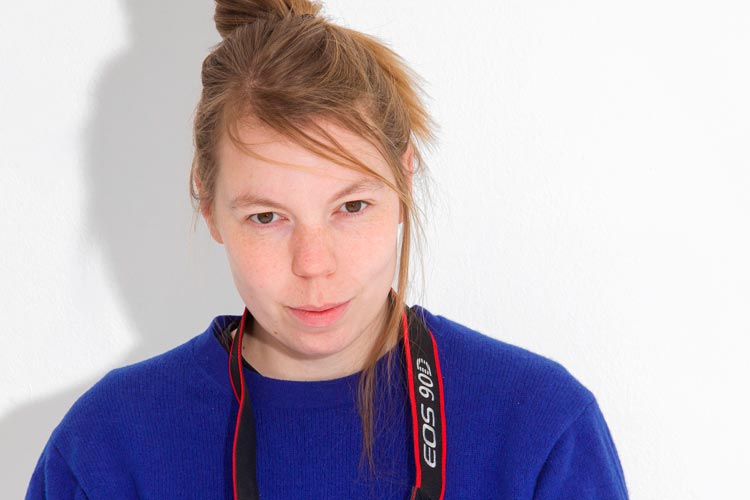
    Stephanie De Smet
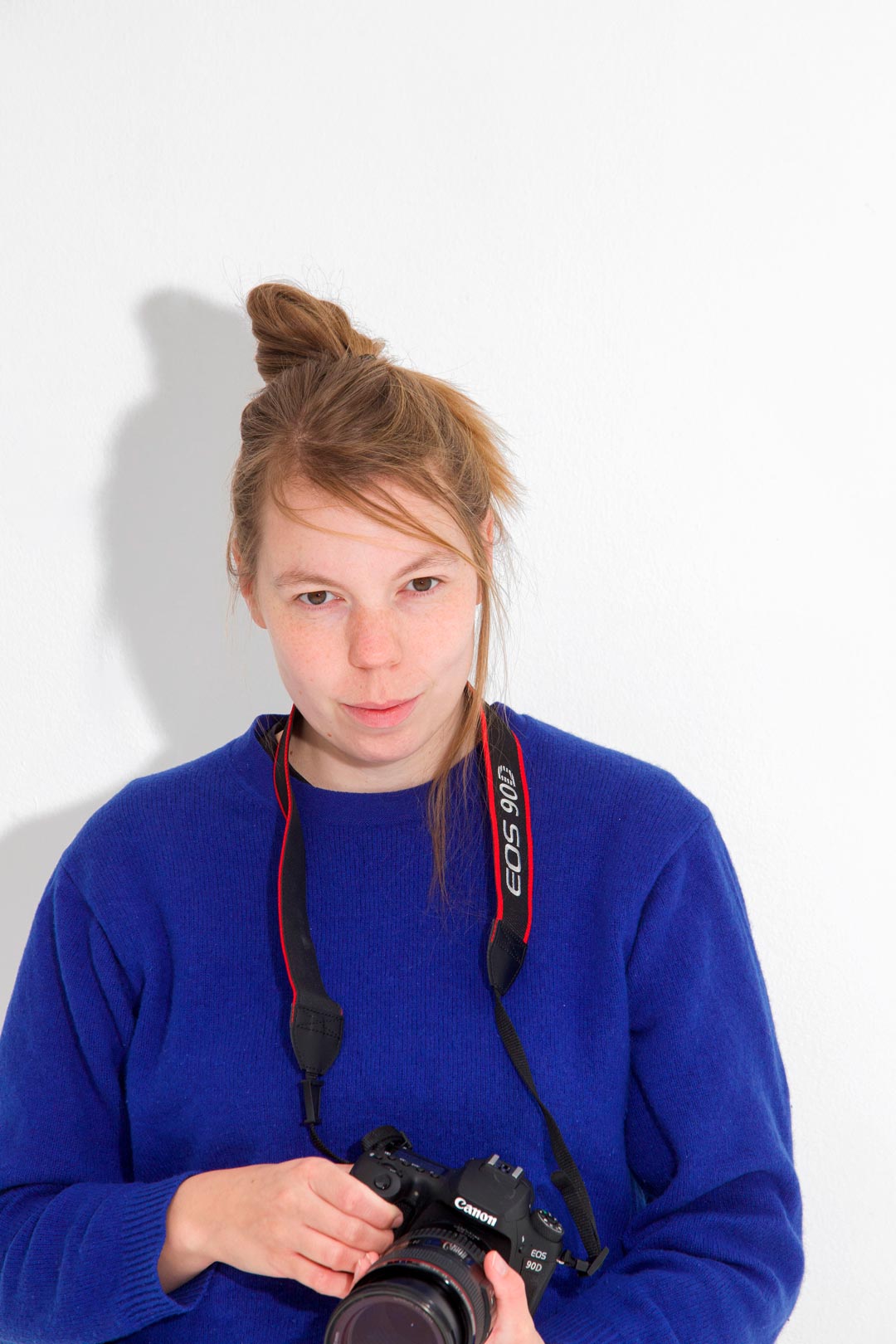
    Photographer and founder of Collect, a creative platform that inspires, creates and collects makers and their interests.
    Location: Antwerp, Belgium
    www.stephaniedesmet.com

    When did the lockdown start for you and how has your business been affected?

    As a photographer, I did notice the lockdown quit early. By the end of February clients started to postpone the upcoming photoshoots. We all thought it would be over fast, as the Belgian government decided to keep on the the lockdown until the 6th of April. I guess there was a bit of unbelief, as things looked far away. After 2 weeks, we started to realize that it would take much longer, and so jobs got cancelled. There are no perspectives at the moment, which makes the future uncertain.

    Have you found any new ways of working or have come up with new product ideas during this time?

    In the beginning I started to scan old negatives, and had a blast bringing up those memories. I recently made a small shop on my website with prints and postcards. Something I wanted to do for a long time, so a good timing for that. I mostly work analog, but this process is not that convenient at the moment, as my development studio is closed.

    I’m making portraits right now, at peoples front doors. Something different then I’m used to but a nice experience.
    This way I meet a lot of other creative freelancers that are also in the same situation.

    What are some of the positive takeaways you have experienced during this time?

    Nature is blooming. I grew up at the countryside and live now near the city center of Antwerp. For the first time in 8 years, it’s silent on the street and can hear birds sing all day. I can stand still more easily by a beautiful shadow or a blossomed three. Empty streets and the silence may stay for me after the lockdown, but that won’t be an option I guess. I do hope the cultural sector will boost again, and that people will appreciate it even more.

    How do you see your business evolving over the next few months?

    I don’t have any idea when things will go back to normal. The future is uncertain, and I live day by day at the moment. The lockdown gives space and time to work on my own projects but the craving to commissioned shoots is coming closer. I expect that I will work again on a regular base after summer. Every year new exciting projects come up, so I hope 2020 will be even more creative!

  • Seven Corporate Photography Tips You Didn’t Know You Needed

    Photography is expressive, and whether you are trying to capture the essence of people or nature in your photos, you want to spark an interest in the person viewing your photographs. It’s an art, and getting it right depends greatly on what the subject of the photograph is doing. One of the many photography topics out there is corporate photography: photographing events for businesses as a way to propel them forward and engage new customers. The thing is, corporate photography isn’t as compelling as other topics, like travel photography or portraits. As the person holding the camera, it’s up to you to make sure that your photographs are interesting, eye-catching and compelling enough to bring in new customers.

    The good news is that this is entirely possible. Corporate photography may not be as exciting to be involved in as landscape photography, where you are snapping beauty and nature in its raw form, but you can still take beautiful shots that make a difference to the business that you are working with, as well as your portfolio. All you need are some great tips to avoid capturing a blend of suits. Let’s take a look!

    Image Source

    Creative Angles Are A Must

    There are only so many ways you can take corporate photographs at an event, but when you are charged with photographing a sit-down event, you need to get creative. If you allow yourself to move around, you can catch exciting angles and perspectives, so the shots are less uniform and more vibrant. The photos that you take aren’t just about the subjects; it’s the way that you capture those subjects. So, if there are large floral arrangements at the corporate event, shoot between them with the focus being on the guests but with the added drama of the flowers, too. The event you shoot has to be looked at as if you were the outsider, taking what you want to see and getting a rounded impression of the entire day.

    Have Fun

    “Corporate event” doesn’t invoke images of fun and frolics, but that doesn’t mean that you can’t have fun with the subjects of your photographs. That’s the exciting part about capturing people; landscapes can’t pose the way people can. You’ll get a lot of business owners asking you for “grip and grin” shots, were guests are holding their drinks and stopping for a smile, but that doesn’t mean you can’t take candids, as well. Taking those shots that are posed are great for the main article on a website, or with famous people associated with your business. However, if you’re at dinner, you want to be as creative as possible so that your photos will last. Take candids of staff laughing, smiling at each other in a relaxed and natural way.

    Watch Overhead Lighting

    Corporate dinners and larger events have the potential to take place in an environment that is filled with overhead fluorescent lighting. Conference halls and event meeting rooms are notorious as being places that are brightly lit. Balancing the colour settings on your camera is essential when you go into these places, and a white balance can even out the fluorescence. Bouncing light off the walls can help you to create a more natural colour feel in the photos.

    Image Source

    Map Your Shots

    When you are in a corporate event, you need to map the shots of the notable speakers early. No one wants to stand around and pose for shots, so you need to be quick and discreet about getting the “absolute must” subjects into the photos. Liaise with a business owner ahead of time, so that you have a list of the shots that are essential before the end of the event. Ask for help from others who can point out the right people to you so that you know you are getting the right shots of the right people before the more relaxed shots can begin.

    Use Natural Lighting

    Most corporate events take place in the evening, but when you are dealing with an event in the middle of the day, you should ensure to capture as much natural lighting as possible and avoid the flash of the camera. You want to produce as many images that look natural rather than it being a clear photograph. This is going to come with the right equipment, too. If there’s an evening event, and no natural lighting, consider the way that the event guests stand. Anyone standing facing the camera head-on will be hit with a red-eye in the photos, but ensuring your subjects are standing side-on slightly will reduce that and still look a little more natural.

    Know “Why”

    You’re taking photos at an event, and these photos are only going to tell the story that you want to convey if you know what the pictures are going to be used for. Are they going on social media? Are they making the body of the business website? There has to be clarity because, without it, you can’t take the best possible photographs. The way you shoot the photos will dictate whether they are suitable for things like Instagram squares or web banners on a corporate website. These things must be considered, as well as the background details – you don’t want to incorporate seasonal imagery into photos that are designed to last all year on a website.

    Faces Can Be Distracting

    Corporate photographs are mostly designed and planned to capture faces. These are faces of industry bigwigs or of people in the company itself, and while faces are essential in corporate photography, they can be distracting. As part of an event, you must catch the bigger picture in your image, and when you want to draw out the professional side of the event, allowing the subjects to blur in the photo can make all the difference.

    Corporate photography doesn’t have to be stuffy or boring; it can be as fun as you would like it to be. Take the time and capture the shots that will be the most compelling, and you can shoot an event successfully.

  • Top Tips For Those Looking To Expand Their Skillset In Photography

    We see hundreds of photos on the internet that have been filtered through instagram these days, and while they look good, did you know that they don’t look as good as a professionally taken picture? If you’re thinking about taking up photography as a hobby or as a career path, there are a few things you should know.

    Image via Unsplash

    What kind of camera?

    The first thing you’ll need to consider is the type of camera you want to consider buying. Despite the fact that the cameras on our smartphones are getting better by the day, they are still no substitute for a professional camera. You’ll need to spend at least a couple of hundred dollars on a good camera that will last you a long time. The more money you put into your photos, the better the quality will be. Find a camera and camera straps that suit you by testing different camera styles, how comfortable the straps are, and whether you’d be better off with a novice camera to begin with.

    Learning to take photos

    The next step is to ensure that you know how to operate a camera properly. Even if you’re just interested in photography as a hobby, taking a photography course will vastly improve your final images. These courses will teach you everything you need to know about photography, from how to take the perfect shot to which accessories you’ll need to get the shot you want.

    Location, location, location

    You’ll need to consider different locations for your photography shoots once you’ve mastered how to use a camera and take the perfect shot. If you live in a scenic area, taking artistic photos of your surroundings could attract a lot of attention, and even if you’re just doing it for fun, you might be able to sell a few of your photos online or at local art shows. You could even just take photos of your garden to keep it simple. Plants and petals photographed up close are always a hit.

    Build your portfolio

    If you want to pursue photography as a career, make sure you create a portfolio that you can display on a business website for potential customers to see. It’s also important to create business cards that show people what kind of service you provide with your photography skills. You can have them displayed in stores around town to help you get your name out there. Another good idea for a new photographer is to offer your services at a low cost to a family member or friend, so that you can build your portfolio. If a friend is getting married, for example, offer to be their photographer so that they can save money and you can earn money by displaying their photos on your website.

    Creative Business Ideas

    Once you’ve expanded your skillset in photography, it’s time to start looking at how to make income with your new talent. And the world really is your oyster here, so get creative. Maybe you use your skills to sell feet pictures uk, become a wedding photographer, or create a photography art book based on an exciting subject. 

    Regardless of why you want to learn photography, it’s always a useful skill to have when you’re traveling or vacationing. It will allow you to take beautiful photos that you will cherish over time, and it may also allow you to create artwork that you can sell! Remember that photography is an artistic skill, so let your creative side shine and capture some breathtaking images to share with the world!