Category: Design

  • Green Rooms Hotel

    Green Rooms Hotel

    Considered the UK’s first arts hotel and social enterprise, Green Rooms is designed to attract artists visiting and working in London. The hotel opened its doors in Spring 2016 and has already positioned itself as a creativity hub, working with local communities and artists on exhibitions, performances and events all happening at Green Rooms. We visited Green Rooms and stayed one night to experience what this new hotel concept has to offer.

    future-positive-green-rooms-1-low

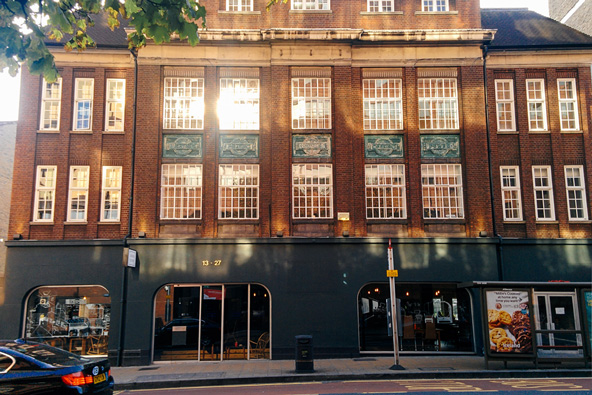
    Located in North London, just opposite from Wood Green underground station, the hotel is just 15 min away from King’s Cross on the Picadilly Line which makes it really easy to get to the city centre. The beautiful art deco building was constructed in 1925 for The North Metropolitan Power and Electricity Company and has been restored by London architects SODA, with interiors created by fashion brand Folk.

    The idea behind Green Rooms is to engage with local and visiting artists, offering affordable rates – everyone is welcome at Green Rooms but you get a discount if you’re an artist or work in the creative industries. You can also choose a room type that best fits your budget: dormitory rooms and standard rooms with shared bathroom facilities or en-suite rooms (where we stayed) and studio apartments designed for extended stays.

    future-positive-green-rooms-5-low

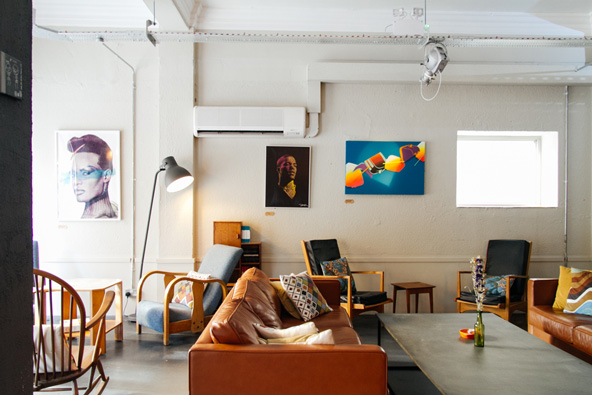
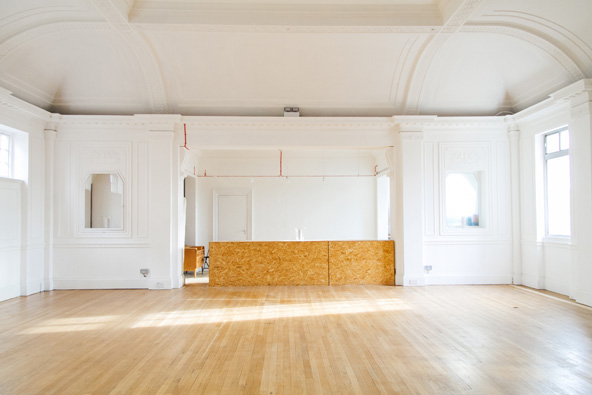
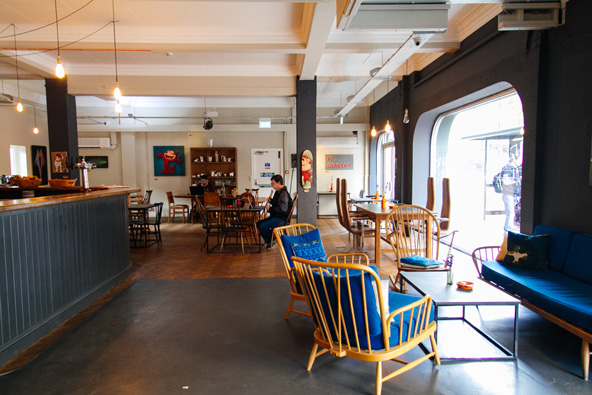
    Whilst at most hotels you just want to spend time in your room and avoid the lobby, Greem Room’s ground floor is welcoming and buzzing with guests and local creatives. An open space, nicely decorated, that houses the hotel’s reception, bar and restaurant and also serves as exhibition space for local artists. The hotel’s top floor is a multi-purpose space, which can be used as a gallery or for rehearsals, screenings and other private events.

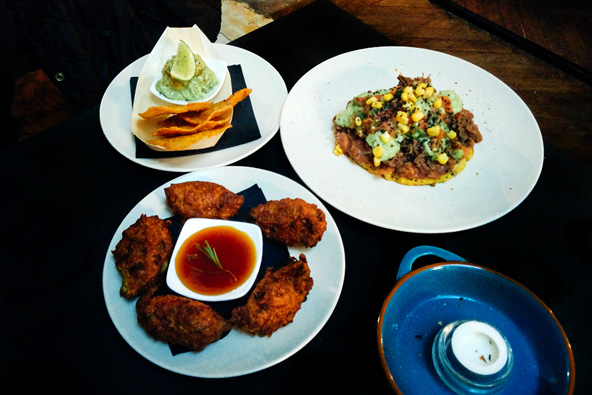
    The restaurant is an incubator project running rent-free 6-month residencies for emerging chefs that haven’t had experience running a restaurant before, offering also mentorship and a way to develop their own brand during their time at Green Rooms. A great and unique initiative that is currently helping the hotel’s first chef in residence, Esteban Arboleda from Colombian Street Kitchen. Esteban is on a mission to pioneer Colombian Street food as a mainstream cuisine in the UK and after having a delicious dinner with different dishes to share, we have no doubt that he will succeed.

    future-positive-green-rooms-9-low

    To find out more about what makes Green Rooms different to any other hotel you might have been to, we chatted with Nick Wright, founder of Green Rooms, and Cathal McAteer, founder of Folk.

    www.greenrooms.london

    future-positive-green-rooms-8-low

    Could you  tell us about how the concept for creating the UK’s first hotel social enterprise came about?

    Nick: The concept for Green Rooms was something I’d been playing around with for a long time. The challenge was finding the right site. London is a brilliant city – arguably the best in the world – and a real cultural hub. But it’s also very expensive. There was a real gap in the market for a genuinely affordable, design-led hotel that encourages and fosters collaboration among guests. A lot of people who work in the arts don’t have much disposable income and can’t afford to spend £250 a night on a hotel room when they come to London. But by the same token they don’t want to stay in anodyne, formulaic budget hotels either. The sharing economy is obviously another option, and it’s a great model, but when you rent a room in someone else’s flat – no matter how beautiful it might be – you’re immediately isolating yourself.

    Could you tell us about the different ways in which the local community can engage with Green Rooms?

    Nick: We’re benefiting and engaging with the local community in lots of ways. The hotel has provided numerous job opportunities for local people fort starters, and Wood Green residents are using the communal spaces at the hotel – particularly the bar and restaurant. There wasn’t really a hang out like it before we opened. People are also also enjoying the performances, events, exhibitions and screenings that are being put on. We recently ran a month-long street art exhibition by the Turnpike Art Group that went down a treat, and moving forward we’ll be hosting a new exhibition every month. And there’s loads of other stuff too. Just last Saturday we had Bandante play in the top floor gallery space – they’re the new band from George Vjestica (ex-guitarist with Nick Cave and the Bad Seeds).

    future-positive-green-rooms-2-low

    British clothing brand Folk has designed some of the hotel rooms, how did this collaboration happen?

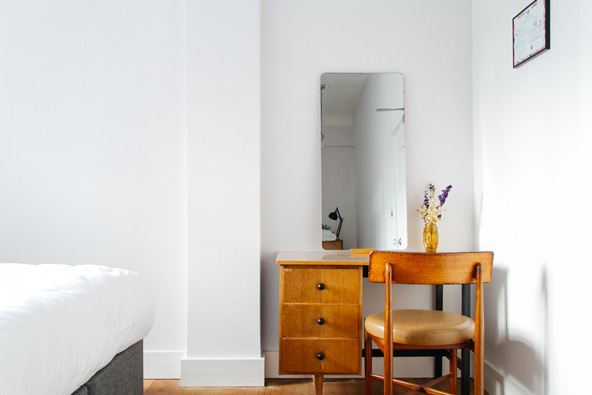
    Cathal: Nick and I have been mates for ages. He explained the vision and then we went on site a few times and did a walk through. With such a wonderful building and the vision laid down, it was easy from there. For us the furniture has always come as something that is needed to solve an issue. Shelves because we needed shelves in our stores, a chair because we needed a chair for the Flushing Meadows Hotel. So it’s a range that’s grown out of necessity really. Some of these pieces grow into other products with the same design strain. For Green Rooms it was all about keeping things clean. Nice lines, sparse and simple. And everything had to be in harmony with the wider holistic vision for the project. Green Rooms is great for us because it means we can show the homewares products in situ. It makes more sense looking at one of our chains in a hotel room than it does in one of the shops.

    We love the concept of the chef residency at the hotel’s restaurant, what are some of the characteristics you’re looking for when considering a chef to be part of Green Rooms?

    Nick: There are a number of things. First off they’ve got to be good and cook amazing food! And then they have to be at a certain stage in their evolution. The whole project is about giving burgeoning restaurateurs a chance to run their own restaurant but we can’t take people who have just been cooking at home in their kitchens. They need to be a bit further on. Ideally they’ll have done pop ups, maybe had a successfully food truck, that type of thing. They also need to buy into the overall vision – that’s really important. We’re nice people, we’re trying to affect change in a positive way with Green Rooms. We’re not rapacious guys who are hung up on making money. Of course we want to be profitable, and we are, but there’s a way of going about things.

    future-positive-green-rooms-7-low

    Could you tell us about what exhibitions and events guests and visitors can enjoy at Green Rooms in the upcoming months?

    Nick: There’s loads going on in the next few months – it’s a veritable artistic feast. On November 12 we had the incredible ’12 Ensemble’ in for a performance. They’re London’s ‘Un-conducted string orchestra’ and do brilliant and accessible classical music pieces. Later that week we’ve got a life drawing class happening (November 17), then we’ve got a New Variety Lives! comedy show, we’ve got R-FT doing an artist-in-residence programme and we’ve got an exhibition from artist Sonia Pang. And this isn’t event the half of it!

    future-positive-green-rooms-4-low

    Save

  • Freytag Anderson

    Freytag Anderson

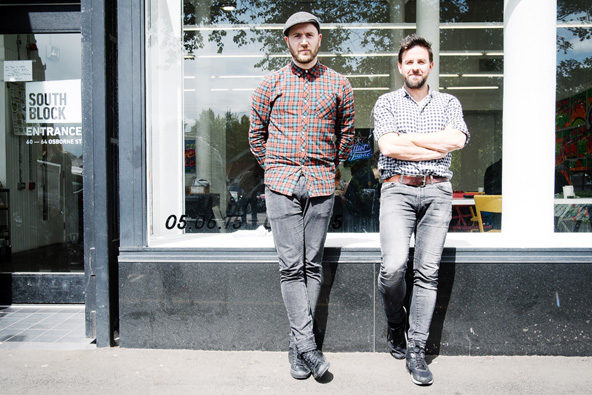
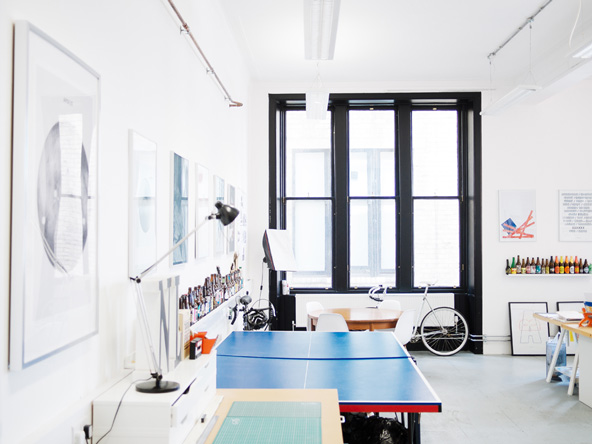
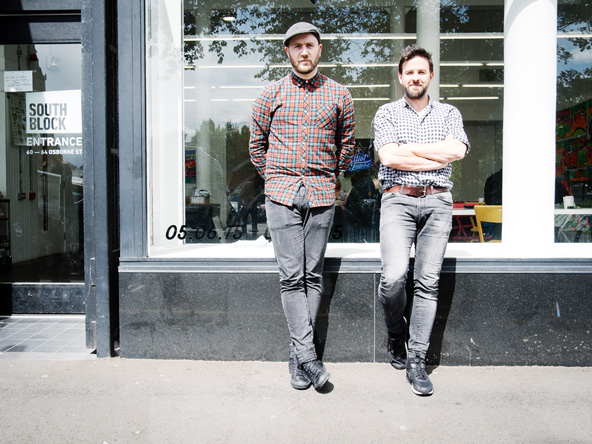
    Founded by Daniel Freytag and Greig Anderson, Freytag Anderson is a design studio based in Glasgow and working with people all over the world. Our contributor Morgane Bigault visited their studio and chatted with Daniel and Greig about how they started their company, the influence of their workspace in their work and where they draw inspiration from.

    www.freytaganderson.com

    Photographs & interview by Morgane Bigault.

    future-positive-freytag-anderson-6-low

    Could you tell us about your backgrounds?

    Daniel Freytag: I’m a designer, photographer and serial idealist. I’m creative director and co-founder at Freytag Anderson, an award-winning branding and design studio. My work as a designer has taken me all over the world – allowing me to see some interesting things and meet some great people along the way.

    When I’m not designing I work on other creative ventures such as curating Editions of 100 (an online print store by a global community of designers), setting up a children’s app business with my wife (junoberry.com) or most recently, working on a publishing concept, for customized children’s books.

    I grew up in the small village of Bühlertal on the edge of the Schwarzwald in Germany. Since then, I’ve lived and worked in Dubai, New York, Sydney, Seoul and London. I recently moved back to Scotland where I now live with my family on the West Coast regularly dipping back into the big smoke!

    Greig Anderson: I’m creative director and co-founder of Freytag Anderson, originally from Aberdeen, and educated in Glasgow. I’m a brand and design professional with over 11 years’ experience working locally and internationally with a wide variety of clients.

    My main interest lies in brand creation and visual identity systems and my work has seen me gain experience across a variety of studio environments in both Glasgow and Sydney, from boutique brand studios to multi-disciplinary agencies and experiential environment practices. This variety has allowed me to work across a diverse range of projects from the launch materials of Virgin Mobile Australia, global digital campaigns for Dell EMEA/Latin America to branding and launching a variety of new-to-market whisky, vodka and beer products.

    Alongside my commercial work I also write about design for leading industry blog FormFiftyFive and I am involved in the design debate through social media. I have an obsession with Instagram and anything with two wheels and pedals.

    future-positive-freytag-anderson-5-low

    How did your career as a duo came up?

    We both spent time living and working in Sydney (but not at the same time) and made some mutual friends. When we got back to Glasgow we met up and shared studio space. We found we had a common design aesthetic/process, so it made sense to start working together on a few projects. Out of this came Freytag Anderson – it was really pretty straightforward – the hardest thing was coming up with the studio name – that took months!

    Was it hard to find clients at first?

    Because we had both come from running our own independent studios (Berg/Effektive), we already had a good online profile and several clients. This made things a lot easier as we had a substantial body of work to promote the new studio, allowing us to hit the ground running. Overall the transition to Freytag Anderson was pretty quick – we found working with two heads much more productive and satisfying.

    future-positive-freytag-anderson-2-low

    When did you move in to your studio and why did you choose this location?

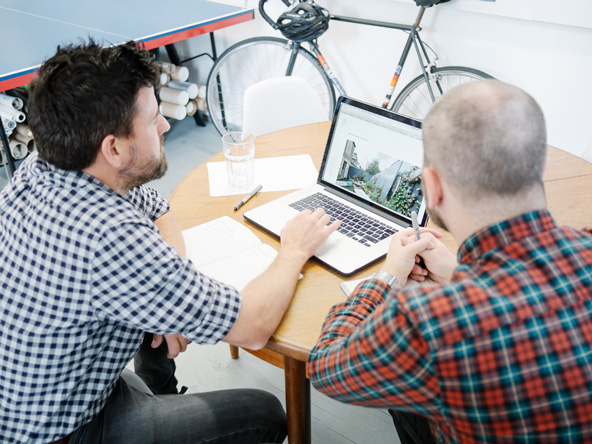
    Our first studio was tiny – literally a shoebox. We were therefore very keen to work in a larger space. This would also allow us to create a shared working environment where we could collaborate with other designers and friends. This was a crucial part of our business strategy – we didn’t want the stress of employing people full-time but equally understood the benefits from working with other like-minded individuals.

    At the time the Southblock building was a new creative space in the city centre. Run by WASPS, the building caters for commercial creative businesses and art-based practices. It was perfect for our needs and aspirations as a studio. There are also many other studios in the building, which gives the place a real creative buzz, something we find inspiring and exciting.

    Does the workspace influence your creativity?

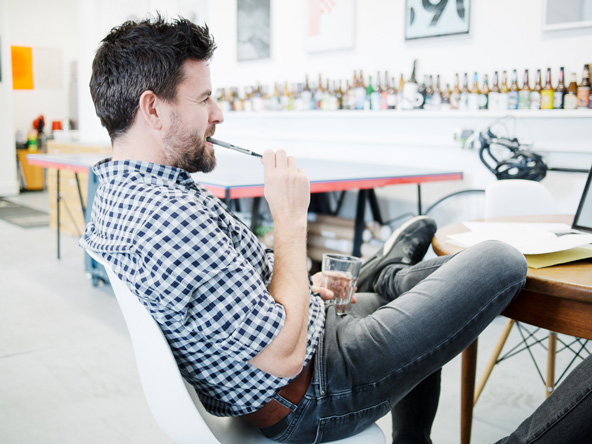
    Absolutely – creativity is all about doing new things, going out on a limb and experimenting. Having the right workspace is critical to this – but more importantly, you need to surround yourself with the right people. People that inspire you.

    future-positive-freytag-anderson-1-low

    What does Glasgow mean to you? What are your favourite places in this city?

    Glasgow is a vibrant, energetic city. It’s a hard, funny, honest place where folk aren’t afraid to speak their minds. When I think of Glasgow I think of the old adage “A hard life makes for quality”. It’s a great place to be a creative person; it keeps you on your toes and allows you the freedom to explore.

    In terms of favourite places, although a relatively small city, Glasgow is very diverse – leafy West-End with its bohemian vibe, universities, cafés, galleries and bars – Ashton Lane is a definite favourite down there. The Merchant City to the east of the city centre (where our studio is based) is fast becoming a creative hub for all things art and design. Great coffee shops, bars, shops and galleries add to the creative vibe and encourage a lot of pop-up events and festivals in the area. It feels like there is something happening and it’s great to be part of it.

    You do client work. Could you give us an insight into how you approach each particular client, as they are very different, going from a wine company to an art gallery?

    Our design process is all about getting to know people and their businesses. People are at the heart of design. As designers we understand people, communicate with them, and create for them. It’s the best thing about being a designer.

    We like our clients, often becoming friends beyond the project. Getting to know them well is crucial as ultimately our design thinking and executions need to speak for them, whether it’s a logo, product or website.

    We work with people all over the world doing all sorts of things. I can’t think of another industry where you’re learning about craft beer one week and the next you’re into server systems and data management. For us it’s this variety that keeps things fresh and interesting. It’s learning about new things that gets us out of bed in the morning.

    future-positive-freytag-anderson-3-low

    You have been awarded Scottish Design Agency of The Year. What is the project you are the most proud of?

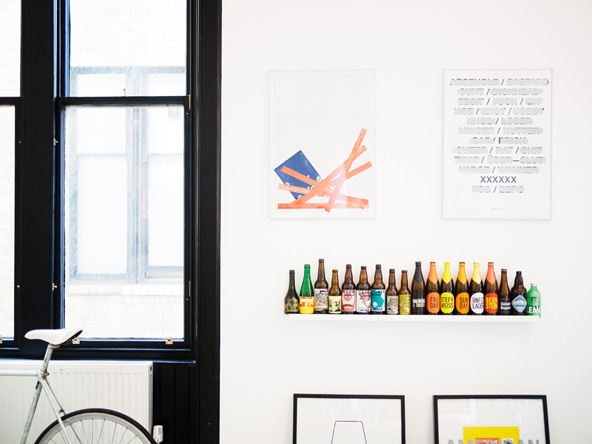
    That’s hard to say. We’re proud of all of our projects in different ways. I’d say the work we did with Fyne Ales Craft Brewery stands out. It was a collaborative project with our studio mate Matt Burns where we were asked to design a beer label for their limited editions beer, 48 Miles Later. What made it a great project is that we saw the brewing process from start to finish: meeting the brewers, brewing the beer and ultimately seeing the bottles in the pub. The project was also recognized by the industry and awarded both Best Packaging as well as the prestigious Chairman’s Award at the Scottish Design Awards.

    You describe your work process as listening, questioning, exploring and researching. Where do you draw your inspiration from?

    Our inspiration and ideas come from experiences, from the world around us, from the things we see and people we meet. As designers we watch, listen and observe – we’re compulsive hoarders of interesting things. The more we experience, the more we accumulate, thereby creating a rich visual vocabulary. The better the vocabulary the better the ideas.

    future-positive-freytag-anderson-4-low

    What would you say is the Freytag Anderson signature?

    I guess we try to keep things simple. Whether that’s running the project or creating the work. We believe in reducing any design work to the essential elements, stripping out the superfluous. As Dieter Rams says: “Good design is as little design as possible.” We think simple is good.

    What is your next big goal?

    We don’t really have one. We want to continue to develop our studio and the work that we produce. We are excited by new challenges and experiences and every day can be different. We feel lucky to be able to run our own studio and work directly with our clients. Ultimately, we want to continue to do good work and get paid (well) for it.

    future-positive-freytag-anderson-7-low

    Save

  • Creating A Work Environment To Boost Creativity

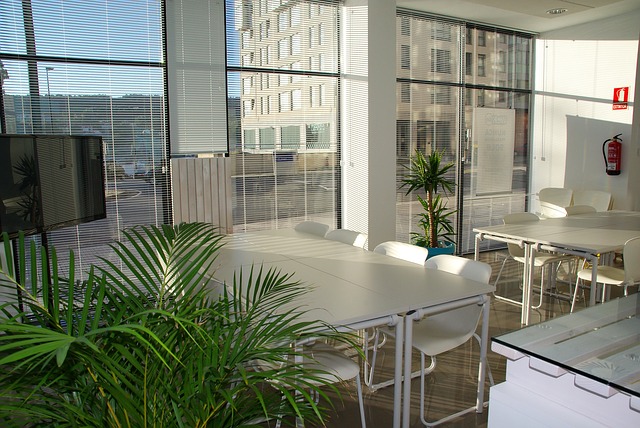
    For many of us, working in a more creative work environment would be both enriching and conducive to us getting more work done. We would be at our best and therefore likely to be more productive and efficient each day. This is gradually becoming a consideration for some businesses, you only need to look at Google’s headquarters, Googleplex, to see that large corporations are now taking this seriously. Whether you work alone, in a small office or a large company, there are things that you can either enact or suggest to create a work environment to boost creativity. 

    Many of us would love to work in a creative field, but where this is not possible for our 9-5, let’s at least bring some creativity into our workplaces. 

    Image Pixabay – Pixabay License 

    Ensure that it is visually appealing

    This is the first priority, to make the workspace visually appealing.

    Where possible, allow for plenty of natural light to flood in, and if not, then look to create the illusion with cleverly positioned lighting and light and airy colours.

    Add splashes of colour with either decor like office pods, pictures or flowers and plants. Studies have shown that working near plants can actually improve productivity and employees happiness levels, so add some in and see what difference it makes in your office.

    Throw in boards that people can scribble, doodle and draw on around the walls to channel that creativity.

    Make it comfortable

    All workstations need to be ergonomically designed and assessed to ensure that people are comfortable working at them. In addition to them being comfortable, you will need to create an environment where people are encouraged to move around regularly.

    Look to add comfortable breakout areas and ensure that the temperature is at the right level.

    Click  why you need a good office chair for more information.

    Focus on the aroma

    Now we don’t all like the same smells, it is true, but there are probably many that we all dislike.

    Whilst we all want a clean environment, chemical smells can be off putting so seek to mask these with gentler scents such as flowers or plugin fresheners. Breakfast brought into the office is bound to lend a wonderful aroma to the room or simply throw open the windows for a blast of fresh air.

    If you work from home, you can burn your favourite candle as you work or brew up some coffee if that’s your thing.

    Think about the noise

    This is something that is often overlooked. Many people work hard on the visual and then completely forget to address the noise.

    Think about your own mood when you work. Do you work better in a silent room, a room with lots of shouting and noise or perhaps a room with music playing? For many of us, it will be the latter. Music can put us in a better mood and provide a great background soundtrack to your working day.

    For your work environment, look into DAB radio deals and get yourself set up with a radio. If you work alone, choosing the station that you listen to will be a breeze. If you are in a bigger group, then there might have to be a vote for this one, or you might choose to keep it calm with a classical station.

  • Summer Outfit Tips To Embrace Your Style

    Summertime is the perfect time to let your personality shine through in your fashion choices. With the warm weather and relaxed vibe, there’s no need to dress like everyone else. In fact, following the trends too closely can make you look like a clone of everyone else. So this summer, take a chance and wear something that expresses your unique style! In this blog post, we’ll give you tips on putting together outfits that reflect who you are.

    Via Pexels

    Be Confident:

    The most important thing about fashion is that you feel good in what you’re wearing. If you don’t feel confident, it will show in your body language and affect how others perceive you. So no matter what you choose to wear, make sure it’s something that makes you feel good about yourself. One way to build confidence is to wear something you know you look good in. Whether it’s a new dress or your favourite pair of jeans, if you feel great in it, others will take notice.

    Experiment:

    Fashion is all about experimentation. Don’t be afraid to try new styles or silhouettes. It’s the only way to find out what looks good on you. The best part about summer fashion is that there are so many different trends to try. From crop tops to maxi dresses, there’s something for everyone. So go ahead and experiment with your style this summer. You might be surprised at how good you look in something you would never have thought to try before. And don’t forget, the most important thing is to have fun with your clothes. After all, fashion is supposed to be fun!

    Be Unique:

    One of the best ways to stand out from the crowd is to be unique. There’s no need to dress like everyone else. It’s often more stylish to dress differently. So when you’re putting together a summer outfit, try to find pieces that are unique and different.Alternatively, you could check out vintage shops, thrift shops, or online retailers specializing in unusual clothing that has been upcycled with fantastic prints made using direct to garment printers. One great way to be unique is to embrace your own personal style. If you’re a tomboy, don’t try to dress like a girly girl. And if you’re usually pretty conservative, don’t try to dress like a club girl. Be true to yourself, and you’ll always look stylish.

    Accessorise:

    Accessories are a great way to add personality to your summer outfits. If you’re unsure about what to wear, start with a basic outfit and add some fun accessories. Off-the-shoulder dresses paired with strapless bras for summer and statement necklaces are a great way to add some personality to your look. If you’re looking for something more casual, try pairing a printed t-shirt with some denim shorts and strappy sandals. Add a hat or sunglasses for a touch of glamour. Additionally, don’t forget the power of a great handbag. It can really pull an outfit together and make you look put together.

    Summer is the perfect time to try out new trends and have fun with your style. With so many options available, there’s no reason not to experiment. So be bold and try something new this summer!

  • Vanguards Magazine

    Vanguards Magazine

    Founded by James Roberts and Hugo Ross, Vanguards is a new magazine exploring and celebrating Scotland’s rich and diverse design and manufacturing tradition. We visited James and Hugo at the magazine’s studio just before the first issue was launched and we chatted about what made them start their own publication, what makes Vanguards different from the rest of independent magazines and their plans for the next issue.

    www.vanguardsmagazine.com

    Magazine photos by Peter Dibdin.

    Future-Positive-Vanguards-1-Low

    How did you meet and how did you decide to start a magazine?

    We met at Edinburgh University – day one of first year. We’ve both just managed to finish a 5 year degree in Fine Art but have developed passions in design, fashion and manufacturing.

    In the winter of 2014 we visited Laurence Odie, a Shetland knitwear manufacturer, and learnt about his incredible products and his factory’s incredible history. We wanted to tell his story, and educate people like ourselves, interested in quality clothing and fashion. We wanted to demonstrate how much of a significant player in the knitwear industry he is. Laurence promised us that there were far more untold and equally interesting stories out there in Scotland. Vanguards magazine is the culmination of a number of these stories, celebrating honest, thoughtful and quality brands.

    Future-Positive-Vanguards-4-Low

    Why did you decide to focus on Scotland’s design and manufacturing tradition as the topic for the magazine?

    Our passion and interest will forever revolve around design and manufacture – sharing that common interest in the first year of university, is the reason we became friends. Vanguards is most definitely a product of its circumstance – that fact that we are studying in Edinburgh, has everything to do with the magazine’s focus on Scotland. We are just incredibly lucky that Scotland has such a rich history and has an abundance of stories, brands and individuals to celebrate.

    Future-Positive-Vanguards-2-Low

    Could you take us through the different features readers can find in the first issue?

    There’s a great mixture of stuff in issue 1, from classic Scottish brand, Mackintosh, to an article on Loch Duart, a salmon fish farm on the north coast. We wanted to stretch the terms design and manufacturing as much as we could. So design can mean the work of textile designer, Bernat Klein (whose daughter is interviewed in the first issue), or it can mean the design of one of Black Isle Brewery’s organic beers. We also choose the word manufacturing to mean both the small scale, like Trakke’s bags, to the larger scale like Mackintosh’s raincoats. All the stories celebrate the brands and their products, whilst also using that as starting point to discuss issues like unsustainable manufacturing, or why we don’t buy into our own amazing knitwear, like Laurence Odie’s!

    Future-Positive-Vanguards-5-Low

    What makes Vanguards different to other independent publications?

    For a long time we were trying to identify our opportunity within the niche creative independent magazine market – although it is something we are realistically still working on – we strive for our features to be well rounded for our readers, and perhaps offer some meaning, instead of just offering well curated aesthetic photographs. We also think that our focus on one country over a prolonged period of time (instead of just one issue) sets us apart from other travel magazines. We really want to get to understand Scotland and share that with our readers.

    Future-Positive-Vanguards-3-Low

    You’ve just graduated from Edinburgh College of Art, what’s next? Are there any plans for issue #2 that you can share?

    We’ve been building Vanguards for the past 18 months, there are definitely enough features and stories out there for a second, third and even fourth issue. It is our ultimate desire to keep the dream going! Issue 2 is being discussed and we’re hopeful for its release in December. We’ll keep pushing the writing and the visuals, and have some really amazing brands we want to feature.

    We also want to collaborate more with the brands we feature to make limited edition products. To go with issue 1, we’ve produced a line of jumpers with Laurence Odie which really are the best jumpers we’ve worn!

    Future-Positive-Vanguards-6-Low

    Save