Category: Design

  • Menini Nicola

    Menini Nicola

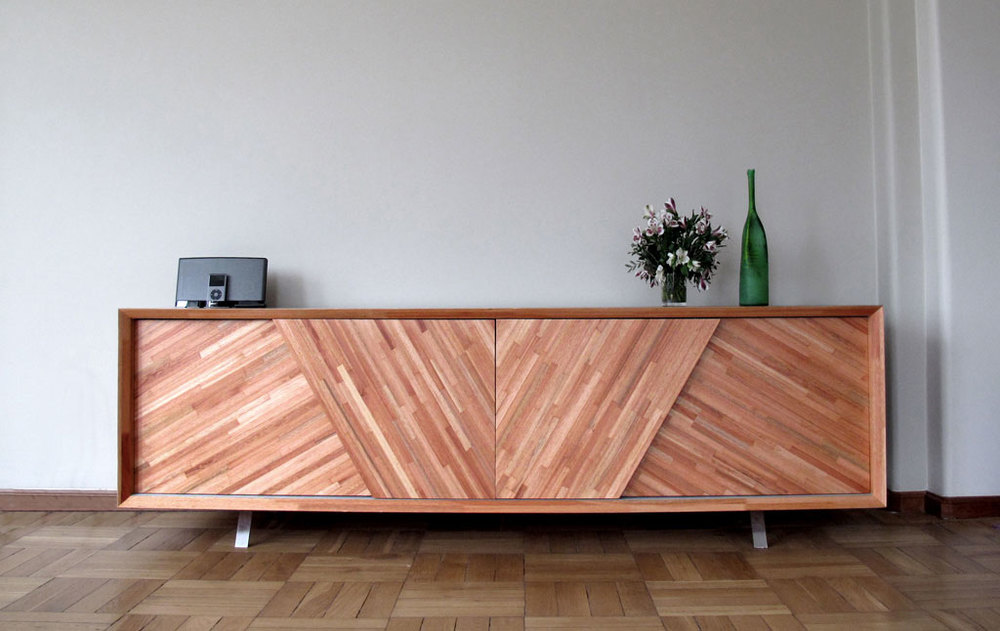
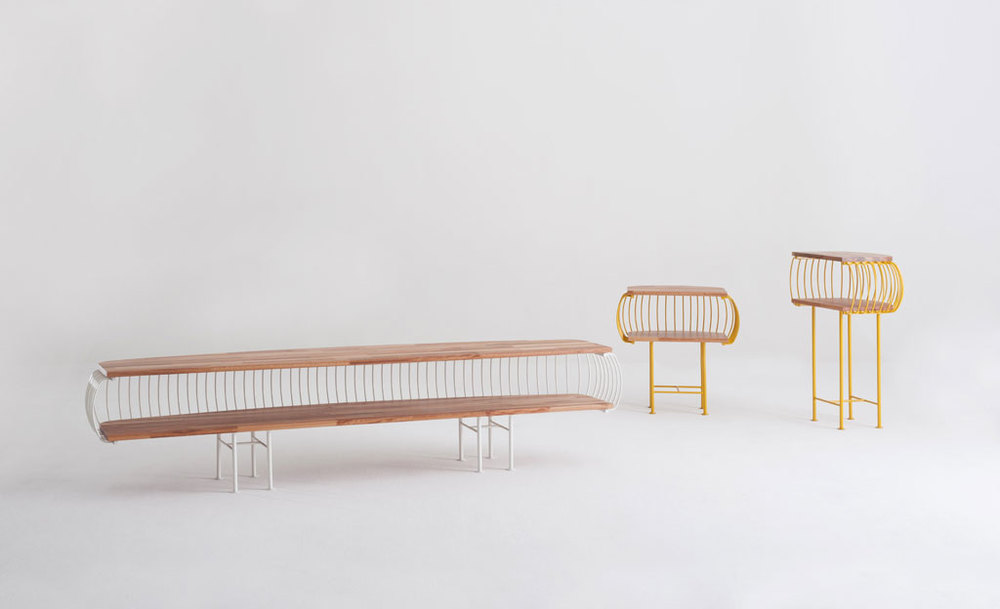
    Menini Nicola is an industrial design studio founded in 2008 in Montevideo, Uruguay. The studio has made its own name in the country, offering design services and design licenses, and directly commercializing products from their portfolio in Uruguay.

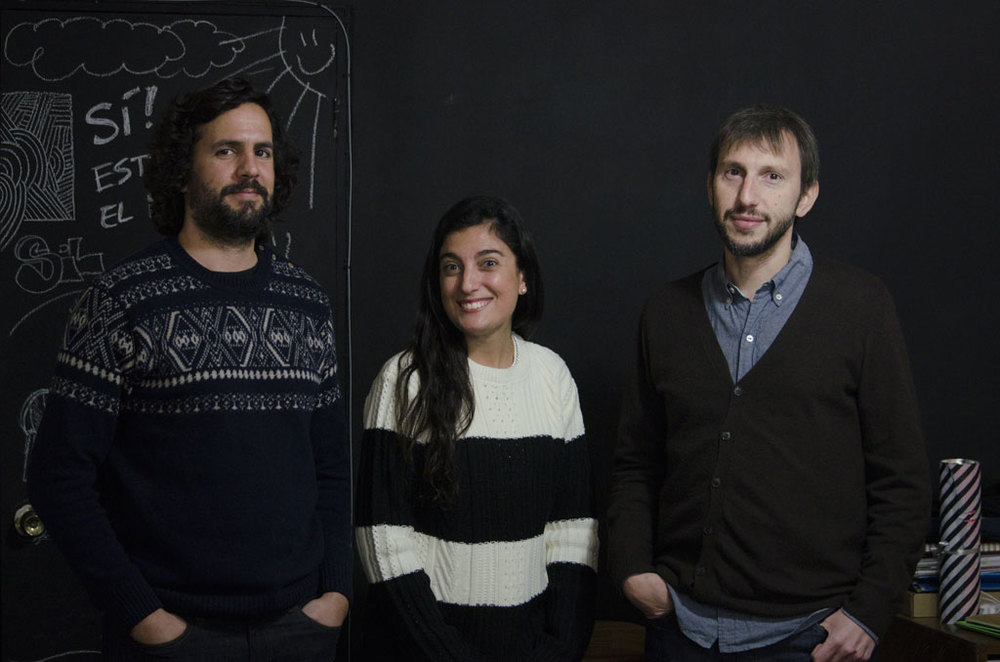
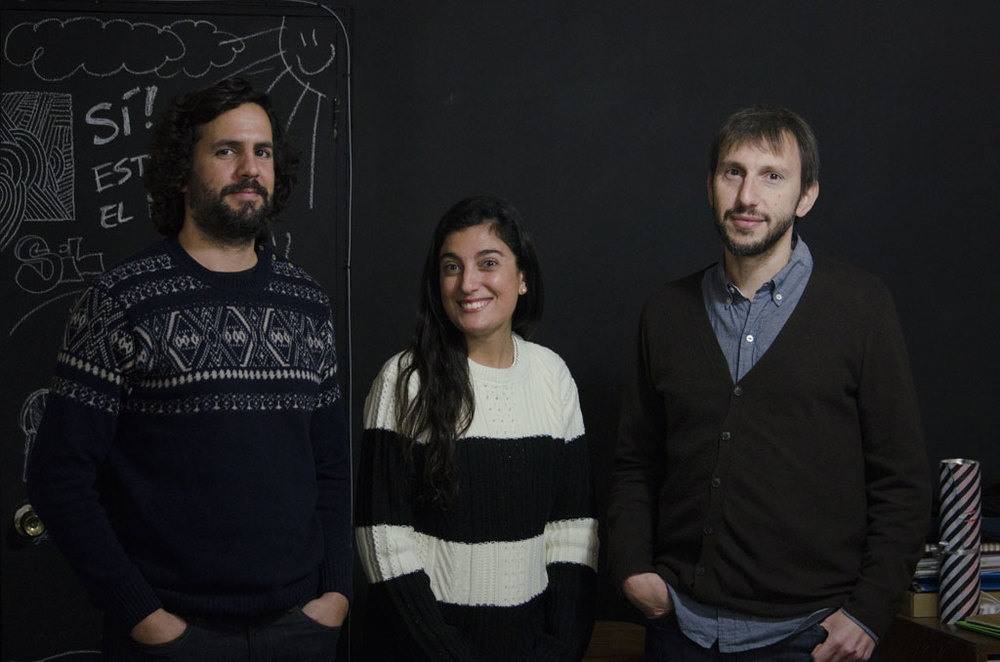
    We talked to the founders of Menini Nicola, Agustín Menini and Carlo Nicola, about the beginnings of their studio, the design scene in Montevideo and their favourite places in the city.

    Read the interview after the photos.
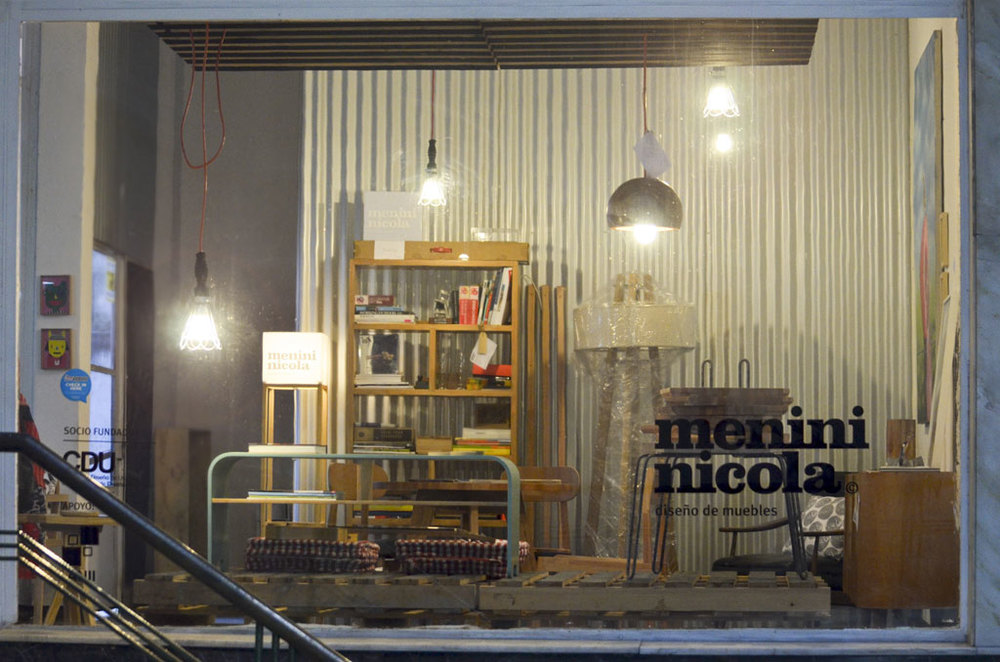
    www.menini-nicola.com

    What made you start Menini Nicola?

    It was mainly our interest in turning our hobby into our full-time job.

    When we were university students, we realised that furniture design was one of the things we liked the most. We used to work in advertising, spending our free time meeting with a friend who makes furniture to work on concepts that we would later send to design contests. We got more involved and in 2008 we received 2 awards at Salão Design Movelsul in Brazil. During that trip between Montevideo and Porto Alegre, Menini Nicola was born.

    How is being a designer in Uruguay? Are your designs influenced by the country?

    Being a designer in Uruguay is not very common and we would even say it is a privilege. On the other hand, the industry is growing and the design community in the country is going through a good phase. We, Uruguayans, tend to say that there’s not much going on in the country but this seems to be changing.

    Nowadays, Uruguay has a Chamber of Design for graphic, textile, product, interior and landscape designers. We also have some government funding and there are weekly events dedicated to design. There are new brands emerging and the established labels are growing – it is a good moment for Uruguayan design.

    Regarding our influences, we’re still finding our limits and trying to discover our own identity. We work with local materials and manufacturers, designing solutions and coming up with ideas based on what’s available around us.

    What’s your favourite project/product you’ve worked on?

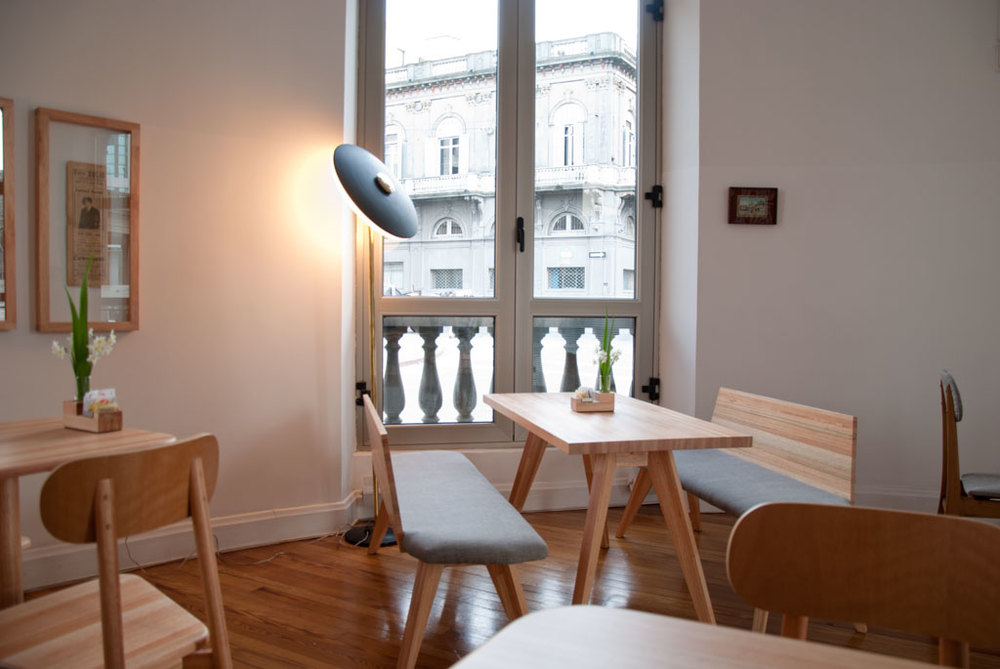
    One of our favourite projects was the design of the food area of the Mercado Agrícola de Montevideo (MAM). This market is one of the most iconic buildings in the city – it opened its doors in 1913 and was renovated in 2013. We were in charge of designing the furniture for the food area and other spaces in the building. The chair we designed was built under a series of requirements related to resistance, ergonomics, manufacturing costs and use of similar materials to the rest of the building.

    The conceptual side of the design was linked to the origins of the market. The chair represents a historic moment and draws inspiration from the industrial revolution, the Exposition Universelle of 1889 in Paris, the good economic moment Uruguay went through in the early 20th century and the Belle Époque’s influence in Montevideo.

    The chair wants to grab people’s attention, using a very formal language and becoming a representation of our times.

    We want to know more about Montevideo. What places shouldn’t we miss in the city? Could you recommend us other designers/artists based there?

    We would recommend going on a stroll on the promenade along the coast, visiting historic neighbourhoods such as Prado, spending the evening at MAM or enjoying the drum celebrations in Barrio Sur and Palermo. Montevideo is a city that should be visited on foot – despite being the capital of the country, it is a small city with lots of secrets.

    Montevideo is currently going through a very special moment with lots of things happening in the city. In the cultural scene, the Ballet del Sodre – with Julio Bocca as Art Director – is a very popular show which usually sells out one month before the opening. Street art is also becoming more important in the city and new galleries such as Kiosco and studio designs like Mundial and Atolon de Mororoa are emerging.

    There are also new initiatives popping up in the city such as el Club de la Cerveza (the Beer Club), where you can enjoy unique and secret dinners. The Ciudad Vieja (Old Town) is a great area for spending a day around, stopping for breakfast in Jacinto and visiting the antiques fair, having lunch at Mercado del Puerto and finishing with a snack at La Pasionaria, where you can visit the current exhibition and see work by local artists and designers.

    Collaboration is an important element in Montevideo’s creative scene. For example, Estampapas is a textile objects project founded by a graphic designer from Uruguay with a textile designer from Argentina. There’s also Sabandija, composed by another textile designer and a product designer and El Bosque de Robles.

    You need to come and discover the city during this moment of creativity growth.
  • Anglepoise + Paul Smith

    Anglepoise + Paul Smith

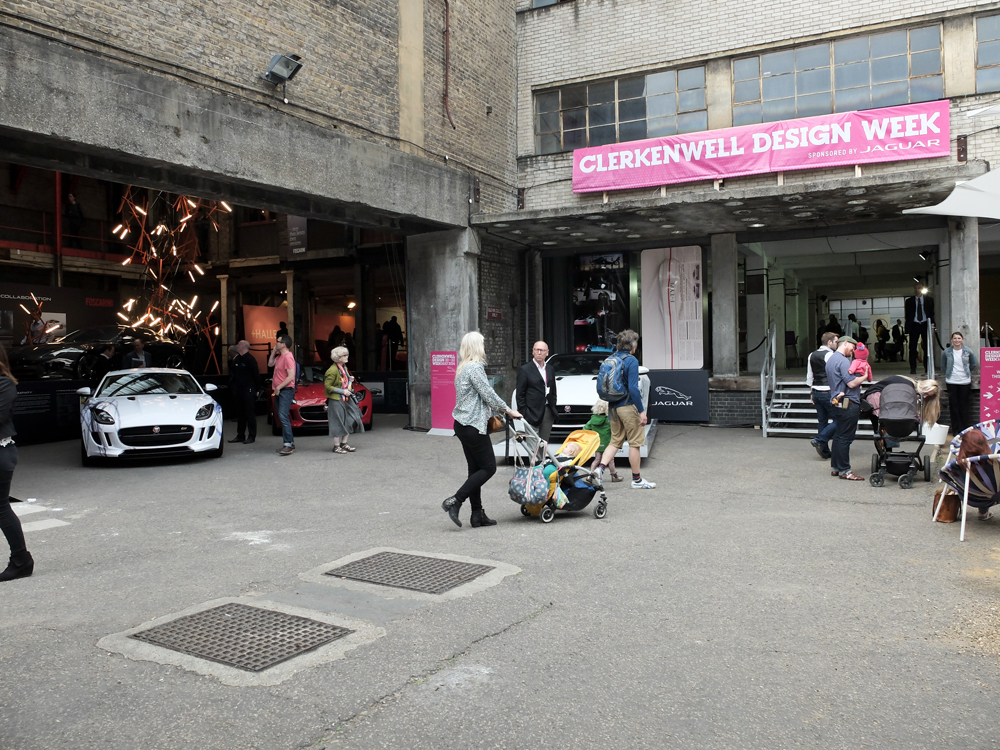
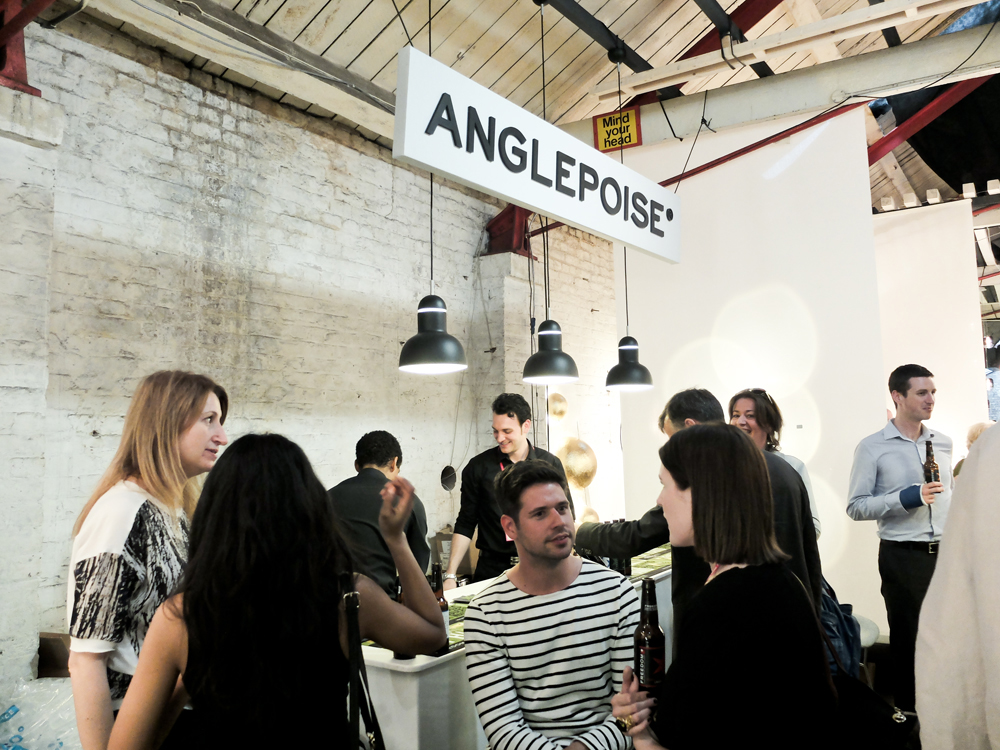
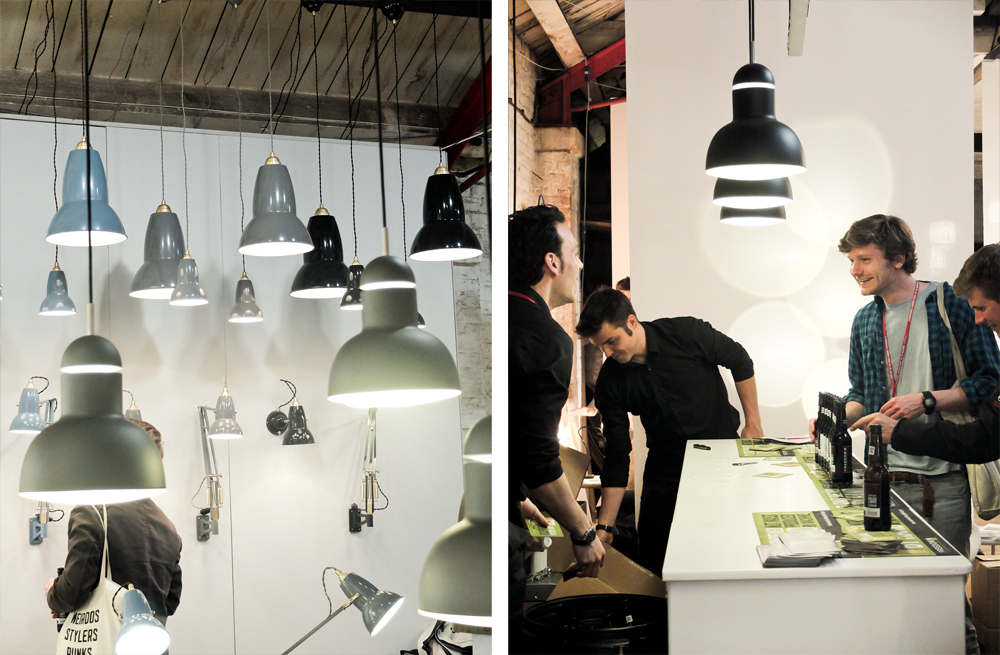
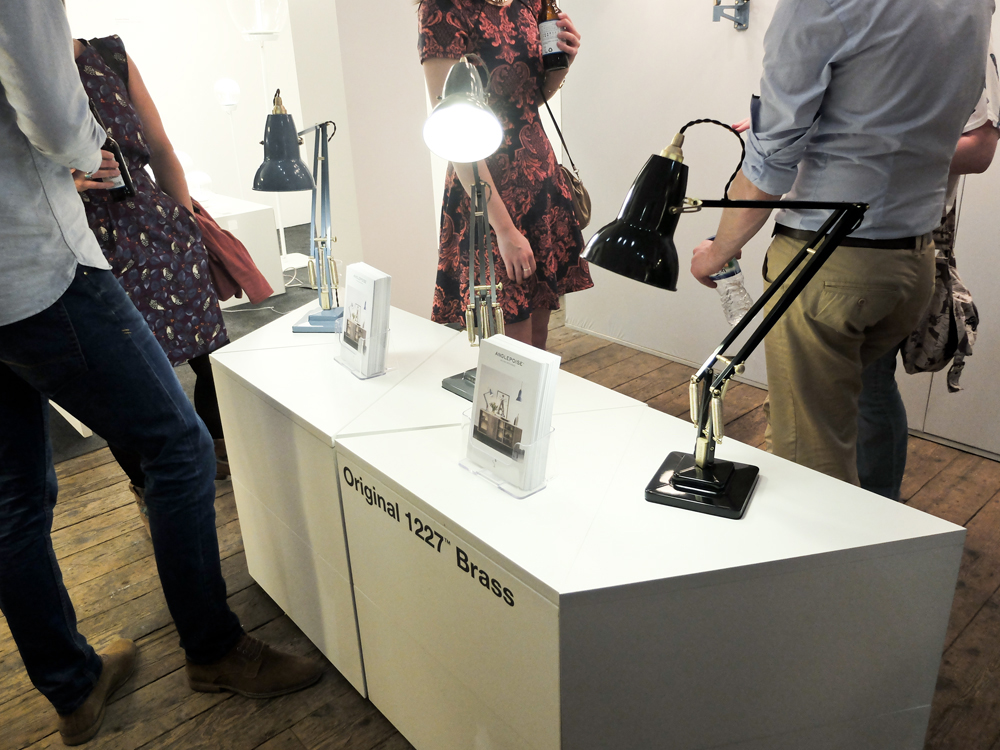
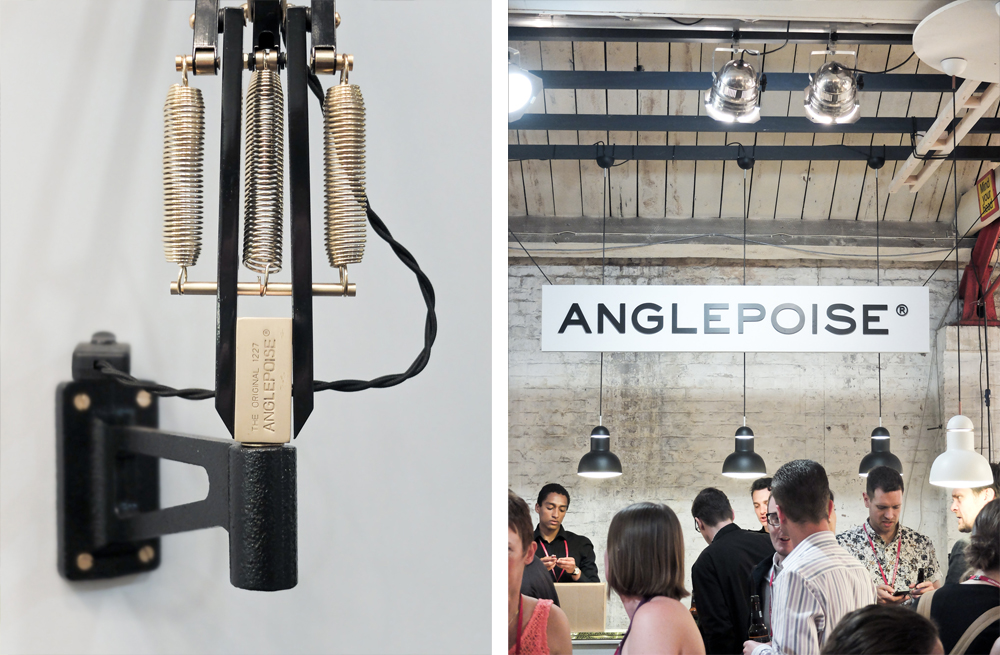
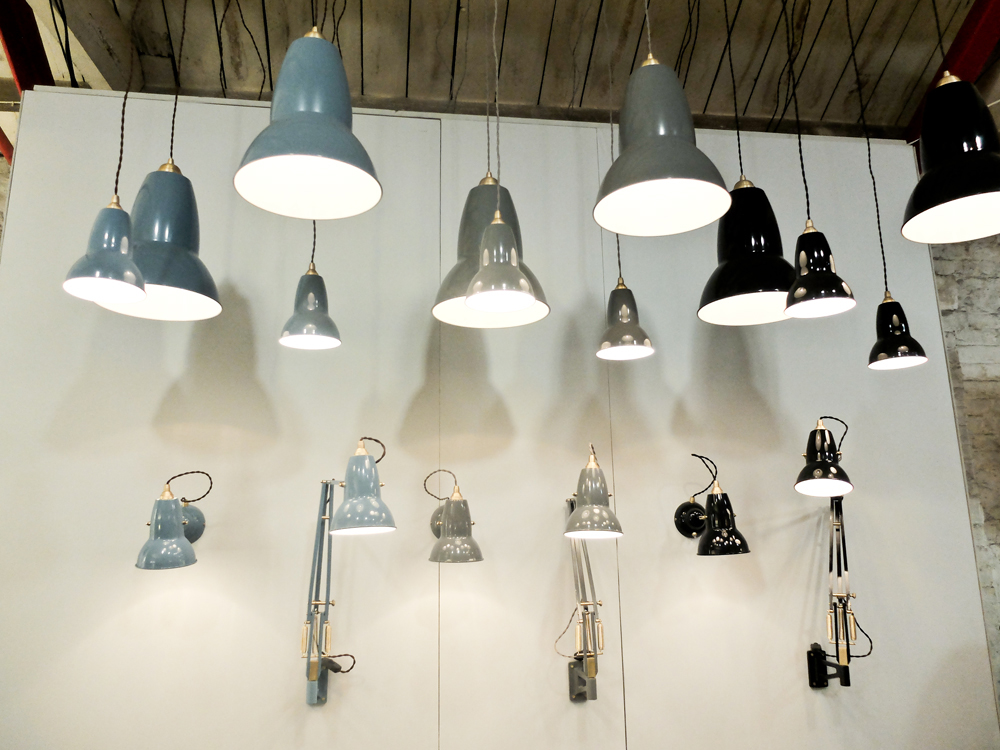
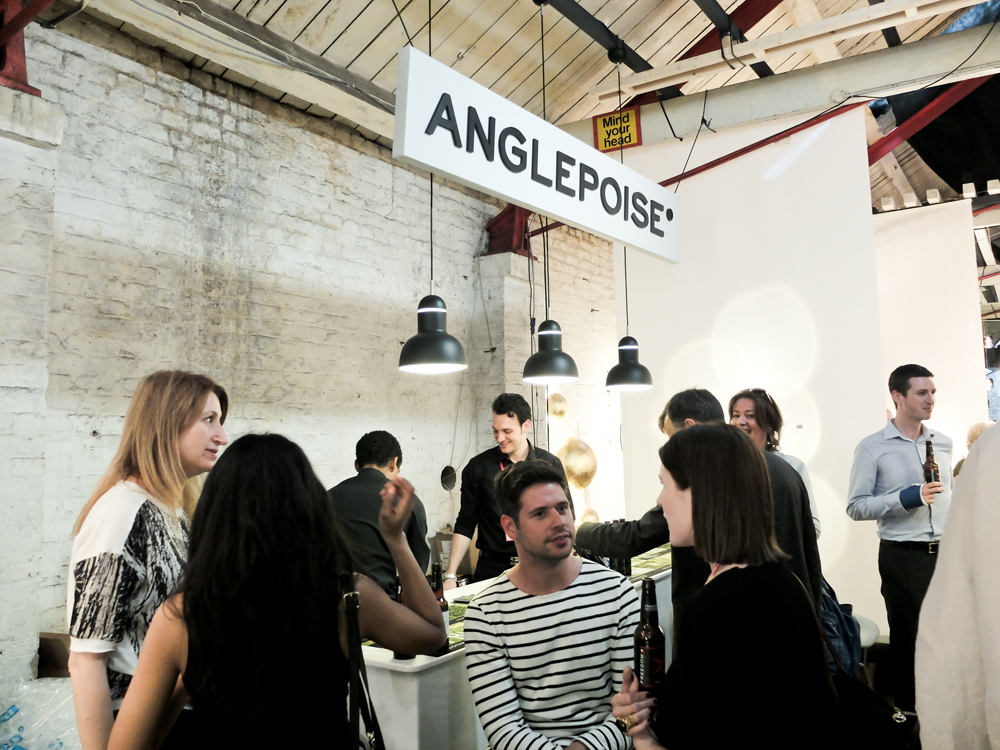
    Last Tuesday we attended the launch of the collaboration between iconic British design companies Anglepoise and Paul Smith. Taking place during Clerkenwell Design Week, this exciting new product was presented along two new lamp ranges, the Type 75 Maxi Collection and the Original 1227 Brass Collection.

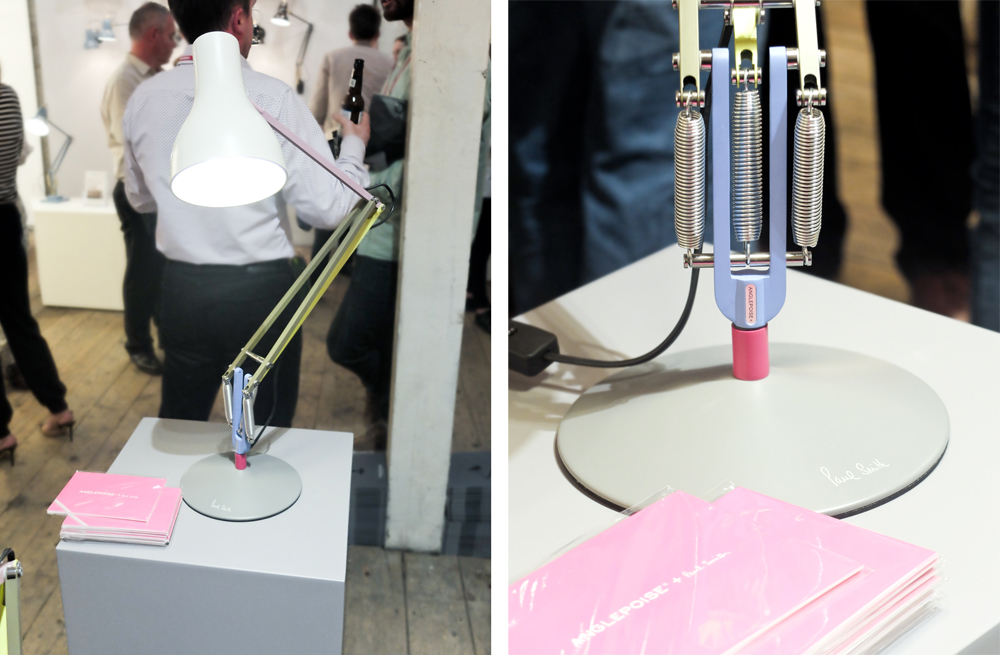
    The Anglepoise + Paul Smith is a stunning new interpretation of the iconic Type 75 table lamp, where all the pieces of this original model designed by Sir Kenneth Grange are reinterpreted in a complimentary combination of colours.

    The Anglepoise + Paul Smith will be available to pre-order on both the Anglepoise and Paul Smith websites mid-August and in Paul Smith shops and selected retailers from 13th September 2014.

    Thanks to our newest contributor Jess Maddock for attending and documenting the event.

    www.anglepoise.com | www.paulsmith.co.uk

  • Popular Pieces Of Furniture That Ruled The Last Decade

    Furniture is one of the most interesting aspects of fashion and design. Just like clothing or interiors, it goes through cycles, with trends coming and going like the tide. 

    In this post, we take a look at some of the most popular pieces of furniture that ruled the last decade. Will any of them make a comeback do you think?

    Simple Embracing Wall Units

    Last decade, people fell in love with the idea that you could put objects other than books on bookcases. And this led to the development of new types of living room and bedroom shelving, designed to hold pretty much whatever objects you wanted. People used them for flowers, vases, ornaments, files, folders and baskets, creating a semi-boho look. Many homes continue to use them today because of their extreme versatility. 

    Geometric Rugs

    Last decade also saw a growing fascination with geometric rugs. For years, Persians dominated the market. So design enthusiasts were looking for something a little different to spice things up. The result was more structured rugs that relied on straight lines and edges.

    The wonderful thing about these rugs, though, was how they seemed to work in virtually any setting. They were just as at home in traditional and contemporary interiors, to the surprise of many. 

    Blush Armchairs

    Unsplash – CC0 License

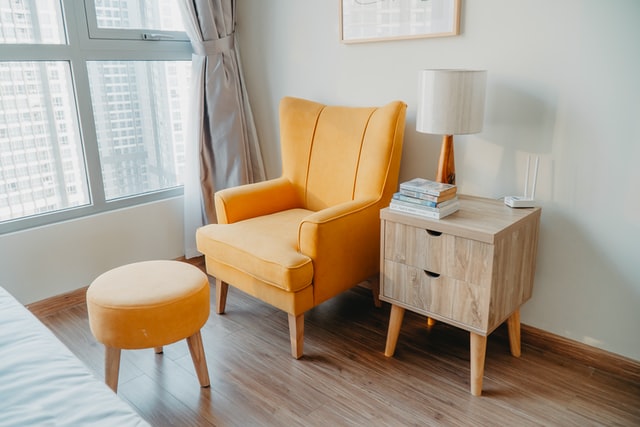
    Blush armchairs are something you quite often see these days, thanks to their extreme popularity over the last few years. Many come in pink and provide a nice contrast to neutral interiors.

    Mirrored Furniture

    Mirrored hallway tables, cabinets, vanities and desks creating quite a stir over the last few years too. Partly, it is the result of social media. People view influencers’ glamorous homes and try to emulate them on their own, including as many mirrors as possible. This type of furniture automatically gives homes a luxe look, making them far more upmarket-looking than they would otherwise. 

    Floral Pieces

    Floral furniture also made a big impression. This type of upholstery gives each piece its own classical beauty and represents a refreshing change from many of the ultra-modern designs dominating the market at the moment. Just adding a single floral piece to a room can entirely transform the atmosphere, helping to make it feel more relaxed, natural and beautiful. 

    Artistic Pieces

    Unsplash – CC0 License

    Furniture was primarily functional in the early 2000s, especially with the rise of flat-pack budget stores. But people eventually tired of that model and began looking for art-inspired pieces instead. Designers responded. And now you can buy furniture with some of the most appealing aesthetics imaginable. Using a combination of visual styled helps to create balance in a room and make it feel more natural. 

    Sustainable Armchairs

    Lastly, sustainability has been a massive trend over the last decade. People became obsessed with how their activities were affecting the local ecosystem and the planet at large.

    Sustainable armchairs, therefore, took off in a big way. It offered people the option to buy furniture that didn’t unsustainably use the planet’s resources. Many options were made of sustainably harvested wood or fast-growing, low-impact bamboo.

  • Stand Out From The Crowd With The Right Accessories

    While society encourages us to blend in, we must continue to find ways to stand out. This can help us challenge societal norms, creating a future where every person will feel empowered by simply being the most authentic version of themselves. Thankfully, there are various ways in which we can begin on this pursuit-  a great example of this being how we dress. Personal style should be exactly that – personal – so you must not wear something because it’s trendy, but because you love it. Uniqueness and self-expression will always make for a more cohesive look.

    One way in which you can begin to express yourself is through accessorising. After all, even the smallest of accessories can dramatically transform a casual outfit to insta-feed worthy material. The best example of a classic, timeless accessory that looks great with every outfit would have to be a watch.  However, don’t be afraid to experiment with rarer models with unique designs instead of the more commonly purchased items. While they may be a little harder to get hold of, they are worth the investment.

    For example, the Submariner Date Kermit from Rolex is highly sought after due to its unique design, which has a distinctly vintage feel despite being released in 2003. This means that it’s great for those who aim to obtain a vintage aesthetic. Alternatively, the Cosmograph Daytona, which combines a more classic design with impressive functional features, is favoured amongst those looking for something a little more traditional.

    For more information about these rare watches, check out the infographic below. It provides you with all of the information you need – from specs to design info.


    Infographic Design by Emily at Watchbox watchbox.com

  • Edinburgh: Fortitude Coffee Merchant

    Edinburgh: Fortitude Coffee Merchant

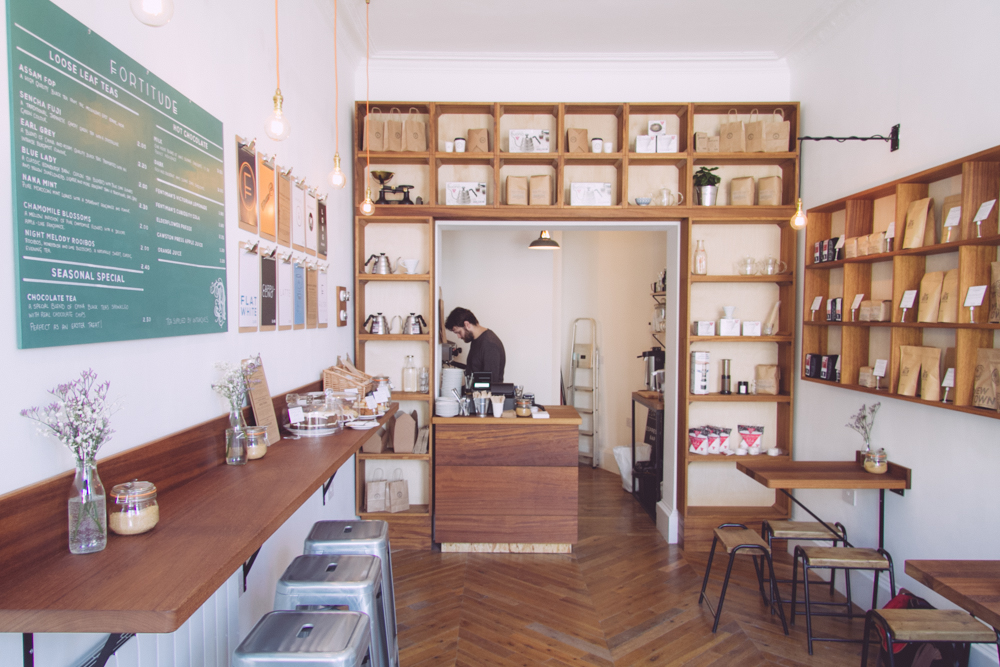
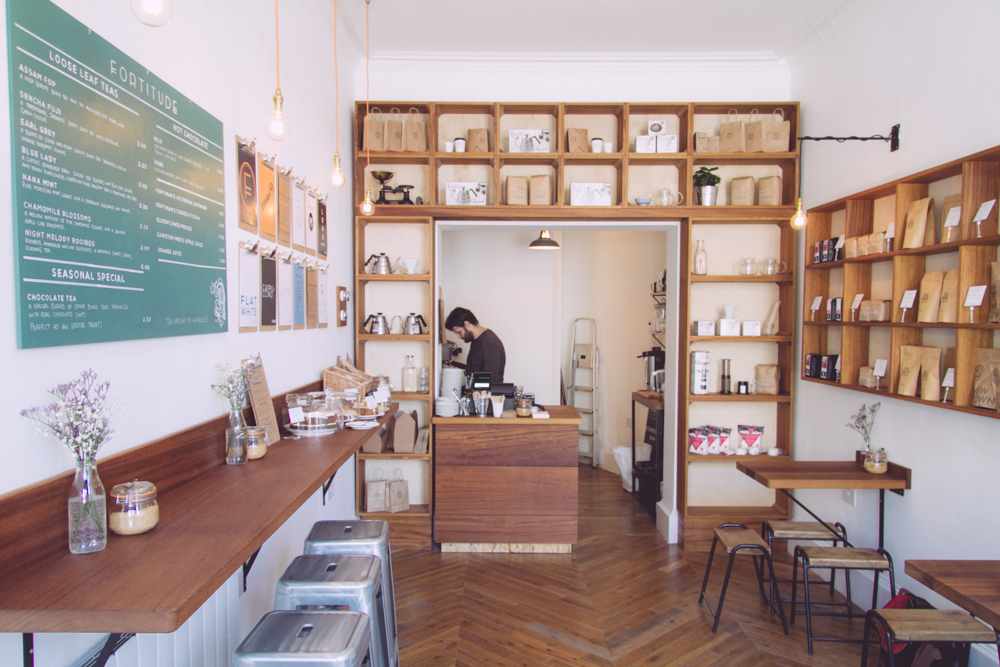
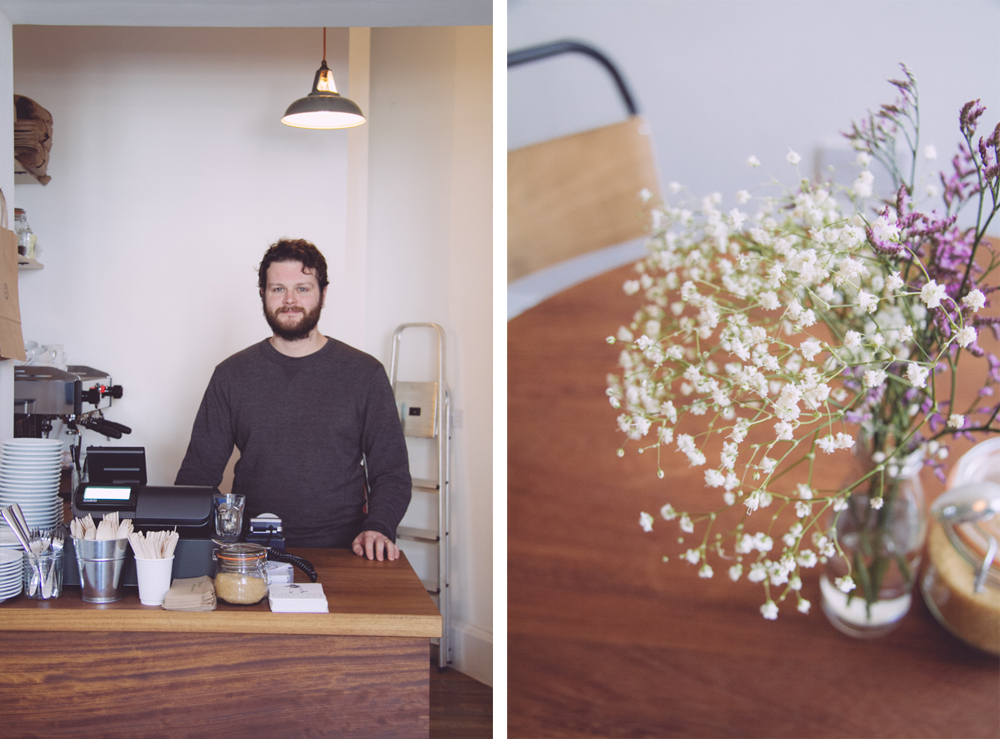
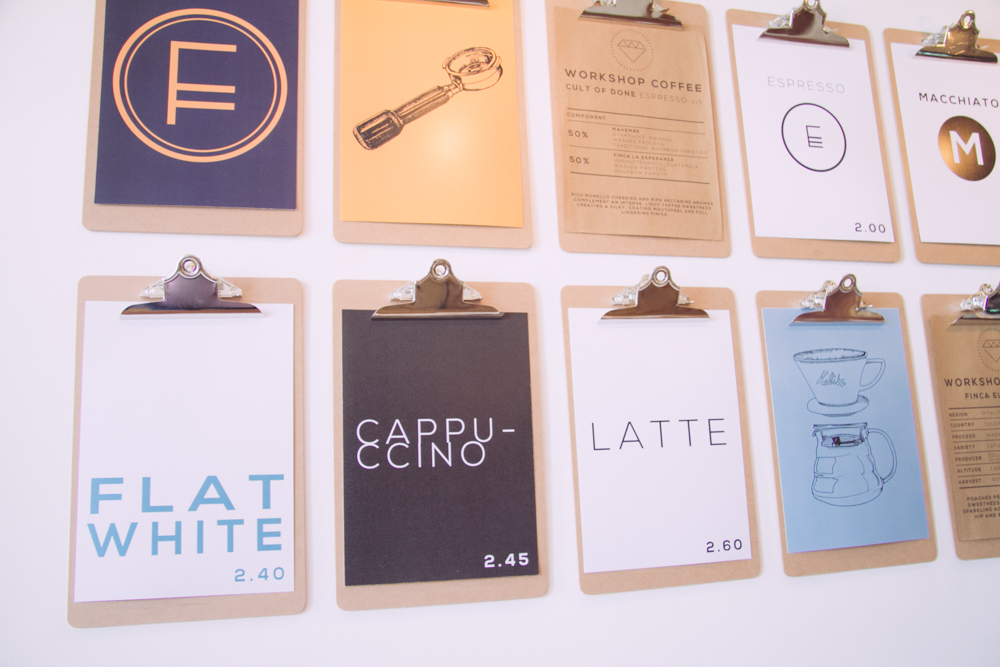
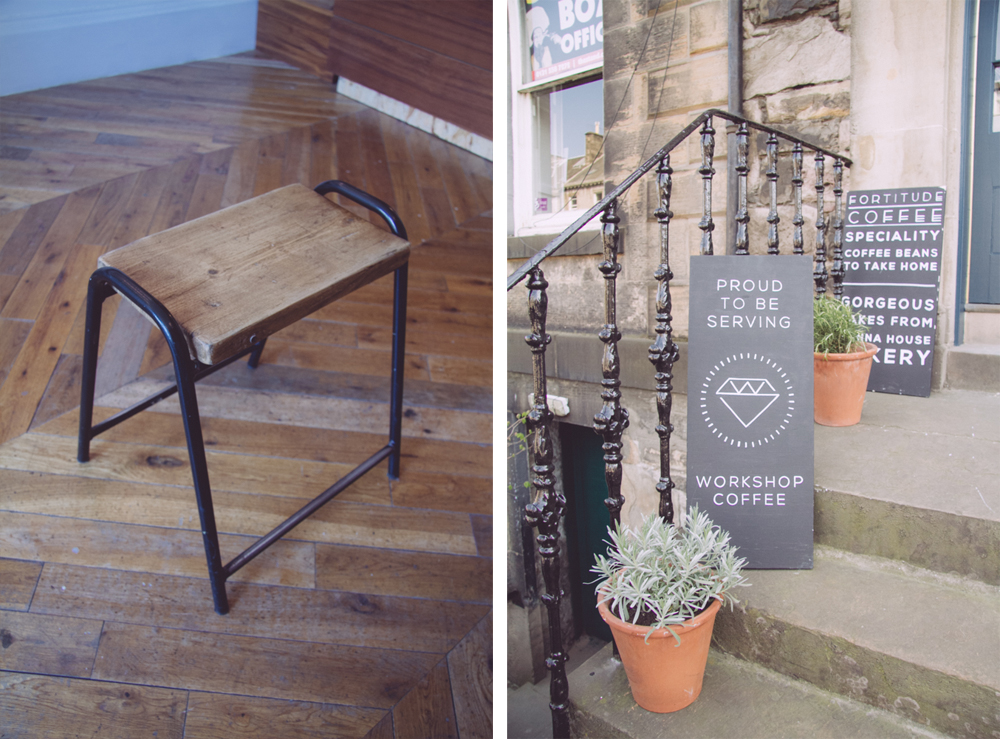
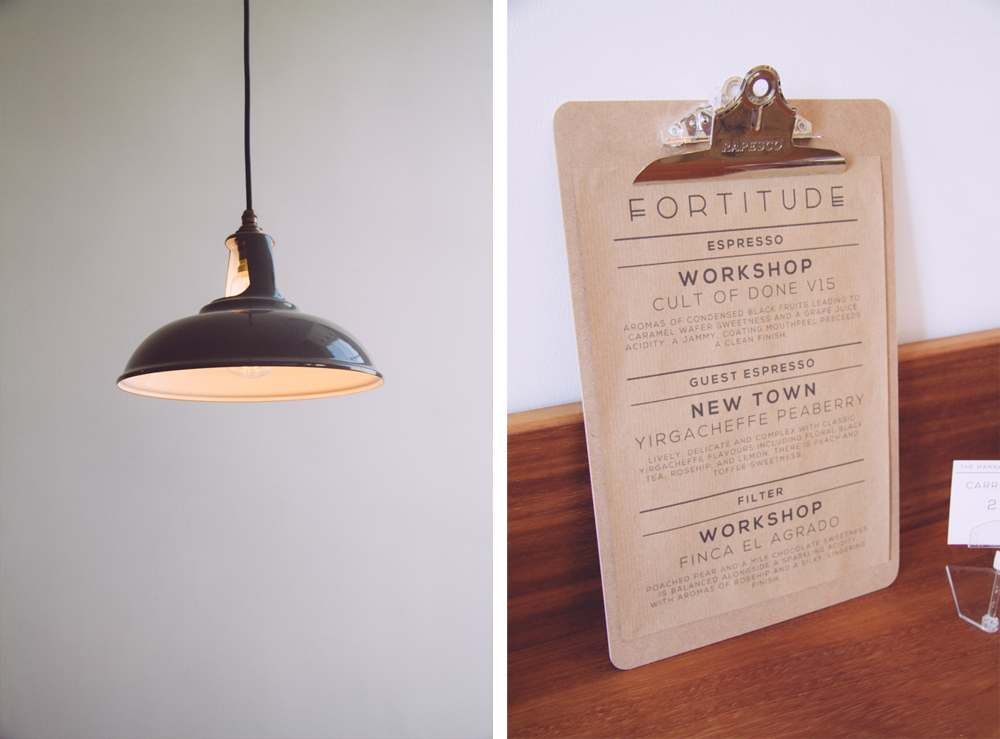
    Fortitude is a new specialty coffee merchant and espresso bar serving delicious brew to the people of Edinburgh. They work with London based Workshop coffee who are committed to roasting the sweetest, cleanest and freshest coffee to make the perfect cup.

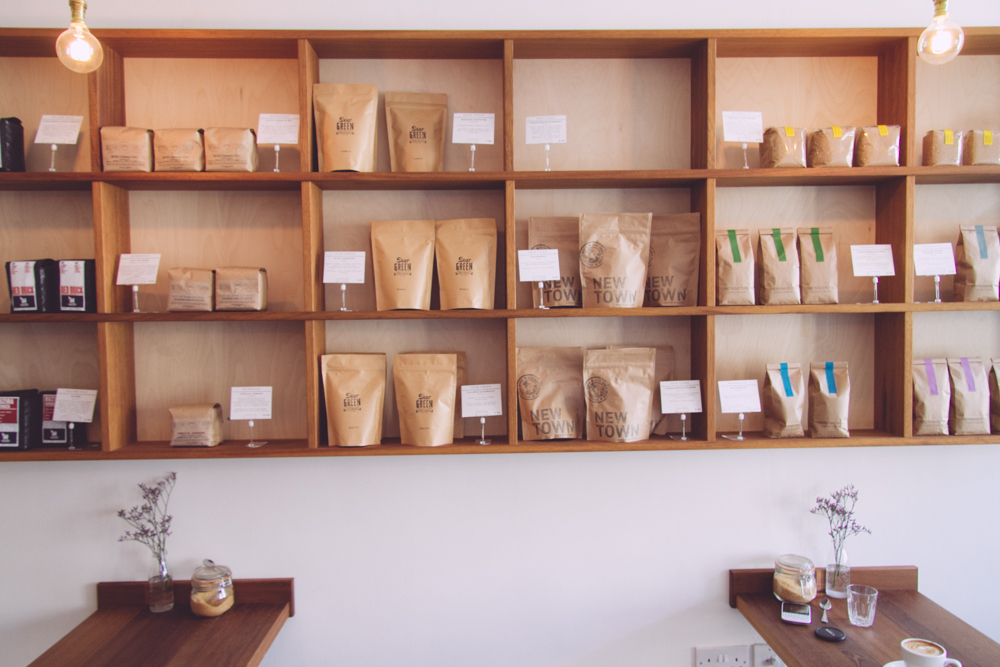
    Fortitude also stocks coffee beans from some of the best small-batch roasters in the UK and are happy to help anyone choose the right beans for the right brew, as well as supply all the tools and advice to brew at home.

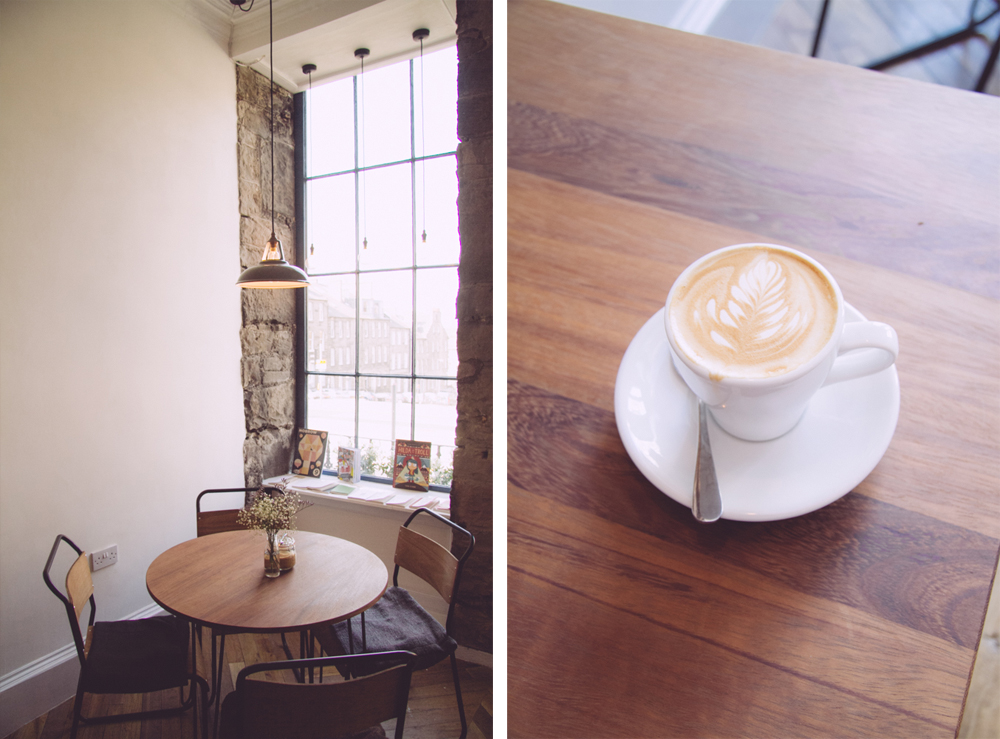
    They are the newest addition to the coffee scene in Edinburgh and definitely worth a visit when you’re in the city. We love their coffee, cool interior, branding and friendly atmosphere.

    www.fortitudecoffee.com

    Fortitude Coffee Merchant

    3C York Place, Edinburgh