Category: Design

  • Dutch Design Week: Hungry for Design

    Dutch Design Week: Hungry for Design

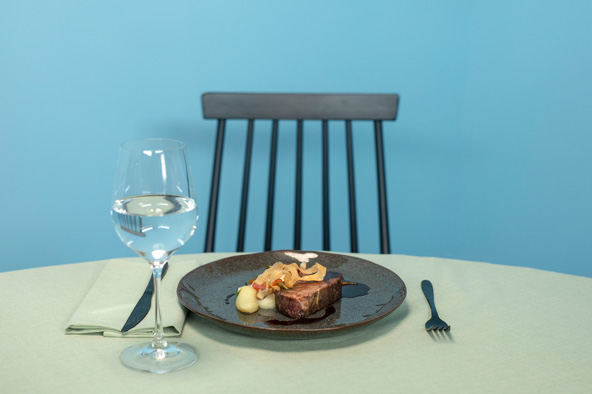
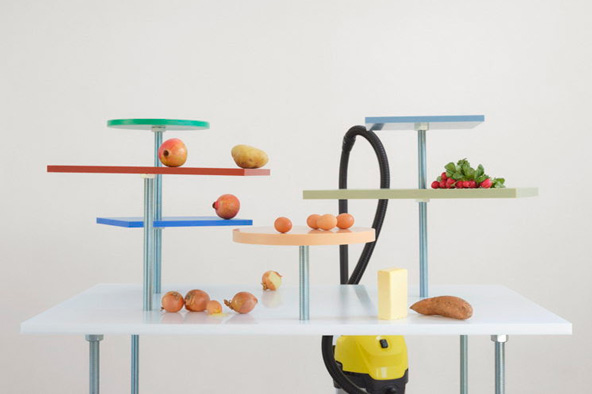
    Taking place in October each year, Dutch Design Week (DDW) is the largest design event in Northern Europe and presents work and concepts from more than 2,600 designers to more than 355,000 visitors from home and abroad. In 2020, DDW is taking place online and the city that hosts this design festival, Eindhoven, has launched a video series called ‘Hungry for Design‘ that asks the question: What happens when the worlds of design and gastronomy come together?

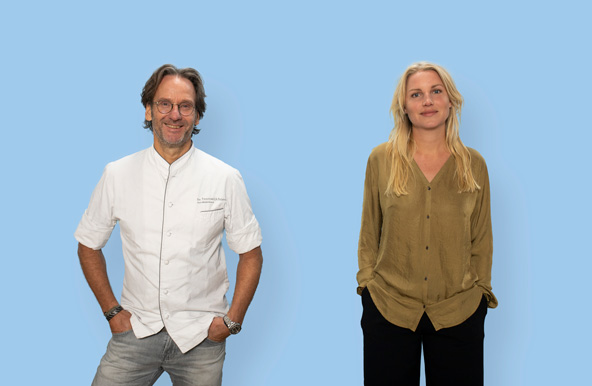
    With current safety measures in the Netherlands and restaurants closing their doors again, this six-part series connects top chefs with local designers, and the chefs are challenged to develop a dish based on the work of the designer. Emerging, talented designers with different backgrounds – from a social designer to an architect and from a sound designer to a material researcher – have been paired with chefs such as Dick Middelweerd, Naresh Ramdjas and Cas PikaarBringing the different disciplines together results in special collaborations, common ground when it comes to the creative process, and, of course, great food.

    The episodes are hosted by moderator and food designer Annelies Hermsen, daughter of Michelin chef Toine Hermsen and Design Academy Eindhoven alumna. The series is now available on ThisisEindhoven.com and the YouTube channel of @Eindhovencity:

  • Lockdown Stories: Lydia Caldana

    Lockdown Stories: Lydia Caldana

    Lockdown Stories is a series of short interviews with creative entrepreneurs and businesses that have been affected by the COVID-19 crisis. Since its beginnings, the main goal of Future Positive has been to share inspiring projects happening all around the world and, during these strange and difficult times for independent businesses and creators, we want to continue providing support and visibility. If you’d like to be featured in this series, please get in touch at hello@thefuturepositive.com and tell us your story.

    Lydia Caldana
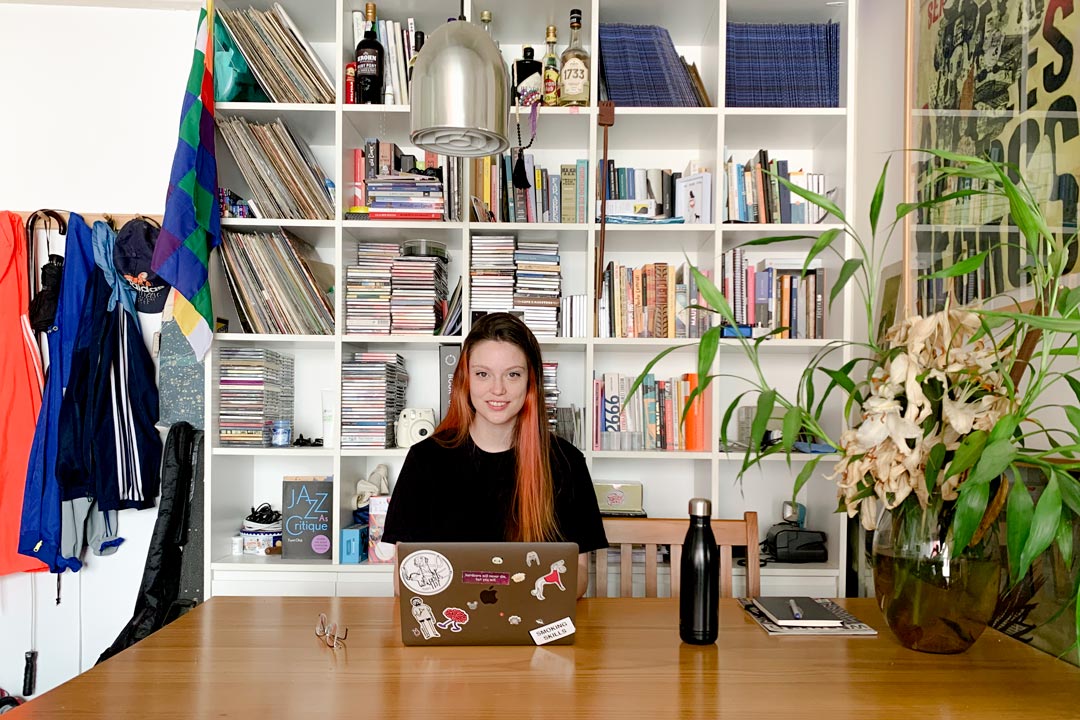
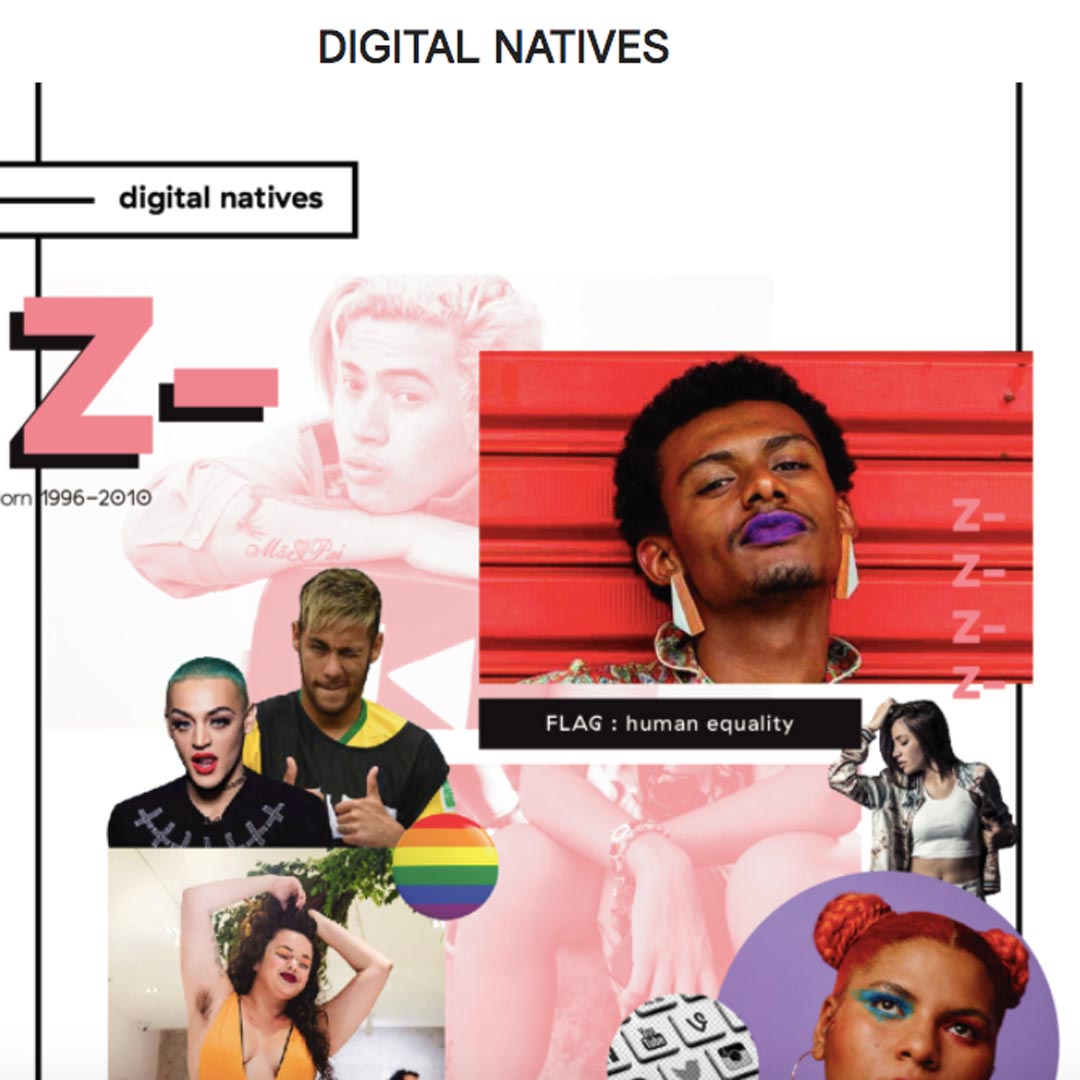
    Foresight Strategist and Consumer Insights Specialist. Lydia researches culture and strategises the present and the future; focusing on emerging behaviors and how they change people’s values and attitudes to help brands create long-lasting relationships with people through products, services and communication.
    Location: Brooklyn, NY, USA
    www.lydiacaldana.com
    When did the lockdown start for you and how has your business been affected? And how has it affected your clients?

    Life in New York City has pretty much changed drastically on March 9, 2020. As a freelance qualitative researcher and trend forecaster, a lot of what makes up my work always was online. Many of the partner consultancies I work with are based in London, UK and São Paulo, Brazil, so all relationship, briefs, presentations and most of the data collection already was digital.

    What has changed is the inability to live life in New York City, which is a big source of innovation and inspiration for the research I conduct. As much as the lockdown has pushed for transformation and evolution in virtual terms, people’s lives also take place in the physical layer, that has a crucial role in activating senses and enhancing product/service experience.

    Clients which centered their business around events (concerts, festivals, sports, etc) or B2C services (mobility, tourism, food service, etc) have seen an instant impact on everything from number and quality of employees, to the supply chain, the attention to online presence and commerce, and business model.
    Have you found any new ways of working or have come up with new services during this time?

    I have seen how ways in which I had been leading my business become the go-to solution for a time that demands agility and cost-efficiency. Things like meetings becoming emails, and desk-based research/phone interviews for monitoring and predicting consumer behavior (instead of field research or physical interviews) have become more and more popular. I have structured a new methodology that combines inputs from consumers, experts and the academia – online – that form a 360 perspective of behavior and projection of future scenarios.
    What are some of the positive takeaways you have experienced during this time?

    It has been really nice to see some unity. While there is still privatization of solutions and initiatives to COVID-19, citizens from all over the world have been sharing similar difficulties and an increased communal feeling of empathy. Global events that affect almost all countries in the world have the power to mobilize people around one big goal. The pandemic is also leveraging other urgent issues, like sustainability.
    What are some of the trends you have identified so far?

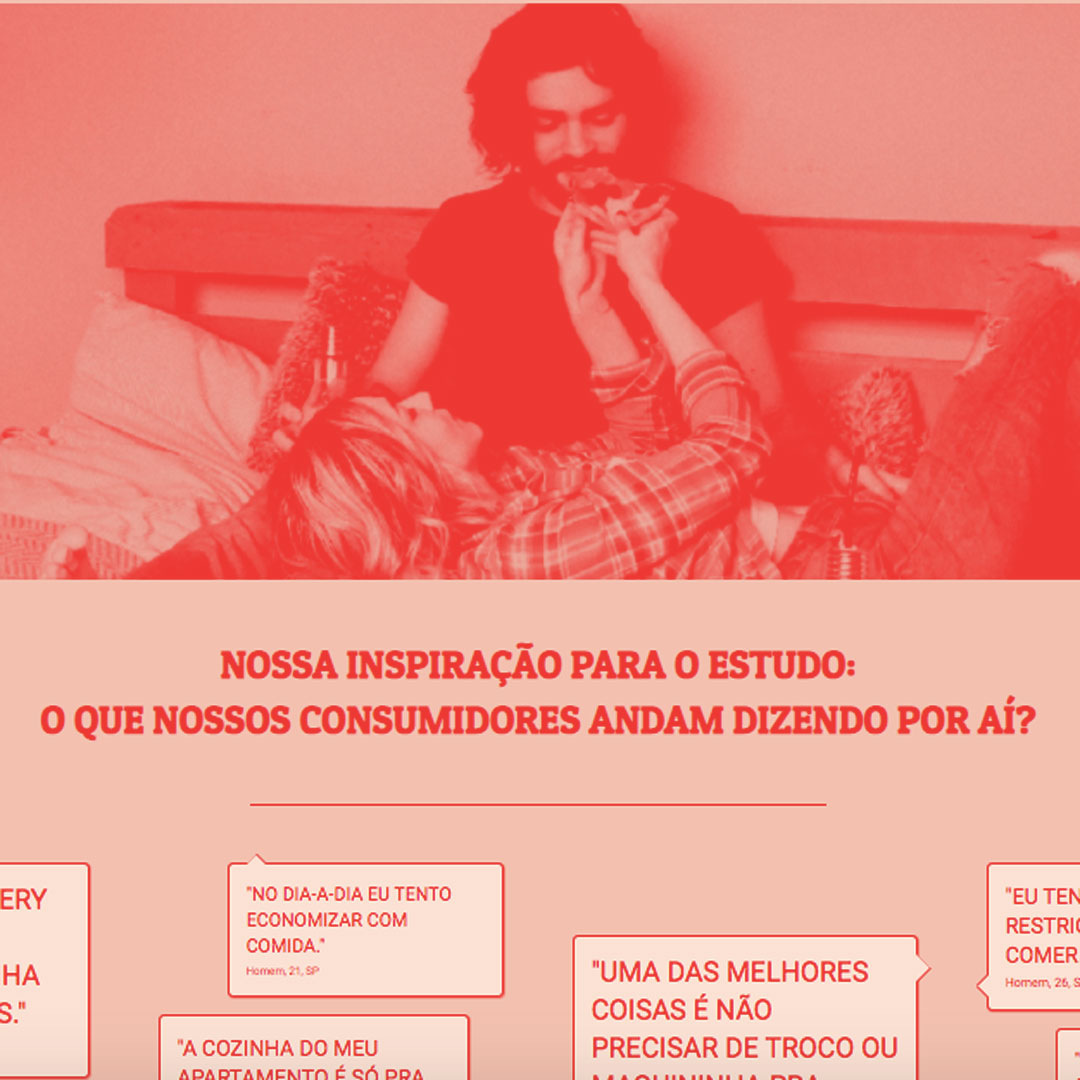
    The pandemic is both a global and a local crisis. On a micro level, we are already seeing how cities are reimagining themselves to increase citizen participation, reduce traffic and pollution rates and promote inclusivity. Milan and NYC already have plans that, through small but spread-out changes, will lead them towards more human-centered places.

    Something else that is shifting is the value placed on people’s homes and what is inside of them. When houses were built and used simply as places to come to for sleep or change of clothes, furniture and appliances didn’t have a big role in budgets and time. With people being forced to experience more homebody lives, they are realizing that a lot of what they have is either not goof/efficient enough or clutter.

    Urban spaces in dense cities for people with fast-paced lives required products and services that dealt with a series of tasks for them. With this relationship to the house and its chores being re-established, processes and rituals of cooking, cleaning and caring are demanding from products more in terms of precision and less in terms of quantity. There are only so many laundry detergents one can store.

     

  • Lockdown Stories: Safomasi

    Lockdown Stories: Safomasi

    Lockdown Stories is a series of short interviews with creative entrepreneurs and businesses that have been affected by the COVID-19 crisis. Since its beginnings, the main goal of Future Positive has been to share inspiring projects happening all around the world and, during these strange and difficult times for independent businesses and creators, we want to continue providing support and visibility. If you’d like to be featured in this series, please get in touch at hello@thefuturepositive.com and tell us your story.

    Safomasi
    Original illustrated fabrics, homewares and accessories designed to bring joy, colour and character into your home.
    Location: St. Albans, UK & New Delhi, India
    www.safomasi.com

    When did the lockdown start for you and how has your business been affected?

    From the beginning of March things had started to slow down and, by mid March, we had an order cancelled. It was for a hotel store, so as it became apparent how serious the situation was becoming worldwide they understandably decided to pull all purchases. A big project planned for the second half of this year has also been put on hold for now.

    Last year Sarah and I moved to the UK, but at least one of us travels back to our studio in Delhi a few times a year. In the UK we work from home, so when the lockdown came into effect on March 23rd, aside from not being able to go out for meetings etc, it didn’t seem all that different to us. India went into lockdown two days later, so our studio there has been closed ever since. We are relying on savings to pay salaries and rent whilst we have very little income. Our only income has been from online sales which we are very grateful for. But as most of our inventory is held in our studio in Delhi, we’ve been unable to ship so sales have slowed.

    This week the lockdown in Delhi was extended for another two weeks, but measures have been eased so some of our staff are now able to get to the studio safely and we can slowly start working on shipping out orders, which will help a lot in being able to promote our website. We have fabric samples with us in the UK, so have still been sending out requests to Interior designers. It’s good to see some projects are still happening. However I think the impact will last for quite some time.

    Have you found any new ways of working or have come up with new product ideas during this time?

    Before lockdown we were developing new products and base fabrics, but those are paused for now as our focus is on sustaining the business to get through the next few months. However we are enjoying having time to play with print ideas that we can keep aside for the future.

    Having businesses based in two countries, we have always used technology to communicate with our team, and as such our production process is pretty streamlined and smooth. But for the development of new prints we always like to be present. It would be possible to do it from afar, but we like being hands on and involved directly in the sampling. There’s no rush, but it is a bit unsettling not knowing when we will be able to get back.

    What are some of the positive takeaways you have experienced during this time?

    Despite the challenges and pressures it has been really good to have time to think about where we want to take our business. We have been running Safomasi for over 7 years and on a personal level, this enforced break is probably what we needed.

    How do you see your business evolving over the next few months?

    Over the next few months we want to start growing the design side of our business. We occasionally work on illustration, print and textile design commissions, so alongside our online store, that’s definitely an area we want to evolve more.

  • Lockdown Stories: Earl of East

    Lockdown Stories: Earl of East

    Lockdown Stories is a series of short interviews with creative entrepreneurs and businesses that have been affected by the COVID-19 crisis. Since its beginnings, the main goal of Future Positive has been to share inspiring projects happening all around the world and, during these strange and difficult times for independent businesses and creators, we want to continue providing support and visibility. If you’d like to be featured in this series, please get in touch at hello@thefuturepositive.com and tell us your story.

    Earl of East
    Lifestyle brand, started in 2014 by partners Niko Dafkos and Paul Firmin, with 3 multi-concept stores in London, alongside their own home fragrance, bath, and body line, which is manufactured in-house.
    Location: London, UK
    www.earlofeast.com

    When did the lockdown start for you and how has your business been affected?

    Things really start to change in early March. As Covid-19 began spreading worldwide, we first felt the effects in our flagship store in Coal Drops Yard, as footfall started to decrease. However, it was on the 19th of March when we made the decision to close the stores, just a few days before the official lockdown as we felt the need to protect our staff and customers.

    All three store locations have been closed since, and as a result so has our program of workshops and events, which are a major part of our business. We have been able to continue with online, and with manufacturing, although on a much more reduced scale. We have since furloughed around 60% of the team, creating a skeleton team to ensure core functions continue.

    Have you found any new ways of working or have come up with new product ideas during this time?

    We were able to pivot quickly, firstly by reaching out to corporations we have worked with previously to create client care packages, and then in the creation of our virtual workshops which are hosted through Zoom. Not only did this allow us to keep the cash flowing it also gave Niko and I real purpose whilst everything began to take a turn for the worse in terms of the spread.

    We have also become much more content focussed on our site, creating a series of content called Ritual over Routine and releasing interviews. We were actually working on both before this happened but it allowed us space to really focus on this new side of the business. Working with the skeleton team, and remotely in what is usually a very much hands-on business has been difficult, but we have a good team in place and daily check-ins and clear tasks have allowed for a new structure to develop. We have really had to rethink a working week and structure our days to always include work, it’s definitely a work/life integration over ‘balance’ but it’s allowing us to stay motivated in what could be a very depressing time.

    We released a collaborative project with KayK goods which is a move to a new category, it wasn’t planned to be a digital launch but we wanted to stick to our time plan, and we created some nice content for the launch. In addition to this, we are currently developing a new line, so we have been able to focus on this, and extensions to our Japanese Bathing Line which has become a best-seller in the last year and has gained particular attention in the last few weeks. We are also in the middle of a project with an agency, which is really exciting.

    What are some of the positive takeaways you have experienced during this time?

    As a team, we have learned a lot and become stronger, I think this can only be viewed as positive. From a business owner standpoint, we have had to face challenges and overcome something unimaginable just a few months ago, you learn a lot through difficult times and I think it has helped us to look at our company again and redefine what is really important. We have seen which areas of the business need more focus, and which are working well. We have seen a lot of traction online and with our community, that has been really positive and something we want to continue to build on.

    From a personal level, Niko and I only made this business our full-time jobs last September, after five years of it being our side-hustle. We had struggled to find a real pattern of work and this has given us the space to determine that, and our actual roles and responsibilities beyond just being founders. It has also given us space to dedicate some time to ourselves, to eating right and exercise, which are essential to long-term success in all areas of life.

    How do you see your business evolving over the next few months?

    It’s really hard to determine right now, but what we know is that our strategy is to protect what we have and build on the great customer base we have built in the past few years.

    The new normal will certainly affect our stores, we are currently making plans to change the spaces and make sure they work well for social distancing and that our team are provided with the safest environment. The structure of our events will change for the foreseeable, and we see digital events still playing a part in that schedule moving forward.

    Wholesale will change but we are unsure of the ways yet, having stockists worldwide has meant we have felt the effects at different times, we have also taken on new stockists during this time and have some exciting new projects in the works. In terms of digital, our focus will remain on becoming more content-driven, we are adding a lot of new products and categories to the site, and these will roll out in-store too. We also hope to release more new products.

  • Lockdown Stories: PAKTA STUDIO

    Lockdown Stories: PAKTA STUDIO

    Lockdown Stories is a series of short interviews with creative entrepreneurs and businesses that have been affected by the COVID-19 crisis. Since its beginnings, the main goal of Future Positive has been to share inspiring projects happening all around the world and, during these strange and difficult times for independent businesses and creators, we want to continue providing support and visibility. If you’d like to be featured in this series, please get in touch at hello@thefuturepositive.com and tell us your story.

    PAKTA STUDIO — Multidisciplinary brand producing ethically hand crafted bags and backpacks and accessories for everyday use
    Location: Bratislava, Slovakia
    www.paktastudio.com

    When did the lockdown start for you and how has your business been affected?

    The precautions started around the 13th March, when there was the first confirmed case in Slovakia. I guess we were quite fortunate in that we were primarily an online store to begin with, so there wasn’t a great jump in terms of how we had to operate. We did close the store to the public, but as it functions as both a studio and store, we are still working here which is quite lucky for us.

    Some places we source materials from had shutdown, and so we had to postpone some projects that we were working on. Honestly we’re just trying to stay positive and empathetic, and focus on surviving as a business through this, and focusing on the community.

    Have you found any new ways of working or have you come up with new product ideas during this time?

    When masks became a requirement by the Slovak government, we wanted to try and do our bit to help. We put together a downloadable plan for people to make their own masks. People then started asking if we could make them for them, so that’s when we started offering them on our website. We sell them at cost price, and offer a 1€ donation for each mask sold to ‘Kto pomôže Slovensku’, which is an organisation which is helping those vulnerable and distributing materials and equipment during the pandemic here in Slovakia.

    With our newsletter too, we’ve also been sharing some of the activities we’ve been doing during the lockdown, in the hope to inspire people and give them something to do during these isolating times. We’ve shared regrowing vegetables from offcuts, recipes for bread and cakes, and we’ve got a few more ideas already lined up for the coming weeks.

    We also offered a sale all of our magazines at 5€, just to give people something new and exciting to read during this time that isn’t necessarily on a screen. Asides from that, we have started working on some other projects but nothing set it stone right at the moment!

    What are some of the positive takeaways you have experienced during this time?

    There’s been a real sense of community and camaraderie during this time, which has been wonderful. People reaching out to make sure everyone is okay, neighbours helping each other, and even within the local businesses there’s been talks on how to help each other. And with the precautions not being overwhelmingly strict in Slovakia, we’re quite lucky that we are still able to go out. So whilst shops, cafes, and bars may be closed, we’ve been going on lovely walks around the city and in the parks and forests.

    How do you see your business evolving over the next few months?

    It’s difficult to really plan ahead at the moment, as there is need flexibility, just trying to keep up and try and offer what people need. We have a lot of projects that we have shelved away that were put aside for more prioritising work, but now that priorities have changed we will be going back to review what projects we have ongoing and which ones would be best to continue at the moment.