Category: Art

  • Interview: Oamul Lu

    Interview: Oamul Lu

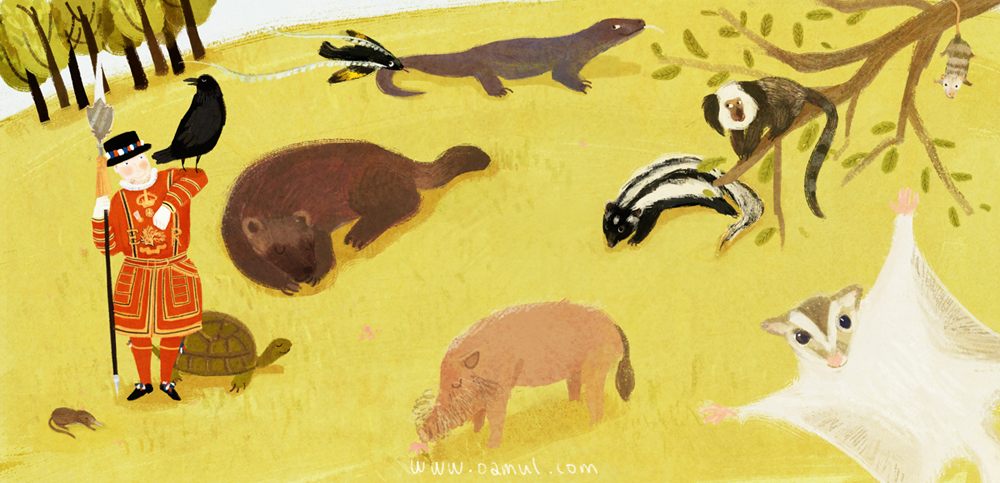
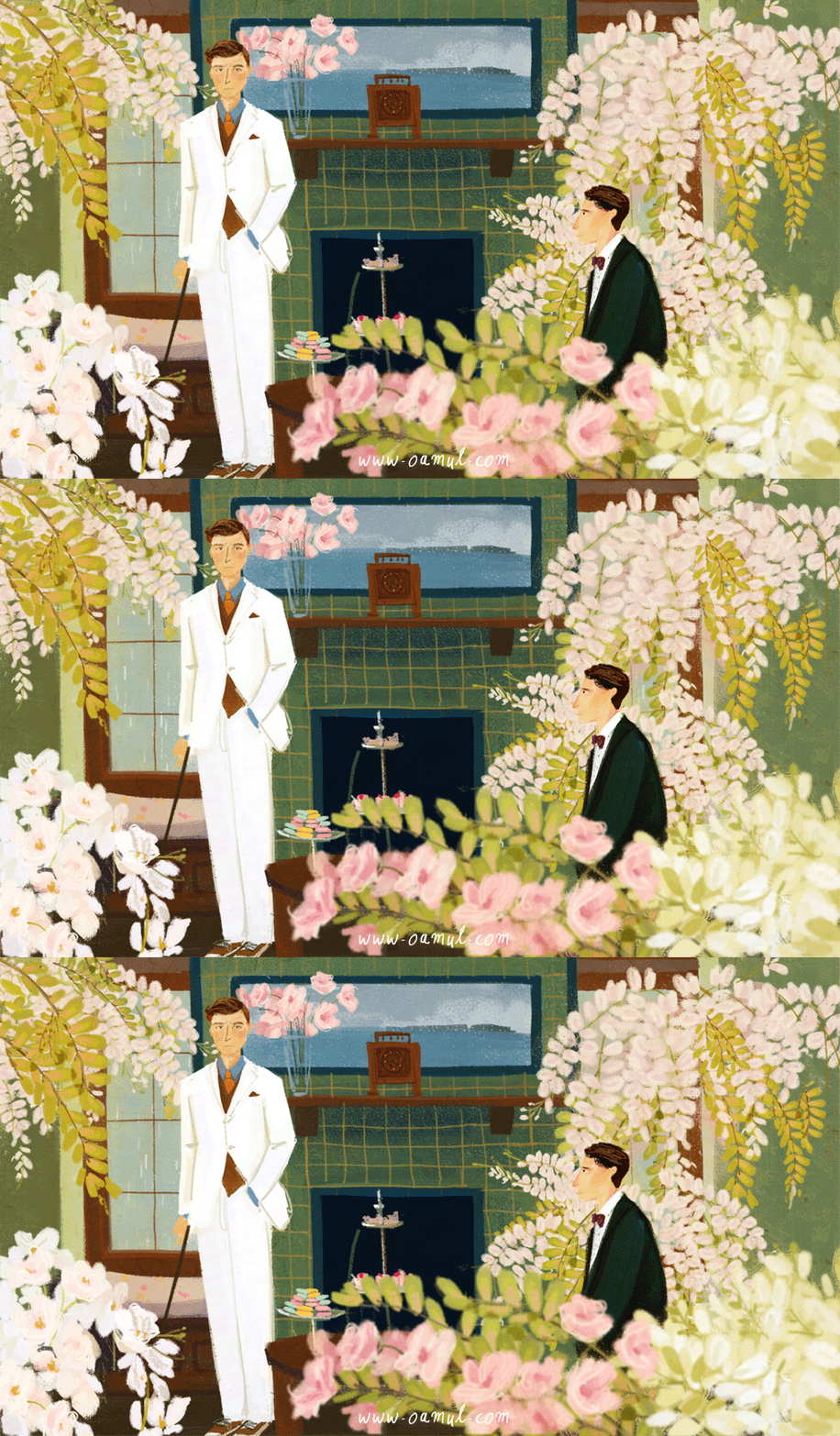
    Oamul Lu is a Chinese illustrator whose colourful, adorable drawings and animations have been shared all over the internet in the past few months.

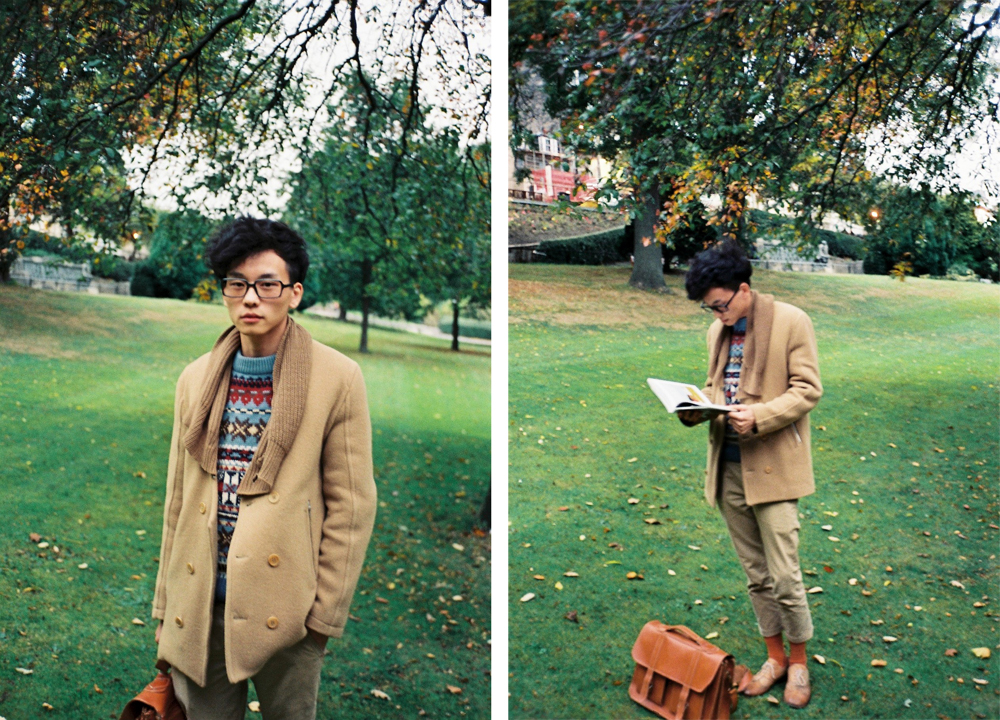
    We were lucky to meet Oamul during his recent trip to the UK a couple of weeks ago. He had just arrived in Edinburgh after spending a few days in London and was ready to explore the Highlands and find some new ideas for his work.

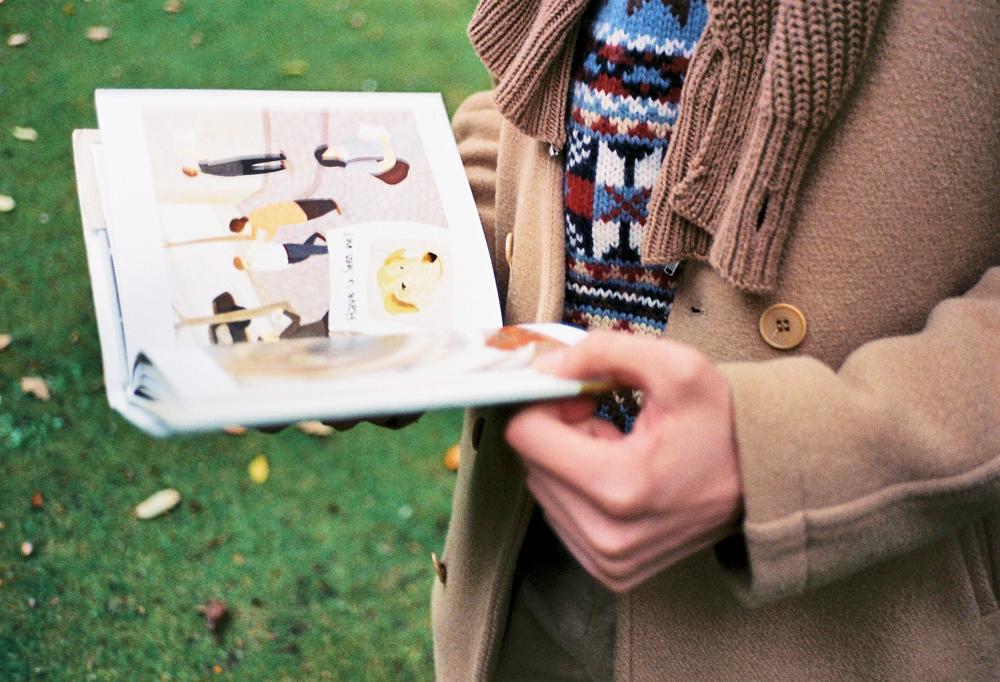
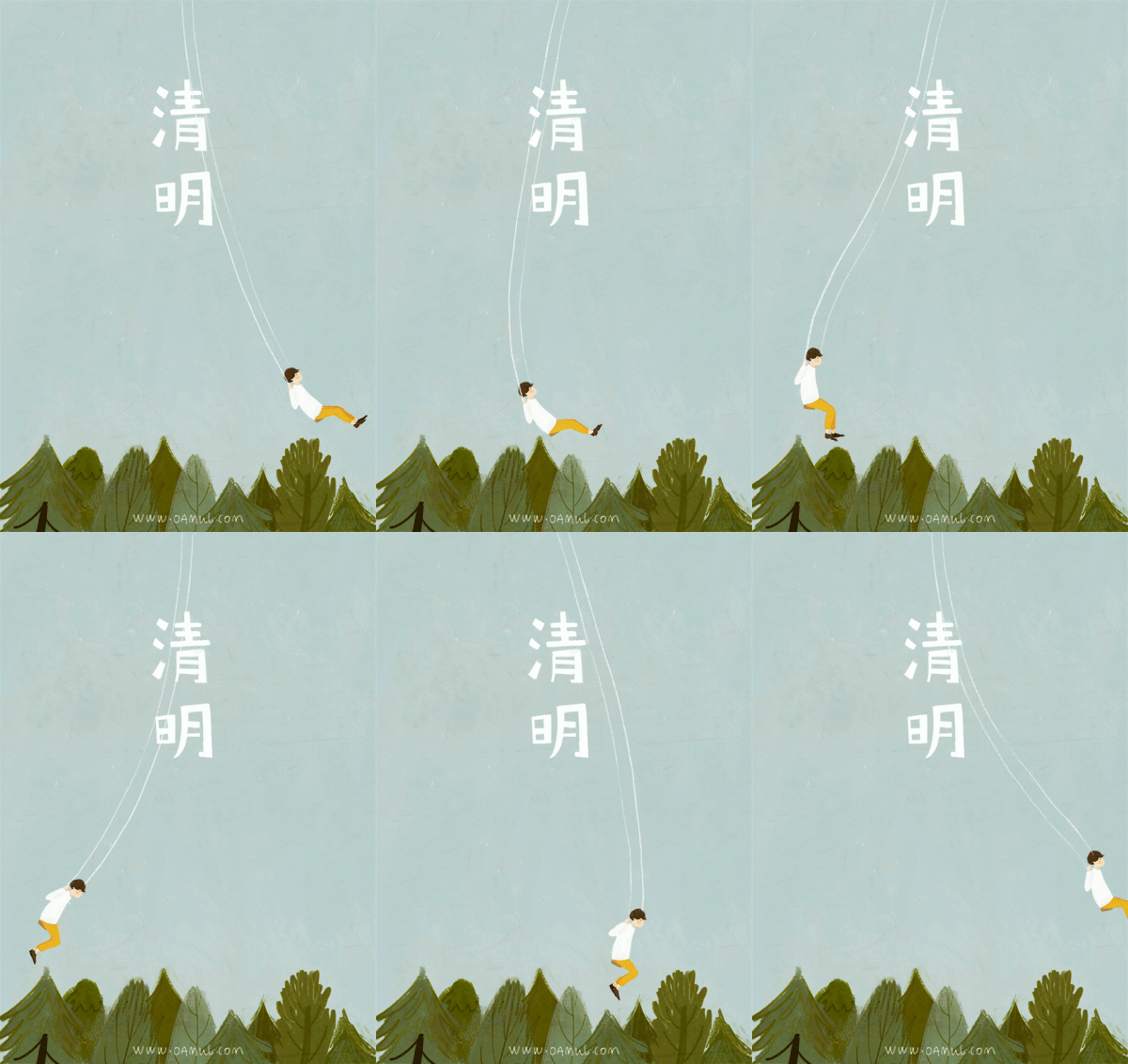
    During our meeting, Oamul told us about his main inspirations, took us through the Chinese tradition behind his project “The 24 Solar Terms
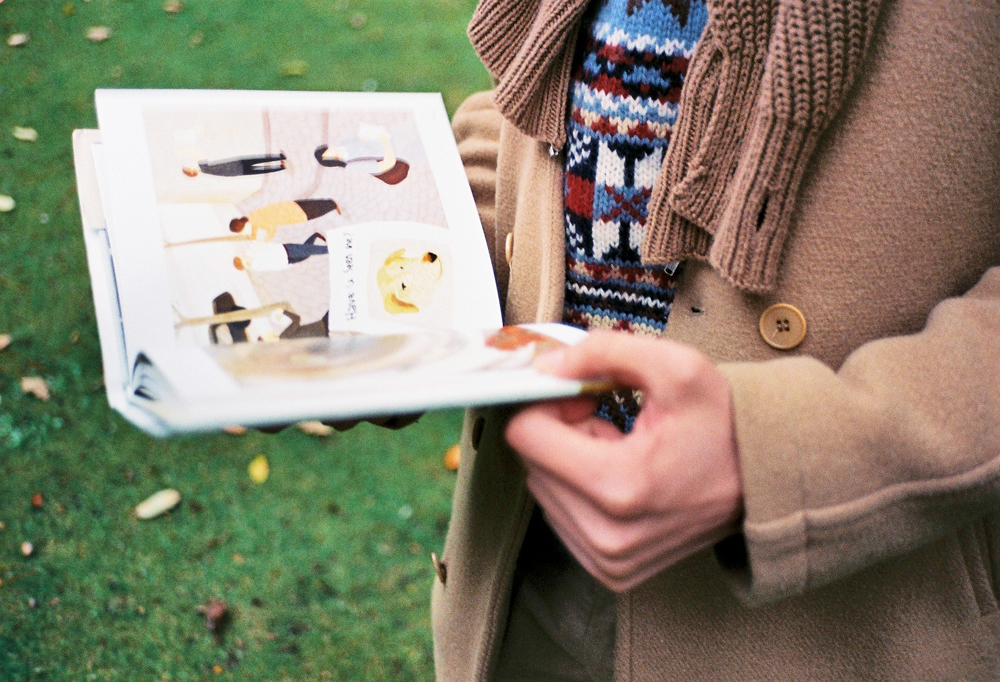
    and showed us his first book, “I Found a Star“, which he’s planning to publish in English really soon. We also asked him a few questions to find out more about his work.

    What are the main inspirations in your work?

    I think everything I see in my life is an inspiration, including this recent journey.

    You do a little bit of everything: GIFs, animations, paintings… what do you enjoy doing the most and why?

    I like all these formats to present my ideas, I think they are all connected somehow. When I draw a painting I want to make it more lively and that’s why sometimes I turn my illustrations into GIFs. After that, I also hope they can become longer animations with a whole story behind them.

    Could you name a few artists you like?

    Two of my favourites artists are Van Gogh and Oliver Jeffers.

    What has been your favourite thing from your trip around the UK? Do you think this trip will influence some of your future work?

    I really liked all the galleries and exhibitions. I also went to see the musical “The Lion King” and it was really interesting and moving. Of course, I was also impressed by the delicious desserts and the beautiful scenery. This trip has had a great influence on me and I’m really eager to create some illustrations inspired by this lovely country.

    www.oamul.com

  • Photography: A Life Transformed

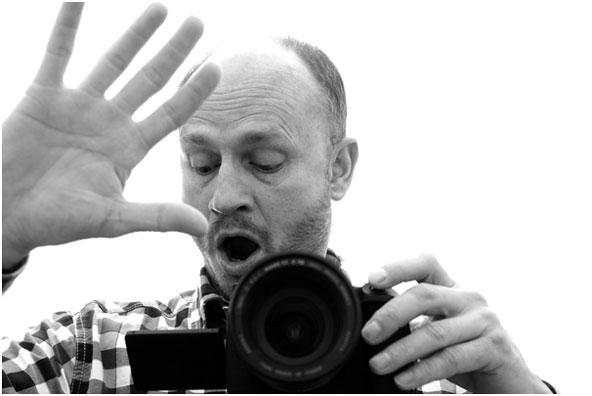
    Starting out as a photographer can be a long road. In the beginning, you have a sense that it’s all about the shots and the angles. But later you discover, as you grow in experience, that it’s also about your aspiration and dreams – the stuff of life itself.

    Here are some of the ways that photography helps to transform your life and the lives of others.

    You Experience All Four Seasons In All Their Colours


    Public Domain Pictures

    For many people seasons, come and go without much feeling that they’re connected to the real world. The sun might be shining, or it could be snowing, but many are cooped up in air-conditioned office blocks, viewing the changing natural world around them from afar.

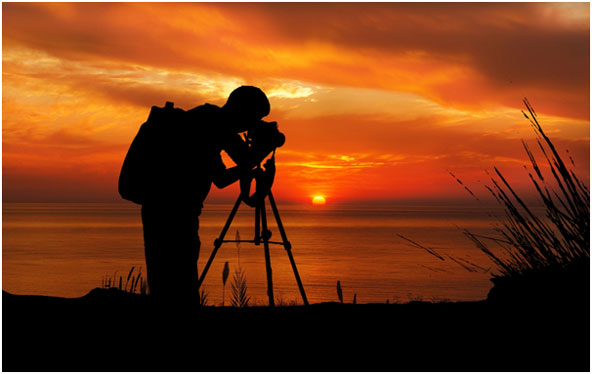
    Photography can change all that. It’s your opportunity to leave the world of cities and streets behind and venture out to discover the true beauty that the seasons can bring. Photographing nature as it goes through its annual cycle gives you the opportunity to reimagine the same scene in numerous different ways, from the changing colours of the leaves to the way the evening sun hits the lakes and mountainsides.

    You Can Tell A Story

    One of the reasons people go on photography courses for beginners is that they want to develop the skills which will allow them to tell stories. Writing down what you’ve done in a journal is never going to be as effective as shooting real images and posting them on your blog. Although you might be able to convey a sentiment in a couple of sentences, nothing quite allows you to recreate your life as well as a few well-timed snaps.

    At the same time, it’s important to protect the equipment that makes your storytelling possible. Cameras, lenses, and lighting gear are valuable and often used in varied and unpredictable settings. Therefore, having reliable photography insurance ensures your tools are covered against theft, accidental damage, or loss. This coverage allows you to focus on capturing stories confidently without worrying about unforeseen setbacks.

    You Can Make Others Feel Good


    Pixabay

    There’s a reason social media platforms, like Instagram and Pinterest, are so popular: they make people feel good. We’re visual creatures, and we respond most strongly to visual inputs – more than just writing a post.

    What’s great about photos is that you can show to people what they have to be happy about in their lives, be it their pets, their loved ones, or even their possessions. Taking a picture of someone allows them to see the good in their life.

    You Can Help Those In Need


    Pixabay

    One of the great things about photographs is their power to get attention. As a photographer, you can take pictures that can literally change people’s fortunes and turn their lives around.

    Take charities, non-profits and “high impact” organisations. To do their work, these organisations rely on getting money from other people. But, of course, there’s only so much charitable money to go around. And so how do they compete? By enlisting great photographers, of course.

    Photography has a way of connecting with people that no other mode of communication does. People react to the suffering depicted in images for more viscerally than they do the suffering described in text and are, therefore, much more likely to open their wallets and make a donation.

    Photography isn’t just something that you learn. It’s a way of life, and it can have a significant impact on the people around you.

  • Places: The Newsstand

    Places: The Newsstand

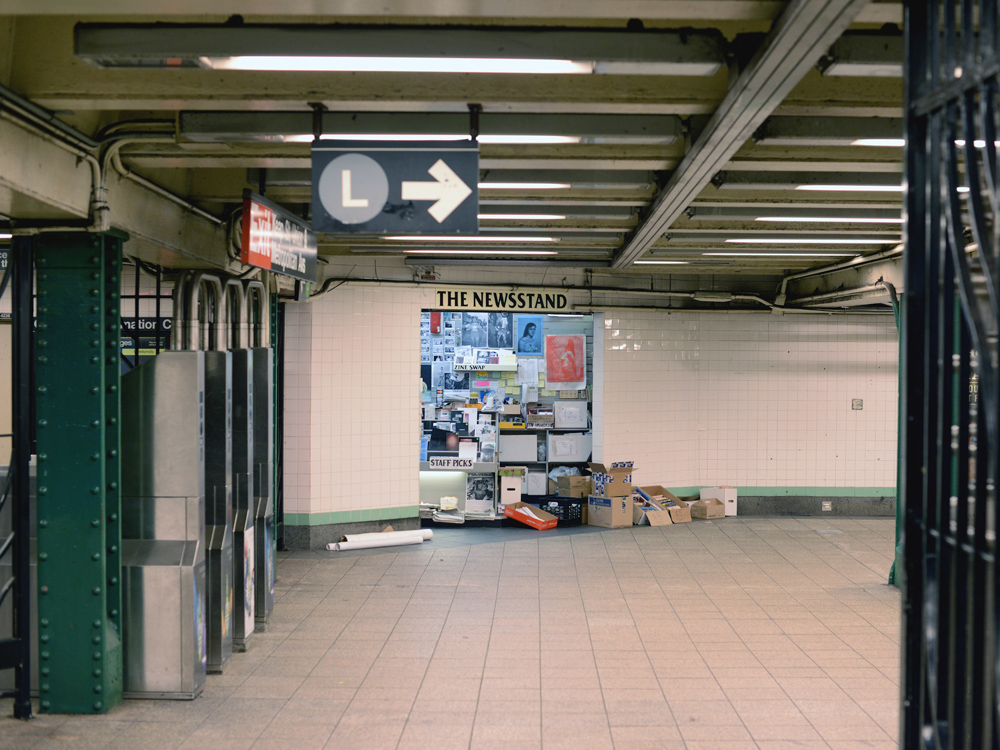
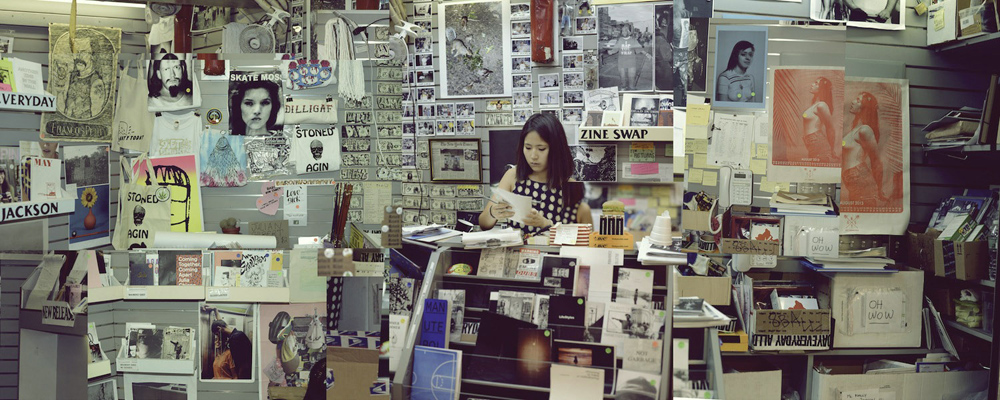
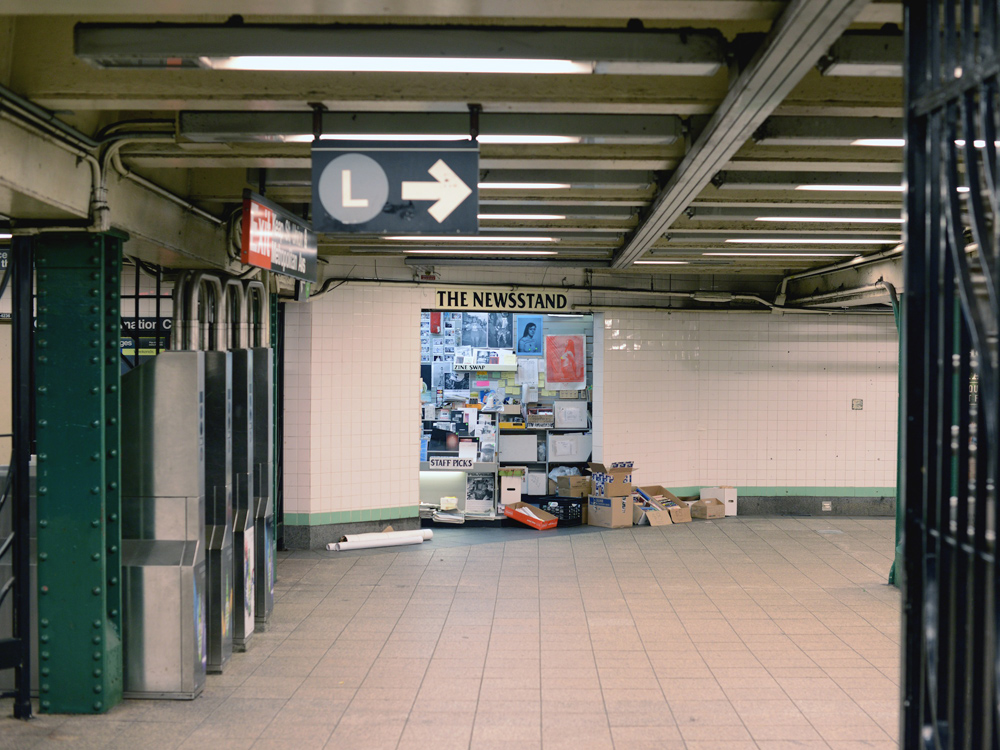
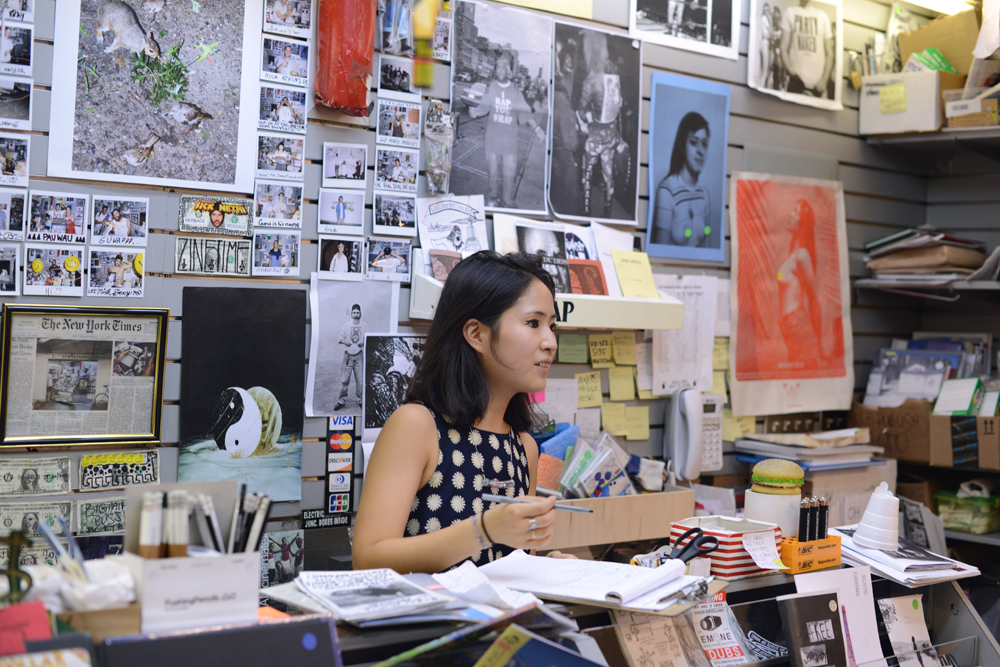
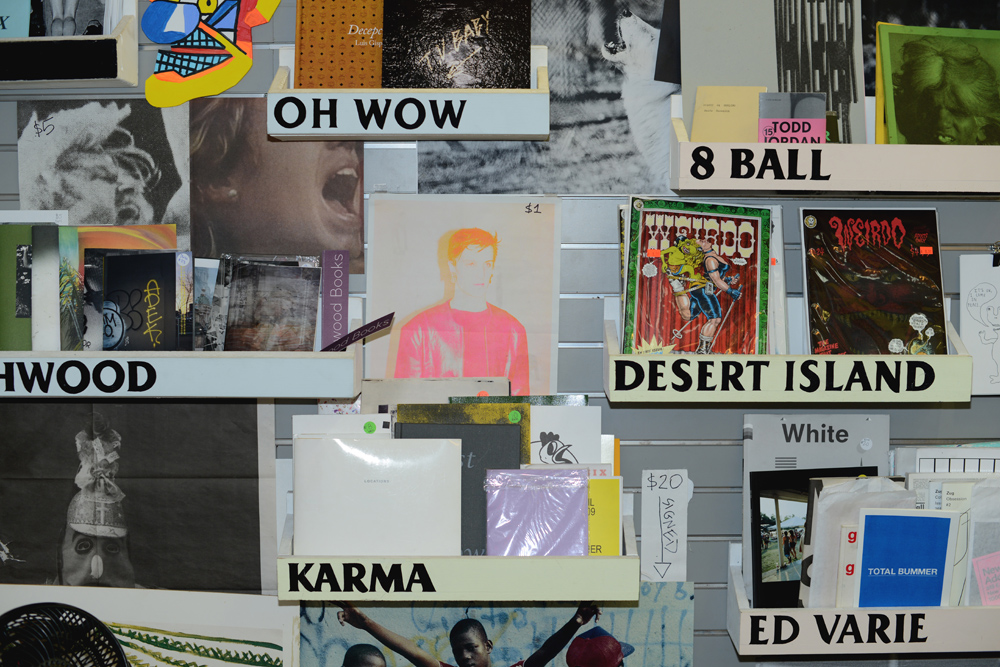
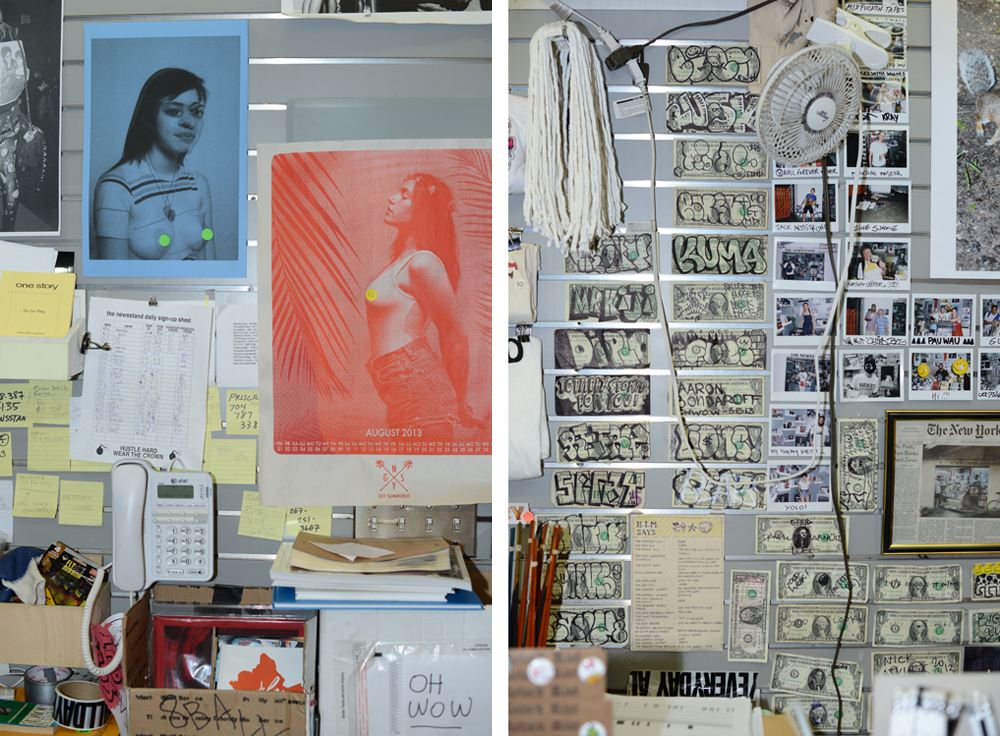
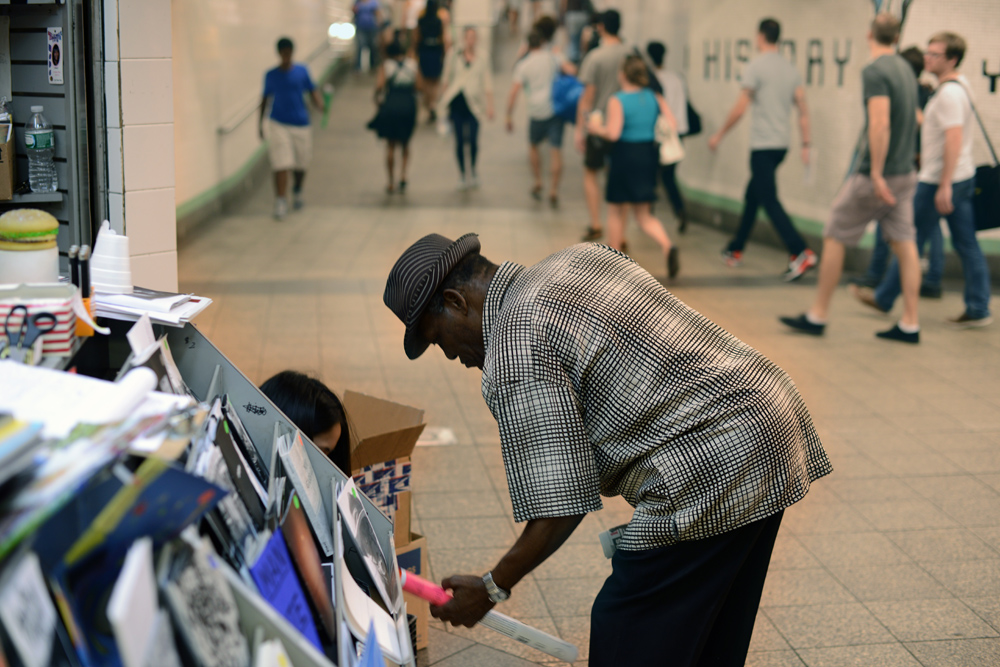
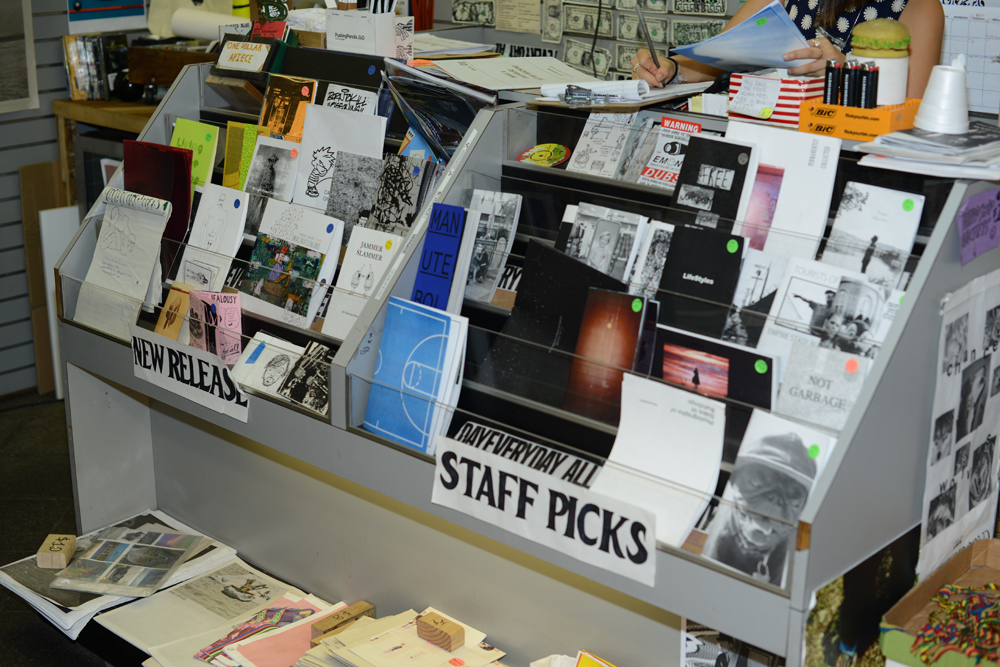
    The Newsstand is a project by creative company ALLDAYEVERYDAY. Since June 15 and until September 30, the newsstand in the Metropolitan subway station in Williamsburg, Brooklyn is being utilised as a venue for independent publications curated by Lele Savari of The 8-Ball Zine Fair.

    The Newsstand stocks titles from independent publishers around the world, including names like Desert Island books, Hamburger Eyes and Pau Wau Publications, as well as a selection of Brooklyn-made food and drink choices.

    To find out more about this innovative initiative, our contributor Charlie Rubin rode the subway to the intersection of the G and L trains to document this temporary space.

    Photos by Charlie Rubin

    www.alldayeveryday.com/thenewsstand

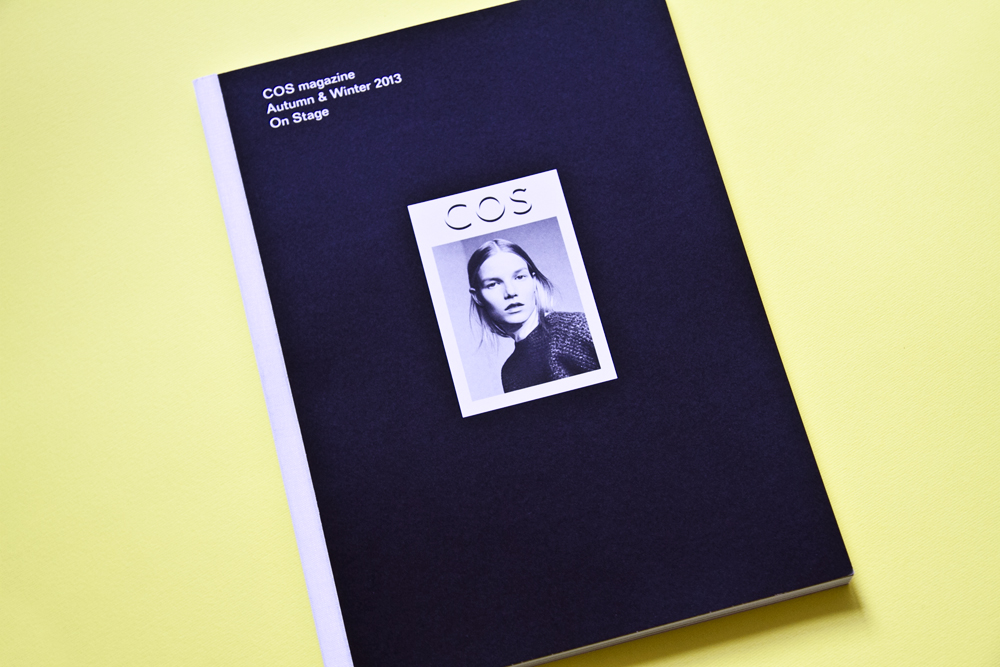
  • Bookshelf: COS Magazine

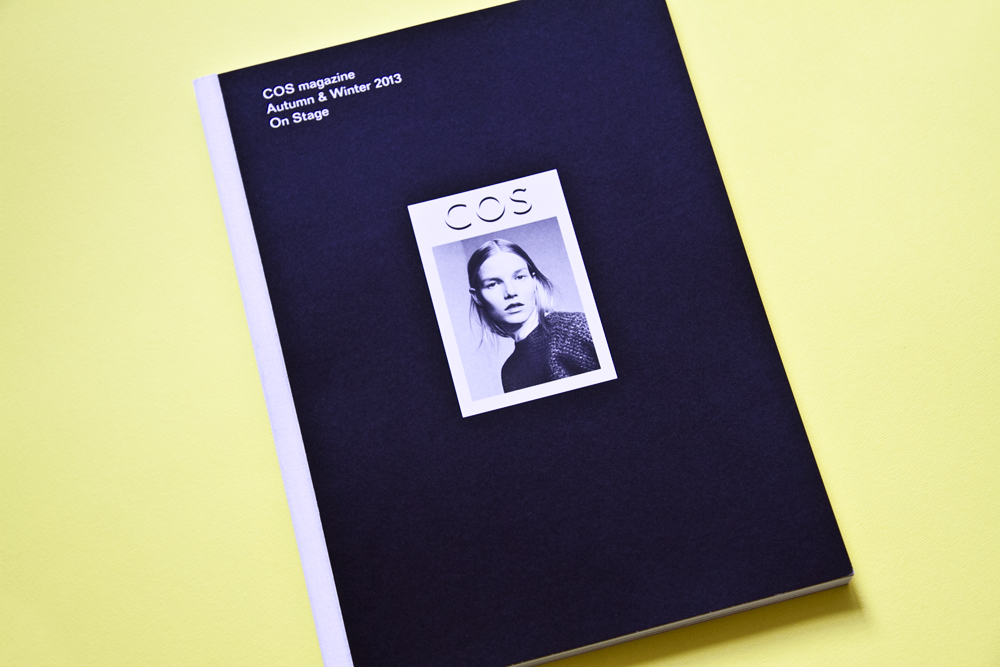
    Bookshelf: COS Magazine

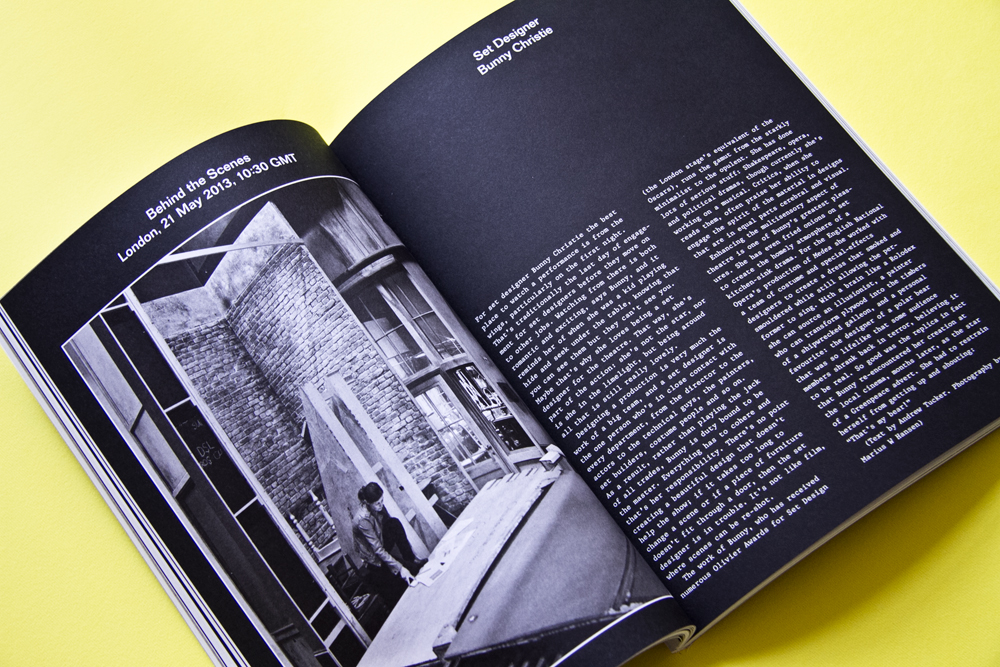
    Last week, we picked up the newest issue of COS Magazine. The 13th issue is edited by Gert Jonkers and Jop van Bennekom – the founders of cult publications Fantastic Man and BUTT – and celebrates the power of performance and the art of preparation.

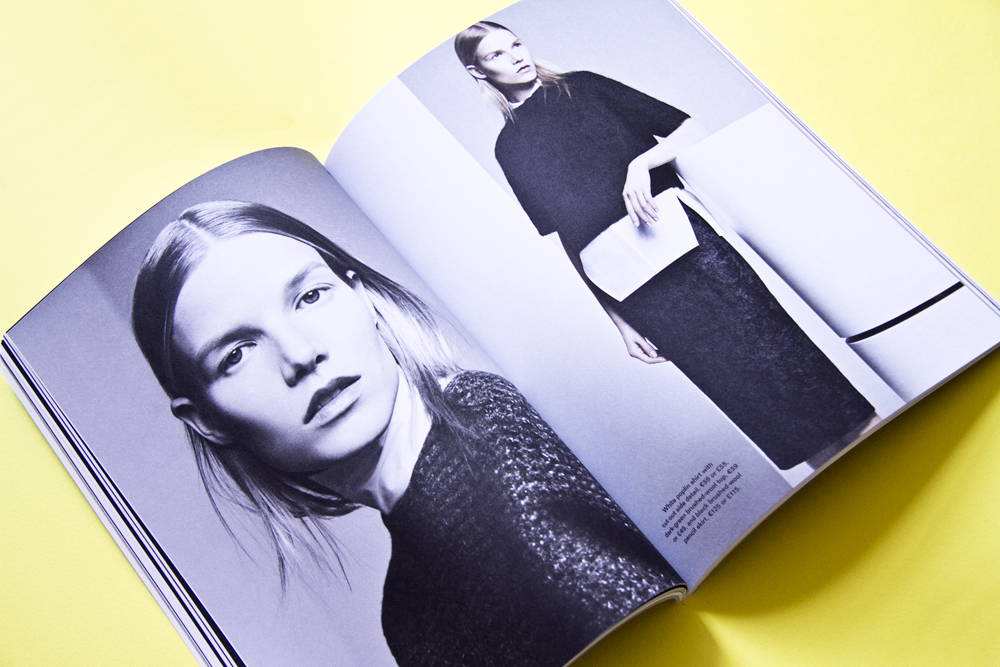
    Presenting a new format, this issue is divided into 15 different pieces and features interviews with the likes of Austrian artist Erwin Wurm and Serpertine Gallery’s director Julia Peyton-Jones, photo essays by Qiu Yang and Michael Kohls, and fashion editorials featuring pieces from COS Autumn/Winter 13 collection.

    COS Magazine is distributed for free across the label’s stores and is also available online at: www.cosstores.com 

  • What is Pop Art?

    In the 1950s, popular culture went through a revolution. Not only did the decade witness the rise of television and give birth to rock n roll, it was also the decade that fine art went commercial. This art movement is known as Pop Art – you’ve probably heard of names like Andy Warhol and Roy Lichtenstein and seen many of the famous works such as Warhol’s Campbell’s Soup Cans.

    However, pop art was more than simply trendy art. It was a representation of the times and provided a counterculture to everything that had come before it. Celebrating the objects and familiar faces of everyday life, it stood against the mythology and grandiosity of traditional fine art. And whilst embraced commercial aspects of product advertising and Hollywood, it was just as much poking fun of these things as it was idolising them.
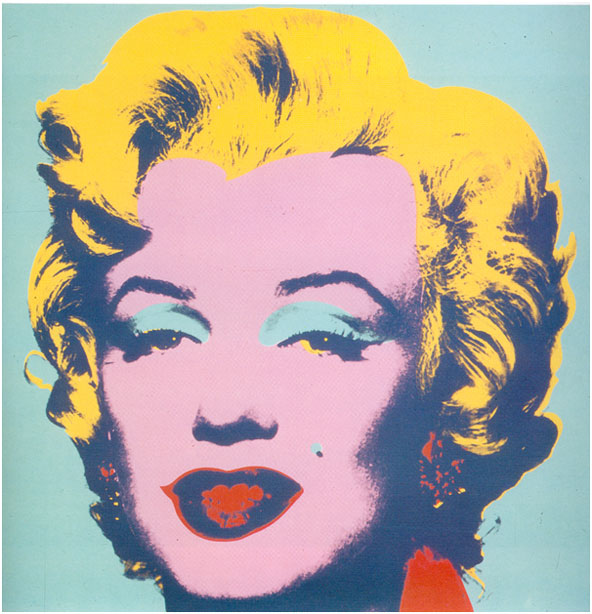

    Image Source

    The central themes of the movement

    Pop art aimed to blur the lines between high-brow and low-brow culture. Whilst the likes of Roy Lichtenstein made artwork in style of comic books, the likes of Richard Hamilton created collages out of advertisements and pulp magazines.

    Much of pop art is based on irony and could be seen as being the first wave of post-modernism. It deliberately made use of mundane objects and used repetition. Meanwhile, whilst previous art had almost always had a moral message behind, Pop Art went against morality displaying emotional scenes with a sense of comical ambivalence (for example, Roy Lichtenstein’s ‘Drowning Girl’ in which the caption famously reads ‘I don’t care! I’d rather sink than call brad for help’). Today’s contemporary artists might not have a pop art style, but they’ll certainly have taken some inspiration from the artists behind some of the most famous pieces, and it’s interesting to see how they’ve used those ideas to create something new.

    Product labelling and logos of the 1950s feature highly in Pop Art. Many works made after the 1950s have paid homage to this time by continuing to use imagery from this era.
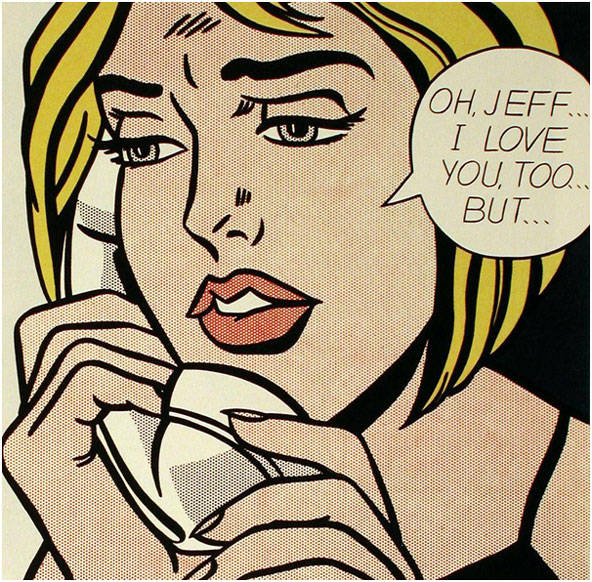

    Image Source

    The biggest names in pop art

    Andy Warhol remains one of the biggest names to date. His most famous works are his prints of soup cans and celebrities such as Marylin Monroe. He would take these items and put them in repetitive patterns. It was a statement on mass production and how art is now viewed as a commodity. There’s a double-irony to much of Warhol’s work – the prints were in some respects mocking the way we consume art, and yet they have become so mass-produced and commercialised themselves. Warhol himself embraced this irony.

    Across the pond in the UK, Richard Hamilton is one of the more revered artists of the Pop Art movement. His most famous piece ‘Just What Is It That Makes Today’s Home So Different, So Appealing?’ was a collage that critiqued domestic life featuring cuttings of household products and bodybuilder and burlesque dancer to symbolise the perfect household couple. He kickstarted the trend of using magazine advertisements in Pop Art.

    Roy Lichtenstein is famous for his comic-based art pieces. He deliberately blurred the lines between high and low art questioning whether art had to have a moral message at all. One of his most famous works is ‘Whaam!’ which is a cartoon of a jet shooting down another plane. It put the context of war into a comical setting that questioned how trivial war imagery had become.

    David Hockney emerged in the 1960s and is another big name from the movement. His works experimented with suburban scenes, often changing his artistic style within each painting creating a jarring blur or realism and surrealism. Hockney’s ‘Splash’ is the best example of this aesthetic – the splash is painted in loose and natural detail, whilst the house and pool in the background are contrastingly geometric and plain.

    Other famous artists from the movement include Robert Rauschenberg, Eduardo Paolozzi and James Rosenquist.

    The best places to see Pop Art

    Most contemporary art galleries around the world contain works of Pop Art. However, there are some galleries in which the greatest of these works can be found.

    The Tate Modern in London contains several famous works of Pop Art, including Roy Lichtenstein’s ‘Whaam!’. In 2013, an entire exhibition was held in celebration of the artist’s works, information of which you can read here http://www.tate.org.uk.

    New York’s The Museum of Modern Art also contains some key pieces such as Jasper Johns’ ‘Flag’ and of course Andy Warhol’s ‘Campbell’s Soup Cans’. You can read here for more information of Pop Art pieces found at this museum: https://www.timeout.com.

    The Andy Warhol Museum in Pittsburgh meanwhile is the largest gallery dedicated to a single artist, containing 900 of his paintings, 100 sculptures and over 4000 photographs, as detailed here: https://hamiltonselway.com/. The museum also delves into the artist’s personal life, giving an insight into the artist’s influences and his own personal interpretations of his work.

    The influence of Pop Art

    Pop art has had a huge influence in all areas of modern life from entertainment (have you ever wondered how much do ice sculptures cost?) and fashion. It symbolised the beginning of celebrity worship, whilst also critiquing it. Its use of irony also directly led to postmodernism – deconstructing everything that had come before it.

    There are many modern artist’s today still pushing pop art forward such as Kevin Cherry, whose work uses elements of 60s pop art whilst incorporating digital art from the internet age. Mario Wagner similarly uses 50s iconography and combines it with elements of digital culture.