Category: Art

  • How Businesses Can Support Art In Their Local Communities

    The business world can often look down upon creative industries. Some people still see the arts as a waste of time or more of a hobby than a proper career. In reality, businesses depend on creative minds and artistic beings more than they realise. 

    Instead of looking down on the creative industries, businesses should try and support local art in their community. If you run a business that’s keen to help celebrate the best art in your area, then here are a few things you can do:

    Image source (CC0 Licence)

    Sponsor events

    Local creatives are always hosting events to display their work. This ranges from galleries to display art, all the way to small concerts to show off new music. The problem a lot of people have is that they can’t get enough money to put on these events. As such, they don’t end up marketing them as much as they’d like, so the crowds are small. Local businesses can start sponsoring events to help out creative people. Donate some money to their cause, and use your brand power to advertise for them. By working together, you can create a bigger crowd and get more of their work into the public eye. 
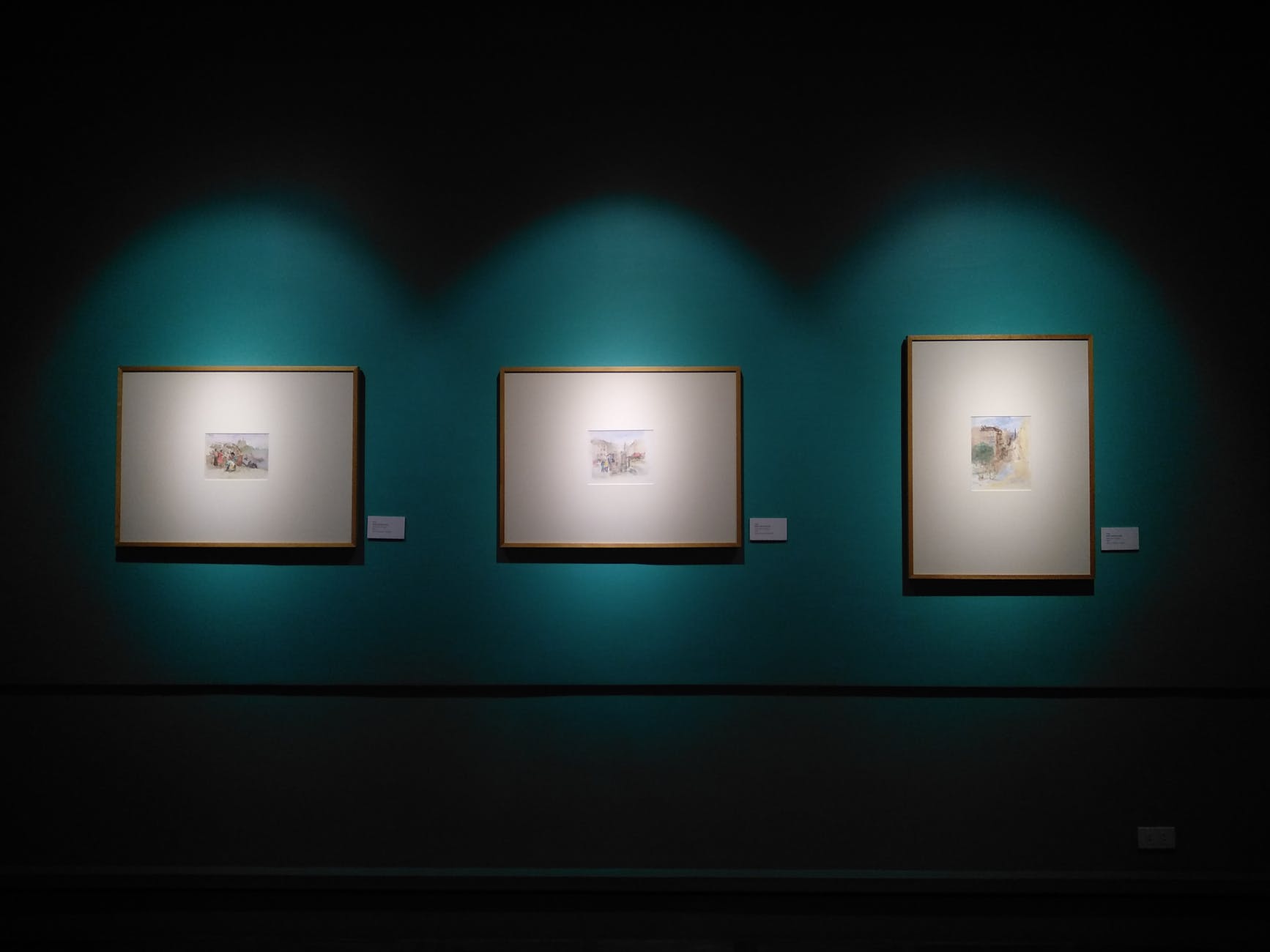

    Image source (CC0 Licence)

    Host events

    Alternatively, you could be the host of a creative event. If your company has the means and resources to put on an event, then lend your services to those that need it. For example, if you’re the owner of a local hotel, you can afford to offer space in a conference room or eating area to hold an event. Again, you can help generate more hype around these events and advertise them to your customers. This grows bigger crowds for creative people in your local community, making their talents more well-known. It also benefits your business as people that attend these events will end up on your premises and can see your branding everywhere. Effectively, you’re raising brand awareness while also raising awareness for the local creative industries!

    Buy & display their work

    Finally, you can give them a massive helping hand by purchasing and displaying their work. This is particularly useful if you want to help some aspiring artists in your local community. Buy their art, then hang it around your business premises. As a result, you support them financially, but you also promote their work. Customers may see the art and be really taken in by it. So, they ask you where it’s from, and you direct them to the local artist you bought it from. Therefore, they can grow their brand and make more money. 

    The same goes for other types of art as well. If you know a local musician, then buy their albums and stream the music over the speakers in your workplace. This works really well in retail stores or cafes! Purchase sculptures or models from local talent and put them in your place of work too – the opportunities are endless. 

    As you can see, businesses can support art in their local communities with ease. The chances are you will receive help from someone in the creative industries at some point. Whether this is through designing your business logo or creating adverts for your company, it doesn’t matter. What matters is that you show them love by offering support in various ways. 

  • Antonio ‘Tj’ Guzzardi by Tatanja Ross

    Antonio ‘Tj’ Guzzardi by Tatanja Ross

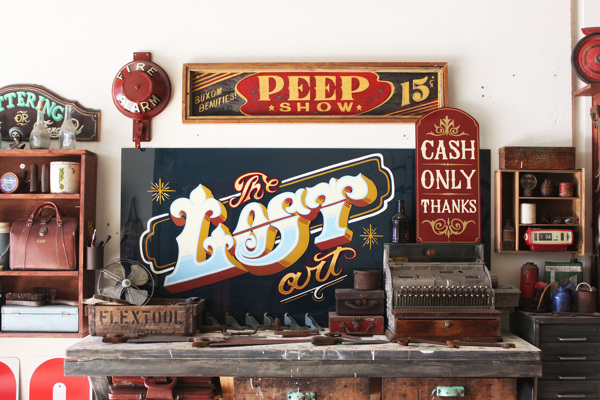
    As big fans of exquisite hand-lettering and vintage-inspired typography, we were instantly smitten with the photos of the Melbourne-based studio of traditional sign painter Antonio ‘Tj’ Guzzardi.

    The images were taken by Tatanja Ross for her Tête-à-tête series, which she started as part of a publication project at university and since then it took on a life of its own. The general idea of the book was to create a catalogue of creative spaces around Melbourne and give an insight into the lives of their owners through the aesthetics of their spaces.

    The name Tête-à-tête came from the idea that Tatanja was visually creating a private conversation between these people and the space they surrounded themselves by, as well as a small conversation with her as she got to meet them and photograph their areas. She visited homes and studios, with a range of participants from students to freelance artists and small working studios.

    Don’t forget to check Tj’s blog and Instagram to see some more of his amazing work and keep up to date with his projects.

  • This Is The Perfect Year To Do Something Bold

    This Is The Perfect Year To Do Something Bold

    New Year resolutions are often broken early on in the year; in fact, many of us who made a resolution at the turn of the year will probably have already at least bent – if not entirely broken – it. That’s not so much a comment on our strength or weakness as human beings, and more on the simple fact that giving things up is more complicated than just deciding to do it on a set date. It’s about being ready, and having the support, to actually stick to it.

    Pixabay – CC0 Licence

    It could be argued that taking the turn of the calendar as a good time to stop doing something is a bad idea – there is no benefit from attaching an arbitrary time frame to a decision like that. On the other hand, another year can offer the best trigger to get you to start doing something. This year more than any other really makes that point all the clearer. One way or another, there is going to be more time in lockdown this year, and at the end of it all we’re going to face a world radically changed from before the pandemic. So there’s no better time to add a new string to your bow – for employment purposes or just for your own enjoyment.

    Pick a new language to learn

    There is a lot to gain from upskilling on the language front. You can get the best from overseas holidays (when we start having those again, anyway!). You can increase employment prospects and give your business a boost. Aside from these reasons, learning a language is fun in itself and also can open up a new world of cultural delights for you. You can gain an understanding of Korean and better enjoy the expanding K-pop and K-drama scenes, or maybe brush up on your French; building on an existing understanding can be fun and more simple.

    Get a handle on digital art

    If your self-improvement goals are in any way business-oriented, then it is always useful to find a way of expanding your own abilities. You may be a solid salesperson or gifted in procurement, but if you want your business to catch people’s eyes you need to know how to sell it. You can gain an understanding of the visual side of this by seeking out a beginners photography course and gaining an appreciation of how to take more outstanding photos. Even if your goals aren’t business-related, photography is a hugely relaxing pursuit.

    Get into volunteering

    There is never a bad time to give something back to society, and there are going to be plenty of opportunities to do precisely that as we wait for the world to get back to something resembling normal. There will, without a doubt, be opportunities for voluntary projects near to you, and it is worth looking for a chance to get involved. In some cases, these projects will require that you be vaccinated before they’ll let you start, but if you haven’t been immunised yet there will be opportunities for volunteering from home, too. Volunteering is an excellent chance to meet people and gain new perspectives, and if you want to help people as a living in future it is a great place to start.

  • Bookshelf: Métier, Small Businesses in London

    Bookshelf: Métier, Small Businesses in London

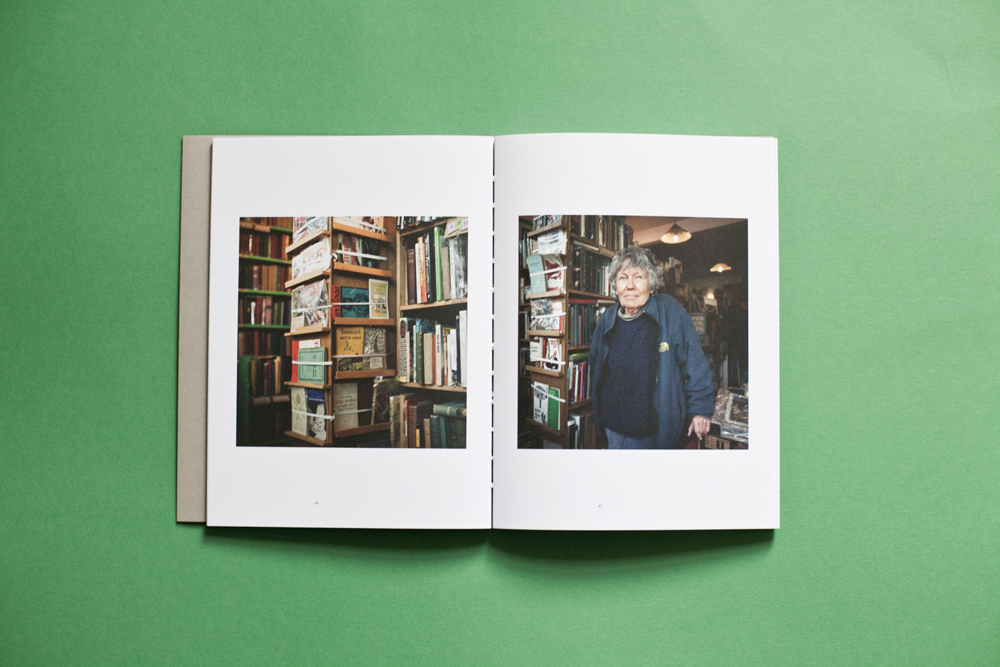
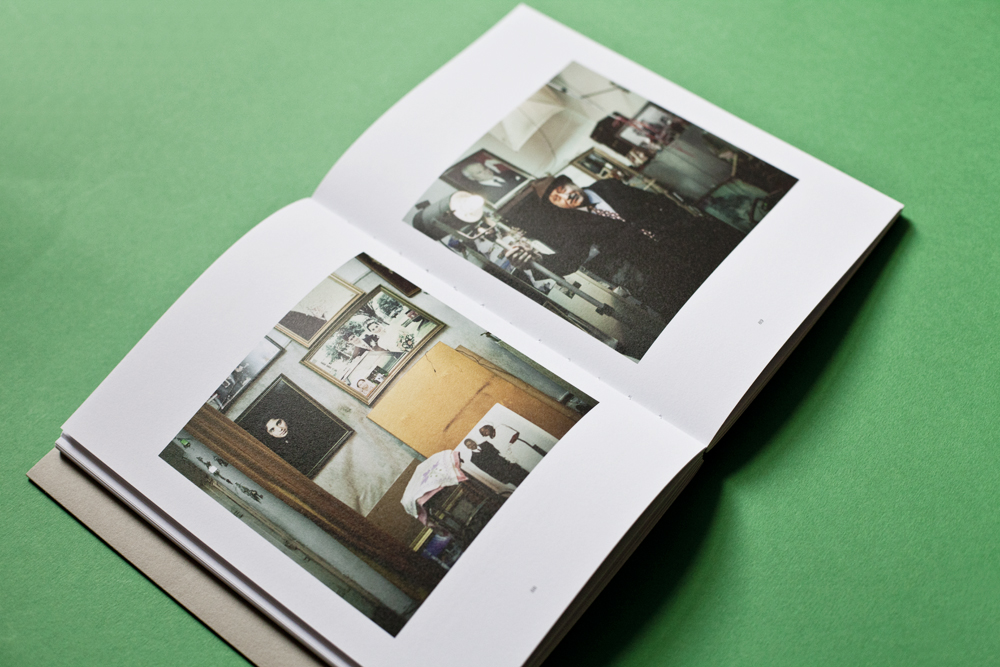
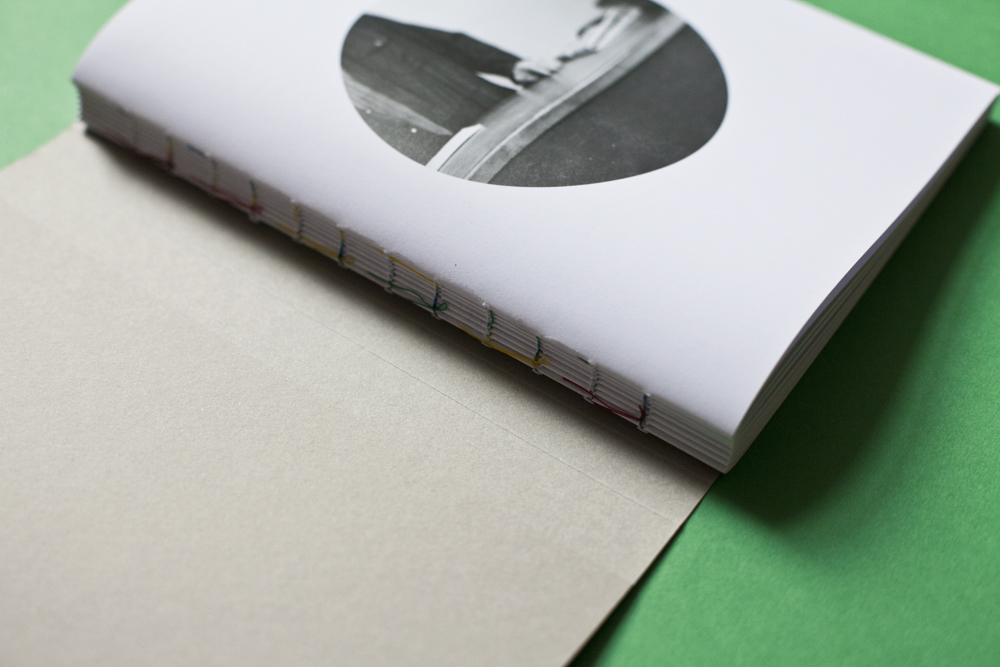
    Métier, Small Businesses in London, is a book by Laura Braun about small-scale independent and specialist businesses in the capital and the people who run them. In a time when the high streets of London are taking on a more and more corporate character, this book offers an unusual and interesting perspective on the city and an insight into the working lives of people who strongly identify with their occupation.

    The book was published by Paper Tigers Books – an independent publisher of limited edition artists’ books also founded by Laura in 2011.

    Read on for our short interview with Laura where she tell us about the process of creating Métier and what interested her in small businesses in the first place.

    The book was 6 years in the making – could you please tell us about the process of creating Métier? 

    LB: I started the project in 2007 really not thinking that I’d be working on it for 6 years. I wanted to add some more portraits to my portfolio and on the look-out for interesting sitters I stumbled upon this project about small businesses and the often very passionate and a little eccentric people who run them. Early on in the project The Photographers’ Gallery in London commissioned me to photograph a few businesses in Soho as part of their Soho projects when they were moving the gallery from Covent Garden to Soho. Those photographs became part of Métier as well and over the years I just kept adding to the project slowly whenever I came across another interesting business. I never set out to create any kind of index of London businesses. I found them all by chance, by walking around, through recommendations from friends and people who knew about my project and quite a few just because I needed their products or services. So the selection in the book is very personal. It’s to do with my interests and the parts of the city that I move around in my daily life.

    What interested you in independent businesses and their owners?

    LB: I spent a bit of time with each of the people in the book. I got to know them a little and heard how they ended up doing what they do. I don’t want to romanticise them. Their day to day lives are often difficult and of course also very mundane. Nonetheless for the most part they have a strong personal connection to the work they do. Their biographies are very closely intertwined with their profession or their business. The people are shaped by their work and the work and workplaces are shaped by the people in a way that is more and more the exception in our current corporate consumer landscape. The people running such small businesses have knowledge and often manual skills which you don’t find in employees of many large companies who are just much less personally invested in their work.

    Again, without disregarding the down sides of running a small business on one’s own, over all, how the people in this book engage with their work, seems to me in many ways preferable to the kind of career focus that is common in a more corporate environment.

    Also I think this small commerce, where a real exchange takes place, is really important for the life of this city, London, – and by extension any other place where people live. It’s what distinguishes one street from another, one area from another… I wanted to show and celebrate this.

    Métier – Small businesses in London is available directly from the publisher as a numbered edition of 500 for £18.

    www.papertigersbooks.com

  • Website: Cinemargentino

    Website: Cinemargentino

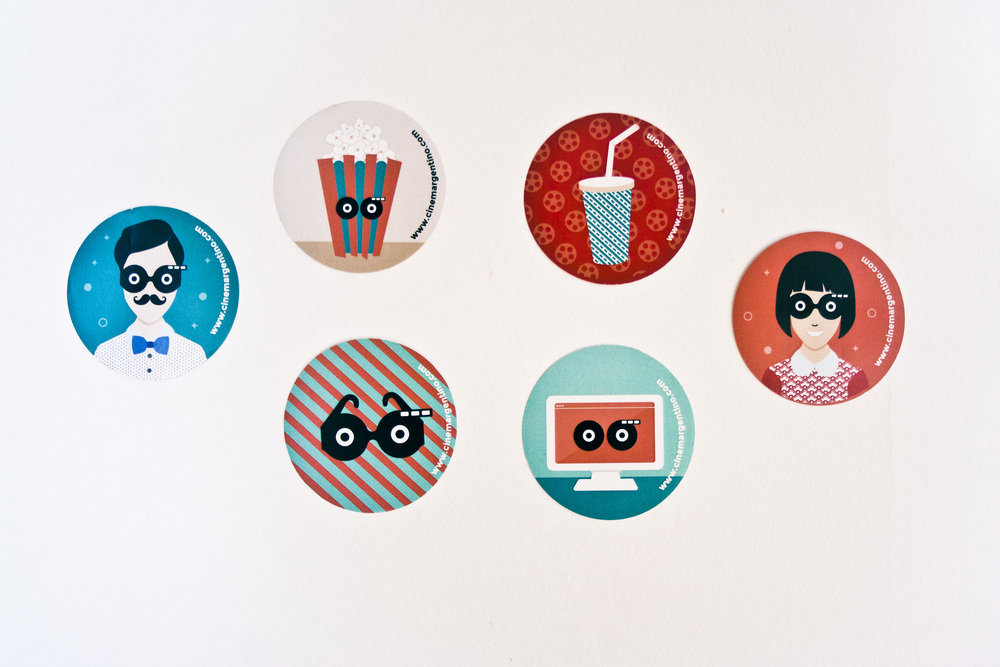
    Cinemargentino is a non profit video library of Argentinian movies founded by Rita Falcón and Martín Ramos Mejía. The platform allows users to stream movies for free and its goal is to make independent films available to the broadest possible audience, once they have been premiered in film festivals and then completed the commercial exhibition circuit. The films in the Cinemargentino’s catalogue are quite difficult to come by once they abandon this official circulation. 

    In the Fiction section a couple of titles like (How) to be dead by Manuel Ferrari and Bellville by Grupo Hexágono brought our attention so far.

    In the documentary section you can find titles like Brides – Godmothers – Sweet 16, a film about The Levy brothers portraying their life in a silk shop located in Buenos Aires, or Mono – an experimental documentary about a renovation in the Argentinian musical scene. 

    www.cinemargentino.com