
Author: Igor

  • Interview: Urbanears

    Interview: Urbanears

    Urbanears is a collective out of Scandinavia founded by Norra Norr, a Stockholm-based industrial design consultancy, and Zound Industries. Created in 2009, Urbanears, has changed the way we look at personal electronics.  

    The Urbanears headphones are made of coloured plastic, steel with aluminium detailing and handmade drivers. They are treated with a rubber coating that gives the headphone a matte look and a smooth feel. The headbands and cables are textile rather than plastic, making the products look and feel more like a fashion accessory rather than a mechanical product. The branding on each model is minimal and the overall design remains true to the Scandinavian design heritage.

    We had the amazing opportunity to speak to Marcus Rudbäck, who is the design director and co-founder of Zound Industries and part of Norra Norr.

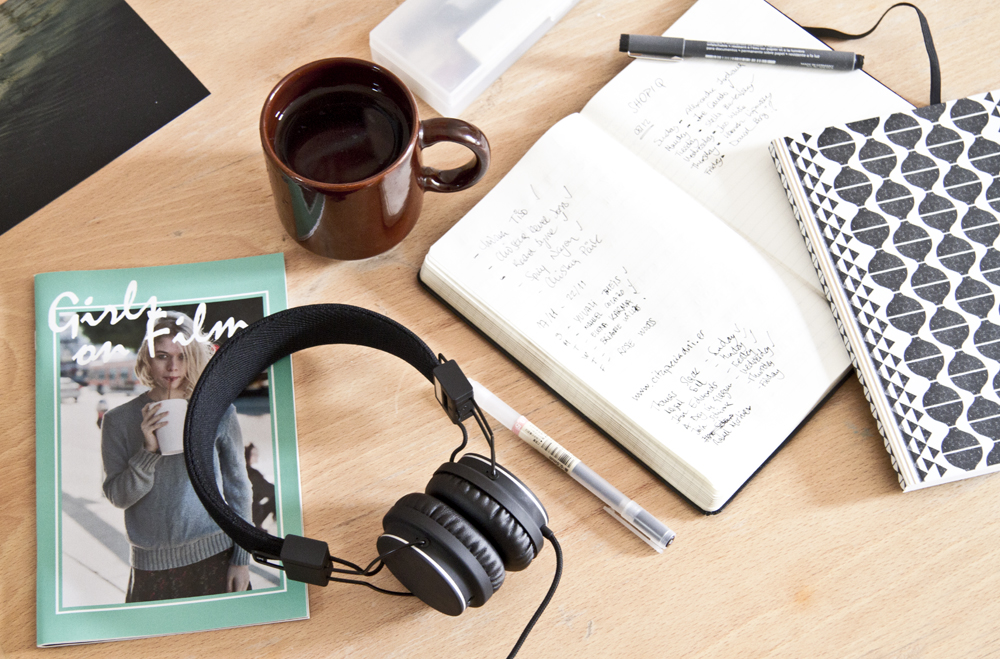
    Could you tell us a little bit about your background; how you and your partners met, and started Norra Norr?

    Marcus Rudbäck: I’m the design director and co-founder of Zound Industries and part of the design group Norra Norr. I had worked as a Industrial designer for many different companies and as a consultant before Zound Industries, and mainly together with Norra Norr and Syntes Studio which I co-founded.

    My focus has been on consumer electronics, toys and games and sports equipment. Norra Norr is part of the collective that started Urbanears and founded the company Zound industries.

    Norra Norr is the product design part of the founders that started the company but today we work full time and have a great team of designers and engineers to bring you new products that make people proud and hopefully happy.

    The collective had a shared vision that we could make headphones and audio products relevant to the users and needs of the times we live in. We were pioneers with a inline mic and remote, as well as, the first to introduce legal music sharing through a smart extra socket which your friend can use to plug in an extra pair of headphones and listen together.

    We met through a need to make it our way and the urge to make it real. We came from a 50% fashion background and 50% electronic industry but all of use were determined to make a difference in the headphone world. This is something we have already done and we aim to do for a long time – when we started, headphones where black or fake silver and only a few made you look good in the street or had the modern everyday user in mind.

    How did you and your partners at Zound Industries come up with the idea of Urbanears? What the design process looked like?

    MR: The man with the plan, Konrad Bergström, brought us together as a collective. We wanted to make designer headphones affordable and in many colours but still normal enough and with minimal branding so that people of any age or style can feel good rocking a pair of Urbanears – you can still choose a bright colour if you want to be different but a pair of black should still feel tailored, with fabric headband and a cord with minimalistic design features and some metal accents, real metal, no fake stuff on Urbanears : )

    We strongly believe in design and innovation as well as good quality in everything we do: from the products to the campaigns, movies, etc.  During every product development we try to add some new innovation and not only style to the people that wear them. For example: the friend plug in Plattan, cable lasso in Kransen, turn cable in Zinken and the snap lock in Bagis, washable headband and ear-cushions in Humlan and a DJ equipment in your pocket with Slussen.

    Scandinavian design is praised for its simplicity and functionality around the world. What, in your opinion, influences Scandinavian aesthetics?

    MR: As Industrial designers for Urbanears we strive to make very minimal design and we have a saying: when no one would remove anything else from a design, we try to get ride of three more unnecessary features, split-lines etc. We say internally that we have to design Urbanears products with a small brush keeping close attention to proportions, materials, details and finish.

    Being Scandinavians we are very true to our heritage in engineering, acoustics and functionality, but we hope we bring some new edge and some rebel spirit alive between the lines in the products just by being true to what we believe in.
    www.urbanears.com

  • Studio Visit: Emily Millichip

    Studio Visit: Emily Millichip

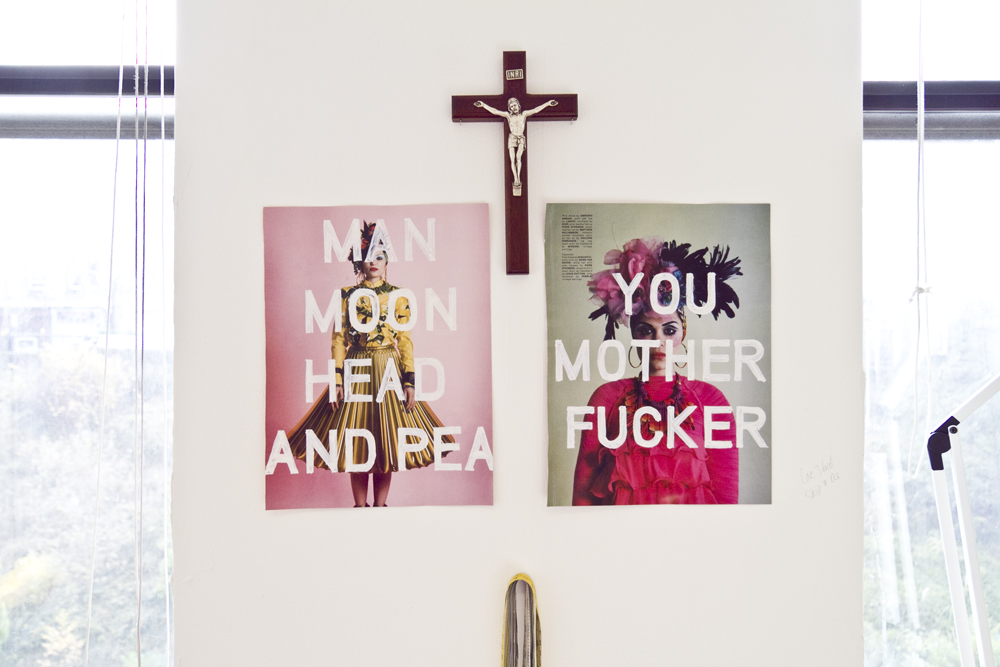
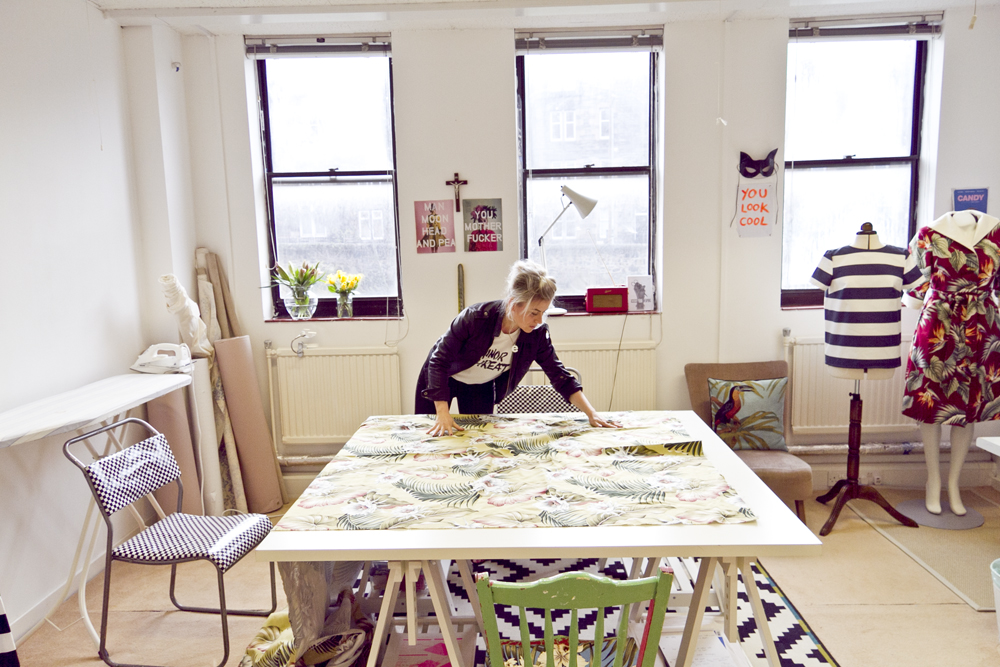
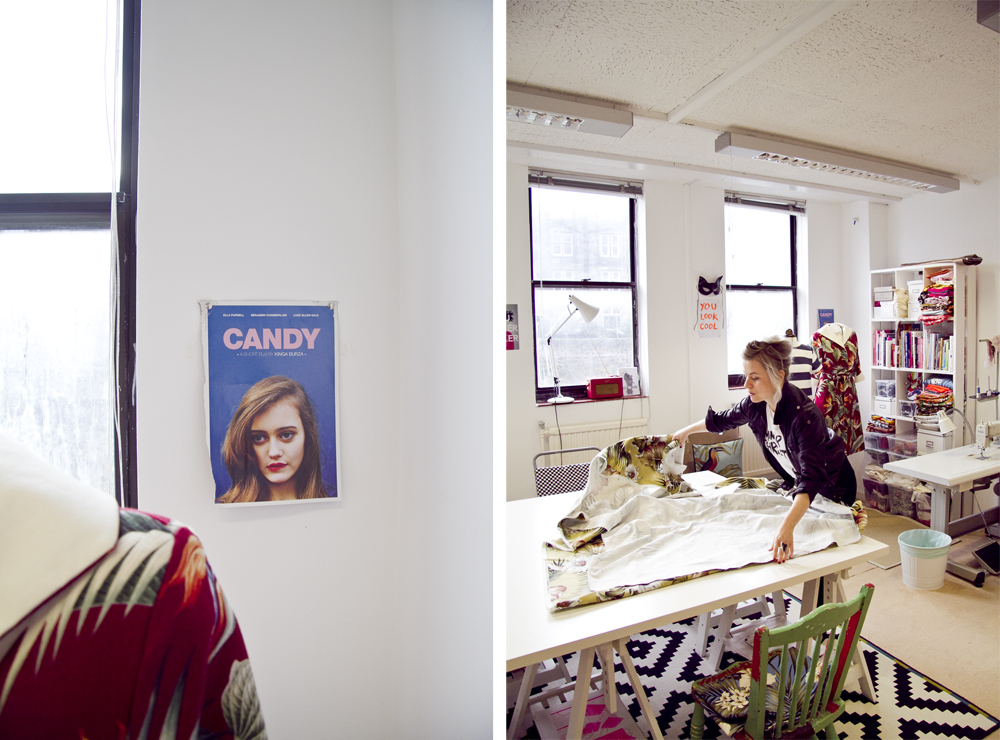
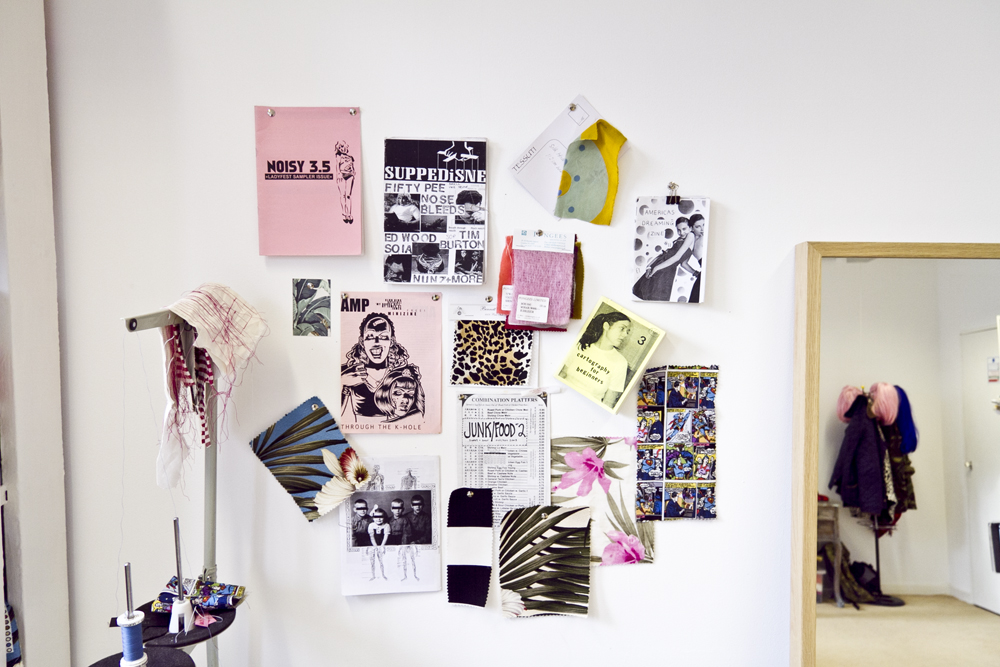
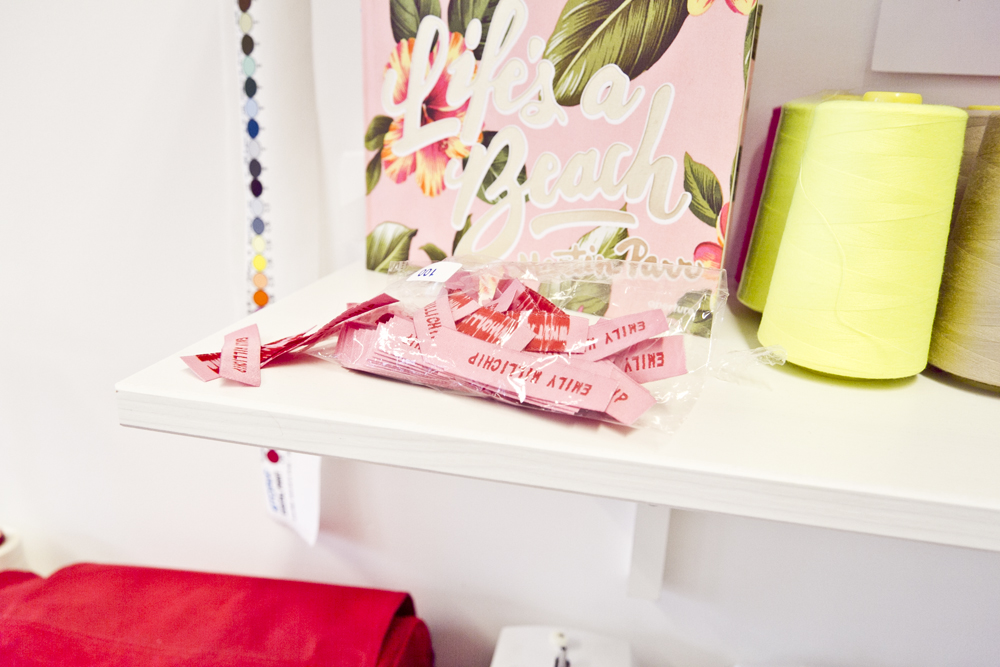
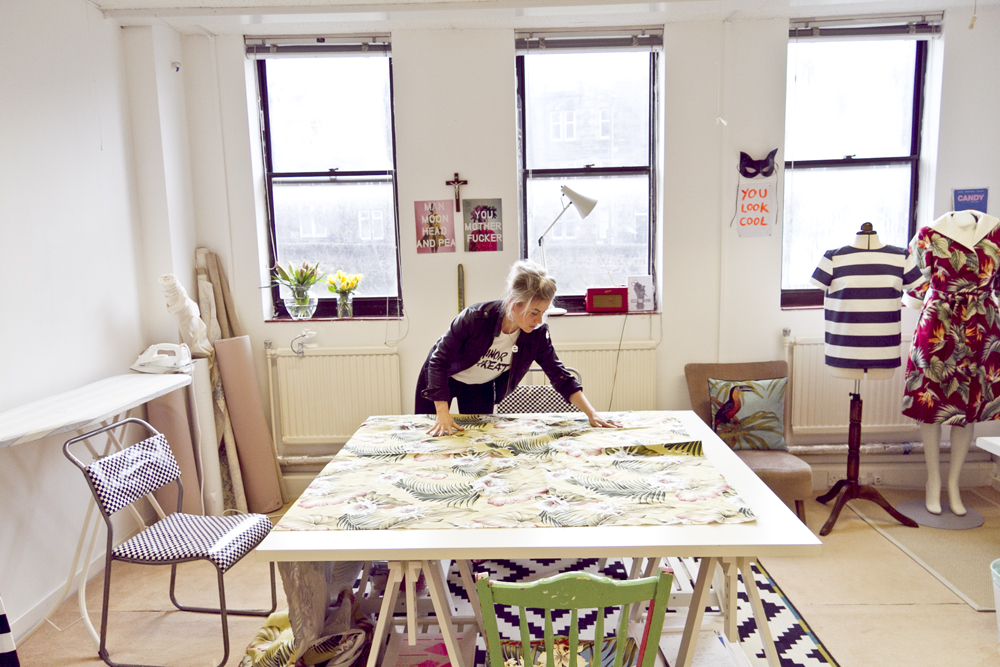
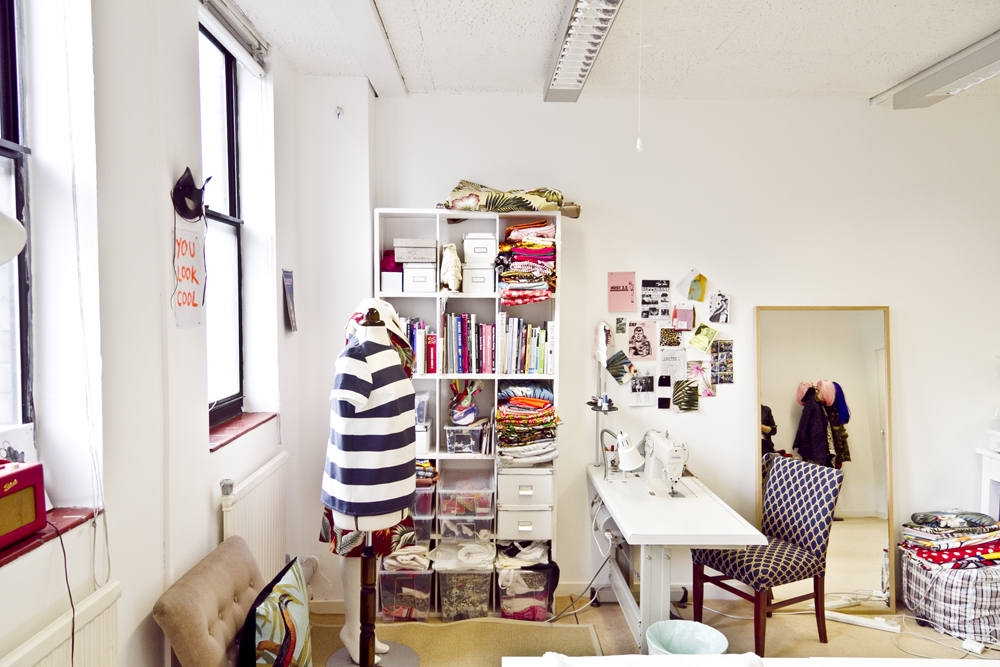
    For a while now, we’ve been wanting to visit Emily Millichip’s studio. We met this Edinburgh based designer at the Stitch Lounge and really liked her aesthetics and the bright fabrics she uses in her designs.

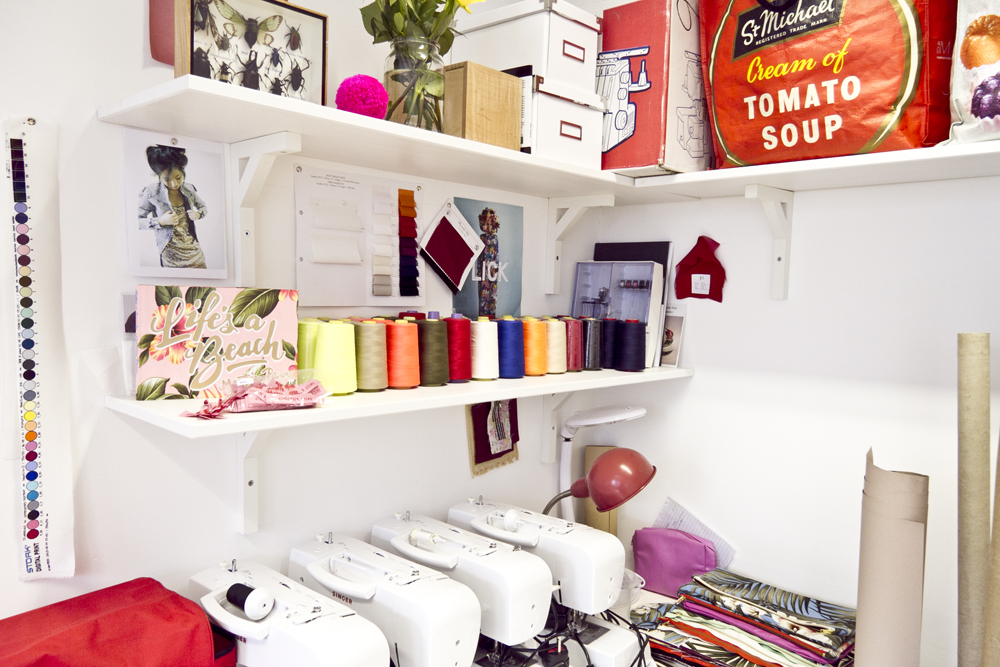
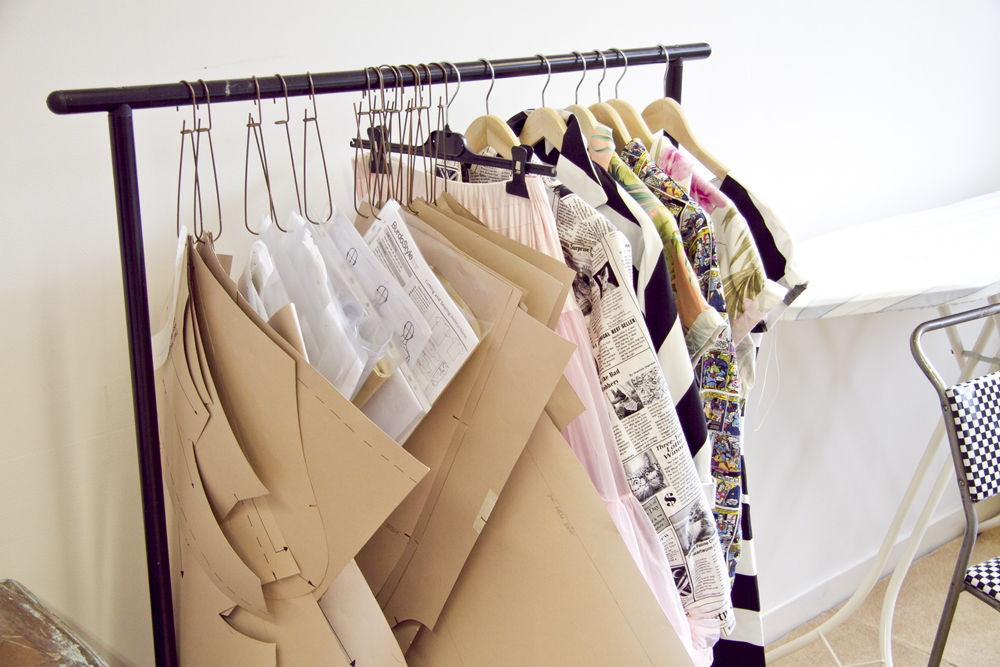
    Emily’s studio is based at the Art’s Complex, which used to be a colossal office space now converted into studios for local artists, designers and start ups.

    We spoke to Emily to find out what inspired her to become a fashion designer and know more about her favourite places in Edinburgh. Read the interview after the photos.

    When did you first start designing? Also, who or what inspired you to become a designer?

    I started designing in my early twenties, mainly through an extreme hatred for all of the clothes that were in the shops. Things have improved in the UK but for a while there seemed to be a misconception that the country was populated by 16 year old supermodels. I was really into the style of the 1950s and was ordering clothes from California. Eventually I thought that it would be cheaper and easier to learn to make the clothes myself. It was also probably the result of getting a ‘proper’ degree and doing a string of horrible jobs in admin. I decided I needed more colour in my life and waved goodbye to being able to pay my rent on time.

    What do you draw inspiration from?

    I am inspired by high trash, interesting people, crazy grannies, reading, adventure, music and cheap red wine. When I have time I look at personal style blogs as I find them much more relevant than fashion magazines which bore me to death. I also like to go on solo camping trips and get drunk on rum and concoct new plans around the campfire.

    When you’re designing, what woman do you have in mind?

    I am always designing for myself. I tend to imagine an amazing scenario I want to be in and then go about making the outfit I would need for such a scenario. This involves a lot of imaginary trailer parks and trips to Mars. Frequently it involves ridiculous Hawaiian prints, silver sequins and pink wigs. In reality though I have mostly made some great outfits to go and buy milk from the shop.

    Tell us about your favourite places in Edinburgh.

    My favourite places in Edinburgh are all of the beautiful old graveyards, Portobello Beach, little old man pubs and anywhere in Leith. Leith is amazing. Why would you want all of the dignified grandeur of the New Town when you could have the chaos of Leith?

    www.emilymillichip.com

  • Reaching Your Inner Artist

    Contrary to popular belief, artists aren’t freaks of nature or unusual in our society. Indeed, everyone has an inner artist just waiting to burst out when they finally discover their talents. With that in mind, this article will highlight just some of the techniques you might want to follow if you plan to uncover your skills and become an artist that people respect. As with anything else in this world, you should always follow a path that works for you. So, there is no obligation to try any of the techniques mentioned in this post. They are just here to provide some inspiration and point you in the right direction.

    Picture

    Consider an art-related educational course

    There are many full and part-time courses available for people who want to reach their inner artist. In most instances, you just need to get in touch with local schools and colleges and make some inquiries. However, there are also lots of art groups that pay for influential speakers and offer some form of art education. So, take a look at all the options on the table and then work out which is right for you. In some situations, you might spend your days drawing life models or something similar. Still, there are many different types of art, and so it all depends on which niches tickle your fancy.

    Picture

    Find work in an artistic industry

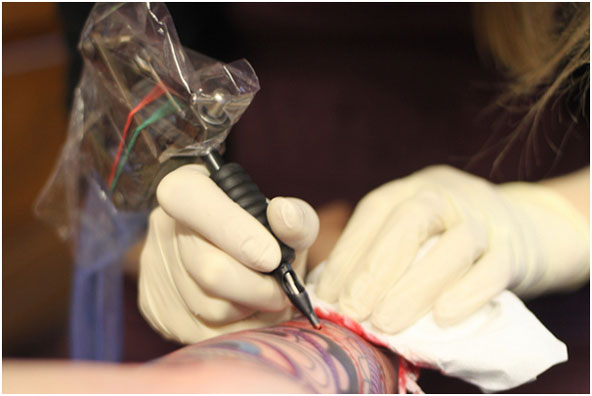
    Getting a job in an artistic industry can seem impossible if you don’t have any skills or experience. However, there are some roles for which your talent could be enough to gain the attention of the employer. For instance, you might think about contacting local tattoo shops and asking if they require an apprentice. You’d have to invest in tattoo equipment, and you might not earn much cash during the first few months. Still, that’s a fantastic way to get your foot in the door and work towards your goals. While some people think tattoos are less than artistic; they’re a brilliant option when you’re just starting out.

    Network with other artists

    Creative people need to bounce ideas off each other if they want to hone their skills and improve. For that reason, it’s essential that you take the time to network with other artists in your local area. Maybe there are some social groups you could join that contain lots of like-minded individuals? Perhaps there are some bars of cafes in town where local artists tend to hang out? Your goal is to make as many friends as possible who have the same ambitions and levels of creativity as you. If you struggle to do that, try meeting people using:

    • Social media
    • Internet forums
    • Local colleges
    • Art exhibitions

    Picture

    Exhibit your work as soon as possible

    At some point, you will create enough original artwork to host an exhibition. You can usually do that at libraries, colleges, or art galleries in your home country. Some people even decide to try something different. It’s probably wise to avoid charging too much before you build a decent reputation. However, that process will enable you to earn some money from your talents, and you might even sell a few paintings too! If you can’t find anyone willing to display your art; you just need to think outside of the box. Plenty of people exhibit their work on the street or in unusual places with great success. So, think outside of the box until you think of a concept that will work for you.

    Take criticism and learn from it

    All artists have to deal with criticism of their work. Sometimes those reviewers will say some hurtful things, but you can’t let them get you down. You just need to learn from their comments and try to impress them the next time around. However, you should begin that process as soon as possible. So, when you organise an exhibition, it makes sense to invite local journalists or art writers to the show. That way, you should get a mention in their publication regardless of whether they enjoyed your talents or not. When all’s said and done, all publicity is good publicity!

    You should now have a decent idea about the best ways to reach your inner artist and turn your life around. Art is one of the most critical elements in human development, and it holds a special place in most people’s hearts. You just need to tap into their emotions and say something original with your work to ensure it gets as much attention as possible. While you don’t have to become a controversial artist, nothing is wrong with speaking your mind through the pictures you create.

  • The Rules of the Suit

    Every man needs a good suit. But is having a good suit enough to make you look good? It will be, as long as you adhere to these very strict rules of wearing a suit.

    Your Tie Needs To Be The Same Width As Your Lapel

    If you are never sure which kind of ties to choose with a particular suit, you should take a close look at the lapels. It’s important that the tie and the lapels are the same width. Otherwise, it just won’t look quite right. Another good thing to remember about lapels is that thin ones are considered modern while wider lapels give off a more old-school vibe.

    Don’t Ever Button The Bottom Jacket Button

    No matter what you do, you should never button the very bottom button on your suit jacket. This is a bit no no in the fashion world! It doesn’t matter whether your jacket has two or three buttons; you just never use that particular one. It doesn’t serve a purpose, it’s only there for style reasons. If you do button it, you will notice that the suit looks super awkward. Don’t forget as well that you need to always unbutton your suit whenever you sit down.

    Image Source


    The Pocket Square Shouldn’t Match

    If you check out The Iconic, you will notice that all the models are wearing pocket squares that don’t match their suit jacket or tie. This is important to note. Adding a pocket square is a great way to add a touch more sophistication to your suit, but if it matches your tie or jacket, it just won’t look quite as good.

    Your Jacket Needs To Fit Properly

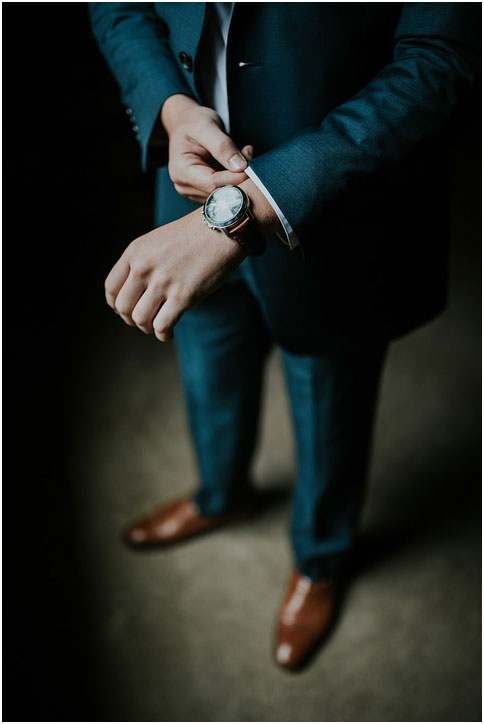
    This might sound like a really obvious thing to point out, but you would be surprised at how many men still don’t wear a suit jacket that fits them correctly. It needs to hug the shoulders and there should be no gap at all between the collar of the jacket and the collar of the shirt. The sleeves of your jacket need to be about a quarter of an inch shorter than your shirt sleeves so that the shirt is noticeable. Otherwise, your jacket sleeves are just way too long.

    Don’t Wear Black

    Lots of men make the mistake of wearing a black suit. The only time you should wear a black suit is to a funeral, as this is considered the correct mourning colour. For any other time or occasion, you should go for a charcoal or grey suit, as this can look a lot more stylish and fashionable. If you are feeling brave, it can also be worth going for a bright blue or white suit.

    Match Your Belt To Your Shoes

    If you don’t match your belt to your shoes, you whole suit will look slightly off. It doesn’t really matter what colour your belt is, even though just a few years ago a brown belt was considered not fashionable. That has changed now and all coloured belts are fine with suits, just as long as they match the shoes!

    Time to suit up!

  • Photography: A Life Transformed

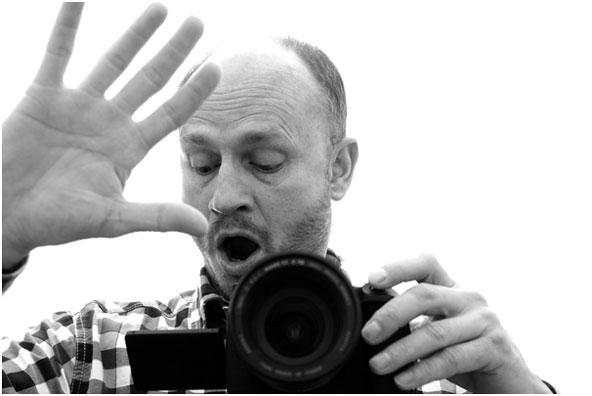
    Starting out as a photographer can be a long road. In the beginning, you have a sense that it’s all about the shots and the angles. But later you discover, as you grow in experience, that it’s also about your aspiration and dreams – the stuff of life itself.

    Here are some of the ways that photography helps to transform your life and the lives of others.

    You Experience All Four Seasons In All Their Colours


    Public Domain Pictures

    For many people seasons, come and go without much feeling that they’re connected to the real world. The sun might be shining, or it could be snowing, but many are cooped up in air-conditioned office blocks, viewing the changing natural world around them from afar.

    Photography can change all that. It’s your opportunity to leave the world of cities and streets behind and venture out to discover the true beauty that the seasons can bring. Photographing nature as it goes through its annual cycle gives you the opportunity to reimagine the same scene in numerous different ways, from the changing colours of the leaves to the way the evening sun hits the lakes and mountainsides.

    You Can Tell A Story

    One of the reasons people go on photography courses for beginners is that they want to develop the skills which will allow them to tell stories. Writing down what you’ve done in a journal is never going to be as effective as shooting real images and posting them on your blog. Although you might be able to convey a sentiment in a couple of sentences, nothing quite allows you to recreate your life as well as a few well-timed snaps.

    At the same time, it’s important to protect the equipment that makes your storytelling possible. Cameras, lenses, and lighting gear are valuable and often used in varied and unpredictable settings. Therefore, having reliable photography insurance ensures your tools are covered against theft, accidental damage, or loss. This coverage allows you to focus on capturing stories confidently without worrying about unforeseen setbacks.

    You Can Make Others Feel Good


    Pixabay

    There’s a reason social media platforms, like Instagram and Pinterest, are so popular: they make people feel good. We’re visual creatures, and we respond most strongly to visual inputs – more than just writing a post.

    What’s great about photos is that you can show to people what they have to be happy about in their lives, be it their pets, their loved ones, or even their possessions. Taking a picture of someone allows them to see the good in their life.

    You Can Help Those In Need


    Pixabay

    One of the great things about photographs is their power to get attention. As a photographer, you can take pictures that can literally change people’s fortunes and turn their lives around.

    Take charities, non-profits and “high impact” organisations. To do their work, these organisations rely on getting money from other people. But, of course, there’s only so much charitable money to go around. And so how do they compete? By enlisting great photographers, of course.

    Photography has a way of connecting with people that no other mode of communication does. People react to the suffering depicted in images for more viscerally than they do the suffering described in text and are, therefore, much more likely to open their wallets and make a donation.

    Photography isn’t just something that you learn. It’s a way of life, and it can have a significant impact on the people around you.