Tag: sustainable

  • Lockdown Stories: Trace Collective

    Lockdown Stories: Trace Collective

    Lockdown Stories is a series of short interviews with creative entrepreneurs and businesses that have been affected by the COVID-19 crisis. Since its beginnings, the main goal of Future Positive has been to share inspiring projects happening all around the world and, during these strange and difficult times for independent businesses and creators, we want to continue providing support and visibility. If you’d like to be featured in this series, please get in touch at hello@thefuturepositive.com and tell us your story.

    Trace Collective
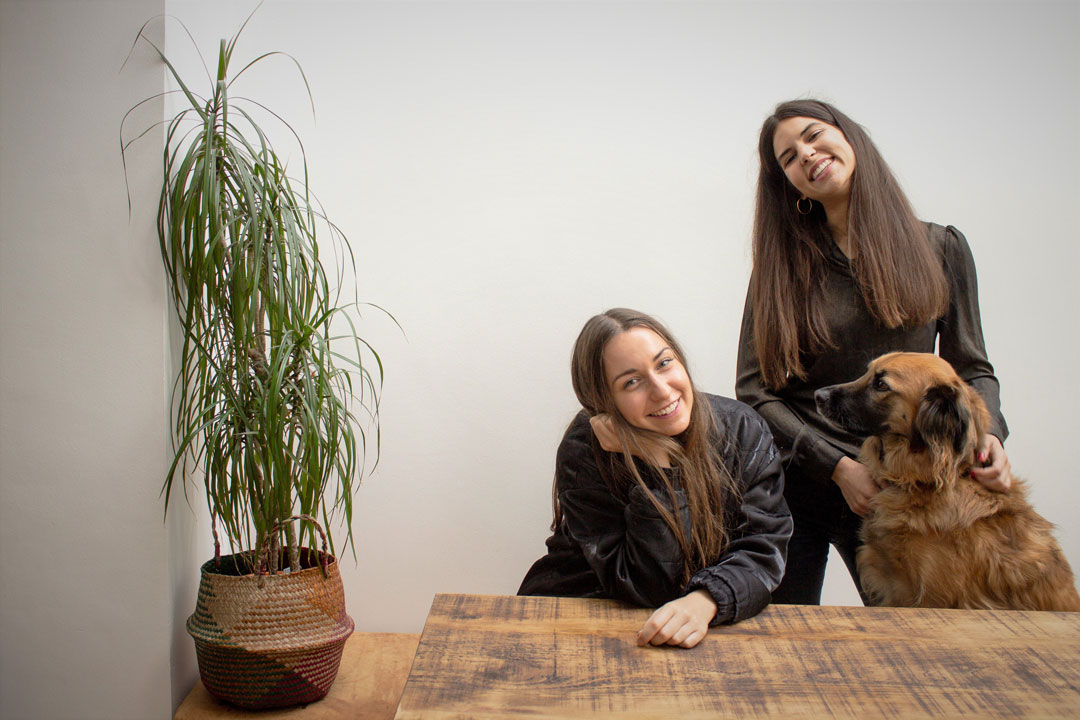
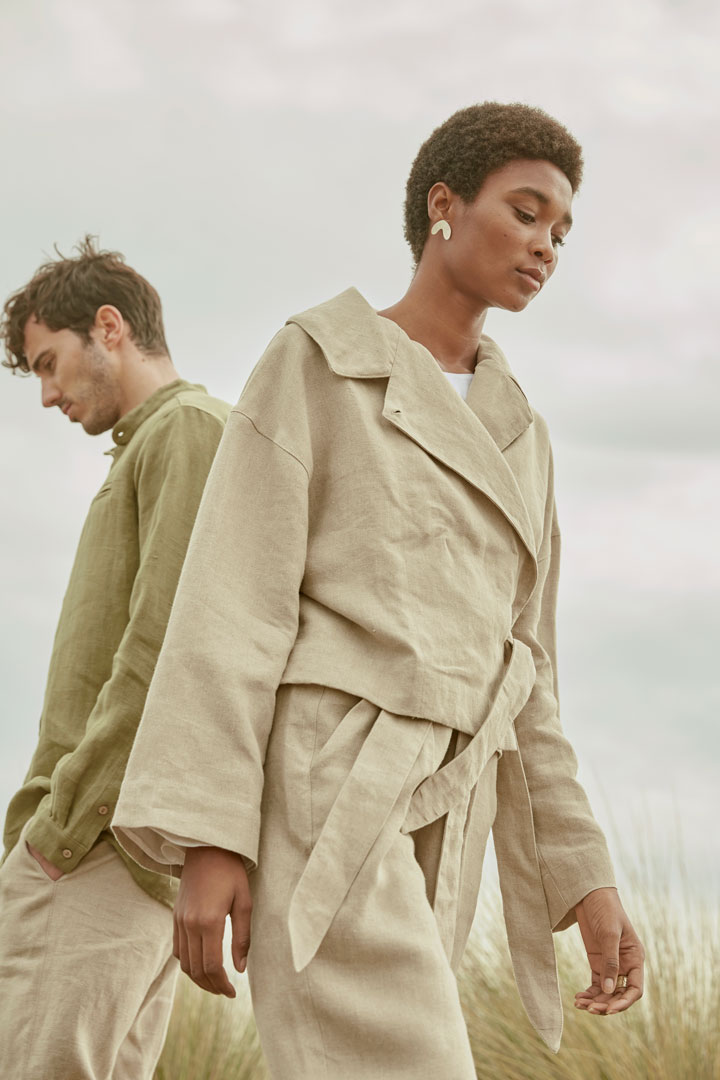
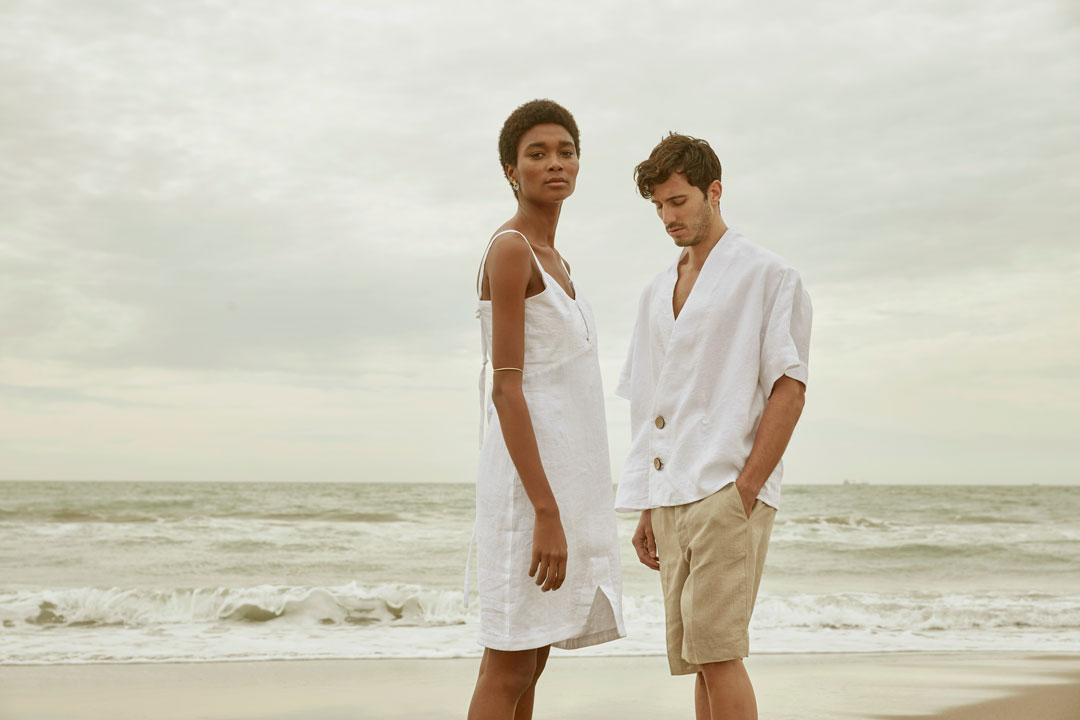
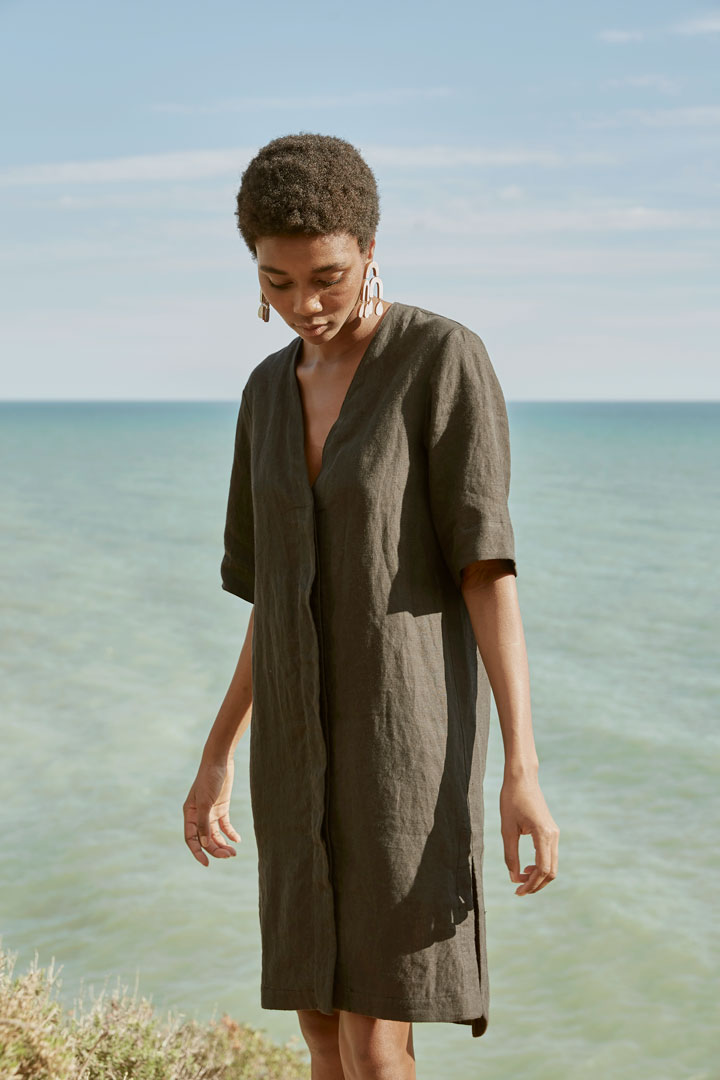
    Founded by Antonia and Aroa, Trace Collective is a London-based sustainable brand for women and men using fashion and radical transparency as a tool for environmental regeneration.

    Location: London, UK
    www.thetracecollective.com
    When did the lockdown start for you and how has your business been affected?

    Our supply chain extends across different European countries, so lockdown measures started impacting us early on in March – when the Italian factory where part of our organic linen was been dyed closed down. At the beginning we tried to continue business as usual, which seems unbelievable right now but I guess that like so many business owners we were not willing to understand what the virus was going to mean for business – and life – as we knew it. However, the impact soon cascaded down to all other points of our supply chain until our production fully stopped in mid-April.

    As a small brand, this affected us deeply. We had to send hundreds of individual emails to our Kickstarter backers explaining them that we were not able to fulfill their orders as we had promised, and that we didn’t know when we would be able to do so. We were left with very reduced stock to sell, which put an incredible strain in our cashflow. And we had to cancel our PR launch for our first collection, which was planned for April and backed by several events across London. We saw months of hard work disappear and, worst of all, we couldn’t do much to mitigate the damage.
    Have you found any new ways of working or have come up with new product ideas during this time?

    Yes. We had our first “crisis meeting” early on in March and have changed our approach to work and business development since then. We started working with almost daily goals and check-ins, which have allowed us to be much more responsive to societal changes. And we’ve shifted the focus of our work from sales and brand development to community building and awareness-raising educational events, which are another of the main avenues for us to achieve impact. We were also able to take step back from the extremely fast paced days that come with entering the market as a new brand, and to spend time developing and landing many of the innovations that were in our to-do list.
    What are some of the positive takeaways you have experienced during this time?

    This crisis has made us more agile, more innovative and more determined to persevere in our mission. Curiously, it’s also brought us closer to our impact and reminded us why we started Trace. The “no-sales anxiety” was getting really high when we remembered that at we’re not in the business of selling clothes – we’re in the business of changing how the fashion industry works and how communities purchase clothes. Selling pieces that are designed for circularity and drive environmental regeneration is one of the core ways that we can do that, and a really important one. But it’s not the only one, and this period has forced us to refocus on other areas of activity that we had abandoned a little bit. Re-connecting with this mission was incredibly refreshing and has brought us immense energy to keep doing our work.
    How do you see your business evolving over the next few months?

    At this point we’ve learned not to plan too much ahead, and who could anyway! We have clarity on our impact goals for the next year, that’s our north start and the most important element for our business strategy. Then we have canvased different activities that will help us get there, and we’re testing every week what works and what doesn’t, and pivoting quickly to the next one. What’s sure to come is some exciting new services and a new community platform. This period of forced digital interactions has reassured us of how important face-to-face connection and community building is, so we’re working on ways to be accessible in physical spaces across Europe as soon as it’s safe.
  • wetheknot: Daily Essentials

    wetheknot: Daily Essentials

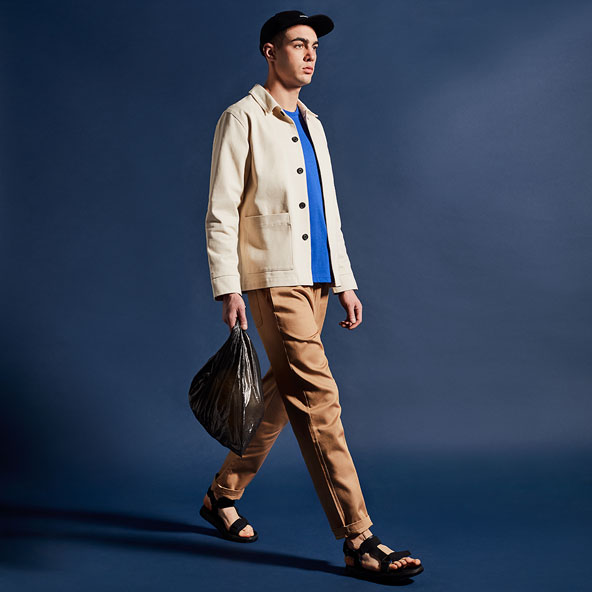
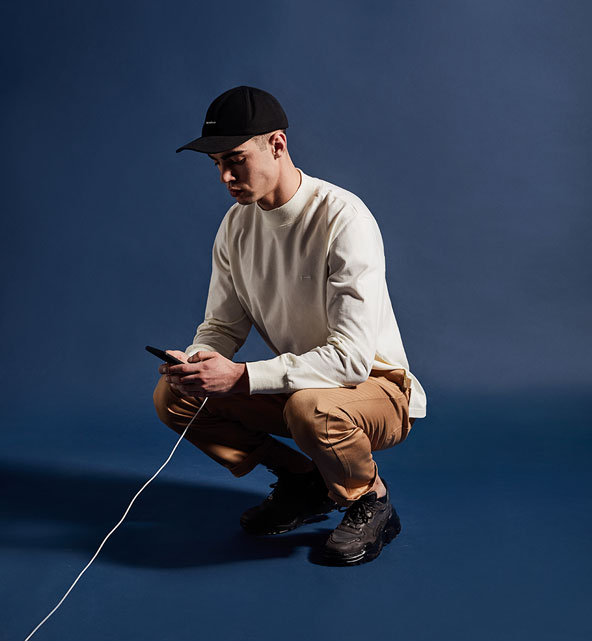
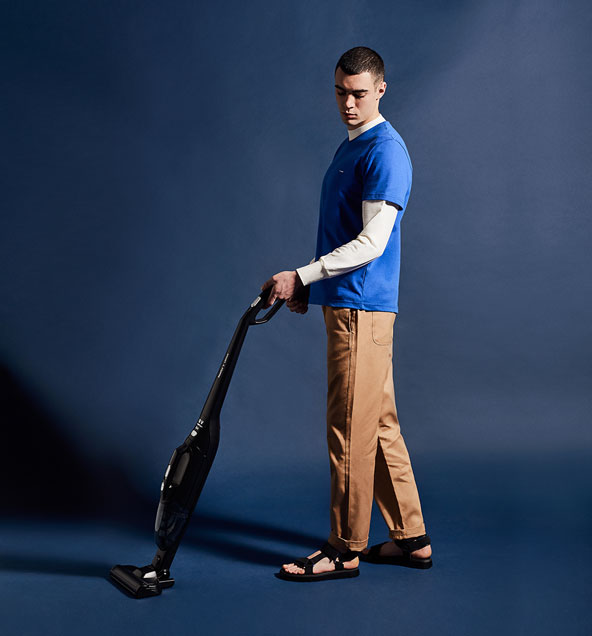
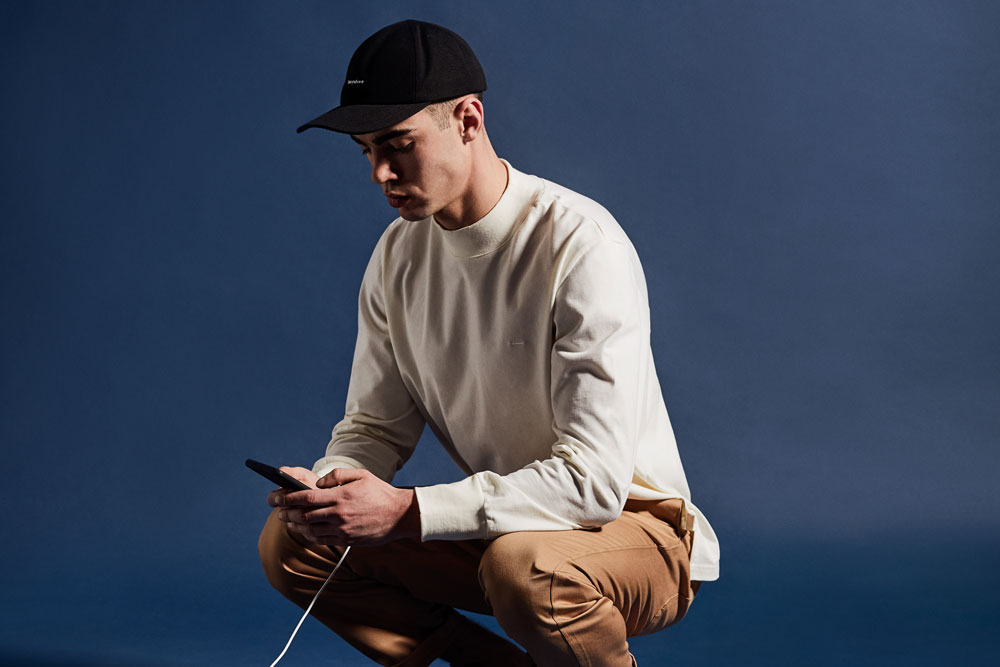
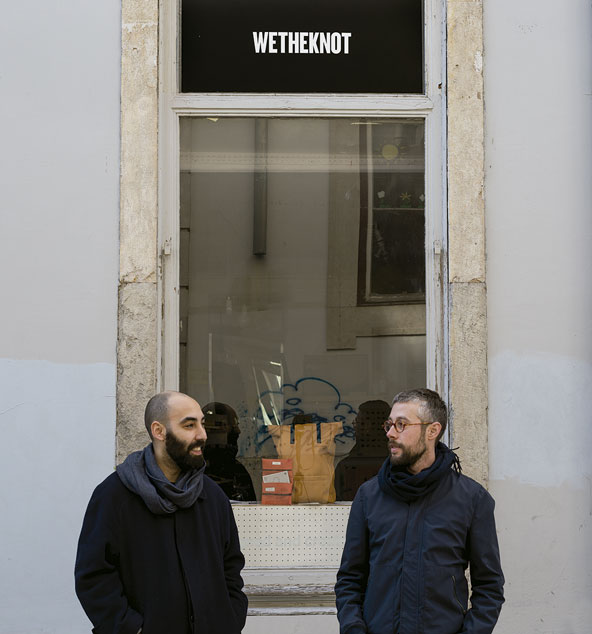
    Founded ten years ago by Sérgio Gameiro and Filipe Cardigos and based in Lisbon, wetheknot is a fashion label focusing on a limited range of essential pieces made with premium materials and designed to be used on a daily basis.

    We caught up with Sérgio and Filipe to find out more about the beginnings of the brand, manufacturing their pieces in Portugal and the impact of COVID-19 on consumer habits.

    www.wetheknot.com
    Images courtesy of wetheknot

    Who’s behind wetheknot? What made you start your own fashion label?

    I started wetheknot together with Filipe, as a personal side project, around ten years ago, with the idea of creating design objects for contemporary everyday life.

    I am a fashion designer and Filipe is a graphic designer — our common interest in high-quality long-lasting items made us wonder about how we could join forces to create these pieces that we could not find on the market, at least in the way
    we wanted.

    At the beginning our focus was mainly on accessories: pouches, pencil cases and roll-top backpacks in vegan leather — all with a minimal design and in a very resistant material, which allow them to stand up both to regular use and seasonal
    trends, and which gave them the distinctive feature for which wetheknot got to be known internationally.

    What makes wetheknot stand out from other fashion labels in the market?

    We want to inspire people to live with few timeless pieces that are made to last. For this reason, we only offer a limited range of essential products made with premium sustainable materials and designed to be used on a daily basis — without limitations on specific circumstances or rigid social norms.

    Our permanent clothing collection, launched last year, was indeed conceived to adapt to day-to-day routine and to respond to social and environmental issues with a conscious alternative.

    Portugal has a long tradition in clothing manufacturing, can you tell us more about how you use your country’s resources to create your pieces?

    Our aim is to involve local family-run businesses as much as possible, for this reason all of our products are made here in Portugal. Thanks to our partners’ expertise we can guarantee the best quality and durability, and also contribute to the national development in this sector. People all over the world are amazed by Portuguese manufacturing abilities and — of course — we are very proud of promoting that.

    Can you tell us more about your latest collection?

    The limited edition collection was created with the intention to complement our actual selection — adding more colors and more cuts, still following basic clean lines and minimal details. We got the inspiration from regular routines and day-to-day habits, which always change in form and always allow us to adapt to what is going on in our lives, in the lives of others and in the society at large.

    Often, there are some practices that go unnoticed or overlooked, but on which we rely on — taking them almost for granted. Until the moment when things change and we have to embrace new challenges — to continue evolving.

    With COVID-19 hitting the fashion industry hard right now, how do you see consumer habits changing?

    People in general — we do not really like the word consumers 🙂 — will focus even more on essentials. Times like the ones we are going through can help us think more about our choices and our actions and on their consequences. We hope customers will give a preference to small independent brands instead of big groups, prioritizing local production and ethical methods. The world was already facing a huge issue — about climate change and unsustainable practices — and now we have the opportunity to reflect before “going back” to the way things were done before.

  • Dust London: Homeware from Organic Materials

    Dust London: Homeware from Organic Materials

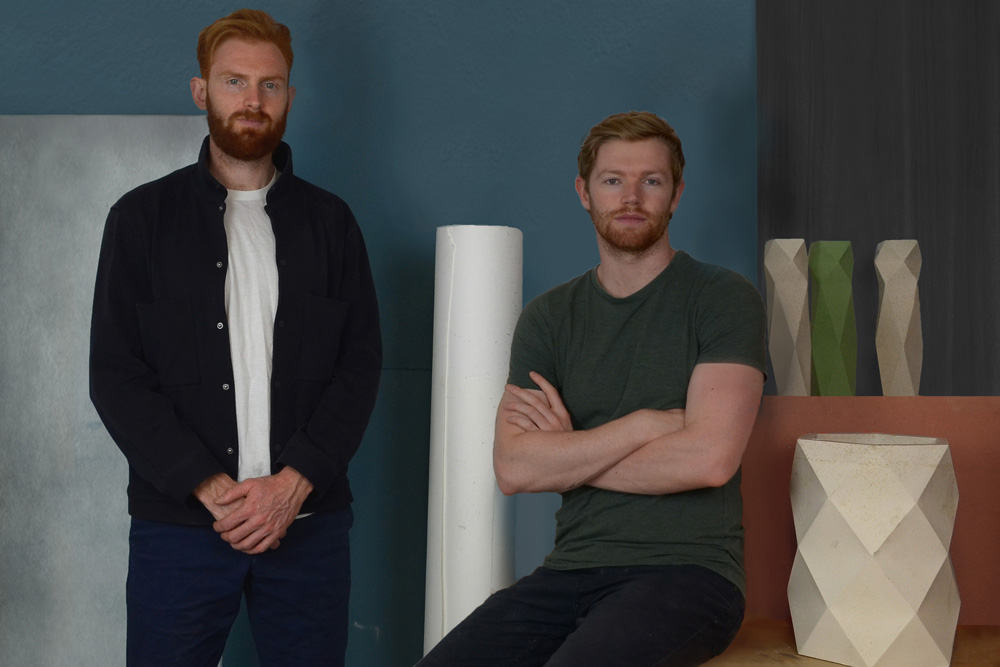
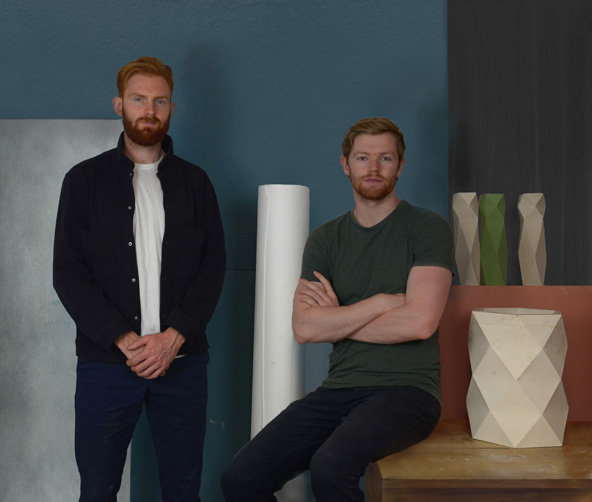
    Founded by Michael McManus and Matthew Grant, Dust London is a homeware label drawing on their experience in artist and architecture studios. They established their design company with the intention of changing the way materials are conventionally used and the ambition of creating objects from natural materials.

    We chatted with Michael and Matthew to find out more about the manufacturing of their products, their current range and what homeware means to them.

    www.dustlondon.co

    Can you tell us about how you met and what made you start Dust London?

    We knew each other from a young age and shared design ideas whilst studying art and architecture respectively. Dust London was born out of an ambition to set up a studio that explored our mutual interests in design alongside our passion for organic and sustainable materials.

    Your products are made from tea waste, can you tell us more about why you decided to choose this material and what processes you follow to manufacture your items?

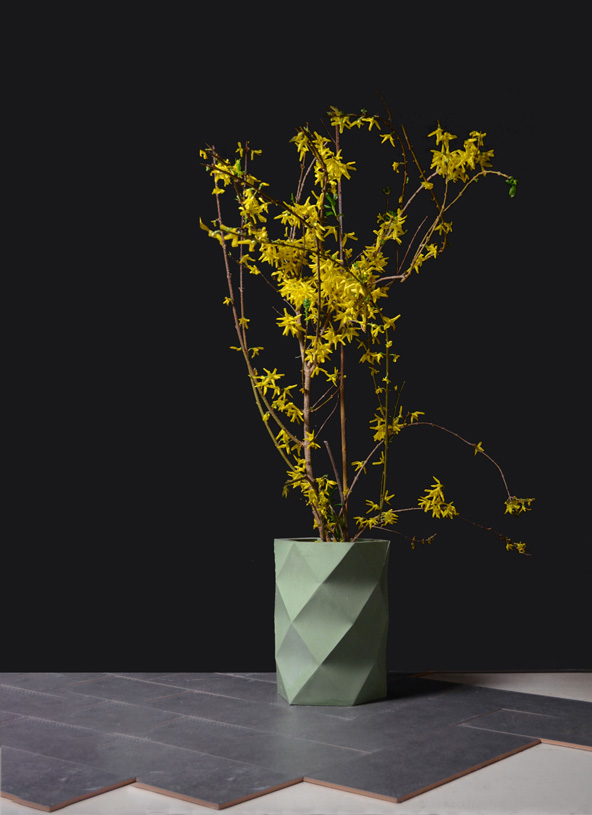
    Our studio practice is driven by discovering new materials for making. We were looking for an organic material to use and after months of experimenting we tried tea waste. We found that adding tea to our material created a beautiful range of rich colours. Experimenting with tea waste as a material for making has enriched the colour palette of our designs. From the soft and subtle green hues of our Peppermint tea range to the rich warmth of the Rooibos and English breakfast selections, our products compliment a range of interiors. We collect and separate the tea waste into 5 different colours. Each selection is thoroughly dried before blending and mixing with a gypsum-based powder and non-toxic binder. This mix is then poured into our handcrafted moulds which have been made from a single sheet of paper using origami folding techniques.

    Coming from an arts and architecture background, you mention that you are “keen to step away from the computerised and the mechanistic”, can you tell us more about this decision and why you lean towards handmade products?

    We have interests in a variety of traditional casting techniques and wanted to apply these to our designs. Through refining handmade processes our ideas have developed organically in our studio. Exploring new techniques and experimenting with materials in this way allowed us to achieve unpredictable results that informed future works. We chose not to use technology within our studio practice because we wanted to apply a makers touch to our objects. By casting our work by hand each piece is entirely unique, with subtle variations in surface pattern and colour.

    Your current collection is made up of three objects, can you tell a little bit about each of them? Do you have plans to expand your product range in the near future?

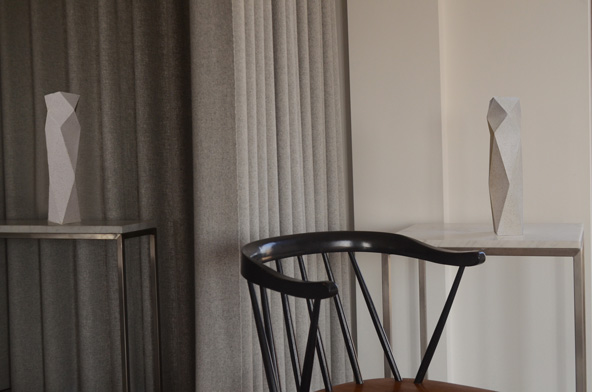
    Our current collection comprises three designs inspired by origami forms: a coaster set, a centrepiece vase and a large planter. Each object is folded from a single sheet of paper to create a homogenous design. We were drawn to the minimal aesthetic and elegance of origami that aligned with contemporary interior design. Each of our objects are available in five tea variations: Chamomile, Rooibos, English Breakfast, Peppermint and Black Tea. These colours have been selected to provide a range of textures and hues to complement a variety of interior colour palettes.

    We are currently working on a number of larger scale pieces of furniture and have developed a prototype for a table. We are excited to combine the aesthetic of origami with the function of furniture. Experimenting with organic resources will always be at the forefront of our work and we are currently exploring a sustainable material that we can apply to a new collection.

    What does homeware mean to you and why do you think it’s important?

    Homeware is accessible in scale, both for the designer and user. It allows designers to experiment with new materials that find their way into the home. Homeware therefore paves the way for wider conversations that the designer looks to address through their work. By bringing functional objects into the home that are made of tea waste challenges convention and questions how we commit to a sustainable future.

  • Studio Visit: PAKTA STUDIO

    Studio Visit: PAKTA STUDIO

    We first talked with Kerim and Hana, the founders of PAKTA STUDIO, when they were just starting their bag and accessories brand after moving from London to Bratislava. It’s just been over a year and Kerim and Hana have now opened their own workshop and store (Tobrucka 1, Bratislava, 81102) as a means for customers to see the handmade process before purchasing the products,  as well as a point of contact with the local community in order to get to know people better.

    We caught up with them to find out more about the space, the new products they’ve been working on and their plans for the upcoming months.

    www.paktastudio.com

    Can you tell us about what you have been doing since we visited your studio? How has PAKTA grown over this period of time?


    Quite a lot has happened in a year, we can’t believe it’s only been that. We have moved into a new place which serves both as our workshop and our store. It’s a great space for us to work in, as well as for people who wish to visit the store and try on our bags or see the whole production process. We’ve also expanded our product range to include the KONSIO collection (which includes some small accessories), the DERIVAT collection (which is made from our production scraps) and a selection of magazines.

    We also spent a lot of time refining our visual identity and brand. Now we go under PAKTA STUDIO, to truly encompass everything that we do within the brand and our focus on a holistic approach to designing and production.

    What made you open your own store and workshop? How have the locals in Bratislava reacted to it?


    We had pretty much outgrown our old studio and needed more space to work in. We found this place on a hidden corner in the centre of Bratislava, and we just had to take it. It’s a pleasant area to work in and is very accessible, which is great for people who wish to visit. This helped us solve the problem of setting up appointments for people to try on the bags and being able to see them in real life.

    Half of the week the space functions as a workshop, where we work on the designs there and have meetings. The other half of the week, the store is open for people to come in and try on the products or browse the magazines, or just chat with us if they have any questions. We think sometimes people are confused as it’s quite an unusual space, it’s not your usual retail store because we work there as well. But people seem to enjoy being able to see the bags being produced to be restocked, and knowing that it really is all made by us. We’ve only had good experiences so far, really.

    Can you tell us about the space and what people can find inside?

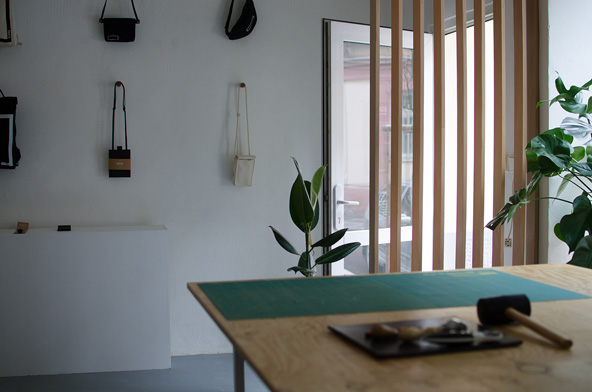
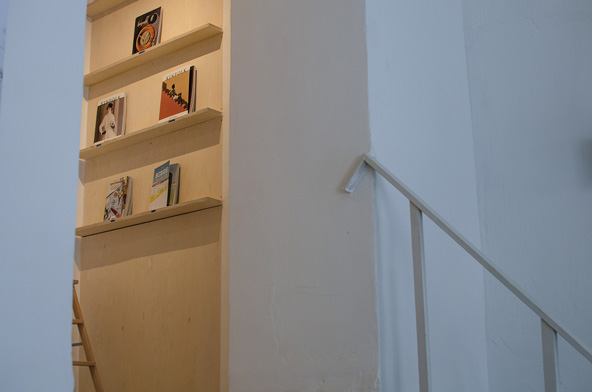
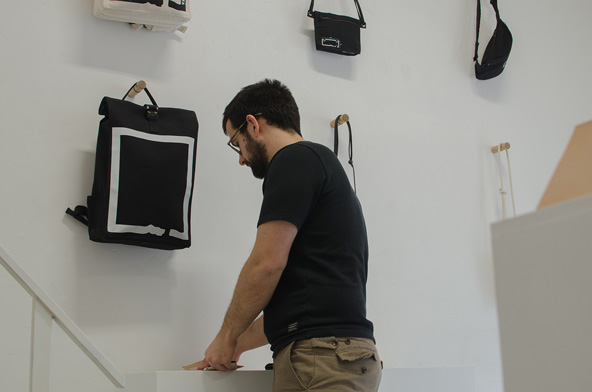
    One of the first things you notice about the space is the large windows, which were important to us. We love working with natural light, and being able to have plenty of plants is important to us. The shop is divided into two main areas – one half being the workshop and the other being the store. All of our bags are hanging on the wall to peruse, and then we have a cosy upstairs where you’ll find our curated magazine selection, which includes magazines you can’t find anywhere else in Bratislava, and the DERIVAT collection.

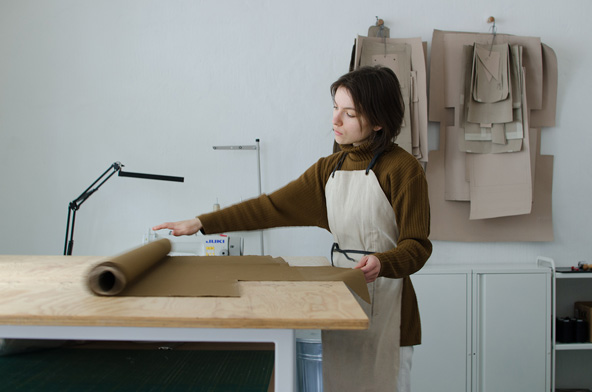
    On the workshop side of the studio, you’ll find us, and all the materials we use to make our products – from fabrics, to the components, and the tools we use. Depending on when you come, you might find us in the process of making some bags, experimenting with prototypes, or discussing new ideas.

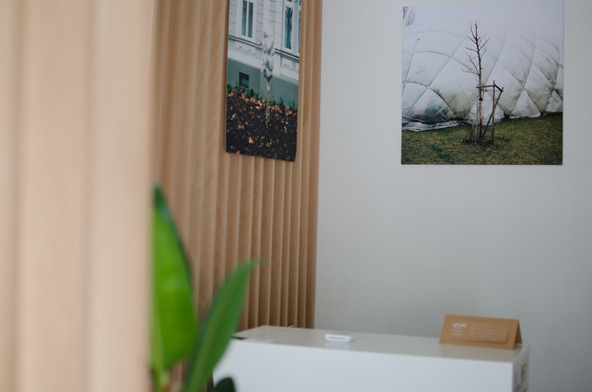
    Currently we also still have some photos on the walls from an exhibition we held in the space earlier this year, which draws your eyes around the room.

    When we first talked, you were only making a few products but now your offer has grown. Can you tell us more about your new products?

    Yes, we’ve spent a lot of time working with new product ideas and new materials, and now our product range is basically split into 3 collections.

    Our regular bags and backpacks made from waterproofed cotton sailcloth are. With this collection, we still focus on bringing functional bags which are made using durable metal components. Most recently, we took a lot of feedback on our original RUKSAK design and released RUKSAK 2, a more robust and versatile backpack. We also released a small bag in a limited edition called the REZIDENT when we opened the space, with an adapted form of our logo which forms the floorplan of the studio (the release included 42 bags, which is the square meterage of the space).

    The new collection KONSIO, which we are really proud of. It’s made using Piñatex, a wonderful new material made from pineapple leaf fibres. Exploring new, innovative materials which are more sustainable and environmentally-friendly are important to us. With this collection, we loved the challenge of finding the balance between what we can do with the material and the shapes we wanted to create. This collection also expands beyond just offering bags, to offer accessories such as the Wallet and Keyring.

    And our DERIVAT collection, which is made from our leftover fabric, which is generated as part of our making and innovating process. In an attempt to minimise our waste, we regularly explore the leftover fabric we have and look for ways we can re-use it to give it a new life. This often results in experimental and interesting shapes, but is a great challenge for us and helps us be conscious of the waste we generate as a studio.

    What are your plans for the upcoming months?

    Currently, we’re in the process of testing and working with a new fabric for a totally new collection which is proving to be a lot of work at the moment. We also want to focus more on the DERIVAT series, as solving the problem of fabric waste is very dear to us, and not only that but sustainability overall.

  • By Signe, Sustainable Danish Fashion

    By Signe, Sustainable Danish Fashion

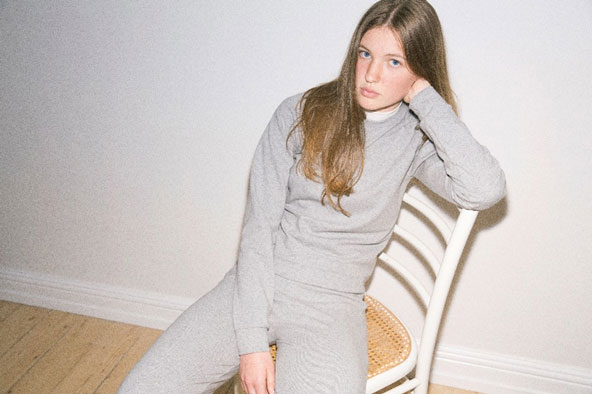
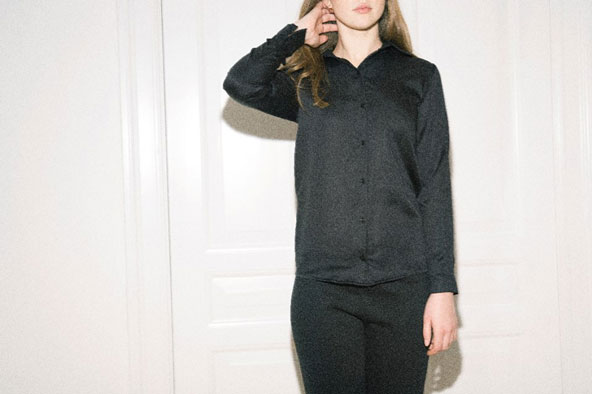
    As a Danish fashion brand established in 2015 by Signe Rødbro, By Signe is dedicated to creating honest and feminine easywear for the independent and creative woman. This is achieved through an honest design process that uses high quality materials while reducing the environmental impact during production.

    www.bysigne.com

    For most of her life, Rødbro didn’t see herself going down this current career path. That was until she went to university and realised “reading books forever” was not her thing. The would-be fashion brand owner then dropped out of college and enrolled instead in an old-fashioned tailoring school. It was during this time that she decided she needed to be a fashion designer. After graduating, she further pursued fashion design at a university in Spain.


    Image credit: By Signe

    Rødbro started the brand in order to prove that apparel can be made exclusively in Denmark. In fact, all of By Signe’s clothes are made under one roof, from designing, to producing, all the way to finishing. This way, the team has full control over the quality of the brand’s clothes and requires no complicated transportation costs. In contrast, other popular fashion brands often outsource their production, designing clothes in their headquarters, manufacturing them in one country, and then adding finishing touches in another.


    Image credit: By Signe

    As for its sustainability aspects, Rødbro felt it important to create something she could vouch for. By Signe’s founder has a huge conscience, and is well aware that the fashion industry is the one the top polluters in the world. Rødbro explains that contrary to popular belief, working with an environmental agenda doesn’t make the creative process any more difficult. It actually makes it more grounded. Thus, her brand joins the minority of fashion labels that ensure eco-friendly and ethical practices from start to finish.

    With its honest process and minimalist approach to design, By Signe has seemingly mastered the Danish concept of hygge. It is an idea that has no direct English translation. However, Lottoland state that some words associated with hygge include “pleasant atmosphere” or “cosy feeling.” Over time, it has evolved into other concepts like “security,” “peace,” and “home welfare.” By Signe most vividly incorporates hygge in how the brand focuses on its clothes’ warmth and cosiness by using natural materials like organic cotton, bamboo, and natural dyes.


    Image credit: By Signe

    In Rødbro’s interview with Savant Magazine, she explains that while By Signe strives to appeal to everyone, Rødbro herself takes inspiration from “women who are more art than beauty.” With this, she hopes to create healthy and comfortable garments for the natural woman in modern society.

    With her creations, Rødbro wants audiences to know how the team makes an effort in visualising other people in their clothes. In the design process, she imagines how a particular garment will move or feel on a woman’s body. The Danish fashion designer thinks about details like where the stretches and tightness will be, because it’s actually these little things that can have a great impact on a clothing item’s cosiness.

    Overall, By Signe is a brand that wants its wearers to be happy and comfortable in their skin with pieces that are ethically made and not harmful to the environment. Another eco-friendly fashion brand worth taking note of is Zampa, which you can check out here on The Future Positive.