Tag: Studio

  • Studio Visit: Ex Industria Argentina

    Studio Visit: Ex Industria Argentina

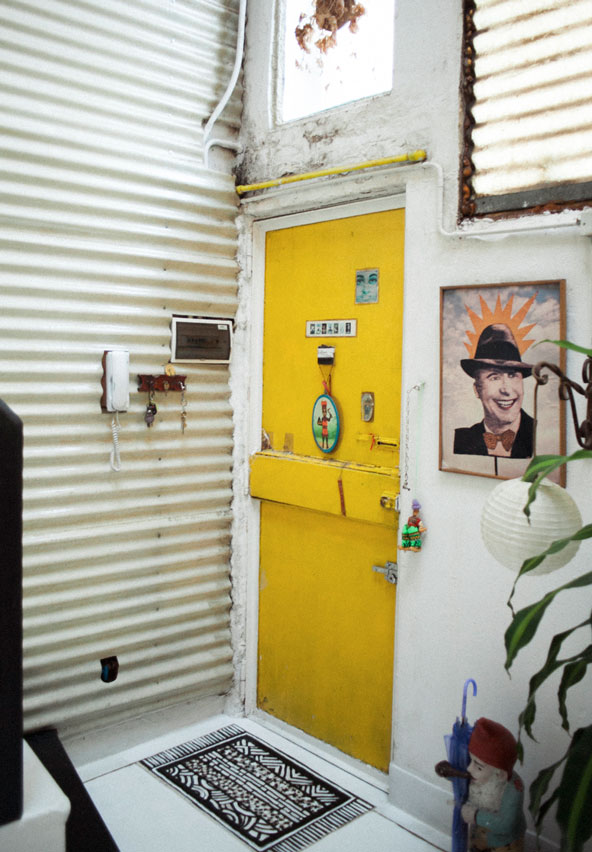
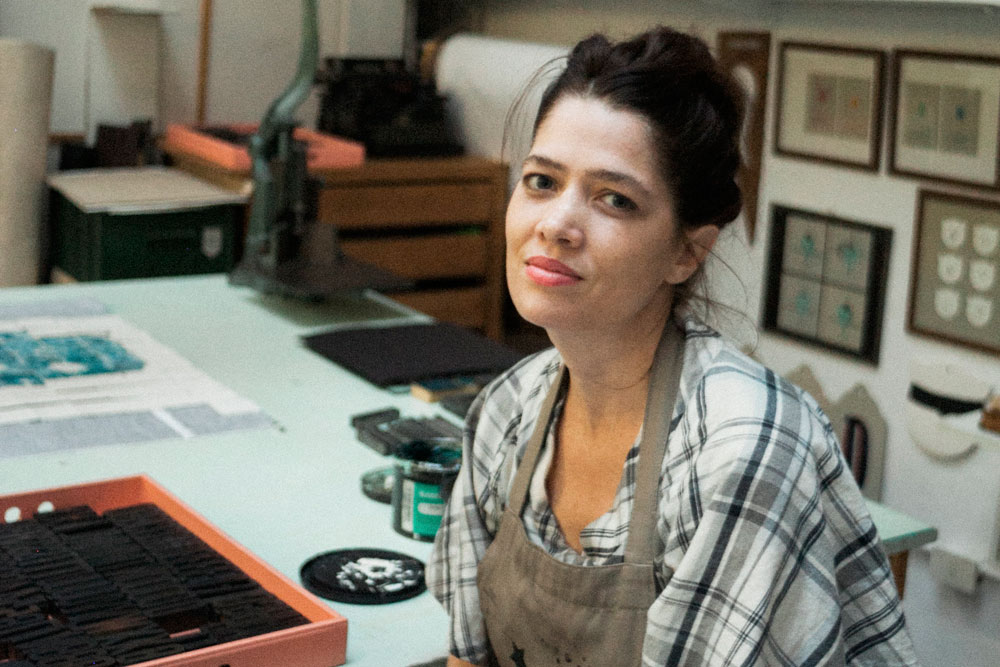
    Carolina Fernández is the founder of Ex Industria Argentina, a letterpress business in the Abasto neighbourhood in Buenos Aires. Carolina’s studio and workshop are located in her home, a 1930s building that she shares with her painter husband. Our contributing photographer, Andrea Fernández, visited Ex Industria Argentina on her last trip to Buenos Aires and interviewed Carolina about her love for letterpress, the equipment she uses and how her space influences her work.

    www.facebook.com/ex-industria-argentina

    Photos & Interview by Andrea Fernández.

    What is the concept behind Ex Industria Argentina?

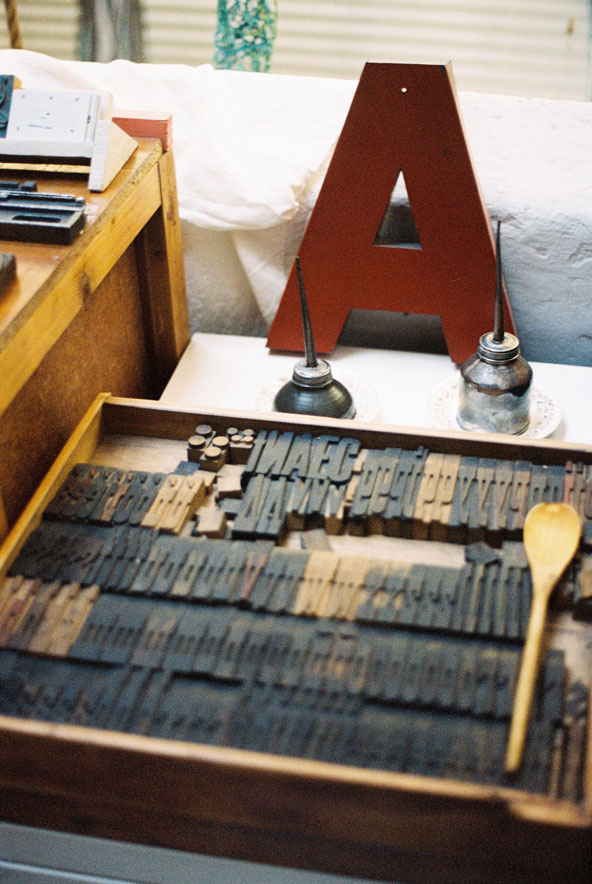
    From the first day, my goal was to bring back an appreciation for the traditional technique of typography printing or letterpress, the composition using wood or metal types, the impression the type leaves on paper, the time and the dedication the process requires. The name of the project echoes this idea: a way of working that has been left behind, which I’m trying to highlight by bringing a touch of design to.
    What is your creative background in and how did you get involved with letterpress?

    I was a product designer at a paper house producing lots of different kinds of paper goods. We would make paper by hand on a paper mill and had a workshop specialising in bookbinding and serigraphy, an art gallery and a typography printing studio. It was here that I deeply connected with the art and design world, and got close to printing.
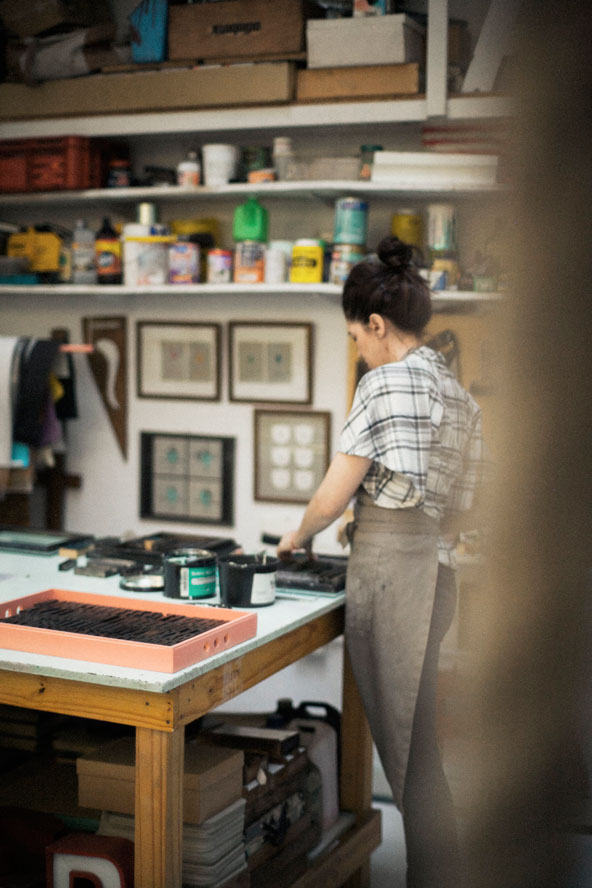
    What was the space before you transformed it into your studio & home? How was the renovation process?

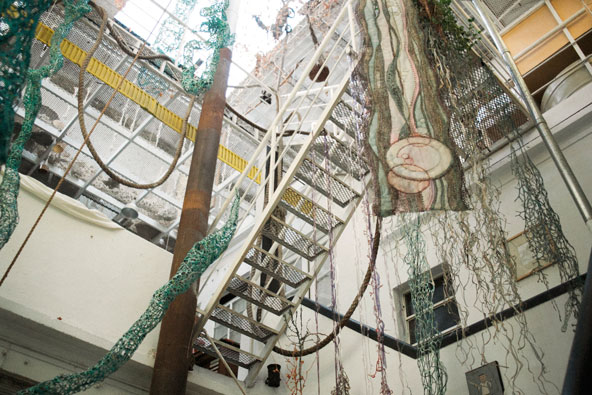
    The house dates back to the 1930s and is both mine and my husband’s studios, as well as our home. He is a visual artist and did the remodelling of the space to originally house his big art pieces. My studio is on the middle floor, which used to be the open air sun terrace.
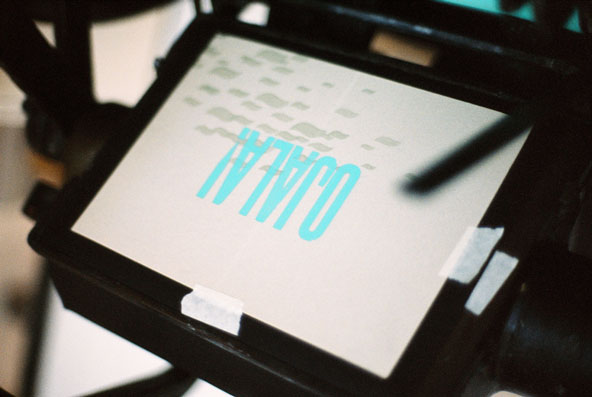
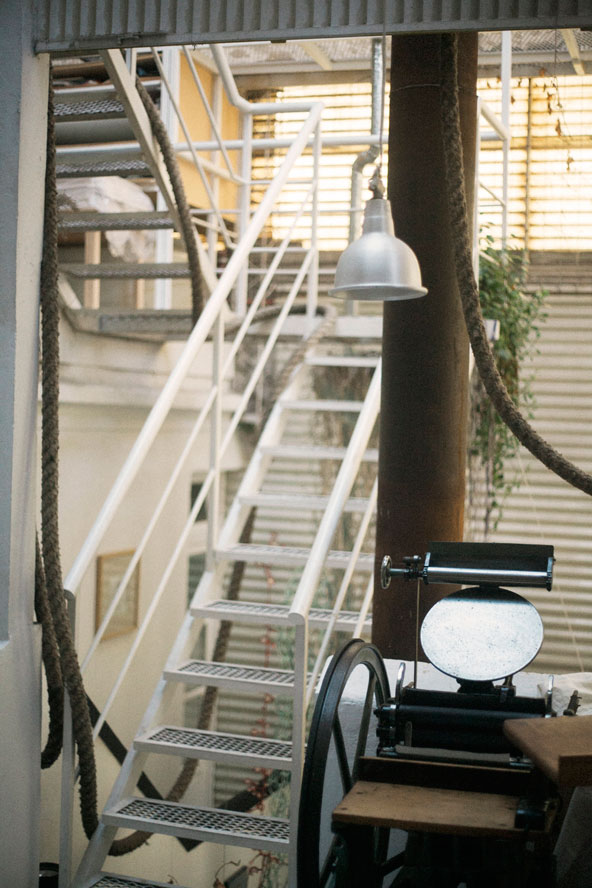
    Tell us about the equipment and machinery you use and its history.

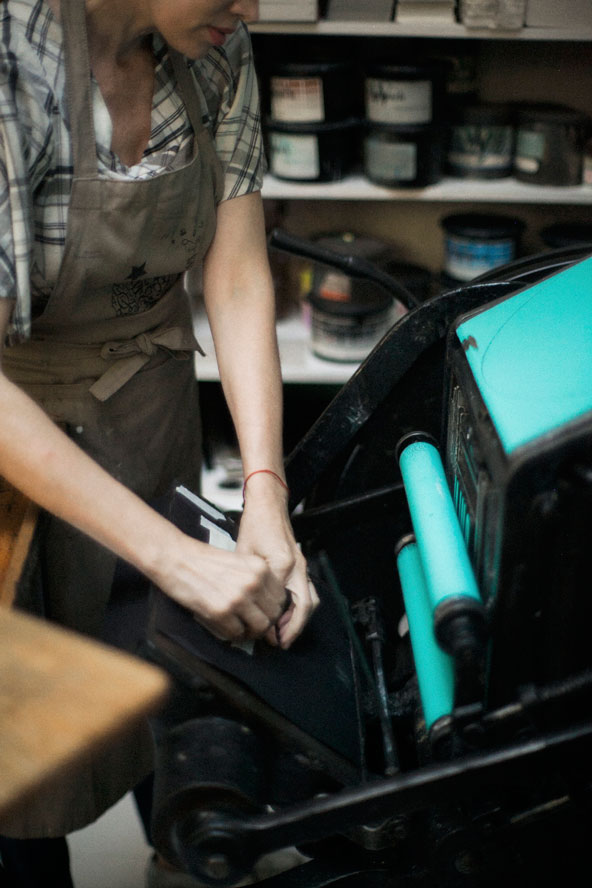
    I print using two antique letterpress machines, known as Minerva’s. They are both from German origin but I don’t have the specific details about them. The smallest one is a Hogenforst that dates back to the 1920s. I bought it from a printer in the San Telmo neighbourhood that used it to print religious cards. I also have a bigger one that is more sturdy and strong.
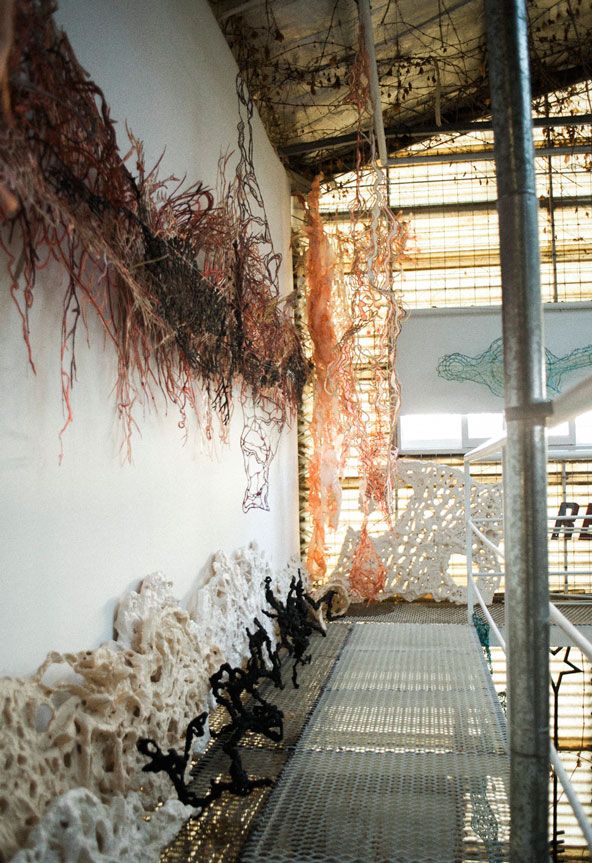
    What do you enjoy the most about working in this space? Does it have a direct impact on your work?

    My favourite aspect of my workspace is that it is also my home, which means I have an immense flexibility on my work hours and incorporating it into my daily routines. I love the light I get in this space, infiltrating through the ceiling and reflecting off the tin walls. I feel very connected with the outside world; if it’s overcast my studio is grey, if the sun comes out the space just shines.
  • LAW Magazine

    LAW Magazine

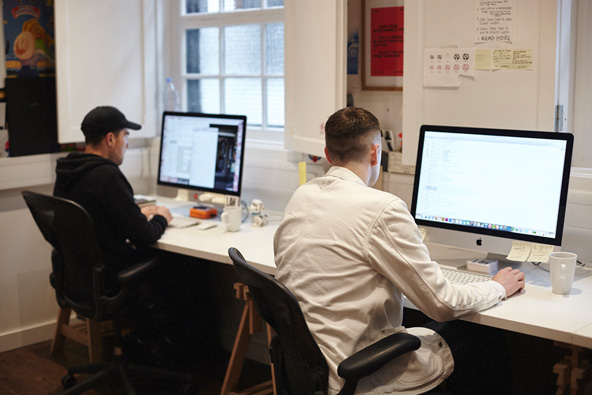
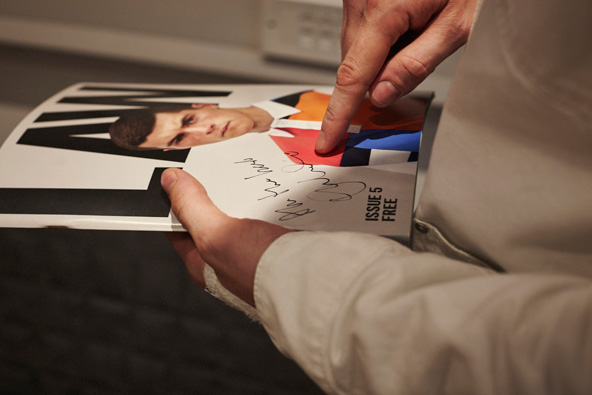
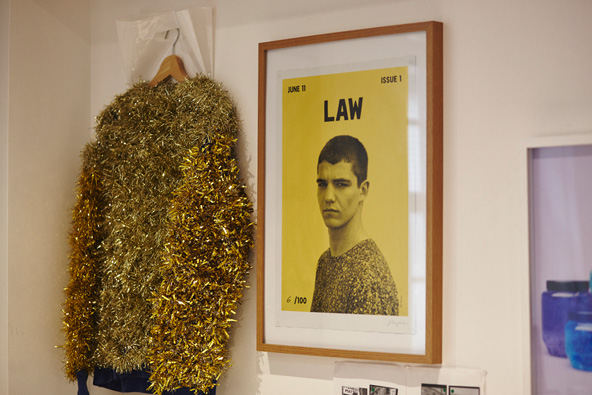
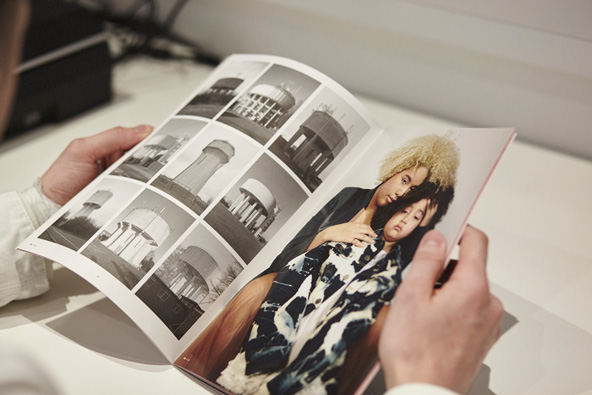
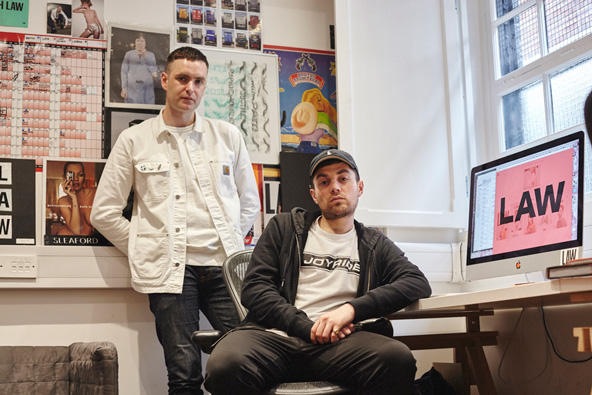
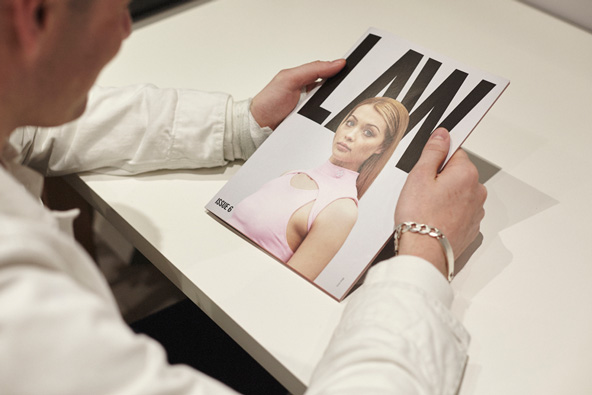
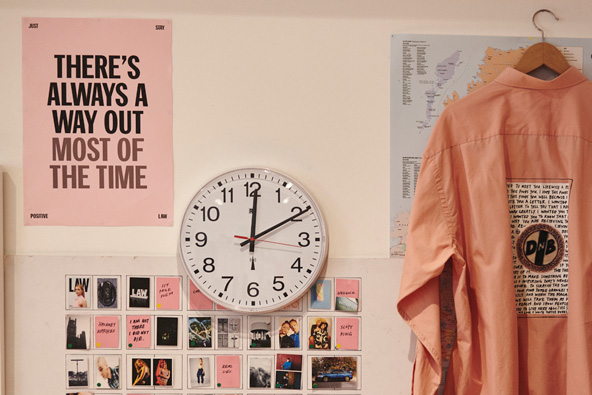
    LAW (Lives and Works) is an independent bi-annual magazine based in London. LAW is concerned with documenting the overlooked and portraying the beautiful everyday, giving people a sense of belonging and recognition. We visited LAW studios in Hackney and photographed Editor-in-Chief John Joseph Holt and Creative Director Joseph Prince in their working space.

    Photographs by Jack Johnstone.

    www.law-mag.com

    Future-Positive-LAW-2 Future-Positive-LAW-6 Future-Positive-LAW-4 Future-Positive-LAW-3 Future-Positive-LAW-7 Future-Positive-LAW-1 Future-Positive-LAW-5 Future-Positive-LAW-8

  • Naranjo Etxeberria Studio

    Naranjo Etxeberria Studio

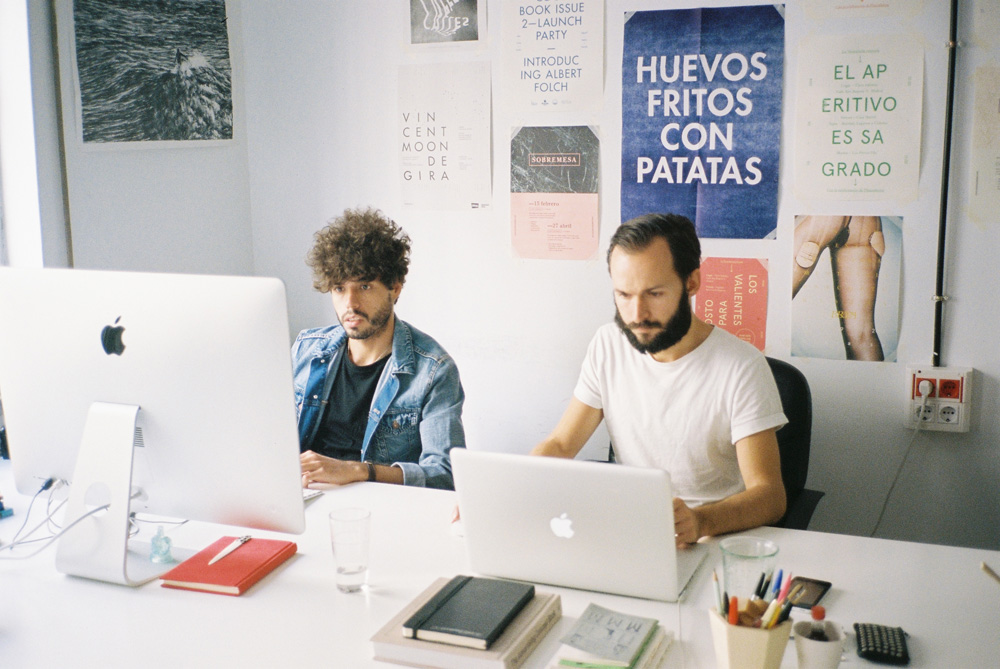
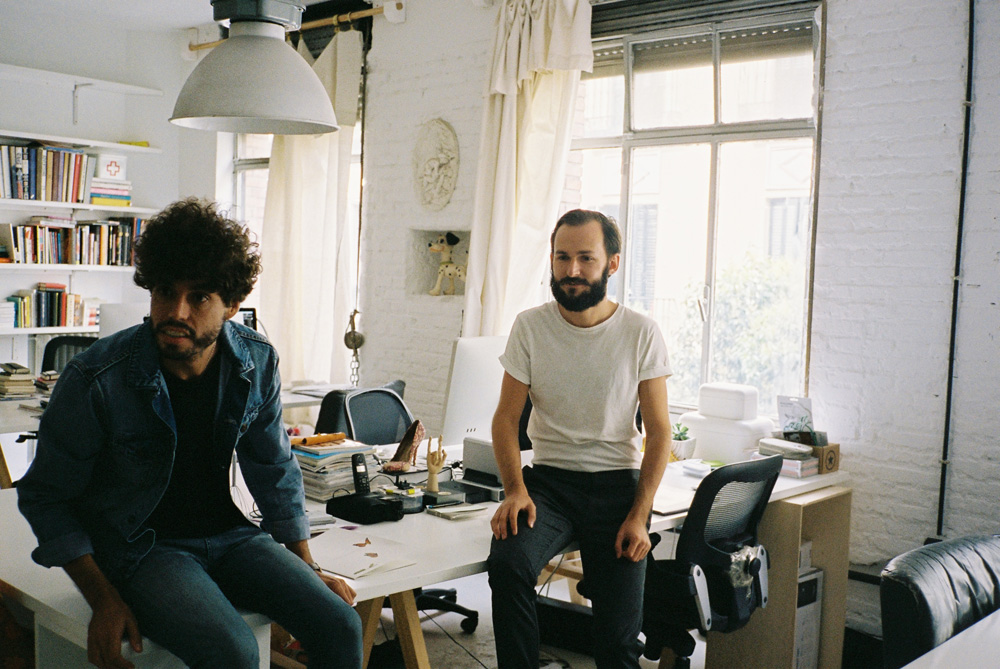
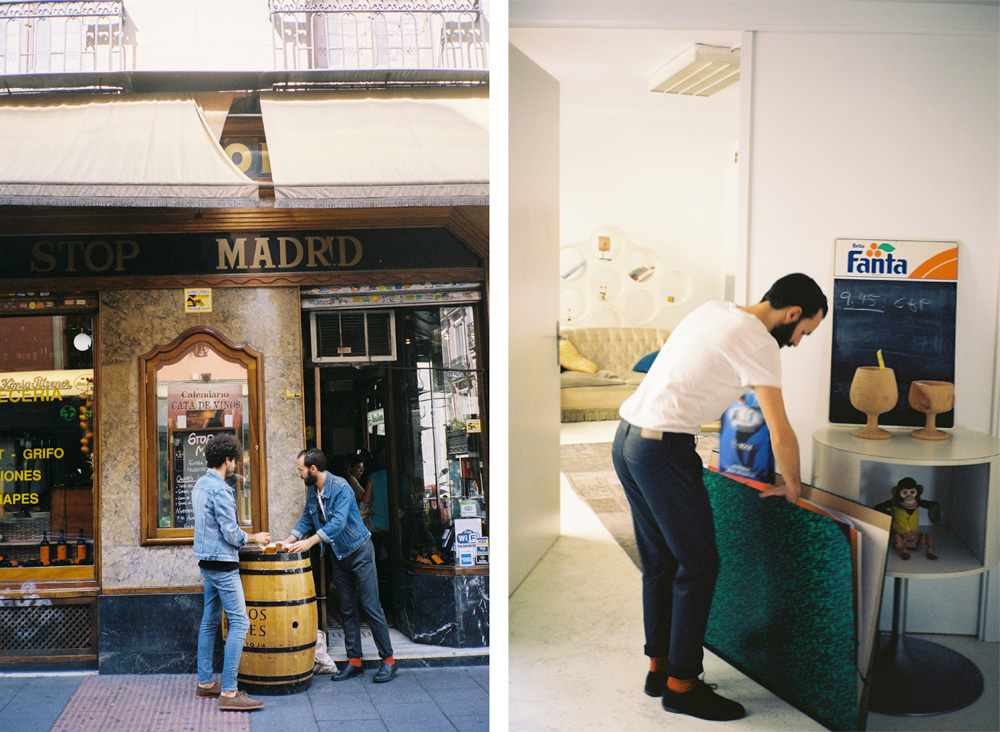
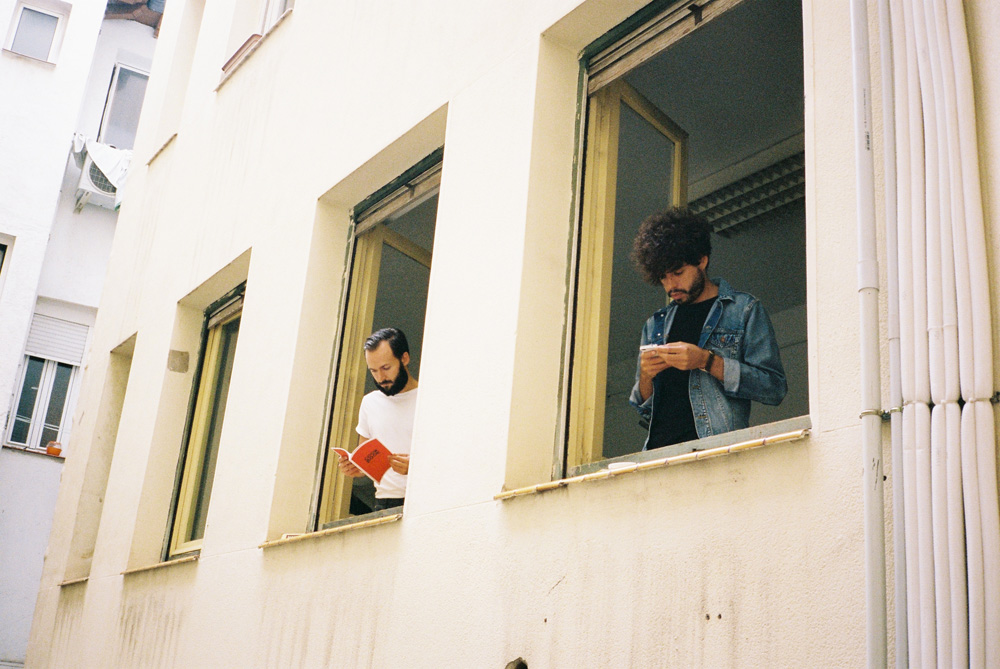
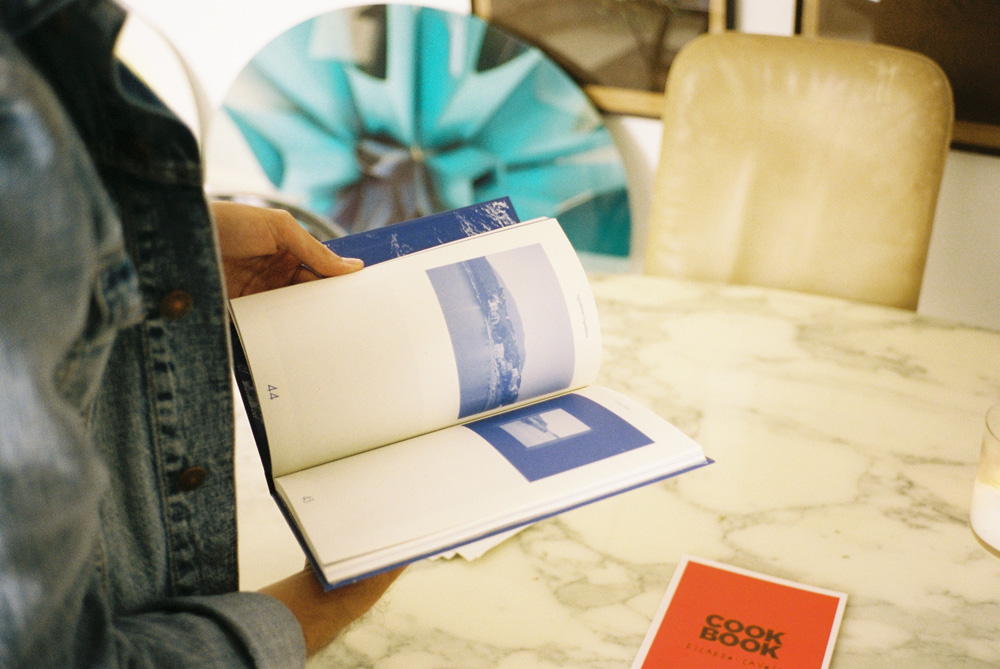
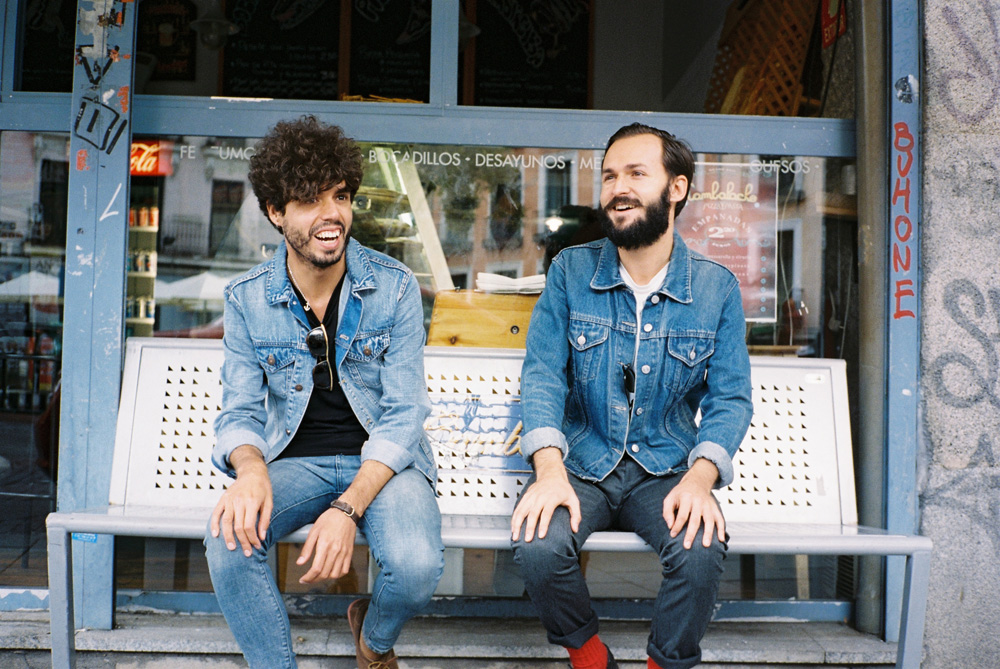
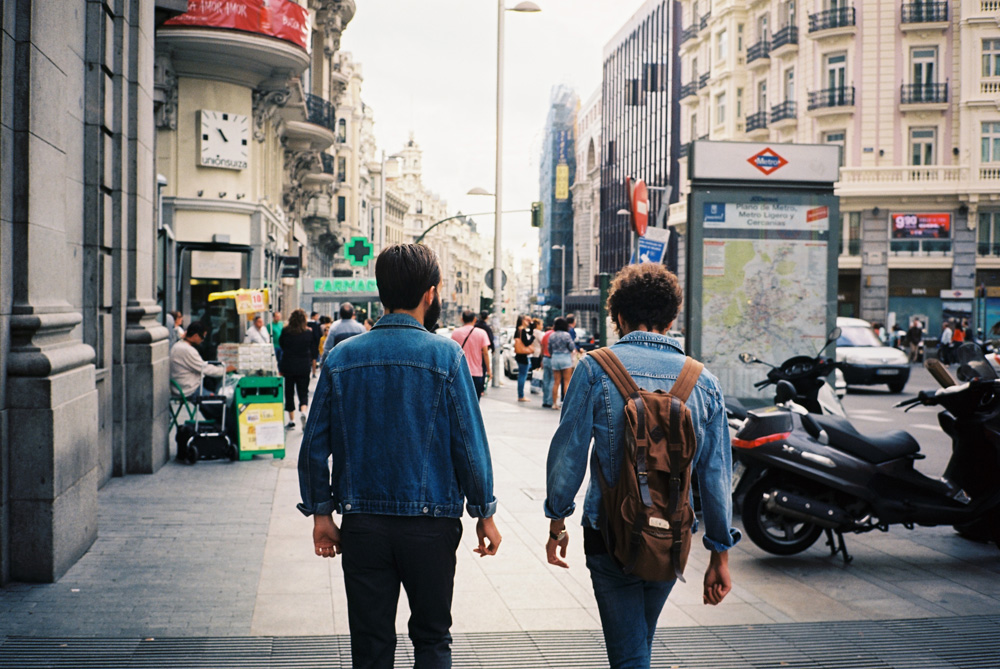
    Miguel Naranjo and Diego Etxeberria are the founders of Spanish design studio Naranjo Etxeberria. Based in Madrid, Miguel and Diego work in different fields – ranging from art direction to branding – and are responsible for Cookbook, a magazine inviting a new artist in each issue to curate a selection of recommendations in music, literature, cinema and art.

    To find out more about this creative duo, we visited their studio in Madrid and asked them a few questions. Read their answers below the images.

    Photos by Iciar J. Carrasco

    www.naranjoetxeberria.com

    Future-Positive-Naranjo-Etxeberria-6 Future-Positive-Naranjo-Etxeberria-5 Future-Positive-Naranjo-Etxeberria-3 Future-Positive-Naranjo-Etxeberria-2 Future-Positive-Naranjo-Etxeberria-9 Future-Positive-Naranjo-Etxeberria-4 Future-Positive-Naranjo-Etxeberria-8 Future-Positive-Naranjo-Etxeberria-1 Future-Positive-Naranjo-Etxeberria-7

    Please tell us about your background. What did you guys do before Naranjo Etxeberria?

    Miguel: I was born in Madrid 30 year ago and studied graphic design at “Escuela de arte Nº 10”. I worked in different advertising agencies and design studios for over 7 years. Two years ago I started a personal editorial project called Cookbook Magazine, which won a Laus Award in 2013.

    Diego: I was born in San Sebastian 28 years ago. I studied Creative Advertising in Bilbao and worked in couple of advertising agencies in Madrid over the past 4 years. I’ve also published a magazine with some of my disposable camera pictures and have been involved in several photography exhibitions.

    How did you meet and what made you found your design studio?

    Diego: We meet in a Kebab takeaway. I was working in an advertising agency with Manu Ridocci and we meet with a friend of him to grab something to eat. That friend was Miguel. After that, he came to work with us in the same agency and we started working together on different projects. After working for 2 years in that place, we decided to start our own studio.

    We both have different visions that help us cover projects in a more global way – it is a mix between our past experience and what we want to do at the studio.

    Is it easy to run a creative business in Spain at the moment? What has been the hardest part?

    Miguel & Diego: It is never the perfect moment to run a creative business like this, but if you want to do it, the earlier you start with it, the better. We think that there are lots of thing to do, create and share currently in Spain… but we still have a lot to learn about being entrepreneurs. That’s our new job: learning how to sell our work and find new clients all the time. Having said that, we are very excited with this new beginning.

    You’ve worked with many clients and on many projects so far. Please tell us about a project that is special for you.

    Miguel & Diego: We are so lucky because since the first day, we have been able to work with amazing clients like Vincent Moon, Absolut Vodka, Nowness, Curador Magazine, La Vermutería, Good2b, Sobremesa taller, Cookbook Magazine…

    A special project would be “Cuadernos de su padre y de su madre” (Notebooks of their father and mother). It is a project made by us at the studio. We make handmade notebooks and each one is unique and different from the others. Nowadays everything is on the internet and everything is ephemeral. That’s why real things have more value and why we like to make objects, thing that you can touch and use.

    What does the future hold for Naranjo Etxeberria?

    The future is changing all the time. Last week we didn’t even know that  in less than a month, we were going to be teaching Visual Communication at IED . It is a new challenge because it is our first time, but we can’t wait to do it. Also, we are going to be teaching about naming and visual identity, a couple of thing we love to work on.

  • Studio: Mr. Simon

    Studio: Mr. Simon

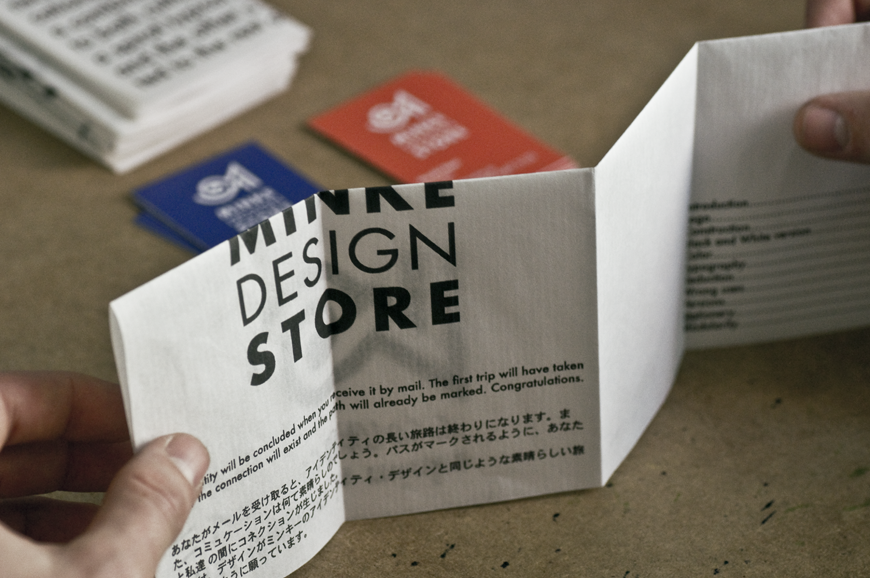
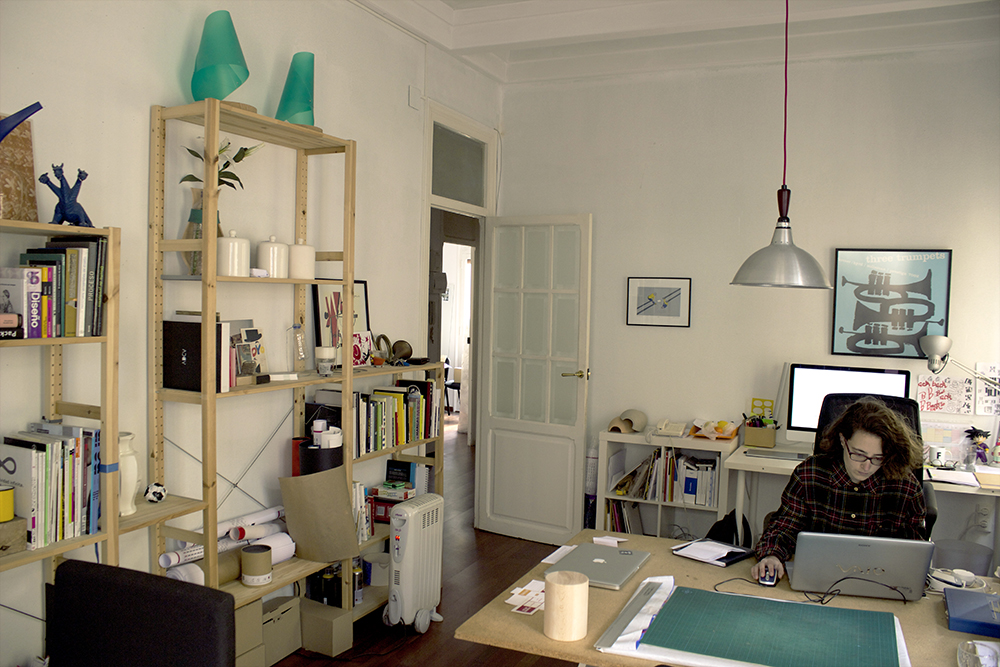
    Recently we were introduced to the work of Valencia-based independent graphic and product design studio Mr. Simon.  In the words of its founders “the purpose of Mr. Simon is to develop projects based on a solid concept, considering that aesthetics are also important“. With a simple and synthetic approach, Mr. Simon uses experimentation as a tool to explore innovative communication methods.

    We like their use of materials and finding new, original ways of approaching traditional products. Below are some of our favourite projects from the studio.

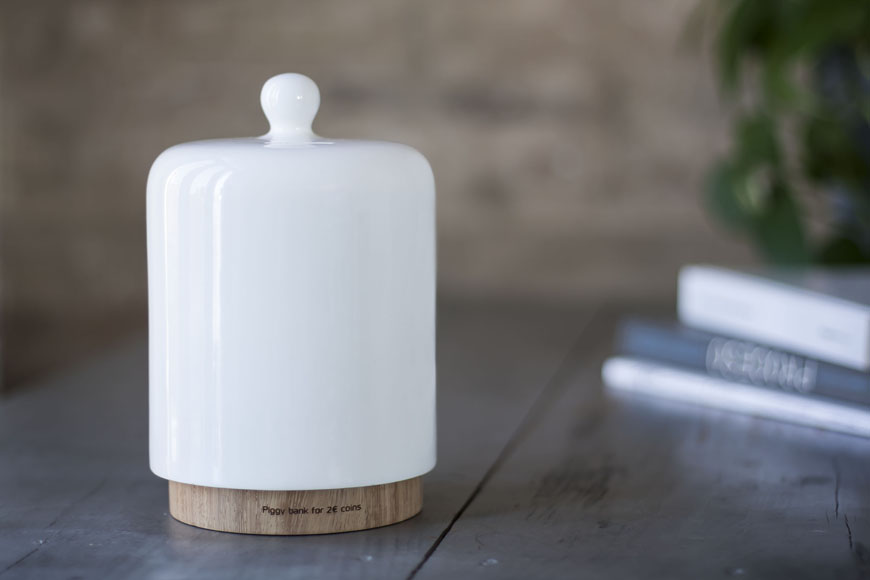
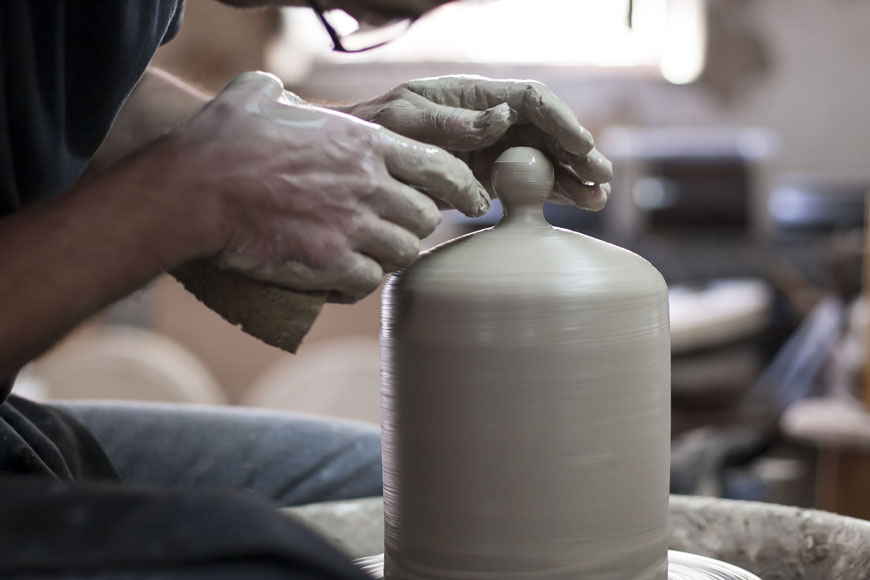
    Dos Pavos, the studio’s take on the traditional piggy bank, is made of a cylindrical solid base of wood, that acts as coin stopper, and a ceramic piece that rises in height as the piggybank is filled in with money.

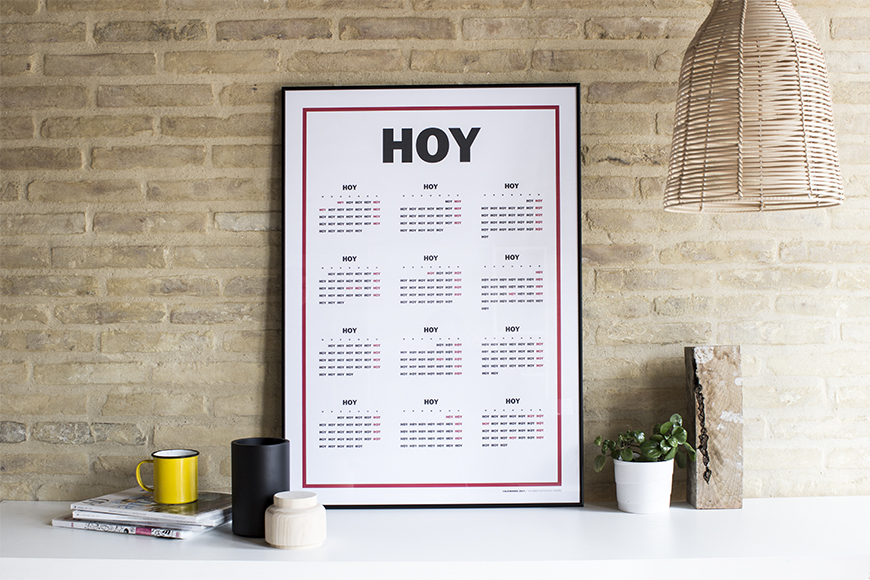
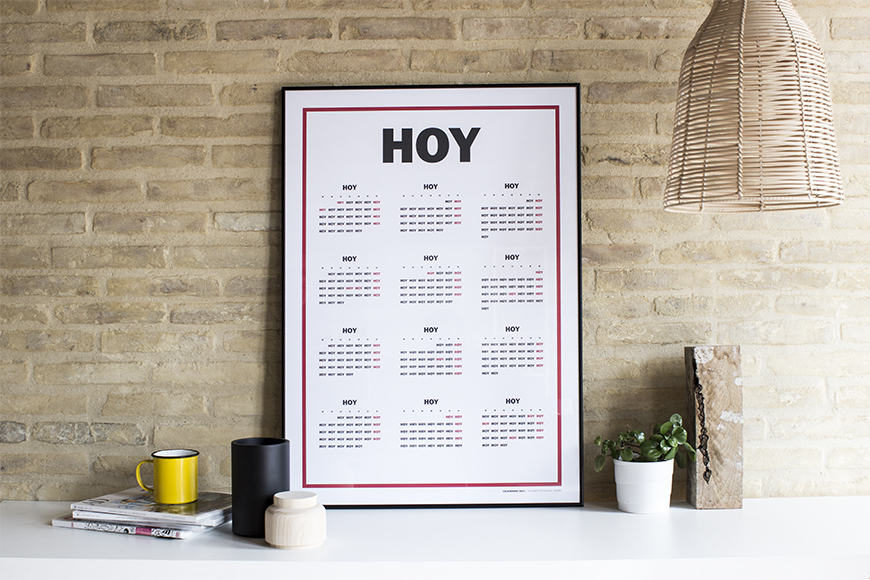
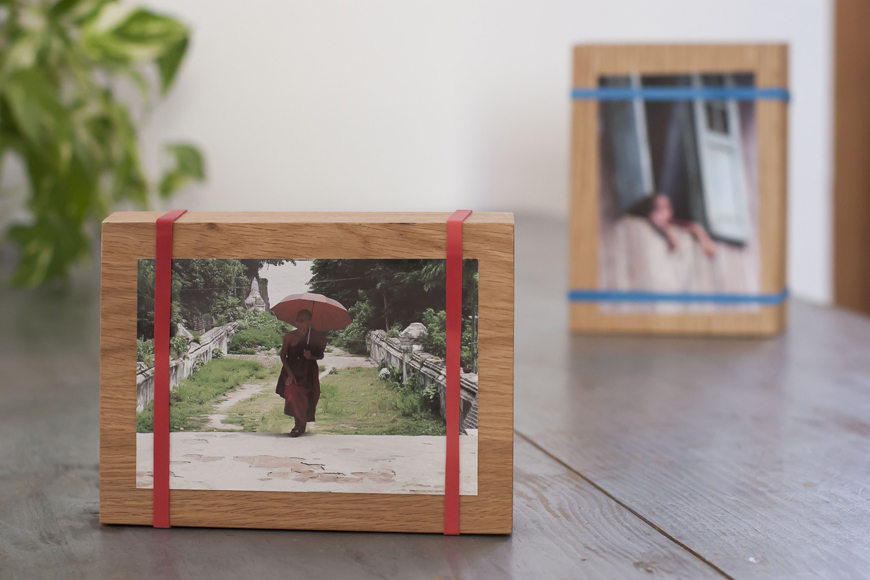
    Today Calendar (Hoy) purpose is not to measure time as a standard wall calendar but to bring our attention to the present and picture frame Tallo combines a solid block of wood with elastic bands, allowing you to hold photos in an interesting way.

    www.mrsimon.es

  • Bookshelf: Garoa

    Bookshelf: Garoa

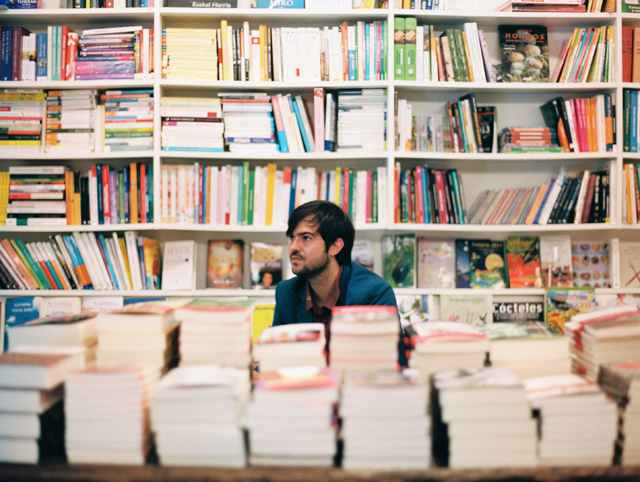
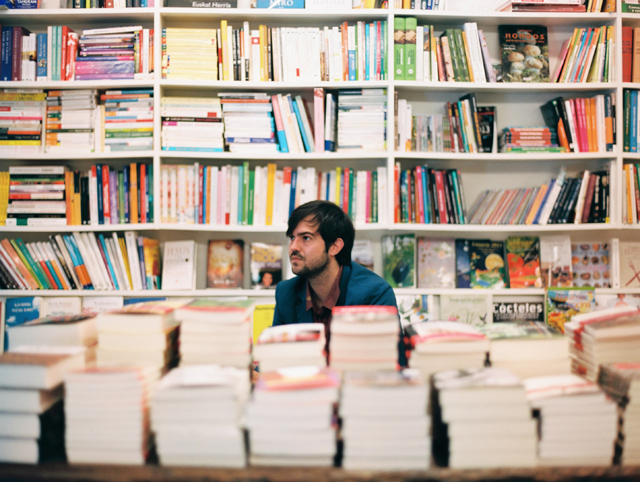
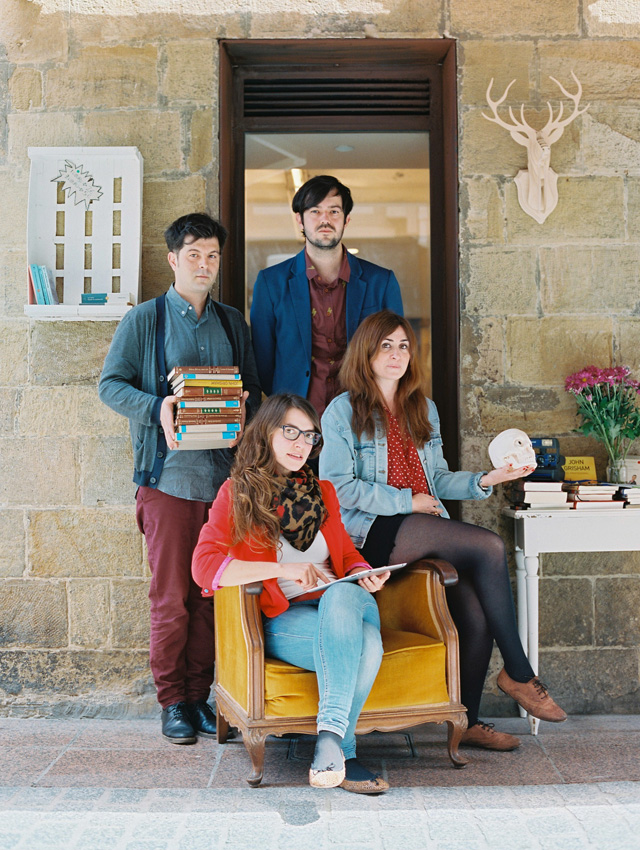
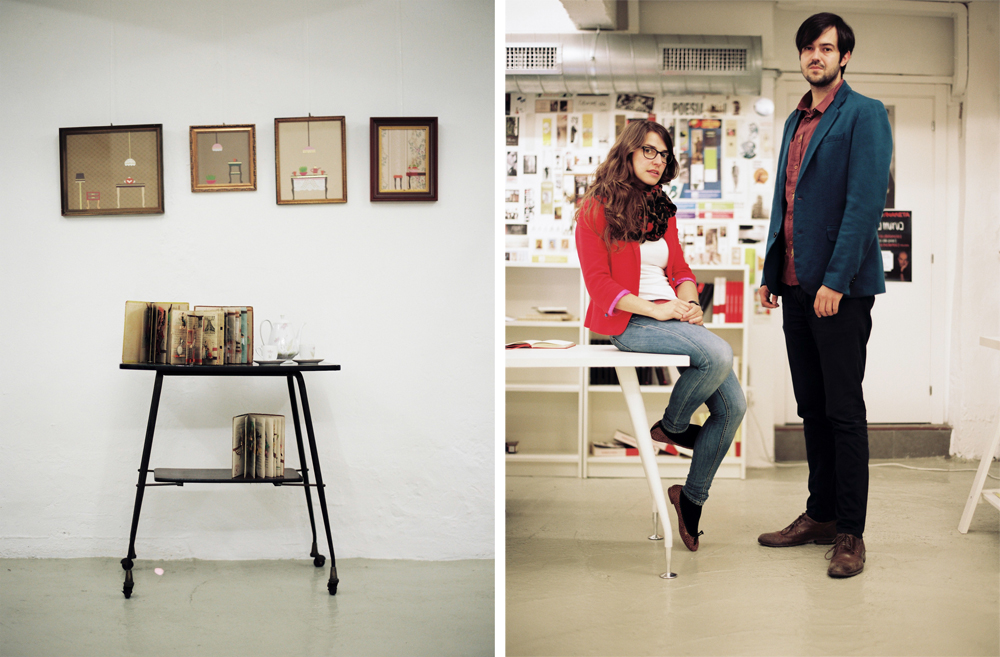
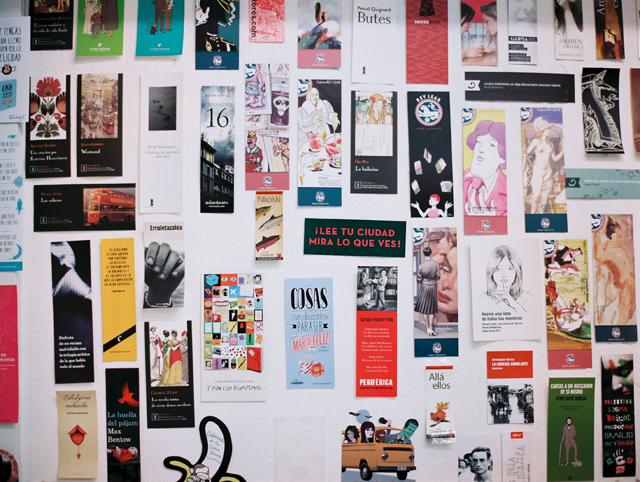
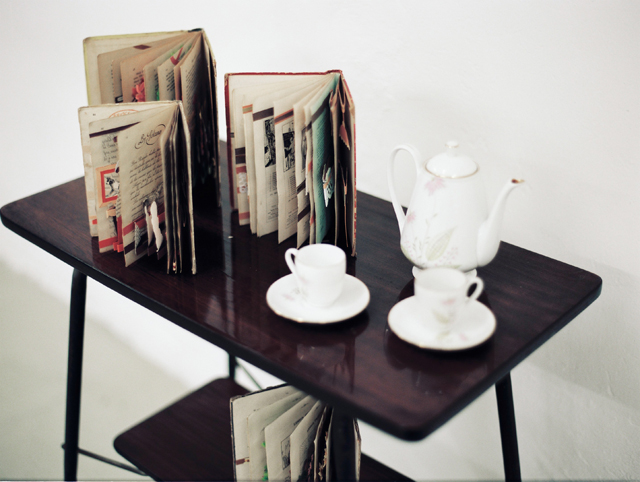
    Garoa is a bookstore founded in Zarautz, in the Basque Country, northern Spain. It doesn’t only focus on selling books but offers alternative activities like concerts and art exhibitions to bring more traffic through the door and get more people interested in ‘analog’ reading.

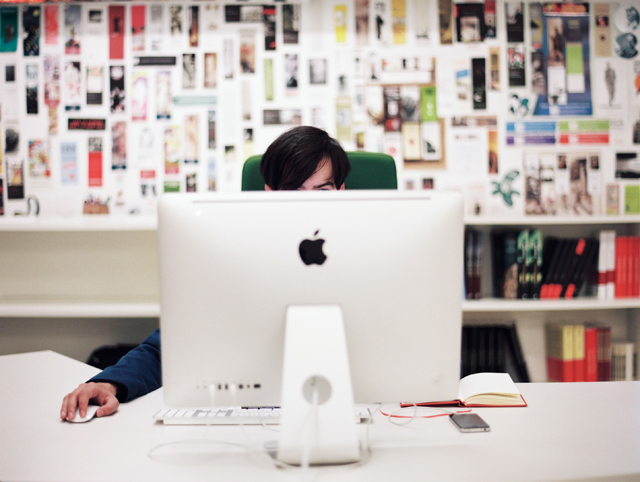
    Garoa is a really creative business and the team running the store is truly multidisciplinary – in the basement of the bookstore you’ll also find a web consultancy specialising in online strategy.

    Thanks to film photographer, Mikel Citores Rodriguez,  who sent us the shots of the space and its founders.

    www.egaroa.com