Tag: print

  • Studio Visit: Ex Industria Argentina

    Studio Visit: Ex Industria Argentina

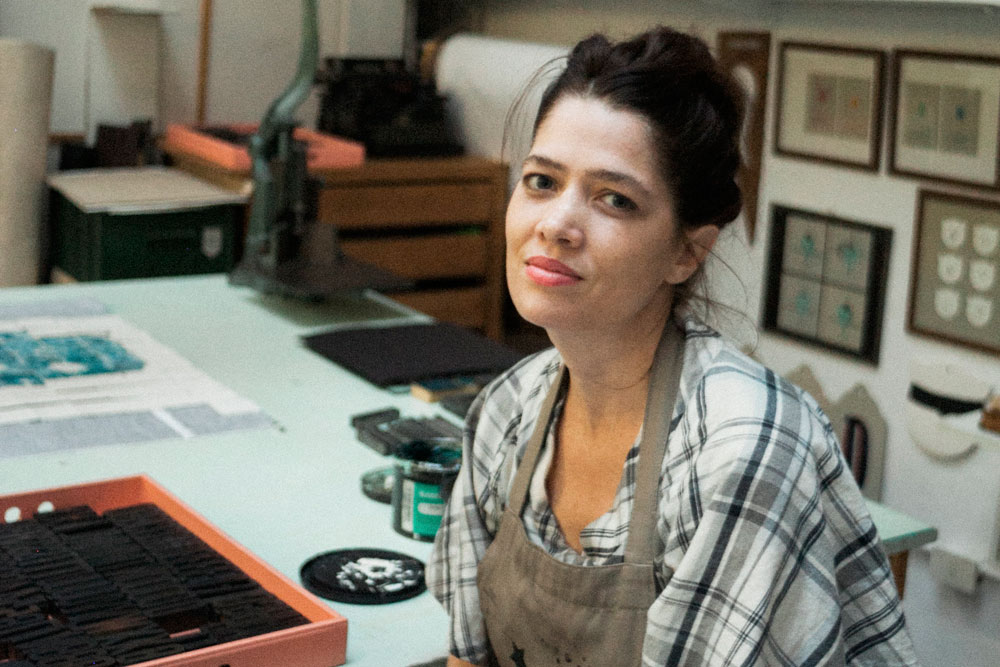
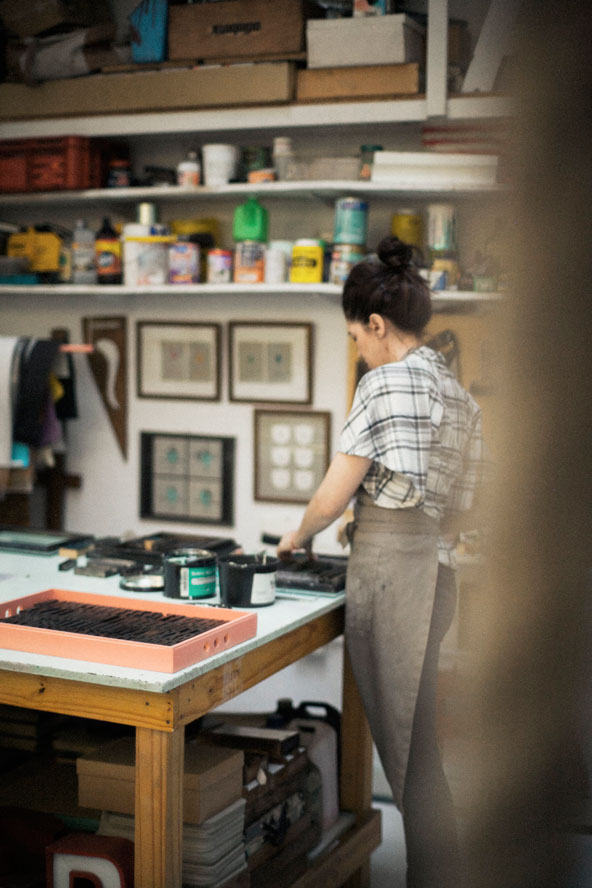
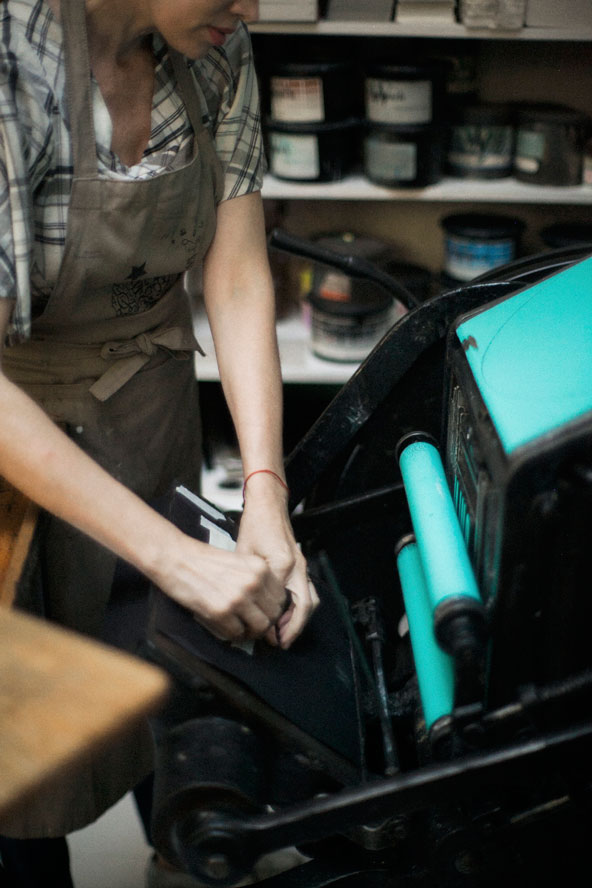
    Carolina Fernández is the founder of Ex Industria Argentina, a letterpress business in the Abasto neighbourhood in Buenos Aires. Carolina’s studio and workshop are located in her home, a 1930s building that she shares with her painter husband. Our contributing photographer, Andrea Fernández, visited Ex Industria Argentina on her last trip to Buenos Aires and interviewed Carolina about her love for letterpress, the equipment she uses and how her space influences her work.

    www.facebook.com/ex-industria-argentina

    Photos & Interview by Andrea Fernández.

    What is the concept behind Ex Industria Argentina?

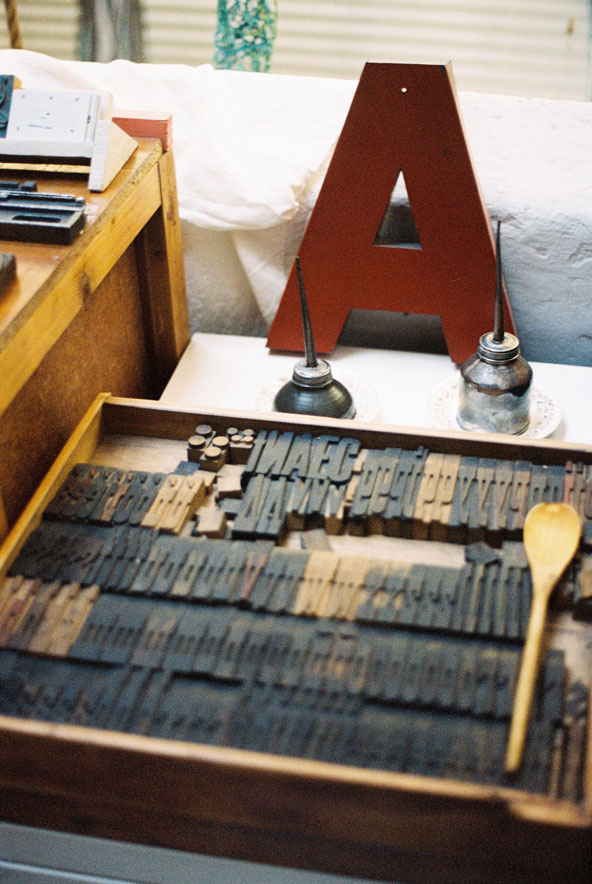
    From the first day, my goal was to bring back an appreciation for the traditional technique of typography printing or letterpress, the composition using wood or metal types, the impression the type leaves on paper, the time and the dedication the process requires. The name of the project echoes this idea: a way of working that has been left behind, which I’m trying to highlight by bringing a touch of design to.

    What is your creative background in and how did you get involved with letterpress?

    I was a product designer at a paper house producing lots of different kinds of paper goods. We would make paper by hand on a paper mill and had a workshop specialising in bookbinding and serigraphy, an art gallery and a typography printing studio. It was here that I deeply connected with the art and design world, and got close to printing.

    What was the space before you transformed it into your studio & home? How was the renovation process?

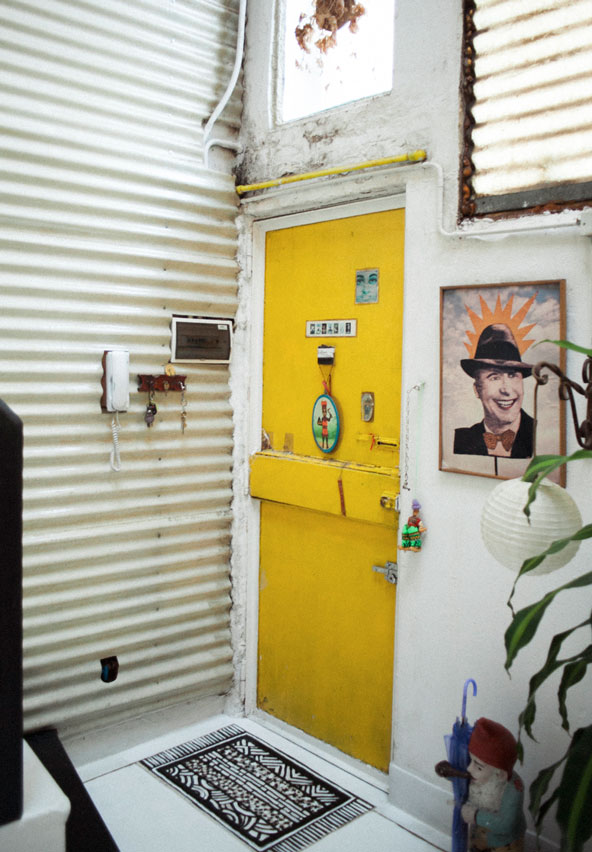
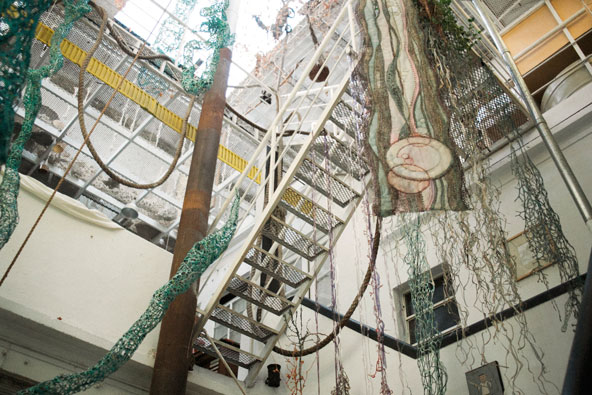
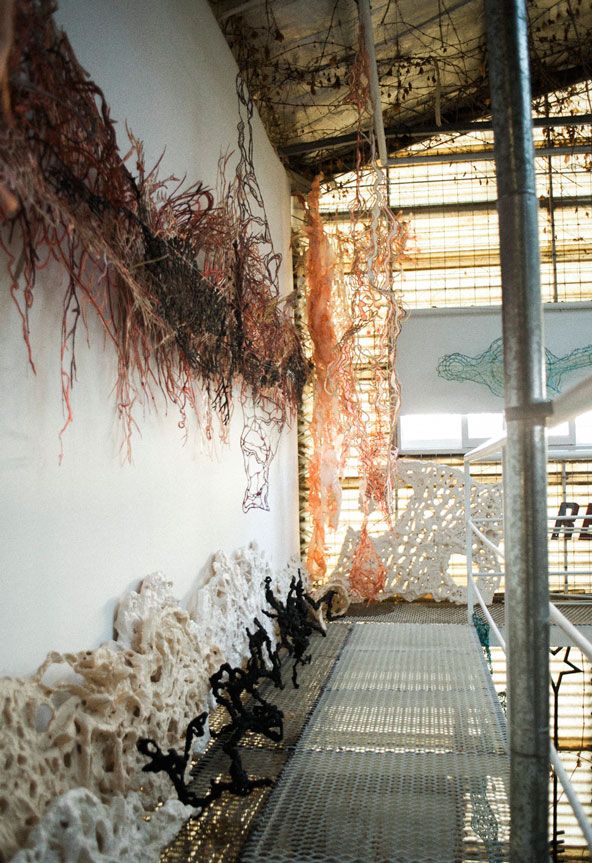
    The house dates back to the 1930s and is both mine and my husband’s studios, as well as our home. He is a visual artist and did the remodelling of the space to originally house his big art pieces. My studio is on the middle floor, which used to be the open air sun terrace.

    Tell us about the equipment and machinery you use and its history.

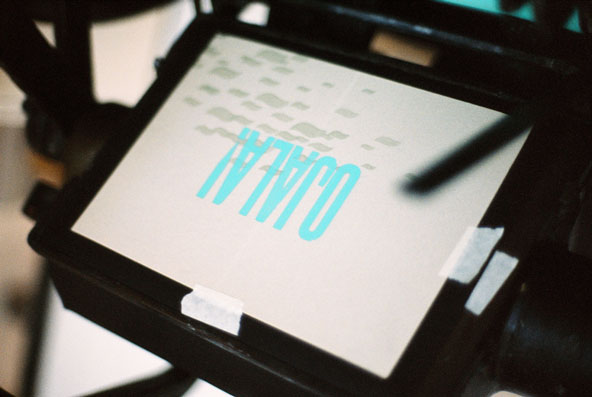
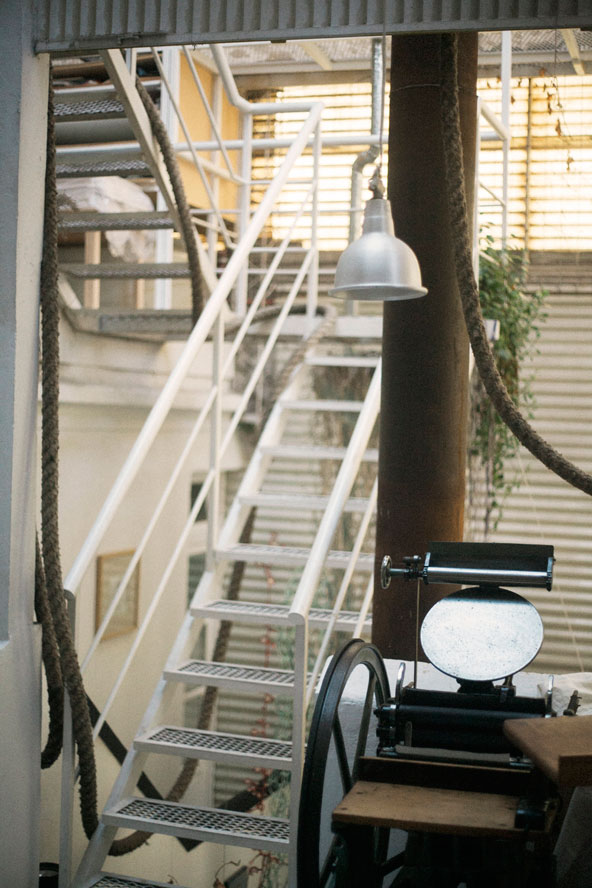
    I print using two antique letterpress machines, known as Minerva’s. They are both from German origin but I don’t have the specific details about them. The smallest one is a Hogenforst that dates back to the 1920s. I bought it from a printer in the San Telmo neighbourhood that used it to print religious cards. I also have a bigger one that is more sturdy and strong.

    What do you enjoy the most about working in this space? Does it have a direct impact on your work?

    My favourite aspect of my workspace is that it is also my home, which means I have an immense flexibility on my work hours and incorporating it into my daily routines. I love the light I get in this space, infiltrating through the ceiling and reflecting off the tin walls. I feel very connected with the outside world; if it’s overcast my studio is grey, if the sun comes out the space just shines.

  • The Jaunt, art and travel

    The Jaunt, art and travel

    The Jaunt is a project by Jeroen Smeets sending artists all over the world to find inspiration and create a new artwork which is printed in a limited edition. Before the trip, you can purchase the print sight unseen only knowing about the artist and their destination – a place they’ve never visited before. During the trip, you can follow the artist whilst they get immersed in the destination and get inspired to produce their artwork.

    In this short interview, Jeroen tells us about how the idea behind The Jaunt started, how people have reacted to this innovative project and the last trip with artist Kristin Texeira.

    www.thejaunt.net

    Photos by The Jaunt

    Jaunt #021 – Scott Albrecht – Masaya

    Can you introduce yourself and tell us about how The Jaunt started?

    My name is Jeroen Smeets. I’m from the Netherlands originally, but living in Copenhagen these days with my family. I’ve been working with artists for a while now through different jobs and projects. Ranging from editor-in-chief, creative director, art agency, gallery manager, publisher, journalist and everything in between.

    The Jaunt started about five years ago when I first started talking about this project with friends and artists, trying to shape this idea I had of sending artists on trips all over the world to find inspiration. After a year of conversations we organised our first trip in April 2013, and have been running ever since up to trip number 35.

    Jaunt #030 – Jean Jullien – Marfa

    The Jaunt is an innovative take on the traditional artist residency. Can you explain briefly how it works?

    We send artists on trips all over the world with the sole purpose of finding inspiration. There is no agenda and no briefing. The artists make their own trip and their own adventure. Once the artist returns from their trip, they create an artwork which we then produce as a limited edition silk screen print. We sell this print before the trip takes place. Meaning you have no clue about the outcome of the artwork until the artist has returned and you receive your print at home.

    This way when you buy a print you become part of the experience and make it possible for the artist to go on their trip.

    The Jaunt #007 – Jordy van den Nieuwendijk at work on location in Los Angeles

    We love the surprise element of buying the print before the artist travels to their destination, without knowing what they’re going to create. How did your first customers react to this? Can you share some of the feedback or comments you’ve received since you started The Jaunt?

    We work with a variety of established and upcoming artists, and this way we get to introduce artist whose work we admire to a new audience. One of the things I personally enjoy hearing the most is when people order a print from an artist they did not know before, but are very pleased with in the end and the artwork ends up hanging on the walls in their house.

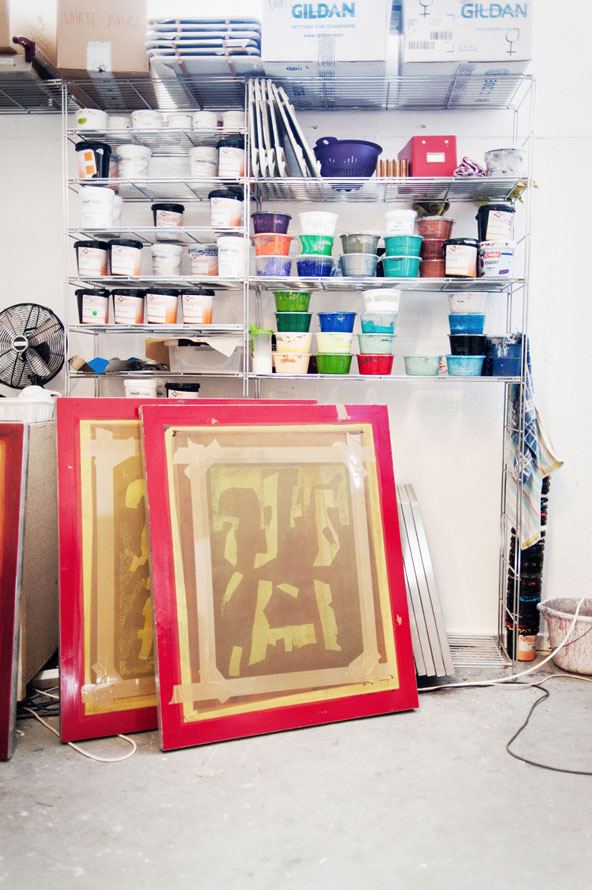
    The screenprint studio of Joris Diks where the artworks are printed

    Your last trip has been with artist Kristin Texeira, whom we’ve interviewed before. Why did you choose Kristin and her destination, Newfoundland?

    I actually just stumbled upon her work by clicking through different hashtags on Instagram, and it immediately captured my eye. Her work is to me a great example of an artist putting her own feelings and experiences into the artworks. Meanwhile she is able to tell a vivid story with her quite abstract work. So I got in touch with her and two weeks later her tickets were booked.

    Originally I was looking into the Caribbean islands for her trip, but Kristin expressed a bigger interest in less tropical climates, enjoying the different elements of the weather and nature. Newfoundland, Canada seemed like a perfect fit for her.

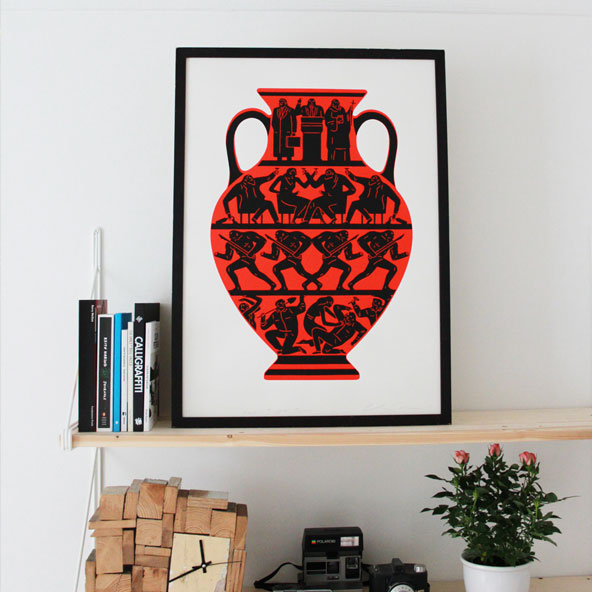
    Jaunt #012 – Cleon Peterson – Athens

    You have published a book about your first 10 artists and their trips. Are you planning a second volume or other ways to expand the project outside of prints?

    It’s in the works. The first book was self-published which is a big challenge, especially on the distribution end of things. So ideally I would like to collaborate with a publisher on the second book and make sure it gets the proper international distribution.


  • Newspaper Club, Print’s Not Dead

    Newspaper Club, Print’s Not Dead

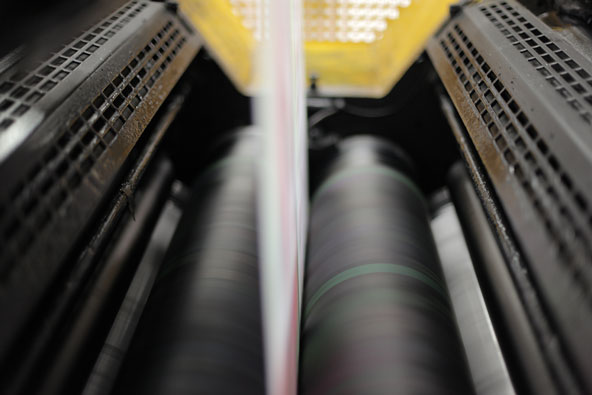
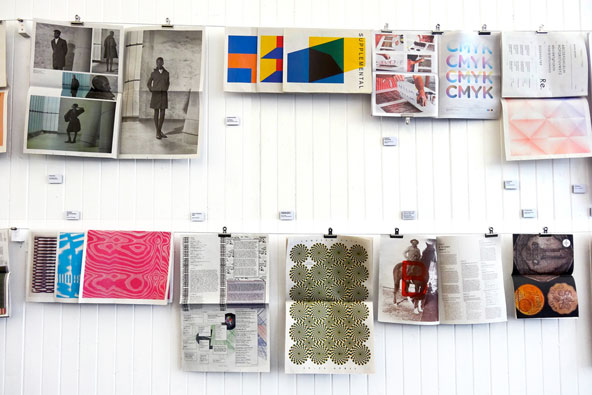
    Since 2009, Glasgow-based printing company Newspaper Club has been helping people self-publish their work on newsprint. Inspired by newspapers’ history and tradition, the team behind Newspaper Club decided to open the industry up for non-traditional publishers in order to see how this medium adapts to the 21st century.

    Working with all types of clients – from students and photographers to tech companies like Facebook and MailChimp – Newspaper Club has printed more than 12 million newspapers for thousands of customers all around the world.

    We chatted with Newspaper Club’s CEO Anne Ward and the rest of the team to find out more about their services and they’re also offering 20% off the first order (up to a discount of £100 and until 30 November 2017) to all our readers using the code FUTURE20 at checkout.

    www.newspaperclub.com

    Photos by Newspaper Club.

    When and how did your love for print begin?

    In childhood! Most of us are old enough to have grown up in a pre-digital world, surrounded by books, newspapers, notebooks and all kinds of printed goodness. It’s a medium with an evocative feel and a rich heritage. We want to help print have a bright future too.

    Can you tell us about what made you start Newspaper Club?

    Yes, we felt that rumours of print’s death had been greatly exaggerated. When we used the slogan ‘Print’s Not Dead’ it really resonated with people and it became clear there were a lot of people who were keen to print their own newspapers.

    Our first newspaper was a design project (which won Design of the Year in 2010). Getting this printed proved how difficult it was for small designers and publishers to get a newspaper printed. There’s a lot of technical knowledge required, which can be intimidating and many big printers won’t take on small jobs. We wanted to make newsprint accessible to everyone and have worked ever since to make newspaper printing easier.

    Can you tell us about the different services you offer at Newspaper Club?

    Our main service is printing newspapers to order. You design ’em, we print ’em! You can use software like InDesign, or our own free design software to make your newspaper.

    You can print one copy or thousands, and choose from three handy formats: minis, tabloids and broadsheets. Our business is totally online so you can order 24/7 and we’ll ship just about anywhere in the world. We offer clear guidance and friendly support, so we’re always here to help.

    You’ve worked with some big names in the digital industry like Facebook and MailChimp, how can print support or enrich digital content?

    A few years ago Wired said Newspaper Club is “what happens when the internet gets hold of a printing press.” We think digital and print can work really well together, and it’s exciting to see customers experiment with that dynamic.

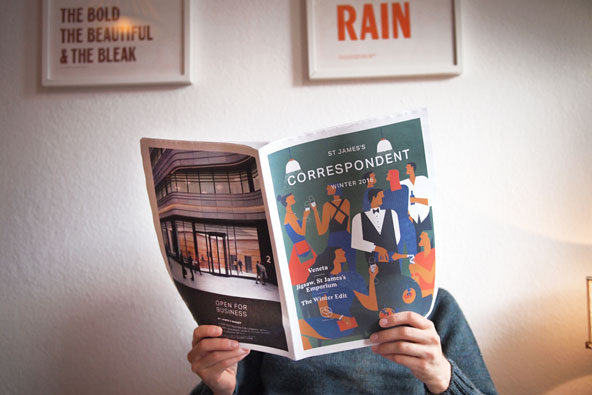
    MailChimp use The Chimpington Post as a recruiting tool. It’s a friendly format that lends itself well to MailChimp’s voice, and they clearly had a lot of fun with the design. As a piece of print, it still feels very of the web.

    We printed a lovely broadsheet for Zendesk when they launched their rebrand last year. It was a great way to showcase their playful new visuals in a big format, something that people could flip through and interact with off the screen.

    And then there’s a project like Printed Web, which is literally bits of the internet turned into a newspaper by designer and teacher Paul Soulellis. He’s published 5 issues with contributions from hundreds of artists – the newspapers are moving into the MoMA Library later this year!

    What are your plans for the upcoming months?

    The good news is our business is booming at the moment! We’re expanding our team, looking at some new products and generally thinking about how we can help more people get their first newspaper off to print.

  • Aimée Wilder

    Aimée Wilder

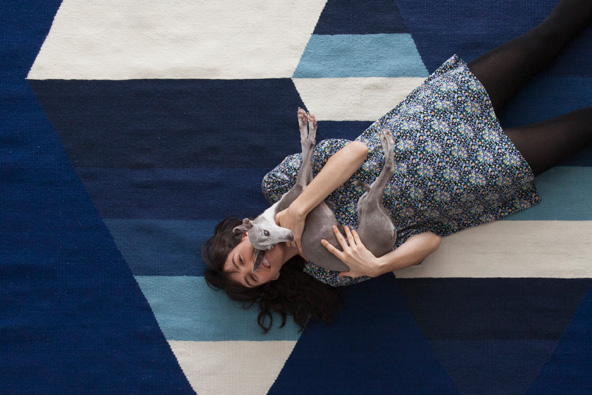
    Aimée Wilder’s love for design and textiles started at a young age whilst exploring the fashion showrooms where her parents worked. In 2009 Aimée launched her own brand in New York City, first translating her artwork into wallpaper and later expanding into home textiles, hand-made rugs, pillows and other products.

    We chatted with Aimée to find out more about her childhood, her design process and the inspiration behind her latest collection, Phantasmagoria.

    www.aimeewilder.com
    future-positive-aimee-wilder-7-low-2

    Do you remember how your passion for textiles and design started?

    I went to work with my parents a lot on my days off from school, or when there were circumstances like doctor appointments or something else where I needed to be in Manhattan with my parents at the end of the day. I guess maybe I was sort of playing “hooky”— what you in the UK call playing truant.

    My father was a denim manufacturer; They made some of the first acid-washed and studded denim. I was enamoured by the clothing and details whenever he would bring me in. I also loved going to my mom’s office. She also worked in fashion and travelled a lot for different dress companies that had amazing dresses adorned with patterns, such as florals and embellishments.

    My parents worked across the street from one another on Broadway in the Garment District, so I would often jump between their offices having lunch with whomever was free before heading to the art department of my mom’s office. She worked in a studio environment where artists and designers worked on graphic design, photography, fashion design, illustration, pattern making, and more. Endless art and design supplies were at my fingertips: old Polaroid cameras, film, watercolour paints, markers, paper, cardstock, and long counter height tables and stools where I could spread out and get to work. It was like a dream. All of the designers were busy working, but sometimes I could help develop Polaroids by shaking them, or stapling packets for presentations. Usually I would get to have some play time of my own, so it was like a hands-on art education.
    future-positive-aimee-wilder-3-low

    Can you take us briefly through your design process? How does an idea in your head transform into a print or pattern?

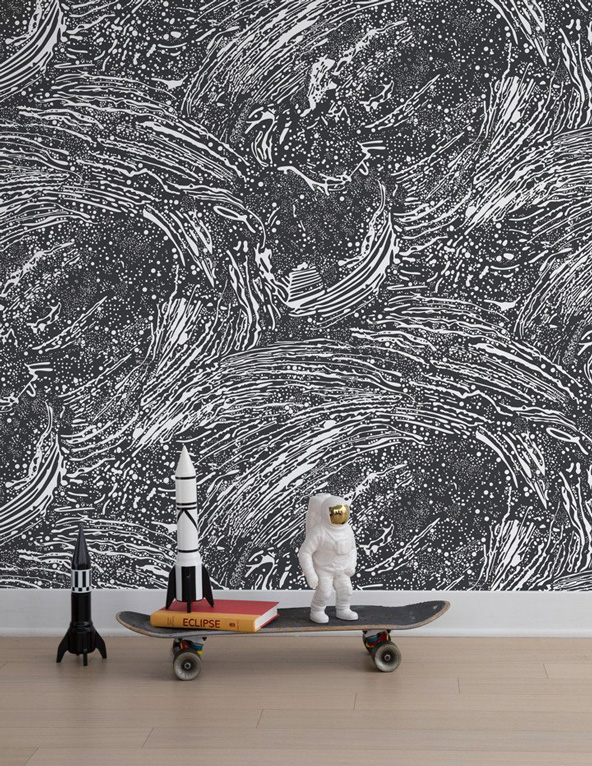
    While ideas are always coming in and I love the idea of lists, I am bad at making them; so I usually just go with the flow of how I’m feeling on the day. I don’t design well under pressure and like to create what feels most natural. My process can take a while because I have myriad files with concepts not fully developed, and most of the time I have to work on a deadline. When I have time to develop new work, I dig through my files to see where I left off. If I am starting something new I might draw something on scratch paper or I’ll start with an inspiration image such as a magazine tear, web image, or photograph. I’ll create a file with a name that resonates and start adding more inspiration images from various sources. One source of inspiration that influenced my last collection was wild animals. It helps me to collage images into a layout or repeat. Then I decide if I want to develop the concept further.

    My tool of choice is a computer mouse. I never got used to a stylus. I was dysgraphic as a child, having trouble holding a pen properly. I also had a problem with depth perception. My hand-eye coordination didn’t work the same way with a pen and paper as it did with something such as 2D video games, and writing was difficult. By comparison, with a computer and a mouse I am able to draw in a completely different process using the pen tool — with it’s points and curves — to create artwork. Dysgraphia for me was a temporary developmental difference due to some difficulty focusing, likely due to borderline hypothyroidism. With the aide of the computer, I was able to develop as an artist, through software such as Photoshop and Illustrator.
    future-positive-aimee-wilder-5-low

    Where do you draw inspiration from?

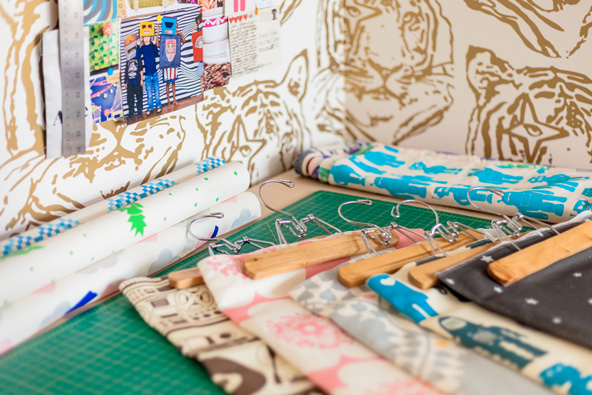
    Travelling is a huge part of where I draw inspiration because I see and experience new things. What you get to see when you are in different parts of the world is always different from what you have access to at home. From the way places and spaces are decorated, to the general feel of the culture and colours of the city, there is always inspiration to be found. Both locally and while travelling I find inspiration through research both online and in books, new and vintage magazines, and in physical places like museums, interiors of restaurants, retail spaces, public spaces, and hotels.

    Shopping for clothing and homewares is also a way to find inspiration. I collect a lot of fashion items, textiles, and other home goods for research purposes. The way a material feels, or looks when printed, or how it’s constructed is something we can reference when we are specifying a product for production. Additionally, the way well-designed places look and feel help me to think of how I want to use colour and design in my line.

    I love historic textiles and they play a large part in my inspiration as well. I’ve always been inspired by graphic design and find that elements of typography and iconography appear in my work. When I am developing artwork, a lot of times the individual designs merge into a story. Most recently I am finding specific words as inspiration and I am working with language to define another upcoming collection in a similar way that we did with Phantasmagoria.
    future-positive-aimee-wilder-2-low

    Can you tell us a little bit about your latest collection, Phantasmagoria?

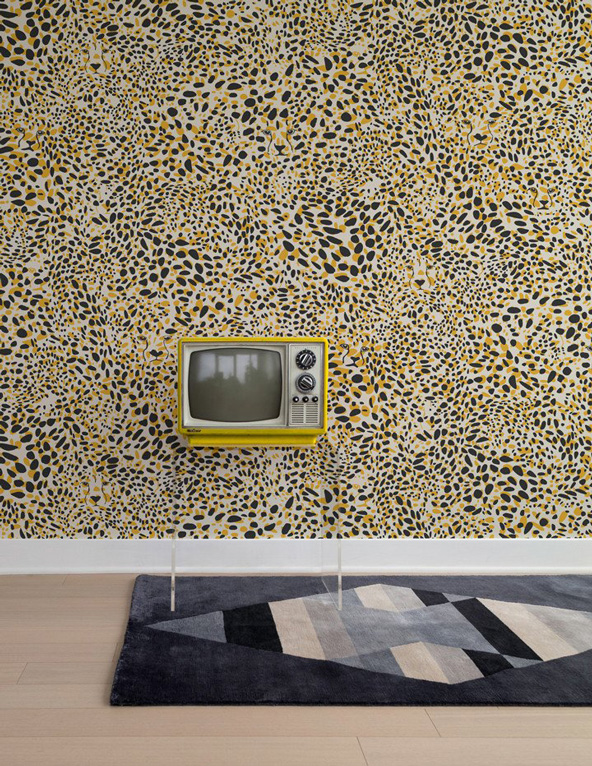
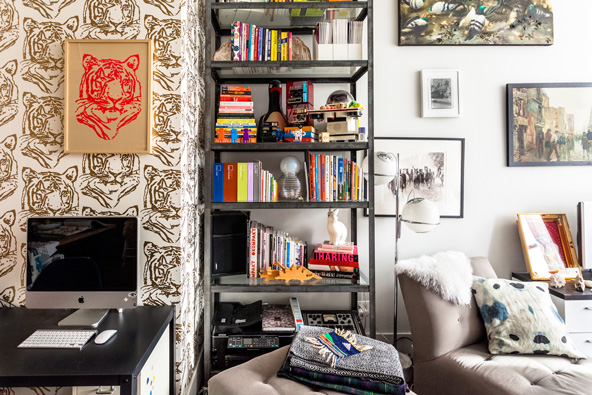
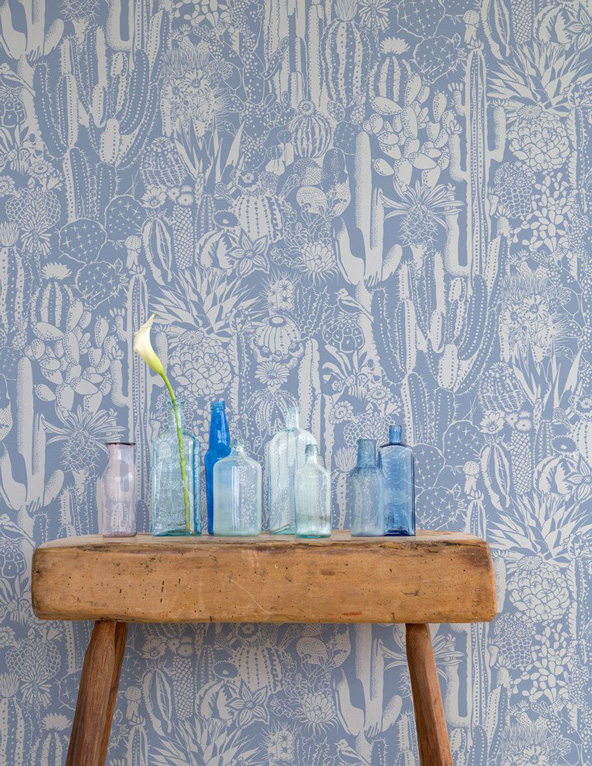
    Phantasmagoria was made out of extremely detailed large format designs. They came together as a group into a menagerie of a dream state where wild things happen, extraordinary things, and so this collection came from a dream after starting on some of the designs that were culminating. For instance, we were working on a cheetah pattern where we added cheetah faces that had a psychedelic feel to it, heavily influenced by psychedelic art and vintage animal print textiles. At the same time, we were working on detailed natural designs and botanicals. We had a cactus design with thousands of prickly points and the cactuses were actually quite large and created on a larger scale for wallpaper (2 feet by 3 feet). Jungle Dream has very large elements with nocturnal animals. I had a recurring dream that these cheetahs were chasing me in the night and that I’d be chased from a jungle into a cactus desert into a galaxy swirling above me and then all of a sudden, I’d be immersed in a sea of cheetah spots and cheetah faces. It was definitely trippy! This collection makes me really excited for the next one, where I’ve been thinking about the flow state of balance and flourishing, known as Eudaimonia. Phantasmagoria was relative to where I was at the time having to adjust to some changes, whereas this new collection is going to be about balance.
    future-positive-aimee-wilder-4-low

    Your designs are printed on a wide variety of products, from wallpaper to most recently rugs. What products would you like to explore or where would you like to see your prints?

    I plan to continue to develop my home line, and also expand into fashion, but in a practical way where the items carry over from season to season with good shapes, but new fabrics and prints. I dream of making delicious cashmere sweaters, overcoats, dresses, children’s clothing, bedding, indoor/outdoor tiles, jacquard woven fabrics, upholstery, and I also imagine some of my designs being transferred into children’s toys. Lots of possibilities! What matters most to me is that I am creating products that are meaningful, that I would want for myself if I saw them in a store or online. The products must have practical use. I love quality items that last.
    future-positive-aimee-wilder-1-low

    What are your plans for the upcoming months?

    They’ve been a bit adjusted due to knee surgery I had about three months ago. When I was 14, I busted my ACL while skiing but it didn’t affect me until years later when my knee collapsed in lacrosse at school. I opted out of surgery because of the long recovery time, but went through rehab… enough to return to playing sports. Earlier this year my knee finally gave out in yoga while practising handstands and I knocked cartilage off my femur into my knee joint. I had two allografts, one for the ACL with a donor hamstring tendon, and the other was a soft tissue graft of bone and cartilage to my femur. I’m so grateful for the technology, and the donors—allograft is a graft made from donor material. In retrospect, I highly recommend taking care of these issues immediately—don’t be afraid! This recovery period is teaching me patience, allowing me to really concentrate on the healing process, which ultimately is helping restore my creative energy, thus finding balance.

    Now that I’m on the road to recovery, travelling is on the agenda! In February, my guy Stewart and I will travel to Argentina and Brazil. We’ll be starting off in Buenos Aires, then visiting the jungle and waterfalls of Iguazu, and will explore the bird park across the border in Brazil. I’m excited about the tropical birds for a possible collection, and am considering booking a trip to Holbox Island in Mexico to see Flamingos feeding nearby in late April. Argentina, and Latin America in general, have an exuberant colour palette, textiles and patterns, which I am looking forward to seeing.

    In early April, I’ll be travelling to the Milan Furniture Fair (Salone Internazionale del Mobile di Milano) with dear friend and art director, Jason. We are scouting to see about exhibiting there the following year. After a few days in Milan, we are going on a road trip around Northern Italy and Switzerland for inspiration.

    A trip to Scotland is planned for the summer, where Stewart is originally from. His grandmother lives in a stone house in Nairn that she’s been living in for over 95 years, and I’m excited to see all the castles and landscapes. A trip to the River Findhorn and the Isle of Skye (where whiskey is made) is on the itinerary. We are travelling through Iceland, so we want to try to see Vik, Black Sand Beach, and drive to the Golden Circle, as well as to the Blue Lagoon. We are also excited to see Reykjavik!

    Save

    Save

    Save

    Save

    Save
  • Minimalissimo Magazine

    Minimalissimo Magazine

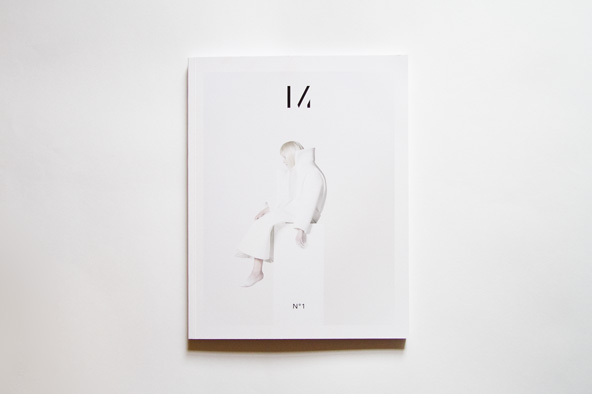
    Following a successful Kickstarter campaign, the first issue of Minimalissmo Magazine is out. Minimalissmo started in 2009 as an online publication championing the best of minimalism, touching on many areas including art, architecture, fashion, graphic, packaging and industrial design. The driving force behind the website and the magazine is Edinburgh-based designer and editor Carl MH Barenbrug.

    As we read in the welcome note from the editor, “the first printed issue is dedicated to highlighting some of our favourite features over the past six years as well as exploring the minimalist design ethos and its influence on creativity”.

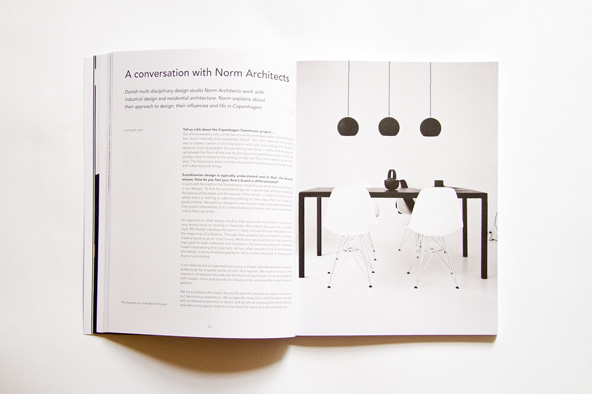
    The first issue discovers, among others, Danish architecture studio Norm Architects, fashion designer Rad Hourani, director of Vitsoe Mark Adams and Swiss artist Zimoun.

    www.minimalissimo.com

    Future-Positive-Minimalissimo-1 Future-Positive-Minimalissimo-2 Future-Positive-Minimalissimo-4