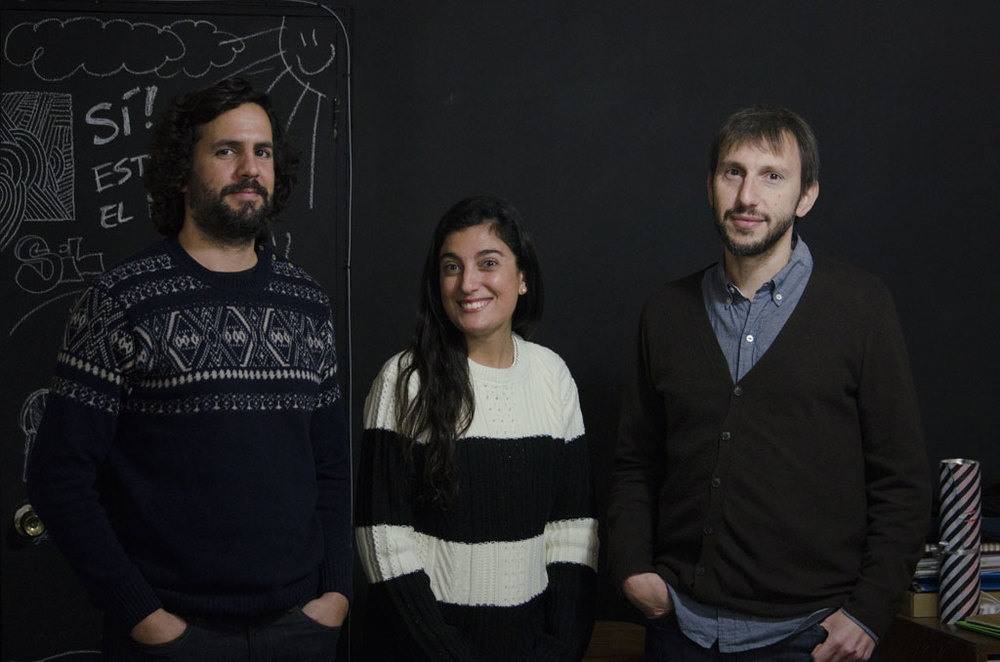
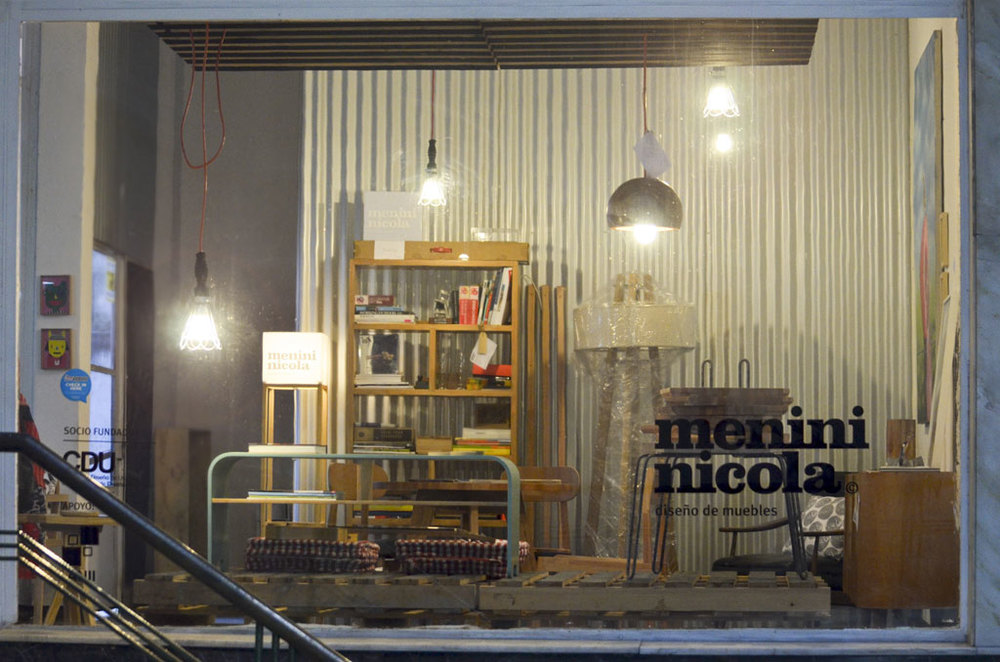
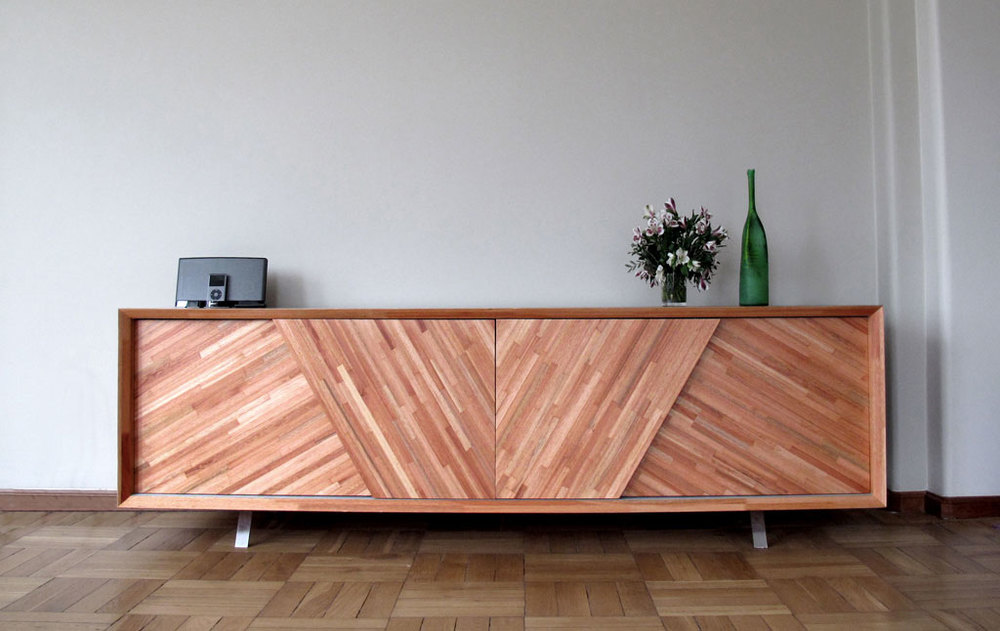
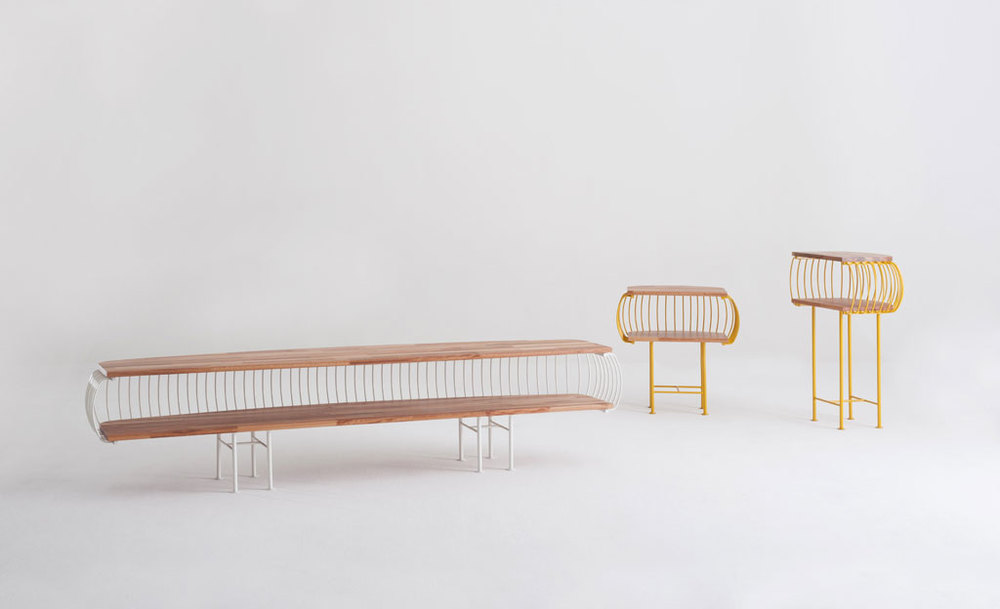
Menini Nicola is an industrial design studio founded in 2008 in Montevideo, Uruguay. The studio has made its own name in the country, offering design services and design licenses, and directly commercializing products from their portfolio in Uruguay.
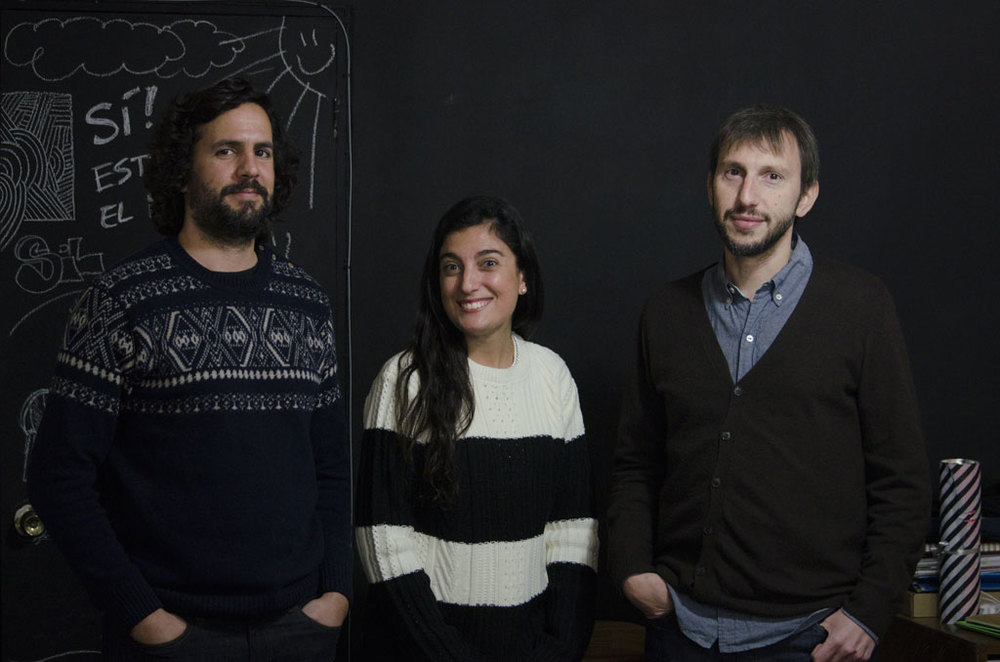
We talked to the founders of Menini Nicola, Agustín Menini and Carlo Nicola, about the beginnings of their studio, the design scene in Montevideo and their favourite places in the city.
Read the interview after the photos.
www.menini-nicola.com
What made you start Menini Nicola?
It was mainly our interest in turning our hobby into our full-time job.
When we were university students, we realised that furniture design was one of the things we liked the most. We used to work in advertising, spending our free time meeting with a friend who makes furniture to work on concepts that we would later send to design contests. We got more involved and in 2008 we received 2 awards at Salão Design Movelsul in Brazil. During that trip between Montevideo and Porto Alegre, Menini Nicola was born.
How is being a designer in Uruguay? Are your designs influenced by the country?
Being a designer in Uruguay is not very common and we would even say it is a privilege. On the other hand, the industry is growing and the design community in the country is going through a good phase. We, Uruguayans, tend to say that there’s not much going on in the country but this seems to be changing.
Nowadays, Uruguay has a Chamber of Design for graphic, textile, product, interior and landscape designers. We also have some government funding and there are weekly events dedicated to design. There are new brands emerging and the established labels are growing – it is a good moment for Uruguayan design.
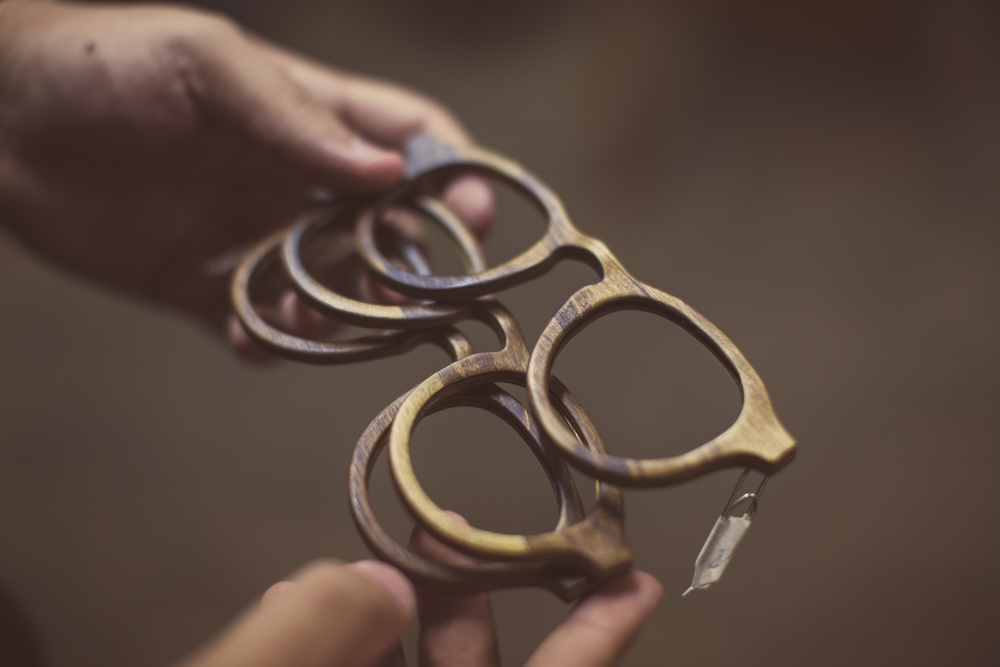
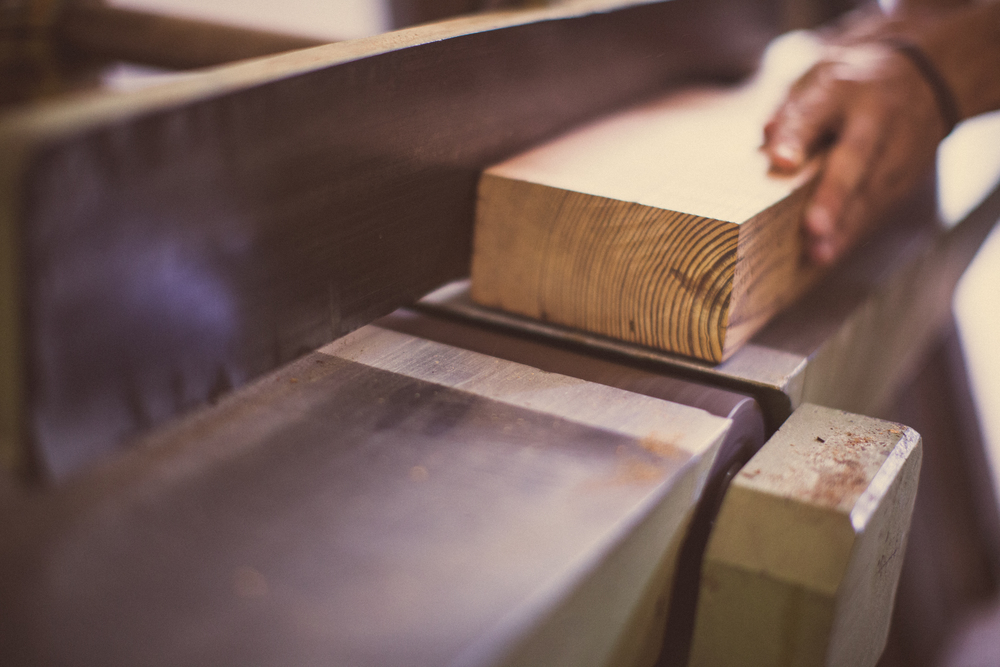
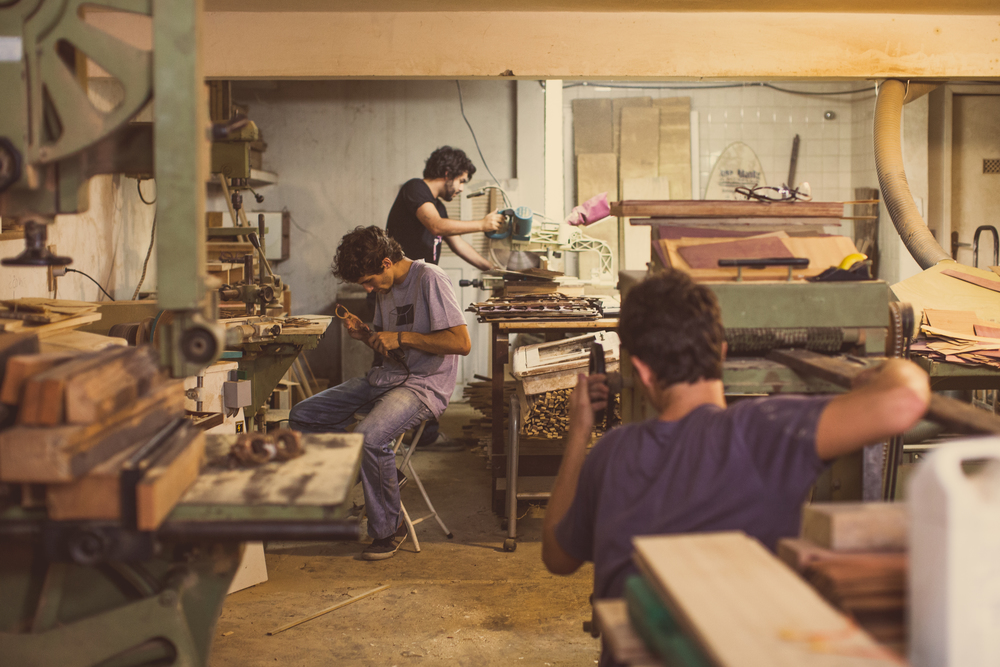
Regarding our influences, we’re still finding our limits and trying to discover our own identity. We work with local materials and manufacturers, designing solutions and coming up with ideas based on what’s available around us.
What’s your favourite project/product you’ve worked on?
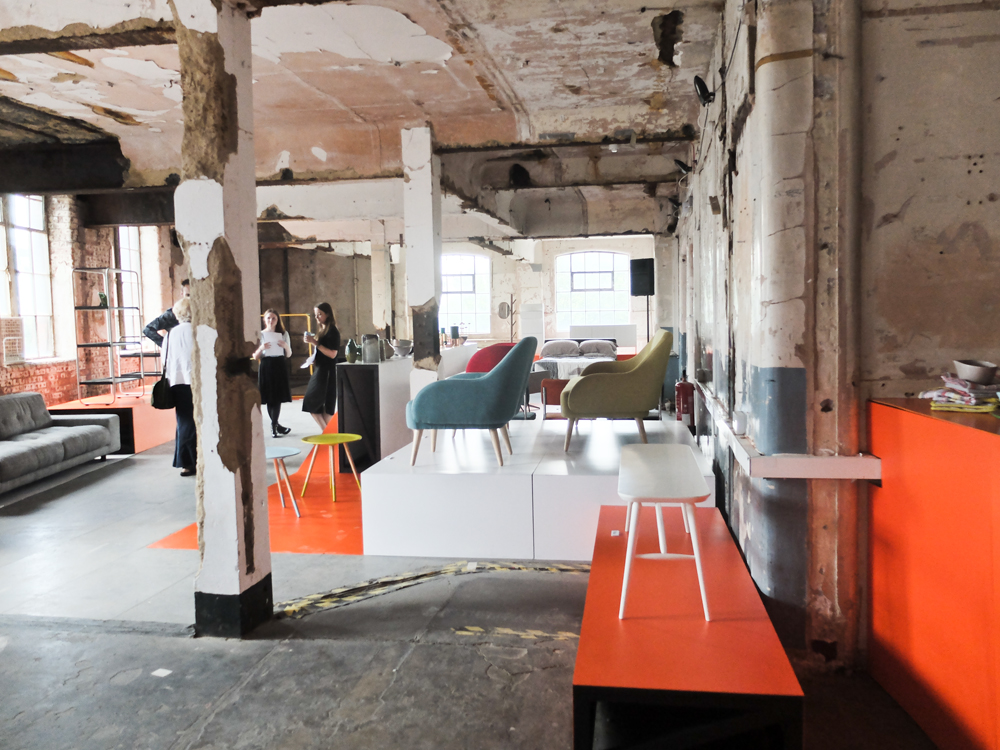
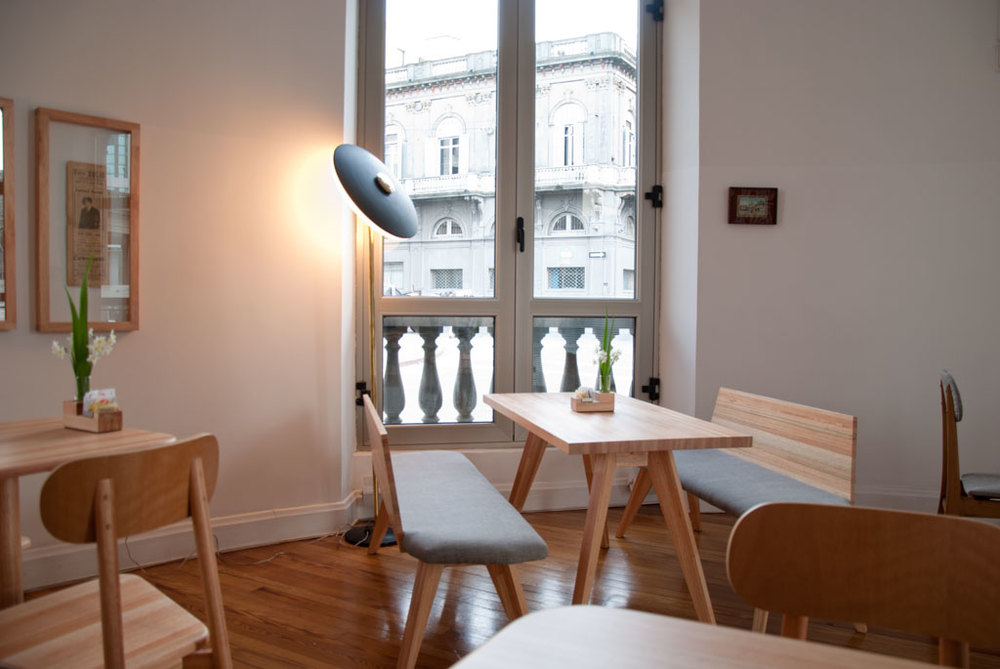
One of our favourite projects was the design of the food area of the Mercado Agrícola de Montevideo (MAM). This market is one of the most iconic buildings in the city – it opened its doors in 1913 and was renovated in 2013. We were in charge of designing the furniture for the food area and other spaces in the building. The chair we designed was built under a series of requirements related to resistance, ergonomics, manufacturing costs and use of similar materials to the rest of the building.
The conceptual side of the design was linked to the origins of the market. The chair represents a historic moment and draws inspiration from the industrial revolution, the Exposition Universelle of 1889 in Paris, the good economic moment Uruguay went through in the early 20th century and the Belle Époque’s influence in Montevideo.
The chair wants to grab people’s attention, using a very formal language and becoming a representation of our times.
We want to know more about Montevideo. What places shouldn’t we miss in the city? Could you recommend us other designers/artists based there?
We would recommend going on a stroll on the promenade along the coast, visiting historic neighbourhoods such as Prado, spending the evening at MAM or enjoying the drum celebrations in Barrio Sur and Palermo. Montevideo is a city that should be visited on foot – despite being the capital of the country, it is a small city with lots of secrets.
Montevideo is currently going through a very special moment with lots of things happening in the city. In the cultural scene, the Ballet del Sodre – with Julio Bocca as Art Director – is a very popular show which usually sells out one month before the opening. Street art is also becoming more important in the city and new galleries such as Kiosco and studio designs like Mundial and Atolon de Mororoa are emerging.
There are also new initiatives popping up in the city such as el Club de la Cerveza (the Beer Club), where you can enjoy unique and secret dinners. The Ciudad Vieja (Old Town) is a great area for spending a day around, stopping for breakfast in Jacinto and visiting the antiques fair, having lunch at Mercado del Puerto and finishing with a snack at La Pasionaria, where you can visit the current exhibition and see work by local artists and designers.
Collaboration is an important element in Montevideo’s creative scene. For example, Estampapas is a textile objects project founded by a graphic designer from Uruguay with a textile designer from Argentina. There’s also Sabandija, composed by another textile designer and a product designer and El Bosque de Robles.
You need to come and discover the city during this moment of creativity growth.