
Category: Uncategorized

  • Sustainable Home Upgrades: Eco-Friendly Renovations You Need to Consider

    As homeowners in Portland increasingly prioritize sustainability, eco-friendly home upgrades have become more popular than ever. For Portland residents looking to reduce their environmental footprint while boosting their property value, there are numerous sustainable renovations to consider. Portland’s unique climate and community commitment to environmental stewardship make it the perfect place to invest in green upgrades. 

    Here’s how you can make your Portland home greener and more energy-efficient.

    Image Source

    1. Enhance Insulation for Better Energy Efficiency

    One of the most impactful ways to make your home more sustainable is by improving its insulation. Proper insulation helps maintain indoor temperatures, reducing the need for excessive heating and cooling. This not only lowers your energy bills but also minimizes your carbon footprint. In Portland, where temperatures can fluctuate significantly between seasons, enhancing your insulation can lead to substantial energy savings.

    Consider using eco-friendly insulation materials such as cellulose or recycled denim. These materials are not only effective in providing thermal resistance but also environmentally responsible. Cellulose insulation, for example, is made from recycled newspaper and offers excellent insulation properties. 

    2. Invest in an Eco-Friendly Roof

    Your roof is a critical component of your home’s energy efficiency and environmental impact. Investing in an eco-friendly roofing solution can significantly enhance your home’s sustainability. In Portland, Malarkey roofing systems stand out as eco-friendly roofing products.

    These asphalt shingles are designed to provide peak performance while being environmentally responsible. One of the standout features of Malarkey shingles is their flexibility. Unlike typical asphalt shingles that are prone to cracking, Malarkey’s proprietary polymer blend ensures durability and ease of installation.

    If you’re looking to get your hands on these shingles, consider KVN Construction. This Portland roofing company is a Malarkey roofing contractor and their professionals can install these shingles flawlessly. 

    3. Upgrade to Energy-Efficient Windows

    Windows play a crucial role in your home’s energy efficiency. Traditional windows can be a significant source of heat loss and gain, leading to increased energy consumption for heating and cooling. Upgrading to energy-efficient windows is an excellent way to improve your home’s sustainability.

    Energy-efficient windows are designed with advanced technologies to minimize heat transfer. Look for windows with low-emissivity (low-E) coatings, which help reflect heat back into your home during the winter and keep it out during the summer. Double or triple glazing provides additional insulation by trapping air or inert gas between panes, further reducing heat transfer.

    In Portland’s climate, where both heating and cooling needs can be significant, energy-efficient windows can make a noticeable difference in comfort and energy costs. These windows not only help maintain a consistent indoor temperature but also reduce the strain on your HVAC system, extending its lifespan and reducing maintenance costs.

    4. Switch to LED Lighting for Lower Energy Consumption

    Lighting is another area where you can make substantial energy savings with a simple upgrade. Traditional incandescent bulbs consume a lot of energy and have a relatively short lifespan. In contrast, LED bulbs are highly energy-efficient and last much longer, making them a more sustainable choice for your home.

    LED bulbs use up to 80% less energy than incandescent bulbs and can last up to 25 times longer. This means that not only will you be reducing your energy consumption, but you’ll also save money on replacement bulbs over time. In a city like Portland, where environmental consciousness is high, switching to LED lighting is an easy and impactful way to make your home more sustainable.

    Moreover, LED bulbs are available in various colors and brightness levels, allowing you to create the perfect ambiance for any room in your home. They are also compatible with smart home systems, enabling you to control your lighting remotely and further optimize energy use.

    5. Use Sustainable Building Materials for a Greener Home

    When undertaking renovations, the choice of building materials plays a significant role in the environmental impact of your project. Opting for sustainable materials can significantly reduce your home’s carbon footprint and contribute to a healthier living environment. Sustainable building materials include options like bamboo, reclaimed wood, and recycled metal.

    Bamboo is an excellent alternative to traditional hardwood because it grows rapidly and can be harvested without causing deforestation. Reclaimed wood, sourced from old buildings or furniture, not only reduces the demand for new timber but also adds unique character and history to your home. Recycled metal, used in fixtures or structural components, conserves natural resources and reduces energy consumption associated with mining and processing new metals.

    Using these materials not only supports environmental sustainability but also often provides aesthetic benefits, giving your home a unique and stylish look. Portland’s thriving community of eco-conscious builders and suppliers makes it easier than ever to source these materials for your next renovation project.

    6.Install Solar Panels to Harness Renewable Energy

    Solar panels are an increasingly popular choice for homeowners looking to reduce their reliance on non-renewable energy sources. By harnessing the power of the sun, solar panels can significantly lower your electricity bills and reduce your home’s carbon footprint.

    Portland, with its growing number of sunny days, offers a suitable environment for solar energy. Installing solar panels allows you to generate your own electricity, which can be used to power your home or sold back to the grid. This renewable energy source not only cuts down on your utility costs but also contributes to a cleaner and more sustainable energy infrastructure.

    The initial investment in solar panels can be offset by various incentives and rebates available to Portland homeowners. Over time, the savings on energy bills can make this investment highly cost-effective. Additionally, solar panels can increase the value of your home, making it a wise financial decision as well as an environmental one.

    7. Create a Rainwater Harvesting System for Conservation

    Rainwater harvesting is an effective way to conserve water and reduce your dependence on municipal water supplies. This system collects and stores rainwater, which can then be used for various non-potable purposes such as irrigation, flushing toilets, and even laundry.

    Portland’s frequent rainfall makes it an ideal location for rainwater harvesting systems. These systems can range from simple rain barrels to more complex setups involving underground storage tanks and filtration systems. By capturing and reusing rainwater, you can significantly reduce your water bills and help conserve a vital resource.

    Implementing a rainwater harvesting system is relatively straightforward and can be customized to fit your home’s specific needs. This sustainable practice not only supports water conservation but also reduces the strain on the local water supply, benefiting the entire community.

    Conclusion

    Sustainable home upgrades are not just about reducing your environmental footprint; they also offer financial benefits and enhance the comfort of your home. By considering these eco-friendly renovations, Portland homeowners can make their homes greener, more efficient, and more valuable. Embrace these changes today and contribute to a more sustainable future for everyone. From improving insulation to installing smart home systems, every small step counts towards creating a better, more sustainable living space.

  • Nine Tips for Traveling to Your Dream Destination Before Moving

    Where we currently reside might not always be the place we envision for our future. However, when the opportunity arises to move to our dream destination, it can be an exciting yet intimidating prospect. It’s not easy, after all, to move from a place you once called home, pack up your life, and live somewhere entirely different, even if it is your dream destination. 

    So, here’s what you can do to be at peace with this decision. Before making the big move, visit the potential new home as a tourist. This allows you to explore and experience the location without the stress of immediate relocation decisions. By immersing yourself in the local culture, amenities, and lifestyle, you can determine if this is truly the place you want to spend the remainder of your life.

    Image source

    1. Research the Destination Thoroughly

    Before embarking on your journey, invest time in thoroughly researching your dream destination. Start by exploring travel guides, blogs, and social media platforms that provide insights into the area. 

    Here’s what you need to know: details on the climate, cost of living, safety, and community aspects. Understanding these factors can help you plan your trip more effectively and set realistic expectations. 

    2. Explore Shops and Understand Prices

    One of the most important aspects of moving to a new place is understanding the cost of living. During your visit, spend time exploring local shops, markets, and supermarkets. Compare prices of everyday items such as groceries, household goods, and personal care products with those in your current location for a clear picture of your potential monthly expenses.

    Moreover, learn about costs for electricity, water, gas, and internet services. Factor in these expenses along with your rent or mortgage to create a comprehensive budget. Don’t forget to consider the cost of hiring a moving company. Moving expenses can add up quickly, so getting quotes from local movers can help you plan your finances better.

    3. Experience the Local Cuisine

    Sampling the local cuisine is not only a delightful experience but also an essential part of understanding your potential new home. Visit a variety of restaurants, cafes, and street food vendors to get a taste of the local flavors. Pay attention to the availability of ingredients you typically use in your cooking and whether they fit within your dietary needs and preferences.

    Experiencing the food culture can also give you insight into the social fabric of the community. Dining out can be an opportunity to engage with locals and learn more about their way of life. If you have specific dietary requirements or preferences, exploring the local cuisine can help you determine if you’ll have access to suitable food options.

    4. Check Out Housing Options

    It’s not all about getting good food now, is it? Where will you live? Finding the right neighborhood and home is critical when planning a move. During your visit, take time to tour different neighborhoods and explore various housing options. Visit open houses or rental properties to get a sense of what is available within your budget.

    Evaluate the proximity of these properties to essential services such as grocery stores, healthcare facilities, and public transportation. Pay attention to the overall vibe of the neighborhoods, the safety, and the community atmosphere. A little effort will help you make informed decisions when it’s time to secure a place to live.

    5. Use Public Transportation

    Testing out the local public transportation system is vital for understanding daily commuting options. Use buses, trains, trams, or any other available modes of transportation to navigate the city. Assess the convenience, cost, and reliability of these services.

    Consider how well the public transportation system connects different parts of the city and how it aligns with your potential daily commute. If you prefer driving, explore the traffic patterns, road conditions, and parking availability. Understanding these aspects will help you determine if the city’s transportation infrastructure meets your needs.

    6. Engage with Locals

    Engaging with locals is one of the best ways to get an authentic feel of your potential new home. Strike up conversations with people you meet in cafes, parks, and other public spaces. Ask about their experiences living in the area, the community atmosphere, and any tips they might have for newcomers. Also, note if most of the people you meet match your personality and if you see yourself making good friends here in the future.

    Engaging with locals also provides a valuable opportunity to learn about any challenges or benefits of living in the area that you might not find in guidebooks.

    7. Explore Recreational Activities

    A fulfilling lifestyle in your new home depends significantly on the availability of recreational activities that align with your interests. During your visit, take time to explore local parks, gyms, and recreational centers. Check out clubs, sports teams, and other activities that you enjoy.

    Determine if the area offers your favorite hobbies and pastimes. Whether you’re into hiking, biking, arts and crafts, or theater, finding local options will enhance your quality of life. 

    8. Assess Educational Institutions

    If you have children, the quality of local educational institutions is a top priority. During your visit, tour local schools and universities. Meet with teachers, administrators, and parents to get a sense of the academic environment and the quality of education provided.

    Check out extracurricular activities, facilities, and the overall atmosphere of the schools. Understanding the educational landscape will help you make informed decisions about your children’s future and ensure a smooth transition for them.

    9. Evaluate Employment Opportunities

    You might have fallen in love with a destination due to its beautiful landscapes, breathtaking architecture, or rich history. But here’s the big question: do you see yourself building a career here?

    Securing employment in your new location is a critical factor in the decision to move (unless you’re moving due to a great opportunity). Research the job market in your field and look for opportunities that match your skills and experience. During your visit, network with local professionals and attend job fairs if possible.

    Evaluate the availability of jobs, the average salary range, and the overall employment conditions in the area. Understanding these factors will help you assess the feasibility of finding suitable employment before making the move. 

    Conclusion

    Traveling to your dream destination as a tourist before making the big move is an invaluable step in ensuring a successful relocation. This thorough exploration allows you to make informed decisions and ensures a smoother transition when you finally make the move. Take your time to explore and plan everything accordingly, as this will help you create a fulfilling and enjoyable life in your new destination.


  • Maximizing Small Bathrooms: Space-Saving Design Ideas

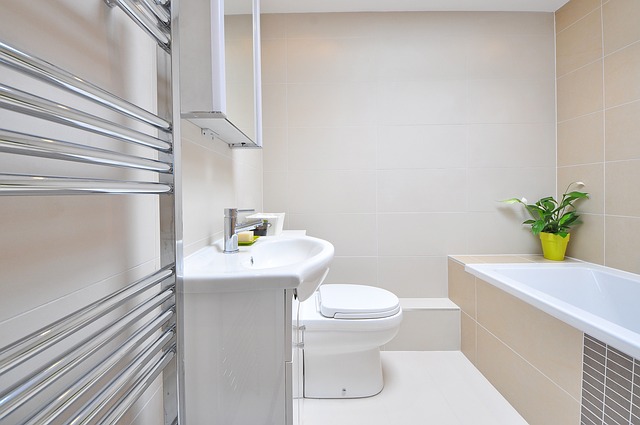
    Homeowners in Seattle know that maximizing every inch of space is crucial, especially with the city’s high home prices making upgrades a wise investment. Small bathrooms can be challenging to design, but with the right strategies, you can transform these compact spaces into stylish and efficient areas. By implementing smart design choices, you can make your small bathroom feel larger and more comfortable. In this guide, we’ll explore space-saving design ideas tailored for Seattle homeowners, from innovative storage solutions to modern fixtures. These tips will not only enhance your bathroom’s appearance but also improve its functionality, making your home more enjoyable and potentially increasing its value.

    Image Source

    1. Use Light Colors and Reflective Surfaces

    Light colors and reflective surfaces can significantly impact the perception of space in a small bathroom. Opt for a light color palette, such as whites, pastels, or soft neutrals, to create an open and airy feel. Reflective surfaces, like glossy tiles and large mirrors, can bounce light around the room, making it appear larger and brighter. Consider installing a large mirror above the sink and using glossy tiles on the walls or backsplash. These simple changes can create a more spacious and inviting atmosphere without any major renovations.

    2. Opt for Wall-Mounted Fixtures

    Wall-mounted fixtures can free up valuable floor space and make your bathroom look more streamlined. Choose wall-mounted sinks, faucets, and toilets to create a sense of openness. These fixtures not only save space but also add a modern touch to your bathroom. For professional installation and design ideas, consult a trusted bathroom remodeler in Seattle. They can provide expert advice and ensure that your wall-mounted fixtures are installed correctly and efficiently. Wall-mounted fixtures help maintain a clean and uncluttered look, making your small bathroom feel more expansive.

    For ultra-compact spaces, consider the Sanicompact toilet, which combines a modern, space-saving design with efficient functionality, ideal for small bathrooms.

    3. Maximize Vertical Space

    When floor space is limited, think vertically. Utilize the vertical space in your bathroom by installing shelves, cabinets, and hooks on the walls. Floating shelves above the toilet or near the sink can provide additional storage for toiletries and decorative items. Tall, narrow cabinets can offer ample storage without taking up much floor space. Hooks on the walls or behind the door can keep towels and robes within easy reach. By maximizing vertical space, you can keep your bathroom organized and clutter-free while making the most of every available inch.

    4. Choose Compact and Multifunctional Furniture

    In a small bathroom, every piece of furniture needs to be both functional and space-saving. Look for compact vanities, slim storage units, and corner sinks that fit seamlessly into tight spaces. Multifunctional furniture, such as a vanity with built-in storage or a mirrored cabinet, can help you maximize space while providing necessary storage. Consider using a ladder shelf or an over-the-toilet storage unit to add storage without sacrificing floor space. By choosing furniture that serves multiple purposes, you can create a more efficient and organized bathroom.

    5. Install a Sliding Door

    Traditional swinging doors can take up a lot of space, making a small bathroom feel even smaller. Consider installing a sliding door to save space and create a more open feel. Sliding doors, also known as pocket doors, slide into the wall when opened, eliminating the need for extra clearance. This design choice not only frees up floor space but also adds a modern and sleek look to your bathroom. Sliding doors can be used for both the bathroom entry and for shower enclosures, enhancing the overall functionality and appearance of the space.

    6. Incorporate Built-In Storage

    Built-in storage solutions can help you make the most of limited space in a small bathroom. Recessed shelves, niches, and cabinets can be built into the walls to provide storage without taking up floor space. For example, a recessed shelf in the shower can hold toiletries, while a built-in medicine cabinet above the sink can keep essentials within easy reach. These custom storage solutions blend seamlessly with the bathroom’s design, creating a cohesive and organized look. By incorporating built-in storage, you can keep your bathroom clutter-free and maximize every inch of space.

    7. Opt for a Shower Instead of a Tub

    In small bathrooms, a shower often makes more sense than a bathtub. Showers take up less space and can be designed to fit into tight corners or alcoves. Consider installing a walk-in shower with a frameless glass enclosure to create a more open and spacious feel. If you prefer a bathtub, look for compact, space-saving models that won’t overwhelm the room. A shower-tub combo can also be a practical solution, providing the best of both worlds without sacrificing too much space. By choosing a shower or a compact tub, you can enhance the functionality and appearance of your small bathroom.

    8. Use Large Tiles

    Large tiles can create the illusion of more space in a small bathroom. Small tiles often have more grout lines, which can make the space feel cluttered and busy. Large tiles, on the other hand, have fewer grout lines and can make the room appear more expansive. Consider using large tiles for both the floor and walls to create a cohesive and seamless look. This design choice not only enhances the visual appeal of the bathroom but also makes cleaning and maintenance easier. By opting for large tiles, you can create a more open and airy feel in your small bathroom.

    9. Install a Corner Sink

    A corner sink can be a great space-saving solution for small bathrooms. Placing the sink in the corner frees up valuable floor space and creates a more open layout. Corner sinks come in various styles and sizes, making it easy to find one that fits your bathroom’s design. Pair the corner sink with a corner vanity or a small storage unit to maximize functionality. This design choice can help you create a more efficient and organized bathroom without sacrificing style. By installing a corner sink, you can make the most of limited space and improve the overall flow of the room.

    10. Add Strategic Lighting

    Good lighting can make a small bathroom feel larger and more inviting. Use a combination of ambient, task, and accent lighting to create a well-lit and functional space. Recessed ceiling lights, wall sconces, and vanity lights can provide ample illumination without taking up valuable space. Consider using dimmable lights to create a relaxing atmosphere when needed. Adding a lighted mirror or installing under-cabinet lighting can also enhance the functionality and appearance of your bathroom. By incorporating strategic lighting, you can create a bright and welcoming space that feels larger and more comfortable.

    Conclusion

    Maximizing a small bathroom requires creativity and thoughtful design choices. By using light colors, wall-mounted fixtures, and maximizing vertical space, you can create an open and airy feel. Compact and multifunctional furniture, sliding doors, and built-in storage solutions can enhance functionality without taking up valuable floor space. Choosing a shower instead of a tub, using large tiles, and installing a corner sink can further improve the layout and flow of your bathroom. Strategic lighting can add the finishing touch, making the space feel larger and more inviting. With these space-saving design ideas, you can transform your small bathroom into a stylish and efficient oasis.

  • How to Embrace Sustainable Beauty in Your Daily Routine

    In a world increasingly focused on sustainability, incorporating eco-friendly practices into your beauty routine is not only beneficial for the environment but also for your health and well-being. Embracing sustainable beauty can help reduce waste, minimize exposure to harmful chemicals, and promote a more natural, healthy appearance. Here are some tips by Metro Beauty Centers, a beauty clinic that provides dermal fillers in Bangkok, on how to integrate sustainable beauty practices into your daily routine.

    Choose Eco-Friendly Beauty Products

    One of the most effective ways to embrace sustainable beauty is by choosing eco-friendly beauty products. Look for brands that prioritize sustainability through their ingredients, packaging, and production processes. Opt for products with natural, organic, and biodegradable ingredients that are free from harmful chemicals such as parabens, sulfates, and synthetic fragrances. Additionally, seek out brands that use minimal, recyclable, or reusable packaging to reduce waste.

    Simplify Your Beauty Routine

    A minimalist approach to beauty can significantly reduce your environmental footprint. By simplifying your routine, you not only save time and money but also cut down on the number of products you use, which ultimately reduces waste. Consider multi-purpose products that can serve several functions, such as a moisturizer with SPF, or a tinted lip balm that can double as a blush. This way, you can streamline your beauty regimen without compromising on efficacy.

    Support Sustainable Brands

    Supporting brands that are committed to sustainability is crucial in promoting eco-friendly beauty practices. Research and choose companies that are transparent about their sourcing, manufacturing, and ethical standards. Many brands now provide detailed information about their sustainability efforts, including fair trade practices, cruelty-free certifications, and carbon-neutral operations. By supporting these brands, you contribute to a larger movement towards a more sustainable beauty industry.

    DIY Beauty Treatments

    Creating your own beauty treatments at home is a fun and cost-effective way to embrace sustainable beauty. DIY treatments often use simple, natural ingredients that you may already have in your kitchen. For example, a homemade face mask using honey, yogurt, and oatmeal can provide a nourishing and exfoliating treatment without the need for store-bought products. Additionally, making your own beauty treatments allows you to control the ingredients and avoid any harmful additives.

    Reduce Water Usage

    Water is a precious resource, and conserving it is an important aspect of sustainable beauty. Be mindful of your water usage during your beauty routine by taking shorter showers, turning off the tap while brushing your teeth, and using a bowl of water to rinse your face instead of letting the water run. Additionally, look for waterless beauty products, such as dry shampoos and solid cleansers, which can help reduce water consumption.

    Recycle and Upcycle

    Properly recycling beauty product packaging and finding creative ways to upcycle empty containers can significantly reduce waste. Many beauty brands now offer recycling programs where you can return empty packaging for proper disposal. You can also repurpose empty containers. For instance, a glass jar from a finished face cream can be cleaned and used to store homemade beauty treatments or small accessories.

    Opt for Sustainable Tools

    The tools you use in your beauty routine can also impact your sustainability efforts. Choose brushes and applicators made from sustainable materials like bamboo, which is a highly renewable resource. Additionally, look for reusable options such as washable makeup remover pads, instead of disposable wipes or cotton pads. Small steps like these can make a substantial impact on cutting down waste. According to Dentist Greenbelt, bamboo toothbrushes and toothpaste bars are only two options that you can consider

    Educate Yourself and Others

    Staying informed about sustainable beauty practices and sharing your knowledge with others can help spread awareness and drive change. Follow blogs, podcasts, and social media accounts dedicated to sustainable beauty to stay updated on the latest trends and tips. Engaging with a community of like-minded individuals can also provide support and inspiration for your sustainable beauty journey.

    Be Mindful of Ingredient Sourcing

    When choosing beauty products, be aware of where and how the ingredients are sourced. Ingredients that are sustainably harvested and sourced from ethical suppliers help support environmentally friendly practices. For example, ingredients like argan oil and shea butter are often sourced through fair trade cooperatives that ensure sustainable harvesting and fair wages for workers. Supporting products with responsibly sourced ingredients promotes sustainable agriculture and ethical business practices.

    Prioritize Refillable and Bulk Options

    Refillable beauty products and buying in bulk are excellent ways to reduce packaging waste. Many brands now offer refillable options for products like cleansers, moisturizers, and makeup. By choosing refillable products, you can significantly cut down on the amount of plastic waste generated from single-use packaging. Additionally, purchasing products in bulk not only reduces packaging waste but can also be more cost-effective in the long run.

    Choose Sustainable Fashion and Accessories

    Your overall beauty routine extends beyond skincare and makeup to include fashion and accessories. Embrace sustainable fashion by choosing clothing made from organic, recycled, or upcycled materials. Support brands that prioritize ethical manufacturing practices and fair labor conditions. Additionally, opt for accessories made from sustainable materials, such as jewelry crafted from recycled metals or handbags made from eco-friendly fabrics.

    Consider Natural and Non-Invasive Treatments

    Consider exploring natural and non-invasive beauty treatments that can enhance your appearance without the environmental impact. Treatments like facial massage, gua sha, and microcurrent therapy can promote healthy skin and improve your complexion without the need for synthetic products or invasive procedures. These natural treatments often utilize tools made from sustainable materials and can be easily incorporated into your daily routine.

    Embrace a Holistic Approach to Beauty

    Sustainable beauty is not just about the products you use, but also about adopting a holistic approach to your overall well-being. A balanced diet, regular exercise, and sufficient sleep all contribute to healthy, glowing skin. Incorporate practices like meditation and mindfulness to reduce stress, which can have a positive impact on your skin and overall health. By taking care of your body and mind, you can achieve a natural, sustainable beauty that radiates from within.

    Conclusion

    Embracing sustainable beauty in your daily routine is a powerful way to contribute to a healthier planet and a healthier you. By choosing eco-friendly products, simplifying your routine, supporting sustainable brands, and adopting mindful practices, you can reduce your environmental impact and promote a more natural, radiant beauty. Small changes can make a big difference, and together, we can create a more sustainable future for the beauty industry.

  • Soil and Nutrients: Key Elements for Healthy Plant Growth

    Plants are the foundation of our ecosystems and a vital part of the food chain. Understanding the critical role of soil and nutrients in healthy plant growth can help gardeners, farmers, and horticulturists optimize plant health and yields. This article delves into the essential components of soil and nutrients that contribute to robust plant development, highlighting best practices and innovative approaches.

    The Foundation of Healthy Soil

    Composition of Soil

    Soil is much more than dirt; it’s a dynamic, living ecosystem composed of minerals, organic matter, air, and water. The primary components of soil include minerals such as sand, silt, and clay, which determine soil texture and influence water retention and drainage. Organic matter, which is decomposed plant and animal material, provides essential nutrients and improves soil structure. Additionally, air and water are crucial for root respiration and nutrient absorption.

    Soil pH and Its Importance

    Soil pH, the measure of acidity or alkalinity, significantly affects nutrient availability and microbial activity. For most plants, the ideal pH range is 6.0 to 7.0. Soil outside this range can make it difficult for plants to absorb nutrients properly. Regular soil testing can help maintain the optimal pH for plant health, ensuring that plants can access the nutrients they need.

    Essential Nutrients for Plant Growth

    Macronutrients

    Plants require several essential nutrients for growth, which are categorized into macronutrients and micronutrients. Macronutrients are needed in larger quantities and include nitrogen (N), phosphorus (P), and potassium (K), often referred to as N-P-K. Nitrogen is vital for leaf and stem growth, phosphorus is crucial for root development and energy transfer, and potassium is important for overall plant health and disease resistance.

    Micronutrients

    Micronutrients, though required in smaller amounts, are equally important for plant growth. These include elements like iron, manganese, zinc, copper, molybdenum, boron, and chlorine. Each of these micronutrients plays a specific role in plant physiological processes, such as enzyme function, chlorophyll production, and hormone regulation.

    The Role of Organic Matter

    Healthy soil relies heavily on organic matter. It strengthens soil structure, boosts water retention, and enhances nutrient availability. Decomposing organic matter releases nutrients slowly, providing a steady supply of essential elements to plants. Adding compost, manure, or cover crops can significantly boost the organic content of soil, leading to improved plant health and productivity. 

    Enhancing Soil Fertility

    Fertilizers and Amendments

    To ensure plants receive the nutrients they need, fertilizers and soil amendments are often used. Fertilizers can be either organic or inorganic, each formulated to provide nutrients in specific ratios. Inorganic fertilizers are typically more concentrated and provide immediate nutrient availability, while organic fertilizers release nutrients slowly and improve soil structure over time. Soil amendments, such as lime or sulfur, can adjust soil pH to create a more favorable environment for nutrient uptake.

    Biological Soil Enhancers

    In recent years, biological soil enhancers have gained popularity for their ability to improve soil health and plant growth naturally. These include beneficial microbes, mycorrhizal fungi, and seaweed biostimulants. Beneficial microbes, such as bacteria and fungi, help break down organic matter and make nutrients more accessible to plants. Mycorrhizal fungi form symbiotic relationships with plant roots, extending their reach and increasing nutrient and water absorption. Seaweed biostimulants, derived from marine algae, provide a rich source of vitamins, minerals, and growth hormones that stimulate plant growth and resilience.

    Mulching and Soil Cover

    Mulching is another effective way to enhance soil fertility and promote healthy plant growth. Mulch, such as straw, wood chips, or grass clippings, helps retain soil moisture, suppress weeds, and regulate soil temperature. As mulch decomposes, it adds organic matter to the soil, further improving its structure and nutrient content. Additionally, cover crops, like clover or rye, can be grown and then tilled into the soil to add nutrients and organic matter, while also preventing soil erosion.

    Sustainable Soil Management Practices

    Crop Rotation and Diversity

    Crop rotation and diversity are key practices in sustainable soil management. Rotating crops helps prevent the buildup of pests and diseases, while different crops utilize different nutrients, reducing the risk of soil nutrient depletion. Planting diverse crops also promotes a healthy soil ecosystem, encouraging beneficial organisms and improving soil structure.

    Conservation Tillage

    Conservation tillage, including no-till and reduced-till practices, minimizes soil disturbance and preserves soil structure. These practices help maintain organic matter levels, reduce erosion, and enhance water retention. By leaving crop residues on the field, conservation tillage also provides a habitat for beneficial organisms and improves nutrient cycling.

    Integrated Pest Management (IPM)

    Integrated Pest Management (IPM) is an environmentally friendly approach to managing pests and diseases that combines biological, cultural, physical, and chemical tools. By promoting natural pest predators, using resistant plant varieties, and implementing proper crop management techniques, IPM reduces the reliance on chemical pesticides and fosters a healthier soil ecosystem.

    Conclusion

    Understanding the importance of soil and nutrients is crucial for achieving healthy plant growth. By focusing on soil composition, pH balance, and the right mix of macro and micronutrients, gardeners and farmers can create optimal growing conditions. Enhancing soil fertility through organic matter, fertilizers, and biological soil enhancers, along with sustainable soil management practices, ensures long-term soil health and productivity. Embracing these principles not only leads to thriving plants but also contributes to a more sustainable and resilient agricultural system.