
Category: Uncategorized

  • Upcycling Old Furniture: A Step-By-Step Guide

    Whether you’ve just purchased a vintage item of furniture, or you want to jazz up some of your existing pieces, upcycling is a fun and low-cost way to lend your older possessions some new life. 

    Of course, if you’ve never embarked on an upcycling project before, you may be a little hesitant. 

    The good news is that it’s actually quite a straightforward process, as you will see from this handy step-by-step guide. As a result, you should soon be able to build up the confidence to upcycle on a more regular basis. With that aim in mind, let’s get started and learn how to upcycle the simple, stress-free way!

    Step One: Invest In The Ideal Tools

    If you want to upcycle, especially if you think it may become a pastime of yours, then you will need the right kit to be able to make the most of every piece of furniture. This kit should include:

    • A dust sheet to protect your floors, and a dust mask, to protect your lungs. 
    • Paint brushes and different types of paint (e.g. furniture paint and metal paint).
    • Masking tape.
    • Primer.
    • Sandpaper. 
    • A paint roller and a tray.

    As you can see, none of these items will be very pricey to buy, and they will help you transform your pieces of furniture with ease. When they’re not in use, you can simply store them away until next time! 

    If you don’t have room for your kit and any pieces awaiting your attention in your home, you can easily find a low-cost and convenient self-storage unit in your local area with the help of Safestore, where you can keep all of your upcycling items. 

    Step Two: Prepare To Paint

    Once you have all of your tools and the piece of furniture you want to upcycle to hand, it’s time to prepare. First things first, get your designated upcycling space ready by laying down the dust sheet, donning your mask, and laying out all of the kit that you will need. Then it’s time to prepare the item of furniture itself. 

    For instance, if you are planning to give it a fresh coat of paint, you may need to sand it first to remove any scuffs and scratches before giving it a coating of primer to prepare the surfaces for your chosen paint colour. 

    It’s recommended that you apply two coats of primer, leaving each coat to dry for up to four hours. Once fully dry, give the piece of furniture one more gentle sanding to ensure it’s as smooth as possible. 

    Step Three: Get To Work!

    Now it’s time for the fun part: the actual painting. If you want to paint the entire piece of furniture, then you can get stuck right away with your chosen colour. However, if you only want to paint certain parts – for instance, the legs of a coffee table – then you can use your tape to cover any bits that you want to leave unpainted. Just remember to allow the first coat of paint to fully dry before you apply the next one. Two coats are always recommended to ensure proper coverage. 

    Step Four: The Finishing Touches 

    Once the paint has dried on your item and you’re happy with the results, it’s time to add a couple of finishing touches to make your upcycled furniture look professionally done – and to help your work last longer. 

    This simply means applying a coat of wax or varnish to seal the surfaces of your transformed piece and protect the paintwork. Of course, you can always skip this step if you’re after a more ‘distressed’ or rustic look!

    You may also want to add some additional little flourishes, such as a new set of handles or even some strips of washi tape for extra decoration. It’s entirely up to you. 

    Once those little finishing touches are completed, you can now step back and congratulate yourself on your very first piece of upcycled furniture. Hopefully, you enjoyed yourself so much that you won’t think twice about doing it again with your next item of furniture that needs a new lease of life. 
  • Protect Your Pearly Whites: 5 Tips to Avoid Major Dental Disasters

    Your teeth are invaluable – both for your ability to eat and for making facial expressions that convey happiness. That’s why preventing dental catastrophes that may necessitate oral surgery is so important. With some simple diligence regarding your oral health routine, you can avoid painful dental issues and keep your smile intact. Follow these 5 tips to keep your pearly whites protected and book your next visit to the dentist on dentalbe.co.uk

    1. Brush After Meals and Snacks

    Brushing your teeth after eating is one of the best ways to prevent cavities and tooth decay. Each time you eat, plaque bacteria in your mouth use leftover food particles to produce acids that erode enamel. Brushing sweeps away this debris and stops acid attacks before they dissolve the outer tooth layer. At a minimum, try to brush after breakfast and before bedtime. But aim to brush after any meal or snack, especially sugary or acidic ones. If you aren’t able to brush, rinsing thoroughly with water can temporarily neutralize acid. Chewing sugar-free gum also stimulates saliva to wash particles away.

    2. Floss Once Per Day

    Toothbrush bristles can’t reach the crevices between teeth where plaque and food collect. That’s where flossing comes in – it cleans those inner tooth surfaces and under the gumline where cavities easily take hold. Floss at least once per day, preferably before bed when plaque has accumulated all day. Take your time gently rubbing the floss along each side of every tooth, not just quickly snapping it up and down. Use a floss pick if you have trouble maneuvering traditional floss. Getting between teeth daily keeps your smile cavity-free.

    3. Avoid Frequent Snacking

    Constant snacking means your teeth are under acid attack all day long. Sticky or sugary snacks are the worst offenders. Each time you eat, your saliva needs time to neutralize the resulting acids and repair early enamel damage before eating again. Otherwise, permanent loss occurs. Try to limit snacks to no more than every 2-3 hours, preferably even less frequent. Drink water to satisfy hunger between meals. If you do snack, choose healthy options like vegetables, cheese, or nuts. Avoid sugary or acidic foods. Rinse with water after to wash sugars away.

    4. Drink Water and Chew Gum

    Speaking of water, staying hydrated is crucial for optimal saliva flow. Saliva washes away food debris, balances pH levels, and strengthens enamel with minerals like calcium and phosphate. Aim for several glasses of water per day. Add a lemon wedge for extra flavor and enamel-protecting vitamin C. Chewing sugar-free gum is another great saliva stimulant. The chewing action also dislodges some food particles. Look for gum containing xylitol, which actively fights cavities. Just be sure to still brush and floss daily for more thorough cleaning.

    5. See Your Dentist Regularly

    Even the most diligent brushing and flossing at home can’t prevent all oral health issues. Things like tiny cavities and gum infection build up gradually out of sight. Regular dental cleanings remove built-up calculus and plaque you can’t reach. But what if you need more extensive work? If you’re in Little Falls, NJ, and considering dental implants, look no further for the best option. Best dental implants in little falls nj offers quality service for your dental needs! Dental exams also catch developing problems early. Addressing small concerns before they escalate eliminates the need for root canals, gum surgery, extractions, and other invasive treatments down the road. Prevention saves your teeth and your wallet. Follow your dentist’s advice for managing any issues. Caring for your teeth now avoids dental disasters later. Follow these tips to keep your mouth clean and infection-free. Catch problems early and maintain your oral health routine to keep your natural smile intact. Avoiding dental disasters means never needing oral surgery St George Utah! Stay diligent and keep those pearly whites protected.
  • Roll Up, Roll Up: 3 Key Ways To Increase Your Customer Base

    In the business landscape, having a loyal and expanding customer base isn’t just a nice-to-have; it’s a necessity. Your customers are the lifeblood of your business, providing the revenue and word-of-mouth recommendations that fuel your growth. But how do you go beyond your initial circle of customers to reach new audiences?

    Let’s guide you through three key strategies to not only retain your existing clientele but also attract new customers effectively. By the end of this read, you’ll be equipped with actionable tips to broaden your reach and drive sales like never before.

    Stand Out From The Crowd

    Business exhibitions are a golden opportunity to showcase your brand, products, or services to a targeted audience. However, with numerous businesses vying for attention, how do you ensure that your stand doesn’t just blend into the background? The answer lies in unique, branded stands that capture the essence of your business. Focal Exhibitions can design and build a unique stand for your business to take to exhibitions and draw in a crowd. They have worked with big global brands for decades, and know how to design bespoke stands that stand out.

    Whether it’s incorporating interactive displays, using eye-catching graphics, or offering engaging demos, a well-thought-out stand can be a conversation starter and a memory maker. It sets the stage for meaningful interactions that can lead to business partnerships, customer acquisitions, and increased brand awareness. Investing in a standout, branded stand is not just about aesthetics; it’s a strategic move that can yield significant returns, making your time at the exhibition a resounding success.

    Email Marketing Is An Oldie But Goldie

    While newer marketing channels like social media often steal the limelight, email marketing remains a stalwart in the toolkit of effective customer retention strategies. Why? Because it works. Email marketing allows you to maintain a direct line of communication with your customers, offering personalised content that can guide them through the customer journey; from initial interest to repeat purchases.

    Whether it’s a special discount, an exclusive preview of a new product, or valuable insights related to your industry, a well-crafted email can drive engagement and sales. The metrics provided by email campaigns, such as open rates, click-through rates, and conversion rates, offer invaluable data to refine your marketing strategies.

    The Social Media Revolution

    Social media has emerged as a powerhouse for business growth, and the statistics back it up. A staggering 73% of social media marketers believe that social media is an effective avenue for business development. But what makes social media so potent? It’s the unparalleled reach and engagement it offers. Platforms like Facebook, Twitter, and Instagram allow you to tap into a global audience, targeting specific demographics that align with your brand.

    From harnessing the power of social media to implementing effective email marketing strategies, this blog post has provided you with actionable insights to expand your customer base. By adopting these proven methods, you’re well on your way to achieving sustainable growth and long-term customer satisfaction.

  • A/B Testing and Beyond: Methods for Effective Conversion Rate Optimization

    In the competitive landscape of online businesses, every visitor to your website presents an opportunity for growth. However, turning those visitors into paying customers requires a strategic approach to Conversion Rate Optimization (CRO) best carried out by a conversion rate optimisation agency, but can be done by yourself. A/B testing, a widely used technique, is just one of the many methods available for enhancing conversion rates. In this blog, we’ll explore the power of A/B testing and delve into a range of additional strategies that can take your CRO efforts beyond simple testing, leading to more effective results and sustained growth.

    Understanding A/B Testing

    A/B testing, also known as split testing, involves comparing two versions of a web page (A and B) to determine which one performs better in terms of a specific conversion goal. This method allows you to test changes, such as headlines, images, buttons, or layouts, to identify the most effective version that drives higher conversions. While A/B testing is a foundational CRO technique, it’s important to recognize that it’s just one piece of the puzzle.

    • A/B Testing Best Practices

    When conducting A/B tests, following best practices is essential to ensure accurate and actionable results:

    A. Define Clear Objectives: Clearly outline the conversion goal you’re aiming to optimize. Whether it’s a sign-up, a purchase, or a download, having a specific objective provides focus.

    B. Test One Variable at a Time: To pinpoint what causes changes in conversion rates, test only one variable per experiment. This isolates the impact of each change.

    C. Use Adequate Sample Size: Ensure that your sample size is statistically significant to draw meaningful conclusions. Smaller sample sizes may lead to unreliable results.

    D. Randomly Assign Visitors: Randomly distribute visitors to the different variations to eliminate bias and ensure that the test results accurately reflect user behavior.

    • Beyond A/B Testing: Additional CRO Strategies

    While A/B testing is a valuable tool, there are other methods that complement and enhance conversion rate optimization efforts. Here are some additional strategies to consider:

    A. Multivariate Testing: This technique involves testing multiple changes simultaneously across various elements on a page. It’s especially useful when you want to test combinations of changes to identify the most effective overall layout.

    B. User Testing: User testing involves observing real users as they interact with your website. This provides qualitative insights into user behavior, pain points, and areas for improvement.  By doing this it can help to identify any problems on the website. 

    C. Heatmaps and Click Tracking: Heatmaps visually represent user interaction on your website. They show where users click, move their cursor, and spend the most time, helping you identify areas of high engagement and potential optimization.

    D. Surveys and Feedback: Directly engage with your visitors by collecting feedback through surveys and polls. This can provide valuable insights into user preferences, expectations, and pain points.

    E. User Journey Analysis: Analyze the entire user journey from landing on your website to completing a conversion. This helps identify friction points and areas where users drop off, enabling you to make targeted improvements.

    F. Personalization: Tailor your website content and offers based on user behavior, preferences, and demographic information. Personalization can enhance user experience and increase the likelihood of conversions.

    G. Speed Optimization: Slow-loading pages can lead to high bounce rates and abandoned carts. Optimize your website’s loading speed to create a smoother user experience.

    H. Mobile Optimization: With the rise of mobile device usage, ensuring that your website is responsive and user-friendly on all screen sizes is crucial for conversion.

    I. Behavioral Analytics: Dive into behavioral analytics to gain insights into how users navigate your website, where they drop off, and which elements are most engaging.

    J. Emotional Targeting: Craft content and design elements that resonate emotionally with your audience. Emotional connection can drive stronger engagement and conversions.

    Conversion Rate Optimization is a dynamic process that requires a multi-faceted approach. While A/B testing is a fundamental tool for identifying incremental improvements, it’s important to recognize that optimizing conversions goes beyond simply testing variations. By leveraging additional strategies like multivariate testing, user testing, and behavioral analytics, businesses can gain deeper insights into user behavior, preferences, and pain points.A successful CRO strategy involves a thorough understanding of your audience, continuous testing, and data-driven decision-making. Each strategy contributes unique insights, helping you refine your website, improve user experience, and ultimately boost conversion rates. Remember that CRO is an ongoing process, and the digital landscape is constantly evolving. Regular analysis, experimentation, and adaptation are key to sustaining growth and staying ahead of the competition.By combining the power of A/B testing with an array of complementary strategies, businesses can create a comprehensive approach to Conversion Rate Optimization that leads to lasting results, satisfied customers, and a thriving online presence.

  • Exploring the Mighty 5 National Parks of Utah by RV

    Utah is home to some of the most iconic national parks in the United States, collectively known as the “Mighty 5.” Traveling through southern Utah by RV allows you to fully immerse yourself in these stunning landscapes at your own pace. Here’s an overview of each of the Mighty 5 parks and tips for planning your RV travel.

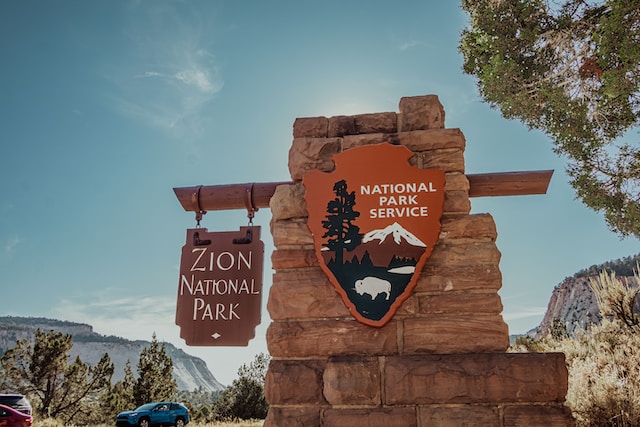
    Image via Unsplash

    Arches National Park

    Located just outside Moab, Arches National Park contains the highest concentration of natural sandstone arches in the world. There are over 2,000 arches within the park, ranging from massive landmarks like Delicate Arch to small Hidden Arch. Be sure to hike to Landscape Arch, one of the longest natural rock arches in the world.

    Arches has great RV camping options right outside the park entrance. Mobile Rv Repair Utah can provide roadside assistance if you encounter any mechanical issues. The parks high elevation means scorching hot days and cool nights, so come prepared with plenty of water and warm layers.

    Canyonlands National Park

    Canyonlands is Utah’s largest national park, divided into three distinct districts. The Island in the Sky district has viewpoints overlooking deep red canyons carved by the Colorado and Green Rivers. Needles district has iconic rock formations like Indian Creek Butte and multi-colored rock spires. The remote Maze district requires high-clearance 4WD vehicles to explore its slot canyons.

    The best way to see Canyonlands is to camp within the park and spend several days exploring each district. The park offers RV camping at Willow Flat Campground in Island in the Sky and Squaw Flat Campground in Needles.

    Capitol Reef National Park

    Capitol Reef contains stunning geologic formations including rock domes, petrified sand dunes, and brightly colored layers of sedimentary rock. Must-see attractions include Chimney Rock, the Hickman Bridge, and the orchards and historic buildings of Fruita.

    The park offers RV camping at Fruita Campground, nestled among the trees right alongside the Fremont River. Be sure to stop at Capitol Reef’s visitor center for tips on the best hikes and driving tours through the park.

    Bryce Canyon National Park

    Bryce Canyon is known for its unique geological structures called hoodoos – irregular columns of rock sculpted by erosion into organic, spire-like shapes. Sunrise and Sunset Points offer phenomenal views over the main amphitheater of hoodoos. Hike down into the canyon on trails like Navajo Loop and Queens Garden to see the hoodoos up close.

    The park has two RV campgrounds, North Campground and Sunset Campground. The high elevation means cool nights even in summer, so bring warm clothes. Nearby Ruby’s Inn RV Park provides another great home base for exploring Bryce Canyon.

    Zion National Park

    Zion’s standout feature is the impressive red and tan colored sandstone cliffs lining the valley. Hiking trails range from easy riverside strolls to strenuous uphill climbs with rewarding views. Popular hikes include Emerald Pools, The Narrows (via the Virgin River), and Angel’s Landing.

    Large RVs can park just outside the entrance in Springdale and take the free shuttle into the park. There are also RV sites at South Campground and Watchman Campground within Zion.

    Tips for RVing Through the Mighty 5

    • Prepare for desert conditions: high temperatures, intense sun, and lack of water/shade on trails
    • Fill up on gas when possible – some parks have limited services
    • Research road conditions and RV length restrictions before planning routes
    • Make reservations for park campgrounds well in advance
    • Check weather reports – afternoon storms with lightning are common in summer
    • Expect crowds at popular parks like Zion and plan accordingly

    Beyond the Mighty 5

    While the Mighty 5 parks are Utah’s most famous, there are also incredible sites to explore by RV beyond these five. Some bonus Utah destinations to consider adding to your RV itinerary include:

    • Goblin Valley State Park – thousands of unusual mushroom shaped rock formations
    • Monument Valley Navajo Tribal Park – iconic sandstone buttes sitting on the Utah/Arizona border
    • Dinosaur National Monument – see hundreds of ancient dinosaur fossils
    • Flaming Gorge National Recreation Area – stunning red rock cliffs and turquoise waters
    • Dead Horse Point State Park – overlooks the Colorado River flowing 2,000 feet below

    So bring your RV and get ready for the Utah road trip of a lifetime! The Mighty 5 parks are ideal to visit by RV and offer stunning scenery, day hikes, and nights under the stars. Just be sure to plan ahead for desert camping conditions and services within each park. Have you RVed through Utah’s national parks? What were your favorite parts? Let us know in the comments!