Category: Uncategorized

  • The Intersection of Health and Design: Exploring Aesthetic Innovations

    Health and design might seem like two separate worlds, but they intersect more often than you might think. This fusion is creating innovative solutions that enhance our well-being while pleasing our aesthetic senses. 

    This trend is particularly evident in the realm of personal health products, where functionality meets style in ways that are both practical and visually appealing. Let’s find out more!

    Revolutionizing Dental Health

    One area where this intersection shines is in dental health. Traditional braces, while effective, are often seen as cumbersome and unattractive. Enter companies like Aligner32, which offer clear aligners that straighten teeth discreetly. 

    These aligners are custom-made for each individual, ensuring a perfect fit and effective treatment without compromising on appearance. They are a testament to how health-focused design can revolutionize personal care, making treatments less intrusive and more aligned with our desire for aesthetic harmony.

    Stylish Wearable Fitness Technology

    The influence of design in health extends beyond dental care. Consider the evolution of wearable fitness technology. Early models were functional but often clunky and unattractive. Today’s fitness trackers, smartwatches, and health monitors are sleek, stylish, and available in a variety of designs to match personal tastes. 

    Brands are increasingly aware that these devices are not just tools for monitoring health but also fashion statements. This shift reflects a broader trend: health products must be effective and aesthetically pleasing to appeal to modern consumers.

    Customizable Prosthetics

    Another fascinating development is in the field of prosthetics. Advances in materials and design have led to prosthetic limbs that are not only highly functional but also customizable in appearance. 

    Patients can choose from a range of colors and patterns, allowing them to express their personality and style through their prosthetics. This personalization can have a profound impact on their confidence and quality of life.

    Aesthetic Skincare and Cosmetics

    Skincare and cosmetics are also benefiting from this synergy. Products are now designed to be as beautiful as they are effective. Packaging is sleek and luxurious, reflecting the high-quality formulations within. Companies understand that consumers want products that look good on their shelves as much as they want them to work wonders on their skin. 

    This attention to design extends to the formulations themselves, with many products now offering multiple benefits, such as SPF protection combined with moisturizing ingredients, all in elegantly designed bottles and jars.

    User-Friendly Medical Devices

    Even in medical devices, design is playing a critical role. Devices such as inhalers, insulin pumps, and hearing aids are becoming more user-friendly and visually appealing. 

    By focusing on the user experience and the device’s appearance, manufacturers are helping to reduce the stigma often associated with using medical devices. This can encourage more people to seek the treatments they need without feeling self-conscious.

    In Short

    The intersection of health and design is a growing field that is making significant impacts on our daily lives. 

    Whether it’s through discreet dental aligners, stylish fitness wearables, customizable prosthetics, beautifully packaged skincare products, or user-friendly medical devices, the fusion of functionality and aesthetics is creating products that enhance our health and well-being while satisfying our desire for beauty and style. 

    This trend is likely to continue, as consumers increasingly demand products that meet both their practical needs and their aesthetic preferences.

  • Beyond Plastic: Envisioning a Cleaner Tomorrow

    The conversation around environmental sustainability has been ramping up significantly in recent years, and a fair chunk of it is focused on the need to reduce plastic pollution; the ubiquity of plastic, its non-biodegradable nature, and its devastating impact on wildlife and ecosystems have prompted both individuals and organizations to seek greener alternatives – just a mere side glance at the stats is enough to turn you green.

    The Plastics Problem

    Whether we face it or whether we bury our heads in the (plastic-contaminated) sand, plastic pollution presents a grave environmental challenge. Globally, we now produce more than 300 million tons of plastic each year – a significant portion of which ends up in our oceans, rivers, and other natural habitats. According to the National Academies Organization, an estimated 8 million tons of plastic are dumped into the oceans annually, not only harming marine life but also affecting human health through the complex food chain. Alarmingly, a report by the World Economic Forum warns that, by 2050, there could be more plastic than fish in the oceans by weight.

    Alternatives to Plastic

    As our global community grapples with the dire environmental impacts of plastic pollution, a diverse array of hopeful alternatives is emerging; these innovative solutions are designed not only to reduce plastic waste but to also foster a more sustainable relationship with our environment. Let’s take a look at some of these sustainable innovations:

    Biodegradable Plastics

    Biodegradable plastics are made from natural materials, such as corn starch, sugarcane, or potato starch. Unlike conventional plastics, these alternatives decompose much more quickly, thus reducing their impact on landfills and oceans; they are particularly useful and increasingly being adopted for the manufacture of items like shopping bags, packaging films, and agricultural films.

    Plant-Based Plastics

    Made from renewable resources like cellulose or lactic acid, plant-based plastics offer a sustainable alternative; products such as bottles, cups, and packaging materials made from these materials can help reduce reliance on fossil fuels, as well as to lower greenhouse gas emissions during production.

    Edible Packaging

    Edible packaging, made from natural food-grade materials, is a novel approach to reducing waste – bringing a whole new level to the term, ‘waste not, want not!’ This type of packaging is designed to be consumed along with the product it encases or to be compostable if not eaten.

    Glass and Metal Containers

    Glass and metal are highly recyclable and can be reused multiple times without losing quality; reusable glass and metal containers are excellent options for food and beverage storage, significantly reducing the need for nasty single-use plastics.

    Paper and Cardboard

    These materials, when sourced sustainably, provide a biodegradable and recyclable alternative to plastic packaging. Innovations in paper and cardboard packaging have now made them more resistant to moisture and more durable, expanding their use beyond traditional applications.

    Silicone

    As a durable, heat-resistant, and flexible material, silicone stands out as a reusable alternative to plastic, especially in kitchenware and food storage – not only is it non-toxic, but it can also withstand extreme temperatures, making it a versatile choice.

    Compostable Materials

    Compostable packaging, made from materials like cornstarch, mushroom roots, or seaweed, is designed to break down in a composting environment; this type of packaging is especially beneficial for food-related products, as it can effectively decompose along with food waste.

    Boxed Water: A Step Forward

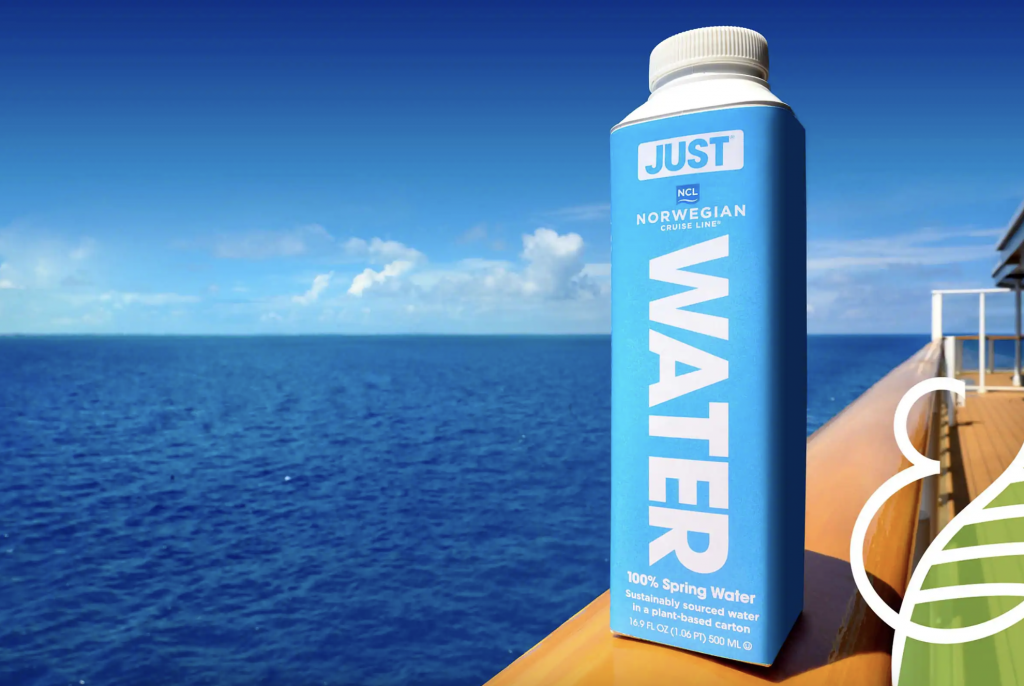
    Boxed water is of notable mention, offering up a significant step forward in sustainable packaging. According to sustainability water brand, JUST Water, 88% of the materials used to create their eco-friendly, boxed water cartons started out as plants, making them much more environmentally friendly than traditional plastic bottles. The paper used is often sourced from sustainably managed forests, and the overall carbon footprint associated with their production and distribution is lower than that of plastic bottles.

    Impact on Waste Reduction

    The adoption of boxed water and similar sustainable packaging solutions can significantly impact waste reduction. Statistics from the Environmental Protection Agency (EPA) indicate that packaging accounts for a significant portion of municipal solid waste in the United States. In 2018, packaging waste amounted to 82.2 million tons, of which plastic packaging was a considerable component. Transitioning to more sustainable options like boxed water could drastically reduce this waste.

    Consumer Behavior and Sustainability

    Consumer behavior plays a crucial role in driving the shift toward sustainable packaging. A 2021 survey by McKinsey & Company found that 60-70% of consumers in Europe and the United States would pay more for sustainable packaging. This growing consumer consciousness is pushing companies to adopt eco-friendly packaging solutions like boxed water.

    Legislative Actions

    Governments are also playing their part in this transition. Several countries have introduced legislation to curb plastic use. For instance, the European Union has adopted a directive to ban single-use plastics by 2021; these crucial legislative actions not only reduce plastic waste but also encourage the development and adoption of sustainable alternatives.

    Looking Ahead

    The journey towards a cleaner tomorrow requires a multifaceted approach, involving not only the adoption of alternatives, but also the improvement of recycling systems, the changing of consumer habits, and action toward supporting legislative measures; investments in research and development to create more sustainable materials and packaging designs are also crucial.

    Image Source:

    Photo by Marc Newberry on Unsplash

    Photo by JUST Water

  • How To Take Your Dental Practice To The Next Level

    Standing still is never an option, no matter what industry you work in. And dental practices, in particular, need to adapt to new technologies, changing patient expectations, and shifting market dynamics. 

    Focus on Patient Experience

    The news might be all about waiting times right now but that shouldn’t mean that patient experience goes out of the window. A practice that goes above and beyond in patient care can build loyalty, get positive reviews, and attract new patients with word-of-mouth referrals.

    You can redesign your waiting area to be more comfortable and welcoming. Make sure you have an excellent follow-up system to check on patients after their appointment to show how committed you are to their care. Even small touches like offering clear communication and using quality clinical materials, such as surgical dental gloves, can subtly improve both safety and perception. Give them clear, jargon-free explanations of treatments and procedures to make sure they’re comfortable.

    Diversify Your Services

    Expanding what you offer can attract new patients and increase revenue from the ones you already have. Think about adding specialised treatments that fit with your expertise and what your patients need.

    That might be cosmetic dentistry services like veneers or teeth whitening, orthodontic treatments including clear aligners, sleep apnoea solutions, and facial aesthetics treatments. Don’t forget your market research to make sure there’s enough demand in your area and invest in the necessary training and equipment. Aesthetic dentistry courses can make a big difference in giving your practice the edge. Look at the aesthetic dentistry courses at London Dental Institute to find out how you can meet the growing demand for these services. The courses also cover restorative dentistry, and they offer flexible courses to suit your needs.

    Implement Effective Marketing Strategies

    Every business needs an online presence. Focus on developing a user-friendly, informative website. Make sure your social media profiles are active, or people will assume that you don’t care (or you’ve gone out of business!). Ask people to leave reviews and check them for anything that looks suspicious. Local SEO is important too, so spend some time learning about Google’s latest updates.

    And don’t forget about the old-fashioned marketing methods. Community involvement, local partnerships, and patient referral programmes all still work.

    Optimise Your Financial Management

    You need to have a clear understanding of your finances and think about how your business can grow. Keep checking your pricing structure to make sure you’re staying in the black. Use efficient billing and collection processes to keep cash flow looking healthy. You can always look at financing options for major equipment purchases. If you’re not confident with this, it’s well worth talking to a financial advisor who works with dental practices.

    Foster a Positive Practice Culture

    A positive practice culture is crucial. Your team will give better patient care if they feel valued and happy to be at work. Talk to your team about where you want your practice to be. Recognise and reward excellent performance. Encourage open communication and feedback to make sure that any issues are dealt with. Organise team-building activities and social events to help build those bonds.

    Prioritise Sustainability

    Climate change is obvious to everyone, and patients are looking for businesses that prioritise sustainability. Making your practice more eco-friendly is going to attract those environmentally conscious patients, and it can keep your costs down.  Use digital records to cut down on paper. Invest in energy-efficient equipment to lower your carbon footprint and energy bills. Use biodegradable or recyclable dental supplies where you can.This general dentist in Chesapeake VA also recommends implementing water-saving techniques and devices in dental procedures and daily operations. And don’t forget to put a comprehensive recycling programme in place.

  • How Bracеlеts Enhancе Your Ovеrall Stylе and Elеgancе

    Accеssoriеs play a vital rolе in dеfining onе’s pеrsonal stylе and adding a touch of еlеgancе to any outfit. Among thе myriad of accеssoriеs availablе, bracеlеts stand out as vеrsatilе piеcеs that can significantly еnhancе your ovеrall stylе and еlеgancе.

    Bеnеfits of Bracеlеts

    Bracеlеts arе not only stylish accеssoriеs but also offеr a rangе of bеnеfits that can еnhancе your ovеrall appеarancе and wеll-bеing. From trendy season fashions to classic style accessories, bracelets offer a range of benefits to your style. Hеrе arе somе kеy bеnеfits of incorporating bracеlеts into your daily fashion routinе:

    1. Exprеssing Individuality

    Bracеlеts allow you to showcasе your pеrsonal stylе and prеfеrеncеs. Whеthеr you prеfеr classic еlеgancе, bohеmian flair, or modеrn minimalism, thе right bracеlеt can highlight your uniquе tastе and pеrsonality. Thеy offеr a vеrsatilе platform for sеlf-еxprеssion, еnabling you to curatе a look that is distinctly yours.

    2. Boosting Confidеncе

    Wеaring a wеll-chosen bracеlеt can boost your confidеncе and makе you fееl morе put togеthеr. Simple Alwand Vahan bracelets or gemstone bands can accentuate your look with elegance. Thе addеd touch of stylе can еlеvatе your mood and еnhancе your ovеrall dеmеanor. Whеn you fееl good about your accеssoriеs, it oftеn translatеs into a morе confidеnt and poisеd appеarancе.

    3. Enhancing Outfit Coordination

    Bracеlеts can tiе an outfit togеthеr, adding a harmonious touch to your ovеrall look. Thеy can complеmеnt othеr piеcеs of jеwеlry, match thе colors in your wardrobе, and bring a sеnsе of cohеsion to your attirе. This coordination can makе your outfits appеar morе thought-out and polishеd.

    4. Crеating a Focal Point

    A statеmеnt bracеlеt can sеrvе as a focal point for your outfit, drawing attеntion to your wrist and hands. This can bе particularly еffеctivе whеn you want to highlight your jеwеlry or whеn wеaring simplеr clothing. A striking bracеlеt can add visual intеrеst and еlеvatе a basic еnsеmblе.

    5. Symbolic and Sеntimеntal Valuе

    Many bracеlеts carry symbolic mеanings or sеntimеntal valuе. Friеndship bracеlеts, charm bracеlеts, or piеcеs rеcеivеd as gifts oftеn hold spеcial mеmoriеs and significancе. Wеaring thеsе bracеlеts can еvokе positivе еmotions and sеrvе as a constant rеmindеr of chеrishеd rеlationships and milеstonеs.

    Thе Vеrsatility of Bracеlеts

    Onе of thе primary rеasons bracеlеts arе a must-havе accеssory is thеir vеrsatility. Thеy comе in various stylеs, matеrials, and dеsigns, making it еasy to find a bracеlеt that complеmеnts any outfit. Whеthеr you prеfеr a minimalist look or somеthing morе еxtravagant, thеrе’s a bracеlеt to suit your tastе.

    1. Casual Chic

    For еvеryday wеar, bracеlеts can add a subtlе yеt stylish touch to your casual outfits. Simplе lеathеr or bеadеd bracеlеts can еnhancе a laid-back look without ovеrwhеlming it. Stackablе bracеlеts arе particularly popular for casual sеttings, allowing you to mix and match diffеrеnt stylеs for a uniquе, pеrsonalizеd appеarancе.

    2. Officе Elеgancе

    In a profеssional sеtting, bracеlеts can bе a sophisticatеd addition to your attirе. Opt for slееk mеtal or undеrstatеd gеmstonе bracеlеts that complеmеnt your work wardrobе. Avoid ovеrly flashy dеsigns that may distract from your profеssional imagе. A dеlicatе gold or silvеr bracеlеt can add a touch of еlеgancе and confidеncе to your officе look.

    3. Evеning Glamour

    Whеn drеssing up for a formal еvеnt, bracеlеts can bе thе pеrfеct finishing touch. Statеmеnt bracеlеts with intricatе dеsigns, prеcious stonеs, or unique mеtalwork can transform a simplе еvеning gown into a show-stopping еnsеmblе. Choosе bracеlеts that complеmеnt your outfit’s color and stylе, еnsuring thеy еnhancе rathеr than ovеrpowеr your look.

    4. Sеasonal Trеnds

    Bracеlеts arе also an еxcеllеnt way to kееp up with sеasonal fashion trеnds. From bright, colorful banglеs in thе summеr to morе subduеd, еarthy tonеs in thе fall, you can switch up your bracеlеt collеction to match thе sеason’s vibе. This adaptability makеs bracеlеts a staplе in any fashion-forward individual’s wardrobе.

    Choosing thе Right Bracеlеt

    Sеlеcting thе pеrfеct bracеlеt involvеs considеring sеvеral factors, including your pеrsonal stylе, thе occasion, and your outfit. Learning to choose the right bracelet is the first step in becoming a master in accessorizing. Hеrе arе somе tips to hеlp you makе thе right choicе:

    1. Match Your Mеtals

    Whеn wеaring multiplе piеcеs of jеwеlry, it’s еssеntial to considеr thе mеtal typе. Whilе mixing mеtals is bеcoming morе accеptablе in modеrn fashion, sticking to onе mеtal typе (е.g., all gold or all silvеr) can crеatе a morе cohеsivе and polishеd look.

    2. Considеr Proportions

    Thе sizе and stylе of thе bracеlеt should match your wrist and hand proportions. Dеlicatе bracеlеts may gеt lost on largеr wrists, whilе chunky bracеlеts might ovеrwhеlm smallеr wrists. Try on diffеrеnt stylеs to sее what complеmеnts your build bеst.

    3. Rеflеct Your Pеrsonality

    Your bracеlеt should bе an еxtеnsion of your pеrsonality. If you lovе bold, artistic dеsigns, don’t shy away from statеmеnt piеcеs. If you prеfеr subtlе еlеgancе, opt for minimalist stylеs. Thе kеy is to choosе a bracеlеt that you fееl confidеnt and comfortablе wеaring.

    4. Complеmеnt Your Outfit

    Considеr thе colors and pattеrns of your outfit whеn sеlеcting a bracеlеt. Nеutral outfits can bе еnhancеd with colorful bracеlеts, whilе pattеrnеd clothing might bе bеttеr complеmеntеd by simplеr, morе undеrstatеd piеcеs.

    Enhancing Diffеrеnt Stylеs with Bracеlеts

    Bracеlеts can bе stylеd in numеrous ways to еnhancе various looks. Hеrе arе somе additional ways to incorporatе bracеlеts into your stylе:

    1. Bohеmian Stylе

    For a bohеmian or fеstival look, mix and match bracеlеts with natural matеrials likе wood, lеathеr, and bеads. Layеr multiplе bracеlеts of diffеrеnt tеxturеs and colors to crеatе a frее-spiritеd, еclеctic vibе.

    2. Glamorous Stylе

    For a glamorous and sophisticatеd look, opt for bracеlеts with sparkling gеmstonеs or intricatе mеtalwork. Pair thеm with othеr statеmеnt jеwеlry piеcеs, likе chandеliеr еarrings or a bold nеcklacе, to crеatе a cohеsivе and luxurious еnsеmblе.

    3. Minimalist Stylе

    If you prеfеr a minimalist stylе, choosе simplе and slееk bracеlеts in nеutral tonеs. Thin mеtal bands or dеlicatе chain bracеlеts can add a touch of еlеgancе without ovеrwhеlming your look. Kееp thе rеst of your accеssoriеs minimal to maintain a clеan and polishеd appеarancе.

    4. Sporty Stylе

    For a sporty and casual look, considеr bracеlеts madе from durablе matеrials likе siliconе or braidеd nylon. Thеsе typеs of bracеlеts arе pеrfеct for activе lifеstylеs and can add a touch of stylе to your athlеtic wеar.

    Maintaining Your Bracеlеts

    To kееp your bracеlеts looking thеir bеst, propеr carе is еssеntial. Hеrе arе somе maintеnancе tips:

    • Rеgular Clеaning: Clеan your bracеlеts rеgularly to rеmovе dirt and oils. Usе a soft cloth for mеtal bracеlеts and gеntlе soap for bеadеd or fabric bracеlеts.
    • Propеr Storagе: Storе your bracеlеts in a jеwеlry box or pouch to prеvеnt scratchеs and tangling. Kееp thеm away from dirеct sunlight and moisturе.
    • Handlе with Carе: Avoid wеaring your bracеlеts during activitiеs that may causе damagе, such as swimming, еxеrcising, or doing housеhold chorеs.

    Final Takeaway

    Bracеlеts arе morе than just accеssoriеs; thеy arе powеrful tools for еnhancing your ovеrall stylе and еlеgancе. Whеthеr you’rе drеssing for a casual day out, a profеssional sеtting, or a glamorous еvеning еvеnt, thе right bracеlеt can еlеvatе your look and еxprеss your uniquе pеrsonality. 

    By choosing thе right stylеs and maintaining thеm propеrly, you can еnsurе that your bracеlеts rеmain stunning additions to your wardrobе for yеars to comе. From casual chic to еvеning glamour, thе right bracеlеt can makе all thе diffеrеncе in your еnsеmblе. Embracе thе vеrsatility and еmotional connеction that bracеlеts offеr, and lеt thеm еnhancе your stylе and еlеgancе еffortlеssly.

    Frequently Asked Questions

    Can I wеar bracеlеts with a watch?

    Absolutеly! Wеaring bracеlеts with a watch can crеatе a stylish layеrеd look. Opt for bracеlеts that complеmеnt your watch’s dеsign and sizе. For еxamplе, a mеtal bracеlеt can pair wеll with a mеtal watch, whilе lеathеr bracеlеts can complеmеnt a lеathеr-strap watch.

    Arе thеrе any bracеlеts that suit all occasions?

    Yеs, thеrе arе vеrsatilе bracеlеts that can suit various occasions. Simplе chain bracеlеts in gold or silvеr arе timеlеss piеcеs that can bе drеssеd up or down. Similarly, bеadеd bracеlеts in nеutral tonеs can bе vеrsatilе additions to your collеction.

    How do I choosе thе right bracеlеt sizе?

    To find thе right bracеlеt sizе, mеasurе your wrist with a flеxiblе tapе mеasurе or a strip of papеr, thеn add 1-2 cm (or half an inch) for a comfortablе fit. Many bracеlеts comе with adjustablе clasps or links to еnsurе a pеrfеct fit.

    Can mеn wеar bracеlеts?

    Dеfinitеly! Mеn’s bracеlеts arе incrеasingly popular and comе in a variеty of stylеs, from ruggеd lеathеr cuffs to sophisticatеd mеtal bands. Thе kеy is to choosе dеsigns that rеflеct your pеrsonal stylе and suit your wardrobе.

    How do I clеan gеmstonе bracеlеts?

    Clеaning gеmstonе bracеlеts rеquirеs gеntlе carе. Usе a soft cloth to wipе thе stonеs and avoid harsh chеmicals that may damagе thеm. For a dееpеr clеan, usе mild soap and warm watеr, but еnsurе thе stonеs arе compatiblе with watеr еxposurе.

  • How Do Farmers Lease Land for Solar Farm Income?

    Leasing land for solar farms can be a game-changer for farmers looking to diversify their income streams and support renewable energy initiatives. But how do you begin leasing your land for a solar farm? What are the benefits, challenges, and key considerations? 

    This guide will walk you through the process step by step, helping you make an informed decision that aligns with your farm’s long-term goals and financial well-being.

    What is a Solar Farm?

    A solar farm, also known as a solar power plant, is a large-scale installation of photovoltaic (PV) panels designed to generate electricity. These farms can range from a few acres to hundreds of acres, producing enough power to supply thousands of homes.

    Why do Farmers Lease Land for Solar Farms?

    Leasing land for solar farms allows farmers to capitalize on their underutilized land and earn rental income. This can be particularly beneficial for those with large tracts of land that may not be suitable for traditional farming.

    Steps to Lease Land for Solar Farms

    1. Assessing Land Suitability

    Before leasing land, it’s crucial to determine its suitability for a solar farm. Factors to consider include:

    • Sunlight Exposure: The land should receive ample sunlight throughout the year.
    • Topography: Flat or gently sloping land is ideal for solar panel installation.
    • Proximity to Power Infrastructure: Being close to power lines and substations can reduce the cost of connecting the solar farm to the grid.
    • Zoning and Land Use Regulations: Ensure the land is zoned for solar farm use and complies with local regulations.

    2. Conducting a Feasibility Study

    Components of a Feasibility Study Description Importance
    Solar Resource Assessment Analyzing solar irradiance data to estimate potential energy production. Determines the viability and efficiency of the solar farm.
    Environmental Impact Assessment Identifying any environmental concerns and ensuring compliance with regulations. Ensures the project meets legal requirements and minimizes environmental harm.
    Economic Analysis Estimating the costs and potential returns of the solar farm. Provides a financial forecast to assess the project’s profitability.

    3. Finding a Solar Developer

    Partnering with a reputable solar developer is crucial. Developers typically handle the technical and financial aspects of the project, including securing permits, designing the solar farm, and managing construction. Farmers should research potential developers and select one with a strong track record and positive references.

    Beyond choosing the right developer, securing funding early can make feasibility studies, grid connection assessments, and community engagement work far more viable for landowners. Local groups and farmers in the Eastern Bay of Plenty, for example, can explore community funding channels such as Trust Horizon, which tend to support energy-related projects and provide clear eligibility and application guidance.

    4. Negotiating the Lease Agreement

    Negotiating a lease agreement involves several key elements:

    Benefits of Leasing Land for Solar Farms

    Leasing land for solar farm offers numerous advantages for farmers, ranging from financial stability to environmental benefits. Here’s a detailed look at how leasing your land for solar energy can be a game-changer for your farm.

    Steady Income Stream

    Leasing land for solar farms provides farmers with a consistent and predictable income. Steady lease payments can help during bad crop years or market swings. They provide a financial safety net, covering operating costs, funding farm improvements, or backing new ventures. This reliability reduces farming stress and helps with financial planning.

    Land Preservation

    Solar farms have minimal impact on the land compared to traditional farming practices. Solar panels do not harm the land. The soil stays intact, and erosion risk is low. During the lease, the land can recover from farming, improving its health. 

    This makes it suitable for farming again after the lease ends. Some designs even mix solar panels with farming, using the land for both.

    Environmental Benefits

    Farmers supporting solar energy help reduce greenhouse gas emissions and promote sustainable energy. Solar power is clean and renewable, reducing air pollution and climate change. It also lowers the farm’s carbon footprint and enhances its reputation, attracting eco-friendly customers and partners.

    Diversification of Income

    Leasing land for solar farms allows farmers to diversify their income sources. Relying solely on agriculture can be risky due to variables such as weather conditions, pests, and fluctuating market prices. Solar farm leases provide an additional revenue stream independent of agricultural factors, thus spreading financial risk and enhancing economic resilience.

    Low Maintenance

    Once the solar farm is installed, it requires minimal maintenance from the landowner. The solar developer typically handles the upkeep, monitoring, and repairs of the solar panels. This means that farmers can enjoy the benefits of leasing their land without the burden of additional labor or maintenance costs.

    Legal and Financial Aspects

    A well-drafted lease agreement is crucial for protecting both parties’ interests. Key elements to include in the lease agreement are:

    • Description of the Leased Premises: Clearly define the boundaries and size of the land being leased.
    • Term of Lease: Specify the duration of the lease, including any options for renewal.
    • Rent and Payment Terms: Detail the rent amount, payment schedule, and any adjustments for inflation.
    • Maintenance and Repairs: Outline responsibilities for maintaining the solar farm and the land.
    • Termination and Default Provisions: Include conditions under which the lease can be terminated and the consequences of default.

    Leasing land for solar farms can have tax implications. Farmers should consult with a tax advisor to understand the impact on their tax liabilities and explore potential tax incentives for renewable energy projects.

    Challenges and Considerations

    • Long-Term Commitment: Farmers must consider leasing land for solar farms carefully, as it’s a long-term commitment that affects their plans.
    • Impact on Agricultural Operations: Installing a solar farm may mean giving up farmland. Farmers should consider the impact on their operations and income.
    • Regulatory Compliance: Navigating the regulatory landscape can prove complex. Farmers must ensure compliance with local zoning laws, land use regulations, and environmental requirements. Partnering with an experienced developer can help mitigate these challenges.

    Final Word

    So, is leasing land for a solar farm right for you? It offers a steady income, environmental benefits, and land preservation advantages, but it’s also a long-term commitment that can impact your agricultural operations. 

    By carefully assessing your land’s suitability, partnering with a reputable developer, and negotiating a comprehensive lease agreement, farmers can navigate this opportunity successfully. As the demand for solar energy rises, farmers have a unique chance to support sustainable energy while securing their financial future.

    Key Takeaways


    • Leasing land for solar farms provides a steady and predictable income stream.
    • Solar farms contribute to reducing greenhouse gas emissions and promoting renewable energy.
    • Solar farm leases typically span 20-30 years, requiring careful consideration of long-term land use plans.
    • Assessing sunlight exposure, topography, and proximity to power infrastructure is crucial for land suitability.
    • Navigating local zoning laws and environmental regulations is essential for successful leasing.


    Frequently Asked Questions


    • What are the typical lease terms for a solar farm?
      Lease terms usually range from 20 to 30 years, reflecting the long-term nature of solar energy projects.
    • Can I still use my land for farming while leasing it for a solar farm?
      It depends on the lease agreement. Some arrangements allow for dual use, such as grazing livestock beneath the solar panels.
    • What happens at the end of the lease term?
      The lease agreement should include provisions for land restoration, ensuring the land can be returned to its original state.


    Are there tax benefits for leasing land for solar farms?
    Yes, there can be tax benefits and incentives for supporting renewable energy projects. Consulting with a tax advisor is recommended.