Category: One Question Interview

  • Bookshelf: Métier, Small Businesses in London

    Bookshelf: Métier, Small Businesses in London

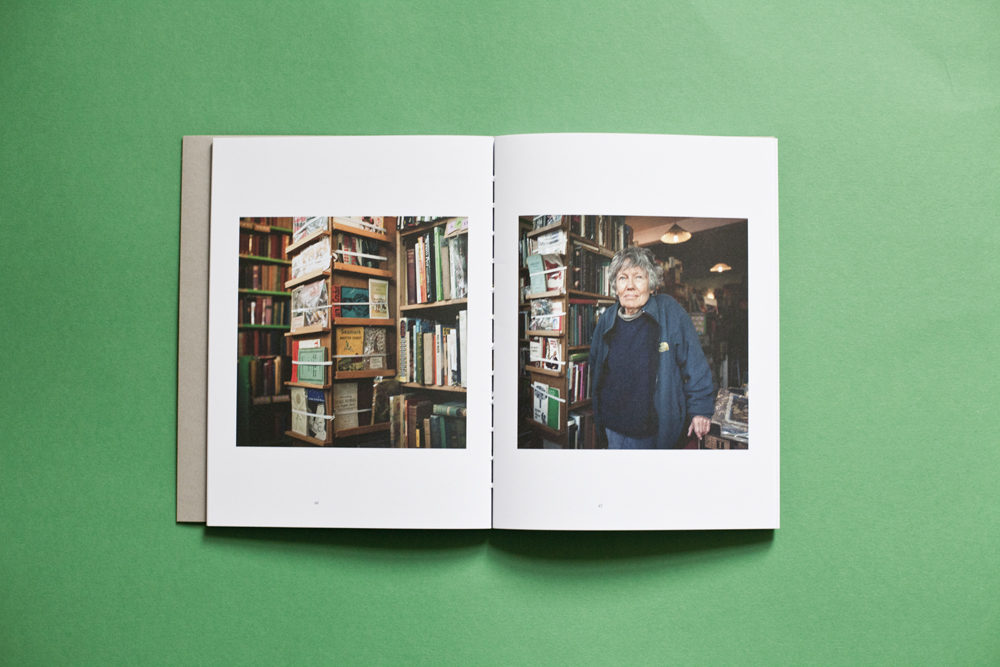
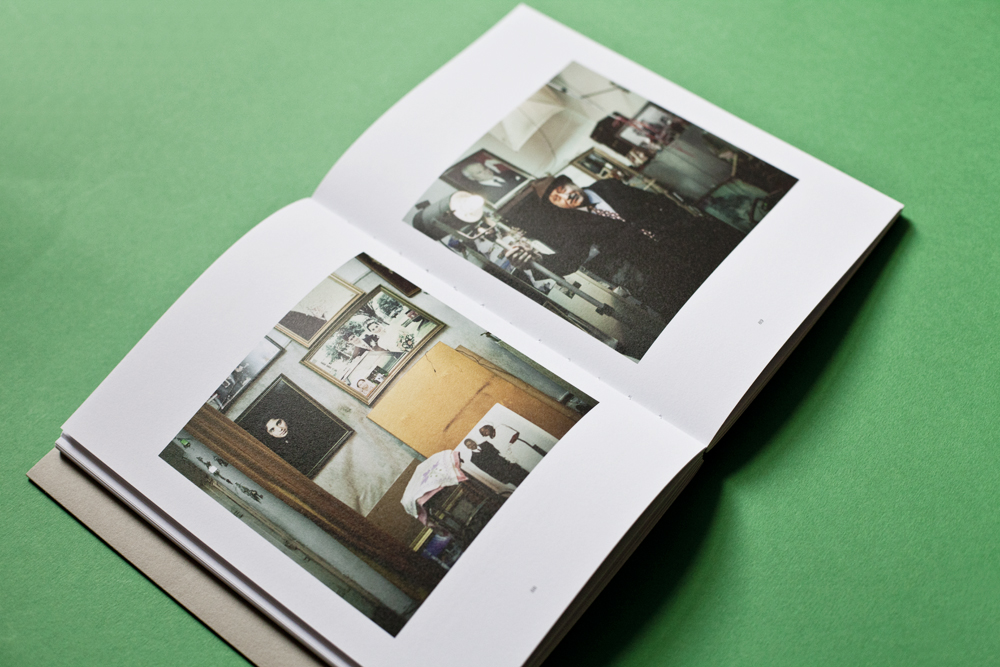
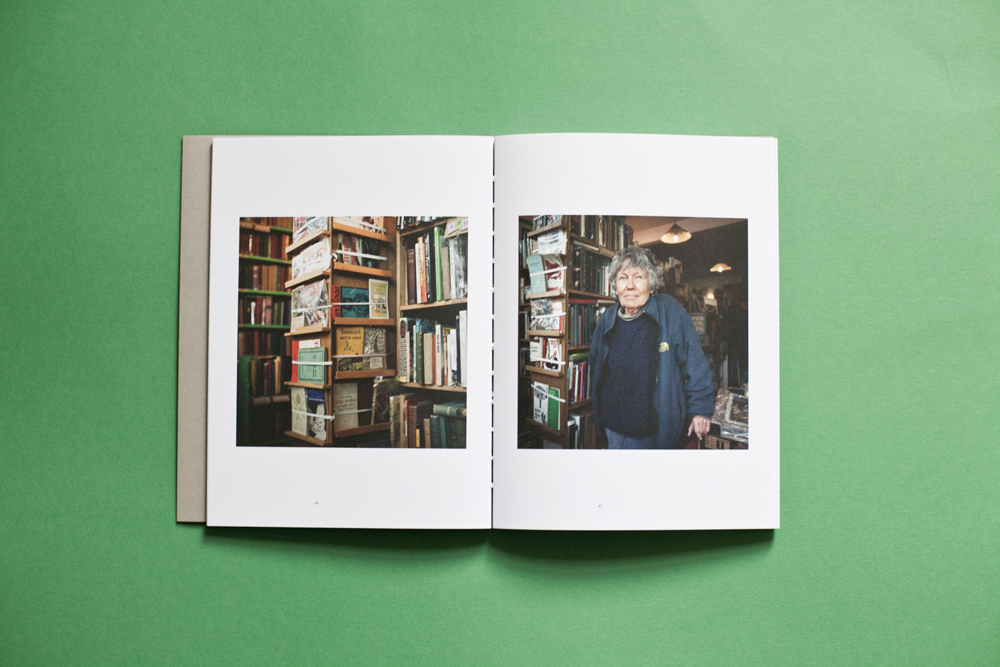
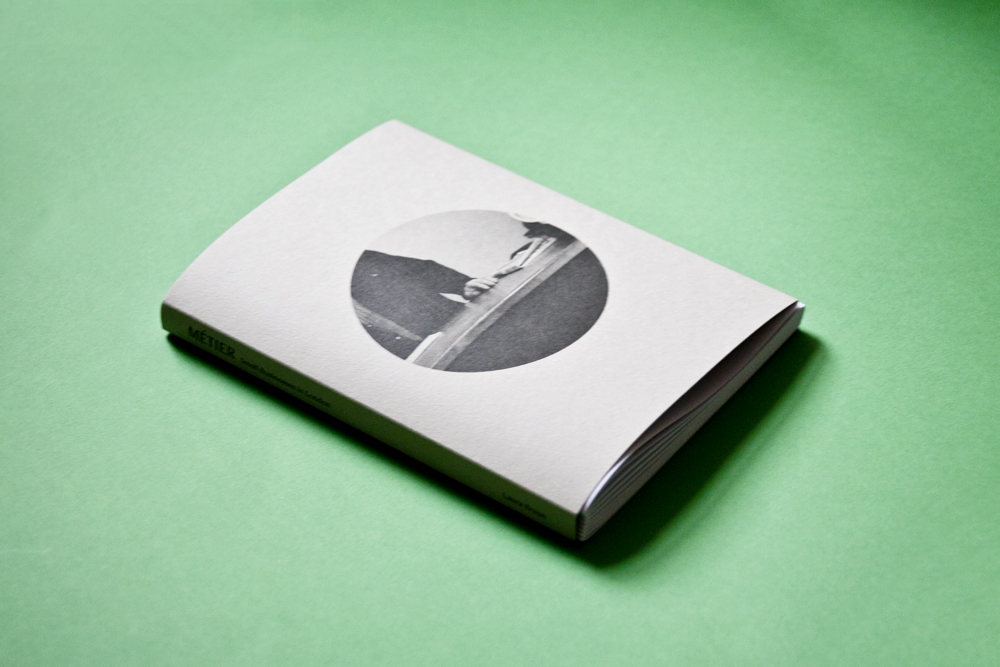
    Métier, Small Businesses in London, is a book by Laura Braun about small-scale independent and specialist businesses in the capital and the people who run them. In a time when the high streets of London are taking on a more and more corporate character, this book offers an unusual and interesting perspective on the city and an insight into the working lives of people who strongly identify with their occupation.

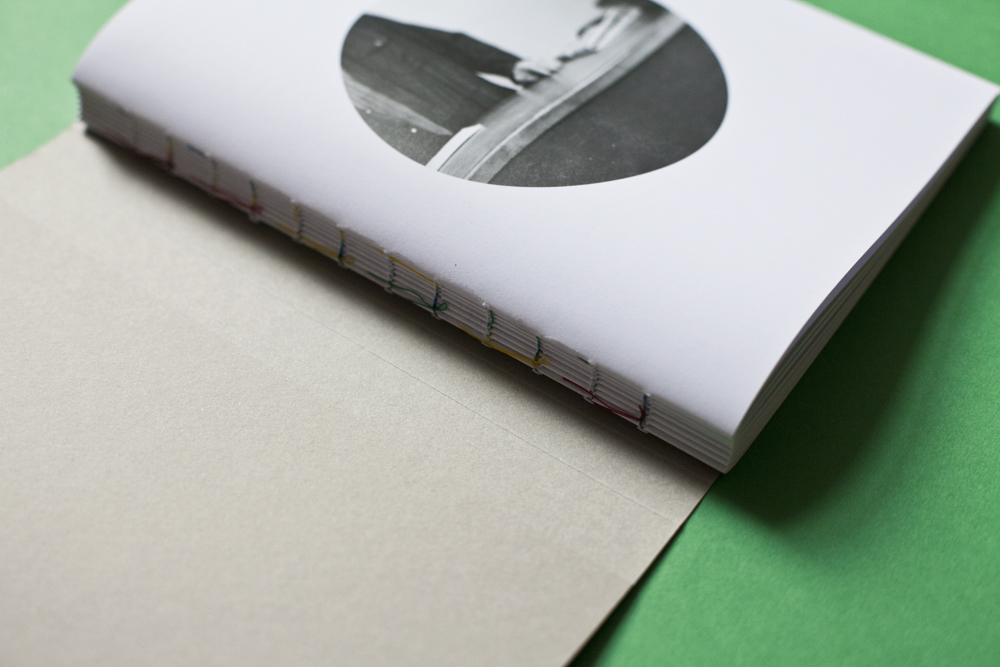
    The book was published by Paper Tigers Books – an independent publisher of limited edition artists’ books also founded by Laura in 2011.

    Read on for our short interview with Laura where she tell us about the process of creating Métier and what interested her in small businesses in the first place.
    The book was 6 years in the making – could you please tell us about the process of creating Métier? 

    LB: I started the project in 2007 really not thinking that I’d be working on it for 6 years. I wanted to add some more portraits to my portfolio and on the look-out for interesting sitters I stumbled upon this project about small businesses and the often very passionate and a little eccentric people who run them. Early on in the project The Photographers’ Gallery in London commissioned me to photograph a few businesses in Soho as part of their Soho projects when they were moving the gallery from Covent Garden to Soho. Those photographs became part of Métier as well and over the years I just kept adding to the project slowly whenever I came across another interesting business. I never set out to create any kind of index of London businesses. I found them all by chance, by walking around, through recommendations from friends and people who knew about my project and quite a few just because I needed their products or services. So the selection in the book is very personal. It’s to do with my interests and the parts of the city that I move around in my daily life.

    What interested you in independent businesses and their owners?

    LB: I spent a bit of time with each of the people in the book. I got to know them a little and heard how they ended up doing what they do. I don’t want to romanticise them. Their day to day lives are often difficult and of course also very mundane. Nonetheless for the most part they have a strong personal connection to the work they do. Their biographies are very closely intertwined with their profession or their business. The people are shaped by their work and the work and workplaces are shaped by the people in a way that is more and more the exception in our current corporate consumer landscape. The people running such small businesses have knowledge and often manual skills which you don’t find in employees of many large companies who are just much less personally invested in their work.

    Again, without disregarding the down sides of running a small business on one’s own, over all, how the people in this book engage with their work, seems to me in many ways preferable to the kind of career focus that is common in a more corporate environment.

    Also I think this small commerce, where a real exchange takes place, is really important for the life of this city, London, – and by extension any other place where people live. It’s what distinguishes one street from another, one area from another… I wanted to show and celebrate this.

    Métier – Small businesses in London is available directly from the publisher as a numbered edition of 500 for £18.
    www.papertigersbooks.com

  • Studio Visit: Emily Millichip

    Studio Visit: Emily Millichip

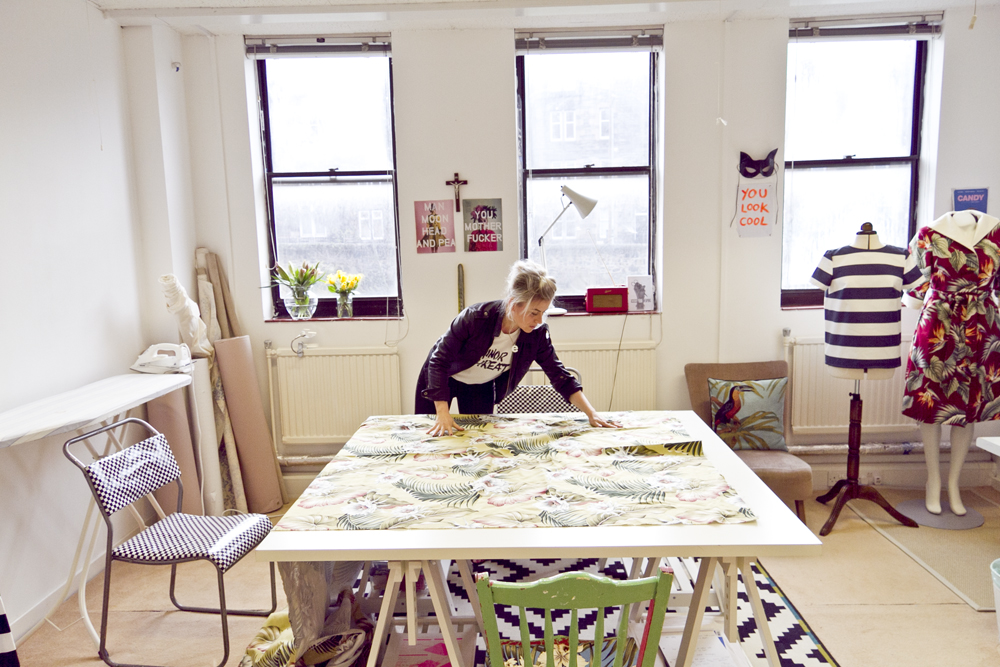
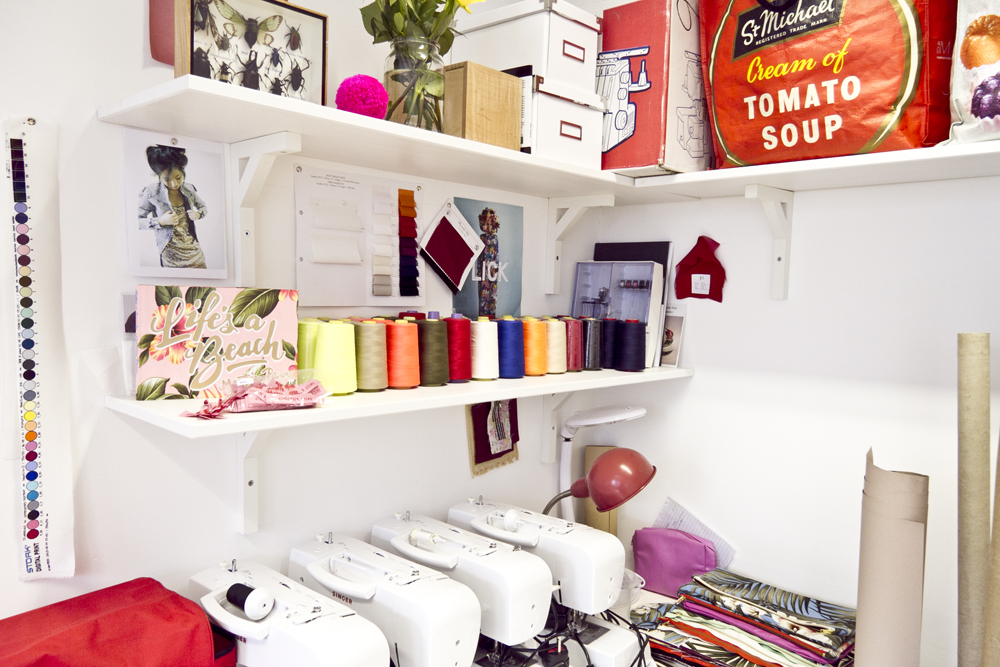
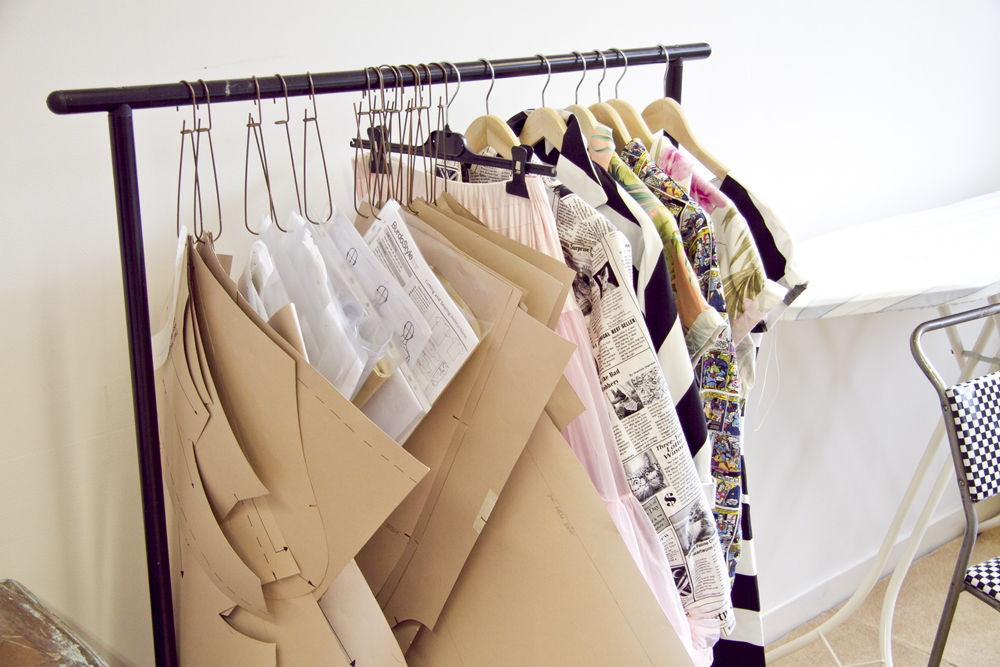
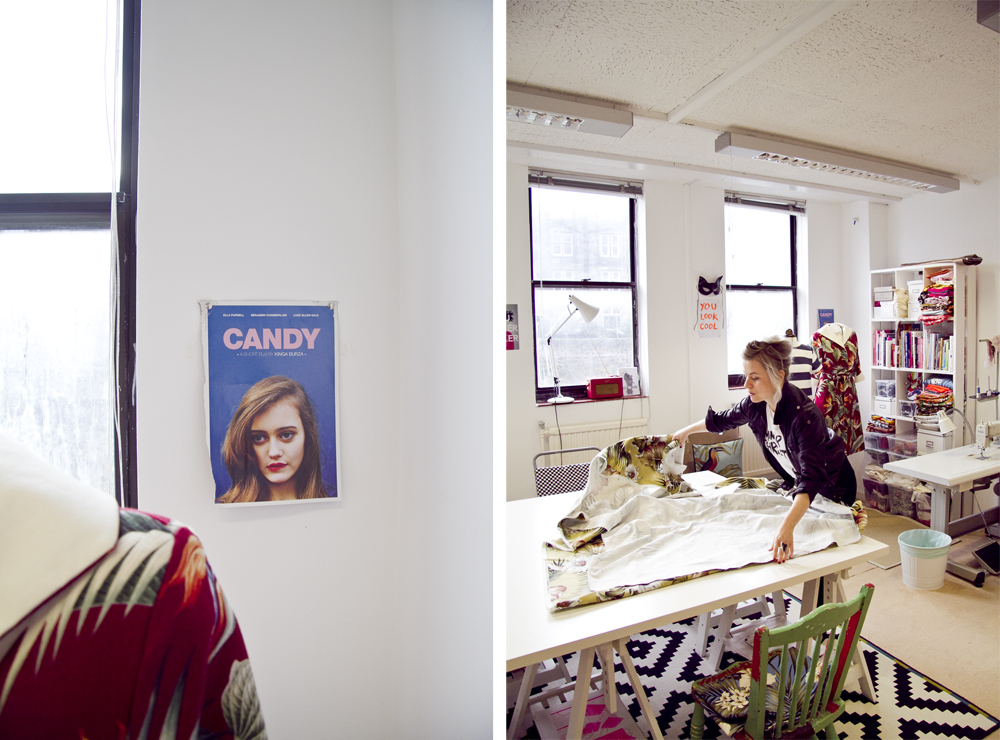
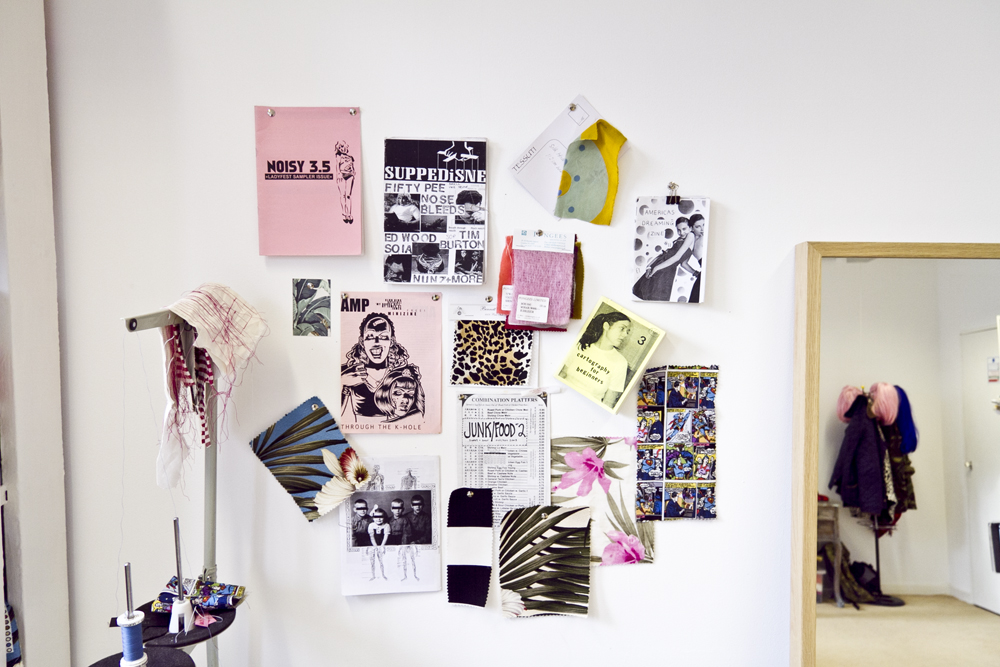
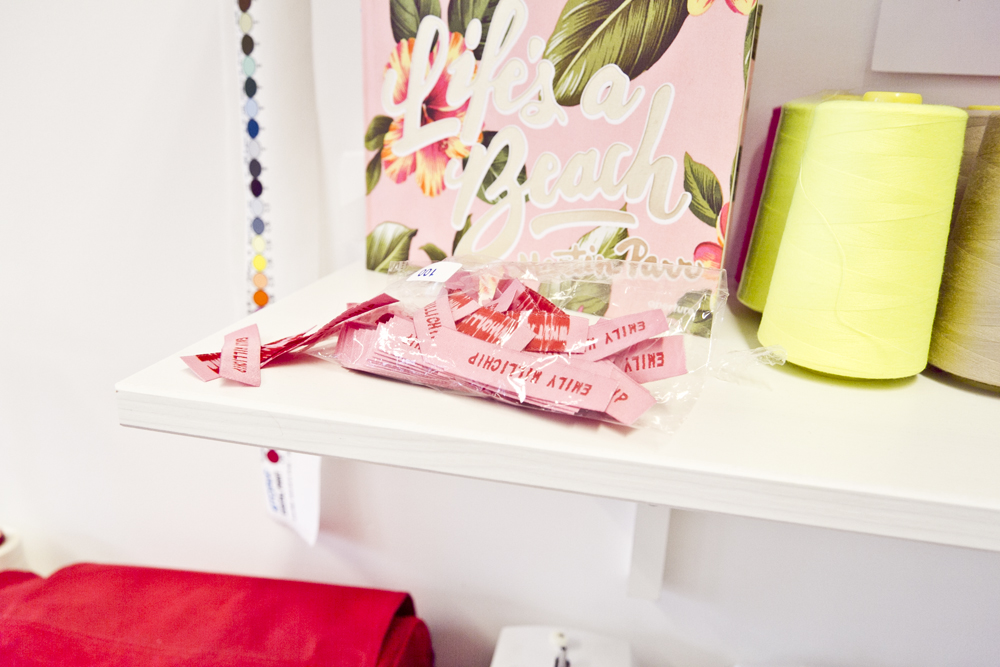
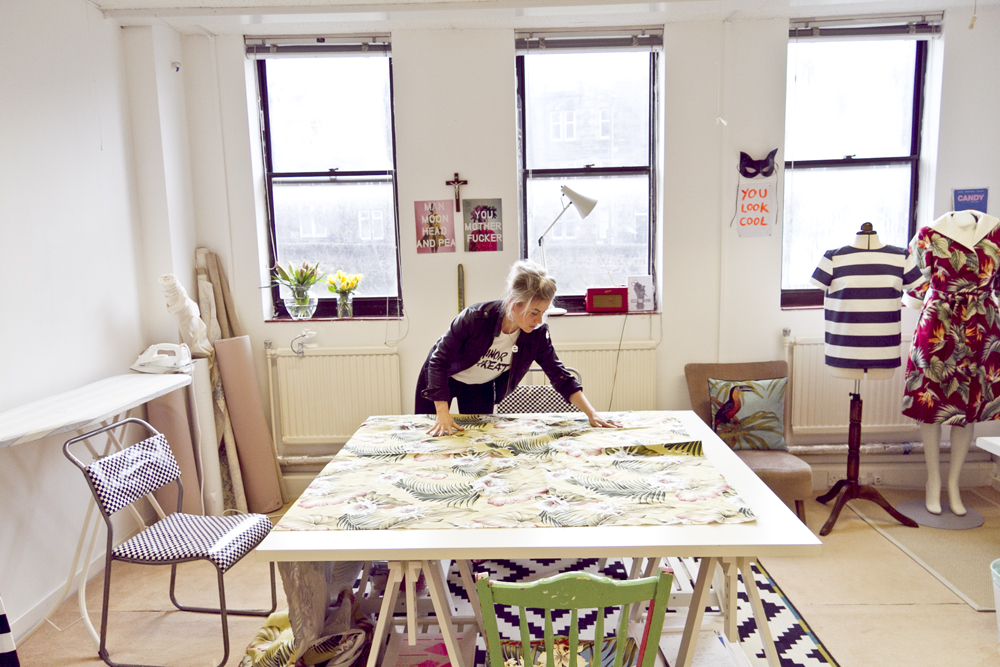
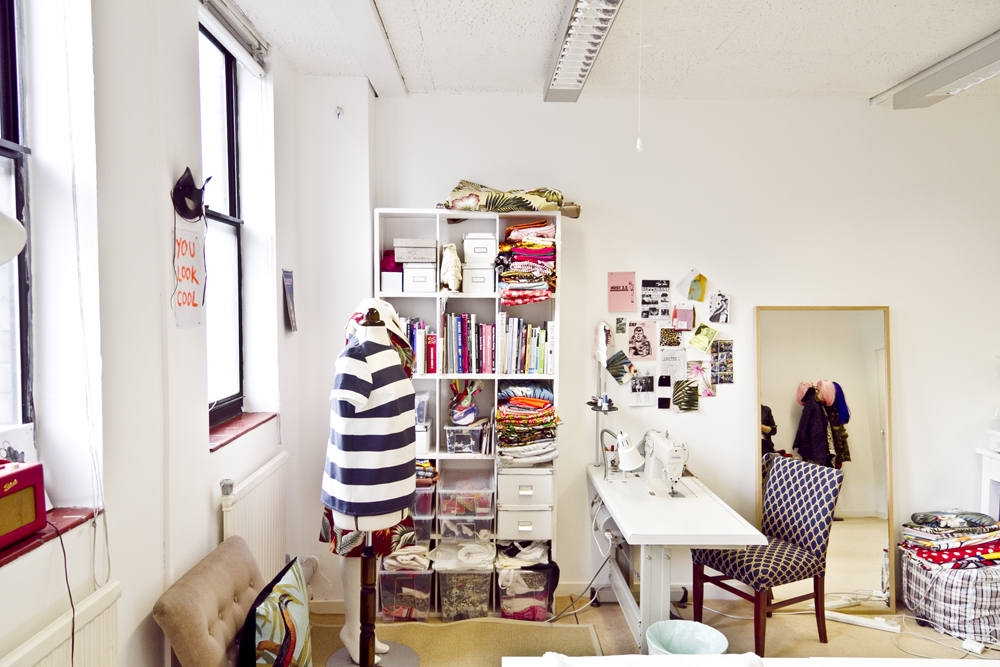
    For a while now, we’ve been wanting to visit Emily Millichip’s studio. We met this Edinburgh based designer at the Stitch Lounge and really liked her aesthetics and the bright fabrics she uses in her designs.

    Emily’s studio is based at the Art’s Complex, which used to be a colossal office space now converted into studios for local artists, designers and start ups.

    We spoke to Emily to find out what inspired her to become a fashion designer and know more about her favourite places in Edinburgh. Read the interview after the photos.

    When did you first start designing? Also, who or what inspired you to become a designer?

    I started designing in my early twenties, mainly through an extreme hatred for all of the clothes that were in the shops. Things have improved in the UK but for a while there seemed to be a misconception that the country was populated by 16 year old supermodels. I was really into the style of the 1950s and was ordering clothes from California. Eventually I thought that it would be cheaper and easier to learn to make the clothes myself. It was also probably the result of getting a ‘proper’ degree and doing a string of horrible jobs in admin. I decided I needed more colour in my life and waved goodbye to being able to pay my rent on time.

    What do you draw inspiration from?

    I am inspired by high trash, interesting people, crazy grannies, reading, adventure, music and cheap red wine. When I have time I look at personal style blogs as I find them much more relevant than fashion magazines which bore me to death. I also like to go on solo camping trips and get drunk on rum and concoct new plans around the campfire.

    When you’re designing, what woman do you have in mind?

    I am always designing for myself. I tend to imagine an amazing scenario I want to be in and then go about making the outfit I would need for such a scenario. This involves a lot of imaginary trailer parks and trips to Mars. Frequently it involves ridiculous Hawaiian prints, silver sequins and pink wigs. In reality though I have mostly made some great outfits to go and buy milk from the shop.

    Tell us about your favourite places in Edinburgh.

    My favourite places in Edinburgh are all of the beautiful old graveyards, Portobello Beach, little old man pubs and anywhere in Leith. Leith is amazing. Why would you want all of the dignified grandeur of the New Town when you could have the chaos of Leith?

    www.emilymillichip.com

  • Places: SHOPIQ

    Places: SHOPIQ

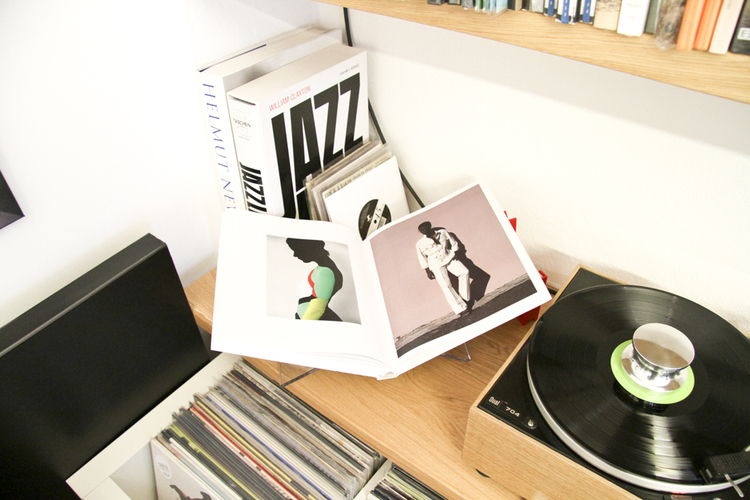
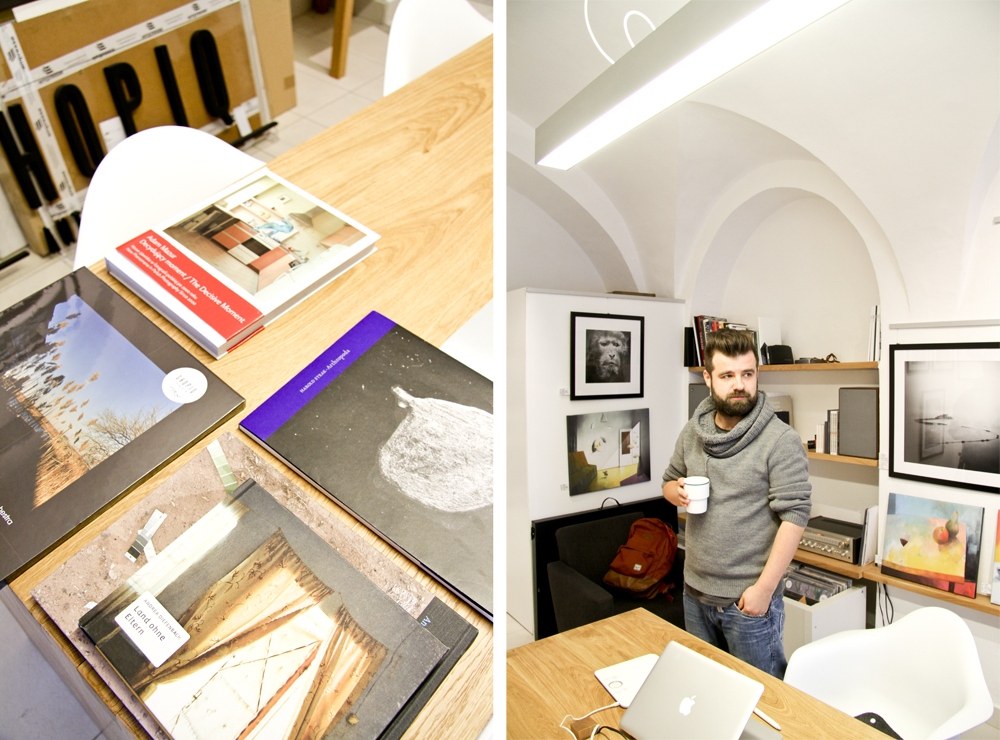
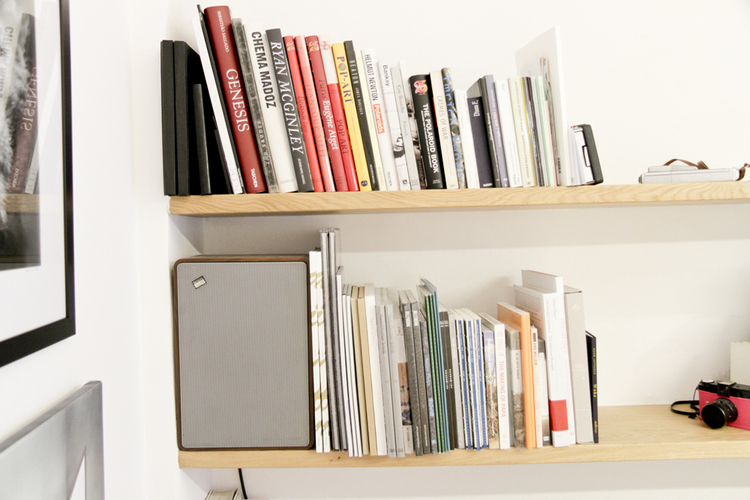
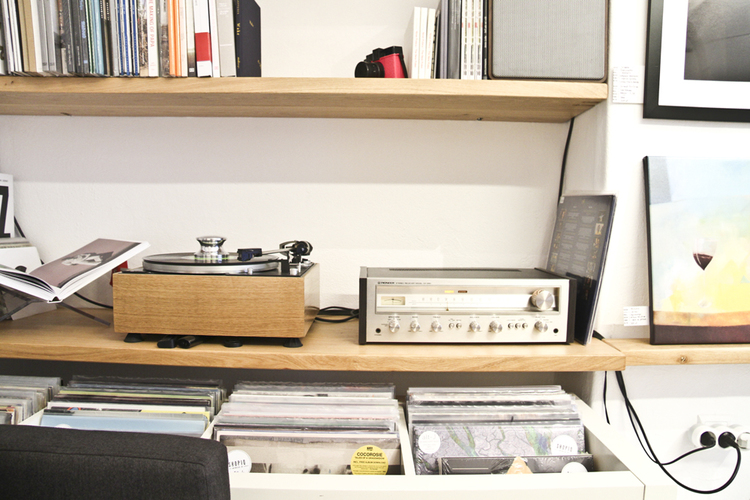
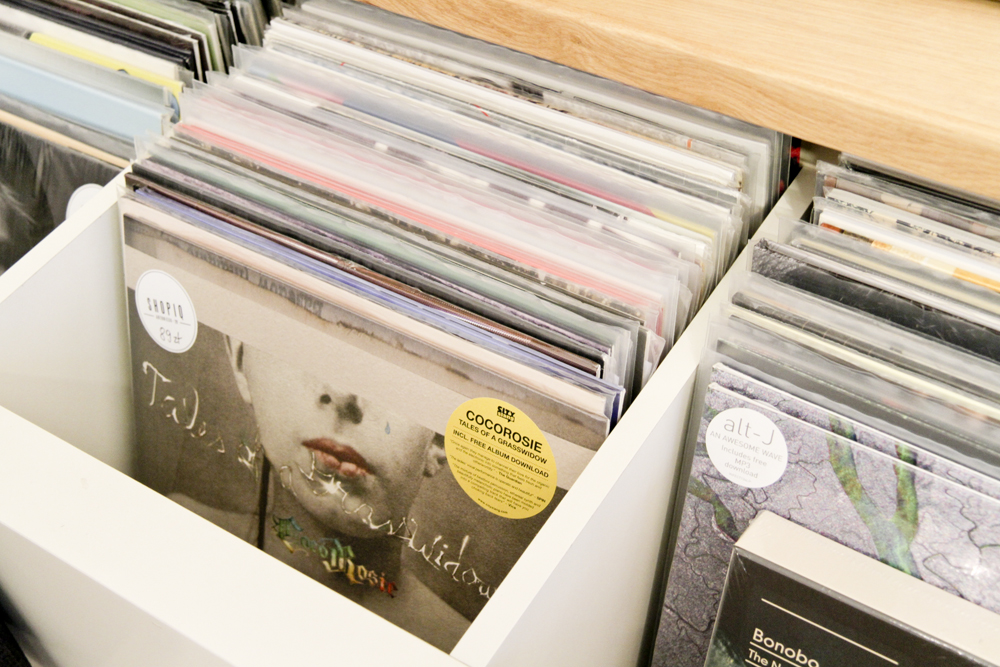
    On our last trip to Wroclaw we discovered SHOPIQ – a new addition to Wroclaw’s creative scene. The shop selling works of Polish photographers, books and vinyls is run by Natalia and Ernest Dec.

    They tell us a little bit more about the concept behind SHOPIQ, Wroclaw, and work of which Polish photographers they like and follow.

    Shopiq on Future Positive (2)

    Shopiq on Future Positive (1)

    Shopiq on Future Positive

    Tell us how the idea for SHOPIQ was born?

    Ernest: We’re both photographers and taking photos is what we do in life. Apart from photography we love travel, discovering new places, meeting new people and staying at home for a longer period of time just to slow down a little. We started to think about the concept of SHOPIQ many years ago.We dreamed about creating a place that we always look for when discovering new city space. Then, the name was created, which from its definition supposed to mean a place where works of art can be bought. Then, we found the space where we’re based; not too big and just perfect to start a new business. And that’s how SHOPIQ was born – a creative space which opens itself everyday to meet with photography, graphic design, painting and music.

    What do you like about Wroclaw? Is it a creative city?

    Ernest: Wroclaw is one of the most ‘westernised’ cities in Poland due to its location and influences.

    Everyday we meet open, friendly people who creatively approach their everyday life and business. It’s the people that create places, if they give away some positive energy, the city gives it back in return. Wroclaw is a very harmonious city when it comes to this and the city gives you the opportunity to spread your wings.

    Work of which Polish photographer do you follow and like?

    Ernest: We have quite a few interesting photographers here in Poland and you can now hear about Polish photography more often. Many interesting publications and create projects are developed. We always like the work of Sputnik Photos, Bartek Pogoda, Filip Ćwika and other artists featured at SHOPIQ.

    www.shopiq.com.pl

    Congratulations to Winston Struye for winning the Creative Portsmouth book giveaway! 

  • Places: Karavan

    Places: Karavan

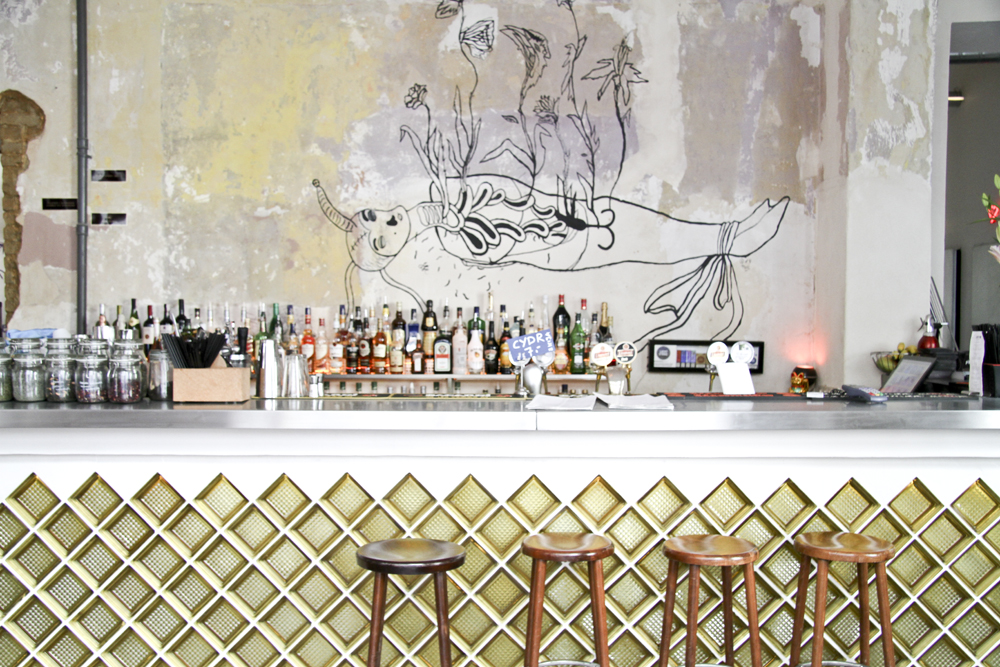
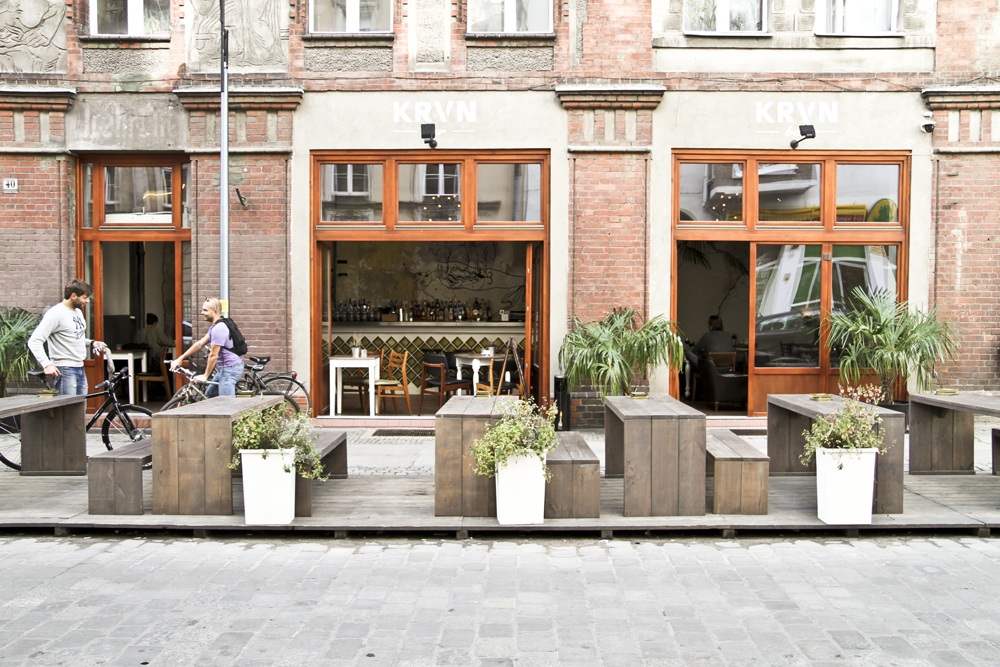
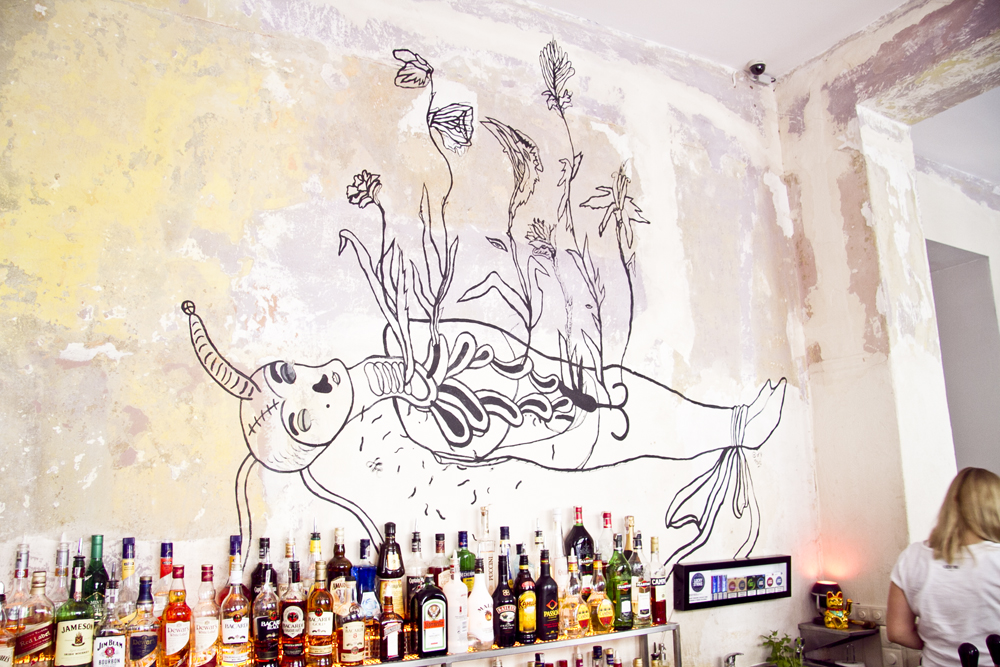
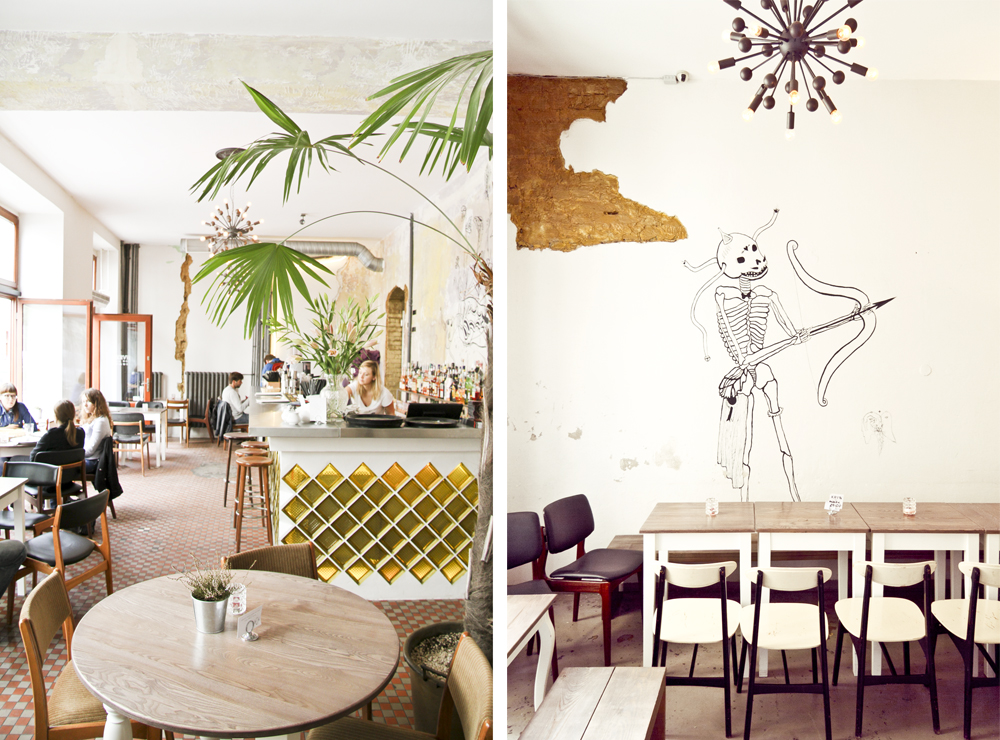
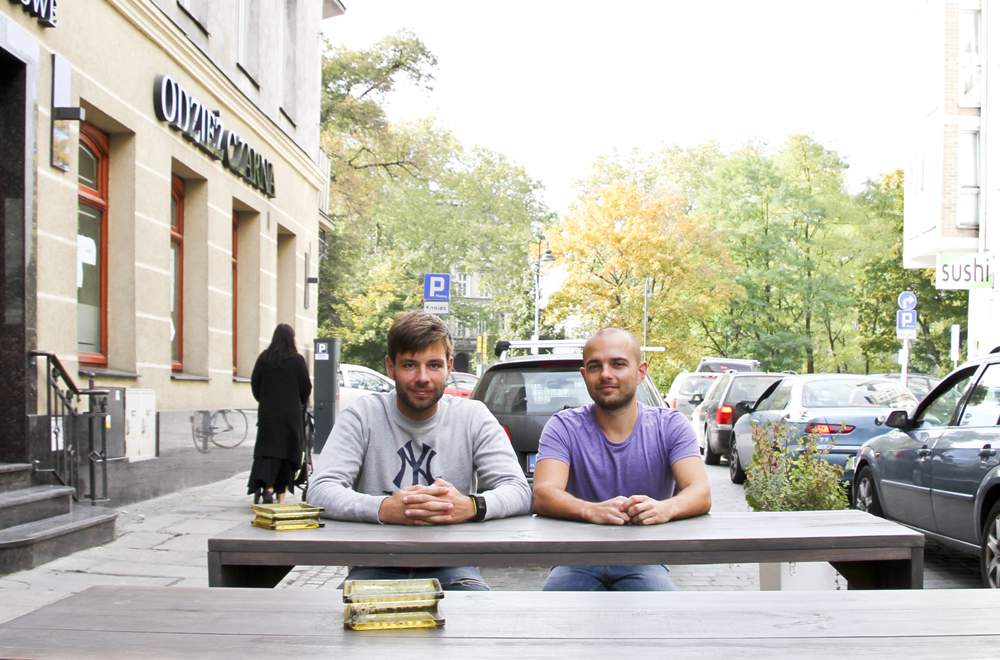
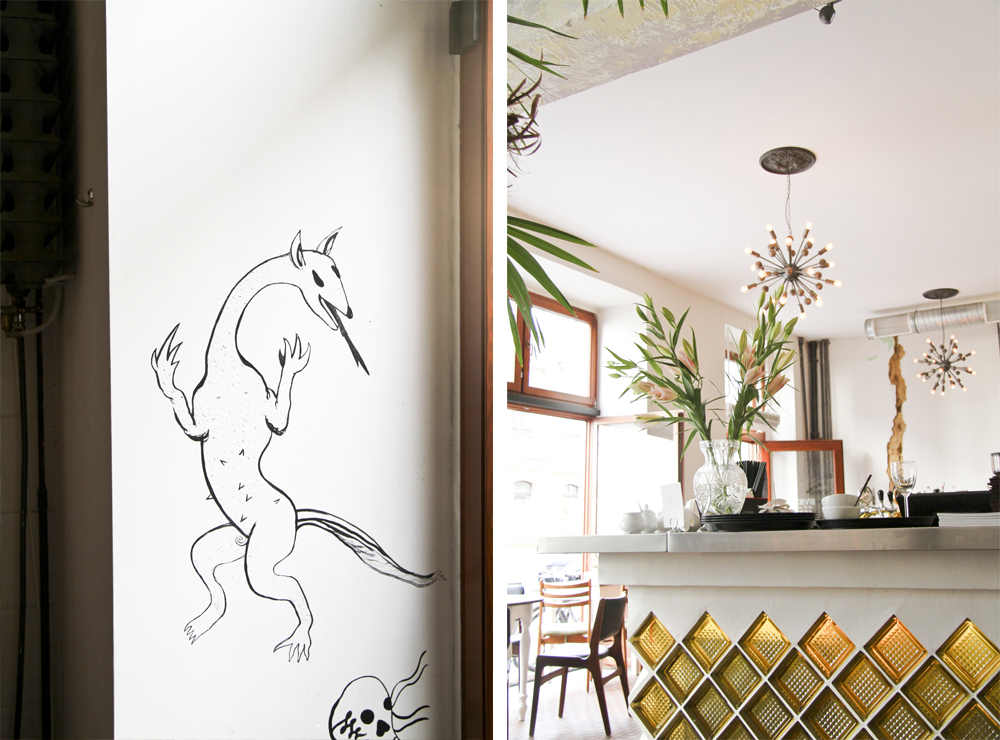
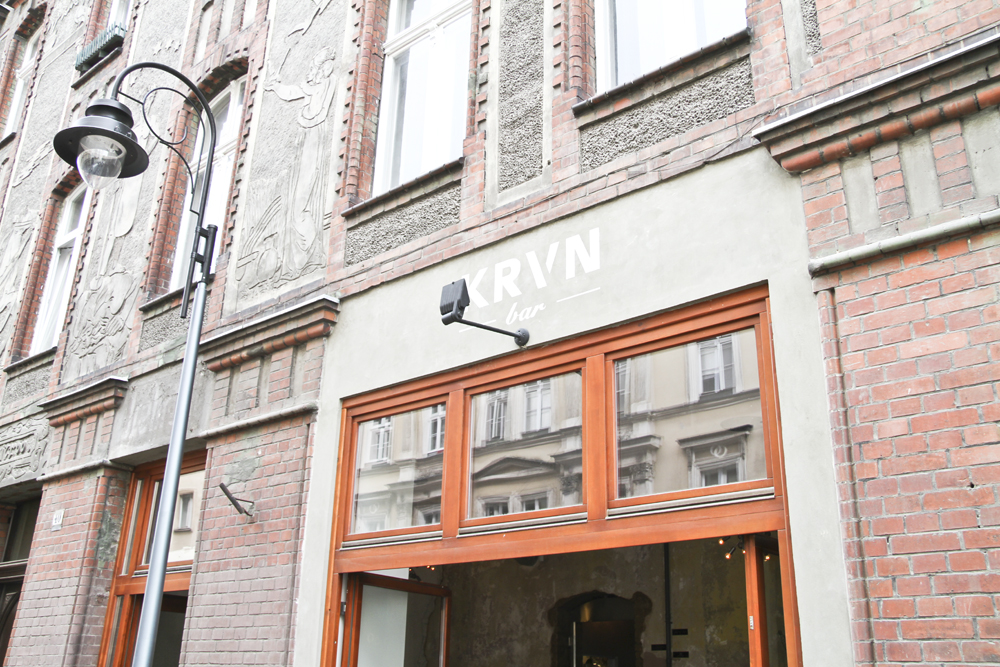
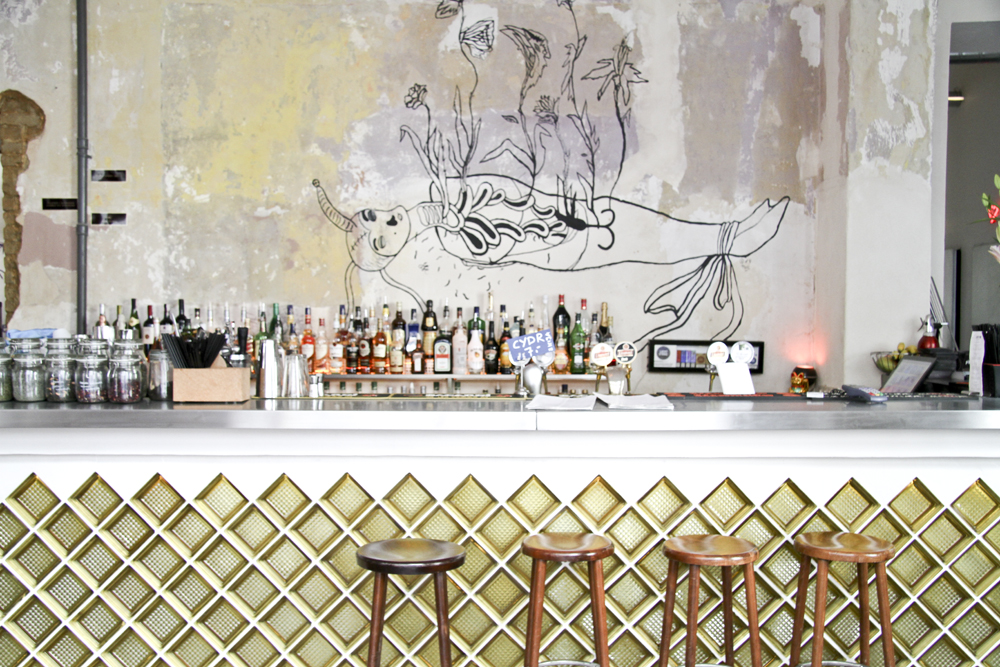
    On our recent trip to Wroclaw, Poland, we spoke to Michał Świgulski and Damian Osowski, the founders of two of our favourite bars and clubs in the city, Krvn and Das Lokal.

    We asked Michał and Damian about the night life in the city and how they came up with the idea of opening both places.

    What inspired you to open Das Lokal and KRVN. What’s the concept behind these places?

    Michał: Right now the history of opening Das Local might seem very typical. Looking back, we realise that everything went differently to what we had originally  planned. After graduating from university together with my partner Damian, we started working for big corporations where we would sit behind our desks day after day without any other purpose – we both knew this lifestyle wasn’t for us. We liked good music and our friends really enjoyed the house parties we used to organise from time to time so we though we could turn that into something else and make it a part of our lifestyle.  

    That’s how everything started; our close friend Maciek who also had problems with picking the right career joined the team as well. Das Lokal started from nothing, it was supposed to be a pub or a coffee shop with some good music in the background, and at the weekends we would turn the volume up and organise casual parties for our friends. We weren’t part of Wroclaw’s night life and we didn’t know any djs or promoters who would organise parties back then. That was, perhaps, because we used to spent most of our weekends outside the city, mostly in Berlin.

    Just after we opened the place, it started to attract more and more people who wanted to organise interesting events. After a while, inconspicuous Das Lokal became one of the most important places in the city for everyone who likes electronic music. Our events became more famous and it started to be difficult to get in to the club during the weekend. We were very surprised with the scale and the speed of the changes we were faced with.   

    After two years, the time had come to think about an expansion and that’s how we came up with an idea of a cafe/bar that would operate during the day – we were slightly tired of living in the dark. We found a cool space, we decorated it as we wanted, we gathered some amazing people who believed in our idea, and that’s how we managed to open Karavan. It was also supposed to be a modest place where you could get something quick to eat during the day and grab a drink in the evening. However, the ambition and skills of our young kitchen team really surprised us and that’s how we started to think about cooking more seriously.  Another year has passed and both places still bring a lot of great people in, and the business is doing quite well.

    How would you compare Wroclaw’s nightlife to other Polish cities?

    Michał: We don’t have the full image of what is happening in other Polish cities, mostly because we spend most of our weekends in Wroclaw looking after our businesses. Our city is in some aspects very unique. The fact that it’s actually quite hard to travel to Warsaw gives the cultural life in the city a contrary character – I’m talking about this relatively small part of the city which concentrates more ambitious and alternative initiatives. Most of the people still prefer to go to one of many clubs in the city centre and I’m sure, in this case, Wroclaw is no different to other cities. 

    Th clubbing scene is very close-minded. However, every year more and more people start to realise the difference between trashy disco music and electronic music. The crowded dance floor in Das Lokal and other similar places is the best proof of that. In my opinion, which is also supported by some artists from other cities who performed at Das Lokal, our local audience is more laid back.

    There are many fashionable clubs in Warsaw or Poznan, where people go without paying much attention to who is playing. It’s completely different in Krakow, where most clubs don’t have many problems with filling their dance floors and most of the clubbers are random tourists, and therefore it is hard to talk about the real clubbing scene. In most places an entry fee is unthinkable and the biggest part of the revenue comes from bar sales, which means most clubs try to secure really good artists.

    On the other hand, in all these cities we have places like 1500m2 in Warsaw, SQ in Poznan or Prozak 2.0 in Krakow – places with programmes each season that can make us feel embarrassed. We still need some practice before we can think about competing with any of these places. Our expectations are promising though!

    www.krvn.pl

    www.daslokal.pl


  • Interview: Oamul Lu

    Interview: Oamul Lu

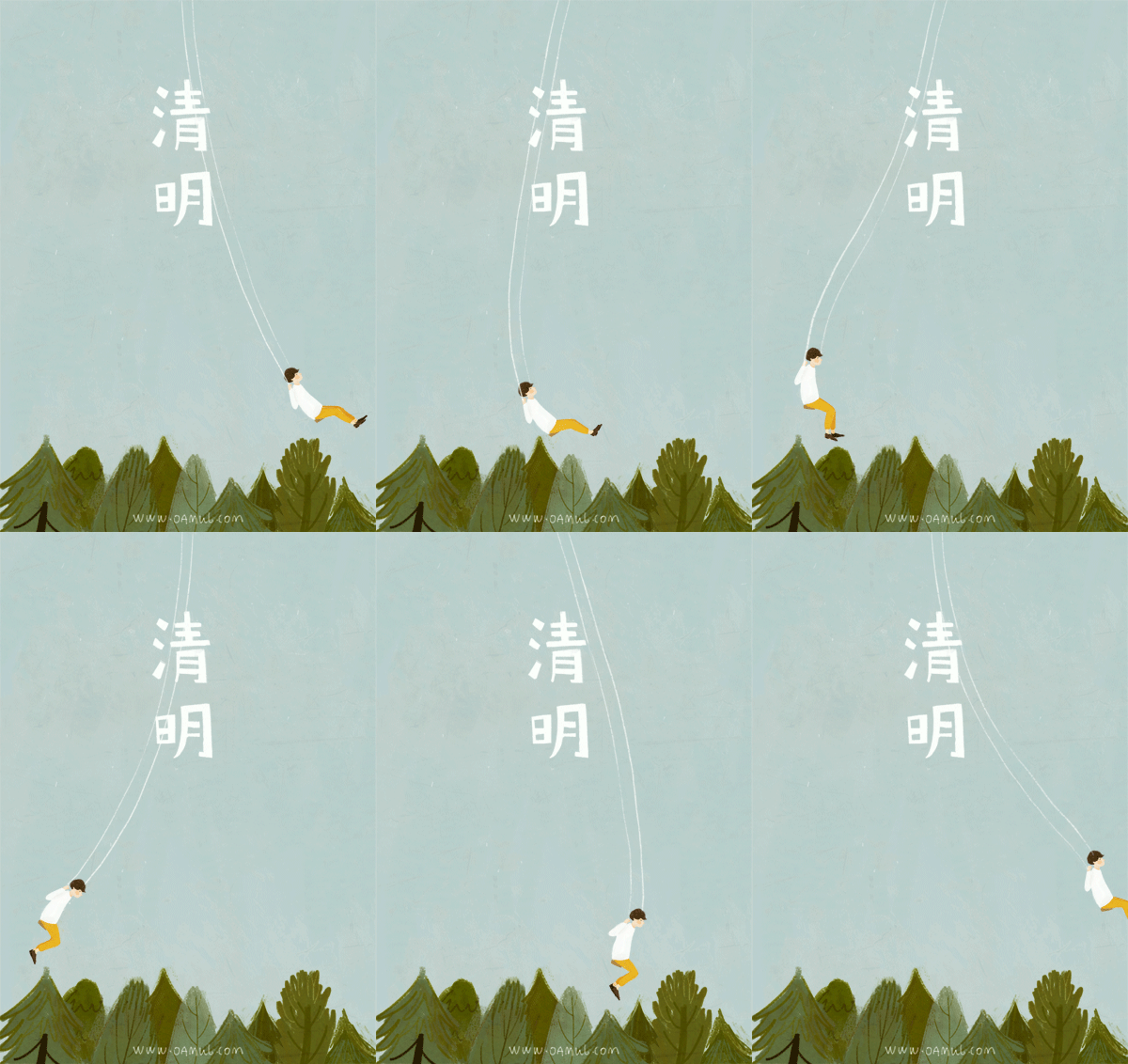
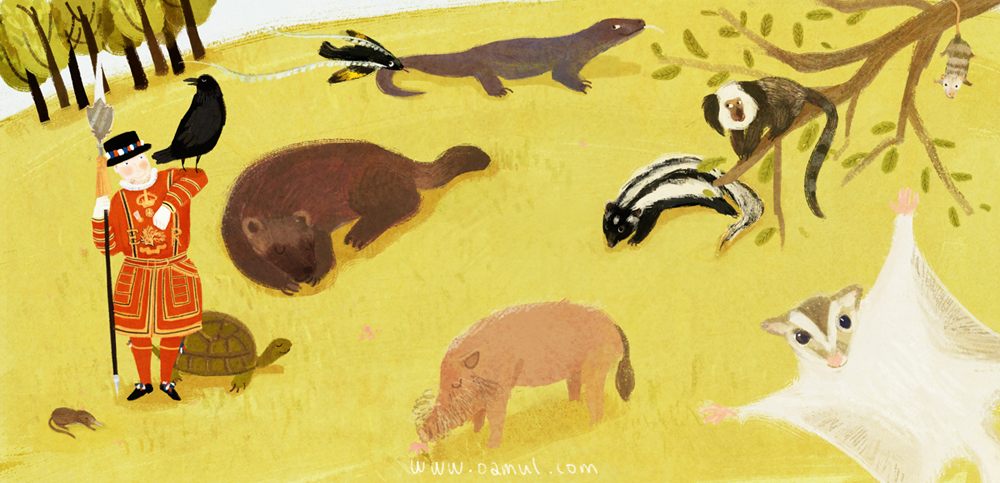
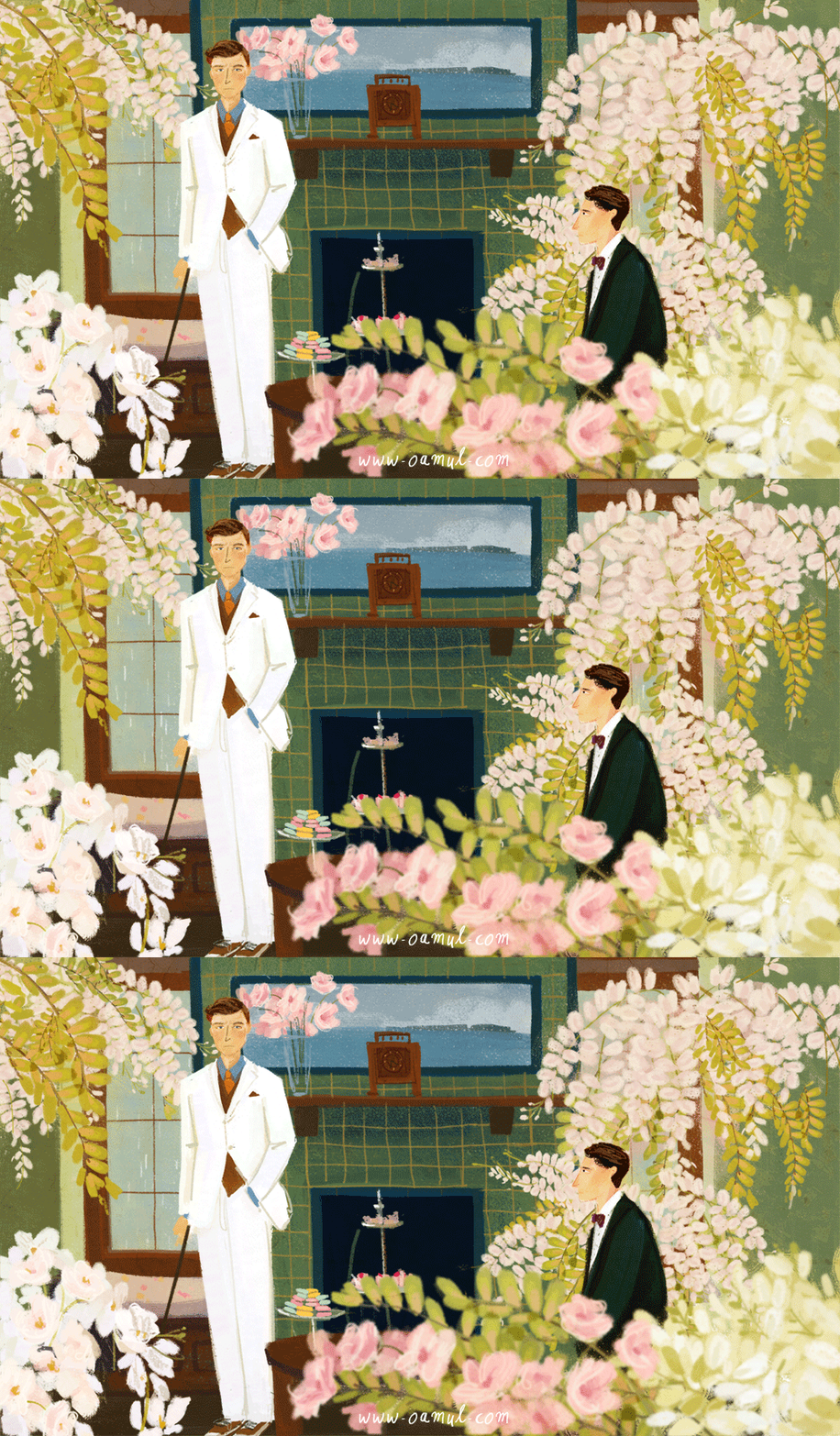
    Oamul Lu is a Chinese illustrator whose colourful, adorable drawings and animations have been shared all over the internet in the past few months.

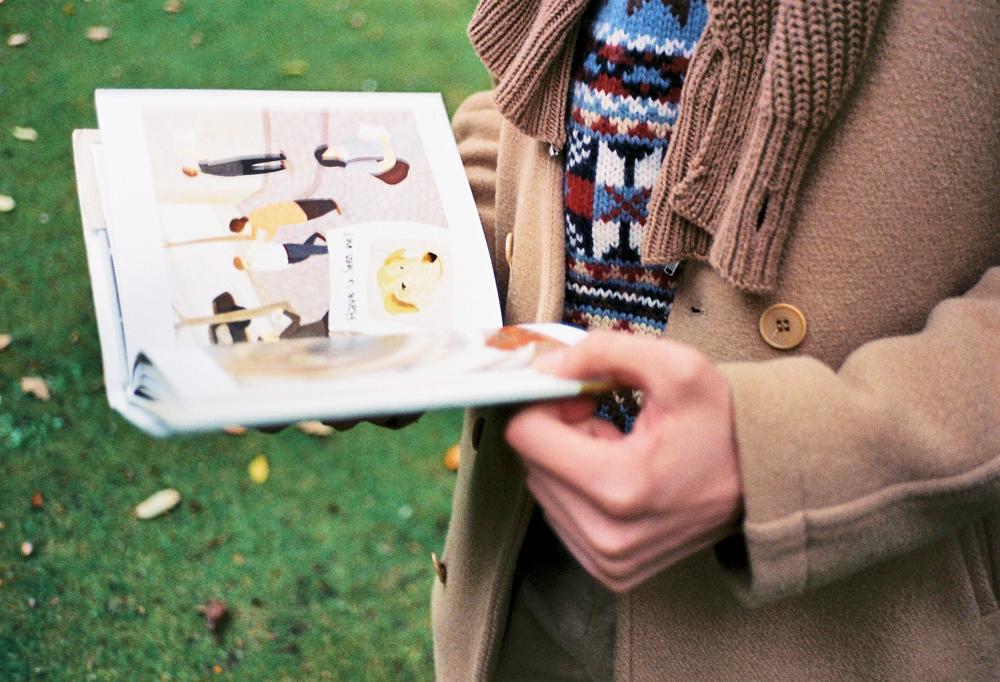
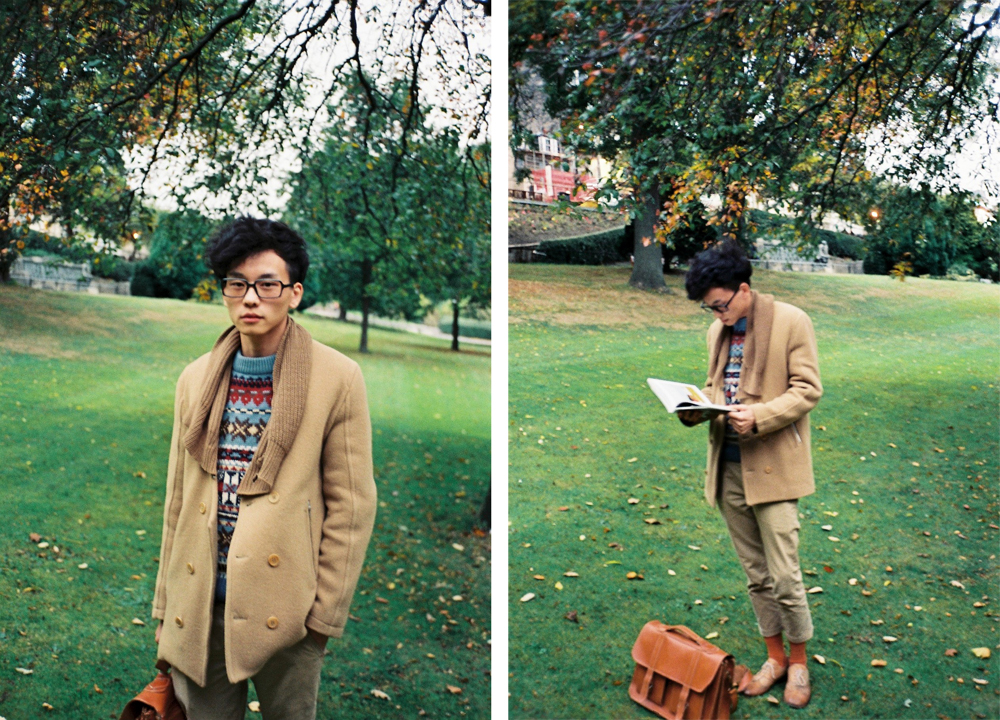
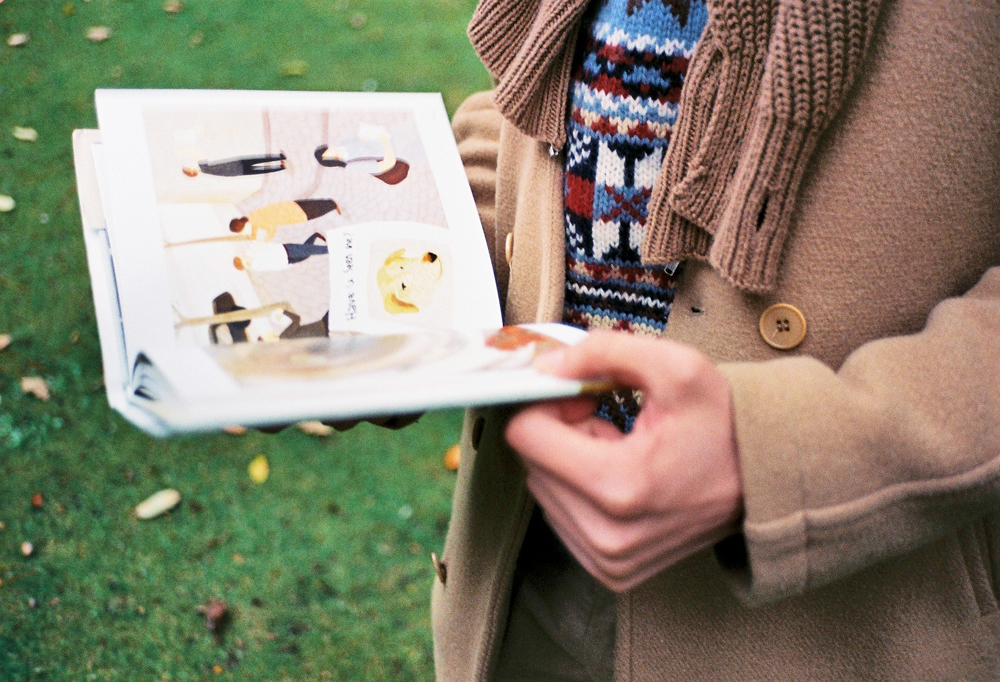
    We were lucky to meet Oamul during his recent trip to the UK a couple of weeks ago. He had just arrived in Edinburgh after spending a few days in London and was ready to explore the Highlands and find some new ideas for his work.

    During our meeting, Oamul told us about his main inspirations, took us through the Chinese tradition behind his project “The 24 Solar Terms
    and showed us his first book, “I Found a Star“, which he’s planning to publish in English really soon. We also asked him a few questions to find out more about his work.

    What are the main inspirations in your work?

    I think everything I see in my life is an inspiration, including this recent journey.

    You do a little bit of everything: GIFs, animations, paintings… what do you enjoy doing the most and why?

    I like all these formats to present my ideas, I think they are all connected somehow. When I draw a painting I want to make it more lively and that’s why sometimes I turn my illustrations into GIFs. After that, I also hope they can become longer animations with a whole story behind them.

    Could you name a few artists you like?

    Two of my favourites artists are Van Gogh and Oliver Jeffers.

    What has been your favourite thing from your trip around the UK? Do you think this trip will influence some of your future work?

    I really liked all the galleries and exhibitions. I also went to see the musical “The Lion King” and it was really interesting and moving. Of course, I was also impressed by the delicious desserts and the beautiful scenery. This trip has had a great influence on me and I’m really eager to create some illustrations inspired by this lovely country.

    www.oamul.com