Category: Fashion

  • Why Hair Ties Are More Than Just a Beauty Staple

    Hair ties are often seen as simple accessories — something to keep hair out of the way or complement a hairstyle. However, these small loops of elastic and fabric have a far greater role than just a beauty staple. From their functionality in different aspects of life to their impact on fashion and even health, hair ties prove their versatility time and time again. Here you will find why hair ties are such an important accessory.

    A Daily Essential for Everyone

    Whether you are heading to the gym, working at your desk, or cooking in the kitchen, hair ties make life easier. They keep hair secure, preventing distractions and enhancing comfort. Athletes rely on them to keep their focus during intense training, while professionals use them to maintain a polished appearance. Even outside of personal styling, they come in handy for quick fixes, like bundling cords or sealing bags.

    A Fashion Statement

    Hair ties have evolved beyond plain black elastics. With scrunchies, ribbon ties, spiral bands, and embellished options, they serve as both functional and fashionable accessories. They can add a pop of color to an outfit, complement a personal style, or even serve as a subtle statement piece on the wrist when not in use. Many designers incorporate stylish hair ties into their collections, proving that they are as much about aesthetics as they are about practicality.

    Health Benefits for Hair

    Not all hair ties are created equal, and choosing the right type can make a significant difference in hair health. Traditional elastic bands can cause breakage and tension, leading to damage over time. Silk or fabric-covered options help minimize strain, reducing the risk of split ends and hair loss. Additionally, spiral hair ties help prevent kinks and headaches by evenly distributing pressure. Making a mindful choice about the kind of hair tie used can contribute to stronger, healthier locks.

    A Small but Meaningful Gift

    Hair ties are an underrated yet thoughtful gift for any occasion. Whether as part of a beauty set, a stocking stuffer, or a just-because gesture, they are practical for almost everyone. With so many designs available, it is easy to find options that match any personality and style preference.

    More Than Just for Hair

    Beyond their intended use, hair ties serve a variety of unexpected purposes. They help keep sleeves rolled up, secure makeshift bandages, and even act as emergency rubber bands. Their versatility makes them a must-have in purses, backpacks, and homes. For those looking to upgrade their collection, explore a variety of stylish and practical hair ties to suit any occasion.

    The Ultimate Everyday Essential

    Hair ties may be small, but their impact is significant. They combine fashion, and function in ways that often go unnoticed. Whether used for styling, convenience, or an impromptu life hack, they remain an everyday essential for people of all ages and all lifestyles. With so many styles to choose from, they deserve more appreciation as more than just a beauty staple.

  • Lockdown Stories: Trace Collective

    Lockdown Stories: Trace Collective

    Lockdown Stories is a series of short interviews with creative entrepreneurs and businesses that have been affected by the COVID-19 crisis. Since its beginnings, the main goal of Future Positive has been to share inspiring projects happening all around the world and, during these strange and difficult times for independent businesses and creators, we want to continue providing support and visibility. If you’d like to be featured in this series, please get in touch at hello@thefuturepositive.com and tell us your story.

    Trace Collective
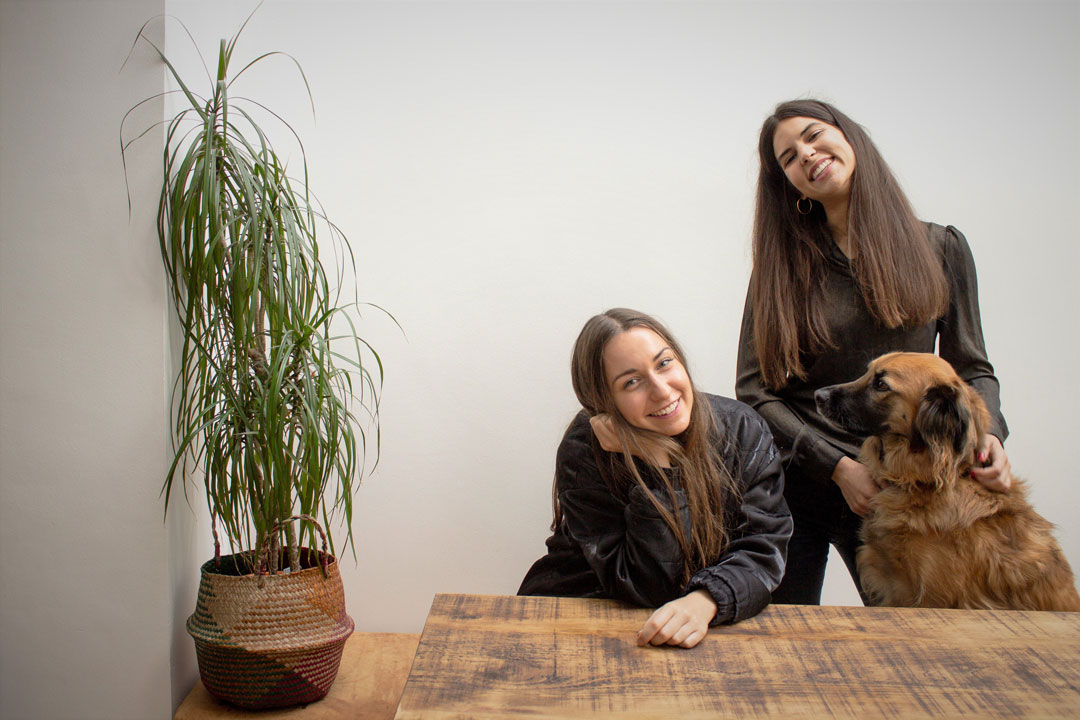
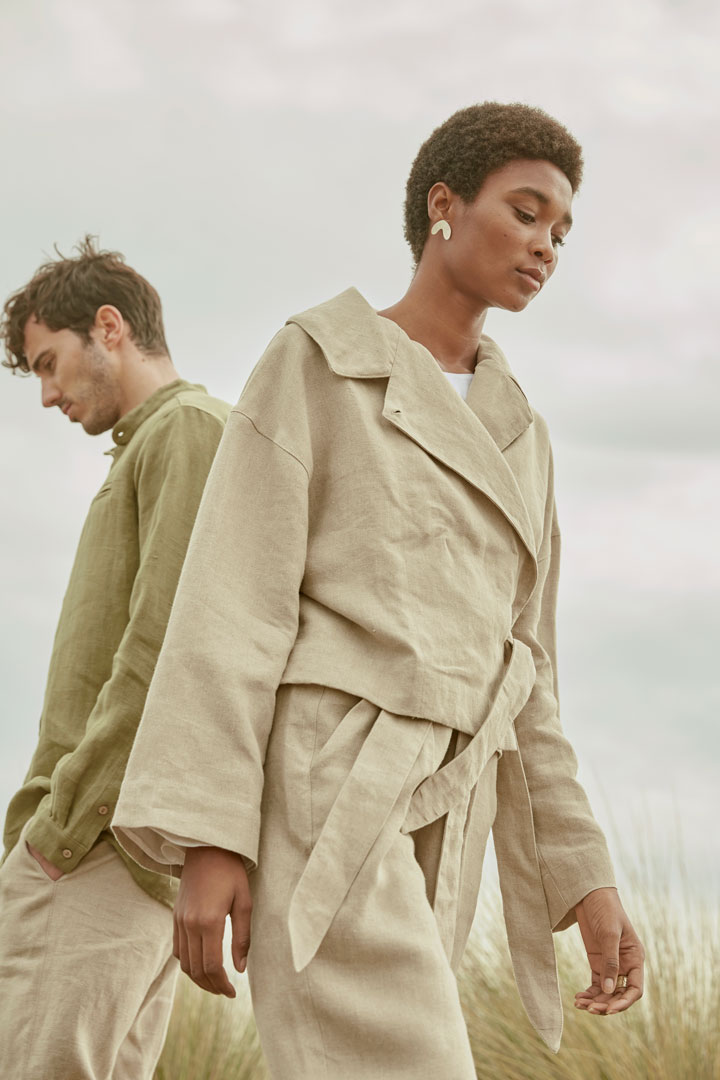
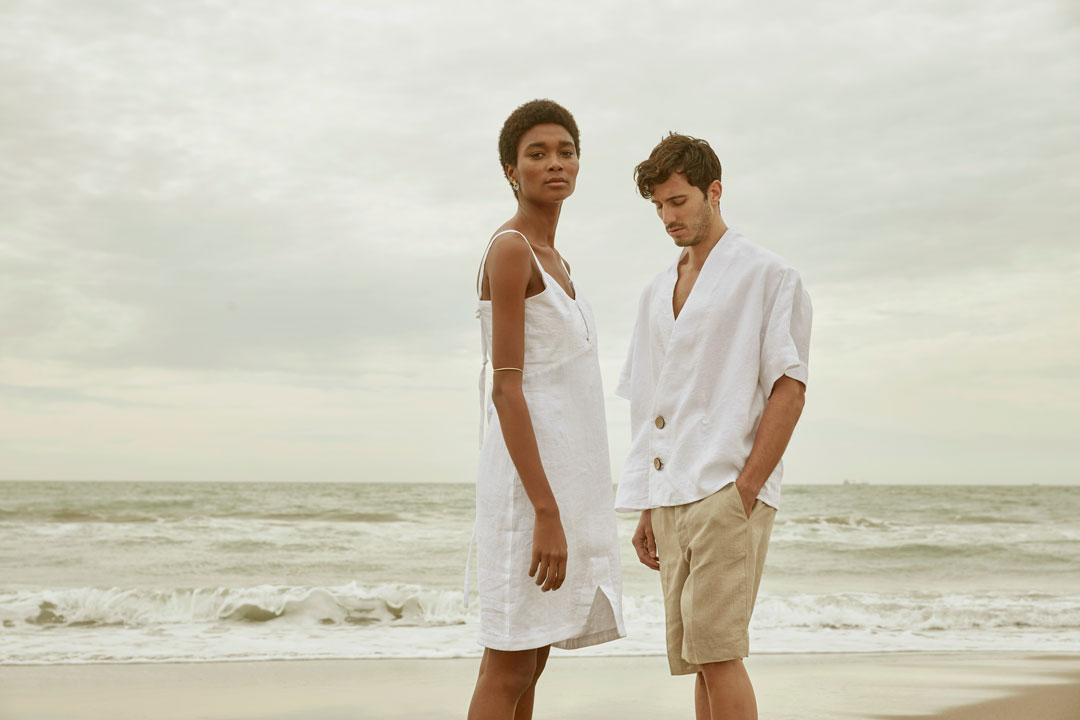
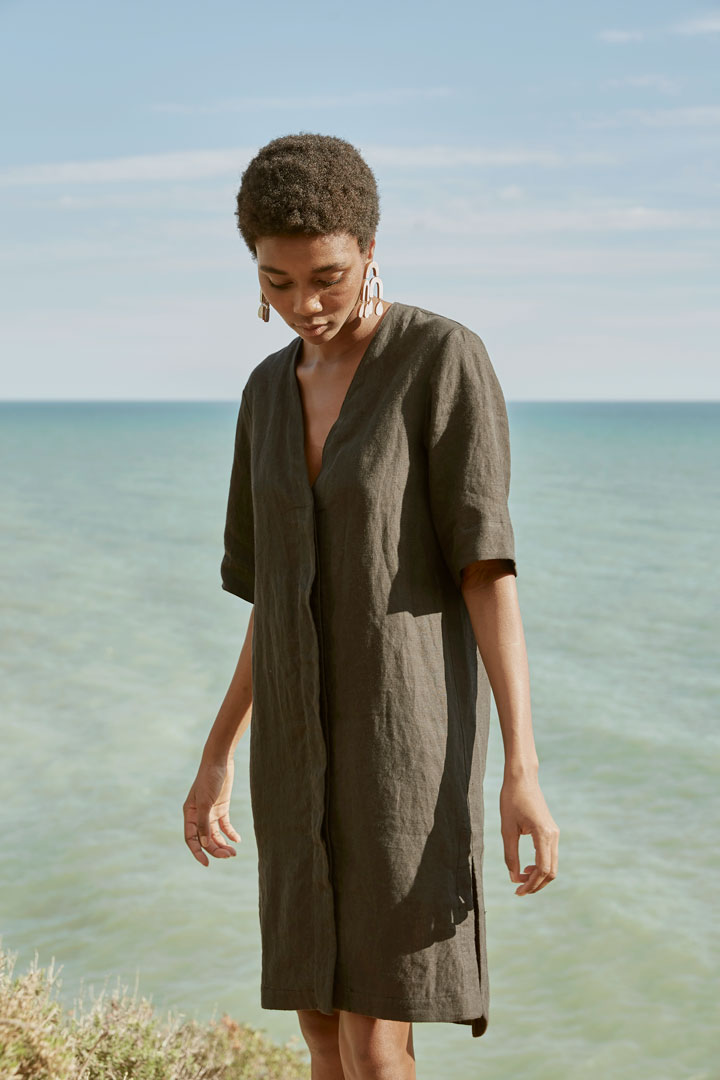
    Founded by Antonia and Aroa, Trace Collective is a London-based sustainable brand for women and men using fashion and radical transparency as a tool for environmental regeneration.

    Location: London, UK
    www.thetracecollective.com

    When did the lockdown start for you and how has your business been affected?

    Our supply chain extends across different European countries, so lockdown measures started impacting us early on in March – when the Italian factory where part of our organic linen was been dyed closed down. At the beginning we tried to continue business as usual, which seems unbelievable right now but I guess that like so many business owners we were not willing to understand what the virus was going to mean for business – and life – as we knew it. However, the impact soon cascaded down to all other points of our supply chain until our production fully stopped in mid-April.

    As a small brand, this affected us deeply. We had to send hundreds of individual emails to our Kickstarter backers explaining them that we were not able to fulfill their orders as we had promised, and that we didn’t know when we would be able to do so. We were left with very reduced stock to sell, which put an incredible strain in our cashflow. And we had to cancel our PR launch for our first collection, which was planned for April and backed by several events across London. We saw months of hard work disappear and, worst of all, we couldn’t do much to mitigate the damage.

    Have you found any new ways of working or have come up with new product ideas during this time?

    Yes. We had our first “crisis meeting” early on in March and have changed our approach to work and business development since then. We started working with almost daily goals and check-ins, which have allowed us to be much more responsive to societal changes. And we’ve shifted the focus of our work from sales and brand development to community building and awareness-raising educational events, which are another of the main avenues for us to achieve impact. We were also able to take step back from the extremely fast paced days that come with entering the market as a new brand, and to spend time developing and landing many of the innovations that were in our to-do list.

    What are some of the positive takeaways you have experienced during this time?

    This crisis has made us more agile, more innovative and more determined to persevere in our mission. Curiously, it’s also brought us closer to our impact and reminded us why we started Trace. The “no-sales anxiety” was getting really high when we remembered that at we’re not in the business of selling clothes – we’re in the business of changing how the fashion industry works and how communities purchase clothes. Selling pieces that are designed for circularity and drive environmental regeneration is one of the core ways that we can do that, and a really important one. But it’s not the only one, and this period has forced us to refocus on other areas of activity that we had abandoned a little bit. Re-connecting with this mission was incredibly refreshing and has brought us immense energy to keep doing our work.

    How do you see your business evolving over the next few months?

    At this point we’ve learned not to plan too much ahead, and who could anyway! We have clarity on our impact goals for the next year, that’s our north start and the most important element for our business strategy. Then we have canvased different activities that will help us get there, and we’re testing every week what works and what doesn’t, and pivoting quickly to the next one. What’s sure to come is some exciting new services and a new community platform. This period of forced digital interactions has reassured us of how important face-to-face connection and community building is, so we’re working on ways to be accessible in physical spaces across Europe as soon as it’s safe.

  • Lockdown Stories: LOFO

    Lockdown Stories: LOFO

    Lockdown Stories is a series of short interviews with creative entrepreneurs and businesses that have been affected by the COVID-19 crisis. Since its beginnings, the main goal of Future Positive has been to share inspiring projects happening all around the world and, during these strange and difficult times for independent businesses and creators, we want to continue providing support and visibility. If you’d like to be featured in this series, please get in touch at hello@thefuturepositive.com and tell us your story.

    LOFO
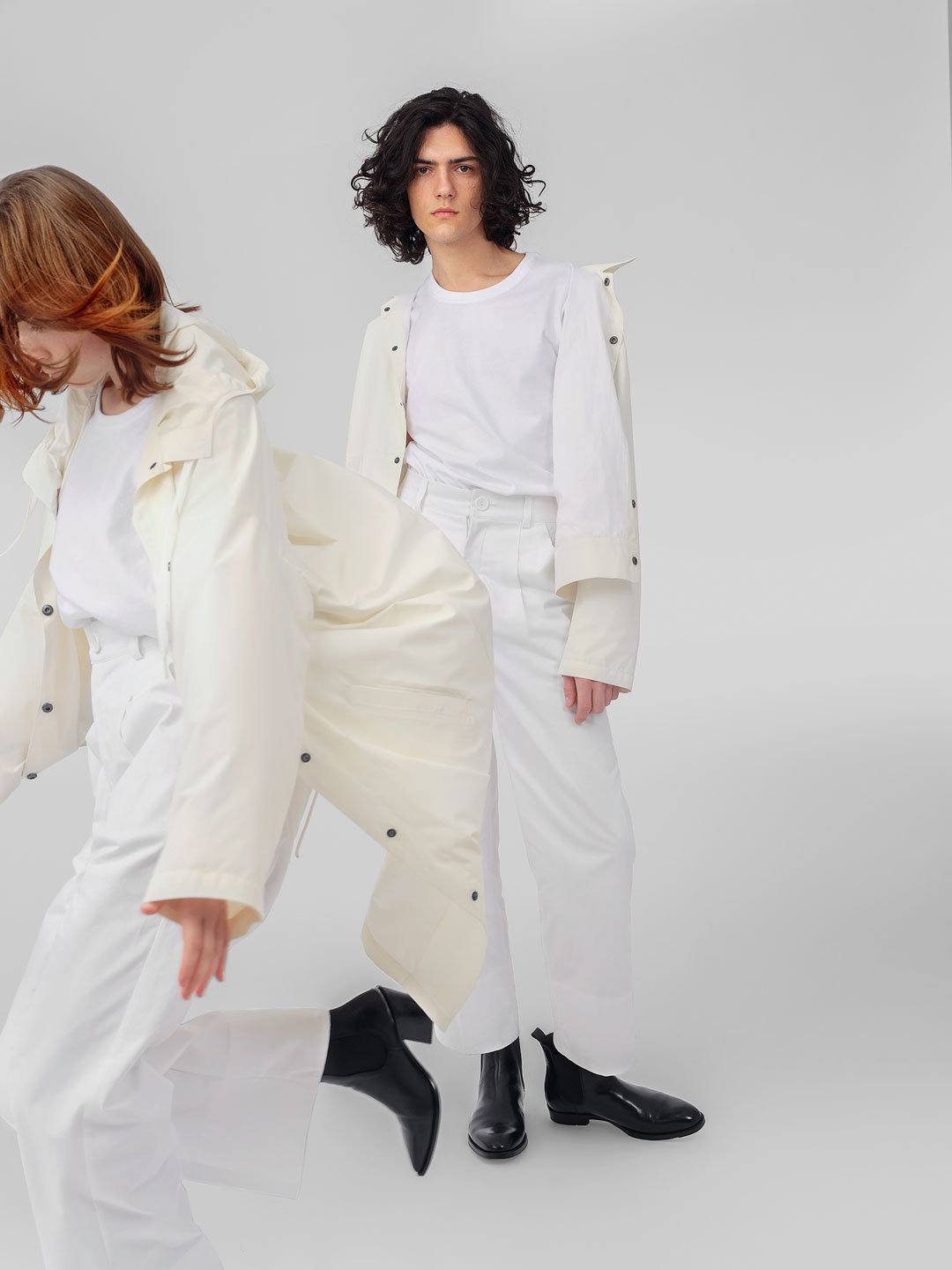
    Trans-seasonal collection of unisex clothing. On top of the simple organised model, experiments in regular clothing are made to regularly test social and commercial outcomes.
    Location: London, UK
    www.lofo.london

    When did the lockdown start for you and how has your business been affected?

    Officially the lockdown started early in March. Our building was just opened by the Deputy Mayor for Culture, Justine Simmons, in late February. We were supposed to move our production space over there. We were ready to start sewing. Unfortunately, everything closed down and went in limbo.

    The family workshop where we made clothing back home in Romania also closed down immediately afterwards. Under even harsher lockdown rules, all their workers were put on furlough indefinitely.

    We’re not seasonal, so that meant no canceled SS or FW presentations. But it is still a hit we took, like many other businesses out there.

    Have you found any new ways of working or have you come up with new product ideas during this time?

    Our definitive move to London last year meant we’ve spent the past 10 month doing WFH. What was a drawback actually turned into a benefit. We were very used to this, coordinating things from home central. Of course our plans to move production to London were massively impacted, but we’re glad we didn’t have to let any people go.

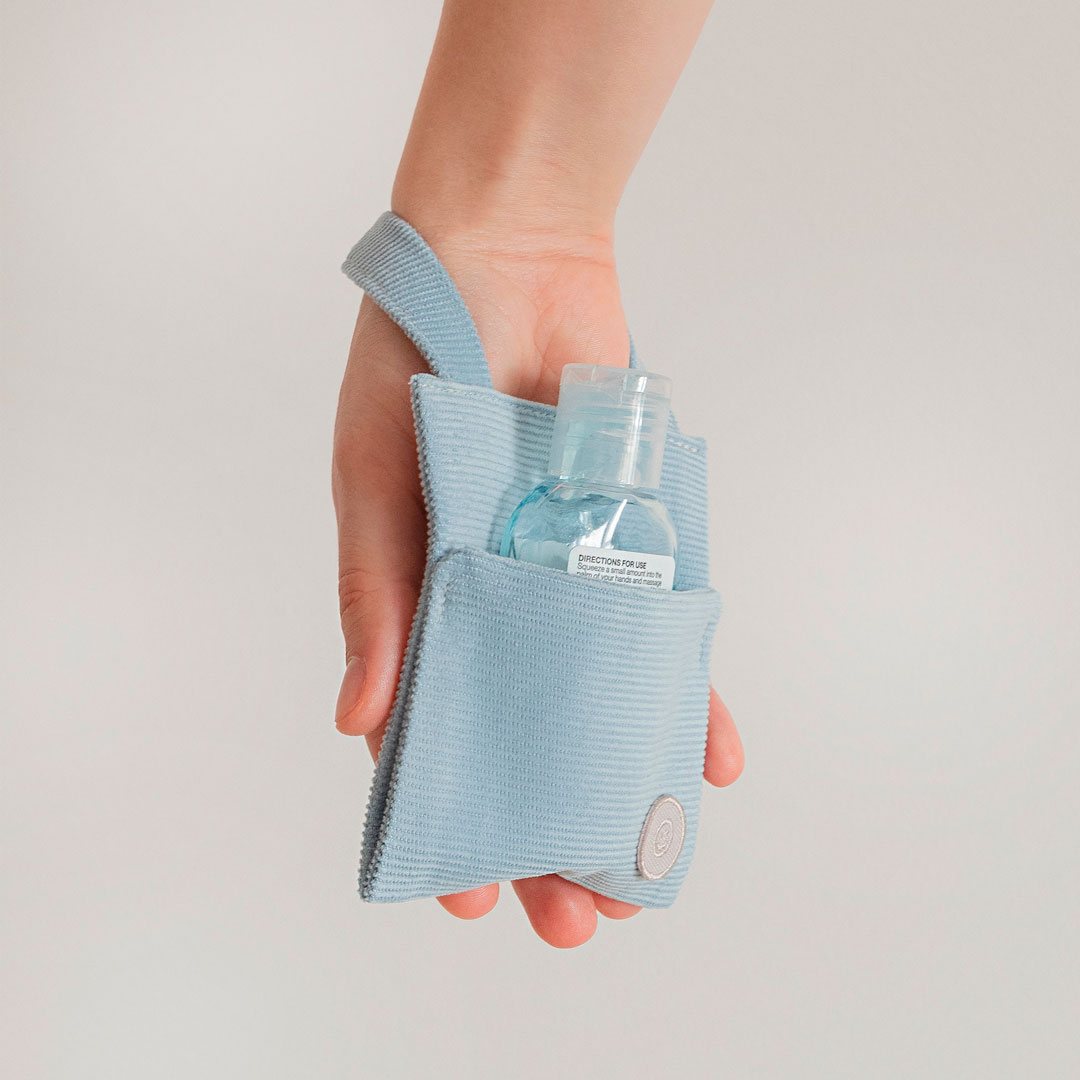
    This whole situation has also sharpened our focus. The need to keep busy spawned the LOFO edit we’re working on right now, dedicated to the ‘new normal’ and exploring the transformational qualities of lockdown and being isolated. We’ve also used our home sewing machine to make gel pouches and donate profits to our local Southwark food bank. Hardship also has some qualities to it, and we’re trying to put whatever conflicting emotions we have to good use.

    There has been a massive effort by many UK brands to help with building protective equipment and, from this point of view, we’re actually glad to be in this industry.

    What are some of the positive takeaways you have experienced during this time?

    We feel this ‘forced break’ pushed us a lot in rethinking what our current business means and what its place in the world is. Coming from a graphic design background (still doing things at www.weareloot.com) we feel quite productive in a context of problem solving.

    Some positive takeaways and how we feel business should evolve: localised production / services with minimum impact on the environment and as sustainable as possible, community involvement and more awareness about how we experience the surroundings, a big shift towards digital products / services even in areas we wouldn’t normally think possible.

    Also, there’s a clear signal that the fashion industry is changing fast. There’a a lot of talk and it’s not sure where it will go from here. Most things will probably revert to a version of what they were, but there will also be side innovation. We’re keeping our eyes and ears open. And trying to help build that alternative model ourselves as well.

    How do you see your business evolving over the next few months?

    Our delayed but business-defining move to Poplar will happen eventually. We are hoping around late July or August.
    The space is part of a bigger reshape of the East London business landscape. The project is aimed at community revival and is part of the ongoing effort of Poplar HARCA in partnership with London College of Fashion, UAL and The Trampery. It’s a huge undergoing.

    We’ll work alongside some very talented designers. For the future of LOFO it will definitely mean that we can put many of our plans in action. Once it happens, we’ll move all manufacturing to London, into our micro-production workshop.

    Let’s end this on a positive note – this all will pass, we need to be aware of opportunities that come along with it and try to cope with whatever it throws our way. As the saying goes, we’re in this together (well, most of us). And we’ll make the most out of anything.

  • wetheknot: Daily Essentials

    wetheknot: Daily Essentials

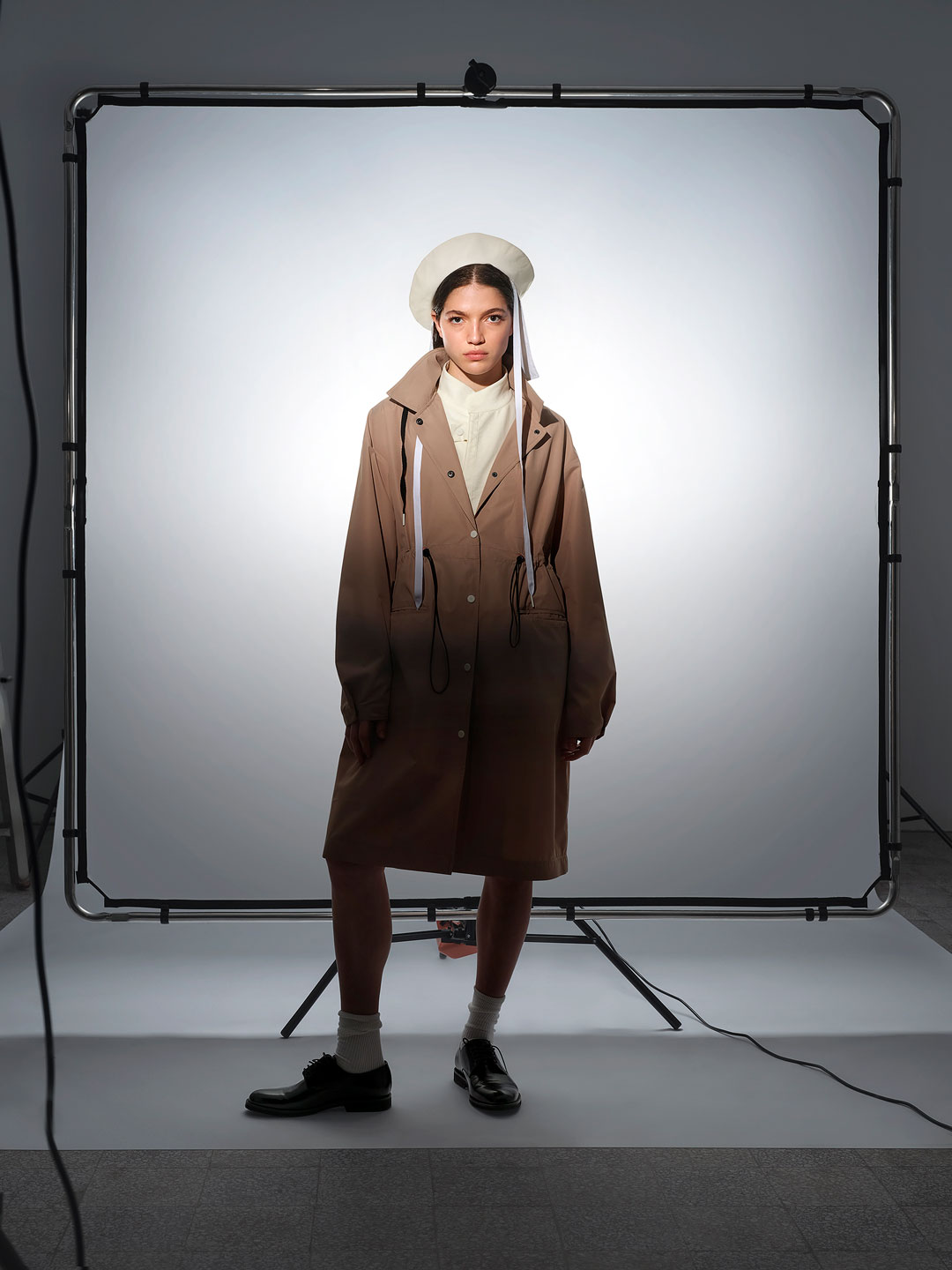
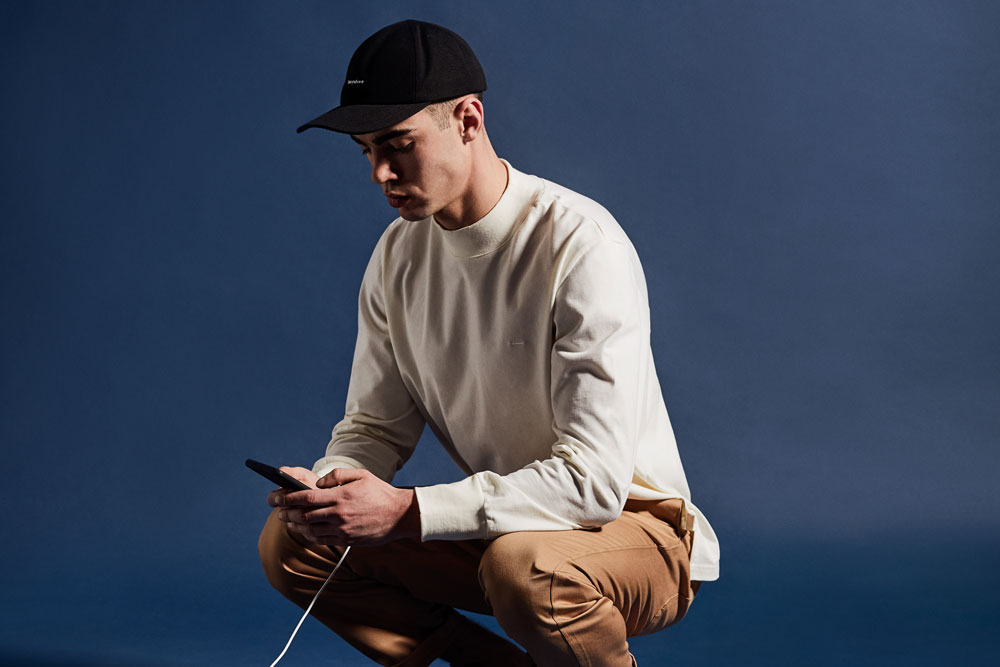
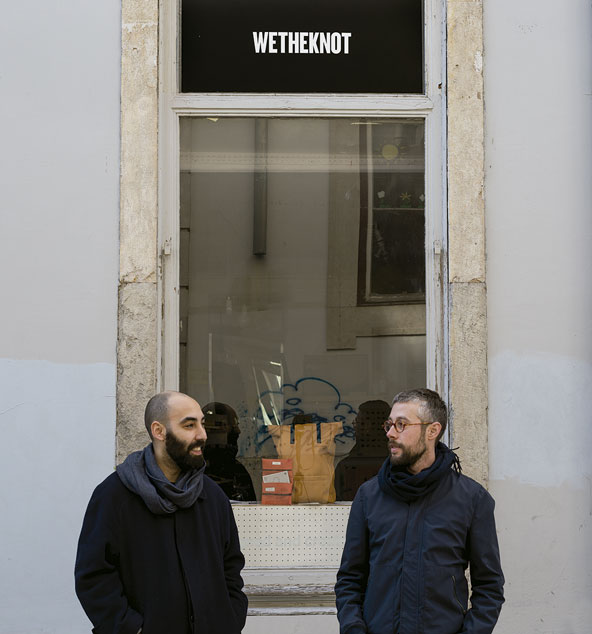
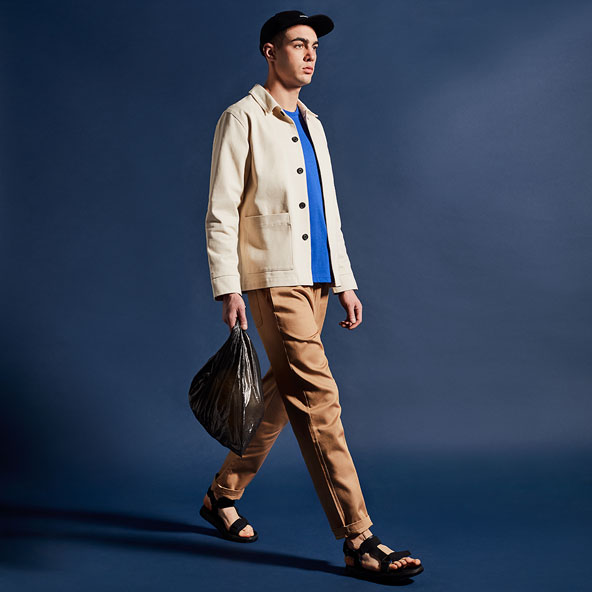
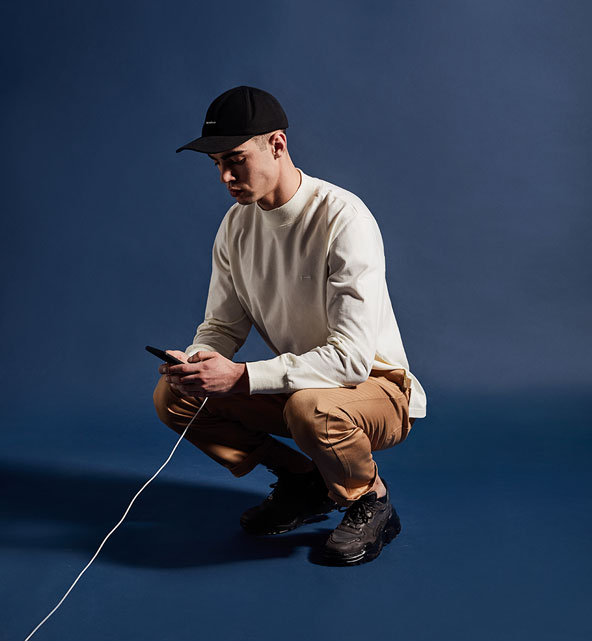
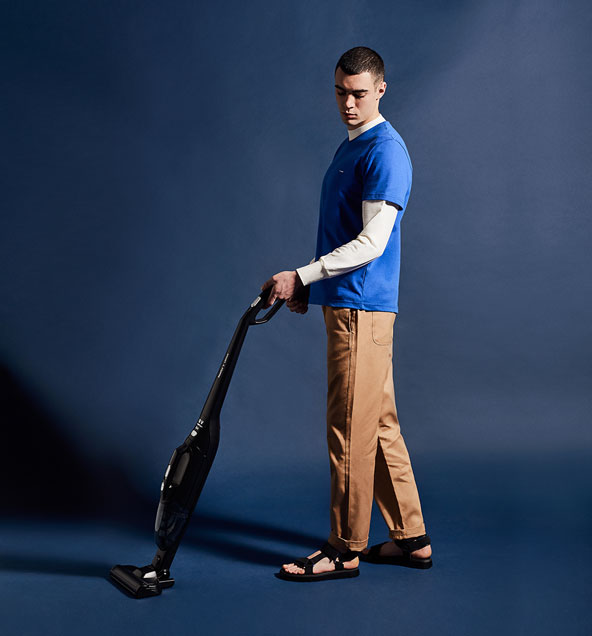
    Founded ten years ago by Sérgio Gameiro and Filipe Cardigos and based in Lisbon, wetheknot is a fashion label focusing on a limited range of essential pieces made with premium materials and designed to be used on a daily basis.

    We caught up with Sérgio and Filipe to find out more about the beginnings of the brand, manufacturing their pieces in Portugal and the impact of COVID-19 on consumer habits.

    www.wetheknot.com
    Images courtesy of wetheknot

    Who’s behind wetheknot? What made you start your own fashion label?

    I started wetheknot together with Filipe, as a personal side project, around ten years ago, with the idea of creating design objects for contemporary everyday life.

    I am a fashion designer and Filipe is a graphic designer — our common interest in high-quality long-lasting items made us wonder about how we could join forces to create these pieces that we could not find on the market, at least in the way
    we wanted.

    At the beginning our focus was mainly on accessories: pouches, pencil cases and roll-top backpacks in vegan leather — all with a minimal design and in a very resistant material, which allow them to stand up both to regular use and seasonal
    trends, and which gave them the distinctive feature for which wetheknot got to be known internationally.

    What makes wetheknot stand out from other fashion labels in the market?

    We want to inspire people to live with few timeless pieces that are made to last. For this reason, we only offer a limited range of essential products made with premium sustainable materials and designed to be used on a daily basis — without limitations on specific circumstances or rigid social norms.

    Our permanent clothing collection, launched last year, was indeed conceived to adapt to day-to-day routine and to respond to social and environmental issues with a conscious alternative.

    Portugal has a long tradition in clothing manufacturing, can you tell us more about how you use your country’s resources to create your pieces?

    Our aim is to involve local family-run businesses as much as possible, for this reason all of our products are made here in Portugal. Thanks to our partners’ expertise we can guarantee the best quality and durability, and also contribute to the national development in this sector. People all over the world are amazed by Portuguese manufacturing abilities and — of course — we are very proud of promoting that.

    Can you tell us more about your latest collection?

    The limited edition collection was created with the intention to complement our actual selection — adding more colors and more cuts, still following basic clean lines and minimal details. We got the inspiration from regular routines and day-to-day habits, which always change in form and always allow us to adapt to what is going on in our lives, in the lives of others and in the society at large.

    Often, there are some practices that go unnoticed or overlooked, but on which we rely on — taking them almost for granted. Until the moment when things change and we have to embrace new challenges — to continue evolving.

    With COVID-19 hitting the fashion industry hard right now, how do you see consumer habits changing?

    People in general — we do not really like the word consumers 🙂 — will focus even more on essentials. Times like the ones we are going through can help us think more about our choices and our actions and on their consequences. We hope customers will give a preference to small independent brands instead of big groups, prioritizing local production and ethical methods. The world was already facing a huge issue — about climate change and unsustainable practices — and now we have the opportunity to reflect before “going back” to the way things were done before.

  • sisu socks: Empowering Women

    sisu socks: Empowering Women

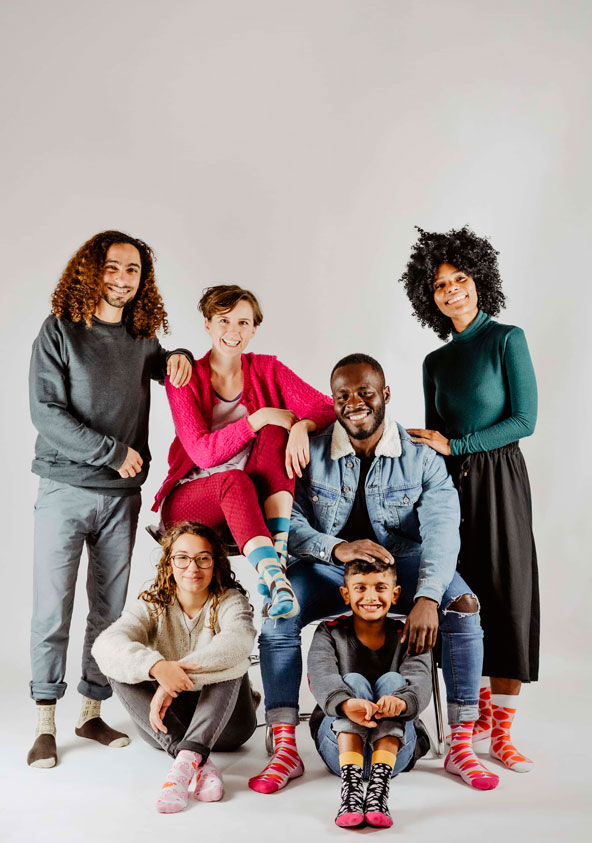
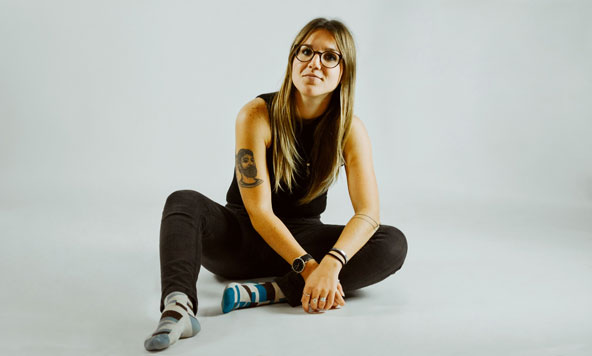
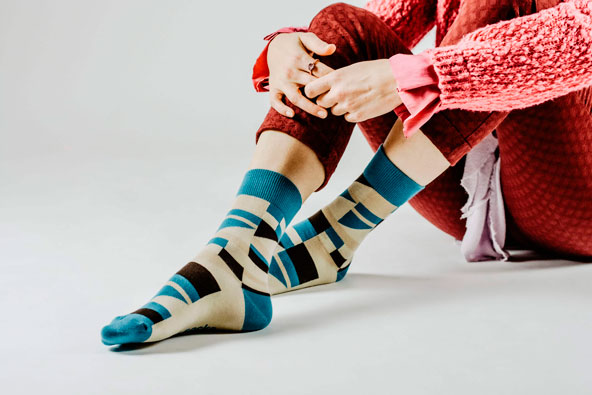
    Founded by Andrea Babic, sisu socks is a Berlin-based brand dedicated to telling stories of powerful women who have changed the world, one pair of socks at a time. We chatted with Andrea to find out more about the idea behind her label, how she works with women charities and the challenges she has faced.

    We’ve also partnered up with sisu socks to offer our readers a giveaway in which you can win a pair of sisu socks of your choice and a consultation with Andrea so you can ask her anything you want regarding starting your own business or project:
    ENTER THE GIVEAWAY!


    Can you tell us about yourself? Why did you start sisu socks and why did you decide to focus on socks?

    My name is Andrea but I prefer Dre. I’m a big hearted, small-footed women-empowerment enthusiast and fighter for equality. You may not find me growing out my body hair and screaming “fuck the patriarchy” in protests on the street, but I found a more creative way to fight. Having been born in Bosnia (and travelled across the world to emigrate to Canada), I still carry that Balkan strength within me. Every generation in my family has been through war(s) – including me. I was born with strength pumping through my veins. It’s natural for me to continue to fight for something.

    I started sisu socks on International Women’s Day (March 8th) 2019 as a tribute to all the women in the world who don’t see their own light often enough. The sock designs are inspired by the stories of badass women and with every pair purchased on our online shop, we make a donation to a women’s empowerment organization.

    Why socks? Creative socks are dope, they let you show a small bit of your personality. I’ve been obsessed with funky socks since I was a kid, I used to write on those plain-ass white socks with marker and even if they were covered by my shoes, I knew. It was my little secret. I used to make bracelets from the cuffs of socks once the sock was too torn up to use, haha! I’ve honestly never told anyone that before. As I’m answering these questions that came to my mind – what an awesome flashback!

    What made you connect your brand with the stories and lives of inspiring women? 

    I’ve always been passionate about helping women rise above the level they thought they deserved to be at. I wanted to help them see their true worth. I loved listening to their stories and being there for them. I was always inspired by badass women. I found solace in strong female characters in books, in music, in movies, in my everyday life. I wanted to be them so much so that I became my own version of them.

    I think every woman can be an inspiration to someone, every woman has been through something and every woman fights with inequality – whether they want to admit that or not. I believe that sharing these stories will change at least one person’s mind. I believe that sharing these stories will positively influence at least one person to think differently… to step outside of their life and realize: hey, we’ve got this inequality here and something needs to be done.

    We need to stand up for women and help them rise, and not drag them down when they start to climb. The way you treat a woman is a reflection of you. If you are strong and confident in yourself, you will see that a woman’s success is nothing to be afraid or jealous of but, rather, lifting a woman up means that an entire community will benefit. A ripple effect, you might call it.
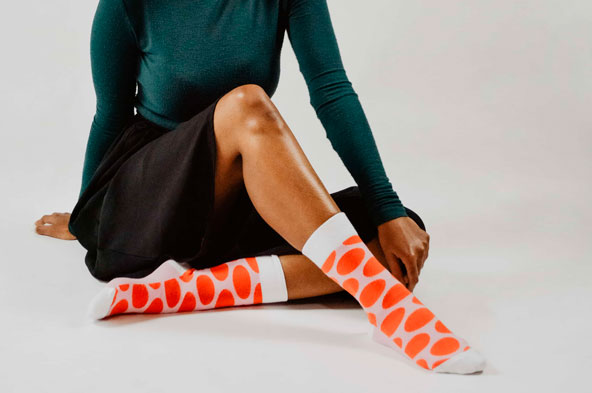
    Can you tell us a little bit more about the women charities you work with?

    Currently, I’m working with Terre des Femmes here in Berlin. It was a really incredible feeling being invited by Frau Stolle, the Managing Director to come and meet her and her team. As my brand is new, of course she wasn’t expecting hundreds and thousands in donations from me but she supported my cause and really showed her enthusiasm.

    Terre des Femmes stands up for a just world, in which girls and women have the right to live freely and with dignity. Their projects focus on some very tough topics such as: domestic violence, female genital mutilation, honour crimes and trafficking. They not only have projects within Germany but they partner with international organizations to help women worldwide.

    In the meantime, we have worked on another project together – I helped them produce their own sock design that they will be launching this Christmas! So excited!

    My goal is to also find some smaller German women’s organizations to support in the future. The more socks sold, the more donations made, the more women who are supported. In other words: look cool, give back, support women, BOOM!

    What are some of the main challenges you’ve faced when starting your business?

    Time, baby, Tiiiiiime. I’m not the first or last to say that but time is something I can never find enough of. I think one of my regrets was not finding a co-founder to share tasks, brainstorm or be in this fight together with. With a mission like mine, there is just so much to do and in order to make it successful, I need more people to manage everything. Running a business by myself also requires a lot of creative energy, always trying to find new ways to reach out to people, make ends meet, reach new audiences, find new events, improve products… Creativity comes in all shapes and forms.

    A lack of time also comes from not being able to set and organize priorities well all the time. There are so many things that seem important to me so I struggle as a business owner to prioritize my focus. Sometimes it’s what’s going to make the business grow, financially’, sometimes what’s going to have the biggest impact on as many women as possible. Sometimes it’s even simple: which woman should I focus the next collection on.
    What advice would you give to someone who also wants to start their own project?

    Realizing that I can’t do everything on my own and swallowing my pride and asking for help was the best decision I ever made. Learn from my mistakes, figure this out sooner than I did.

    I think if we’re talking about creativity here: don’t only focus on the tangible output of that creativity. Don’t ignore that times are changing and so too must a business’ or project’s purpose. We have to start redefining our ‘why’ and focusing less on just making cash. Of course, this has to be a part of it but there are other aspects that are often ignored. Ask yourself these questions before you begin:

    How can I give back to the world that has blessed me with everything I have?
    What issues are important to me? Can I integrate them into my business?
    Is this out of passion or out of necessity? Choose passion.
    Can my business or my project impact the lives of others?

    And lastly, this is for the ‘internally-but-not-externally’ creative people. I have always had a creative mind but I haven’t necessarily been able to physically show that with my own hands – whether that’s graphic design, painting, making jewelry or fashion etc. I know I am not alone.

    If your inner creative is screaming at you to do something with your creativity but you don’t know how – there are other ways to channel your creative side and to express yourself in ways that show that side of you. I can be that shining example for you, it’s possible.
    How do you see sisu socks growing over the upcoming months? Can you share some of your plans with our readers?

    I want to continue to tell more stories, to produce more sock designs so that more amazing women from history can be brought into the spotlight. I want my feminist socks to be a subtle way for all feminists to express that side of them – without necessarily screaming out the world what they believe in.

    I want to have a whole sisu socks range of products – not only socks. This holiday season i’ll be introducing sizes for teens and feminist greeting cards focusing on “badass German women”. Eventually, buttons and other smaller and accessible items too.

    In the future, I want to be more on the forefront and connect with women one-on-one through women-empowerment workshops and offering digital products: downloadable PDFs, mini e-books, educational videos, newsletters, etc. that focus on celebrating women and sharing their stories.

    Photos by sisu socks

    www.sisusocks.com