Category: Design

  • Lockdown Stories: PAKTA STUDIO

    Lockdown Stories: PAKTA STUDIO

    Lockdown Stories is a series of short interviews with creative entrepreneurs and businesses that have been affected by the COVID-19 crisis. Since its beginnings, the main goal of Future Positive has been to share inspiring projects happening all around the world and, during these strange and difficult times for independent businesses and creators, we want to continue providing support and visibility. If you’d like to be featured in this series, please get in touch at hello@thefuturepositive.com and tell us your story.

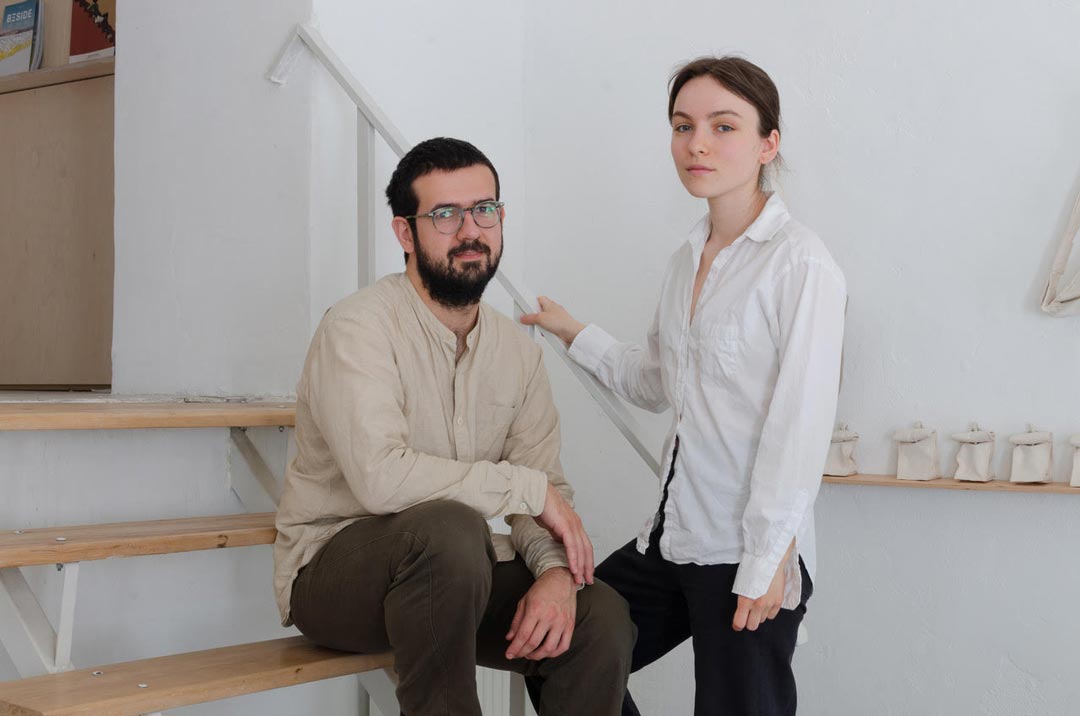
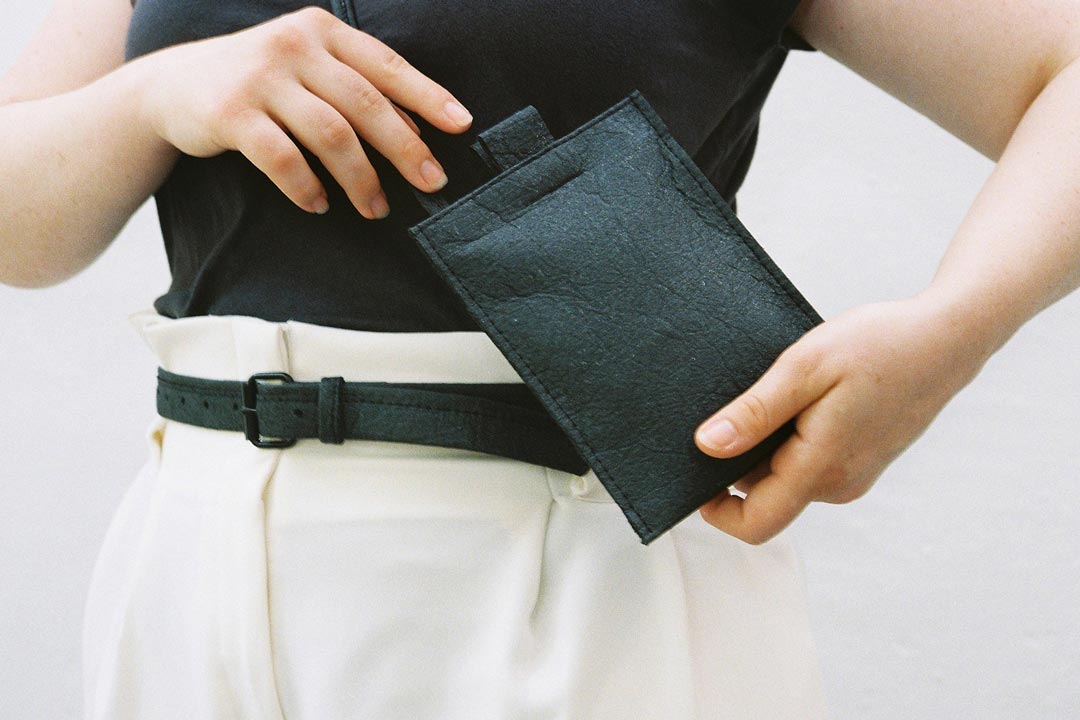
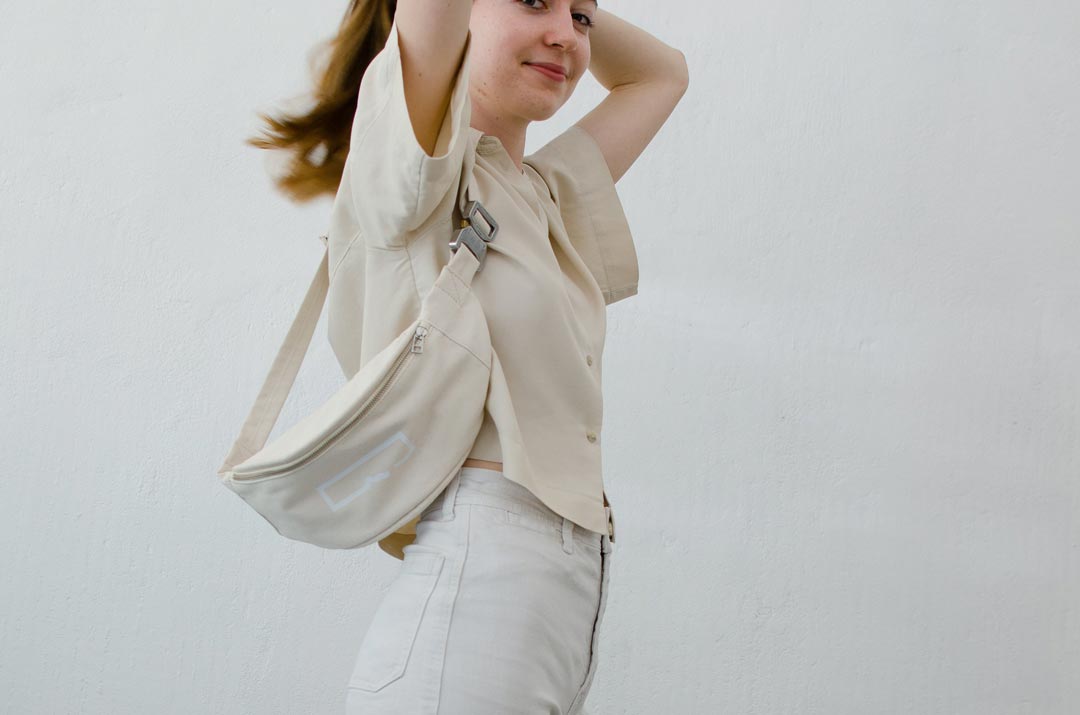
    PAKTA STUDIO — Multidisciplinary brand producing ethically hand crafted bags and backpacks and accessories for everyday use
    Location: Bratislava, Slovakia
    www.paktastudio.com

    When did the lockdown start for you and how has your business been affected?

    The precautions started around the 13th March, when there was the first confirmed case in Slovakia. I guess we were quite fortunate in that we were primarily an online store to begin with, so there wasn’t a great jump in terms of how we had to operate. We did close the store to the public, but as it functions as both a studio and store, we are still working here which is quite lucky for us.

    Some places we source materials from had shutdown, and so we had to postpone some projects that we were working on. Honestly we’re just trying to stay positive and empathetic, and focus on surviving as a business through this, and focusing on the community.

    Have you found any new ways of working or have you come up with new product ideas during this time?

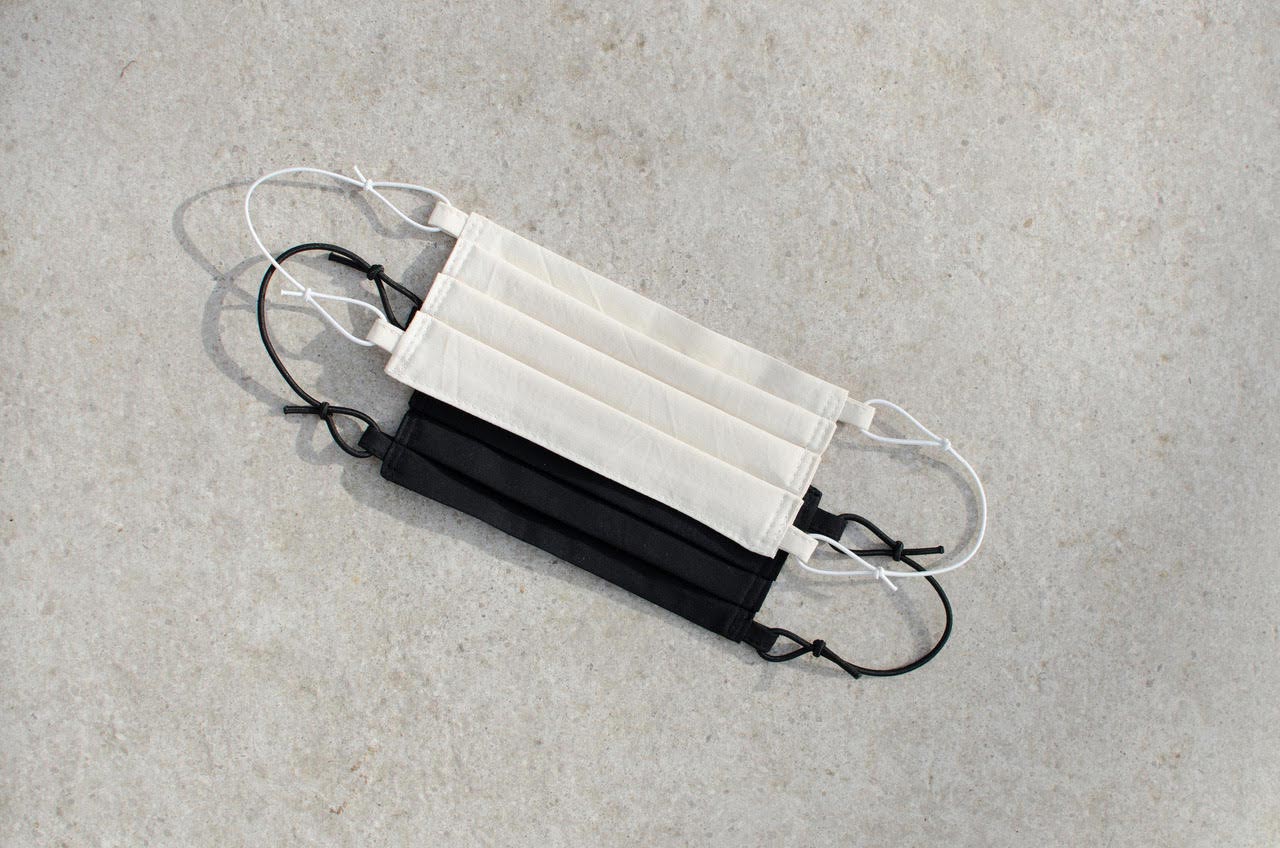
    When masks became a requirement by the Slovak government, we wanted to try and do our bit to help. We put together a downloadable plan for people to make their own masks. People then started asking if we could make them for them, so that’s when we started offering them on our website. We sell them at cost price, and offer a 1€ donation for each mask sold to ‘Kto pomôže Slovensku’, which is an organisation which is helping those vulnerable and distributing materials and equipment during the pandemic here in Slovakia.

    With our newsletter too, we’ve also been sharing some of the activities we’ve been doing during the lockdown, in the hope to inspire people and give them something to do during these isolating times. We’ve shared regrowing vegetables from offcuts, recipes for bread and cakes, and we’ve got a few more ideas already lined up for the coming weeks.

    We also offered a sale all of our magazines at 5€, just to give people something new and exciting to read during this time that isn’t necessarily on a screen. Asides from that, we have started working on some other projects but nothing set it stone right at the moment!

    What are some of the positive takeaways you have experienced during this time?

    There’s been a real sense of community and camaraderie during this time, which has been wonderful. People reaching out to make sure everyone is okay, neighbours helping each other, and even within the local businesses there’s been talks on how to help each other. And with the precautions not being overwhelmingly strict in Slovakia, we’re quite lucky that we are still able to go out. So whilst shops, cafes, and bars may be closed, we’ve been going on lovely walks around the city and in the parks and forests.

    How do you see your business evolving over the next few months?

    It’s difficult to really plan ahead at the moment, as there is need flexibility, just trying to keep up and try and offer what people need. We have a lot of projects that we have shelved away that were put aside for more prioritising work, but now that priorities have changed we will be going back to review what projects we have ongoing and which ones would be best to continue at the moment.

  • Lockdown Stories: Silvia Stella Osella

    Lockdown Stories: Silvia Stella Osella

    Lockdown Stories is a series of short interviews with creative entrepreneurs and businesses that have been affected by the COVID-19 crisis. Since its beginnings, the main goal of Future Positive has been to share inspiring projects happening all around the world and, during these strange and difficult times for independent businesses and creators, we want to continue providing support and visibility. If you’d like to be featured in this series, please get in touch at hello@thefuturepositive.com and tell us your story.

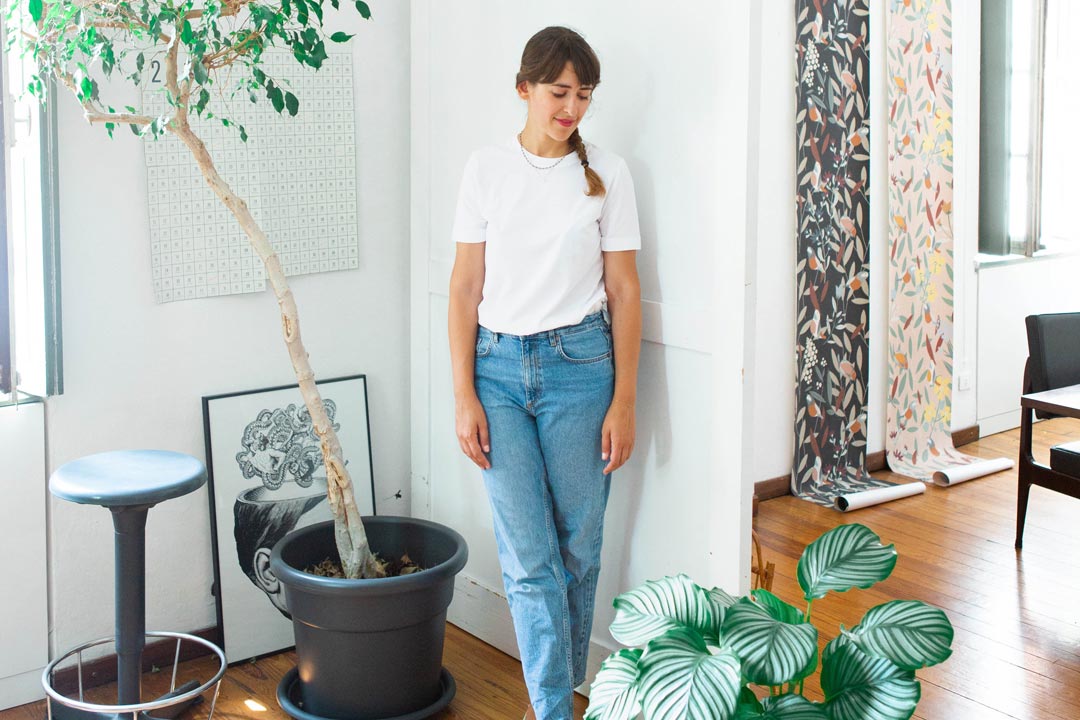
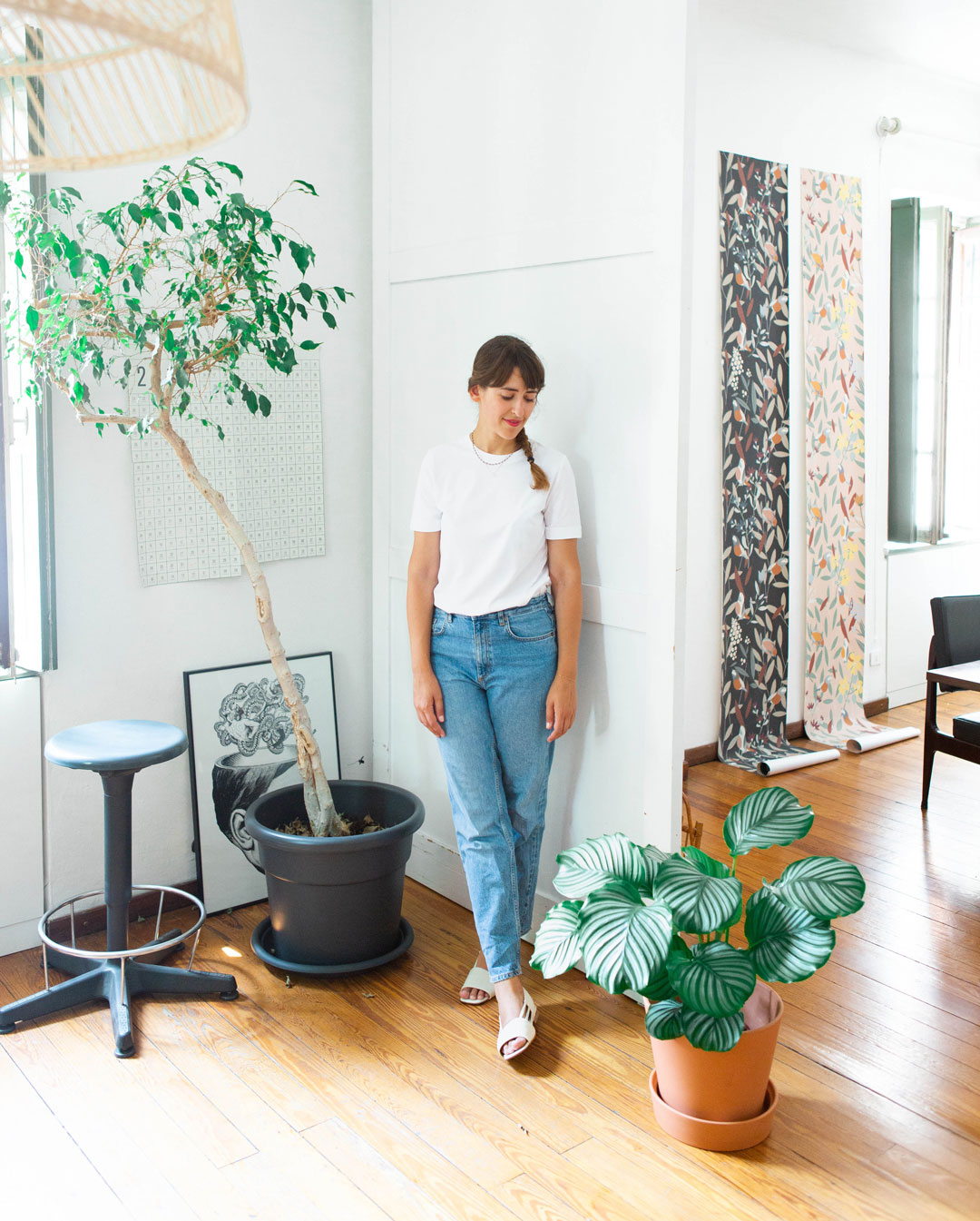
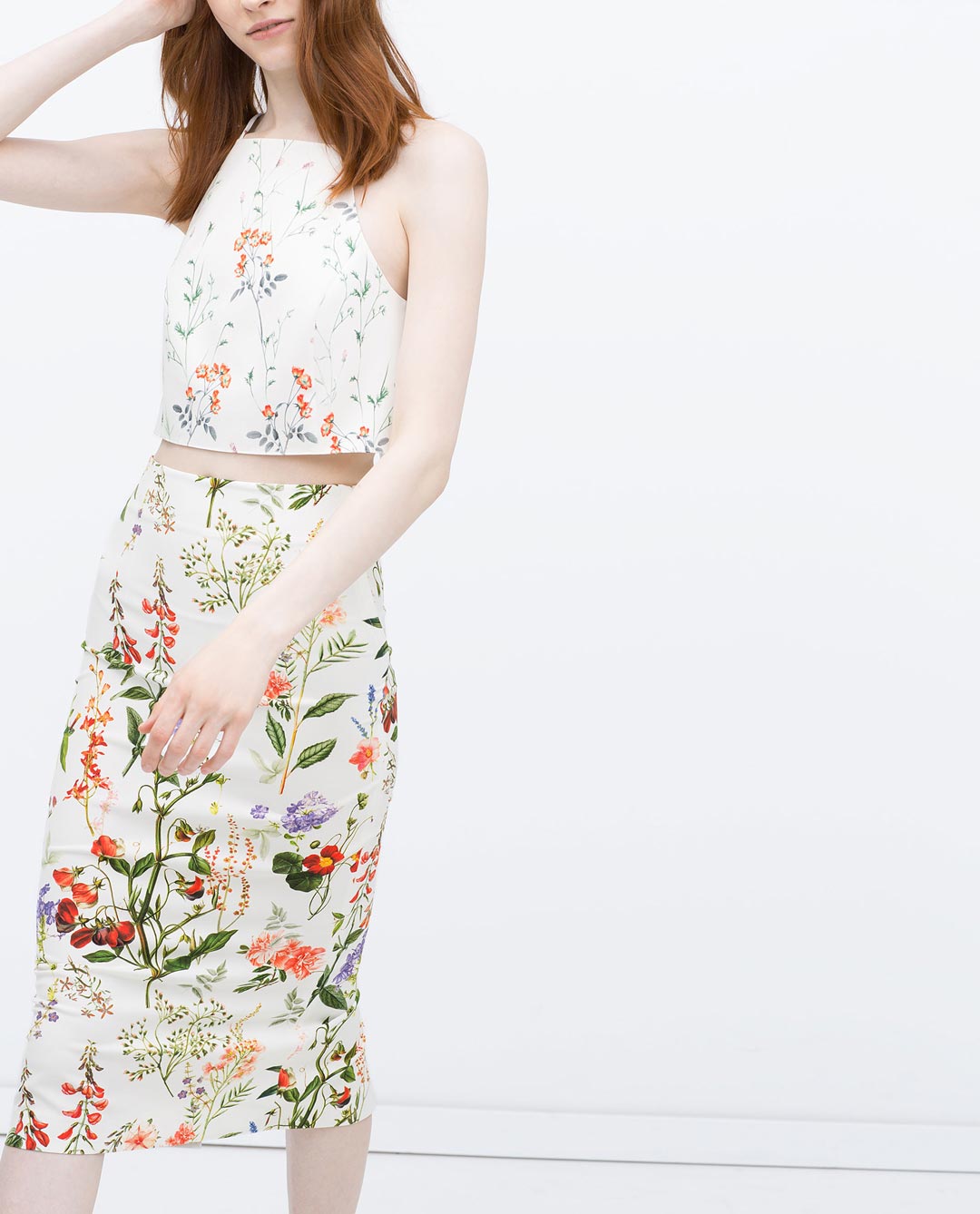
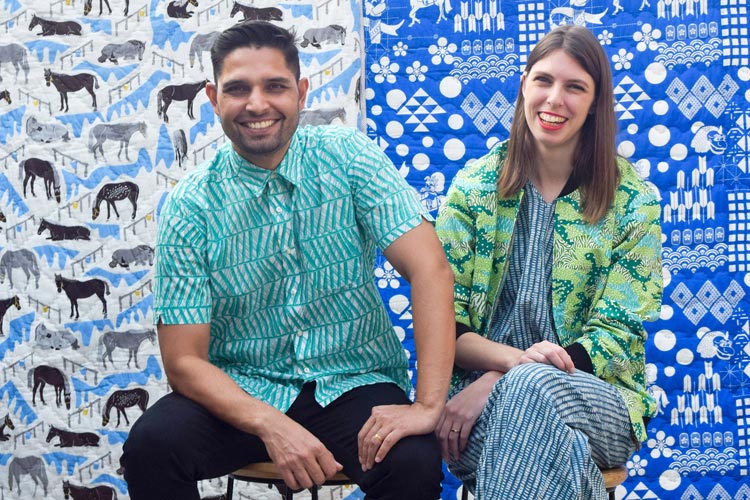
    Silvia Stella Osella — Textile & surface designer, trend & color consultant
    Location: Milan, Italy
    www.silviaosella.com

    When did the lockdown start for you and how has your business been affected?

    Social distancing here started pretty early since this is the area where the pandemic first started in Europe. So we have been home from February 24th, and full lockdown started a couple of weeks later.

    I am an independent designer and consultant, so of course my business has been affected; many projects have been cancelled or postponed (with no certainty of the new dates, of course…) I work mainly with companies: textile manufacturers, fashion brands, etc. Now most of my customers are facing very difficult times, and nobody knows how long it will take to really recover from this.

    Also, working at home with a toddler and the idea of schools not reopening will definitely have an impact on our work too.

    Have you found any new ways of working or have come up with new product ideas during this time?

    Luckily I work with many international customers, and the pandemic hasn’t hit any country in the same way; also, I am finally able to focus on some collaborations I never really have the proper time to think about.

    What are some of the positive takeaways you have experienced during this time?

    Slowing down and spending time with my little family, without any doubt. Usually during the year we work so hard and when it’s time for holidays we run somewhere very far for as long as possible! So we actually never get to spend so much time at home, enjoying our time together in its simplicity, taking care of our garden, cooking, playing. I really, really hope that this experience will teach us all to live at a different pace.

    How do you see your business evolving over the next few months?

    I still don’t have a clear idea of when things will get back to normal in my studio. I think it’s probably going to be a pretty slow process, but I am trying to see all this as an opportunity: my work is based on deep research on trend forecasting, color evolution and so much more, and I am really eager to study how this huge, unexpected event will impact on the creative fields.

  • Muller Van Severen: ALLTUBES

    Muller Van Severen: ALLTUBES

    Muller Van Severen is a Belgian design studio founded by Fien Muller and Hannes Van Severen in the Spring of 2011. The couple creates sculpturally interesting furniture objects, always including the space around them, and characterised by a careful research led by their shared passion for art, architecture and materials.

    www.mullervanseveren.be

    Furniture images by Fien Muller & portrait by Mirjam Devriendt.

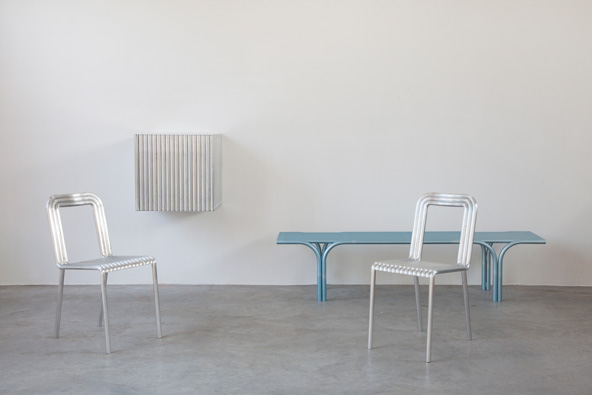
    ALLTUBES is a new series of objects consisting of the repetition of round aluminium tubes. The collection includes several cabinets, a sofa and a chair, and forms a family with the same genes but different characters.

    Through the rhythm and repetition of the round shape, the objects are stripped of their severity. This also creates the wavy effect and gives the surface the opportunity to play with the light. By bringing together the same element each time, surfaces are created and the whole literally and figuratively gets a strength.

    There are no hinges, rivets or door openings visible, they dissolve or visually disappear in the circuits of the round profiles. This makes the cabinets more like volumes, a kind of mysterious plinths, stripped of front, back or side. Only by extending the four tubes do these volumes come off the ground, and the tubes become legs or supports that illuminate the whole. They become free-standing objects in the space, characters in a setting.

    ALLTUBES will be presented at:

    Collectible Design Fair Brussels I 5-8 March
    Valerie Traan Antwerp I 12 – 29 March
    ‘Design ! Muller Van Severen at Villa Cavrois’ I 17 March – 18 October

  • Glasgow Print Fair: Bringing Together People Passionate About Print

    Glasgow Print Fair: Bringing Together People Passionate About Print

    Print is still on the rise and the best example is Glasgow Print Fair, a new festival and the first of its kind taking place in Glasgow. Organised by local creatives Jane McDevitt, partner at Maraid Design, and Kaye Symington, co-founder at Paved with Gold, this festival celebrates established and new printmakers, and brings people together for a day of print-based fun.

    Glasgow Print Fair will take place on Saturday 2nd November (10am – 5pm) with free entry at The Lighthouse.  The festival will showcase prints and other products by over 50 makers from the UK and Europe. With work by established studios and artists like Lesley Barnes and Risotto Studio (read our interview with its founder!), collectives and design shops like Yuk Fun Now and Welcome Home, and also some emerging talent from Glasgow School of Art.

    Do not miss this opportunity to support print and take home with you textiles, zines, posters and much more!

    www.glasgowprintfair.co.uk

  • Dust London: Homeware from Organic Materials

    Dust London: Homeware from Organic Materials

    Founded by Michael McManus and Matthew Grant, Dust London is a homeware label drawing on their experience in artist and architecture studios. They established their design company with the intention of changing the way materials are conventionally used and the ambition of creating objects from natural materials.

    We chatted with Michael and Matthew to find out more about the manufacturing of their products, their current range and what homeware means to them.

    www.dustlondon.co

    Can you tell us about how you met and what made you start Dust London?

    We knew each other from a young age and shared design ideas whilst studying art and architecture respectively. Dust London was born out of an ambition to set up a studio that explored our mutual interests in design alongside our passion for organic and sustainable materials.

    Your products are made from tea waste, can you tell us more about why you decided to choose this material and what processes you follow to manufacture your items?

    Our studio practice is driven by discovering new materials for making. We were looking for an organic material to use and after months of experimenting we tried tea waste. We found that adding tea to our material created a beautiful range of rich colours. Experimenting with tea waste as a material for making has enriched the colour palette of our designs. From the soft and subtle green hues of our Peppermint tea range to the rich warmth of the Rooibos and English breakfast selections, our products compliment a range of interiors. We collect and separate the tea waste into 5 different colours. Each selection is thoroughly dried before blending and mixing with a gypsum-based powder and non-toxic binder. This mix is then poured into our handcrafted moulds which have been made from a single sheet of paper using origami folding techniques.

    Coming from an arts and architecture background, you mention that you are “keen to step away from the computerised and the mechanistic”, can you tell us more about this decision and why you lean towards handmade products?

    We have interests in a variety of traditional casting techniques and wanted to apply these to our designs. Through refining handmade processes our ideas have developed organically in our studio. Exploring new techniques and experimenting with materials in this way allowed us to achieve unpredictable results that informed future works. We chose not to use technology within our studio practice because we wanted to apply a makers touch to our objects. By casting our work by hand each piece is entirely unique, with subtle variations in surface pattern and colour.

    Your current collection is made up of three objects, can you tell a little bit about each of them? Do you have plans to expand your product range in the near future?

    Our current collection comprises three designs inspired by origami forms: a coaster set, a centrepiece vase and a large planter. Each object is folded from a single sheet of paper to create a homogenous design. We were drawn to the minimal aesthetic and elegance of origami that aligned with contemporary interior design. Each of our objects are available in five tea variations: Chamomile, Rooibos, English Breakfast, Peppermint and Black Tea. These colours have been selected to provide a range of textures and hues to complement a variety of interior colour palettes.

    We are currently working on a number of larger scale pieces of furniture and have developed a prototype for a table. We are excited to combine the aesthetic of origami with the function of furniture. Experimenting with organic resources will always be at the forefront of our work and we are currently exploring a sustainable material that we can apply to a new collection.

    What does homeware mean to you and why do you think it’s important?

    Homeware is accessible in scale, both for the designer and user. It allows designers to experiment with new materials that find their way into the home. Homeware therefore paves the way for wider conversations that the designer looks to address through their work. By bringing functional objects into the home that are made of tea waste challenges convention and questions how we commit to a sustainable future.