Category: Design

  • Interview: Urbanears

    Interview: Urbanears

    Urbanears is a collective out of Scandinavia founded by Norra Norr, a Stockholm-based industrial design consultancy, and Zound Industries. Created in 2009, Urbanears, has changed the way we look at personal electronics.  

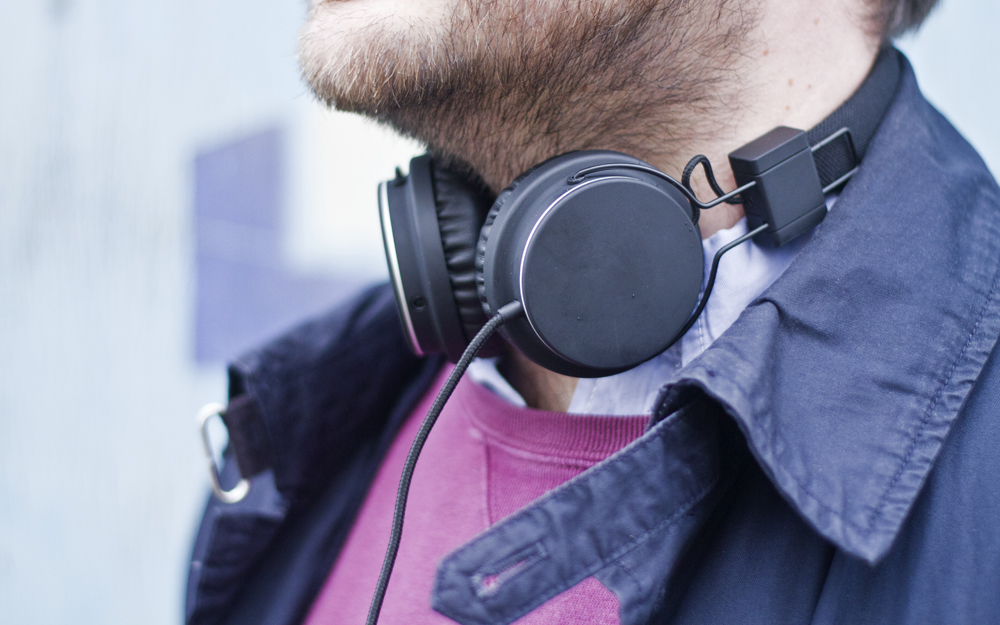
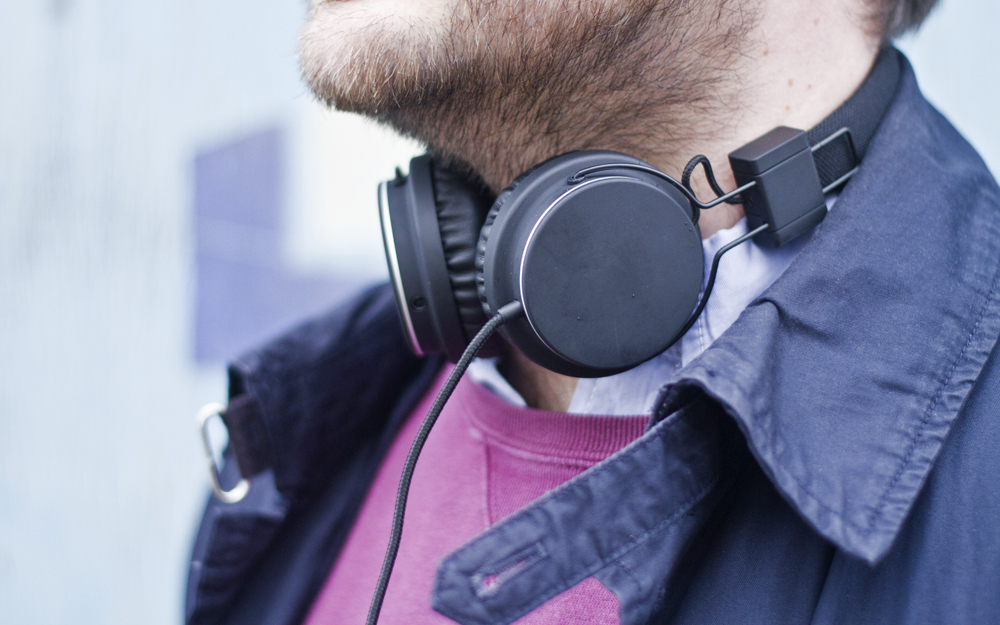
    The Urbanears headphones are made of coloured plastic, steel with aluminium detailing and handmade drivers. They are treated with a rubber coating that gives the headphone a matte look and a smooth feel. The headbands and cables are textile rather than plastic, making the products look and feel more like a fashion accessory rather than a mechanical product. The branding on each model is minimal and the overall design remains true to the Scandinavian design heritage.

    We had the amazing opportunity to speak to Marcus Rudbäck, who is the design director and co-founder of Zound Industries and part of Norra Norr.

    Could you tell us a little bit about your background; how you and your partners met, and started Norra Norr?

    Marcus Rudbäck: I’m the design director and co-founder of Zound Industries and part of the design group Norra Norr. I had worked as a Industrial designer for many different companies and as a consultant before Zound Industries, and mainly together with Norra Norr and Syntes Studio which I co-founded.

    My focus has been on consumer electronics, toys and games and sports equipment. Norra Norr is part of the collective that started Urbanears and founded the company Zound industries.

    Norra Norr is the product design part of the founders that started the company but today we work full time and have a great team of designers and engineers to bring you new products that make people proud and hopefully happy.

    The collective had a shared vision that we could make headphones and audio products relevant to the users and needs of the times we live in. We were pioneers with a inline mic and remote, as well as, the first to introduce legal music sharing through a smart extra socket which your friend can use to plug in an extra pair of headphones and listen together.

    We met through a need to make it our way and the urge to make it real. We came from a 50% fashion background and 50% electronic industry but all of use were determined to make a difference in the headphone world. This is something we have already done and we aim to do for a long time – when we started, headphones where black or fake silver and only a few made you look good in the street or had the modern everyday user in mind.

    How did you and your partners at Zound Industries come up with the idea of Urbanears? What the design process looked like?

    MR: The man with the plan, Konrad Bergström, brought us together as a collective. We wanted to make designer headphones affordable and in many colours but still normal enough and with minimal branding so that people of any age or style can feel good rocking a pair of Urbanears – you can still choose a bright colour if you want to be different but a pair of black should still feel tailored, with fabric headband and a cord with minimalistic design features and some metal accents, real metal, no fake stuff on Urbanears : )

    We strongly believe in design and innovation as well as good quality in everything we do: from the products to the campaigns, movies, etc.  During every product development we try to add some new innovation and not only style to the people that wear them. For example: the friend plug in Plattan, cable lasso in Kransen, turn cable in Zinken and the snap lock in Bagis, washable headband and ear-cushions in Humlan and a DJ equipment in your pocket with Slussen.

    Scandinavian design is praised for its simplicity and functionality around the world. What, in your opinion, influences Scandinavian aesthetics?

    MR: As Industrial designers for Urbanears we strive to make very minimal design and we have a saying: when no one would remove anything else from a design, we try to get ride of three more unnecessary features, split-lines etc. We say internally that we have to design Urbanears products with a small brush keeping close attention to proportions, materials, details and finish.

    Being Scandinavians we are very true to our heritage in engineering, acoustics and functionality, but we hope we bring some new edge and some rebel spirit alive between the lines in the products just by being true to what we believe in.
    www.urbanears.com

  • Claire Sambrook: Creative Portsmouth

    Claire Sambrook: Creative Portsmouth

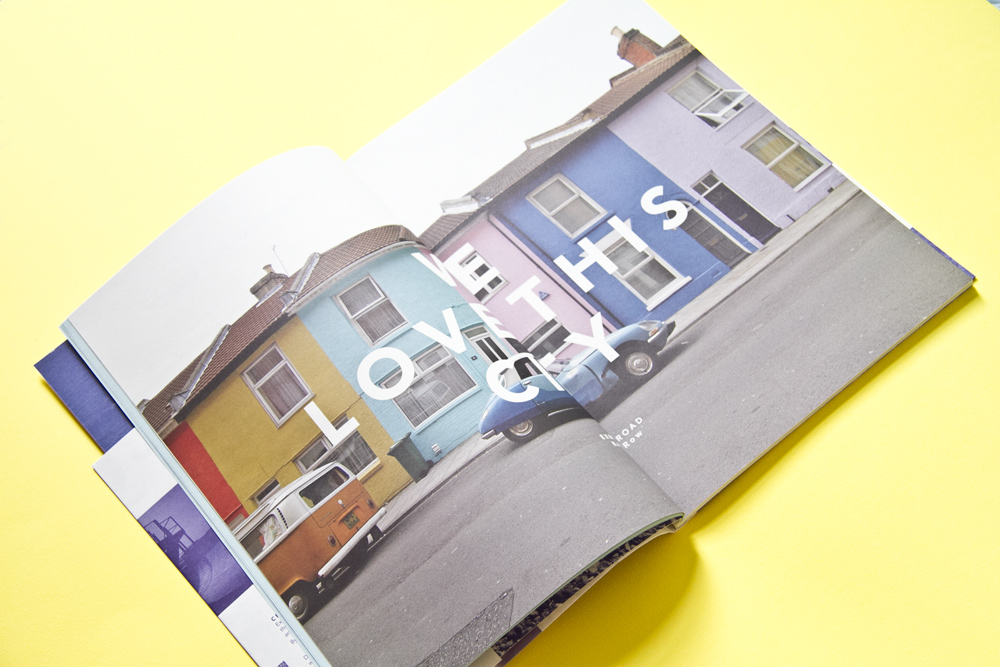
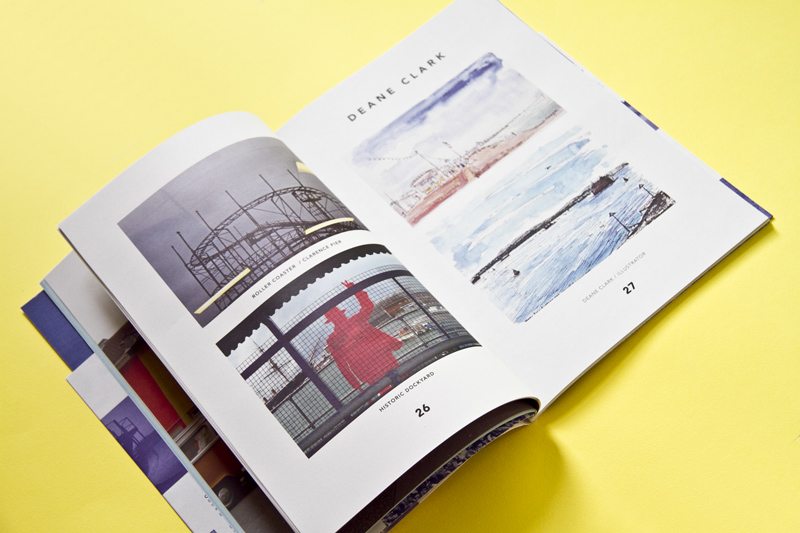
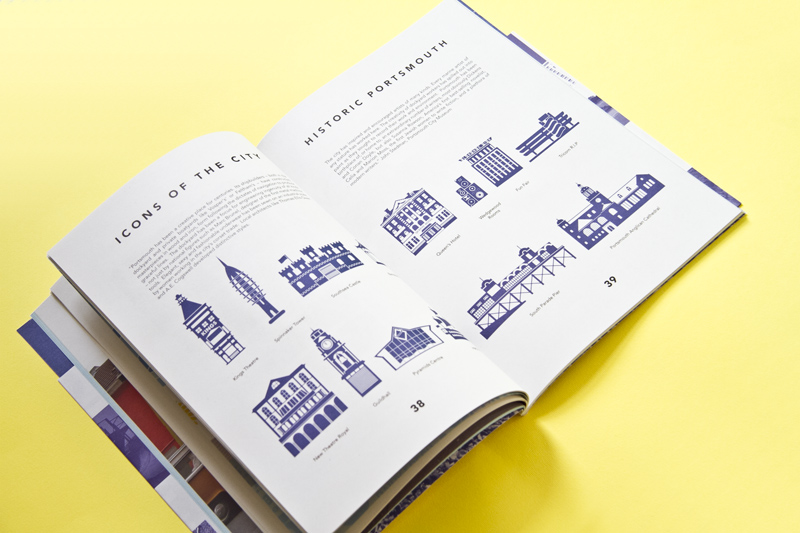
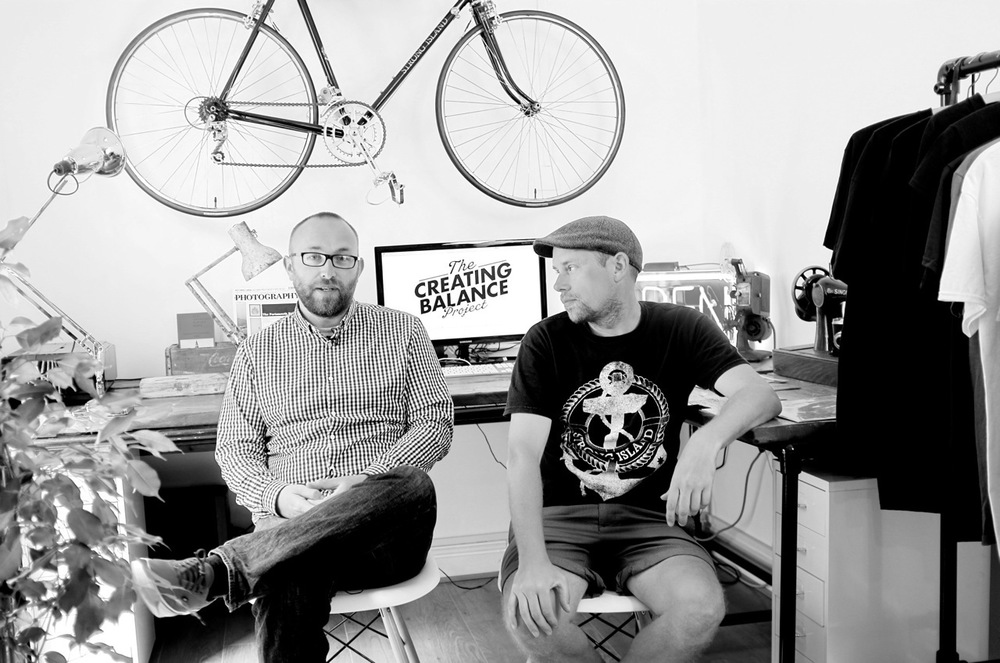
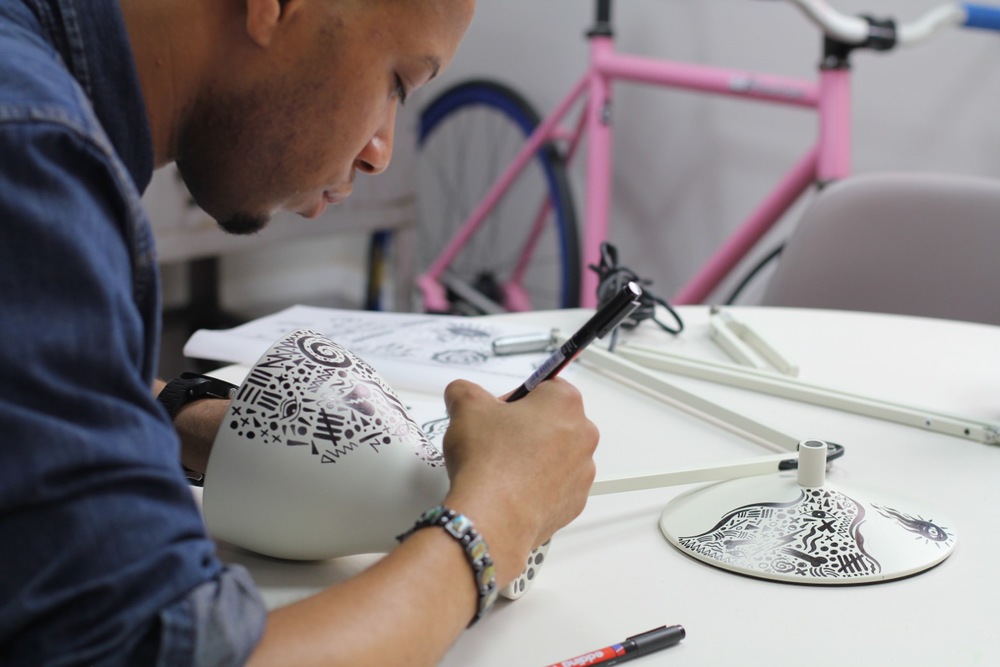
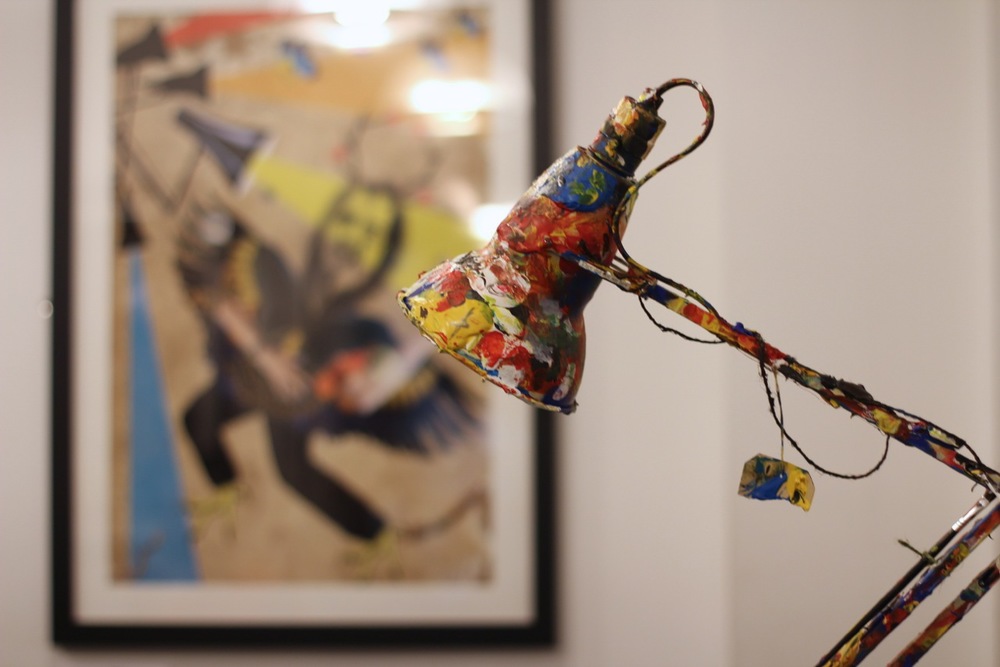
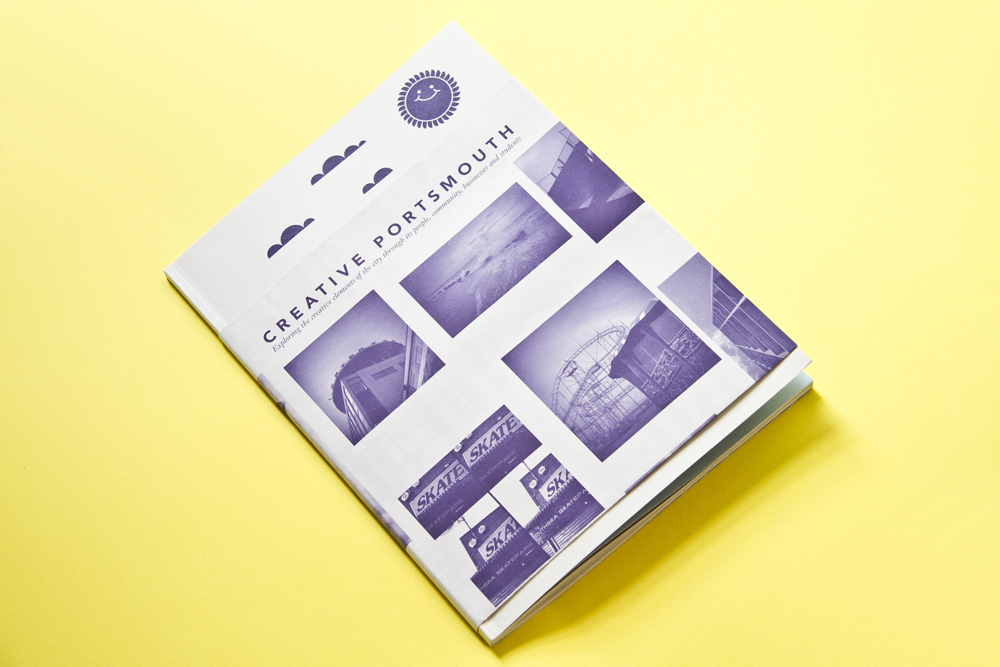
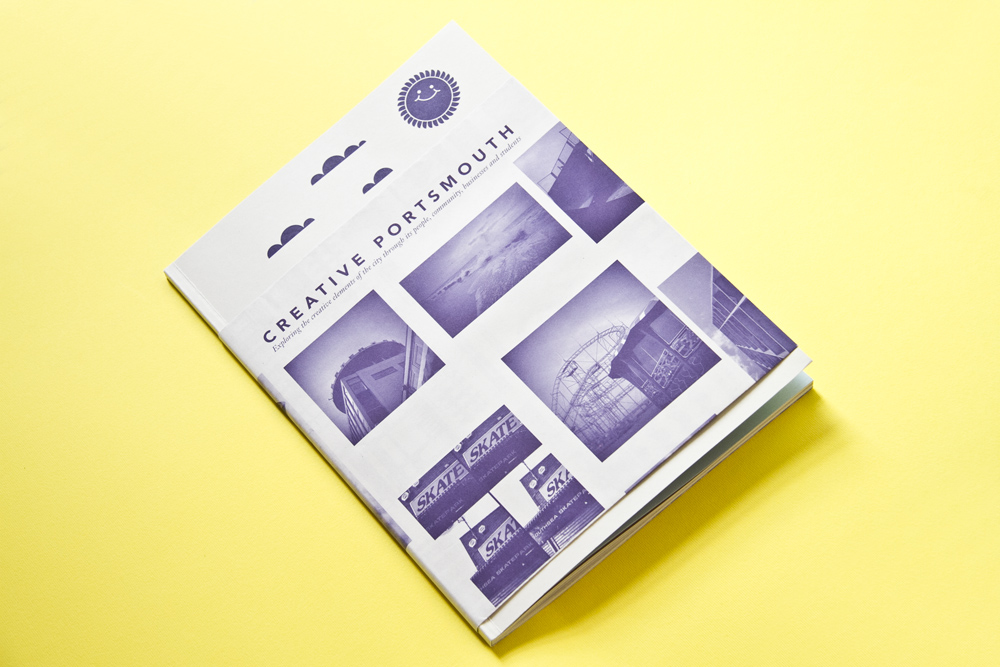
    Claire Sambrook is a photographer and a lecturer in Creative Technologies at the University of Portsmouth. She is also involved in a number of creative projects happening around the UK including Creating Balance Project with Anglepoise. Claire also curated Creative Portsmouth, a guide exploring the creative elements of the city through its people, community, businesses and students. 

    Claire talks to us about her background, why she chose to settle down in the UK’s only island city and why creative industries flourish in the city.

    Could you tell us more about your background and how you got involved in all the creative projects in the city. I saw that you used live in London, what made you to move to Portsmouth?

    Claire: I went to art college in Swansea and Cardiff and dabbled in lots of disciplines including stained glass, set-design, screen-printing and then settled on photography because it enabled me to capture moments and control light. In London I spent many years learning the craft and specialised in large format photography and studio lighting. I moved to Portsmouth because of the location – it is the UK’s only Island city. Growing up by the Gower coast in Wales was wonderful and Portsmouth was a good compromise.

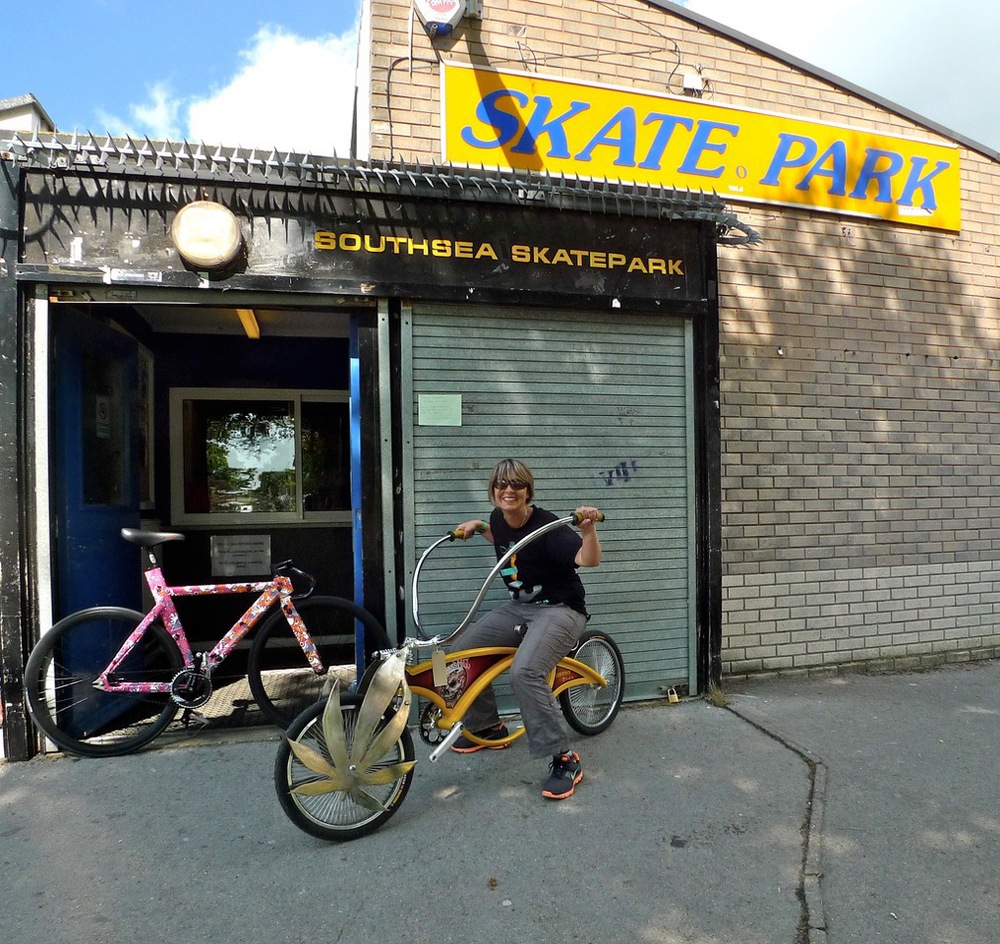
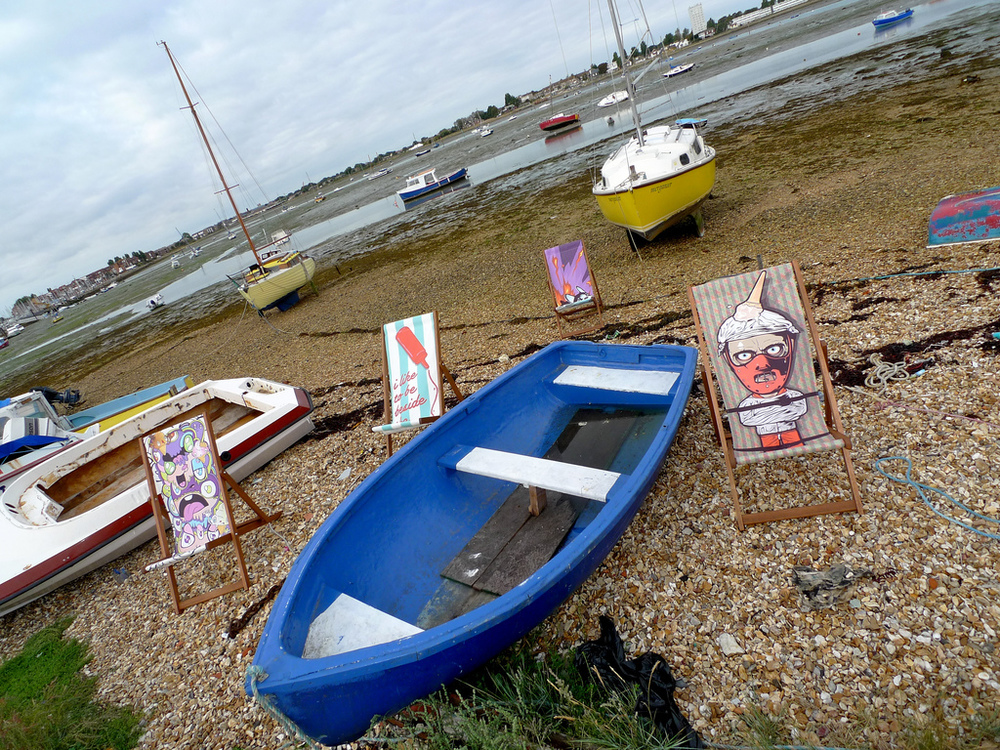
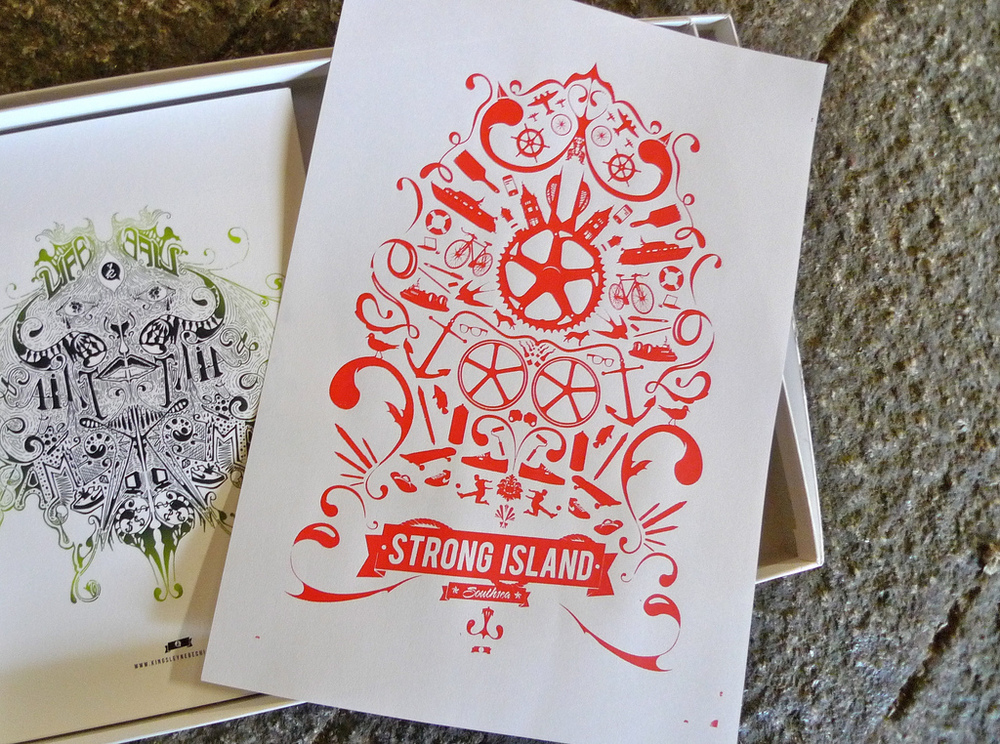
    I have been aware of how much the creative profile of the city has grown especially in the past few years it has a real strength which is built upon a community that has started to believe in itself. There are great support networks like Strong Island, Portsmouth Creative Movement and a constant influx of creative and talented students at The University of Portsmouth that are helping to promote and raise the creative offer. We also have working artist studios like Art Space, Clay Station, the soon to be opened Neon Studios and Coastguard Studios. Aspex Gallery and space gallery at the University always have a constant stream of emerging local and national artists. International creative superstars like design studio I Love Dust and artist My Dog Sighs also call Portsmouth home. Other people and businesses to mention – Anglepoise UK, Southsea Deckchairs, The Caravan Gallery, Climax Games, Jeannie Driver, Pete Codling, Karen Ryan and numerous photographers with national and international profiles like Andrew Whyte, Russell Squires, Matt Sills and Paul Gonella.

    Whilst teaching at The University of Portsmouth I wanted to work with local artists, designers, businesses and collaborate with students to try and aid with their skill set and employability profile. This started by working with Southsea Deckchairs and 25 creatives each being given a chair to design. The chairs then went on a tour around the city making the location part of the final photograph.

    Other projects I have run include Bike Stand Designs working with Portsmouth City Council and the designer Wayne Hemingway, Love Your Bike Portsmouth – an exploration into bike customisation with designer Ben Wilson, Visual Libraries – putting sketchbooks into libraries in UK, US and India and then the production of the Creative Portsmouth book. Working with I Love Dust and supported by The University of Portsmouth I wanted to explore the different elements of the city by talking to and promoting the work of creative practitioners, businesses and students. I also worked with community group Strong Island on The Round Tower exhibition featuring 60 local artists and designers, Primary an Phoneography exhibition and lastly the Creating Balance Project with Anglepoise UK and 20 local artists, designers and photographers.

    The Creating Balance Project has been a wonderful experience because we launched it as part of The London Design Festival and it was also chosen to be part of the Icon Design Trail and V&A seminar programme. Collaborating with industry, education and community has been very rewarding each providing support and encouragement leading onto future projects and deeper relationships.

    Could you tell us more about Portsmouth? Why is the city so great for creatives? What does it offer and how it supports the industry?

    Claire: Portsmouth is on the south coast of England just over 100 miles from London. It has a strong maritime history, is a naval port and home to HMS Victory, HMS Warrior and the recently opened Mary Rose Museum. As a result of this history the city has been at the forefront of industrial innovation and design with Marc Brunel’s first mass produced production line at Block Mills in the naval dockyard, it’s shipbuilders and craftspeople.

    Creative people are drawn to the area due to the heritage and location. Living and working by the sea has so many benefits to the creative mind – a place to think and walk, cycle, run. Room to breathe.

    I am always on the look-out for unusual buildings, their history and what stories can be told. So many creative people strive to find these haunts to set-up in business and show off their studios surrounded by the sea with an ever changing multi-cultual population.

    My love of all things creative and a ‘doing’ attitude has never really stopped. I am always open and curious to numerous methods of creating and fascinated by processes. My photography is now more documentation in approach I love to gain insights into working methods and expose the detail in the process.

    My old dog Twm was also featured on the cover Seasick Steve’s album ‘You Can’t Teach An Old Dog New Tricks’ with Steve having found the photo on my Flickr set. I lost Twm last year and over the years took over 3,000 photographs of him. He was a huge part of my life inspiration and fuelled my obsession of photography and exploring the city on our walks.

    clairesambrook.tumblr.com

    creativeportsmouth.wordpress.com

    @create_up

    For a chance to win a copy of Creative Portsmouth simply comment below & let us know what is your favourite creative place in the city you live in. Don’t forget to login with your email when you leave a comment so we can contact you in case you win! Good luck! – THIS GIVEAWAY IS NOW CLOSES! THANK YOU FOR YOUR CONTRIBUTION!

  • Bookshelf: Intern Magazine

    Bookshelf: Intern Magazine

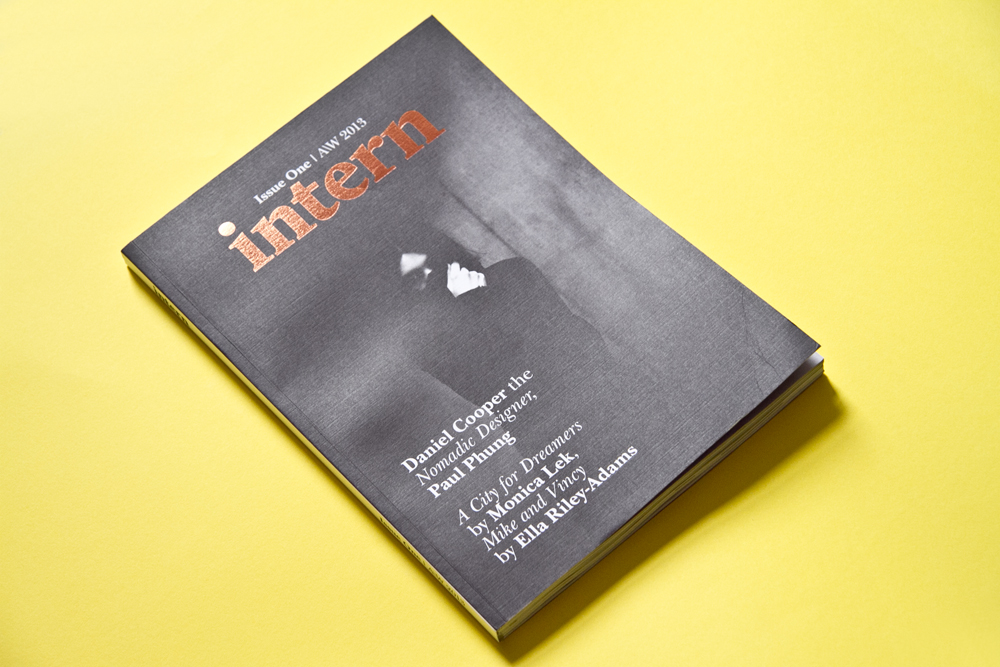
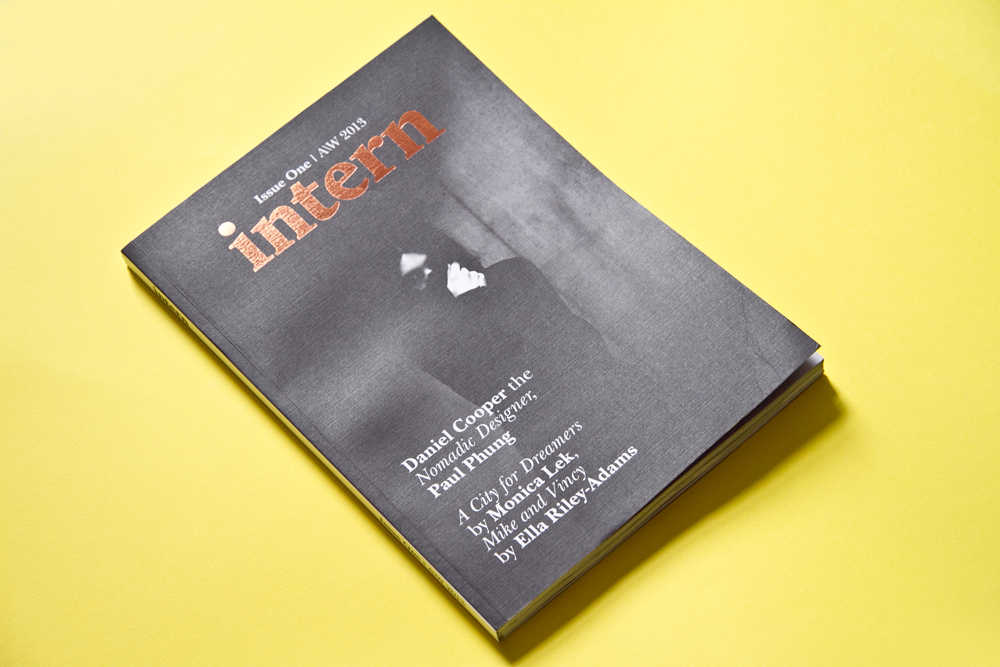
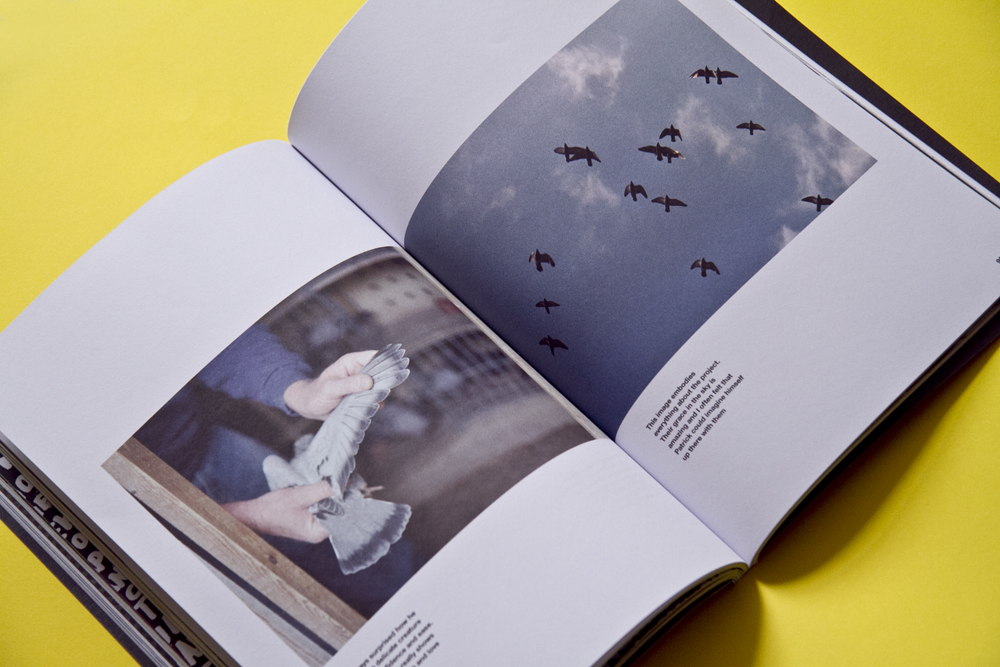
    Intern Magazine has finally launched and we’ve just received the first issue. The magazine aims to showcase work and talent of those interning in creative industries, and initiate a debate about the intern culture around the world.

    The magazine received a lot of positive press since its editor-in-chief, Alec Dudson, launched a Kickstarter campaign to fund the project, and already stimulates long overdue discussion around unpaid internships.  Have a look at our interview with Alec Dudson in which he talks more about the idea behind the magazine and what inspired him to start the project.

    www.intern-mag.com 

  • Interview: Oamul Lu

    Interview: Oamul Lu

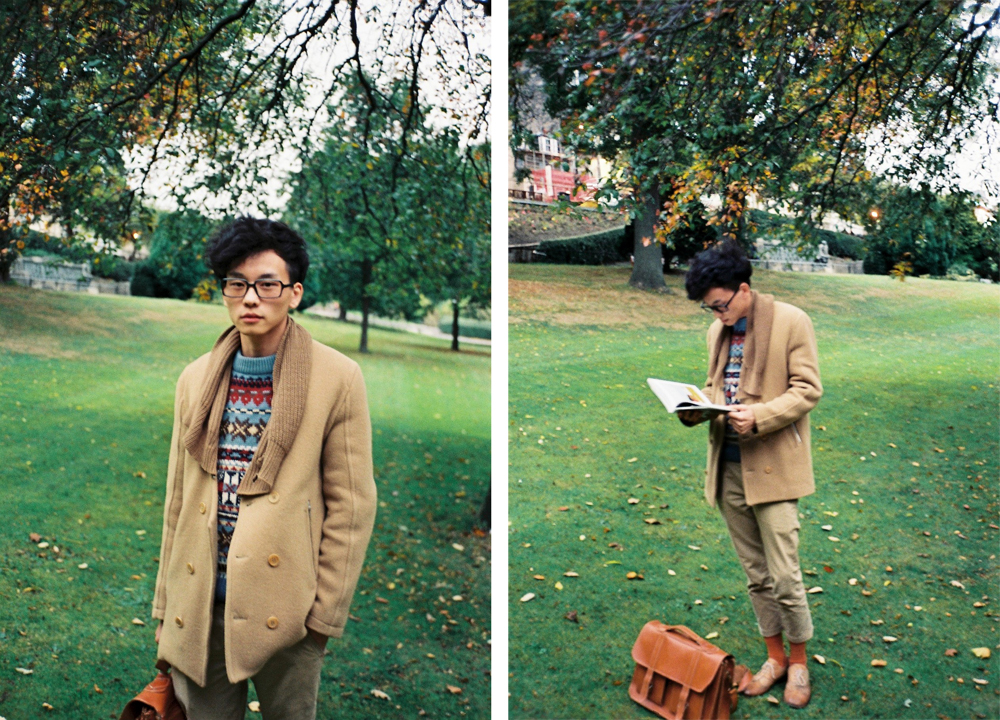
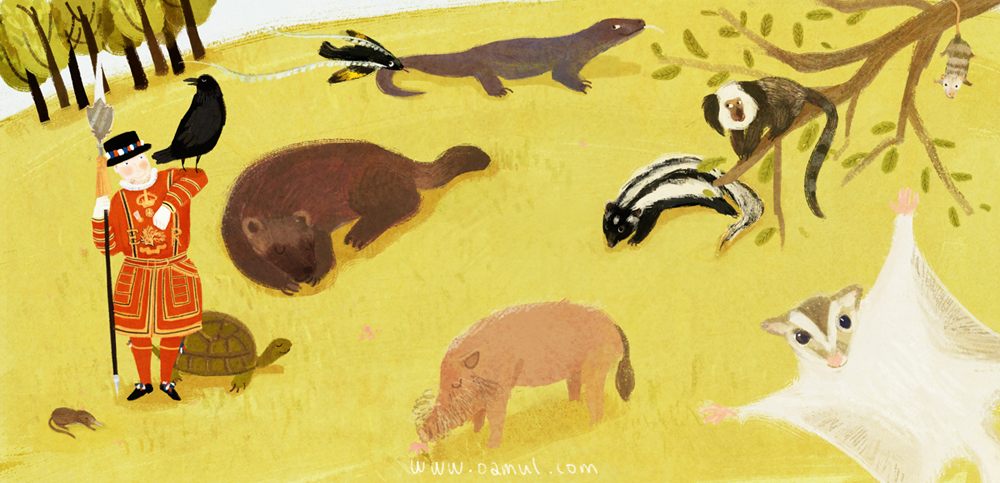
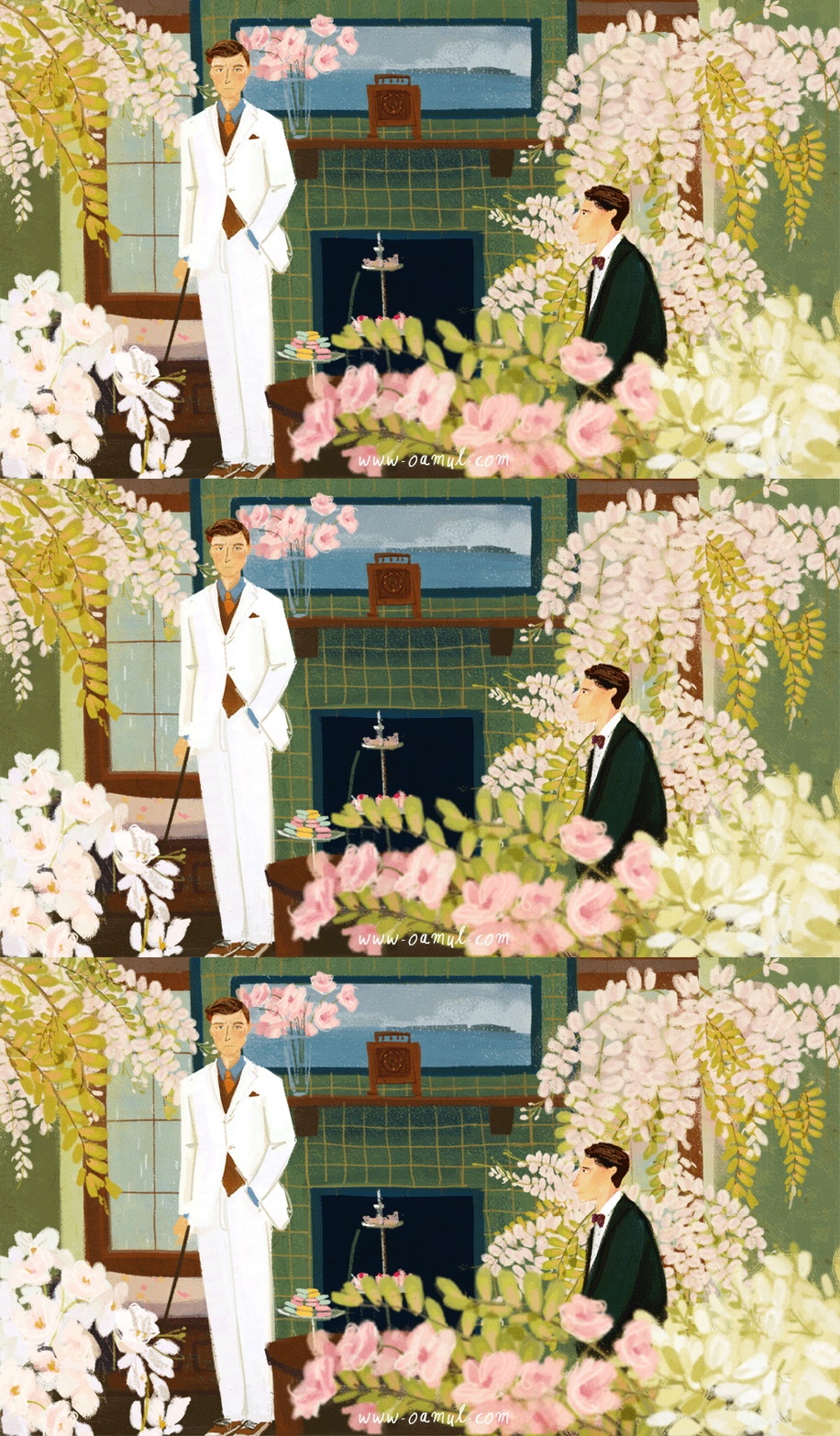
    Oamul Lu is a Chinese illustrator whose colourful, adorable drawings and animations have been shared all over the internet in the past few months.

    We were lucky to meet Oamul during his recent trip to the UK a couple of weeks ago. He had just arrived in Edinburgh after spending a few days in London and was ready to explore the Highlands and find some new ideas for his work.

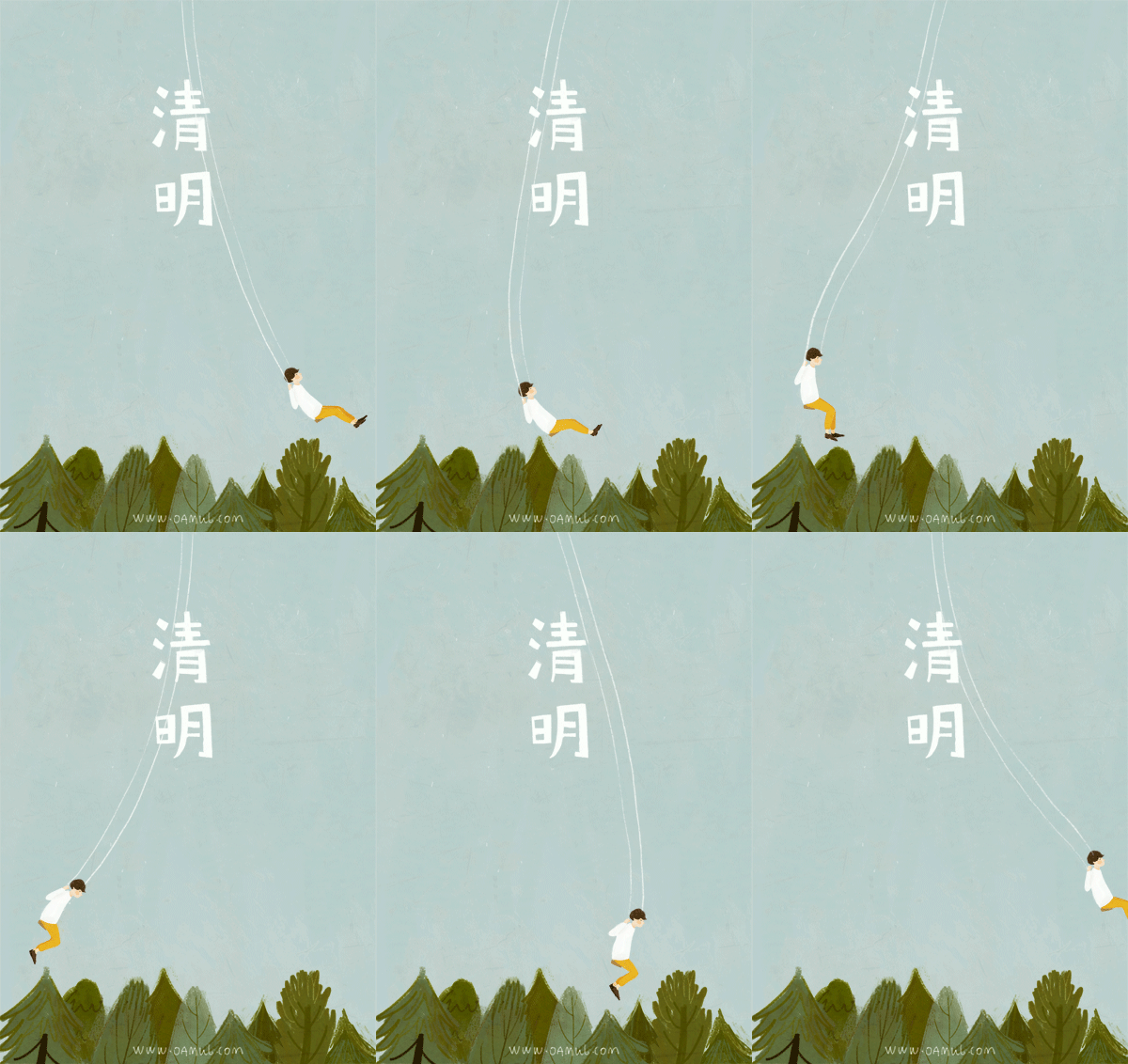
    During our meeting, Oamul told us about his main inspirations, took us through the Chinese tradition behind his project “The 24 Solar Terms
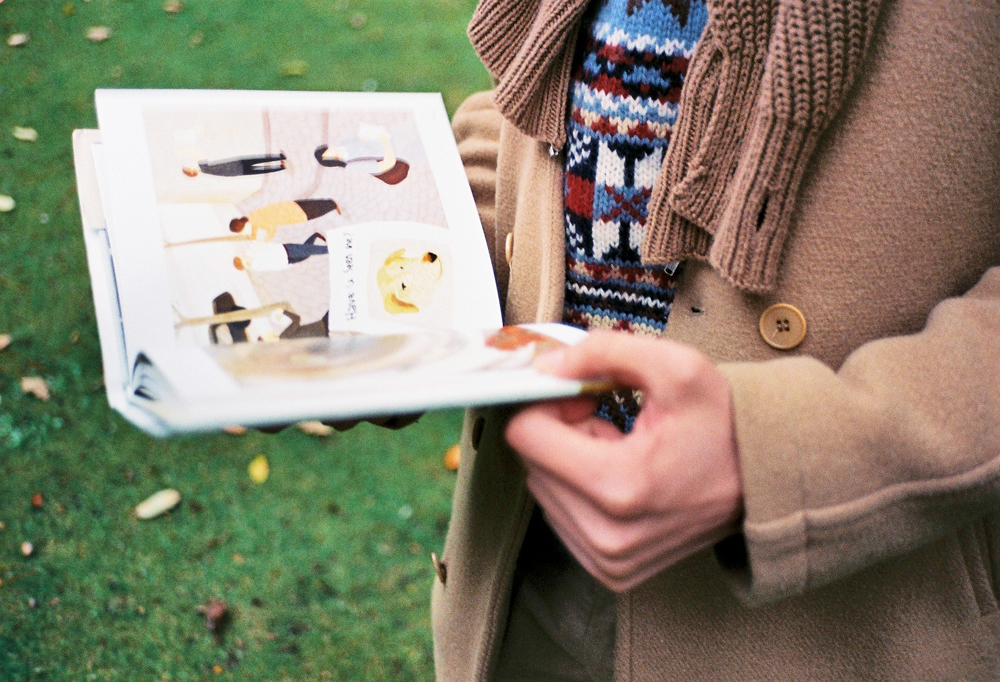
    and showed us his first book, “I Found a Star“, which he’s planning to publish in English really soon. We also asked him a few questions to find out more about his work.

    What are the main inspirations in your work?

    I think everything I see in my life is an inspiration, including this recent journey.

    You do a little bit of everything: GIFs, animations, paintings… what do you enjoy doing the most and why?

    I like all these formats to present my ideas, I think they are all connected somehow. When I draw a painting I want to make it more lively and that’s why sometimes I turn my illustrations into GIFs. After that, I also hope they can become longer animations with a whole story behind them.

    Could you name a few artists you like?

    Two of my favourites artists are Van Gogh and Oliver Jeffers.

    What has been your favourite thing from your trip around the UK? Do you think this trip will influence some of your future work?

    I really liked all the galleries and exhibitions. I also went to see the musical “The Lion King” and it was really interesting and moving. Of course, I was also impressed by the delicious desserts and the beautiful scenery. This trip has had a great influence on me and I’m really eager to create some illustrations inspired by this lovely country.

    www.oamul.com

  • Places: The Newsstand

    Places: The Newsstand

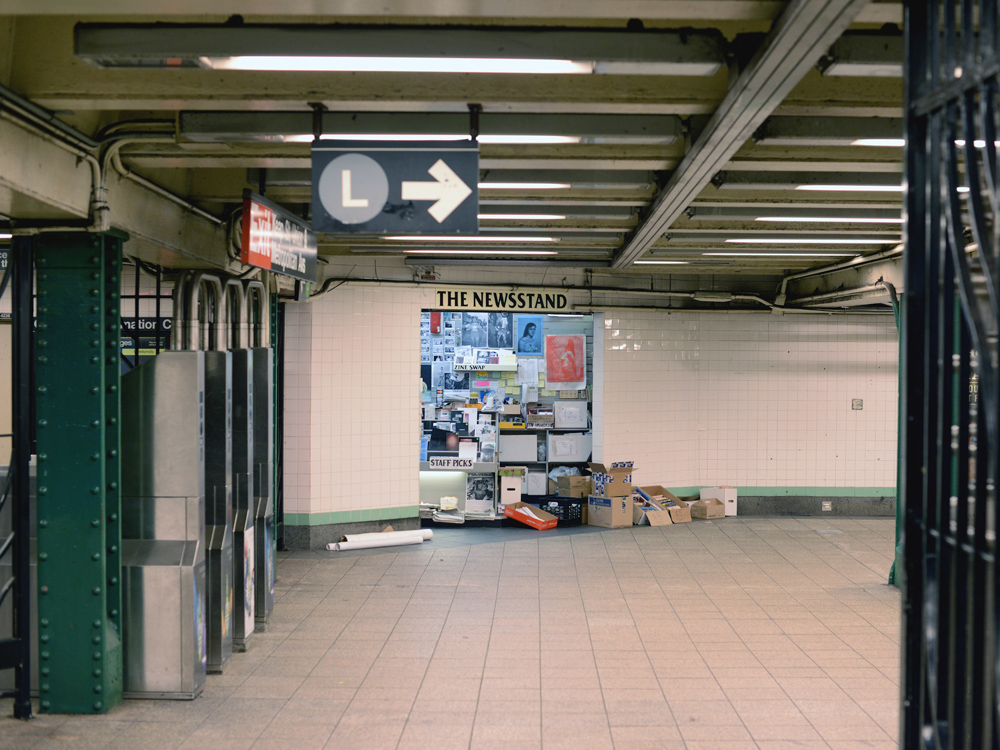
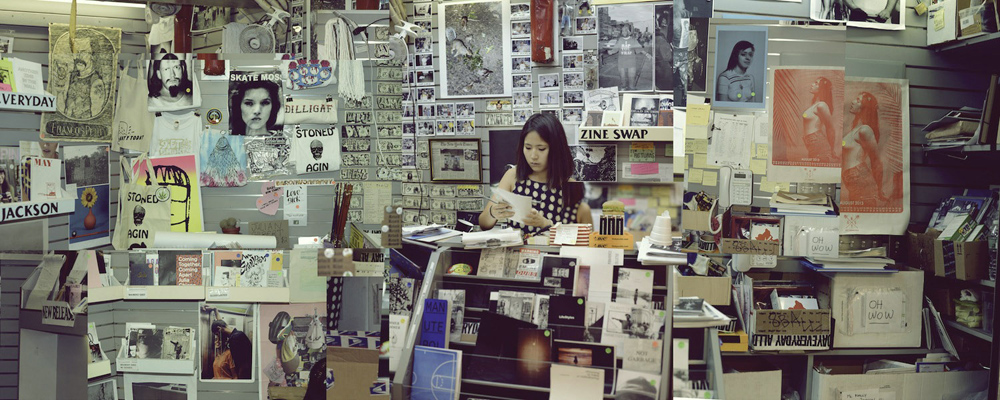
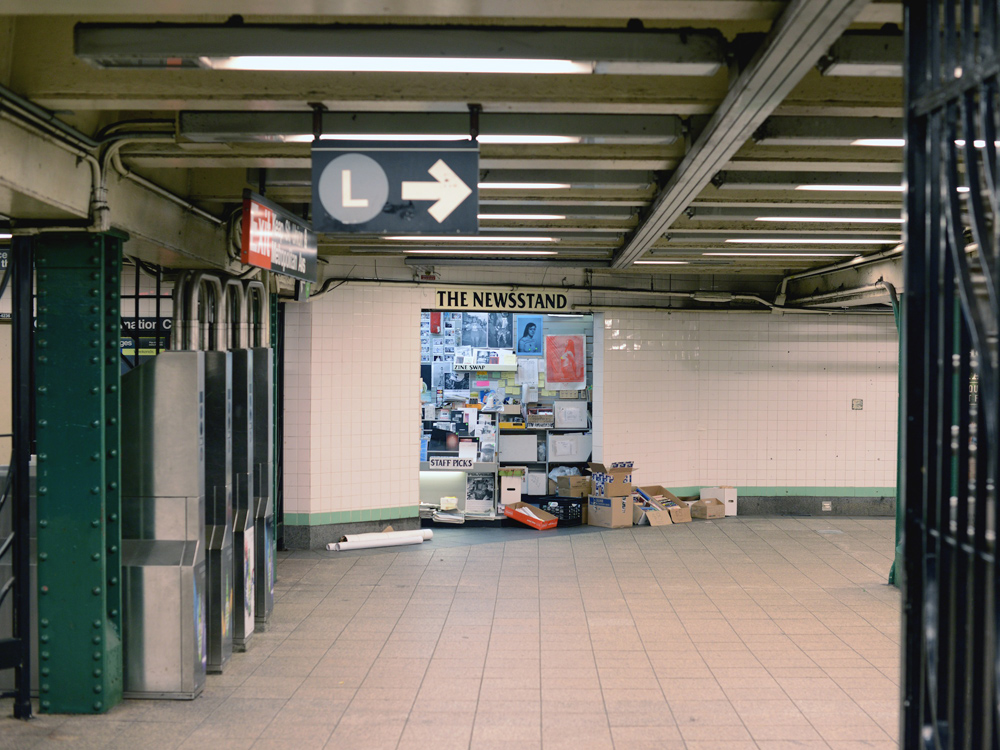
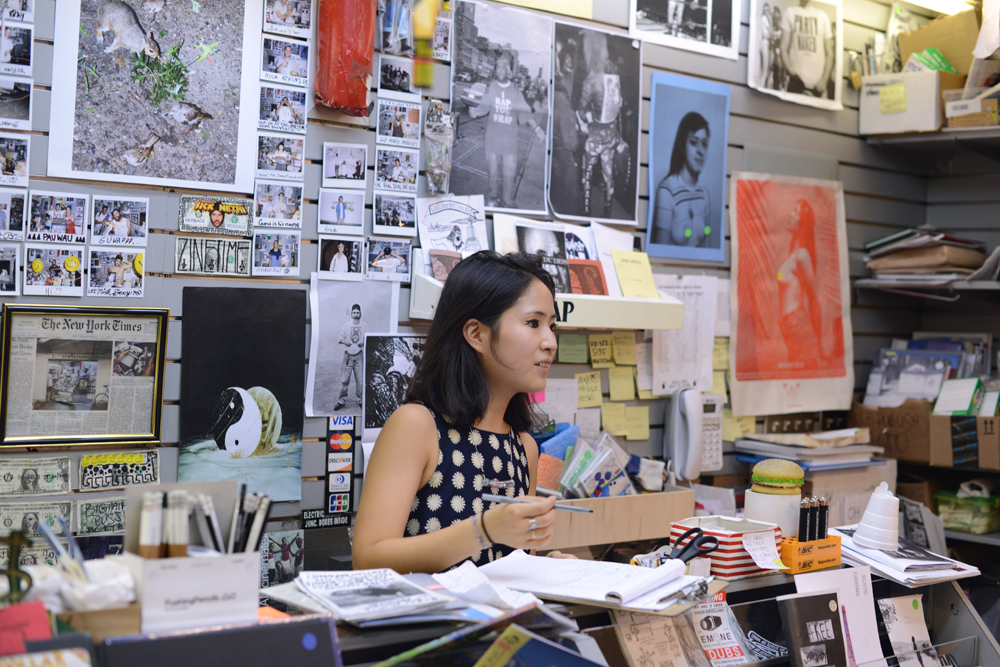
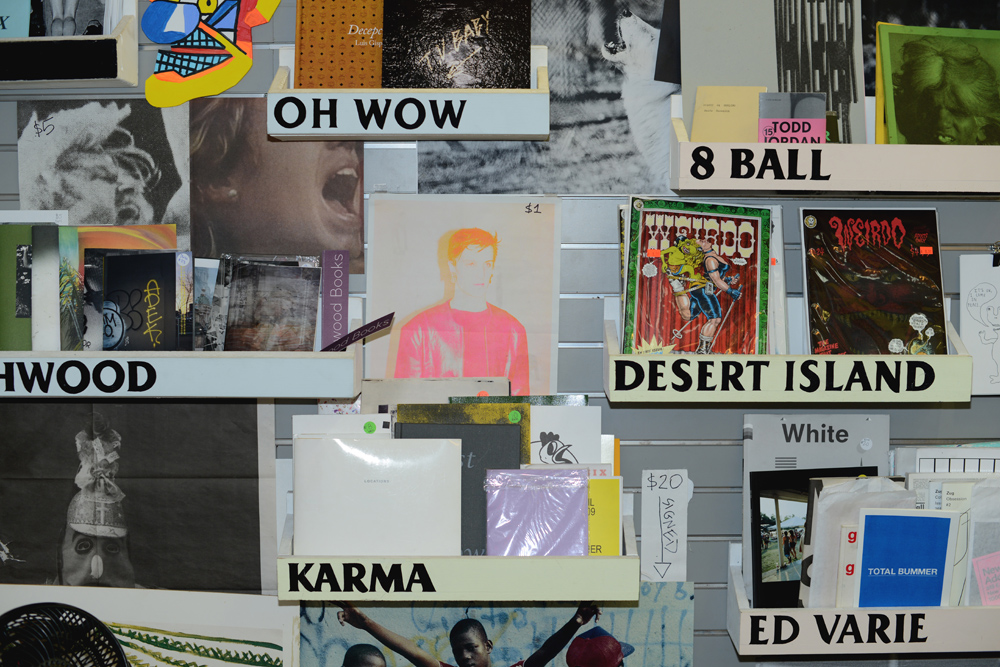
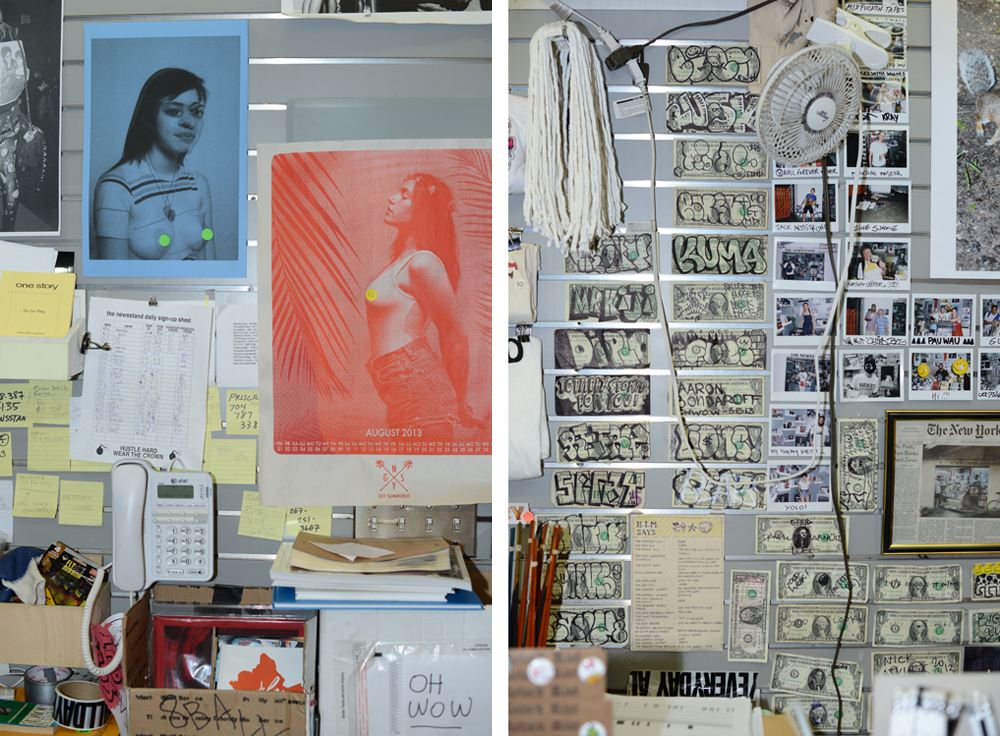
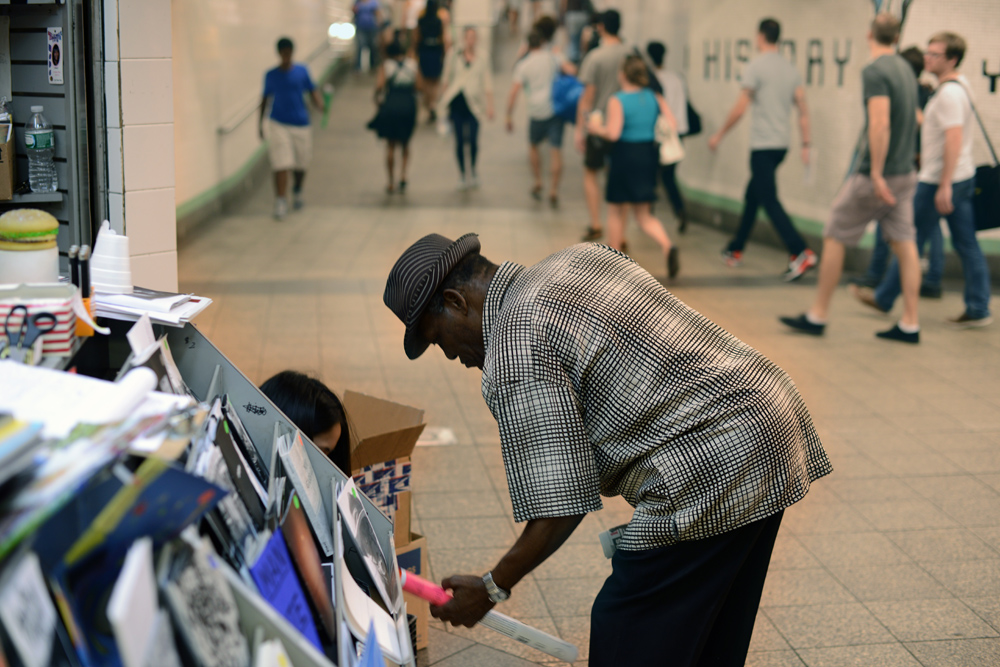
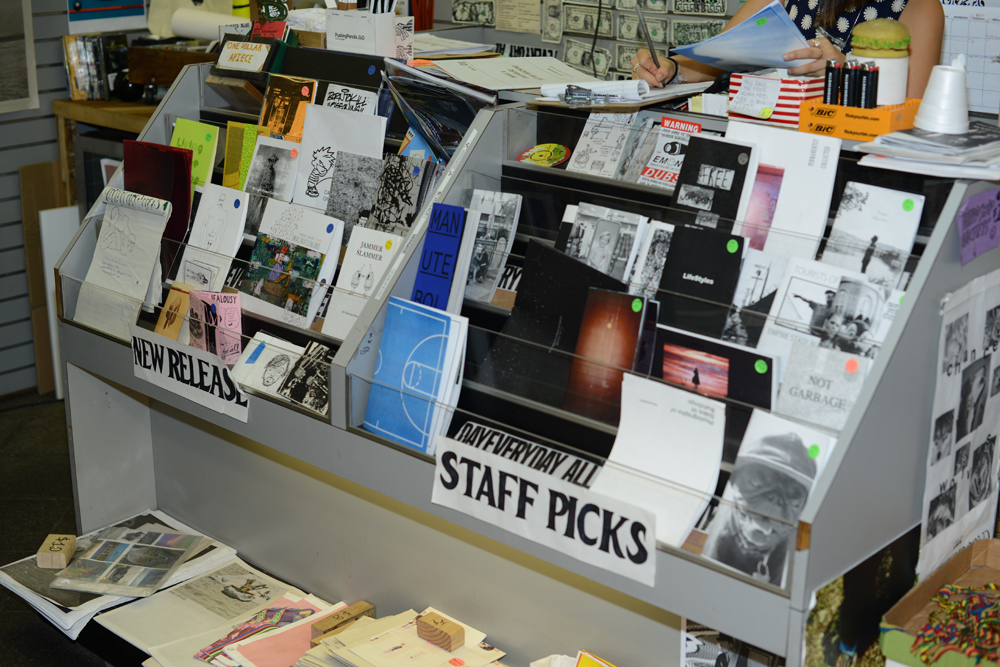
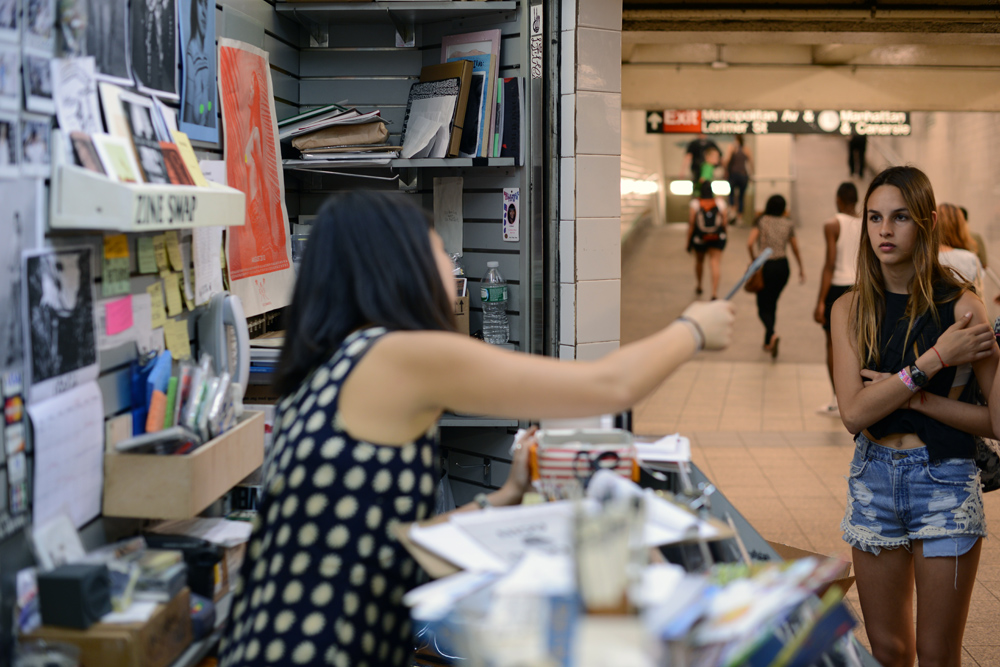
    The Newsstand is a project by creative company ALLDAYEVERYDAY. Since June 15 and until September 30, the newsstand in the Metropolitan subway station in Williamsburg, Brooklyn is being utilised as a venue for independent publications curated by Lele Savari of The 8-Ball Zine Fair.

    The Newsstand stocks titles from independent publishers around the world, including names like Desert Island books, Hamburger Eyes and Pau Wau Publications, as well as a selection of Brooklyn-made food and drink choices.

    To find out more about this innovative initiative, our contributor Charlie Rubin rode the subway to the intersection of the G and L trains to document this temporary space.

    Photos by Charlie Rubin

    www.alldayeveryday.com/thenewsstand