
Category: Design

  • Condo Renovations: Blending Modern Upgrades with Timeless Style

    Home renovation projects bring their own excitement, for both condo and house renovation work. The process of updating a condominium does, however, present different project needs and advantages than that of renovating a single family house. The secret to a successful renovation project requires finding a balance between modern design elements and timeless architectural features. The secret to this type of project lies in concentrating on high-quality materials, well-planned lighting systems, and skilled construction work. The basic elements provide you with the ability to design a personal retreat which combines those modern and timeless design elements.

    Here are the essential elements to consider when blending modern upgrades with timeless style in your condo renovation.
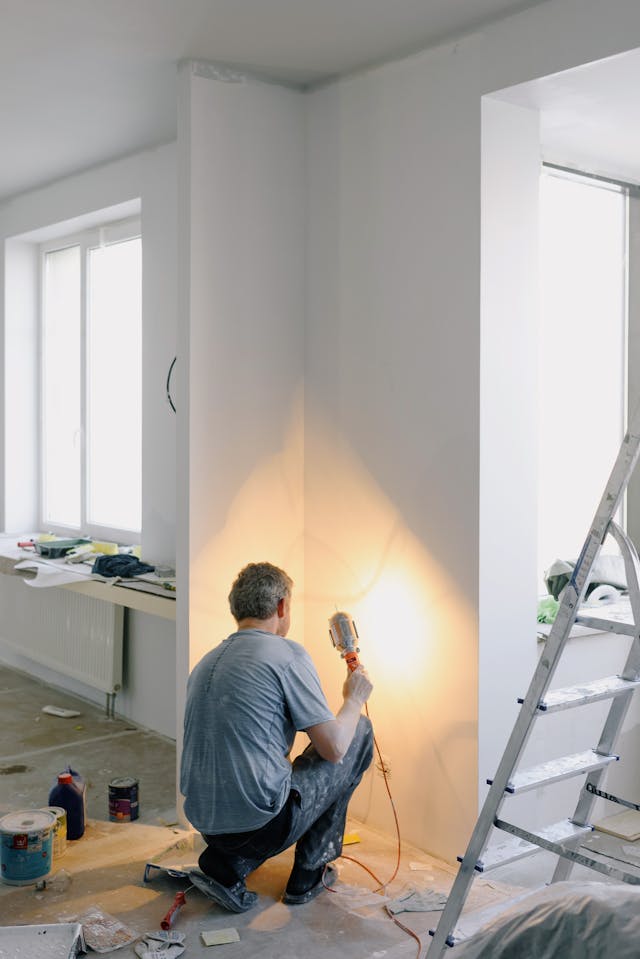
    Image by Ksenia Chernaya

    1. Incorporating Industrial and Bespoke Elements

    The use of raw materials and structural honesty are some trends in modern design that may be relevant to your renovation project. Introducing some industrial elements, to name one example, to your space can add a sophisticated edge to a standard condo layout. This might take the form of exposing concrete columns or installing custom metal fixtures such as room dividers or open shelving units. When integrating these unique features, do remember that safety and precision are paramount; safety first is an enduring rule in any renovation project. For instance, if you are commissioning custom metalwork to create a loft-like atmosphere, the fabrication process requires expert handling. Skilled tradespeople often rely on high-grade safety gear, such as Miller welding helmets, to ensure protection while crafting the detailed steel or iron accents that serve as the focal point of the room. These bespoke touches serve to create an elegant combination of modern industrialism and artisan craftsmanship.

    2. Strategic Financial Planning

    Any large-scale project requires some capital to carry out, and that’s especially true of any project involving your home and adding to it. Understanding your budget is always the all-important first step toward any project and ensuring it’s done with a minimum of stress. Costs can escalate quickly when you factor in labour, materials, and strata fees or deposits required by building management. As with any construction project, it’s of vital importance you have a clear picture of your finances before any work begins. While saving up the full amount is the ideal approach in this case, it’s not the only path to achieving your dream home. Many homeowners may elect to borrow money to cover any costs they don’t have the funds to afford at the moment. Securing all necessary funds upfront does allow you to commit to premium materials, such as quartz countertops or hardwood flooring. Such higher-quality materials is, in a way, an investment, specifically in terms of the better longevity and timeless appeal they can offer over many years. 

    3. The Power of Colour and Professional Finish

    In a condo, every bit of space counts; your space is another essential factor in your renovation that you can’t afford to ignore. The aim of installing your upgrades is specifically to add functionality without sacrificing aesthetics or taking up excess room. Custom joinery and built-in cabinetry are excellent ways to blend these needs. Floor-to-ceiling wardrobes or built-in media units provide ample storage while also maintaining a sleek, uncluttered look. Timeless style dictates that these built-ins should be unobtrusive; think flat-panel doors with hidden hardware or classic shaker styles in matte finishes. By customizing storage to fit the specific dimensions of your unit, you avoid the visual clutter of bulky, freestanding furniture and keep the apartment feeling open and airy. Pairing these smart storage solutions with durable and stylish materials like vinyl flooring Toronto homeowners prefer can further enhance the sense of space while providing a modern, low-maintenance foundation for the entire condo.

    4. Maximizing Space with Smart Joinery

    In a condo, every bit of space counts; your space is another essential factor in your renovation that you can’t afford to ignore. The aim of installing your upgrades is specifically to add functionality to that without sacrificing aesthetics or taking up excess room. Custom joinery and built-in cabinetry are excellent ways to blend these needs. Floor-to-ceiling wardrobes or built-in media units provide ample storage while also maintaining a sleek, uncluttered look. Timeless style dictates that these built-ins should be unobtrusive; think flat-panel doors with hidden hardware or classic shaker styles in matte finishes. By customizing storage to fit the specific dimensions of your unit, you avoid the visual clutter of bulky, freestanding furniture, and keep the apartment feeling open and airy.

    5. Lighting as a Design Statement

    Lighting is the jewelry of the home; to that end, it plays a crucial role in setting mood. A blend of modern technology and classic fixture design can work wonders for enhancing your lighting. Consider installing recessed LED pot lights for general illumination; keeping them on dimmer switches gives you control of the brightness and control the ambience. Layer this with statement pieces (think a mid-century modern chandelier or brass sconces) to add warmth and character to your rooms. Modern smart lighting systems also give you the ability to adjust the colour temperature and intensity from your phone, providing you the convenience of 21st-century tech with the aesthetic of a timeless home.

    The key to a successful condo renovation is merging modern functionality with timeless aesthetics. In so doing, you can create a unique and enduring living space, one that provides a functional space for everyday life, and reflects your particular tastes and personality.

  • A Day in the Life of a Modern Kitchen

    Step into a modern kitchen, and you might be surprised. It’s not all steam, chaos, or frantic shouting. Today’s kitchens are a mix of precision, creativity, and quiet intensity. Every station has a purpose, every ingredient is timed, and every team member knows the rhythm.

    Take Fallow, a contemporary venue often praised as one of the best restaurants in central London. Morning begins with meticulous prep: fresh produce unpacked, proteins portioned, sauces lined up. Chefs check deliveries and inspect every ingredient for quality. The kitchen hums quietly, almost like a prelude to a symphony. Every knife stroke and every measured pinch of spice is part of a careful orchestration.

    Interestingly, the modern kitchen balances speed and precision with creativity. Technology assists, but human intuition drives the process. Digital ticketing, precise ovens, and blast chillers handle repetition, but it’s the chef’s eye that decides when a sauce is perfectly reduced or when a steak has reached the ideal sear.

    Morning Rush: Mise en Place and Focus

    Morning service is about preparation more than cooking. At Fallow, seasonal ingredients dictate the menu, which means chefs constantly adjust their mise en place. Chopping vegetables, portioning meats, preparing sauces-all are timed down to the minute.

    A sous-chef once told me, “If you haven’t prepped it by 9, lunch will be chaos by 11.” It sounds dramatic, but in a kitchen like Fallow, every action is strategic. Teams communicate constantly, anticipating the flow of orders while maintaining high standards.

    Notably, prep work isn’t just about efficiency. It’s about laying a foundation for creativity. Once ingredients are organized, chefs can focus on flavour layering, unique plating, and innovation-all while keeping the rhythm steady.

    Midday Momentum: Service in Motion

    By noon, the kitchen transforms. Orders pour in, plates go out, and every station moves in sync. The energy shifts from preparation to execution.

    At this stage, diners are looking for balance. Modern restaurants, like Fallow, offer indulgent dishes alongside lighter options. It’s a delicate dance-satisfying taste while providing choice for those who want a fresh, seasonal plate.

    Across town, Cilantro, known as a top Indian restaurant in London, shows how versatility matters. Lunch service is a choreography of freshness: vegetables are steamed, proteins are seared, sauces are finished in real time. Every plate is a combination of traditional techniques and modern efficiency.

    What’s striking about Cilantro is how it balances health and flavour effortlessly. Diners searching for healthy options near me often find it here, not because the menu is labelled “diet-friendly,” but because the ingredients are seasonal, the proteins are carefully prepared, and flavours are layered to satisfy without overwhelming. It’s an approach that proves modern kitchens aren’t just about feeding people-they’re about curating experiences.

    Technology in the Modern Kitchen

    You can’t separate a modern kitchen from technology. Digital ordering, temperature-controlled appliances, and prep machines have redefined efficiency. Fallow and Cilantro use these tools to maintain consistency during peak service, ensuring each dish arrives perfect.

    But technology complements human skill-it doesn’t replace it. Automated ovens can maintain heat, but it’s the chef who decides when a fillet is perfectly cooked. Machines handle repetition; humans handle nuance.

    Interestingly, technology also allows kitchens to reduce waste. Predictive software shows which dishes are popular, which ingredients run out fastest, and what seasonal substitutions are possible. Modern kitchens aren’t just places to cook-they’re responsive, data-driven environments.

    Afternoon Creativity and Evening Prep

    After lunch, the kitchen quiets slightly, but the work continues. Chefs switch from immediate orders to preparation for evening service. Stocks simmer. Vegetables are prepped. Proteins marinated. This is when experimentation thrives.

    At LIVIN’Italy, a popular Italian restaurant in London, afternoon prep is both precise and artistic. Fresh pasta is rolled, sauces simmered, and desserts tested for presentation and flavour. Staff adjust dishes based on seasonal availability and feedback from earlier services.

    A key takeaway is that modern kitchens operate in cycles: intense peaks followed by focused preparation. Even when diners aren’t present, the team is planning, testing, and refining. Creativity and efficiency coexist.

    Collaboration and Culture

    A kitchen is a team sport. Every station, from garde-manger to pastry, depends on clear communication. Mistakes are rare because each member covers another’s blind spots. Experienced chefs mentor juniors, sharing techniques that technology can’t replicate.

    This culture is part of why kitchens like Fallow, Cilantro, and LIVIN’Italy excel. They’re human ecosystems where knowledge, precision, and artistry intersect. Every dish reflects that collaborative spirit-every plate tells a story.

    Customer Connection

    Ultimately, the modern kitchen revolves around diners. Every decision-ingredient sourcing, seasoning, plating-influences the experience. At LIVIN’Italy, feedback is shared in real time. Servers communicate preferences and comments to the kitchen, which allows chefs to adapt instantly.

    This loop-observe, execute, reflect-ensures every plate is memorable. Diners may not see the prep, the timing, or the collaboration, but they feel the result in every bite.

    Conclusion

    A day in a modern kitchen is more than chopping and cooking. It’s rhythm, strategy, and creativity. 

    Modern kitchens are complex ecosystems where technology supports intuition, teamwork drives efficiency, and creativity ensures every dish tells a story. They balance tradition with innovation, flavour with freshness, and speed with quality.

    Next time you dine at Fallow, Cilantro, or LIVIN’Italy, remember: that plate in front of you represents hours of planning, precision, and care. Eating out is easy. Appreciating the craft behind it is where the real taste lies.

  • The Art of Quiet: How a Well-Designed Dressing Room Changes the Feeling of Home

    The Art of Quiet: How a Well-Designed Dressing Room Changes the Feeling of Home

    A dressing room is more than a place for clothes. It is a quiet sanctuary of order, intention, and personal beauty. It shapes the rhythm of your morning, influences your state of mind, and defines how your home feels at its most intimate level. Everything matters here: the way a door moves, the warmth of wood, the precision of lines. A dressing room can be simple — but when designed thoughtfully, it becomes a space that breathes with you.

    Image via Unsplash

    A Private Architecture Within the Home

    Every home has a heart. For some, it’s the kitchen; for others, the living room.

    But for those who value style, clarity, and the emotional comfort of order, the true heart is the dressing room.

    It’s where you meet your morning, choose your pace, and discover calm among textures and silhouettes.

    Nothing in a refined dressing room is accidental: wooden hangers echo the natural line of your garments, storage boxes create visual rhythm, organizers guide the eye with quiet precision, and pull-down rails let you interact with height effortlessly, like an elegant gesture.

    Harmony appears when every detail exists in the right place — not because it must, but because it feels beautifully inevitable.

    The Tools of Quiet: How Details Shape a Space

    Quiet isn’t the absence of sound — it’s a sensation.

    You find it in the touch of natural wood, in smooth movements, in the absence of visual noise.

    A premium dressing room has its own silent protagonists:

    1. Wooden Hangers

    They set the line. Smooth, balanced, sculpted to hold the natural posture of garments — even when unworn.

    1. Storage Boxes

    They structure the shelves and create visual balance.

    Boxes don’t hide your belongings — they frame them.

    This is the architecture of order: clean on the outside, gentle on the inside.

    1. Organizers and Dividers

    They define the inner aesthetics.

    What once lived “somewhere” now occupies a space with intention.

    A well-organized drawer brings a sense of clarity — and clarity is a form of luxury.

    1. Pull-Down Rails for High Dressing Rooms

    They make height feel effortless. The space becomes flexible, responsive, almost choreographed.

    And yes, even a pull-down rail can be personalized — with a crest, initials, or a brand monogram.

    A subtle detail that completes the space with quiet confidence.

    How You Know a Dressing Room Is Designed Well

    You feel it immediately:

    • The space lets you breathe.
    • Even hidden storage looks beautiful.
    • Every solution feels intuitive.
    • Your clothes look cared for and honored.
    • Your morning begins not with searching — but with choosing.
    • A dressing room stops being a storage space.

    It becomes a living extension of your rhythm, your taste, your daily state of mind.

    A Final Thought

    The art of quiet is the art of finding beauty in the right details.

    A PRUSSARIO dressing room creates that quiet: deep, elegant, understated — like a soft light settling on natural wood.

    A well-designed space doesn’t show luxury. It whispers it.

  • Why Hair Ties Are More Than Just a Beauty Staple

    Hair ties are often seen as simple accessories — something to keep hair out of the way or complement a hairstyle. However, these small loops of elastic and fabric have a far greater role than just a beauty staple. From their functionality in different aspects of life to their impact on fashion and even health, hair ties prove their versatility time and time again. Here you will find why hair ties are such an important accessory.

    A Daily Essential for Everyone

    Whether you are heading to the gym, working at your desk, or cooking in the kitchen, hair ties make life easier. They keep hair secure, preventing distractions and enhancing comfort. Athletes rely on them to keep their focus during intense training, while professionals use them to maintain a polished appearance. Even outside of personal styling, they come in handy for quick fixes, like bundling cords or sealing bags.

    A Fashion Statement

    Hair ties have evolved beyond plain black elastics. With scrunchies, ribbon ties, spiral bands, and embellished options, they serve as both functional and fashionable accessories. They can add a pop of color to an outfit, complement a personal style, or even serve as a subtle statement piece on the wrist when not in use. Many designers incorporate stylish hair ties into their collections, proving that they are as much about aesthetics as they are about practicality.

    Health Benefits for Hair

    Not all hair ties are created equal, and choosing the right type can make a significant difference in hair health. Traditional elastic bands can cause breakage and tension, leading to damage over time. Silk or fabric-covered options help minimize strain, reducing the risk of split ends and hair loss. Additionally, spiral hair ties help prevent kinks and headaches by evenly distributing pressure. Making a mindful choice about the kind of hair tie used can contribute to stronger, healthier locks.

    A Small but Meaningful Gift

    Hair ties are an underrated yet thoughtful gift for any occasion. Whether as part of a beauty set, a stocking stuffer, or a just-because gesture, they are practical for almost everyone. With so many designs available, it is easy to find options that match any personality and style preference.

    More Than Just for Hair

    Beyond their intended use, hair ties serve a variety of unexpected purposes. They help keep sleeves rolled up, secure makeshift bandages, and even act as emergency rubber bands. Their versatility makes them a must-have in purses, backpacks, and homes. For those looking to upgrade their collection, explore a variety of stylish and practical hair ties to suit any occasion.

    The Ultimate Everyday Essential

    Hair ties may be small, but their impact is significant. They combine fashion, and function in ways that often go unnoticed. Whether used for styling, convenience, or an impromptu life hack, they remain an everyday essential for people of all ages and all lifestyles. With so many styles to choose from, they deserve more appreciation as more than just a beauty staple.

  • 6 Simple Art Pieces That Will Instantly Make Your Home Look More Unique

    Art has a remarkable ability to transform a space by adding warmth, personality, and a sense of style. It can take an ordinary room and turn it into a place that reflects your taste and interests, making it feel more inviting and comfortable. Art pieces can also tell a story about the people who live there. They can be a reflection of experiences, memories, or artistic preferences. 

    Contrary to popular belief, you don’t need to invest in expensive collections or rare artworks to achieve this effect. Many simple art pieces can have just as much impact, allowing you to personalise your space without breaking the bank. These simple pieces offer a different way to enhance your décor, whether it’s by adding a touch of colour, introducing interesting textures, or showcasing a bit of your personality through unique designs.

    In this article, we’ll explore different types of art pieces that are simple but can instantly make your home look more unique and a true reflection of your style.  

    1. Art Prints: Affordable and Stylish

    Art prints are a versatile option for adding a touch of creativity to any room. They’re reproductions of original artworks, usually printed on paper or canvas. They also come in a wide variety of styles, from classic landscapes and modern abstract pieces to playful illustrations and typography. Art prints are popular because they are an affordable way to bring artistic elements into a home without the high price tag of original pieces. 

    Additionally, art prints are available in various sizes. This makes them versatile for any space, whether you want to create a focal point with a large piece or add smaller accents to a gallery wall.

    1. Vases and Small Sculptures

    Handcrafted vases and small sculptures can add depth and texture to your space by offering a blend of function and artistry. Aside from holding flowers, vases can be standout décor items on their own, especially when they feature unique shapes and interesting colours or are made from certain materials.

    For example, a ceramic vase can add a touch of rustic charm, while a sleek glass vase can bring modern elegance. Sculptures, on the other hand, can range from small abstract figures to nature-inspired shapes. They add texture and depth to bookshelves, mantelpieces, or side tables.

    1. Personal Photographs: Adding a Touch of Nostalgia

    There’s something special about using personal or vintage photographs in your home. It adds a sense of nostalgia and makes your space feel truly lived-in. Unlike generic décor, photos hold sentimental value that lends a truly lived-in and look and feel. Your photo decorations could include snapshots from family holidays, portraits of loved ones, or even vintage pictures that tell a story of your heritage or interests. 

    When displaying photos, consider using classic frames or creating a photo wall with a mix of black-and-white and coloured prints for a gallery-like feel. You can also turn your favourite digital snaps into high-quality prints or canvases. Either way, it offers a simple yet meaningful way to personalise your space.

    1. Minimalist Wall Hangings and Tapestries

    For those looking to add a bit of texture and warmth to blank walls, minimalist wall hangings and tapestries can do wonders. These textile pieces add warmth and texture to a space, which makes them ideal for filling up blank walls. They can range from woven designs with abstract patterns to simple macramé pieces that add a bohemian touch. Unlike framed art, tapestries offer a softer, more casual aesthetic, making a room feel cosy and inviting. As a recommendation, opt for neutral tones or subtle patterns that blend seamlessly with your existing décor.

    1. Quirky Candle Holders and Functional Art

    Candle holders, lamps, and other functional art pieces can also serve as stylish décor elements. For instance, quirky accessories like sculptural candle holders with geometric shapes or whimsical animal motifs add a playful touch to any space. On the other hand, hand-painted lampshades or uniquely shaped table lamps bring a practical yet artistic element to your home.

    1. Botanical Art: Bringing the Outdoors Inside

    Nature-inspired art is another wonderful way to add a calming, organic feel to your home. Consider celebrating the beauty of plants and flowers through illustrations, prints, or pressed flower frames. These are a great way to bring a touch of nature into your home without the maintenance of real plants. Botanical prints are great options as well. They often feature detailed drawings of flowers, leaves, and other natural elements, providing a unique take for plant-related art.

    When it comes to displaying these art pieces, consider hanging a collection of botanical prints in the kitchen or framing pressed flowers in your living room.

    Simple art pieces can make a significant difference in creating a unique, inviting home. From art prints and personal photographs to custom-crafted vases and quirky candle holders, these elements add character to your space without draining your wallet. With a bit of creativity and a few well-chosen art pieces, your home can be transformed into a space that reflects your personality and taste.