Author: Igor

  • The Possible Impact of Electric Vehicles on Oil Demand and Global Energy Markets

    Consistent advancements in electric vehicle (EV) technology, which include improvements in battery range and charging infrastructure, have made EVs more practical and accessible to consumers. According to the International Energy Agency (IEA), the share of electric vehicles in total car sales has more than tripled between 2020 and 2022, from 4 to 14 per cent. With the global push towards reducing carbon emissions and transitioning to cleaner energy sources, the adoption of EVs is expected to continue growing in the coming years.

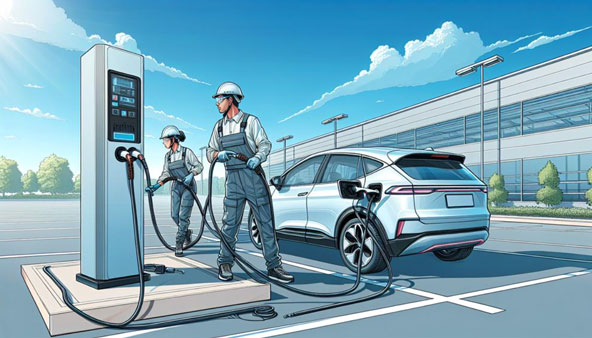
    Perhaps you’re thinking of future-proofing your transportation options. Maybe you’ve already purchased an EV and you’re doing an online search for “EV charger installer near me” in the hopes of completing your home setup to become more energy-independent. While personal, these choices contribute to ushering changes in the global oil and energy industry. 

    Here’s how your initiative, as well as that of other consumers, to adopt a more sustainable mode of transportation can make an impact. 

    Reduction in Oil Consumption

    The widespread adoption of EVs can lead to a reduction in the demand for oil-derived products such as gasoline and diesel. This shift away from traditional internal combustion engine vehicles towards electric propulsion systems has the potential to significantly decrease global oil consumption, impacting both oil prices and the profitability of oil-producing nations. 

    In fact, the IEA expects that by 2030, the use of EVs will contribute to a reduction of 5 million barrels per day to the global oil demand. Consumers stand to benefit from this transition through potential cost savings associated with lower fuel expenses, as well as reduced dependence on volatile oil markets.

    Shift in the Demand for Energy Sources

    As EVs become more prevalent on the roads, there will be a corresponding increase in the demand for electricity to power these vehicles. This shift in energy consumption pattern presents an opportunity to transition towards renewable energy sources such as solar, wind, and hydropower. By prioritising clean energy generation to meet the growing electricity needs of EV charging infrastructure, consumers can increase their contribution to the reduction of carbon emissions. 

    By 2028, it’s expected that 42 per cent of global energy will come from renewable sources. Additionally, the increase in investment in renewable energy technologies can create job opportunities and stimulate economic growth in the renewable energy sector. 

    Oil Price Volatility and Market Fluctuations

    The rise of EVs is likely to contribute to increased volatility in global oil markets as demand for oil-derived products fluctuates in response to changing consumer preferences. This volatility can have implications for consumers, businesses, and governments alike, as it can impact everything from fuel prices at the pump to the stability of national economies. Consumers may need to adapt to shifting market conditions by exploring alternative transportation options, investing in energy-efficient vehicles, or advocating for policies that support renewable energy development and reduce dependence on fossil fuels.

    Driving Oil Producers to Diversify Economies 

    Oil-producing nations heavily reliant on oil revenues may face economic challenges as demand for their primary export declines with the rise of EVs. Governments of these countries may need to diversify their economies and invest in alternative industries to offset the decline in oil revenues and promote long-term economic resilience. Consumers can support these efforts by embracing novel transportation solutions and reducing their dependence on oil-derived products. By regularly bringing their business to emerging fields, buyers can contribute to the diversification efforts of economies that are heavily reliant on revenues from oil products. 

    Investment in EV Infrastructure

    The widespread adoption of EVs necessitates investments in charging infrastructure to support the growing fleet of electric vehicles on the roads. This presents growth and expansion opportunities for businesses involved in EV charging infrastructure development, battery manufacturing, and renewable energy integration. Consumers can benefit from improved access to charging stations and faster charging times, enhancing the convenience and practicality of owning an electric vehicle. Moreover, investing in EV infrastructure can stimulate economic growth, create jobs, and contribute to the development of a resilient energy ecosystem.

    Environmental Benefits and a Greener Future

    One of the most significant impacts of EV adoption is its potential to reduce greenhouse gas emissions and mitigate the impacts of climate change. By displacing traditional petrol and diesel vehicles with electric alternatives, consumers can contribute to bringing about cleaner air, improving public health, and creating a more sustainable environment for future generations. Additionally, the adoption of EVs can help reduce dependence on finite fossil fuel resources, promoting energy security and resilience in the face of future energy challenges.

    The widespread adoption of electric vehicles has the potential to revolutionise global oil markets and energy demands. By embracing EVs as a viable alternative to traditional petrol and diesel vehicles, you can expand your contribution to reducing carbon emissions, mitigating the impacts of climate change, and building a more resilient and equitable energy future.

  • Watch Brands That Hold Their Value

    In life, there are certain luxury items that truly are worth the investment. This is especially true when it comes to those timeless pieces of jewellery or accessories that you can wear every day and cherish for many years to come. When it comes to finding the perfect watch, there are many brands which can justify a higher price tag, as they hold onto their value, or in some cases grow in value, in the years that follow after your purchase. This article will shine a spotlight on some of the best brands of watches that will hold their value.

    Rolex

    One of the most prominent and well-known brands of all time, Rolex watches are renowned for their exceptional quality and iconic designs. Over the decades, Rolex watches have become synonymous with class and sophistication and continue to be highly sought-after all across the world. Some of the most popular Rolex models that guarantee to hold their value include the Daytona, the Air-King and the Datejust.

    OMEGA

    This renowned brand offers those looking to purchase a watch the perfect blend between luxury and affordability, as they are often more accessible price-wise in comparison to other luxury brands. You’ll also find a wealth of second-hand OMEGA watches on the market, which means you can be the owner of one of their classic timepieces without having the break the bank.

    Patek Philippe

    The rich heritage of the Patek Philippe brand makes these watches some of the most prestigious across the globe. Vintage models such as the Aquanaut and the Calatrava can come with staggering price tags and are popular with collectors. So choosing to invest in a Patek Philippe means you can enjoy wearing it and be safe in the knowledge that, should you decide to sell this timepiece, you won’t be short of finding someone who would be eager to purchase it from you.

    Audesmars Piguet

    Audesmars Piguet watches are recognised for their distinctive designs and innovative craftsmanship that consistently pushes the boundaries in the world of luxury watches. These watches stand out from the crowd and perfectly blend complex mechanical expertise with modern excellence and precision. Iconic models such as the Jules Audemars series and the Royal Oak are among some of the most sought-after watches on the market.

    Cartier

    Sophisticated, luxurious and expertly crafted, Cartier is a brand that demands attention. Thanks to a wealth of incredible ties with high-profile figures and celebrity endorsements, owning a Cartier watch guarantees an investment that will hold its value remarkably well in the future. Classic designs such as the Ballon Bleu and the Santon are symbolic of Cartier’s commitment to producing exquisite timepieces of only the highest quality, and the demand to own such models has never faded.

    The demand for these iconic models has never faded, making pre-owned Cartier watches a sought-after choice for collectors and enthusiasts alike.

    Selling luxury watches from brands that hold their value, such as Rolex, Patek Philippe, and Audemars Piguet, can be a rewarding investment. These timepieces retain strong resale demand due to their craftsmanship, brand prestige, and limited production. Whether you’re upgrading your collection or looking to liquidate assets, selling a well-maintained luxury watch through reputable dealers or auction platforms ensures you get the best possible return. Proper documentation, servicing, and market timing can further enhance your watch’s resale value.

  • Our Favourite Hatchback Vehicles

    One of the most popular styles of car on roads in the UK, the hatchback has been the go-to car with drivers of all ages for many years and its popularity shows no signs of slowing down. They may be small in size, but hatchbacks provide drivers with everything they need and are not only practical but many come in sleek, modern designs and are kitted out with all the latest tech and gadgets. This article will highlight five of the most popular hatchbacks on roads in the UK today. 

    Honda Civic

    A great all-round hatchback perfectly suited for families, the Honda Civic won Parkers’ Car of the Year award in 2023. The Honda Civic comes with a large 2.0-litre hybrid engine and a six-speed manual gearbox that promises an exceptional driving experience. The Honda Civic also provides great value for money, with even the base models boasting lots of top-of-the-range equipment and state-of-the-art technology. It also has a sleek design and it is perfectly suited for long drives with the family for weekend break. 

    Mercedes Benz A-Class

    The fourth generation Mercedes Benz A-Class is currently available as both a hatchback and a sedan, which differs from the previous incarnations which were both three and five-door hatchbacks. The Mercedes Benz A-Class promises drivers exceptional luxury and comfort, whilst also being a delight to drive. It’s at the higher end of the scale in terms of price, but it certainly warrants the price tag in comparison to other hatchbacks. The vehicle boasts a fantastic grip and features hybrid tech that is among the best on the market.

    Vauxhall Astra

    The recently remodelled Astra is certainly a head-turner and makes for a very desirable hatchback for families as it features plenty of space for luggage. Smart and well-built, the Vauxhall Astra has everything you would expect from a hatchback and has the quality to take on other rivals on the market. Astras also feature a decent range of engine options and come with all of the smart tech you would expect from a modern vehicle.

    Seat Leon

    Smart, comfortable and well-priced, it’s not hard to see why it is so popular with so many drivers in the UK. You’ll find plenty of space inside which makes it the ideal choice for larger families and it does not cost a lot to run if you choose this as the car you use for your daily commutes and school runs. 

    Ford Fiesta

    The smallest of all of the hatchbacks we have highlighted in this article, what it lacks in size it makes up for in performance and comfort. The Ford Fiesta is the perfect car for nipping around towns and cities and comes with all of the forward-thinking technologies you would expect from a pricier model. 


  • Eco-Friendly Engines: How Green Technology Is Shaping The Car Industry

    The automotive industry stands at a crossroads, with eco-friendly engines leading towards a sustainable future. As global awareness of environmental issues grows, so does the demand for vehicles that can mitigate the impact on our planet. This shift has sparked a revolution in car manufacturing, propelling the development of technologies that promise reduced emissions and improved efficiency.

    Electric, hybrid, and hydrogen fuel cell engines are at the forefront of this transformation, each offering a pathway to lower carbon footprints and cleaner air. The journey towards green technology in cars is not just a response to regulatory pressures; it’s driven by consumers who value sustainability as much as performance.

    Types Of Eco-Friendly Car Engines

    Exploring the types of eco-friendly car engines opens up a realm of possibilities for reducing automotive emissions. Electric vehicles, powered entirely by batteries, eliminate tailpipe emissions, offering a cleaner alternative for city driving. For those considering an EV, researching available models and their range of capabilities is essential. Hybrids combine a conventional engine with an electric motor and provide a versatile solution. They are particularly effective for drivers transitioning from traditional fuel vehicles, offering improved fuel efficiency and reduced emissions without the range anxiety associated with fully electric models. Hydrogen fuel cell vehicles, though less common, represent the cutting edge of green technology. Investing in these vehicles supports innovation in clean energy.

    Benefits Of Green Technology For Cars

    Adopting green technology brings multiple benefits, not just for the environment but also for vehicle owners. Eco-friendly cars often have lower running costs, as electricity is cheaper than petrol or diesel. Additionally, many governments offer incentives such as tax reductions or grants for purchasing green vehicles. These grants can often be used to install home charging stations, helping to further cut down on overall expenses.

    Installing electric car charging stations at home or in workplaces provides a convenient and cost-effective way to reduce fuel costs even further. These benefits make eco-friendly cars an attractive option for cost-conscious consumers. Beyond economics, driving a green vehicle contributes to cleaner air, reducing the health impacts associated with air pollution. Owners can take pride in their contribution to environmental preservation.

    Challenges In Adopting Green Technology

    While shifting to green technology is imperative for a sustainable future, it comes with challenges. The initial cost of eco-friendly vehicles can be higher than traditional cars, often offset by lower running costs and government incentives. Potential buyers should research available financial incentives and consider the total cost of ownership over the vehicle’s lifespan.

    Keeping Up With Trends In The Automotive Industry

    Navigating the swiftly changing terrain of the automotive industry requires a keen eye and a thirst for knowledge. For those passionate about the latest green technology, a digital car magazine, like The Intercooler, and online automotive publications offer invaluable resources. These platforms provide immediate access to the newest advancements, detailed reviews, and expert opinions, helping enthusiasts and consumers stay ahead of the curve. Additionally, attending automotive shows presents a hands-on opportunity to experience the latest eco-friendly models up close. At the same time, social media platforms allow for direct engagement with manufacturers and thought leaders in the field.

    Conclusion: The Road Ahead For Eco-Friendly Engines

    The transition to eco-friendly engines is not just a trend; it’s a necessary shift towards sustainable transportation. As technology advances, green vehicles’ range, efficiency, and affordability will continue to improve, making them accessible to a wider audience. By embracing green technology and advocating for sustainable practices, society can drive towards a future where clean, efficient transportation is the norm.

  • Finding Balance: The Path to Mental Wellness

    Mental health is a crucial aspect of overall well-being, yet it often goes overlooked in the hustle and bustle of daily life. With the increasing pressures of modern society, finding effective ways to manage stress, anxiety, and other mental health challenges is more important than ever. This article aims to shed light on the significance of mental health care and the various strategies individuals can employ to maintain mental wellness.

    Understanding Mental Health

    Mental health encompasses our emotional, psychological, and social well-being. It affects how we think, feel, and cope with life’s challenges. Just like physical health, mental health is vital at every stage of life, from childhood and adolescence through adulthood.

    The Importance of Professional Support
    While self-care and support from loved ones are valuable, professional help is often a critical component of effectively managing mental health issues. Mental health professionals can provide tailored advice, therapy, and treatment plans to help individuals navigate their unique challenges.

    Strategies for Maintaining Mental Wellness

    Maintaining mental wellness requires a multifaceted approach. Here are some strategies that can help:

    • Regular Exercise: Physical activity is known to improve mood and reduce symptoms of anxiety and depression.
    • Healthy Eating: A balanced diet can positively impact mental health, providing the energy and nutrients the brain needs to function properly.
    • Adequate Sleep: Quality sleep is essential for emotional and psychological resilience.
    • Mindfulness and Meditation: These practices can help reduce stress and improve overall mental well-being.
    • Social Connections: Building and maintaining strong relationships contribute to a sense of belonging and support.
    • Reading: Find out more about yourself and understand how mental health affects other people through books like Nobody’s Normal: How Culture Created the Stigma of Mental Health.
    • Regular Physical Health Checkups: According to this Avon Lake OH dentist, good physical health contributes to better mood, energy levels, and overall mental resilience. Additionally, managing chronic conditions and preventing illnesses through regular checkups reduces stress and anxiety, promoting a more balanced and healthy mental state.

    Seeking Professional Help
    For those facing mental health challenges, seeking professional help is a crucial step towards recovery. Mental health professionals can offer guidance, support, and treatment options tailored to individual needs.
    One resource for professional mental health services is St George psychiatry. They provide a range of services designed to support individuals in achieving and maintaining mental wellness.

    The Role of Psychiatry in Mental Health

    Psychiatry plays a vital role in the treatment of mental health disorders. Psychiatrists are medical doctors who specialize in diagnosing, treating, and preventing mental, emotional, and behavioral disorders. They can prescribe medication, offer therapy, and recommend other treatments based on the needs of their patients.

    Common Treatments in Psychiatry

    • Medication Management: Psychiatrists can prescribe medications to help manage symptoms of mental health disorders.
    • Psychotherapy: Also known as talk therapy, this involves discussing issues and feelings with a therapist to address root causes of mental health challenges.
    • Lifestyle Changes: Recommendations may include changes in diet, exercise, and sleep habits to support mental health.

    Overcoming Stigma

    One of the barriers to seeking help for mental health issues is the stigma that still surrounds mental illness. Overcoming this stigma is essential for creating a society where people feel supported in seeking help.

    How to Combat Stigma

    • Education: Learning about mental health challenges can help dispel myths and misunderstandings.
    • Open Conversations: Talking openly about mental health can normalize these discussions and encourage others to seek help.
    • Supporting Others: Showing empathy and support to those struggling with mental health issues can make a significant difference.

    Final Thoughts

    Mental health is an integral part of overall well-being. By understanding the importance of mental health, employing strategies to maintain mental wellness, and seeking professional help when needed, individuals can lead healthier, more fulfilling lives. Remember, seeking help is a a sign of strength, not weakness, and professional resources like psychiatry services support you on your journey to mental wellness.